


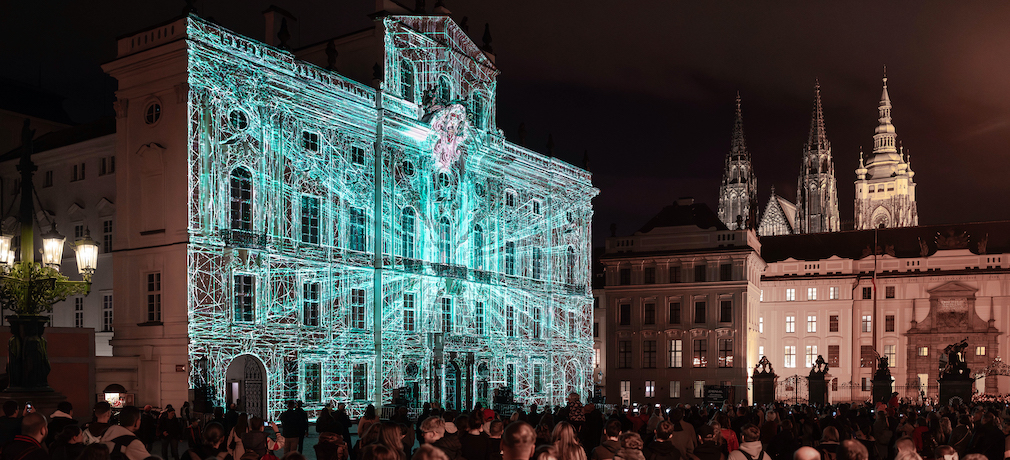

Last week, Signal Festival 2024 invited visitors to explore the delicate symbiosis between the physical and digital realms, merging art, technology, and architecture into a profound narrative of interconnectedness. With Ecosystems II: Quest, the festival transformed Prague’s historic spaces — most notably Prague Castle — into vibrant reflections of how nature, society, and technology coalesce. The installations blended the city’s historic landmarks with modern technological expression, urging contemplation on how digital ecosystems parallel organic ones, and inviting audiences to consider their roles within these intricate networks.

The 2024 edition continued the three-year Ecosystems series, focusing on the theme of “Quest.” Curator Pavel Mrkus positioned the festival as an exploration of contemporary societal, environmental, and technological dilemmas. The installations were organized into four thematic chapters: Machinery Missionaries, Deep Travellers, Into the Universe, and Play. Each chapter addressed the impact of technology on modern ecosystems and our quest for balance within these complex systems.
In order to do so, the festival made innovative use of Prague’s historic and modern architectural landmarks, transforming public spaces into immersive environments, and vibrant art zones.
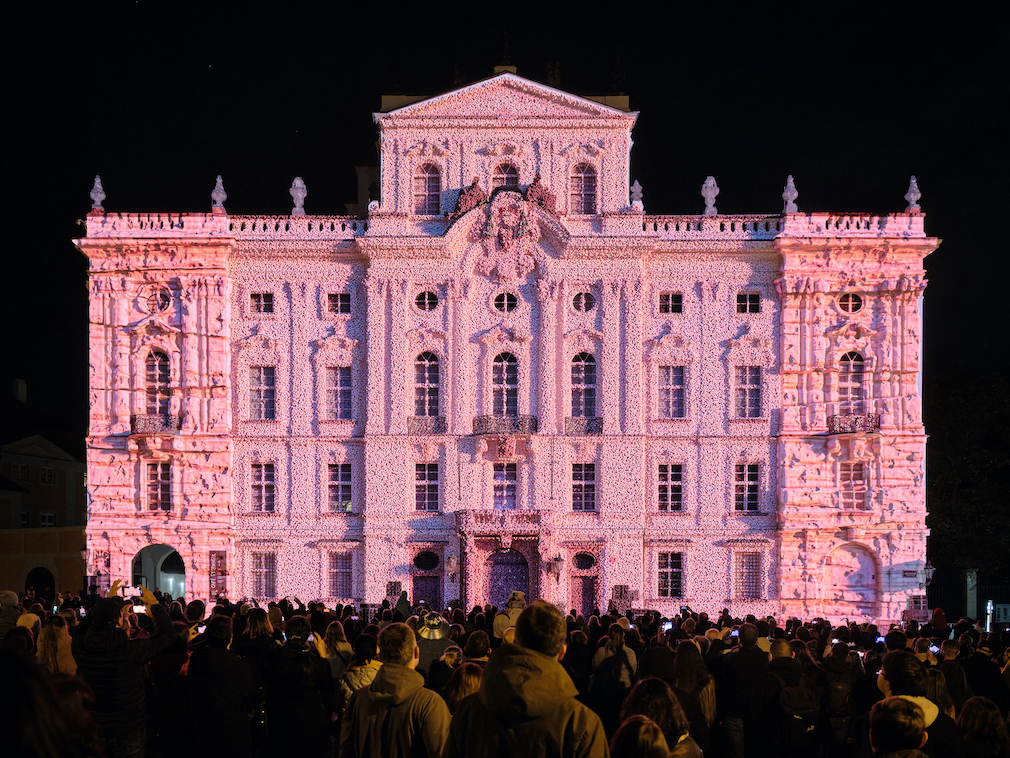

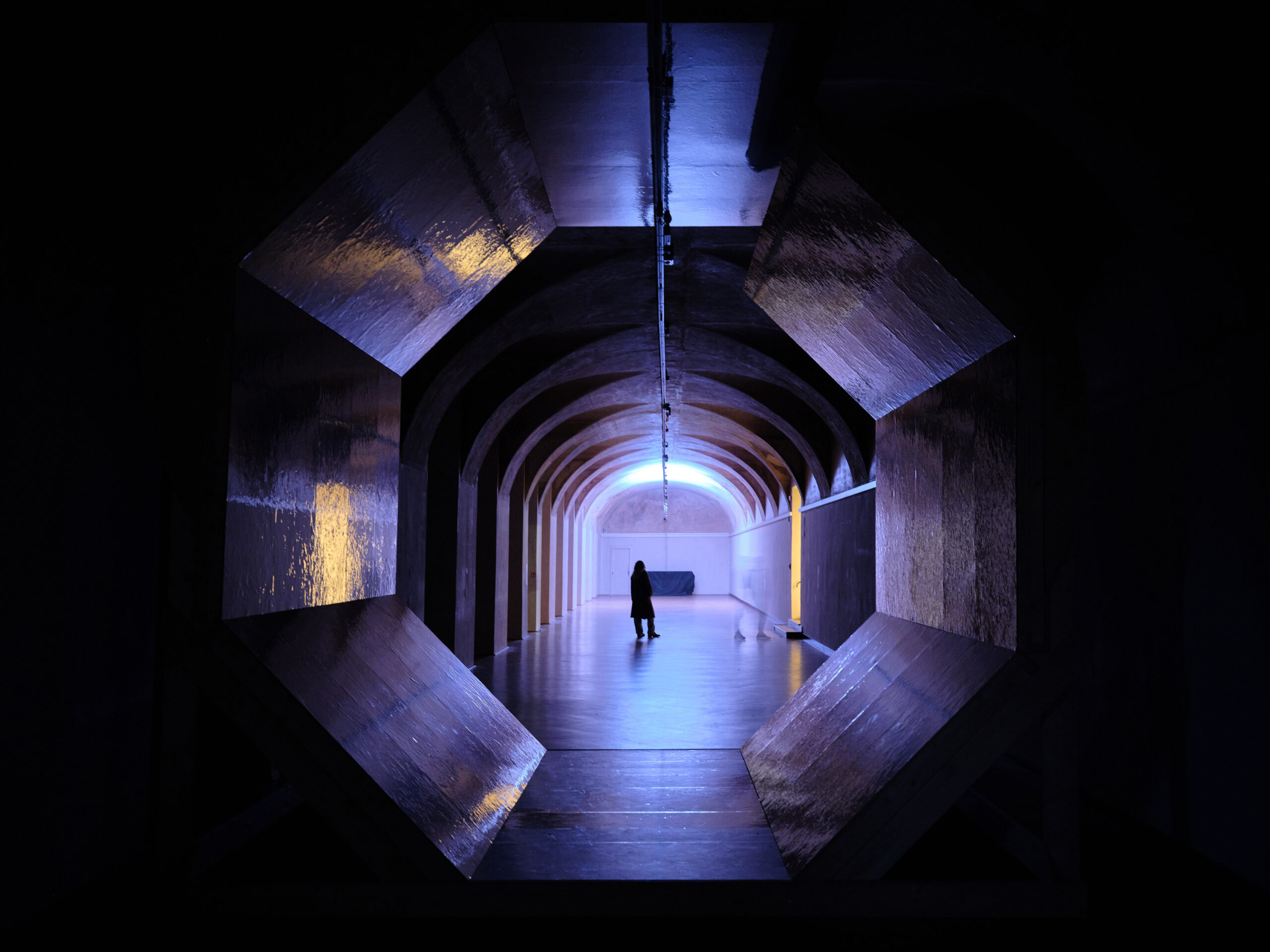
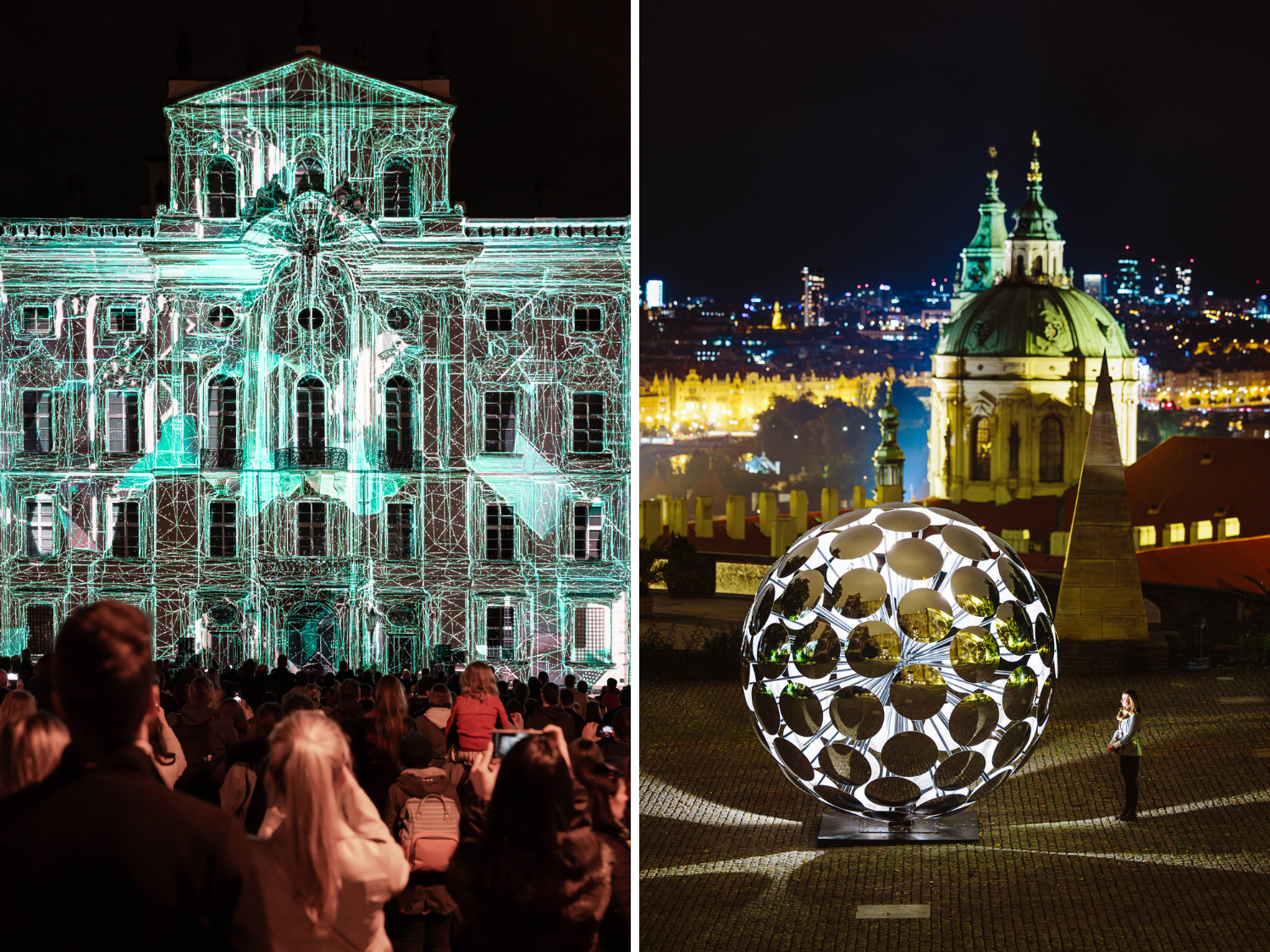
This year, for the first time, the festival included Prague Castle, the largest castle complex in the world. Key installations included Filip Hodas’s video mapping Eternal Recurrence, which adorned the Archbishop’s Palace with a layered narrative of life’s evolution, and Jiří Příhoda’s Capriccio, which examined the Renaissance’s use of perspective and geometric balance, transporting visitors into an illusionary space where light, shadow, and form play out a dramatic interaction. Korean artist Seohyo’s Coded Tapestry: Prague was another highlight, reinterpreting Prague’s architectural motifs as a digital tapestry at the Prague Castle Riding Hall. The Spanish artist SpY’s ORB in the South Gardens, a mirrored, reflective sphere inspired by ancient Egyptian architecture, created fragmented reflections of the surrounding architecture, sky, and audience. Michael Bielický & Kamila B. Richter’s Columbus 2.0 at Schwarzenberg Palace, invited audiences to steer through a sea of digital information in real-time, using an interactive control system to navigate today’s overwhelming data streams.
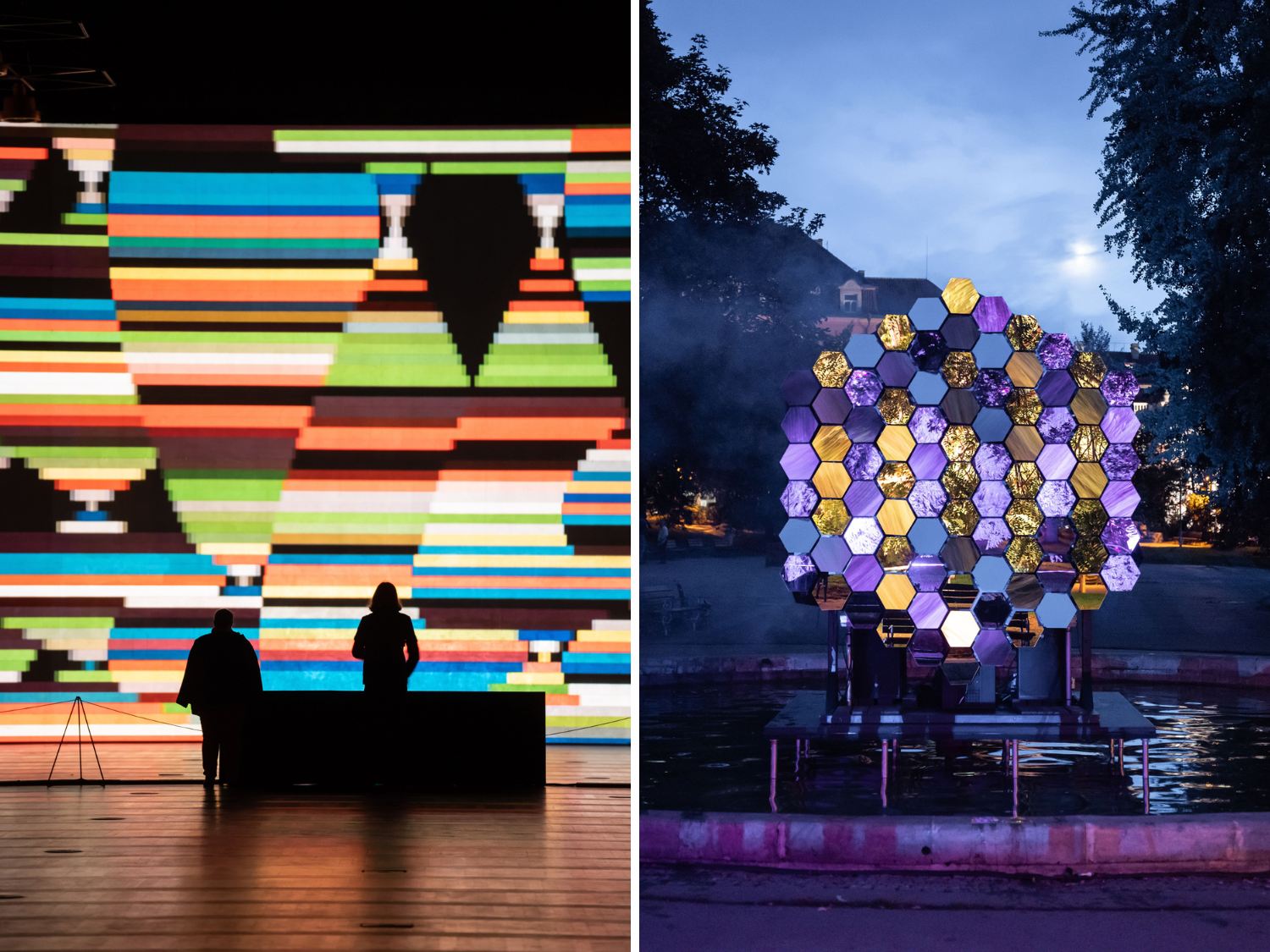
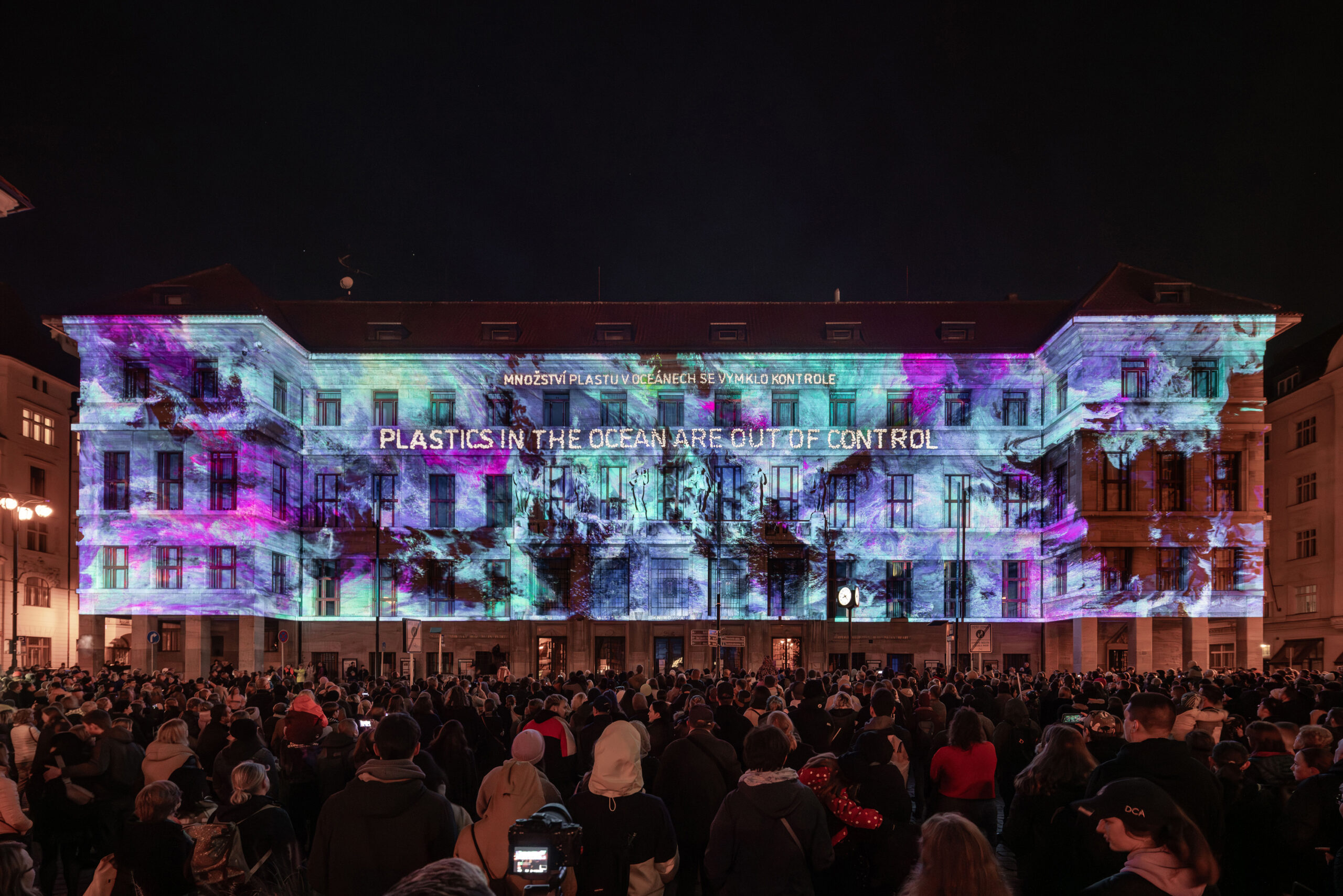

In the city center, installations like Desilence’s The Rhythm of the Ocean at the Municipal Library transported visitors into deep oceanic environments. Accompanied by a soundscape from Grammy-nominated musician Suzanne Ciani, the video mapping was a stark reminder of the fragile equilibrium that sustains life on Earth. Laterna magika’s Iron Horse: Fractured offered a multidisciplinary performance piece, combining theater, dance, and audiovisual art. The installation at Clam-Gallas Palace invited viewers to witness fragmented stories through the windows of passing trains. Cao Yuxi’s Dimensional Sampling in Old Town Square explored the role of QR codes in contemporary culture, creating a digital totem that connected the physical and virtual worlds.
The interventions offered fresh perspectives on Prague’s historical landmarks while redefining how public spaces can serve as canvases for creative expression.
Like what you see? Get it first with a subscription to aspire design and home magazine.