



Lighting is not always at the forefront of most people’s minds when they create a home office. We all understand the importance of having a comfortable chair and a large filing cabinet, but how many of us consider lighting?
Poor lighting is not conducive to productivity. It causes eye strain and headaches, and if you sit working hard in a dingy room day after day, a bad mood. To address these problems, here are some tips to help you light your home office correctly.
Bright and Airy Workspace
Work spaces need to be well lit, preferably with natural light. There is nothing worse than sitting in a windowless room all day long. It is depressing and likely to lead to endless amounts of procrastination. Try and position your desk close to a window, so you can enjoy plenty of natural light, but make sure you fit a blind to keep the sun out on a hot day.
Task Lighting
Task lighting is very important. Desk lamps can be used to direct light on to a keyboard or accounts book – look for lamps that direct light downwards, as these are most effective. If you perform multiple tasks throughout your working day, you may need several dedicated task lights.
Avoid Direct Lighting
It is always better to avoid direct light. Nobody likes working under the harsh glare of fluorescent lighting or halogen spot lamps. Dark pockets of shadow alleviated only by a flickering candle are also not recommended, unless you like scratching away with feather pens and ink on parchment paper.
Light reflecting off a computer screen is bad for our eyes, so look at ways to diffuse your home office lighting. What you need is soft light without any glare or deep shadows. Desk lamps with lamp shades provide softer light and uplighters can be used to illuminate dark corners.
You can find some great ideas for lighting your home at gktgroup.com.au.
Use Decorative Lighting
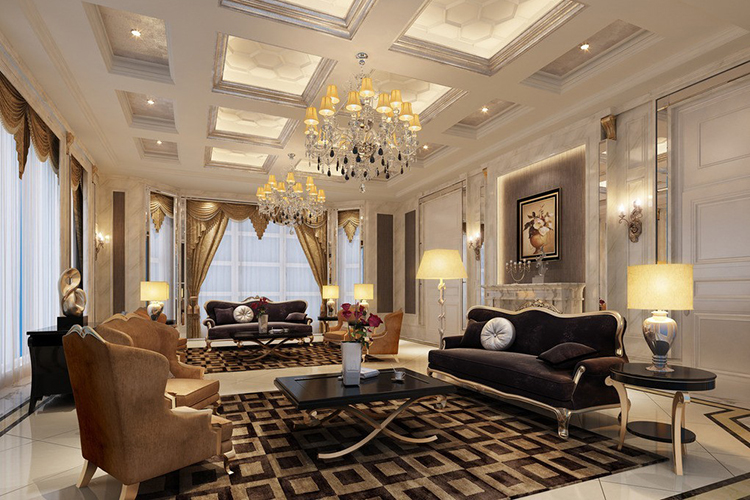
Don’t forget about decorative lighting. Larger offices can really benefit from attractive decorative lighting, particularly if you receive clients there. Hidden uplighters in bookshelves and accent lighting highlighting paintings or achievement certificates is a nice touch in an office setting. Other decorative lighting such as pretty lamps or wall sconces can also work well.
For best results, use a combination of all of the above types of lighting. Mix and match task lighting with accent lamps and natural light. That way you will avoid eye strain and depression, whilst being super productive all day long.
Like what you see? Get it first with a subscription to ASPIRE DESIGN AND HOME magazine.