
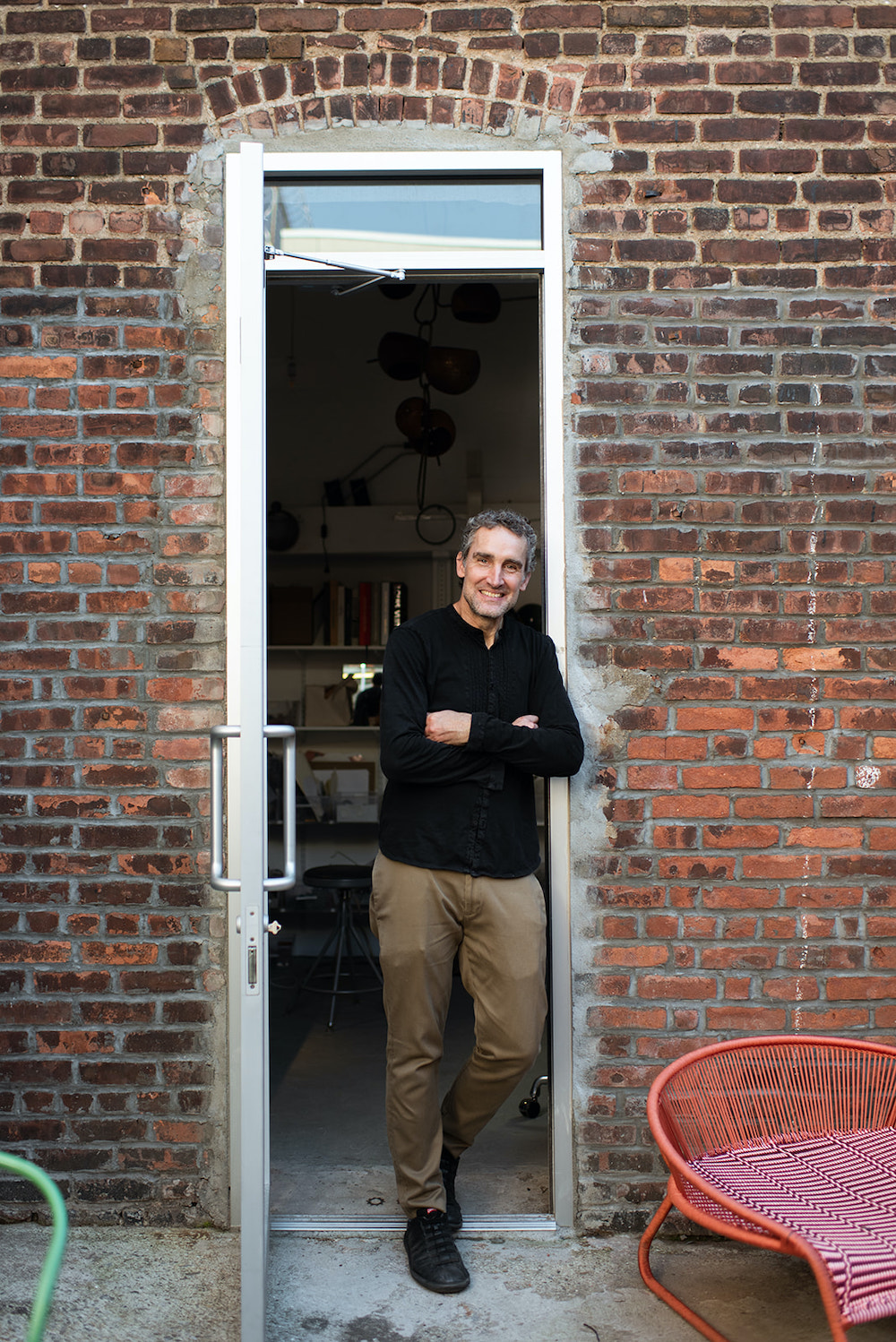
David Weeks has been designing and producing large-scale sculptural lighting pieces since his studio’s early days in Dumbo circa 1996. A pioneering figure in Brooklyn’s burgeoning independent design movement, his award-winning pieces have been exhibited in Milan, Paris, London and New York, and are installed in high-profile commercial locations and private collections worldwide.
In the fall of 2023, David accepted the Rome Prize, a fellowship that invites artists and scholars to work and learn at the American Academy in Rome. He spent six months soaking up the history of The Eternal City and working on the prototype for a new 13-foot mobile chandelier, Scopo.
Take a look back at his journey in this edition of Designer Travels.
Destination: Rome
Month traveled: September 2023 to February 2024. I’m writing this almost exactly a year from when I left for Rome.
Duration of trip: 6 months
Temperature range: Hot to hotter
Solo trip or vacation with family/friends? Half and half – my wife joined for six weeks, and our kids were there for Christmas.
First visit or repeat destination? A repeat visit
The lodgings…
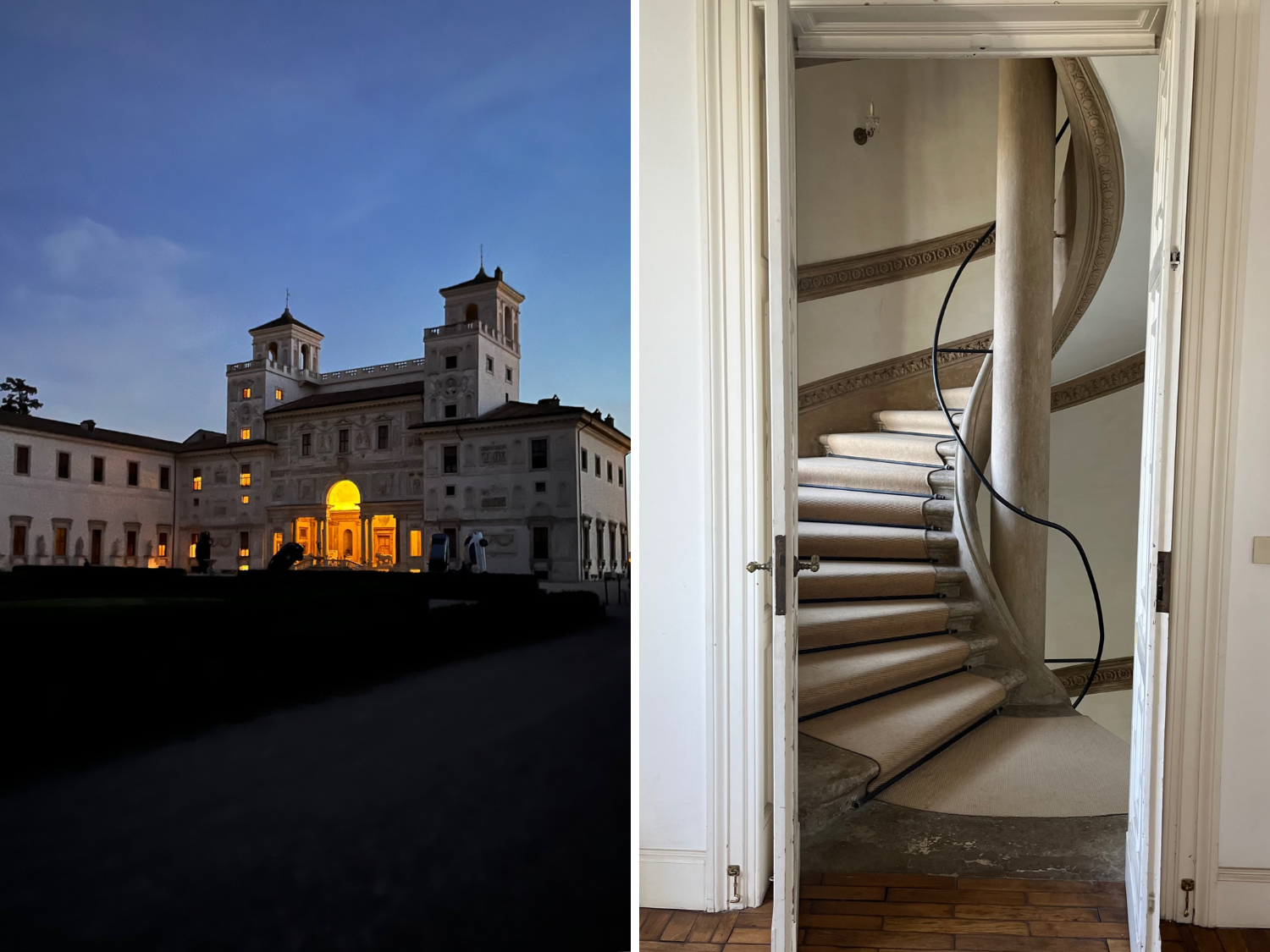
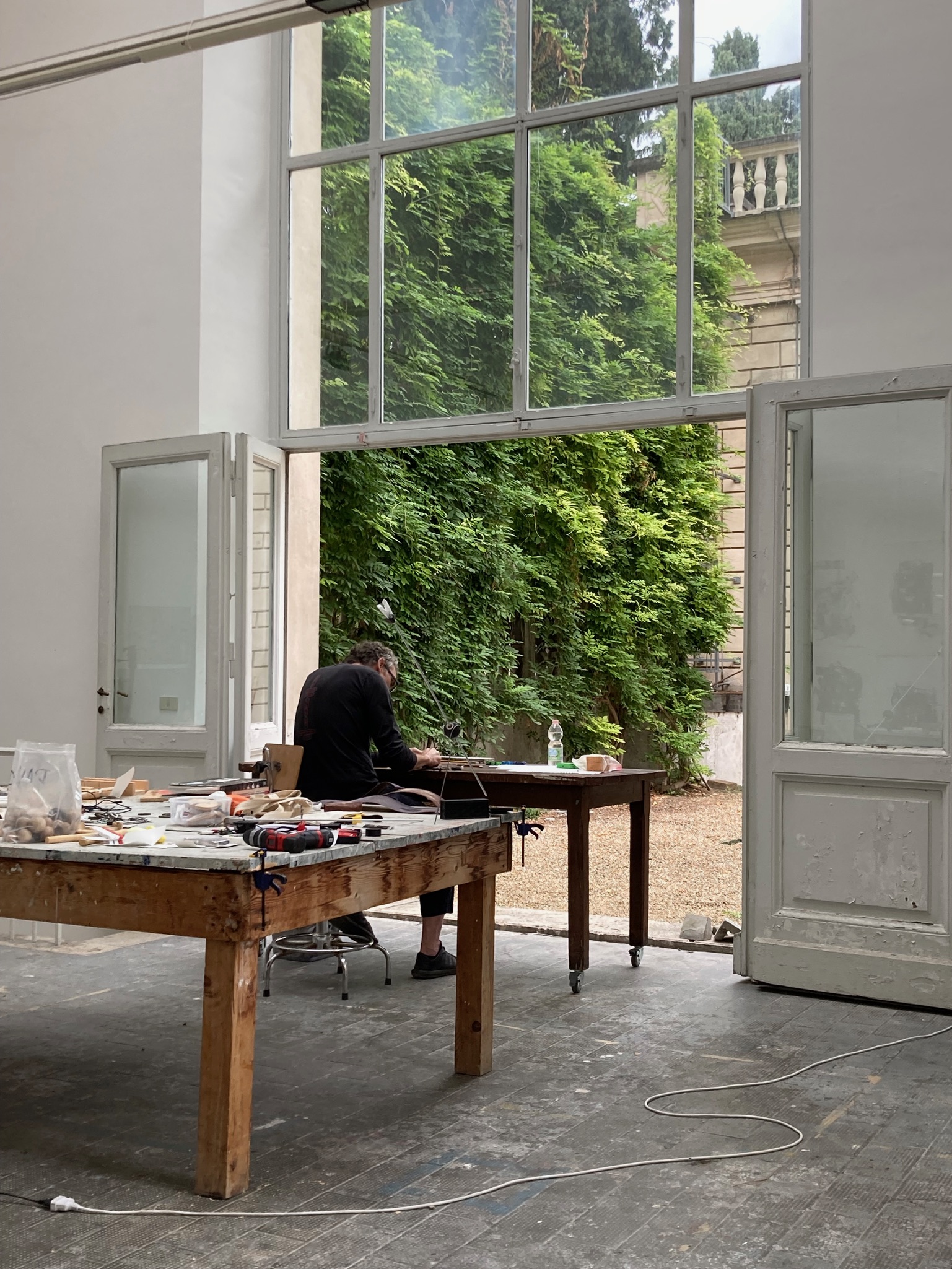
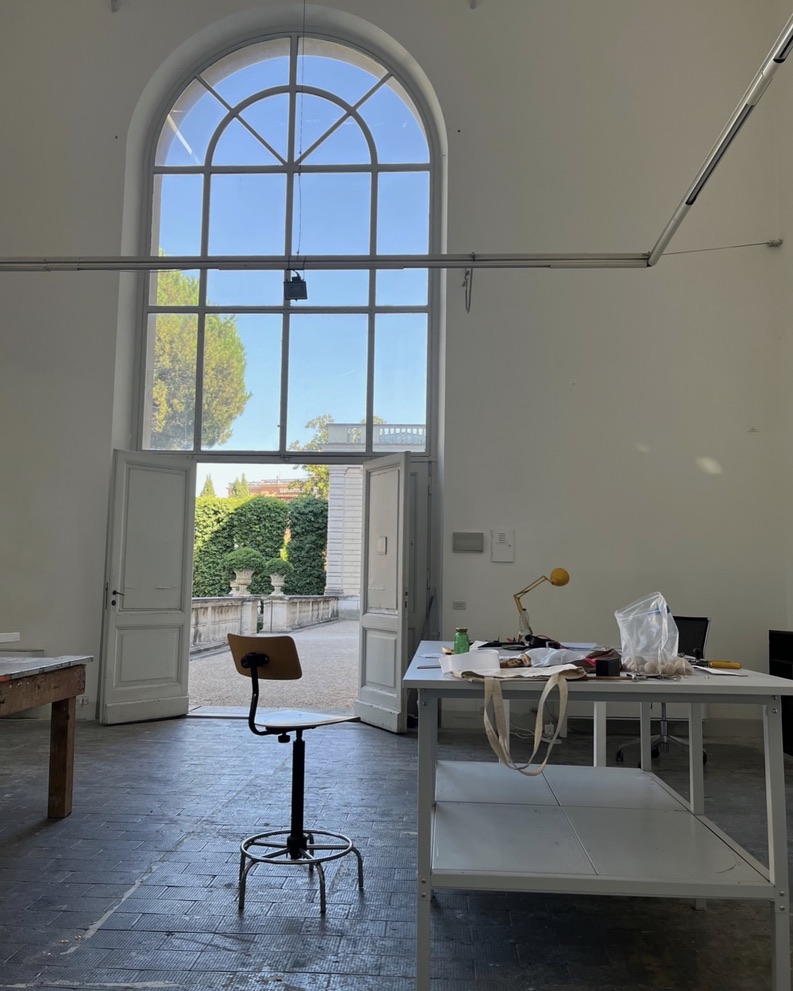
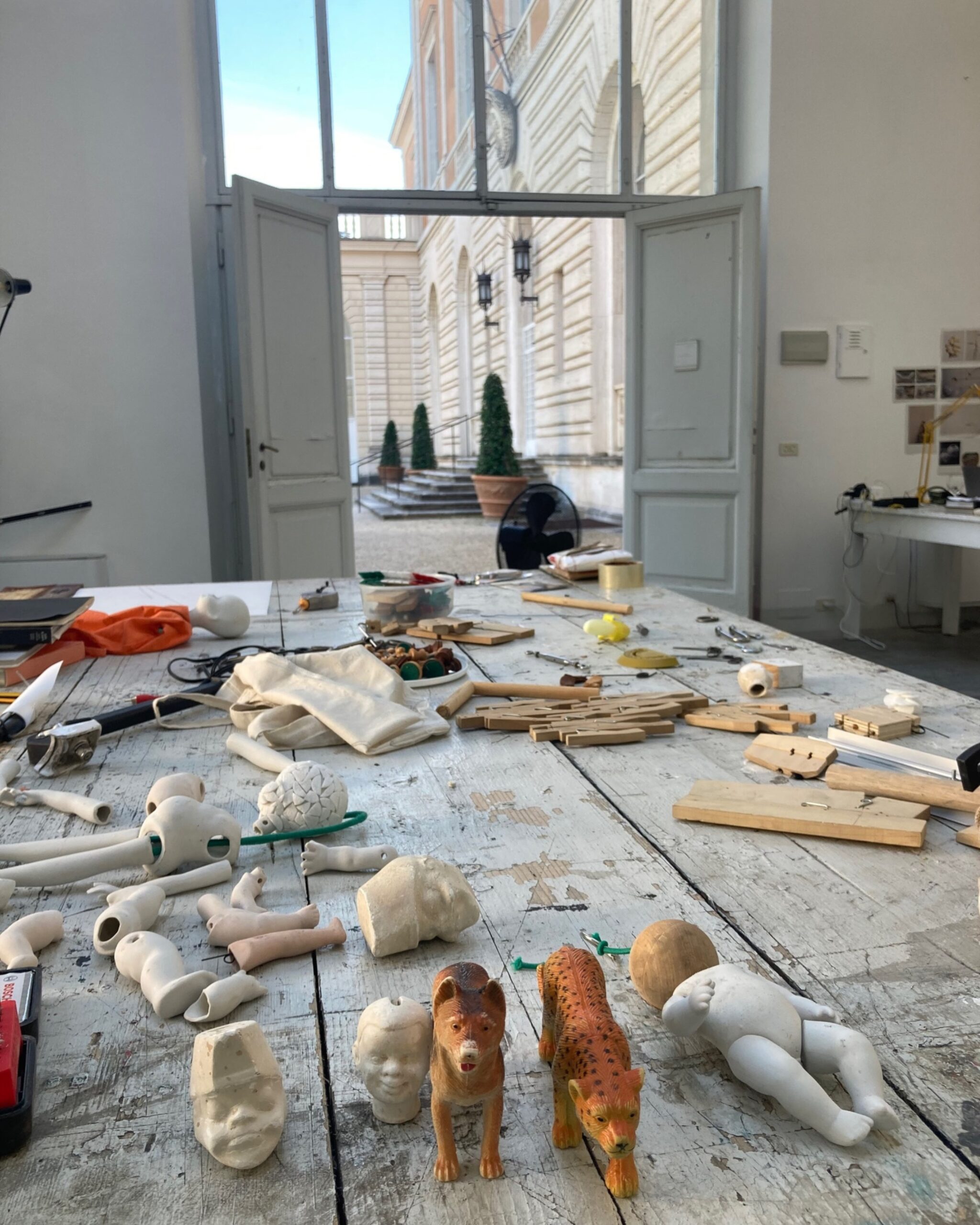
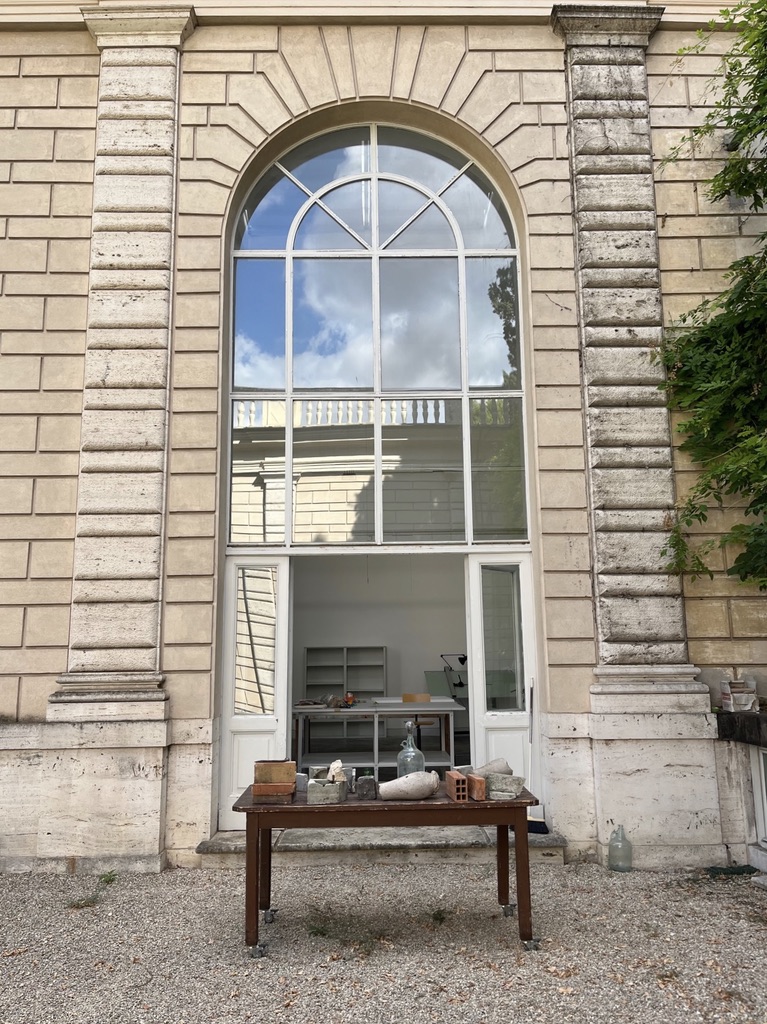
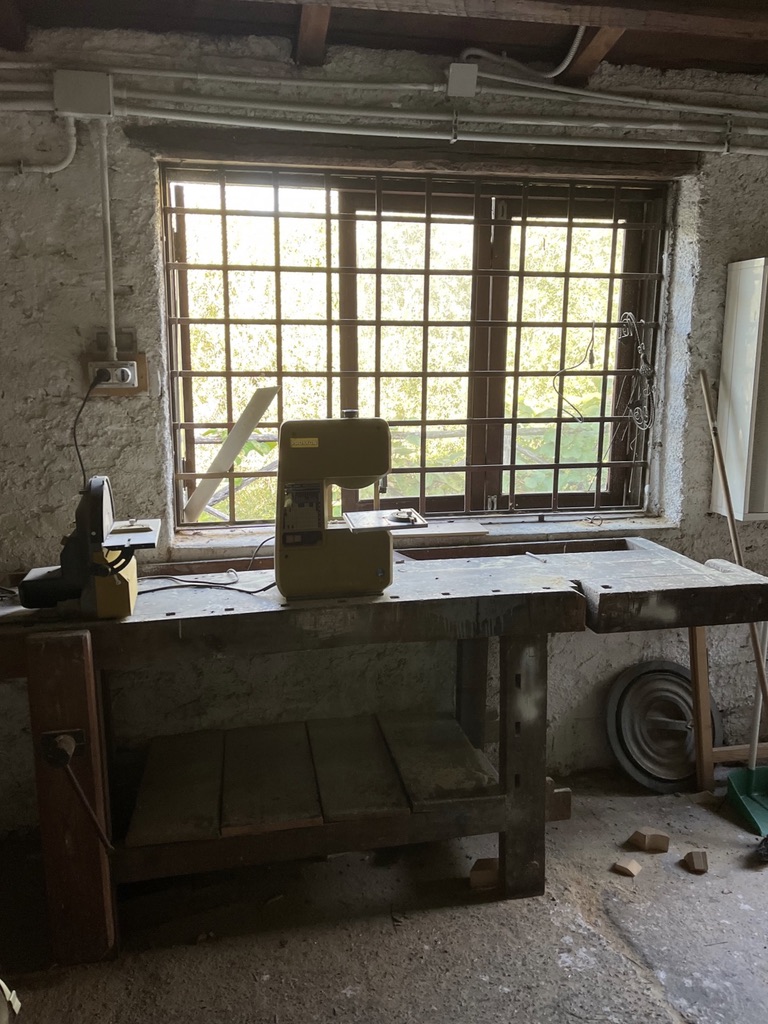
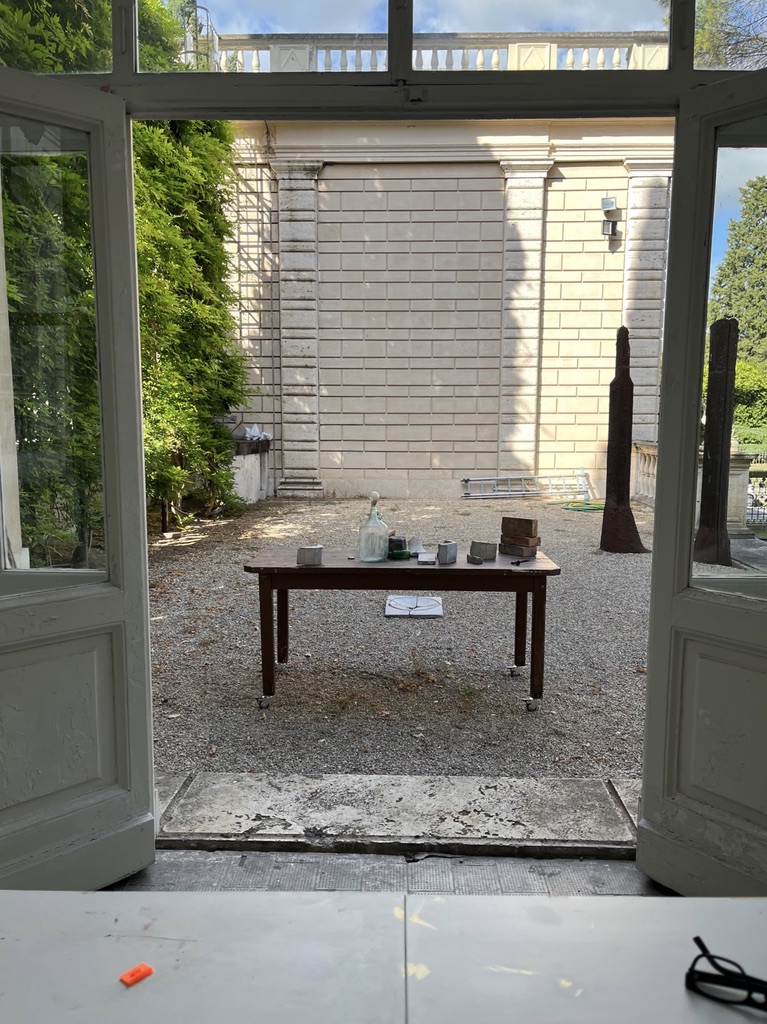
I’ve wanted to take an extended trip that would get me out of my head for a while. When you are awarded the Rome Prize, you are one of 40 or so fellows. That represents many fields; painters, designers, composers, choreographers, as well as historians and classicists. We lived at the American Academy in Rome in the primary building that was designed by McKim, Mead & White in 1894. You eat together on a single table that is 25 meters long. The menu, which was developed by Alice Waters and Chez Panisse, includes many of the vegetables that are grown on the academy grounds. There is a library of ancient text and lithographs from the 14 century that you have 24-hour access to. You are with a group of people who you would unlikely meet in any other scenario, and are given a studio that has been designed and built for your discipline. My studio was a 30’x30’x30’ room with a skylight and two sets of double-hung doors that opened to an outdoor garden. It was incredible.
Must-sees for design and architecture enthusiasts…
The never-ending amount of creativity and mastery of every given artistic discipline is astounding. There are collections of sculptural masterworks on display at a massive decommissioned power plant. There is an exquisite exhibit of paintings on view at Gallerie Nazionali di Arte Antica – Galleria Corsini, the third floor of a beautiful building that is also home to a district police station and connected to the botanical gardens.
Postcard moment…
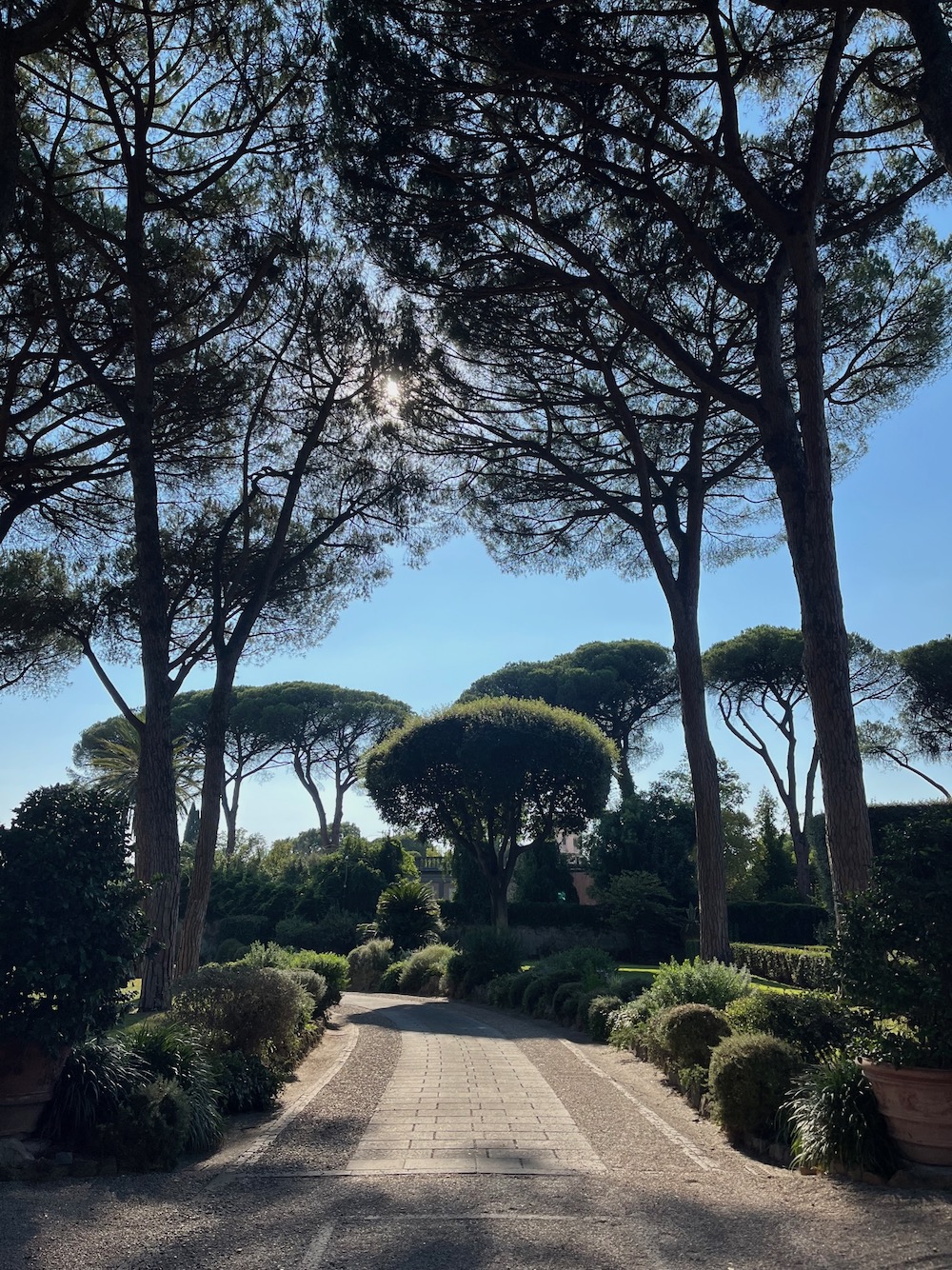
The layers of history were what continually struck me. The everyday city life of gelato and buskers went on the same cobblestones that Rome, with its imagination, determination, ambition and cruelty, defeated its enemies and honed the premise of our contemporary culture. Every time you pause when walking through Rome you are faced with a multitude of artifacts that illustrate its 3,000 years of influence. “Why?” I continuously found myself asking when looking at how a 1000-year-old apartment building sat at an off-angle to all of its surrounding buildings and housed a t-shirt store where there used to be a stone carver or a butcher. The decisions feel random, but the sum of the parts is impeccable.
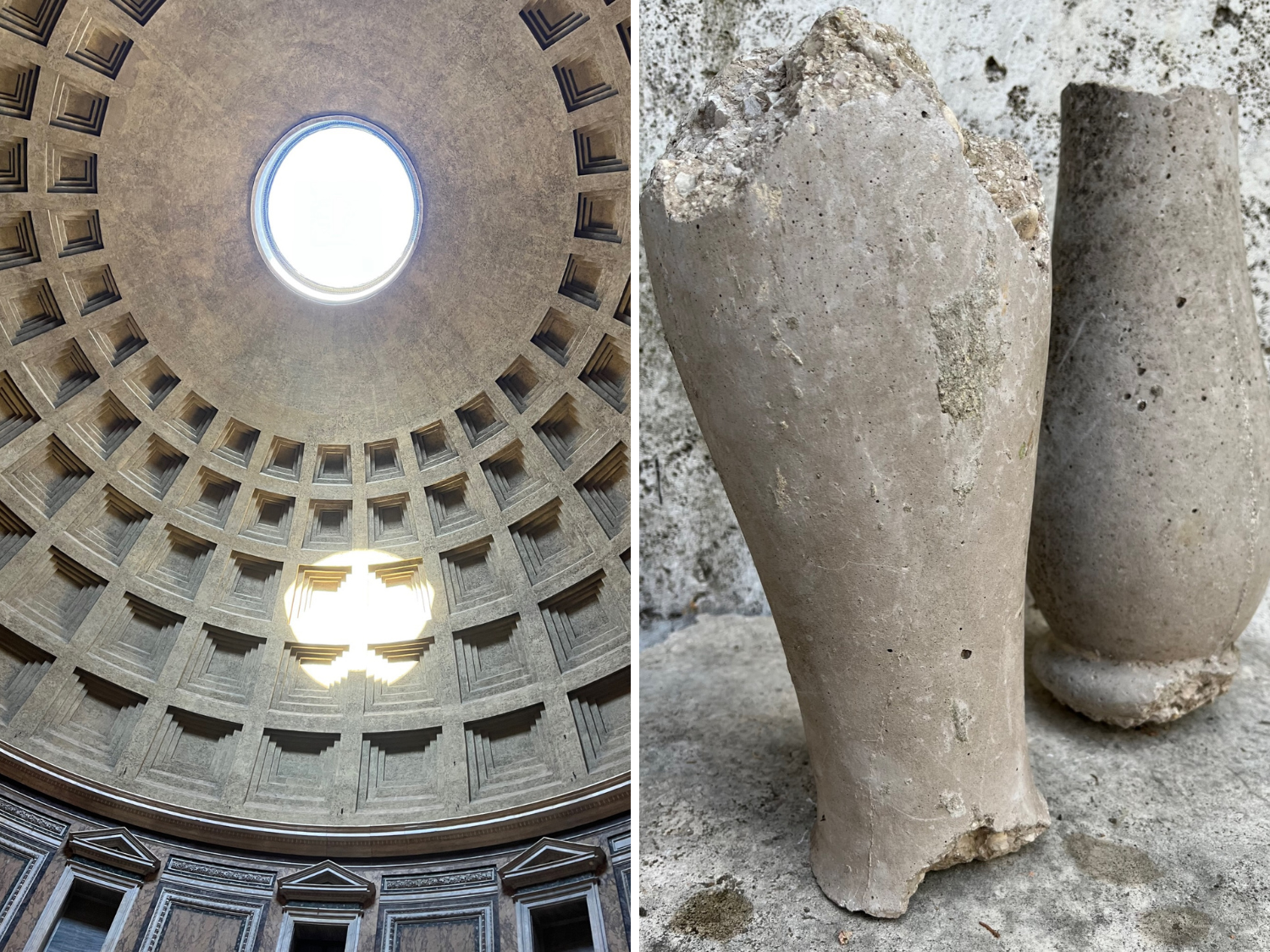
I was inspired by the stone and cement used to make the city. I ended up buying a hammer drill at the local flea market and punching holes in cobblestones, marble and historic concrete. The cobblestones used to make the streets were ubiquitous. There are always several in any given gutter. I collected a few one evening and ended up drilling a hole straight through the center and out the other side. I counterboarded the hole halfway through with a slightly larger drill bit. I tied the two ends of the colorful silk rope into a knot. The knot in the rope caught in the larger half of the hole and worked as a handle. Americans I showed it to found it charming and absurd, but every Italian I showed found it irresponsible and an insult to the city.
New Year’s Eve was memorable. The fireworks started around 11:50 pm and ended close to 1 am. Everyone who had access to a rooftop seemed to have a substantial cache of fireworks. It was a literal free-for-all. Every rooftop as far as you could see were firing rockets in the air. Across the street from the Academy was a nunnery who had quite an arsenal (approved by the Pope no doubt).
The disappointment in my treatment of a cobblestone and the carefree use of the fireworks exemplified the freedom that history allows the people of Rome to be Romans.
Shopping for objects, furnishings, textiles, and more…
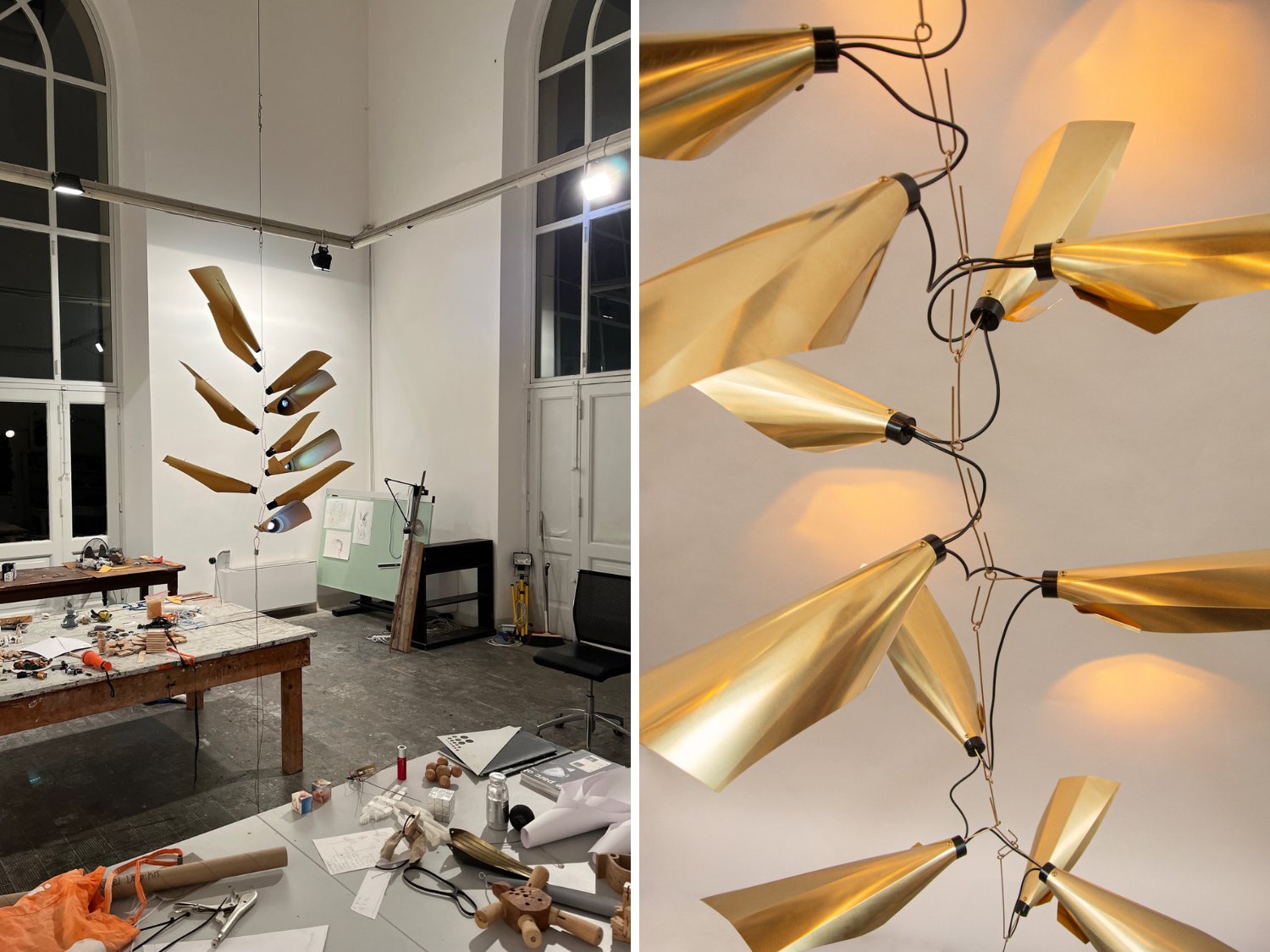
I often find inspiration in everyday objects, examining how they can be modified and manipulated, trying to find one elegant form hidden within another. I stumbled upon a batch of mini flashlights and a plumb bob at the local flea market. The materials subsequently were used to prototype a new 13-foot mobile chandelier, Scopo. I showed the prototype –a hanging fixture that looked like a spine made of flashlights, with paper shades, connected with custom paper clips – at the Academy’s Open Studios. I brought it back to the States to develop it into a finished product, deconstructing the flashlights and re-examining the lenses to achieve a similar lighting effect. The finished piece, which houses 14 individual light sources, launched as an artist-edition item in May during New York Design Week. The piece comes alive with a twisting motion, casting light like a primitive disco ball.
Lasting influence…
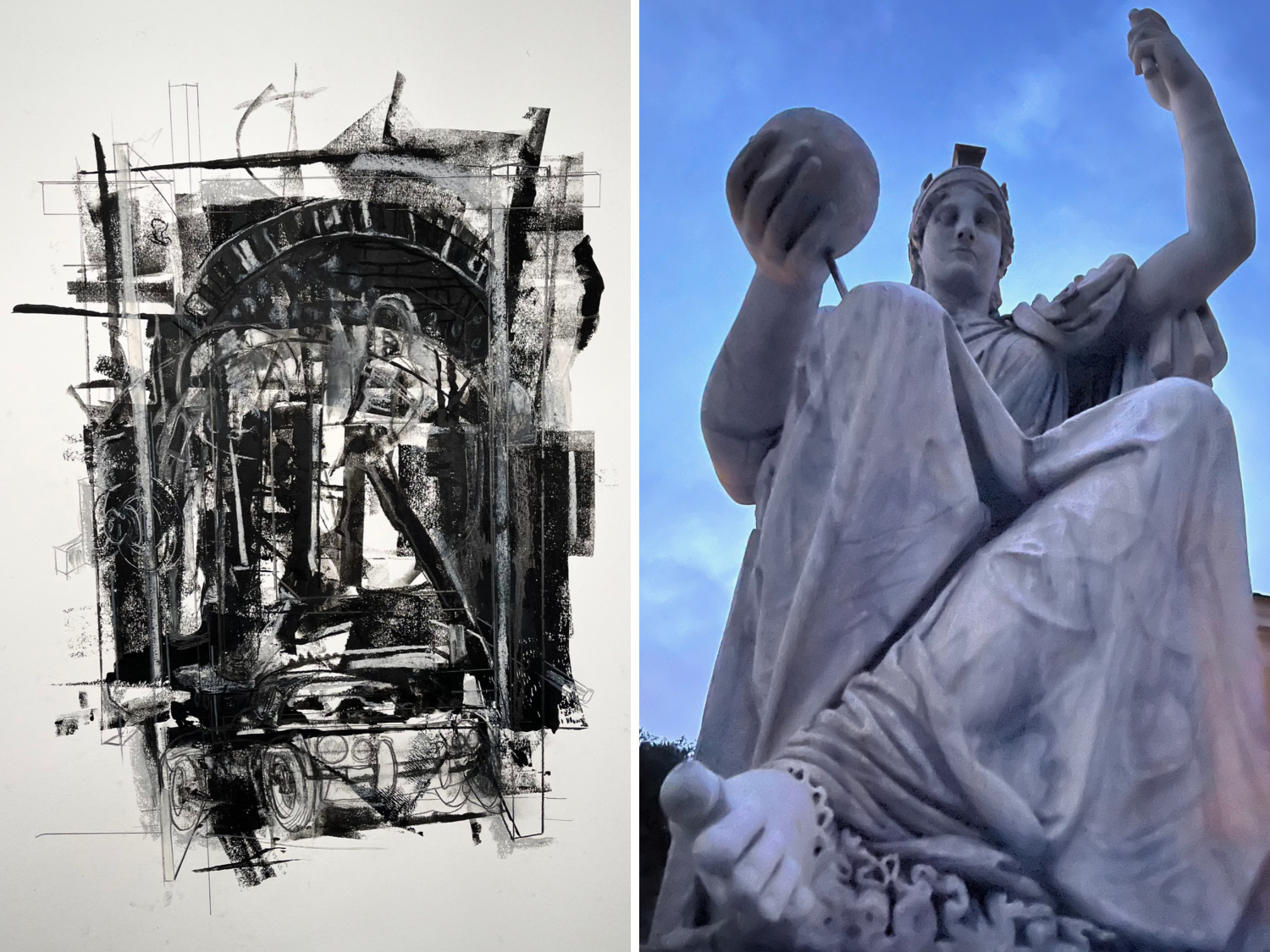
I found myself weaving Rome’s history and inventiveness into the other projects I worked on during my time there, including a series of large-scale drawings inspired by the observations and questions that are inevitable when in Rome. The drawings drew on the many explorations and museum visits that peppered the first few weeks. I hadn’t drawn on a large scale for many years. Unlike drawing with a pencil in a sketchbook, drawing on a large sheet of paper with a thick piece of black charcoal is cathartic. Creating strong decisive lines and examining them to find their visual meaning and relationship with each other gave me the opportunity to channel everything I was experiencing being in Rome; the etching of Piranesi, the paper-thin marble of Bernini’s Apollo and Daphne, the 2500-year-old medical tools that look almost the same as the ones used today, the arched ceiling of Trajan’s market, the madness required to move giant obelisks from Egypt to Rome, the ubiquitous arched doorways that hold up a 2775-year-old city.
The experience was a defining point for me. It will influence my perspective and the decisions I make for the foreseeable future. Everything is connected.
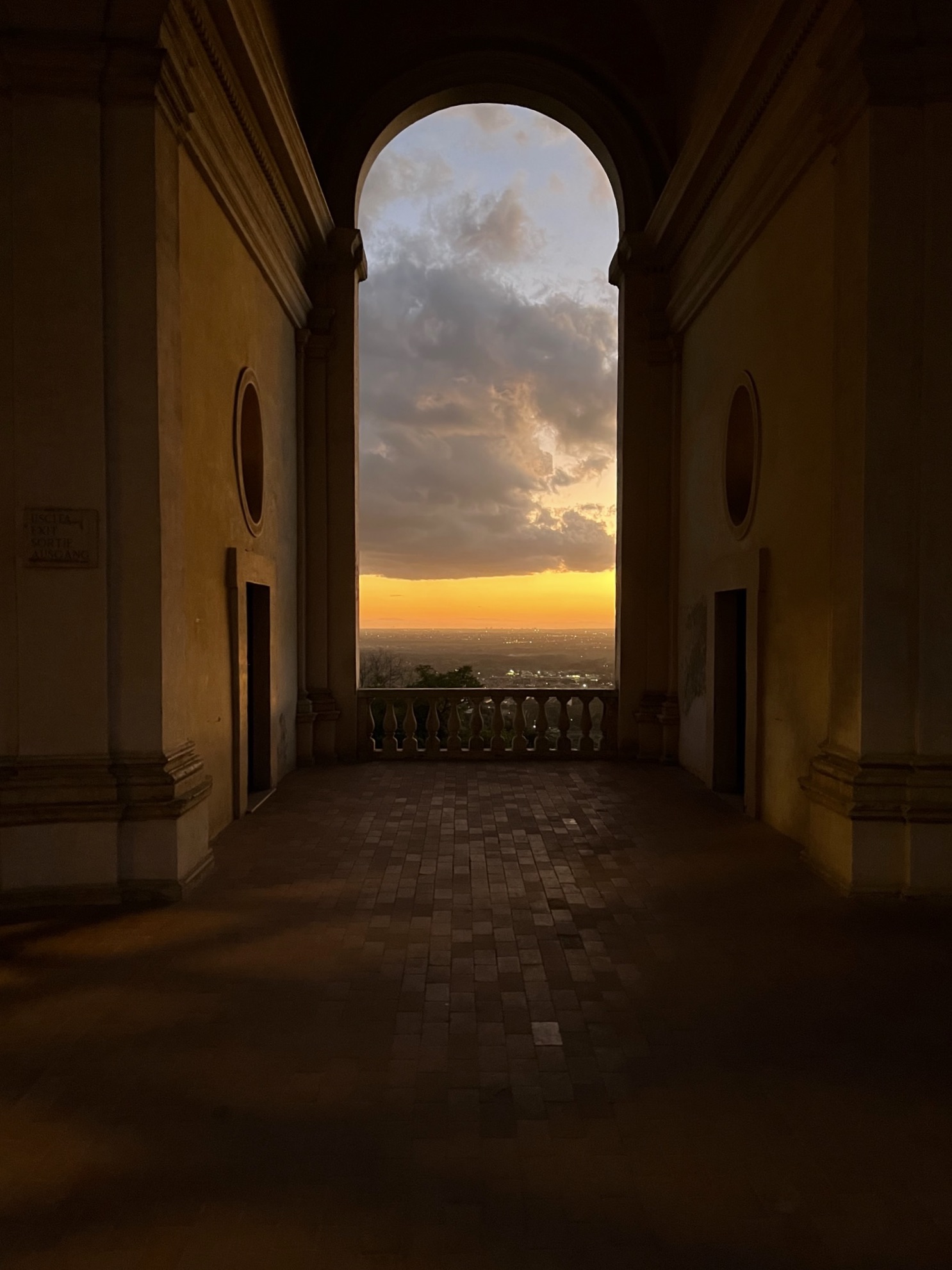
The gift of this fellowship was the freedom to try things you never have time for. Time and space. This culture-rich opportunity catapulted my senses into new possibilities, drumming up new iterations of toys, drawings and lighting fixtures that I’d love to put out there in the near future.
Like what you see? Get it first with a subscription to aspire design and home magazine.