
 Recognized for his clean and modern approach to traditional vernaculars and classical architecture, Jeffrey Dungan has had a prolific creative career that can be seen across the United States. A resonant Southern voice in the world of architecture, he approaches his work with the heart of a warrior poet. He brings passion, authenticity and endless enthusiasm to each undertaking – loving the creative process, as well as the people he works with. Eloquent and affable, his words resonate with the same visceral emotions elicited by his architecture and interiors. Much like his work, the outside and inside merge into creations of thoughtfulness, beauty and spirituality. Learn more about Jeffrey Dungan and his architectural feats in today’s Designer Friday.
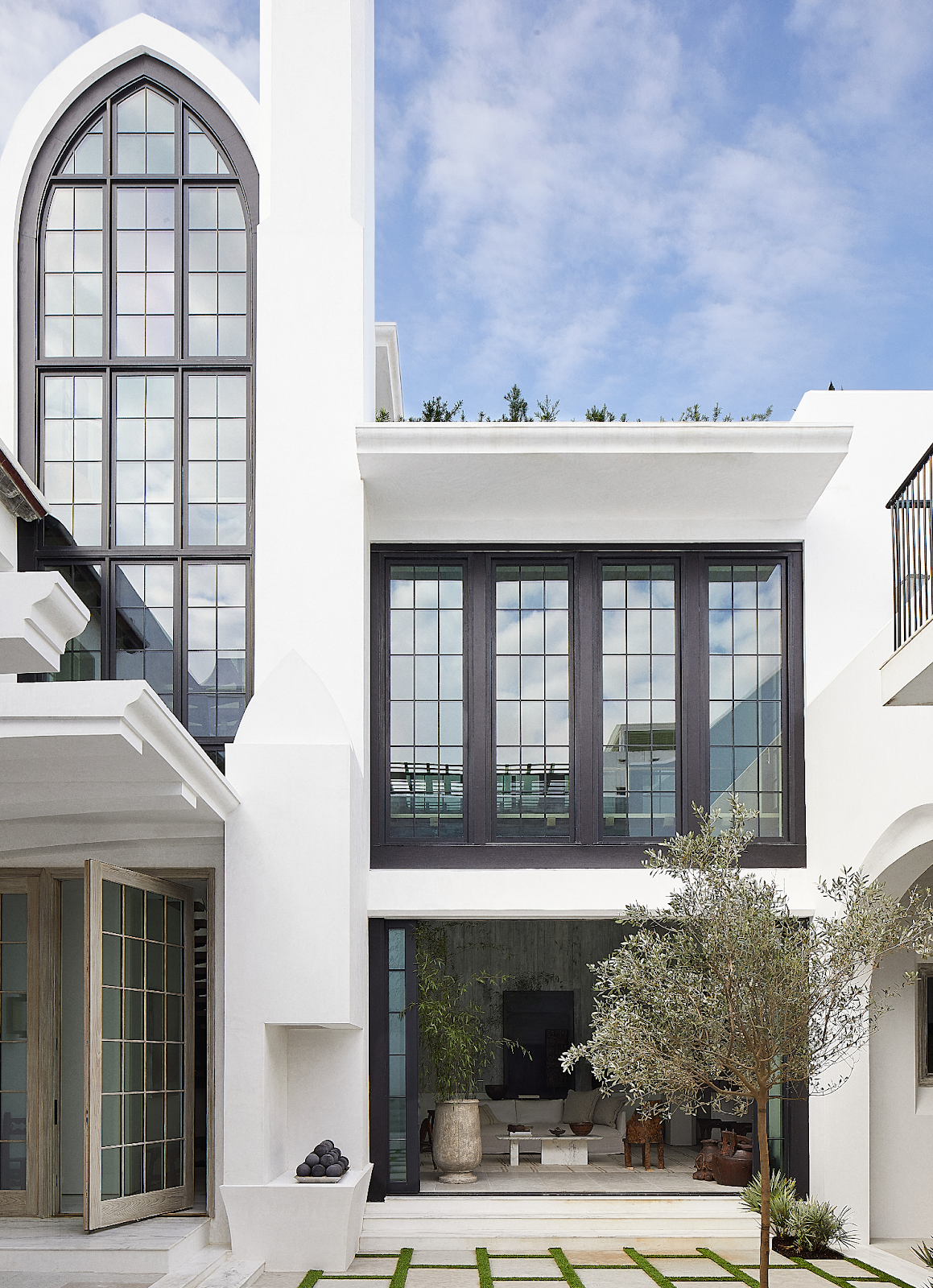
The Modernist Gothic Beach House seamlessly blends design styles.
Andrew Joseph: What inspired you to become a designer?
Jeffrey Dungan: Art and Math. But largely and most directly, it was art and creative pursuits. The inspiration stemmed from paintings and the creation of my own drawings and watercolors early on in my life. I was never that kid thinking about house plans at 10 years old, but I loved to draw and paint, and eventually, my mathematical mind merged with my creative bents and I stumbled into architecture.
AJ: How do you approach a new design project?
JD: When we begin with a new client we set up a time to meet them and visit the site together. I believe the site is the foundational part of the design of the home, and there are three aspects to any site that are most important to understand and use as design beginnings: the topography, the views and the sun. From the topo, I can begin to see where a house would want to be – not in a forced way but in a way that feels like it’s always been there. From the views I can begin to imagine how the major rooms would want to be arranged to maximize the great views and minimize the undesired views (of the neighbor’s unfortunate house perhaps) and the path of the sun is the source of natural light which is so important to giving the rooms inside a life and also to guard against too much sun as well.
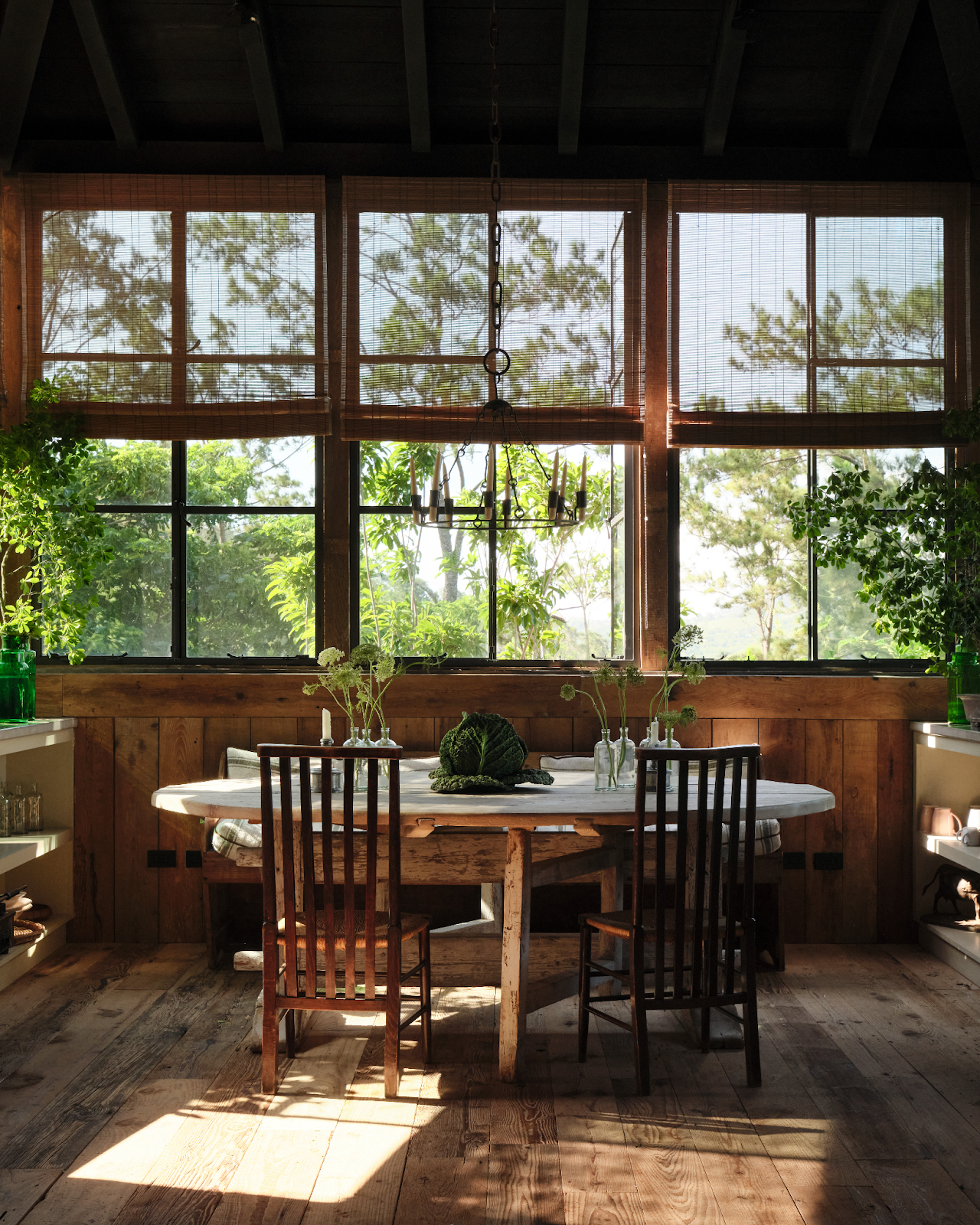
Dungan created a village-like setting in this residence in the Dominican Republic.
AJ: How do you approach designing for different types of clients?
JD: When you peel back all the layers of everything a designer does, one of the main things that creates success more than anything has to do with psychology. I think that is a less understood but important dynamic. But success in working with different clients has more to do with perceptions and managing expectations than talent or process. The ability to understand and communicate with different kinds of people is paramount. Managing expectations, patience with complex situations and communicating ideas and direction to builders and clients, understanding how to best relay and frame ideas and solutions; these are the real determining factors to success in my view.
AJ: What is your favorite design tool to use?
JD: A pencil. Of course, it also helps to have some paper to draw on. I literally can’t design without a pencil in hand. It is apparently how humans are designed, that as we draw our ideas become more visible and realizable. I find it endlessly fascinating to see what emerges from the pencil as I think and consider how to knit many disparate issues and ideas and items into one thing. I may be working in Costa Rica or California or Canada, but the device that transmits these things is always a small wooden or metal stick with lead in it.
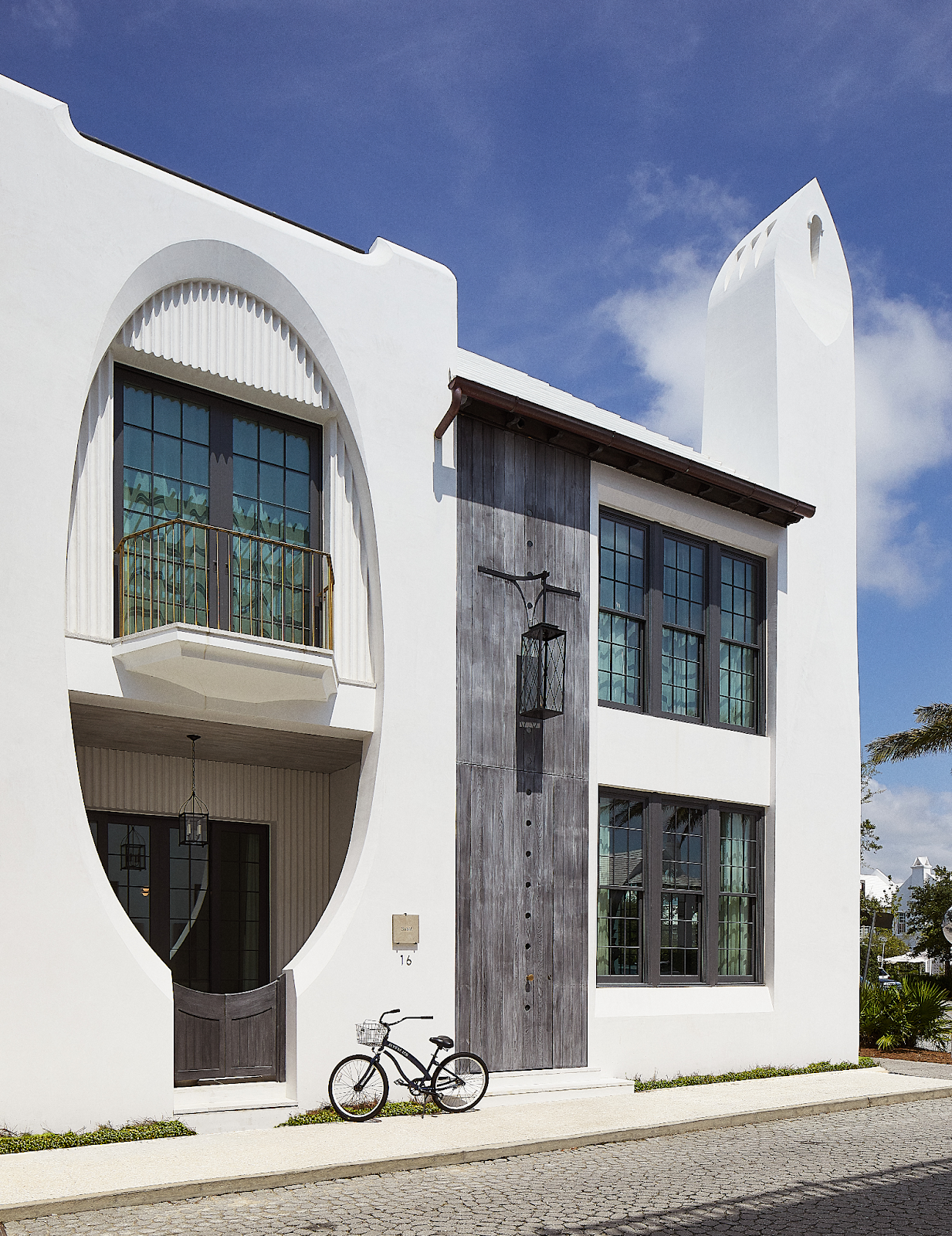
Sandcastle at Alys Beach is a concrete retreat inspired by coastal sandcastles, with flowing courtyards, chimneys, and seashell-like marble floors that blend architecture with nature.
AJ: What is your favorite design era and why?
JD: I love history, especially in design. Understanding that history repeats itself alone is a powerful reference that fascinates me. My favorite eras of design that have been part of my aesthetic and continue to inspire me are the British Arts and Crafts movement (1890-1920) and the Midcentury Modernism circa (1950- 1960). Some design heroes from these are Lutyens/ Voysey/ Macintosh/ Scarpa/ Kahn/ Lautner who influence much of my thinking about design. My work is an amalgamation of aspects and approaches they implemented melded with my own ideas and understanding and learnings. How does a designer living and working in the early parts of the 21st century transmit and translate the ideas and forms and details from these past eras into modern-day relevance that resonates in the current culture? The answer to that question is what I am trying to learn.
Like what you see? Get it first with a subscription to aspire design and home magazine.