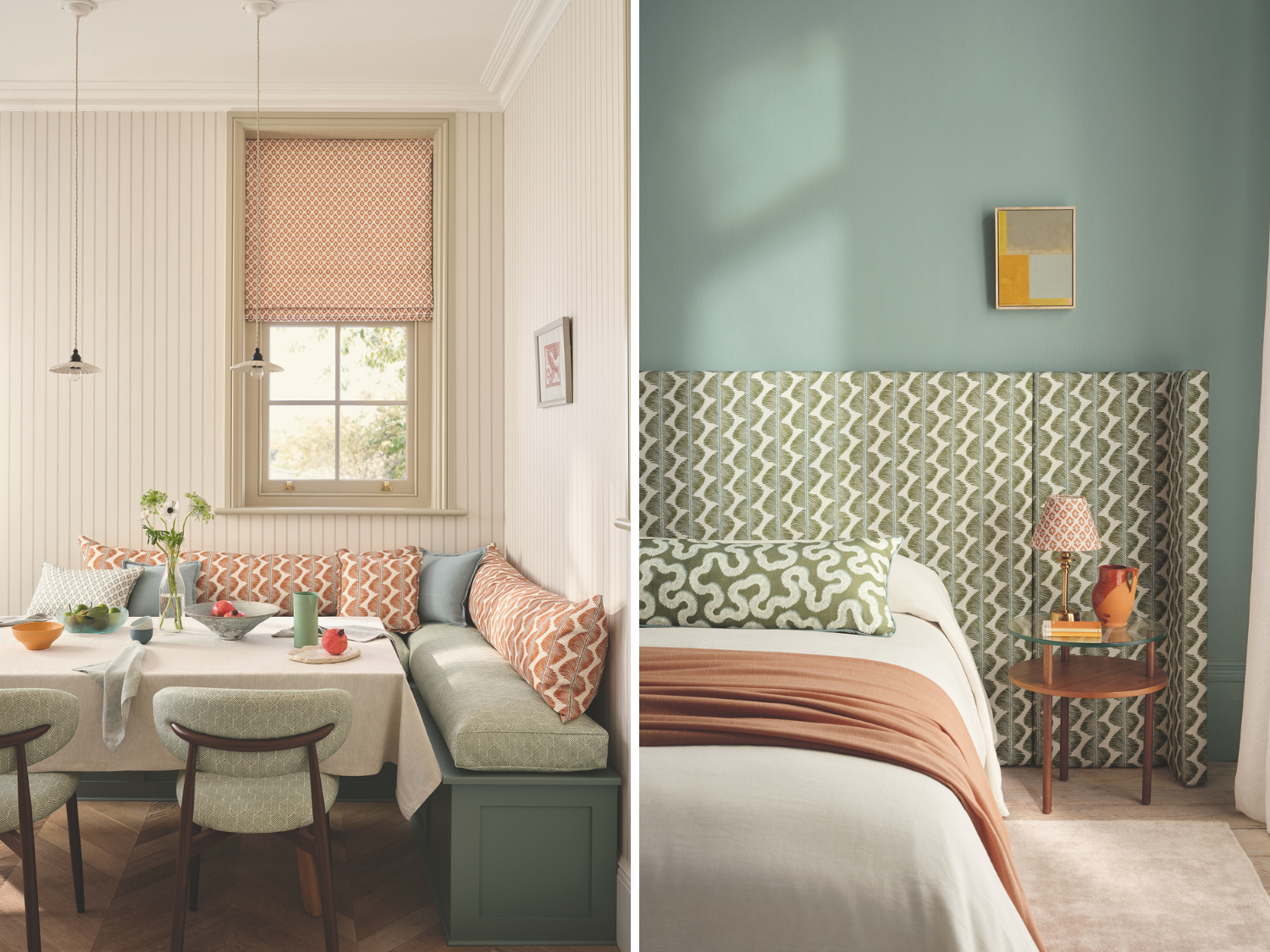
A celebration of joyous pattern and color, Romo’s new Aubin collection is a curated and playful collection of small-scale prints that tell a story of pattern making and the rich history behind this wonderful craft. Available as fabrics, as well as wallcoverings, the designs were influenced by the traditional block printing techniques of India and Asia, with each design hand carved and hand printed, cherishing the perfect imperfections that make them unique.
Emily Mould, Design Director of Romo, joins us this week to discuss the design process.
Raymond Paul Schneider: When did you first start developing this new collection? What was the overall timeline from conception to final design?
Emily Mould: For this collection, we knew from the very beginning that we wanted to create a vibrant range of small-scale prints, so our initial research was already focused in that direction. We immersed ourselves in the process, drawing inspiration from a variety of sources.
The design journey began around 18 months ahead of launch, allowing ample time for creative exploration and development. This gave us the freedom to experiment, from playful mark-making and expressive artistic techniques to trialling how patterns responded across a variety of color palettes.
RPS: What was your initial inspiration, and where did the idea(s) come from?
EM: The initial inspiration for the Aubin collection came from the richness of traditional craftsmanship and the influence of transformative art movements, particularly the Bloomsbury Group. The Bloomsbury Group were a collective of influential writers, artists, intellectuals and thinkers in early 20th-century England, who would often gather at Charleston Farmhouse, a seemingly modest home nestled in the rural countryside of East Sussex.
Once inside, you are transported to the creative minds of Vanessa Bell and Duncan Grant, members of the Bloomsbury Group and designers known for their use of vibrant color and form. Every surface within the farmhouse, walls, furniture, fireplaces and doors, became part of a living, breathing work of art, with color and pattern flowing freely throughout. Inspired by this artistic freedom and the idea of pattern layered upon pattern, the Romo designers explored a playful mix of scale and color, resulting in decorative print designs purposefully created to work harmoniously together.
RPS: Describe your overall creative and design process.
EM: The creative process begins with a flurry of ideas and experimentation, where we explore a variety of techniques and new designs, which evolves into the finished concept. From there, numerous iterations are produced, refined, edited, and reworked until we arrive at a final selection that feels cohesive and considered.
A meticulously curated color palette is developed alongside the designs, one that complements the style and elevates each pattern’s individual character. These shades are thoughtfully chosen to reflect both current trends and the essence of the brand, resulting in a palette that feels fresh yet familiar.
Once the designs are in place, we begin collaborating with expert printers, spending considerable time working closely with them to faithfully recreate each mark and artistic gesture. For this collection we also partnered with our suppliers to develop a specific cloth, one that struck the perfect balance between environmental responsibility, durability and tacticality.
RPS: Did you have a specific audience or theme in mind?
EM: When designing our collections, our customers are always at the heart of every launch. Each design and color palette is developed with great care to ensure the collection can be used to create cohesive schemes that suit a wide range of interior styles.
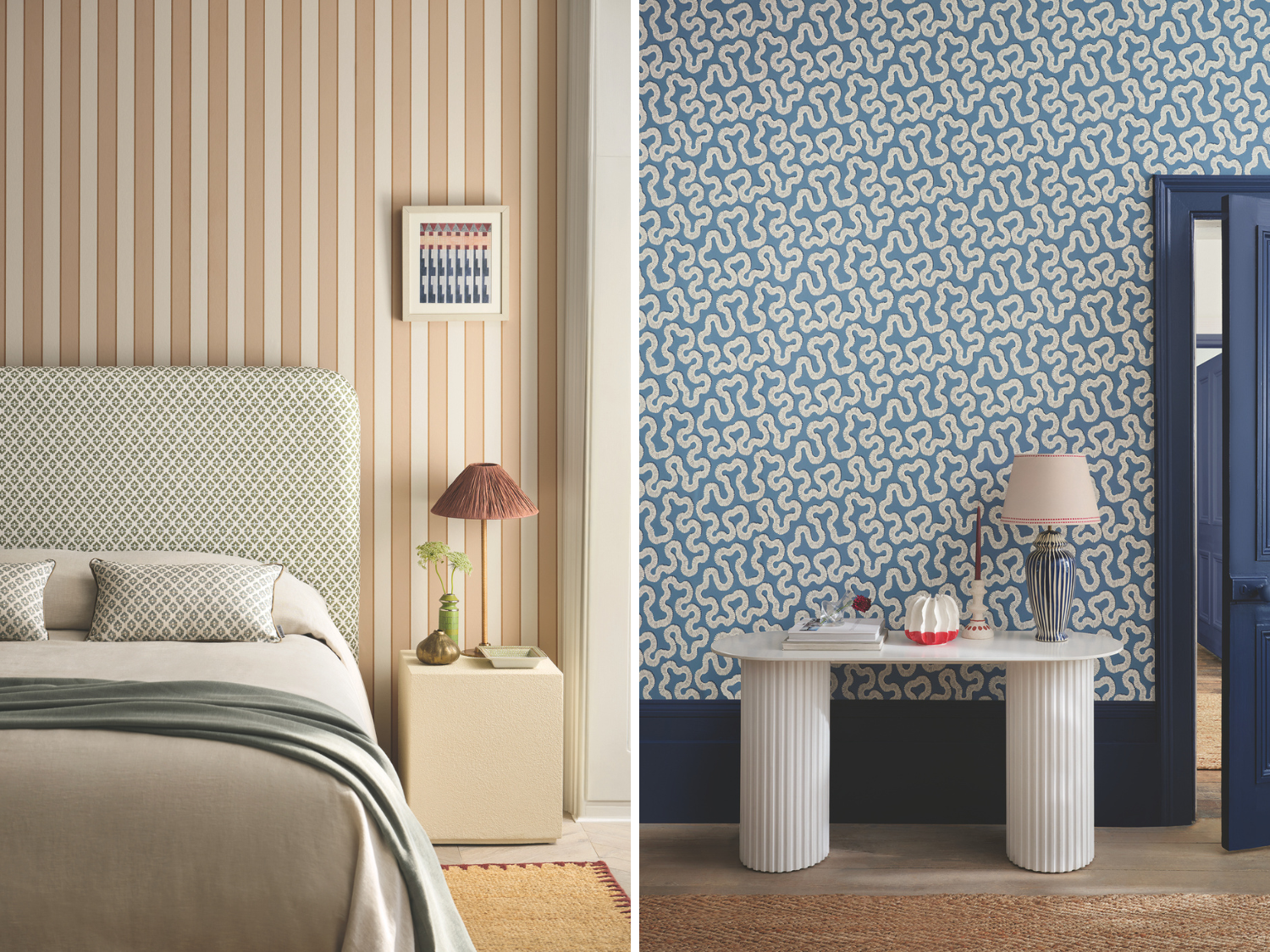
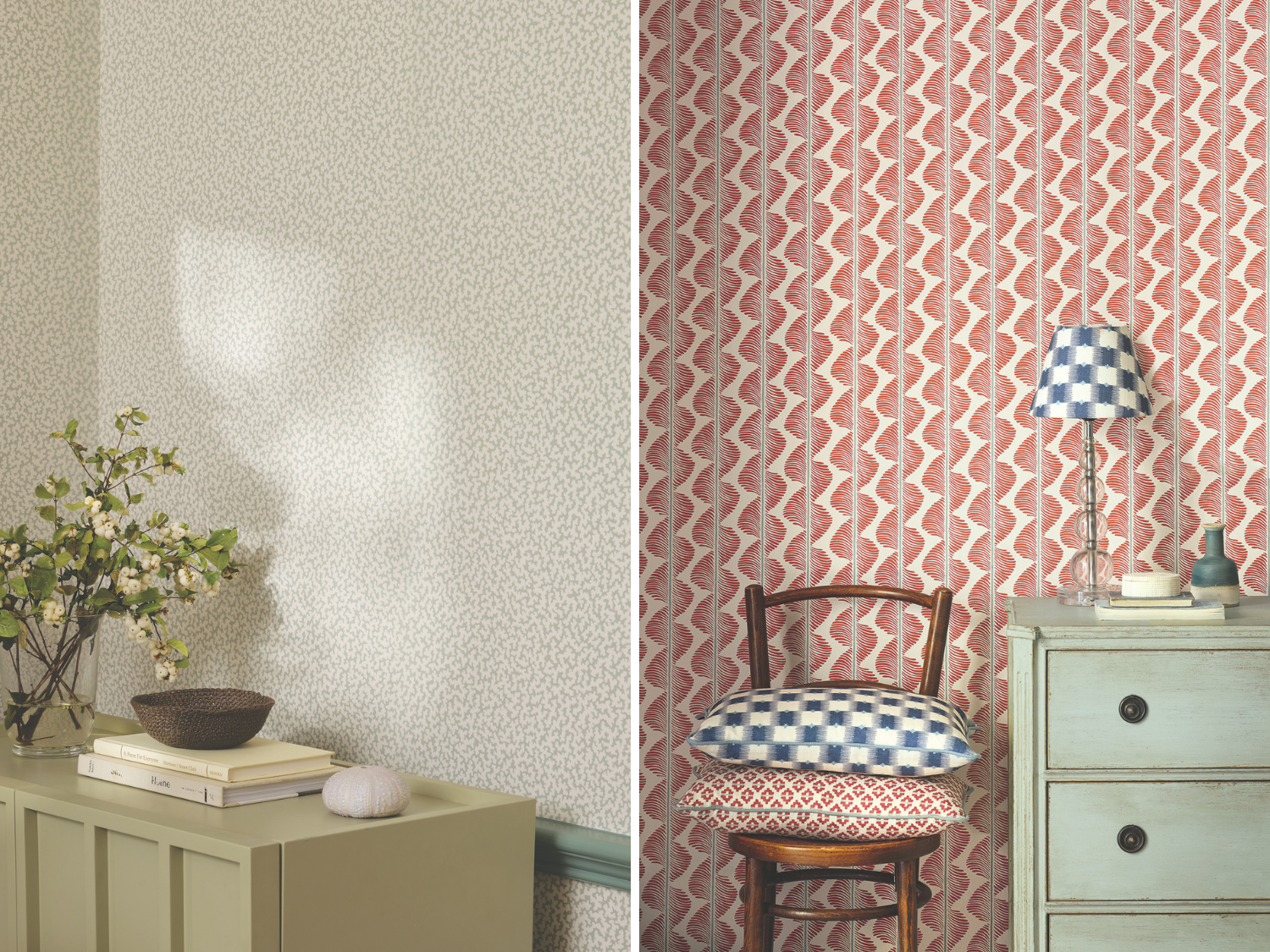
For this launch, we wanted to create a collection of small-scale decorative prints that felt timeless and usable, yet full of character. The beauty of these delicate patterns and colors lies in their adaptability; they pair effortlessly with bolder designs and quieter textures alike, allowing freedom to play with scale and build a rich, layered aesthetic. Striking a balance between elegance and playful charm, small-scale prints can be used across everything from subtle accent pieces to larger furnishings, bringing individuality and warmth without overwhelming a space.
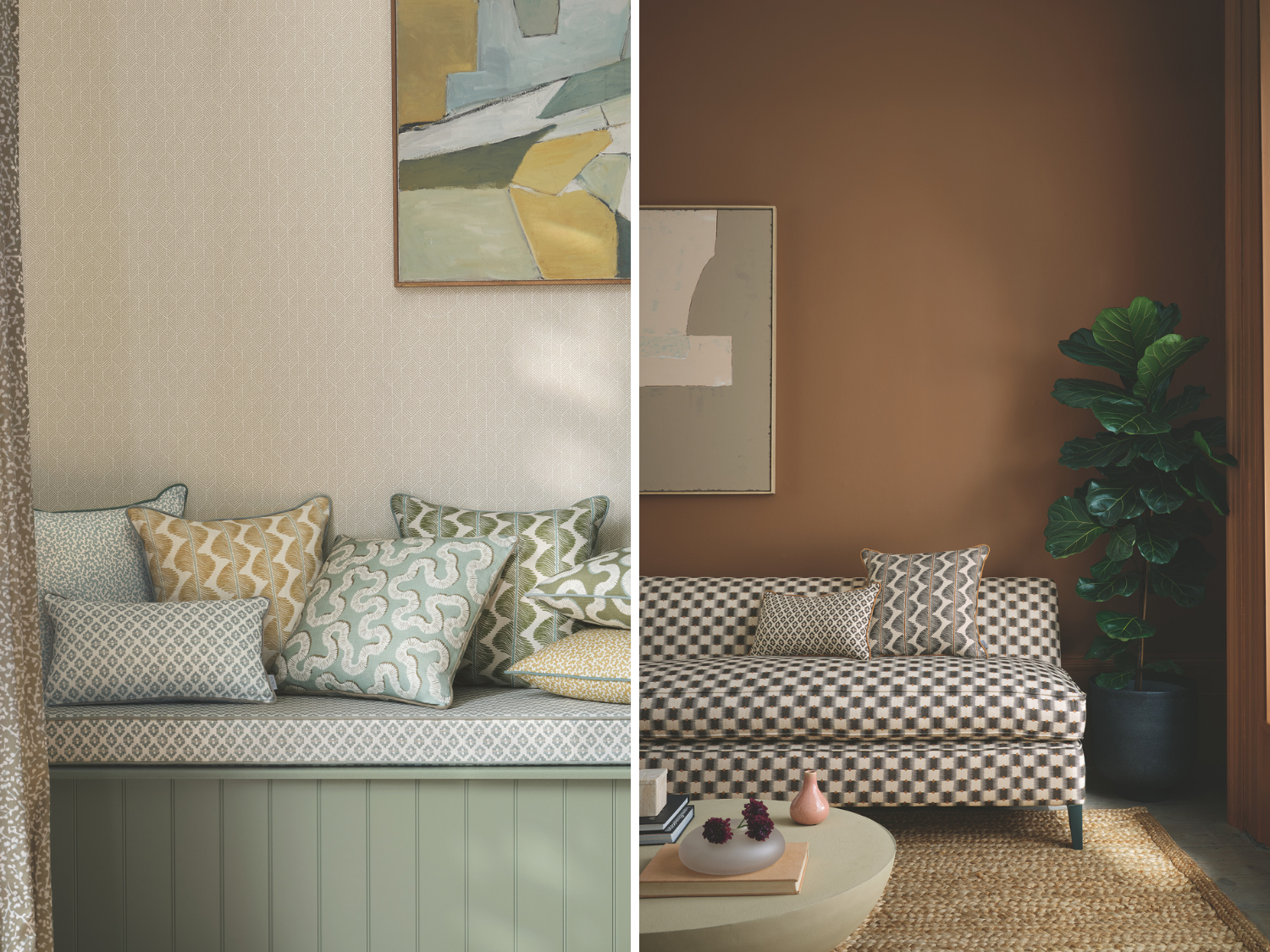
RPS: What methods, tools, and materials did you use to develop and prototype this design?
EM: Bringing these unique designs to life, the designers drew inspiration from the historic block printing traditions of India and Asia, a timeless technique known for its distinctive marks and the tactile texture created as rich pigments are transferred from block to fabric. Embracing the essence of this handcrafted process, the Aubin collection began with original artworks meticulously carved into lino, a modern interpretation of traditional hand block printing. The team experimented with varying paint thicknesses and levels of pressure until achieving the desired print mark.
Once we achieved a mark we were happy with, we turned to computer-aided design to build out the full repeat and develop the color palettes, seamlessly blending traditional craftsmanship with contemporary design methods. We worked closely with a trusted mill to emulate the nuanced of block printing on cloth. These hand-painted designs were digitally printed to ensure consistency and accuracy across the range.
RPS: Did you use any new techniques or technologies to conceptualize or create this product?
EM: For this collection, we embraced new, more sustainable techniques and technologies. The designs were printed in the U.K. using an eco-fast digital printer, which significantly reduces water consumption compared to conventional printing methods. In addition to this, the collection is printed on a carefully selected sustainable cloth, made from a considered blend of 67% organic cotton, 23% recycled cotton and 10% linen.
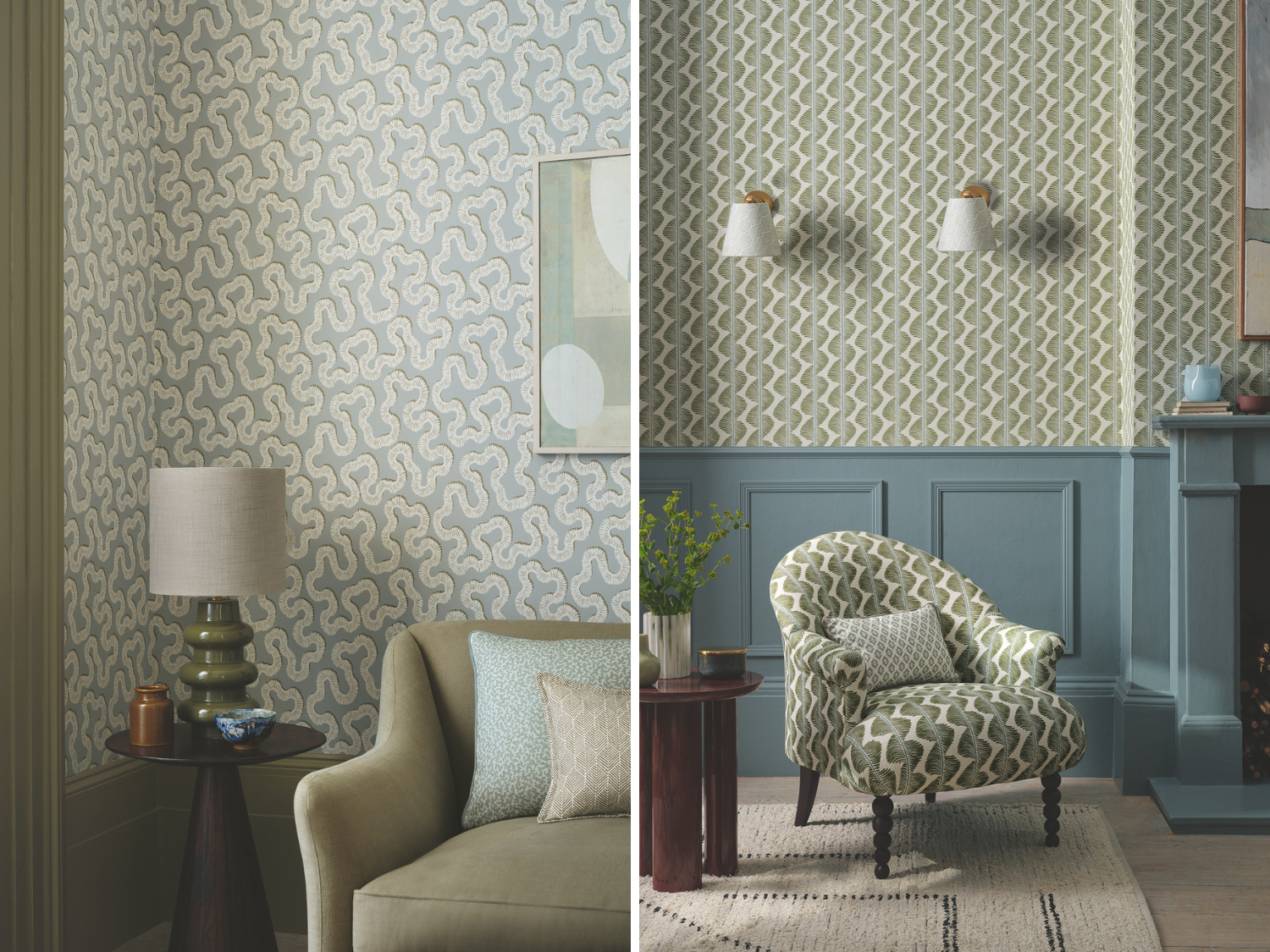
RPS: Were there any challenges that influenced or changed the final design?
EM: One of the key challenges during the development of the Aubin collection was finding the right cloth. It was important to ensure the fabric had a soft, supple handle, while also being durable enough for upholstery use. We worked closely with a trusted supplier to develop a bespoke cloth that met these requirements.
Color was another area that required careful consideration. We wanted to introduce bolder, more primary shades to bring a fresh energy to the collection, but it was equally important to balance these with classic Romo tones, ensuring the entire palette worked harmoniously together. For this collection, we introduced warm oranges paired with fresh greens and vibrant highlights of turquoise, bringing a lively energy to the palette. A caper green base is punctuated with pops of mineral blue, adding depth and contrast. Blush, chalky pinks mingle effortlessly with soft mineral tones, while warm, comforting yellows are gently balanced by powder blue.
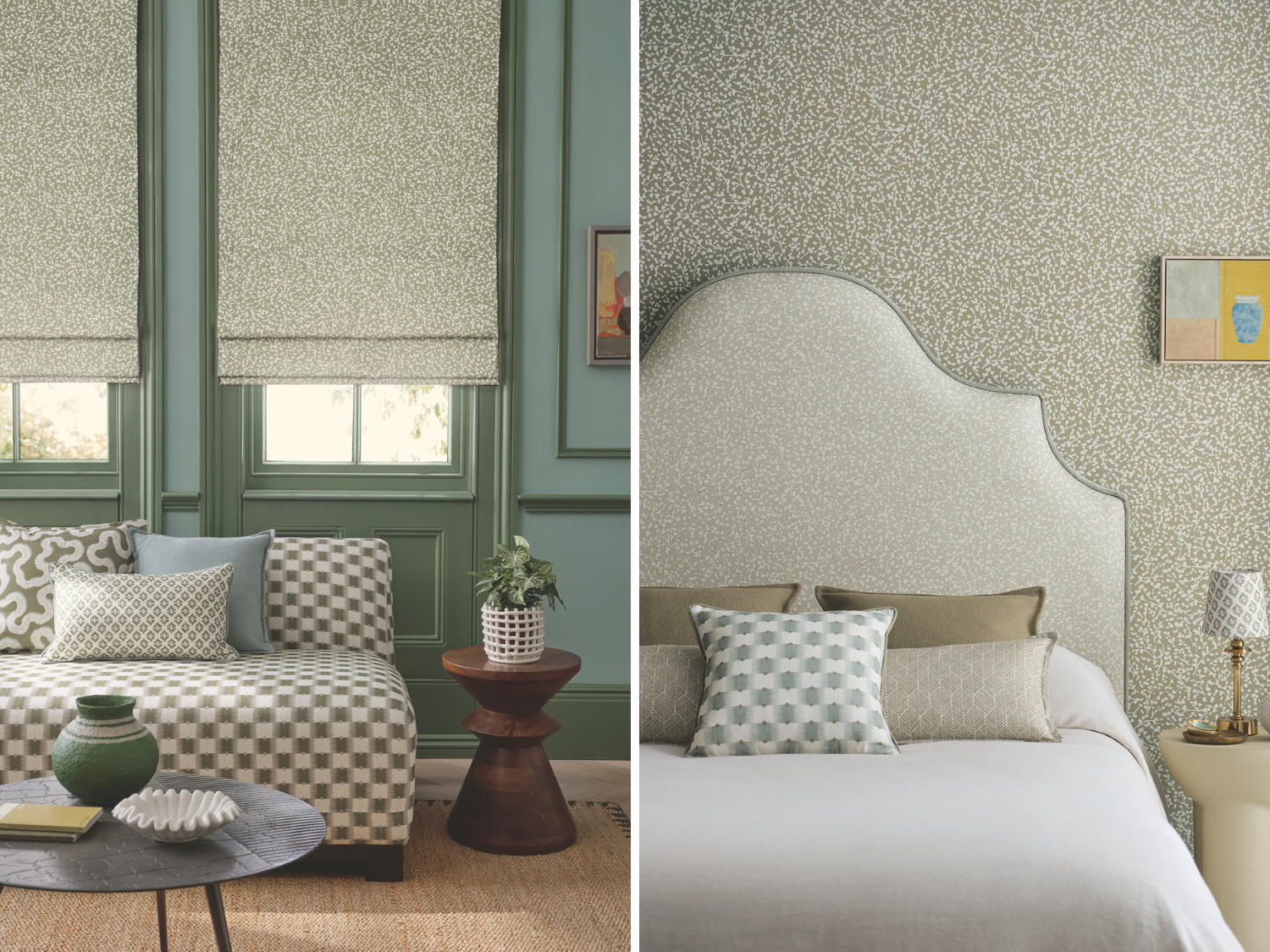
RPS: Describe your brand’s overall DNA and ethos.
EM: Celebrating inclusive design that brings unity and cohesion to interiors, Romo is renowned for its diverse library of both classic and contemporary designs, alongside an extensive range of versatile plains. Every design is created in-house by the Romo design studio, ensuring a distinctive style and timeless elegance, enriched by a sophisticated and carefully considered color palette.
The Romo design studio is a constant hive of creativity — an Aladdin’s cave of sketches, paintings, fabrics and color charts, with the studio walls themselves providing endless inspiration. For every new collection, the designers invest time researching new ideas, drawing inspiration from a variety of sources including travel, fashion, nature and the outdoors.
Like what you see? Get it first with a subscription to aspire design and home magazine.