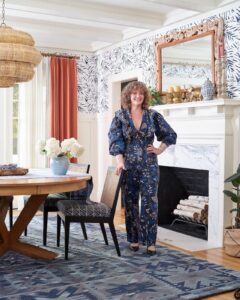
 Heather Peterson is the mix master and principal designer behind the layered interiors at Heather Peterson Design. Through a collaborative approach, Heather and her Minneapolis-based team work to translate clients’ individual tastes and lifestyles into homes that are effortlessly stylish, functional and truly personal to them. Every project at Heather Peterson Design starts with a thoughtful exploration of the homeowner’s personal style. From that conversation, the team creates polished spaces that have an easy, collected vibe by incorporating unique pieces that will stand the test of time. A Columbia University-trained curator and former Real Simple photo editor, Heather uses her trained eye and sense of story to create balanced, thoughtful and distinctive spaces. The studio works nationwide, with recent projects in Chicago, San Francisco, New York, Wisconsin and of course, their native Minneapolis. See how Heather turns a house into a home in today’s Designer Friday.
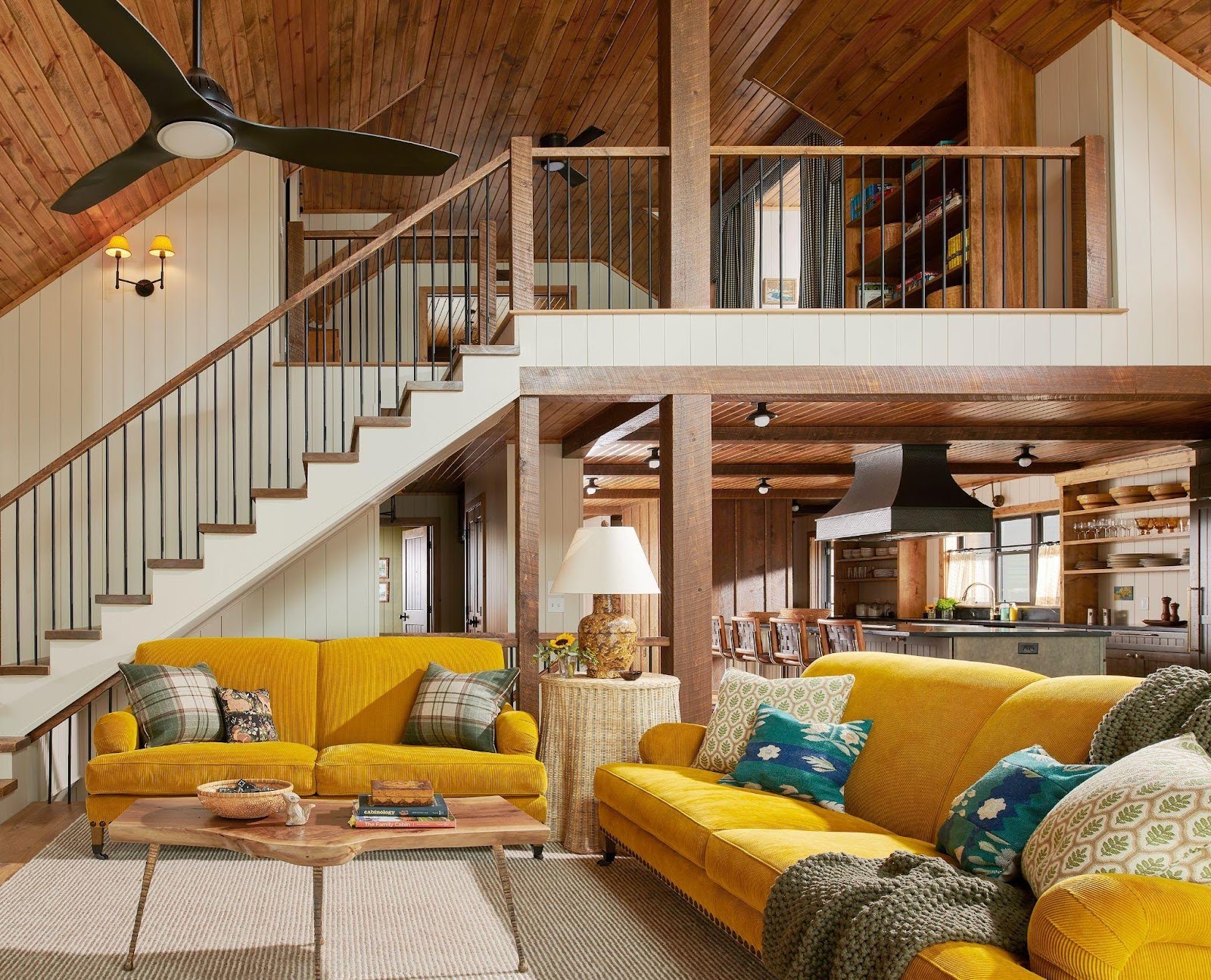
Golden velvet sofas add a vibrant energy that plays beautifully off the warm wood tones, while the open-concept layout and natural textures create a grounded and inviting space. Photography by Josh Grubbs
Andrew Joseph: What would your dream project or dream client be right now?
Heather Peterson: I would love to do something a little weird. We have been working on a lot of gorgeous homes built in the 1910s-1940s and I love the architecture, but it also has me craving something a little less formal, more casual. A midcentury house full of paneling and windows. A converted mill with stone walls. A well-done 90s house! Any of these, plus trusting clients who let us fill it with original art, wild vintage and fabulous textiles is the total dream right now!
AJ: How do you incorporate art into your designs?
HP: I believe that original art is one of the most essential elements in any design. Growing up, my parents would buy pieces at local auctions and when we moved, the art was up on the walls before all the boxes were unpacked. I actually have a Master’s degree in Modern Art and Curatorial studies which taught me to think about the relationship between pieces and the way art tells our story. Some of our clients are true collectors but most are what I would call art-curious. We work with them to include original art at relatively accessible prices, which often means a mix of vintage pieces with more personality than pedigree and works by living local artists, generally discovered during open studio events or on Instagram.
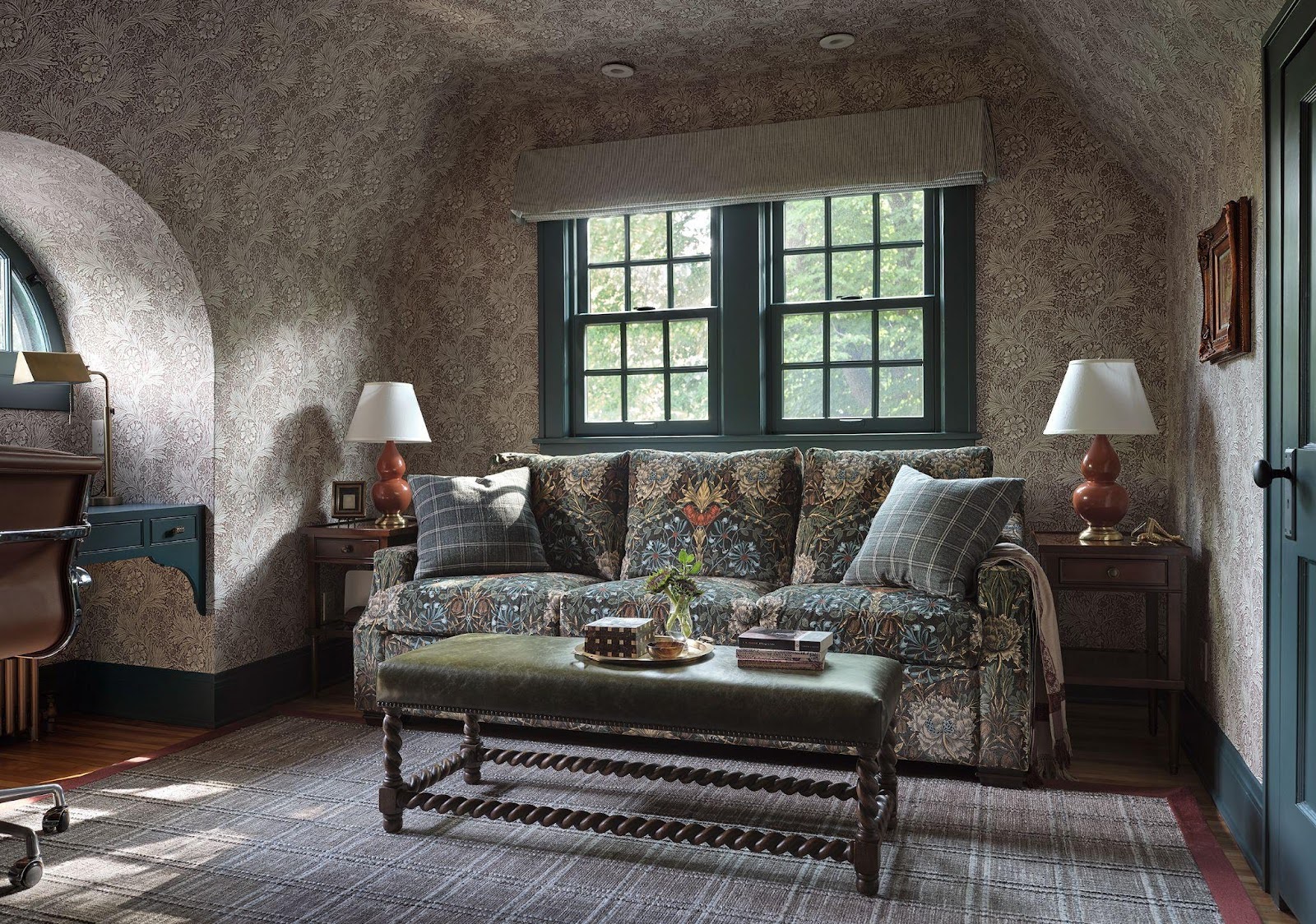
This cozy retreat balances tradition and eclecticism with a floral print sofa that nods to bohemian flair, while the tailored plaid pillows, detailed millwork and classic spool-leg bench lend a sense of structure and quiet elegance. Photography by Josh Grubbs
AJ: What is your favorite thing about being a designer?
HP: The relationships. Of course I love being in a creative industry and getting to work with so many beautiful things, but at the end of the day, this is a service job and a people job. We work with our clients for many years and they often become like family. We’ve been with people through marriages, divorces, illnesses, and life-changing moves. We know things like who sleeps on which side of the bed and who uses a CPAP machine. We help them navigate decisions in the personal realm of home, their money, and what they want as a family. I’ve had more than one client joke that we should add a line item to their bills for therapy!
AJ: What is the most important skill for a successful designer?
HP: Observation. We have to get a read on people fairly quickly in this business, both to determine who will be a good fit for our practice and to understand how to meet their needs once we are working with them. Observation is important in understanding what they like aesthetically and practically — you can learn a lot by watching someone sit test furniture for example — but it is also critical to good communication. I have really learned to read client’s body language to understand what they might not be saying.
AJ: What is your favorite design element to incorporate into your projects?
HP: We love vintage! Unique, one-of-a-kind finds really make a project special and add a sense of soul. We incorporate special pieces that clients may already own and we shop a lot. There is a vibrant vintage community here in Minneapolis and I make the rounds most weeks. For me, the hunt and the surprise of elements you didn’t know you were looking for sparks a lot of excitement in our work. Incorporating vintage is also one way we think about sustainability.
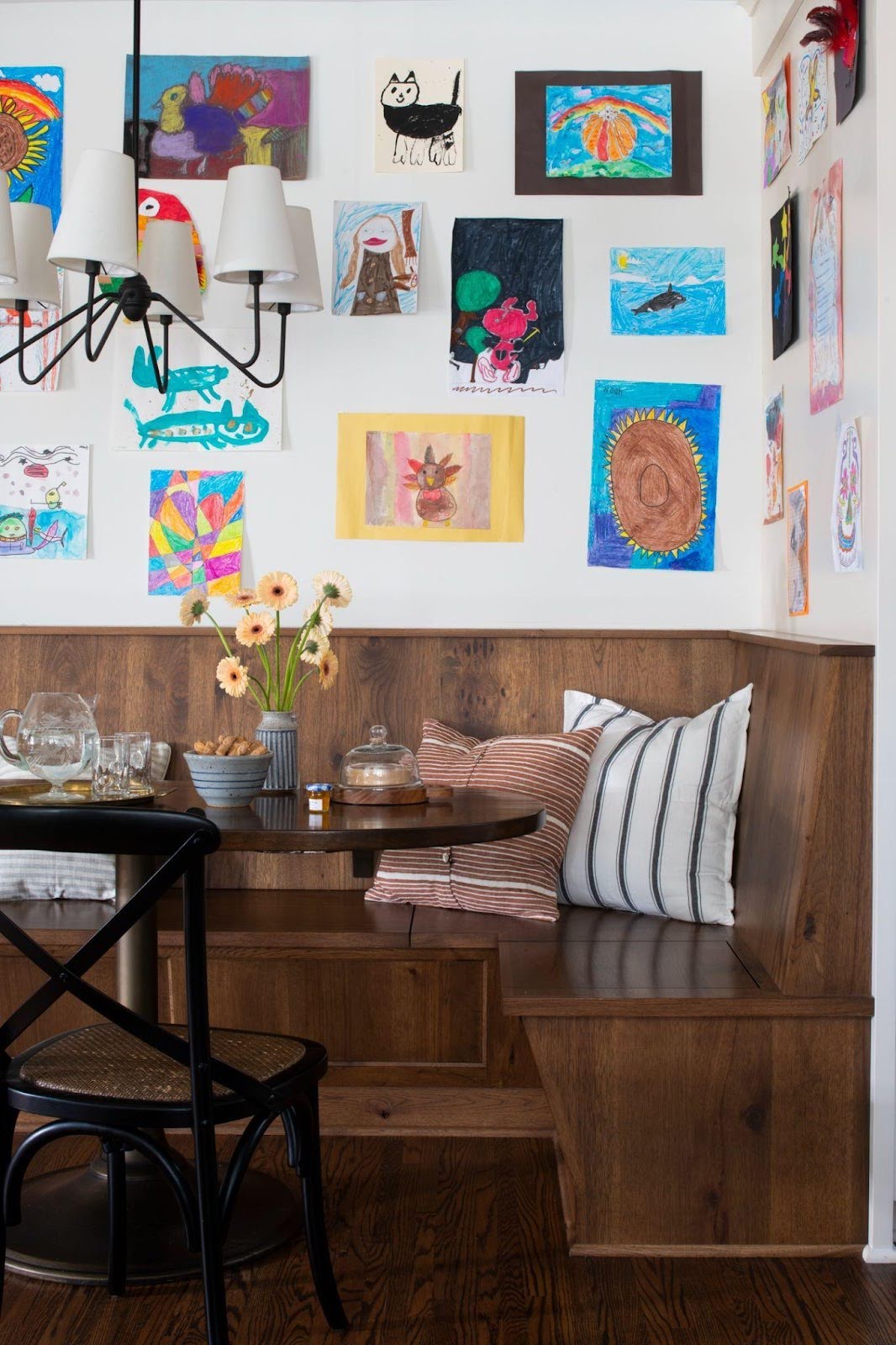
This breakfast nook feels like the heart of the home, where the warmth of wood, soft striped pillows and hand-picked kid art come together to celebrate the beauty of daily life and the little moments that make a house feel like family. Photography by Scott Amundson
AJ: What was the last book you read and how did it inspire you?
HP: I recently finished The Candy House by Jennifer Egan. It is a novel that really plays with narrative structure and it was such a great reminder that we don’t have to follow a specific format. Creative work often means breaking the rules.
AJ: What is the most important element in a successful interior design?
HP: I truly believe that the best interior design hinges on a clear sense of personality. You should see yourself reflected in your home, even if you hired someone to make it happen. We work with our clients to draw them out and help them understand and develop their own taste. It’s incredibly rewarding. When new clients come to us, they often call out the variety in our portfolio. They can tell that specific people live in each of those homes. They appreciate the way we mix things together.
AJ: What is your favorite design era and why?
HP: I love the 70s, probably because those were my formative years but I think also because it was an era of experimentation in design. Many of the elements popular in the seventies — rattan, chrome, pottery, bold florals — are my favorite materials to incorporate. Generally speaking though, we like to mix across eras. A home filled with pieces from many time periods ends up feeling timeless. You can’t pin it down.
Like what you see? Get it first with a subscription to aspire design and home magazine.