
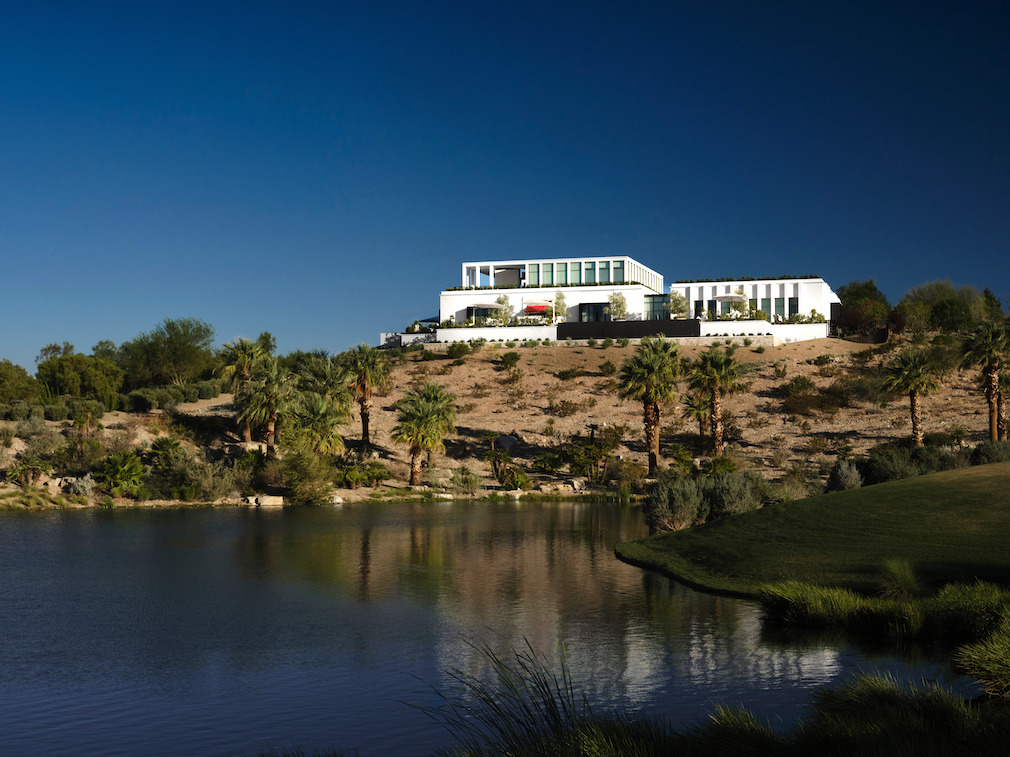
Perched in the Nevada desert, Tombolo is conceived as a bridge between opposites, geometric and organic, grounded and ethereal. Conceived by the acclaimed architecture and interiors studio of Daniel Joseph Chenin, its name comes from the rare landform that links island to mainland, a metaphor of connection and unity that informs every decision.
Chenin approached this project considering the desert itself as the generator of form. Shaped by extremes of sun, wind, and temperature swings, the architecture rises as a composition of buttress-like stone ribs that both anchor the home and stabilize it environmentally. These monolithic elements absorb heat by day and release it at night, while their sculptural orientation casts deep, protective shadows that choreograph light across the façade. Elevated slightly above the desert floor, the building asserts a rhythmic, Art Deco-inspired presence that is at once monumental and finely tuned to the fragility of its setting.
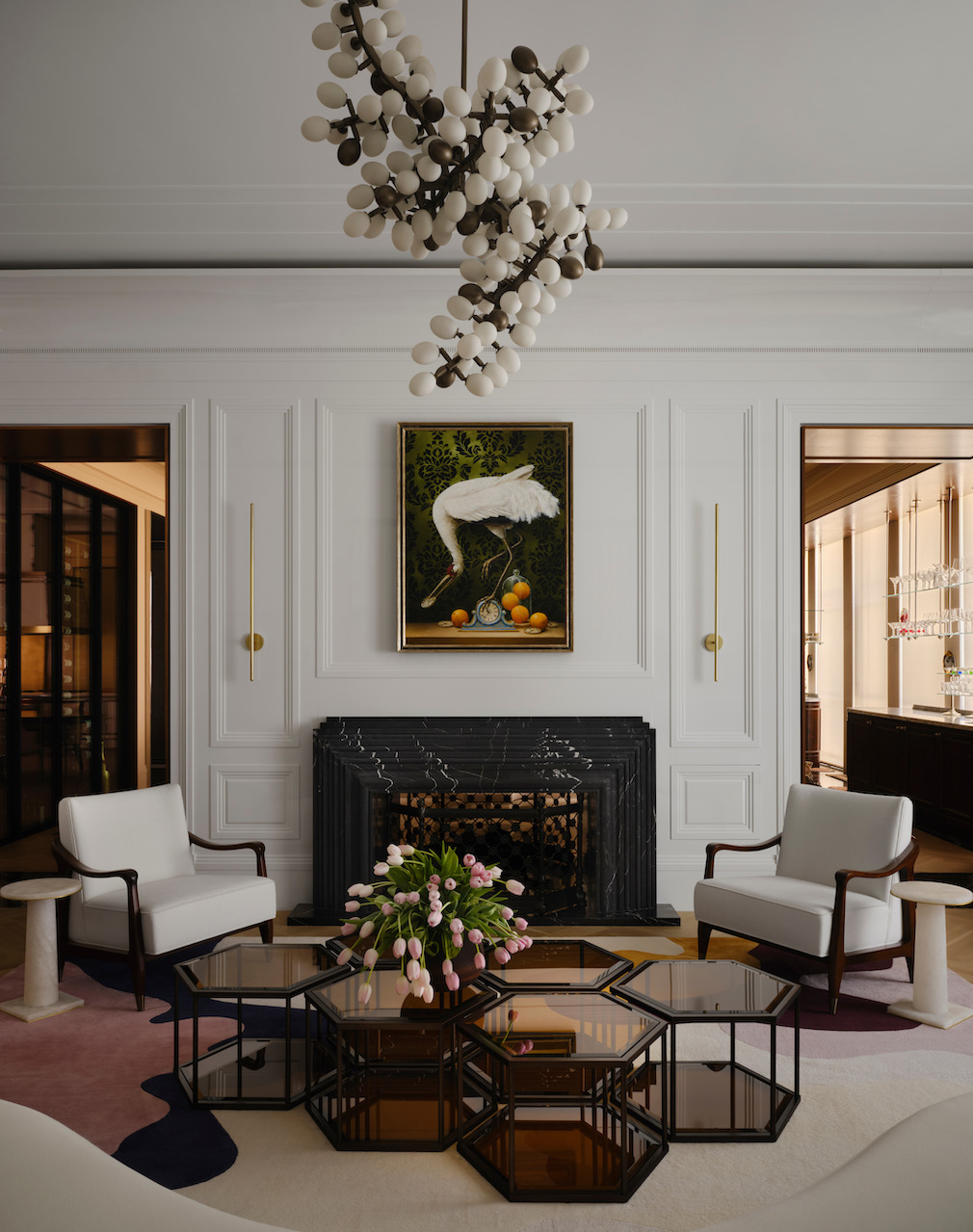
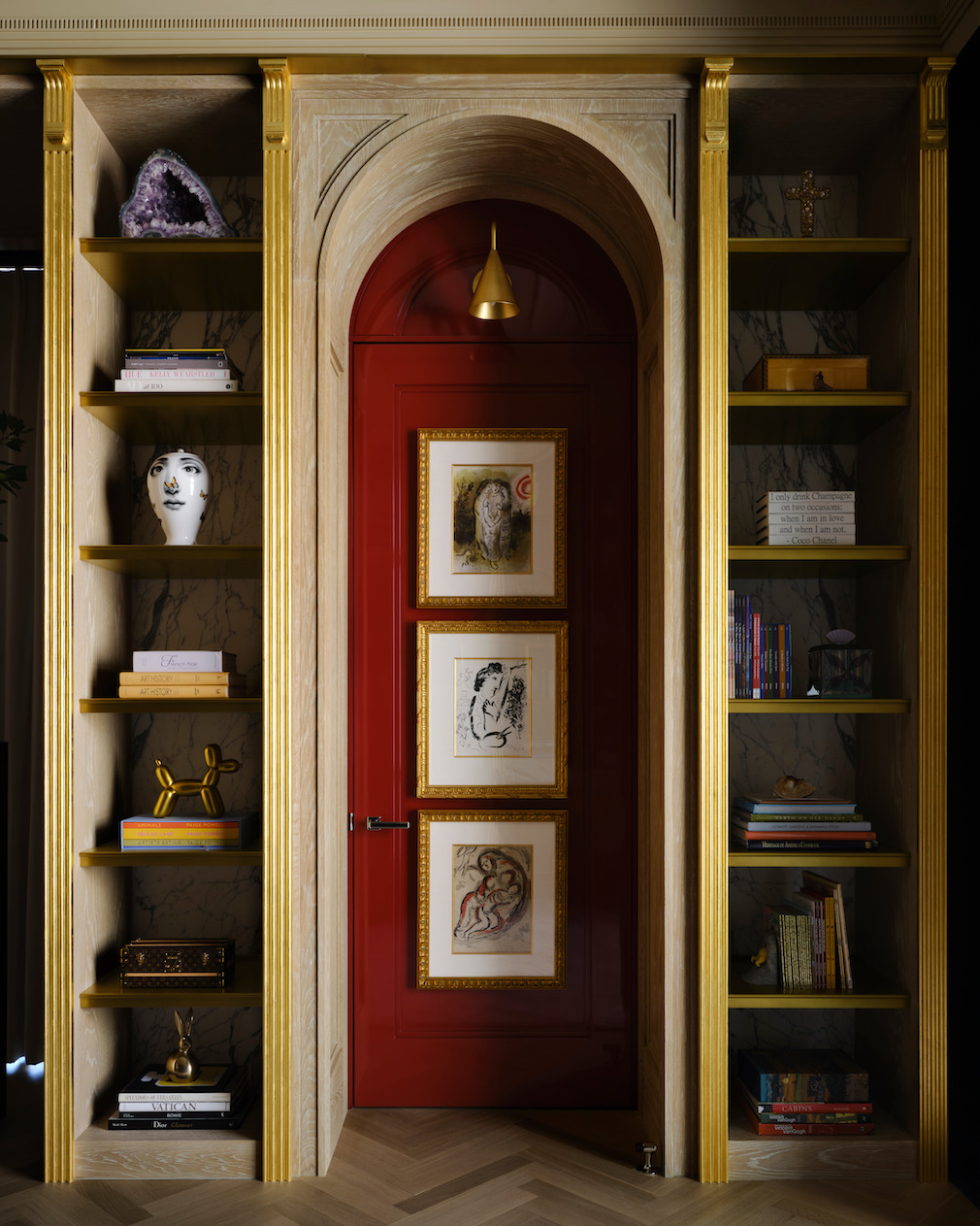
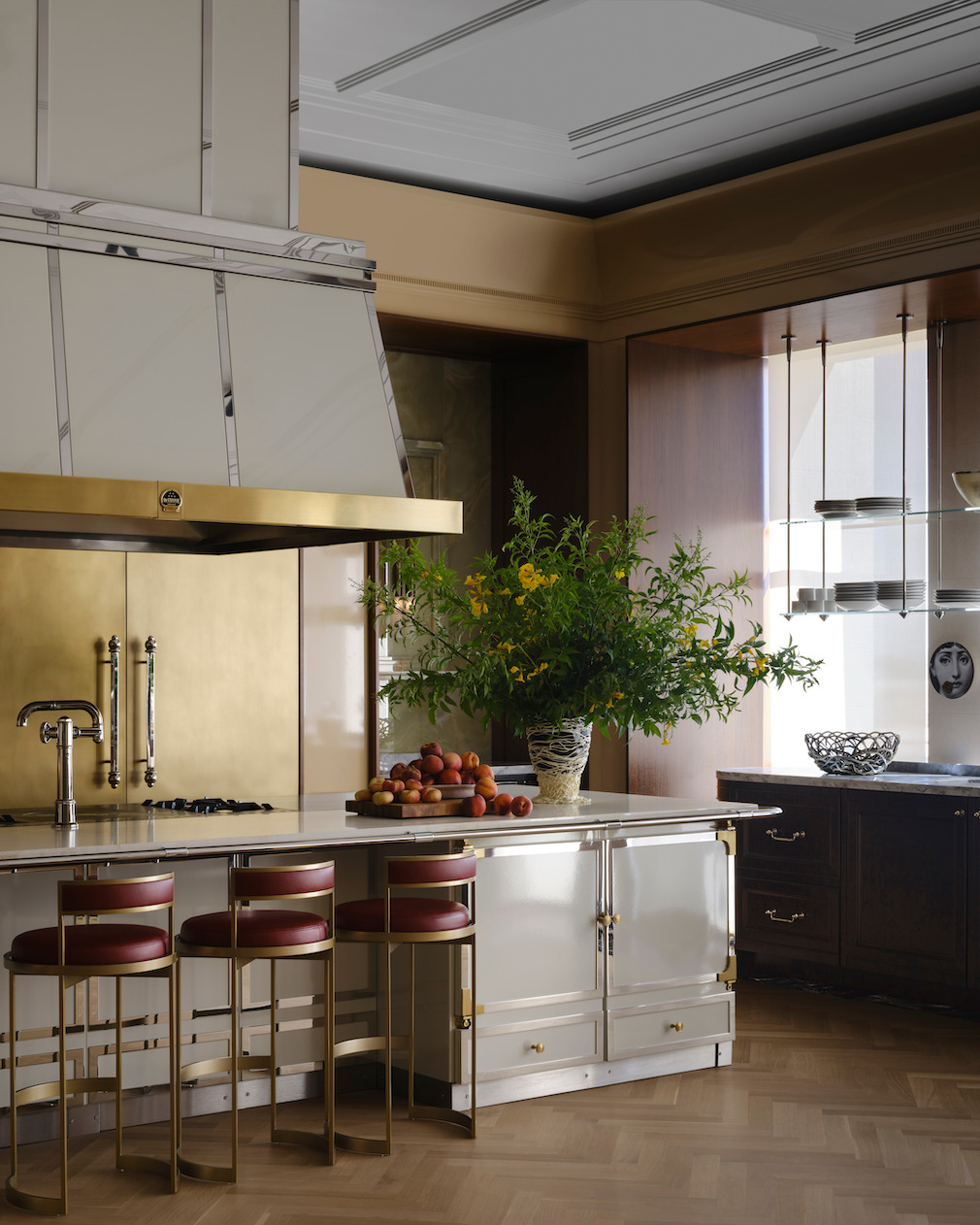
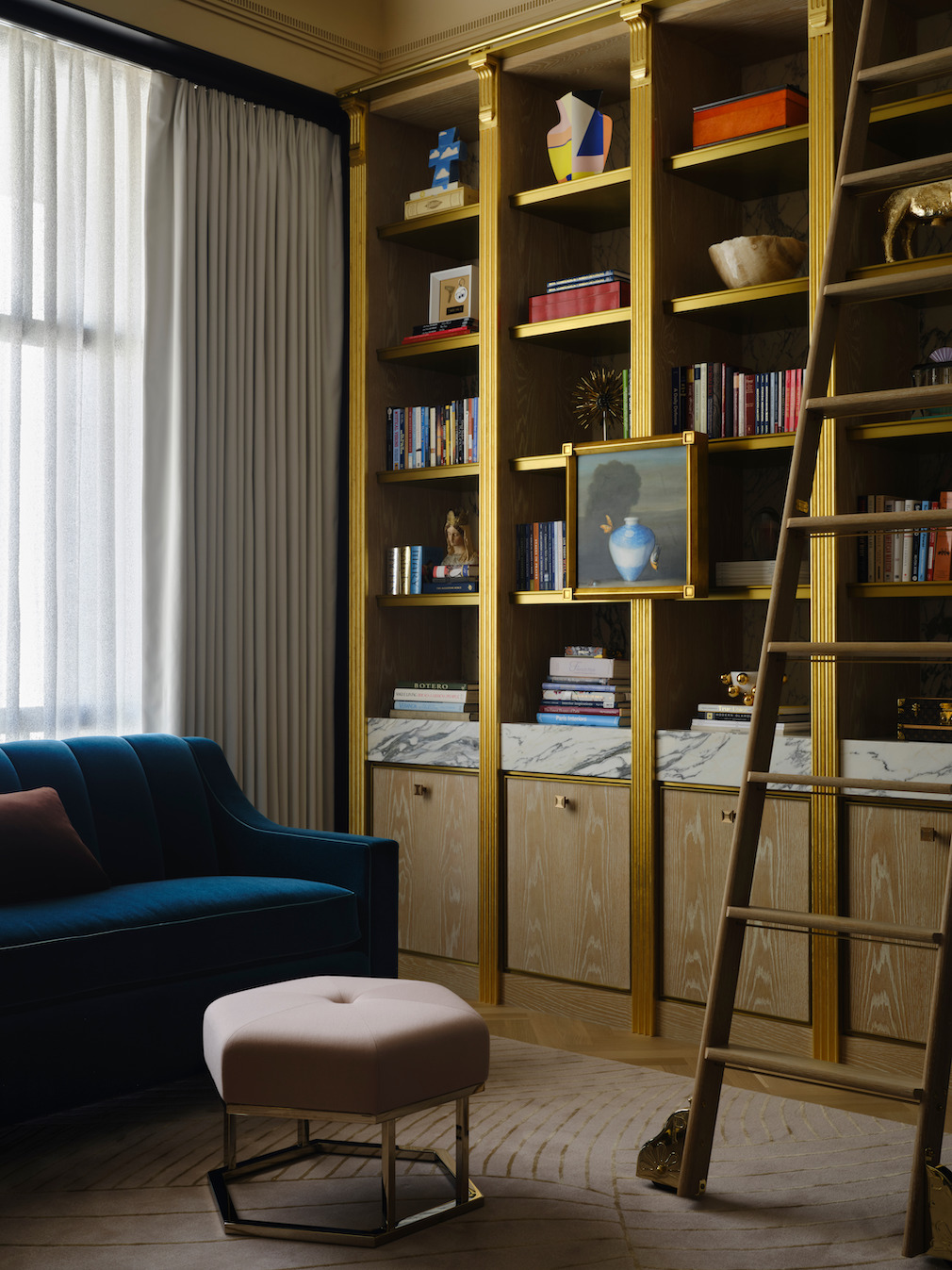
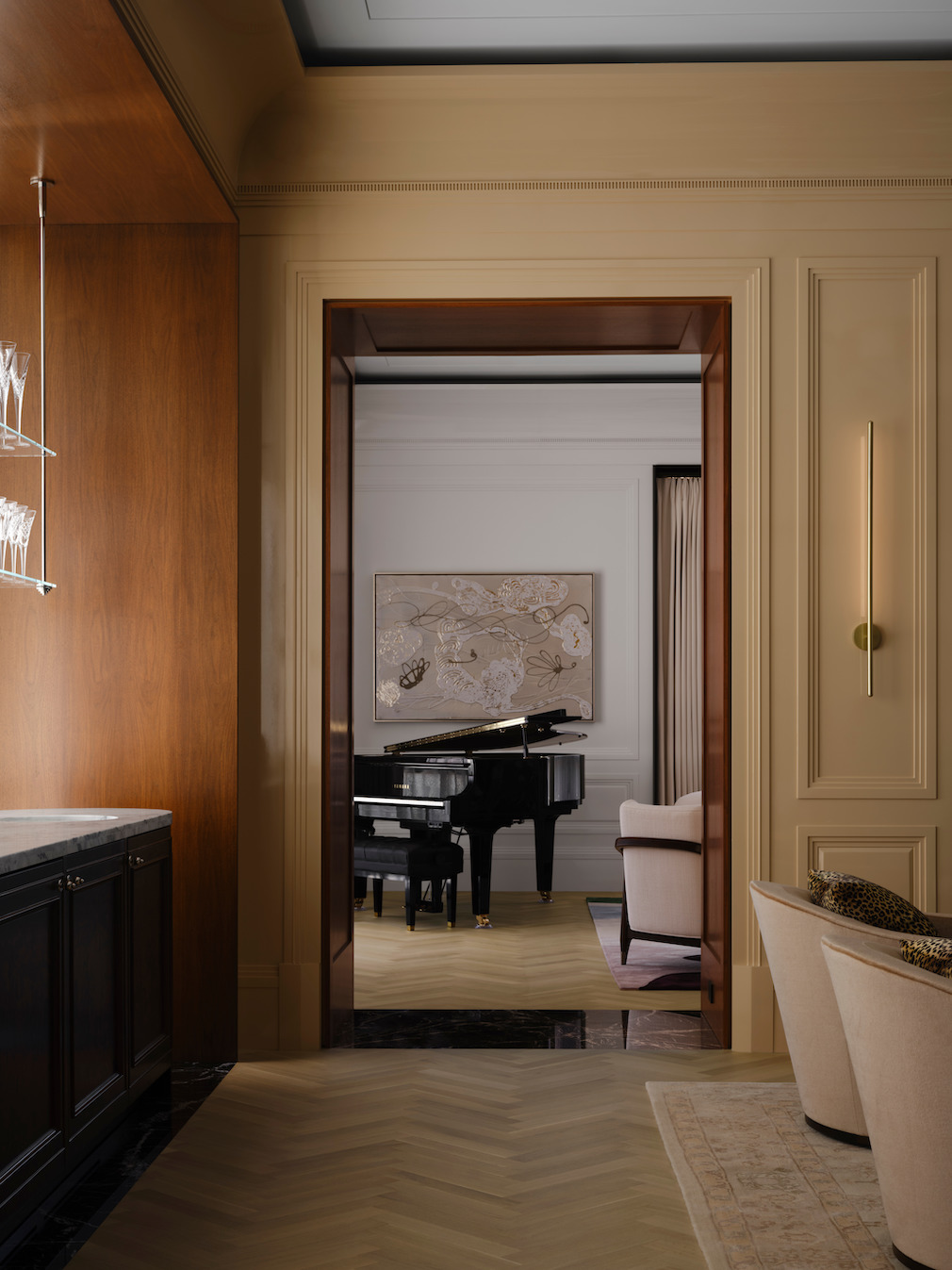
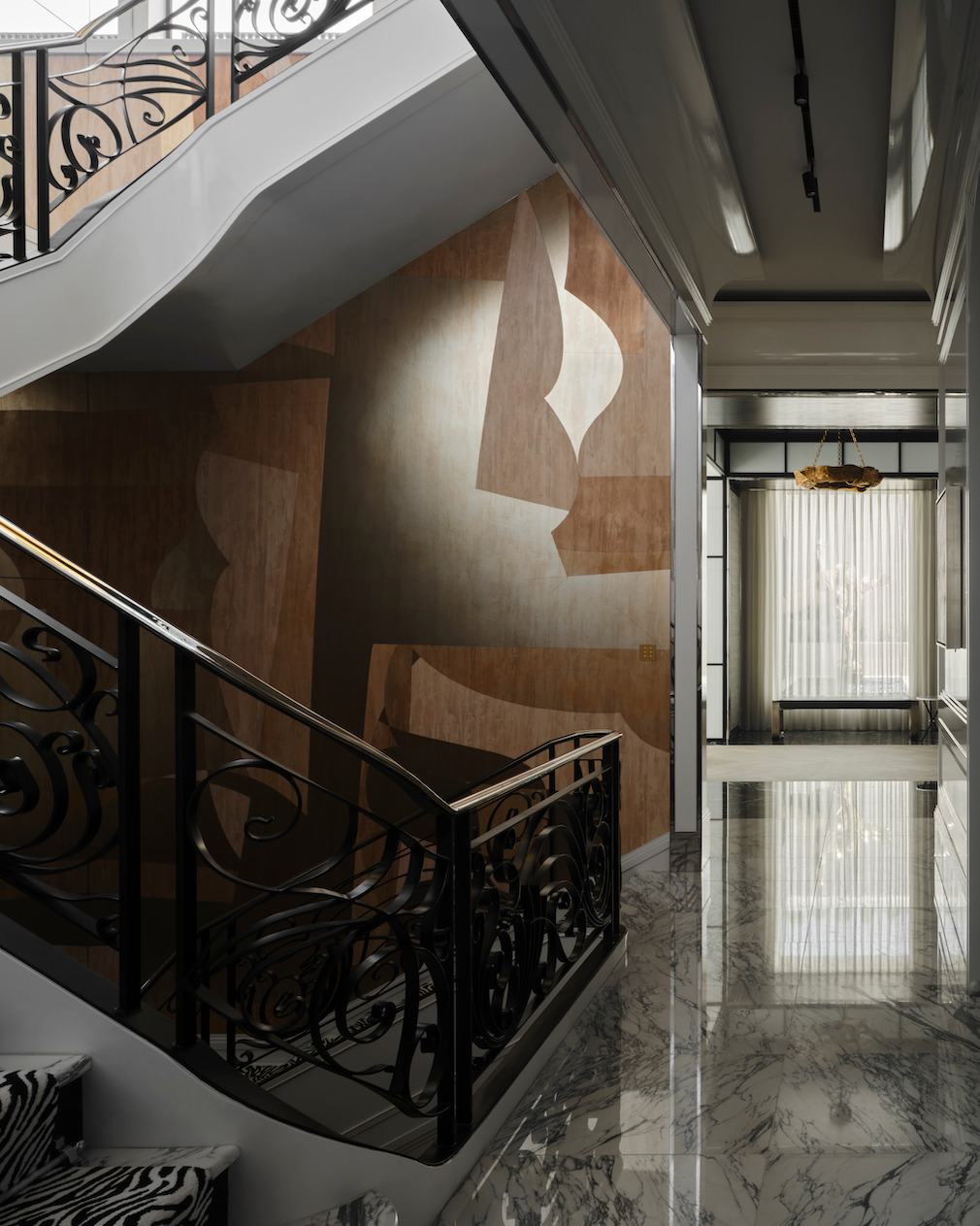
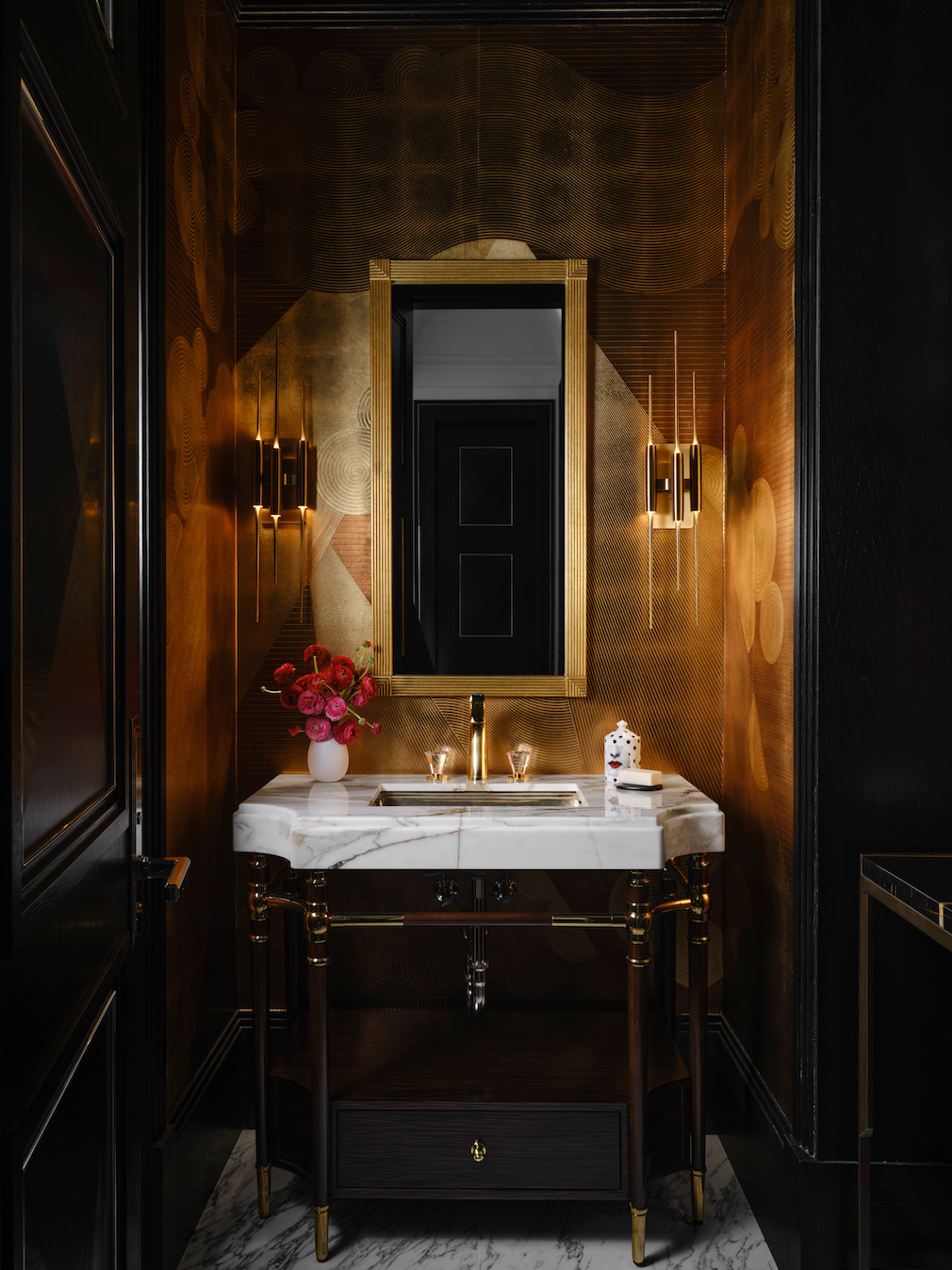
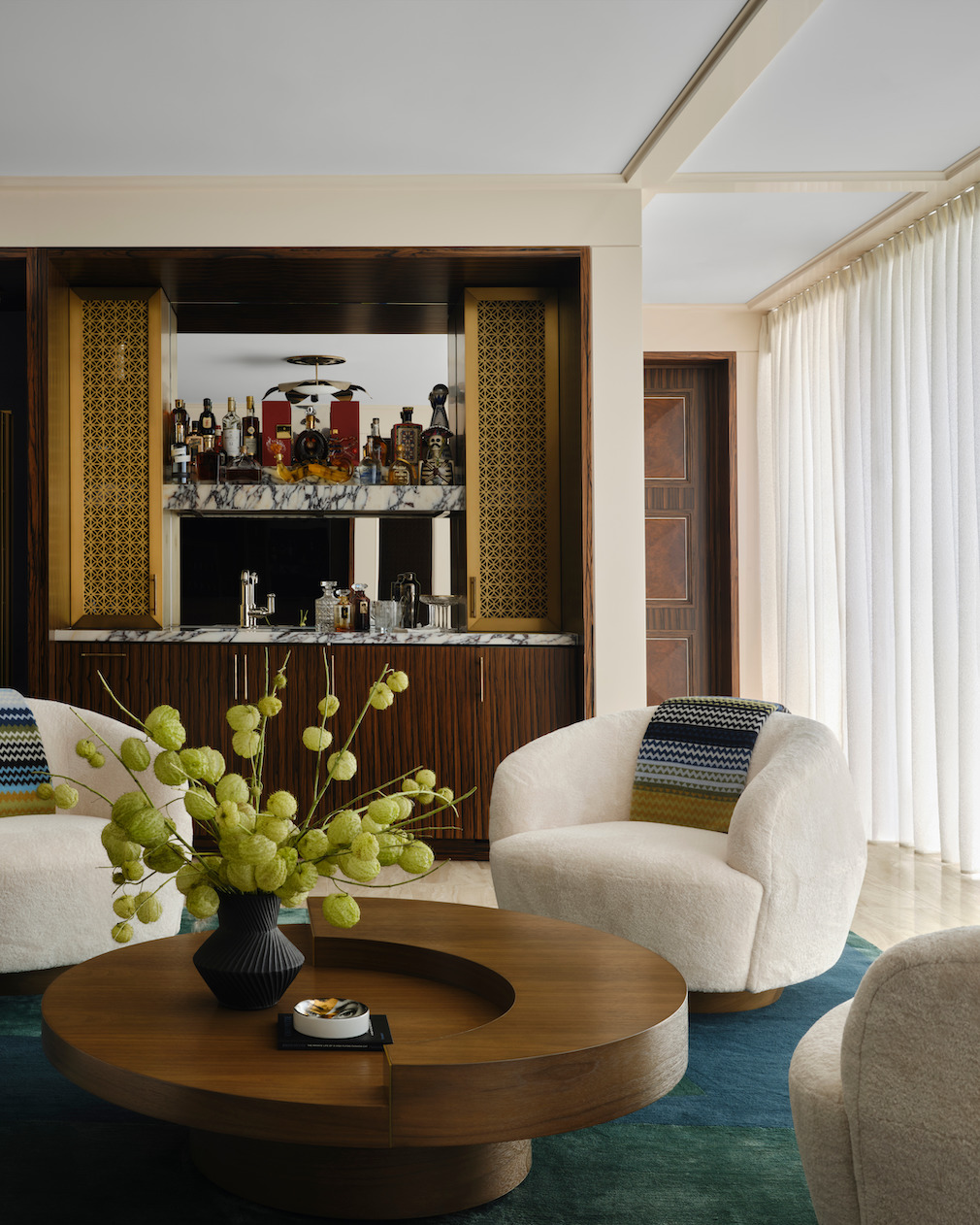
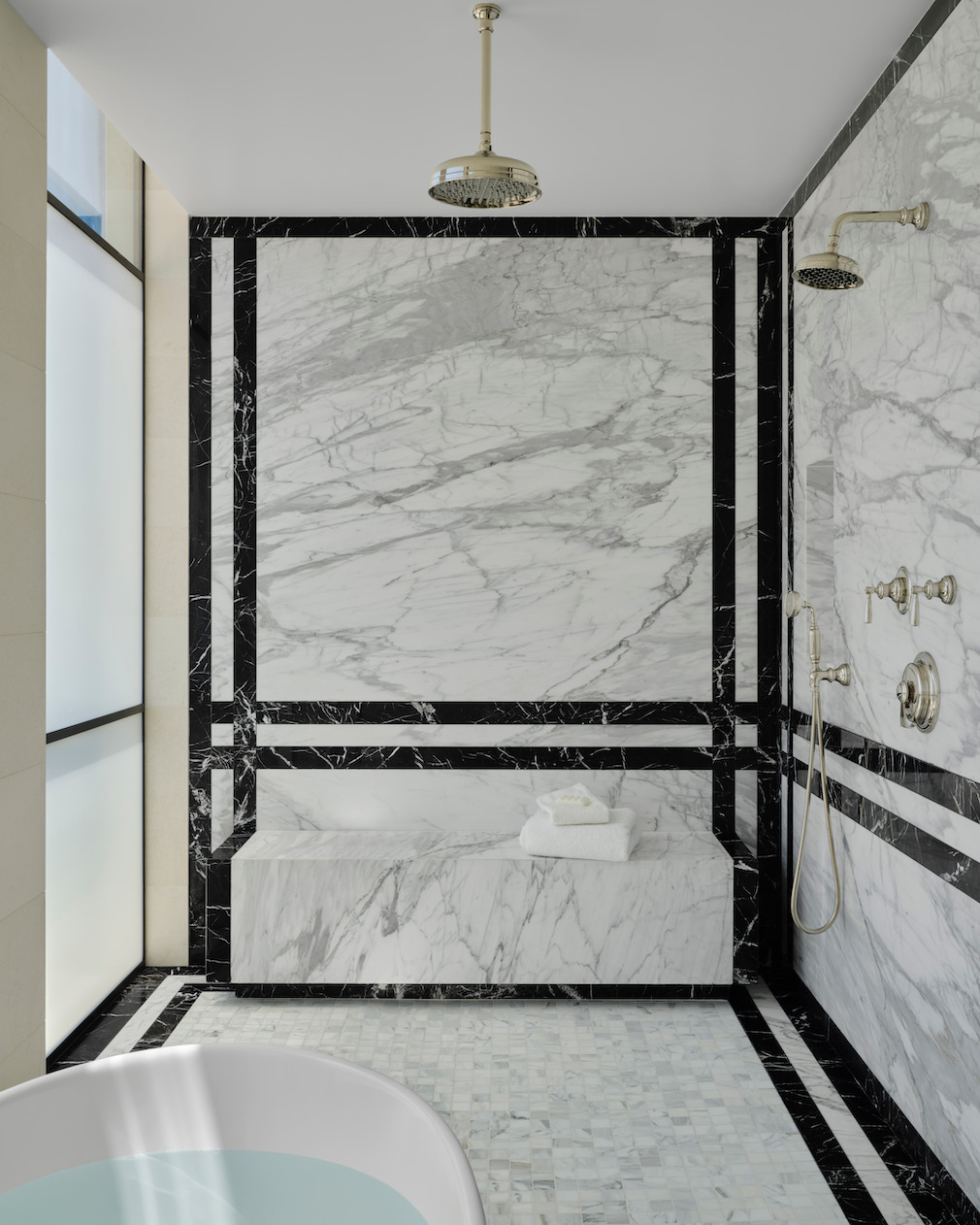
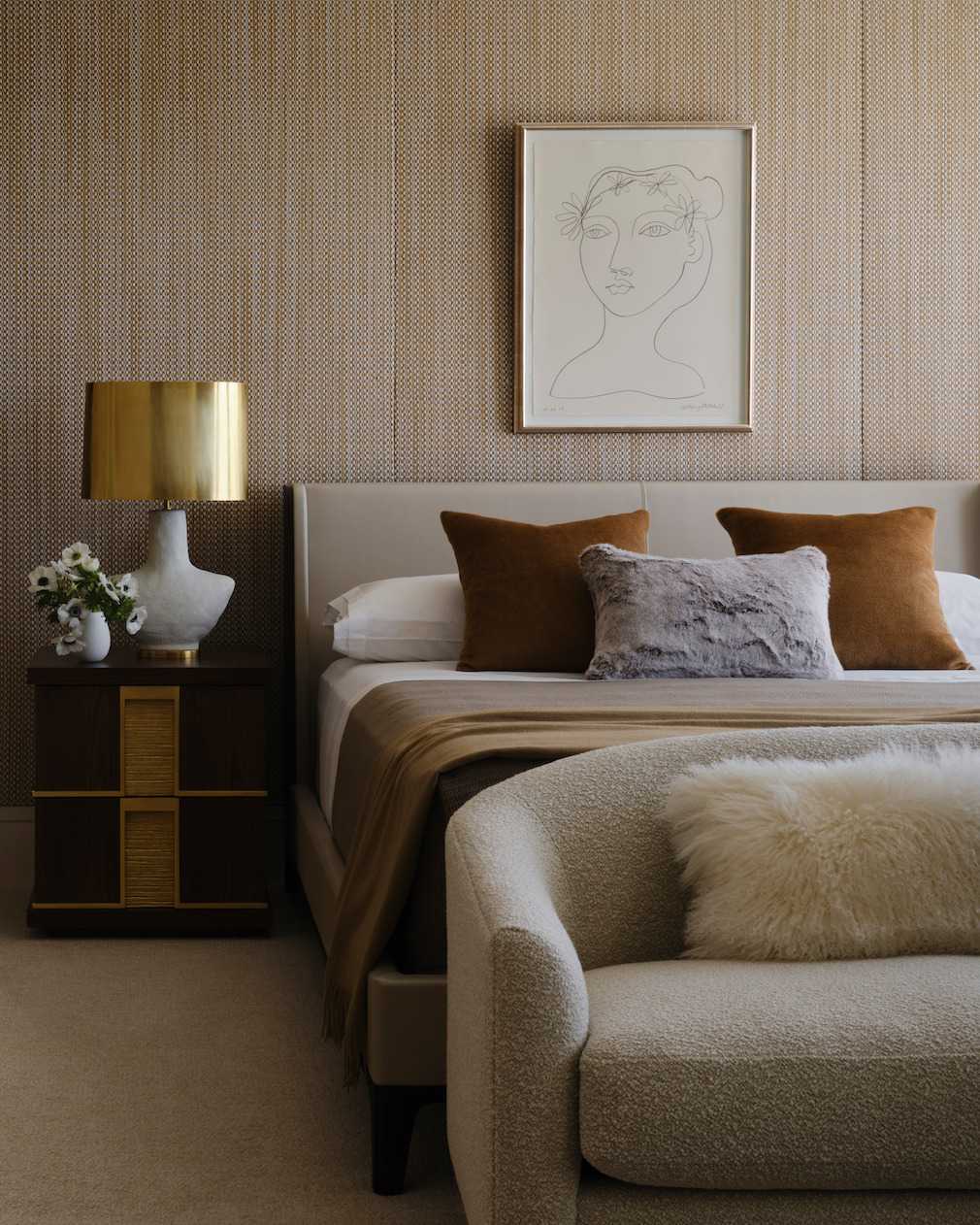
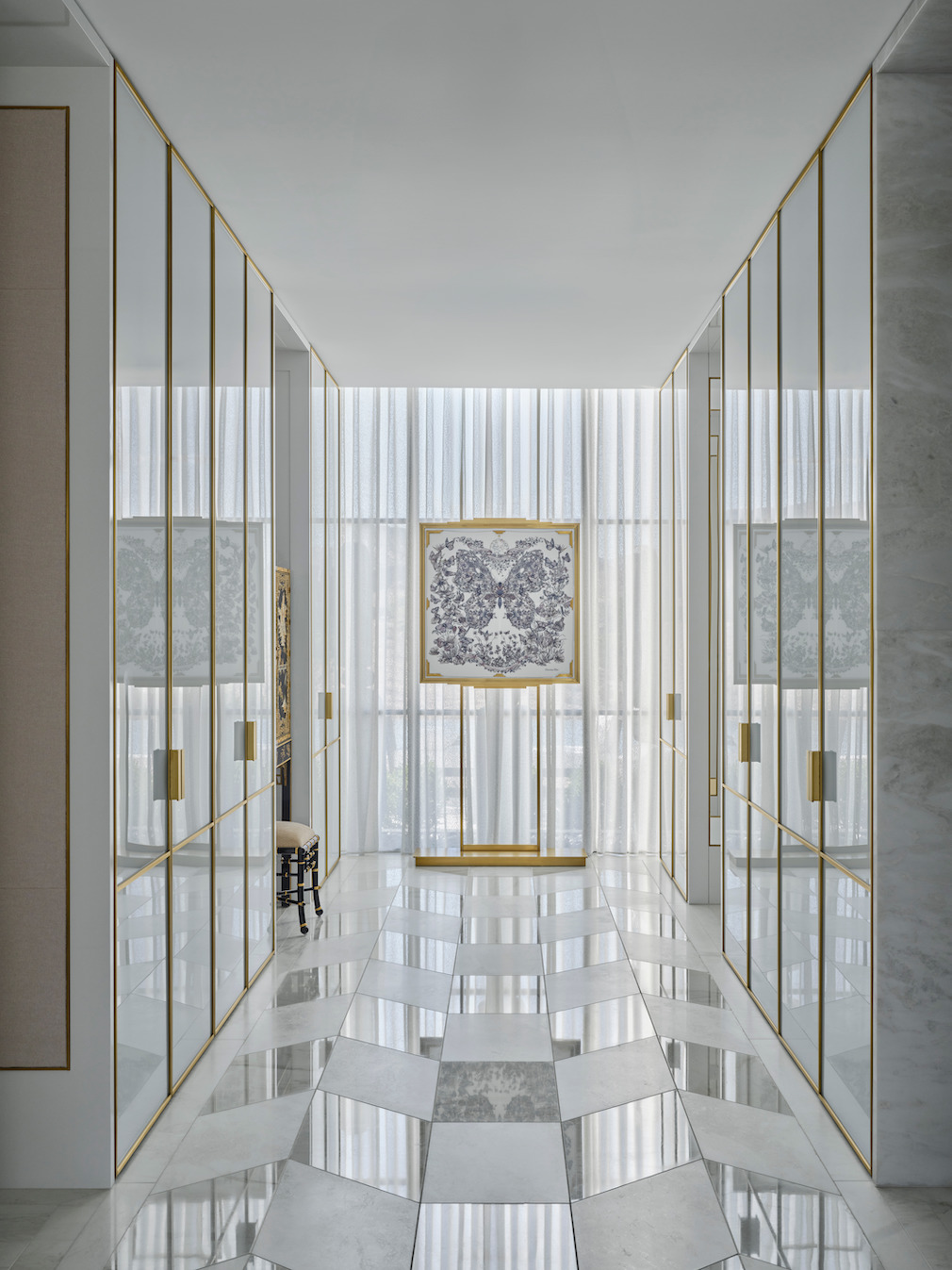
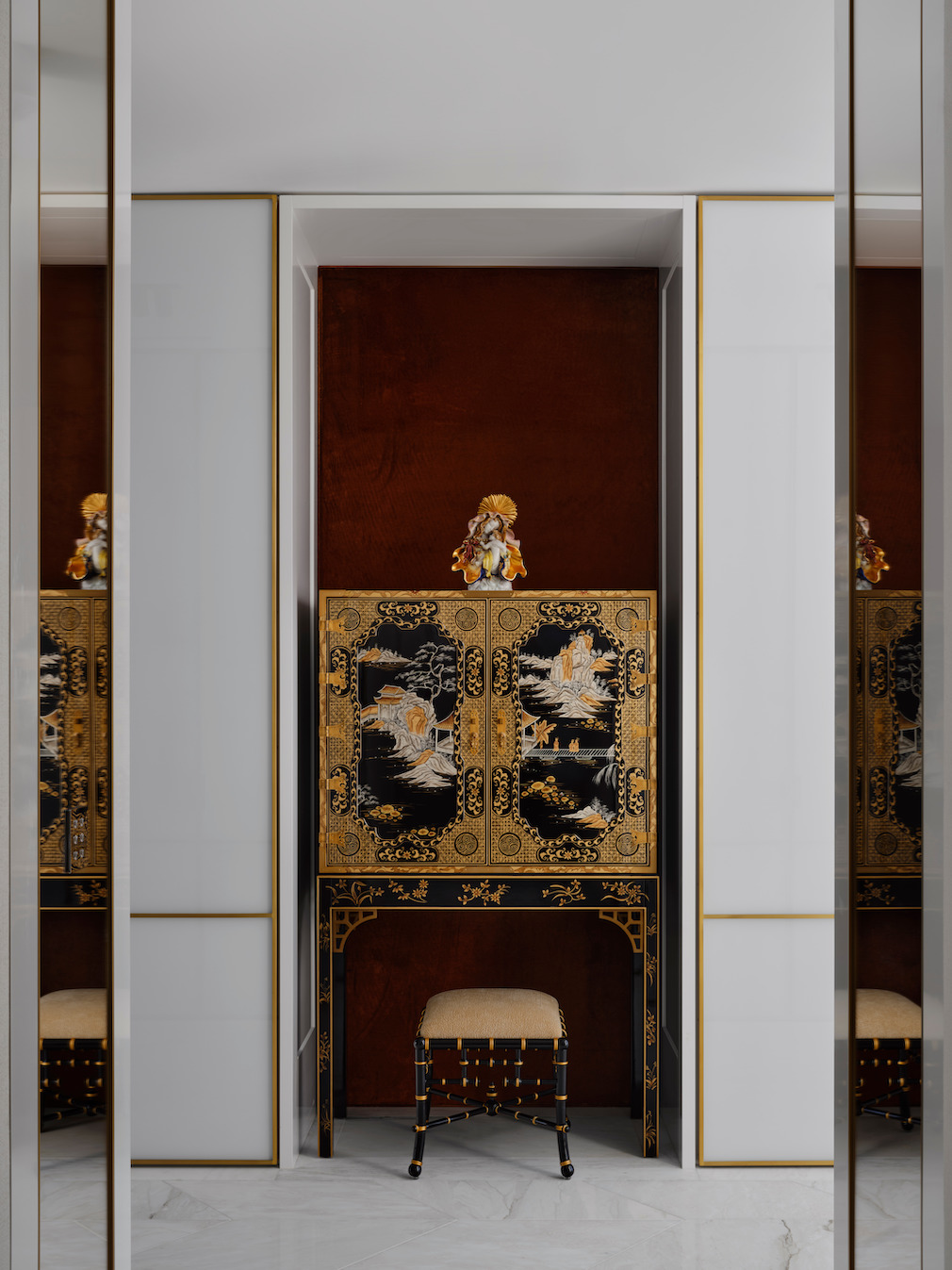
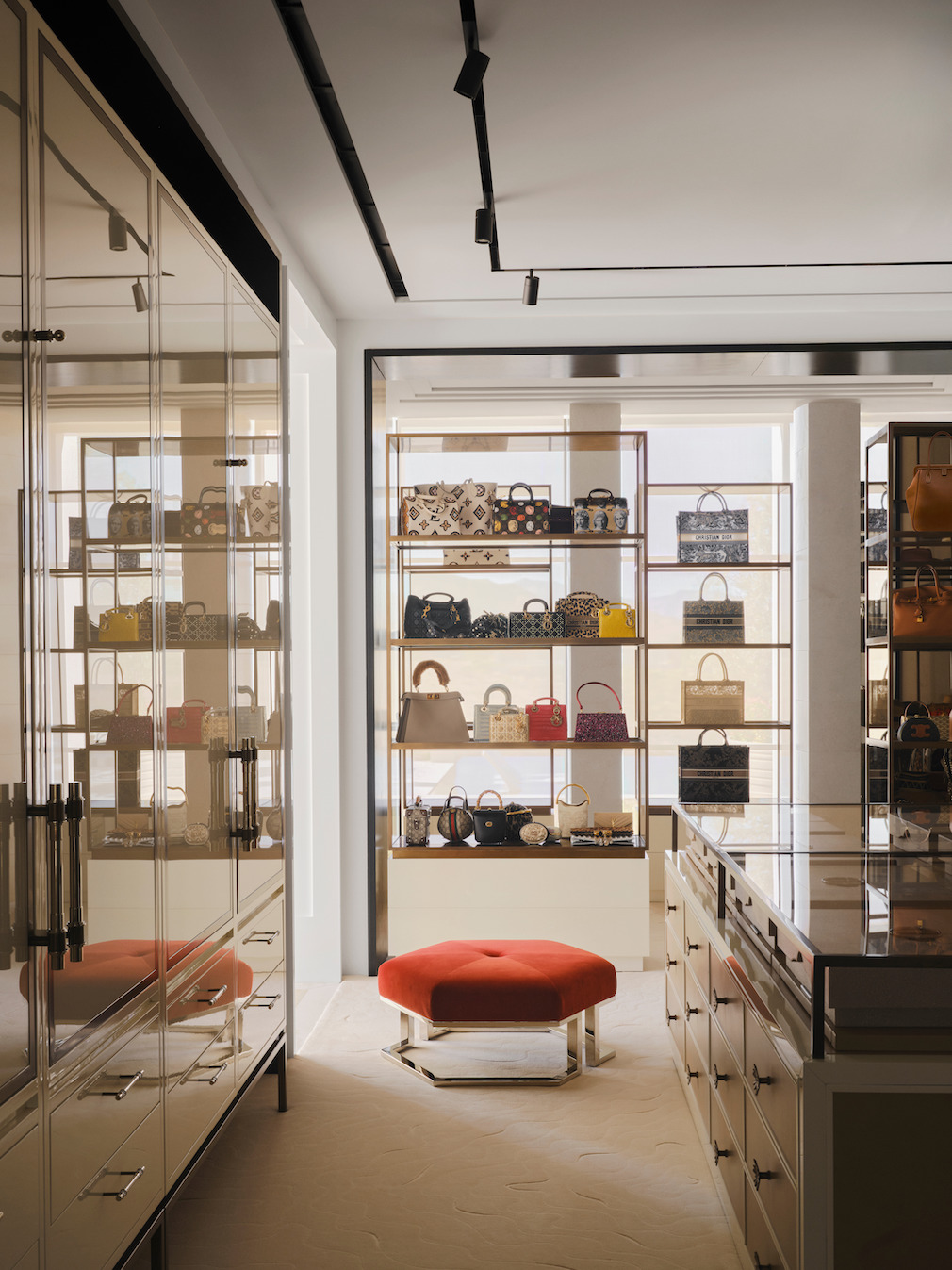
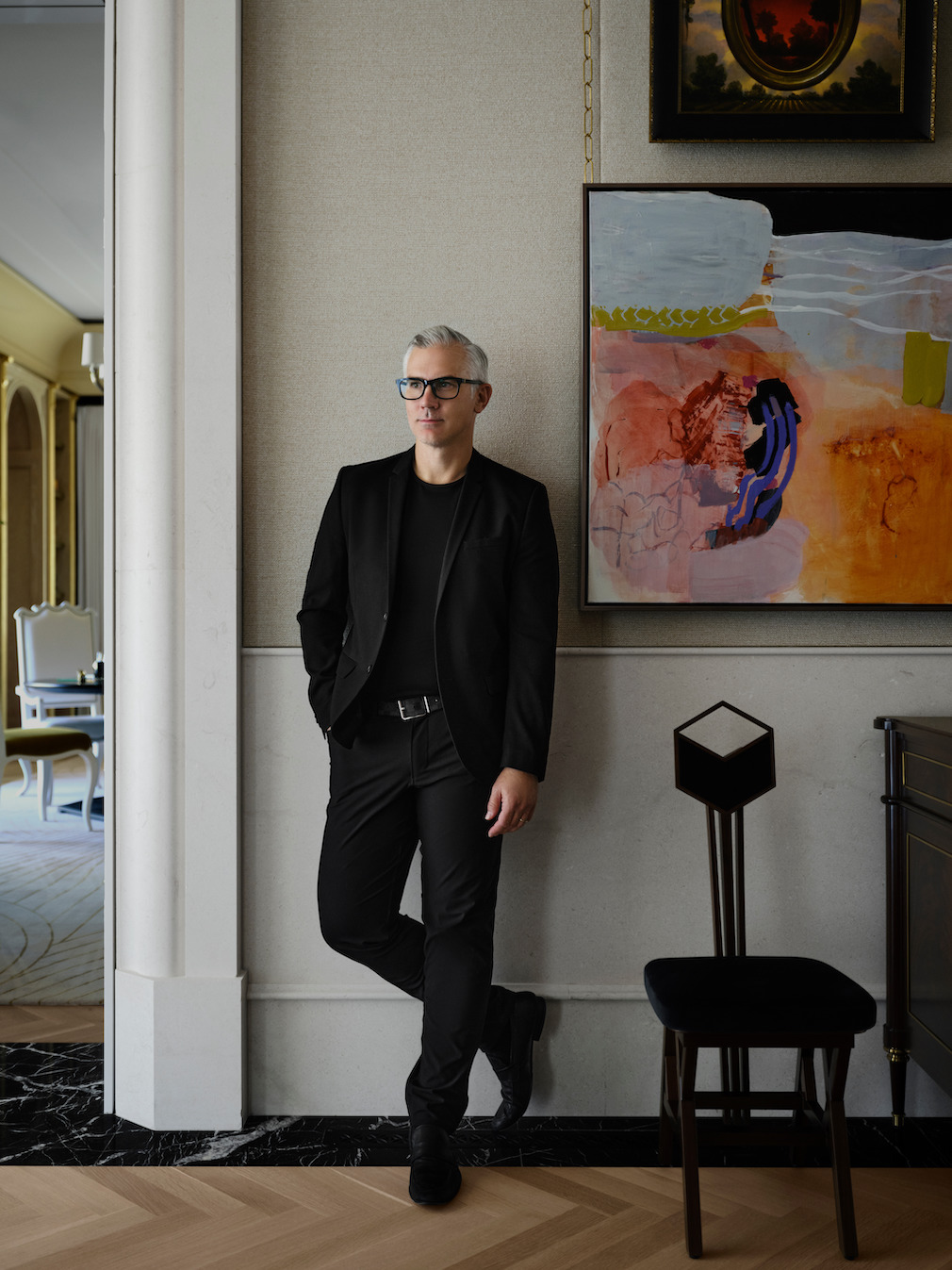
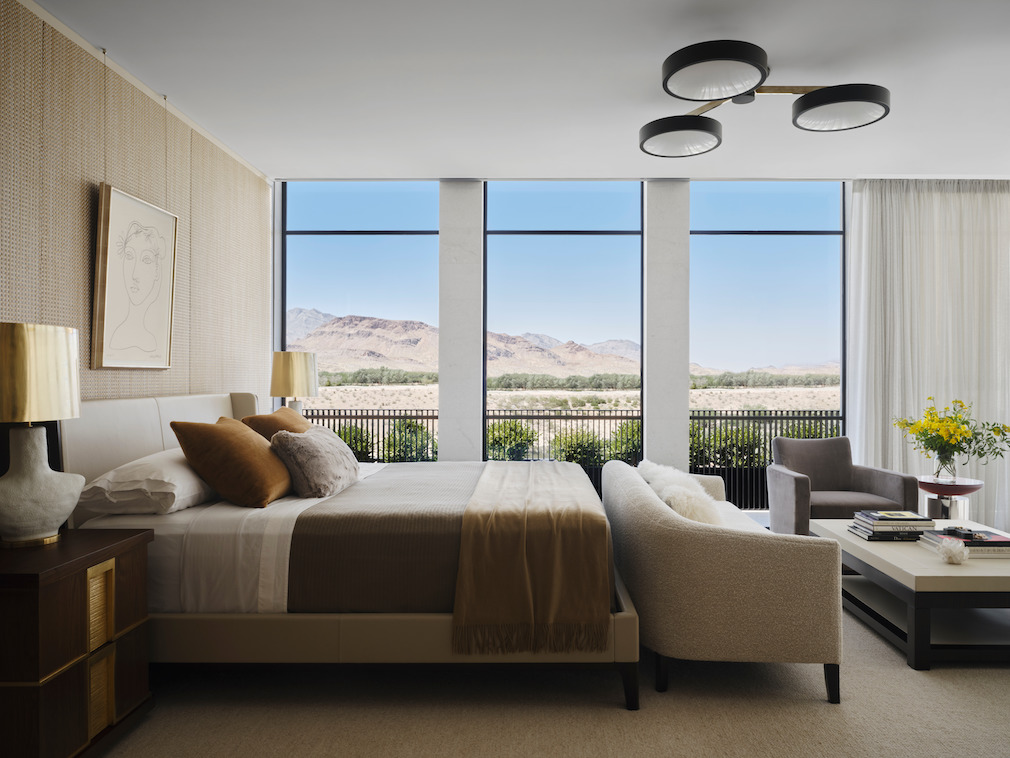
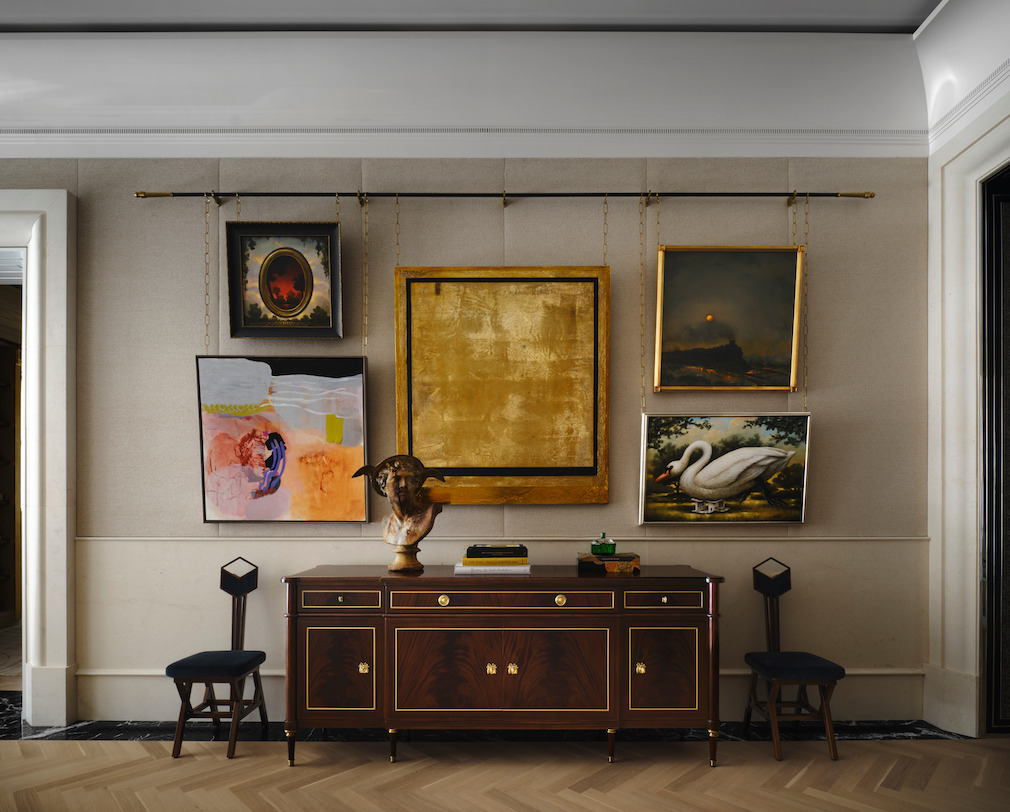
Within, the interiors expand upon the Art Deco rigor of the exterior, reinterpreting classical rhythms and proportions through a modern lens. What could have been austere becomes sensory-rich and human-scaled. Stone and warm wood absorb shifting daylight, polished surfaces catch fleeting glimmers, and aligned geometries carry the architecture inward. Vertical rhythms, shadow lines, and deliberate material transitions create continuity between outside and in, transforming structural strength into lived experience and dissolving the boundary between monumentality and intimacy.
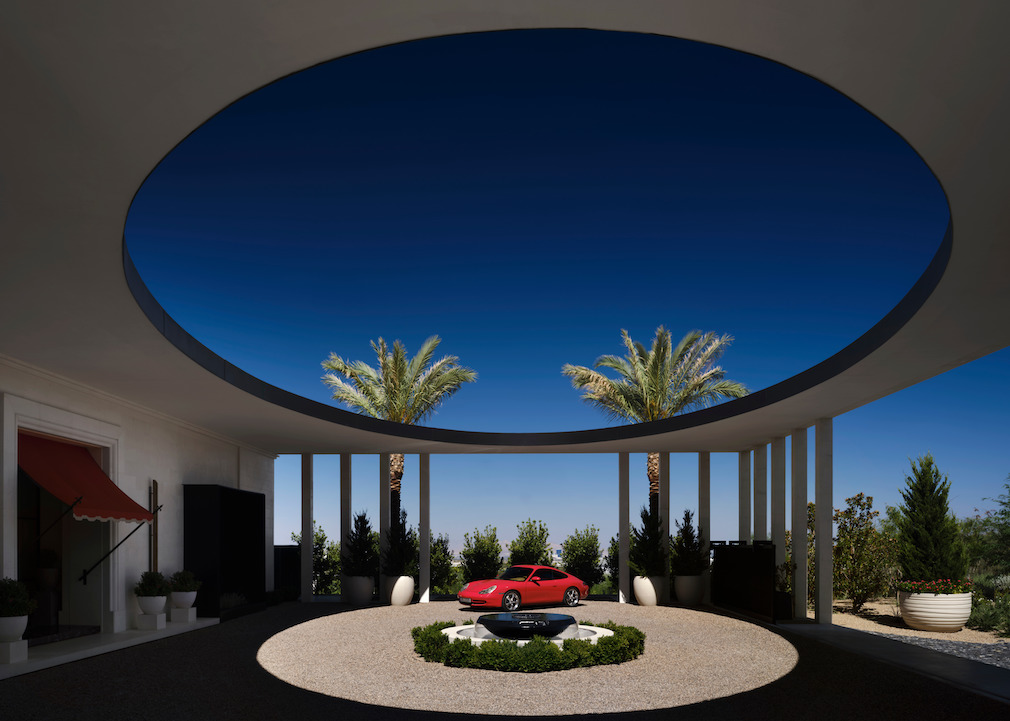
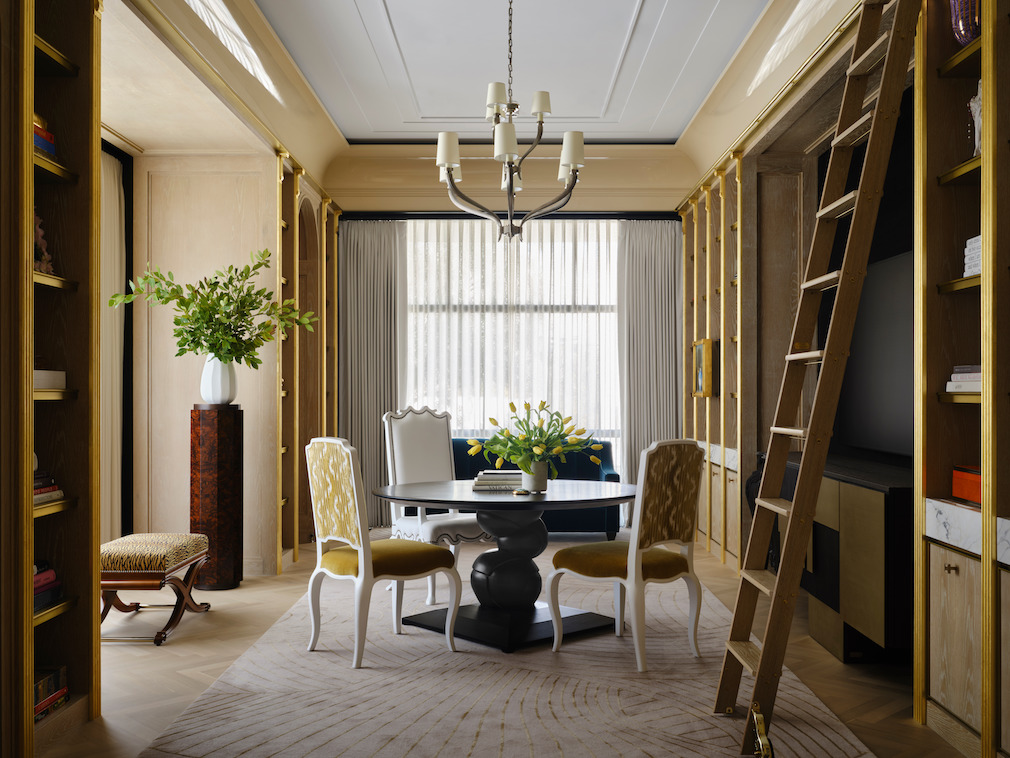
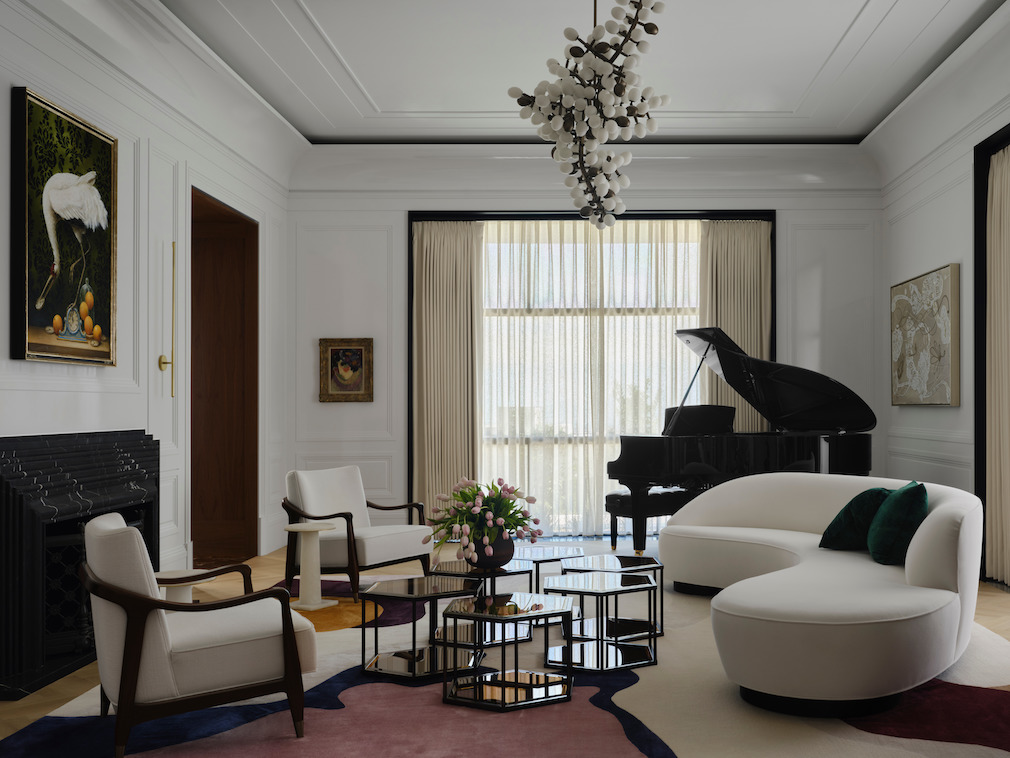
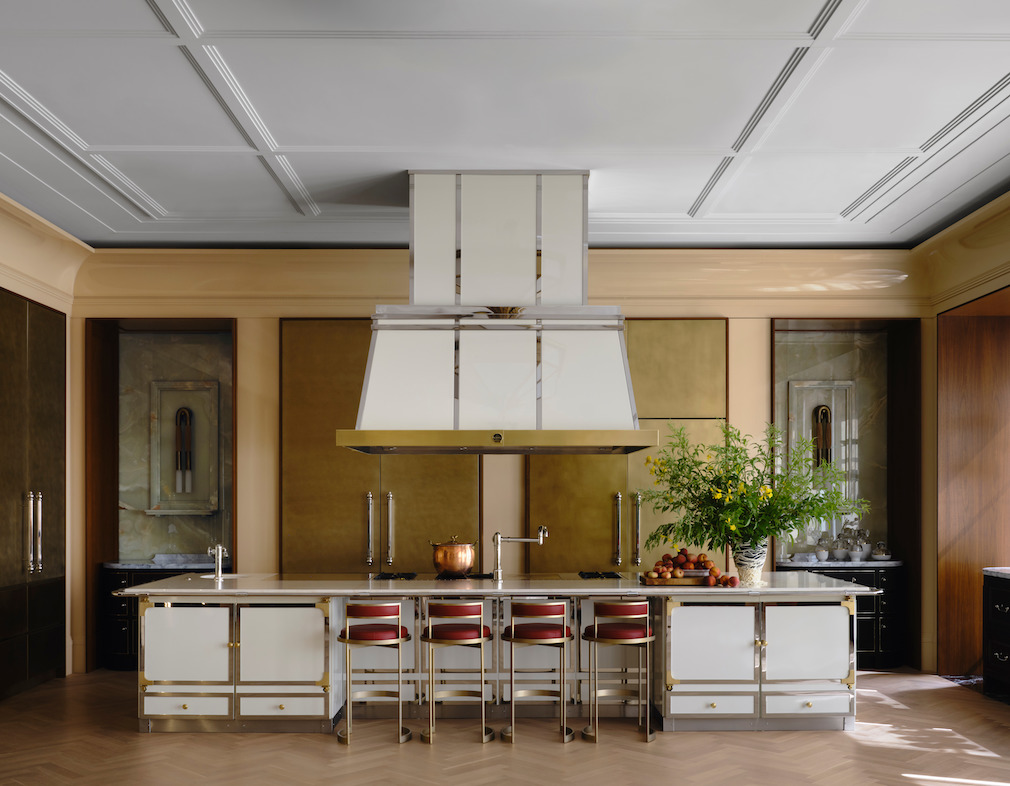
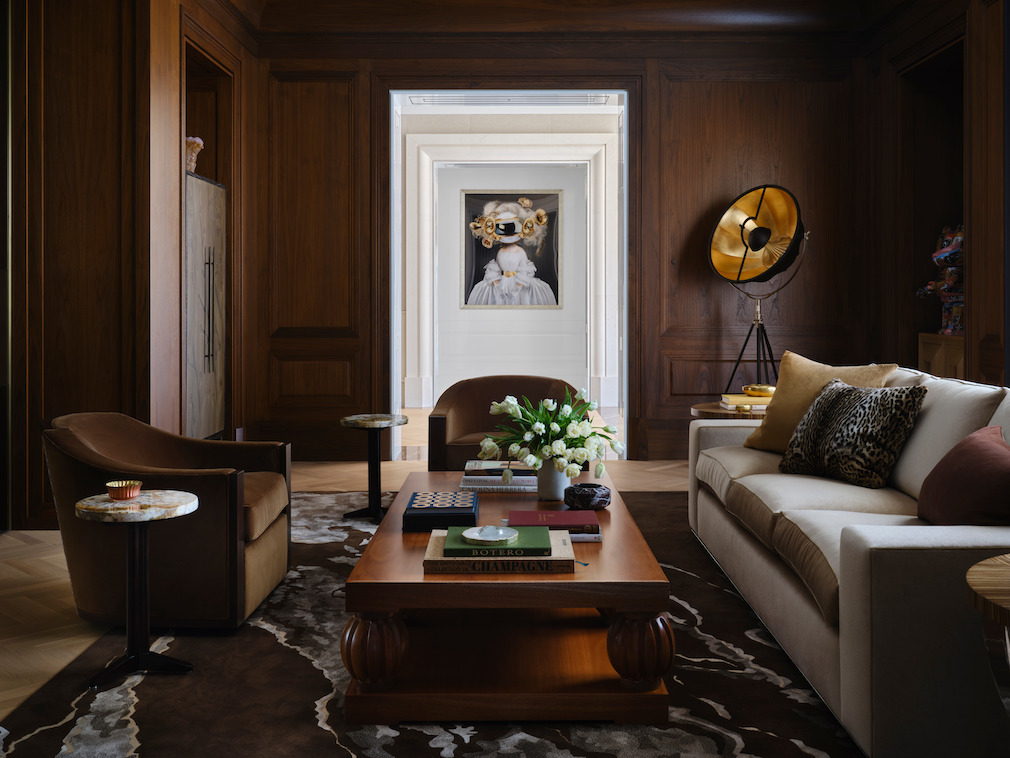
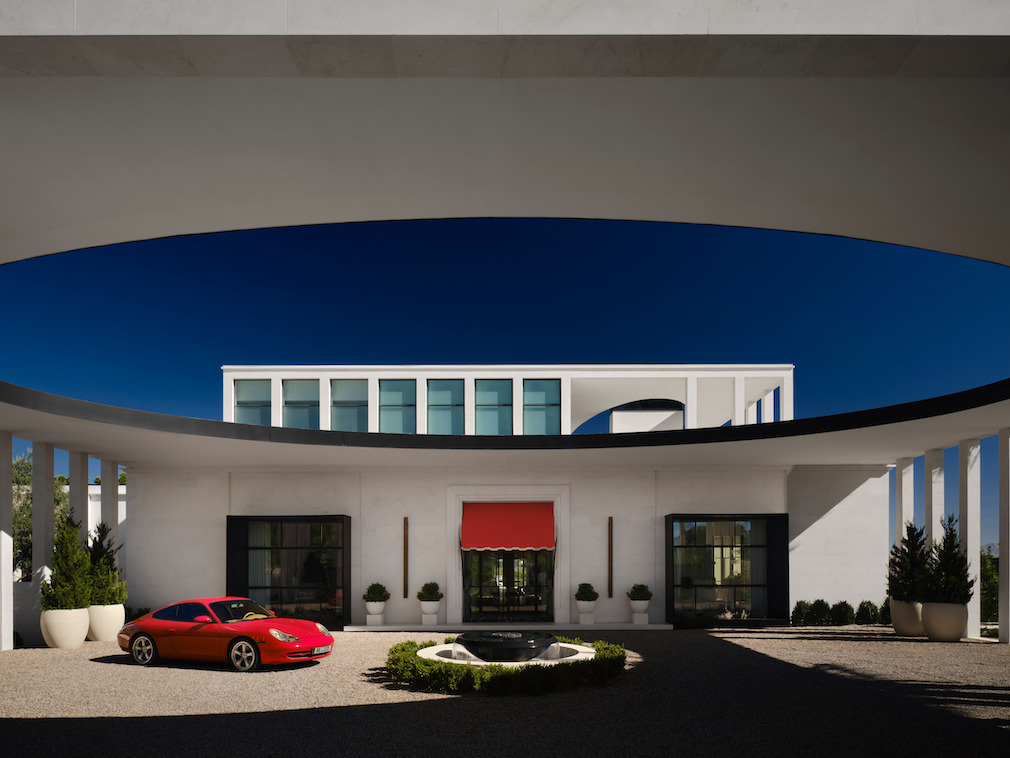
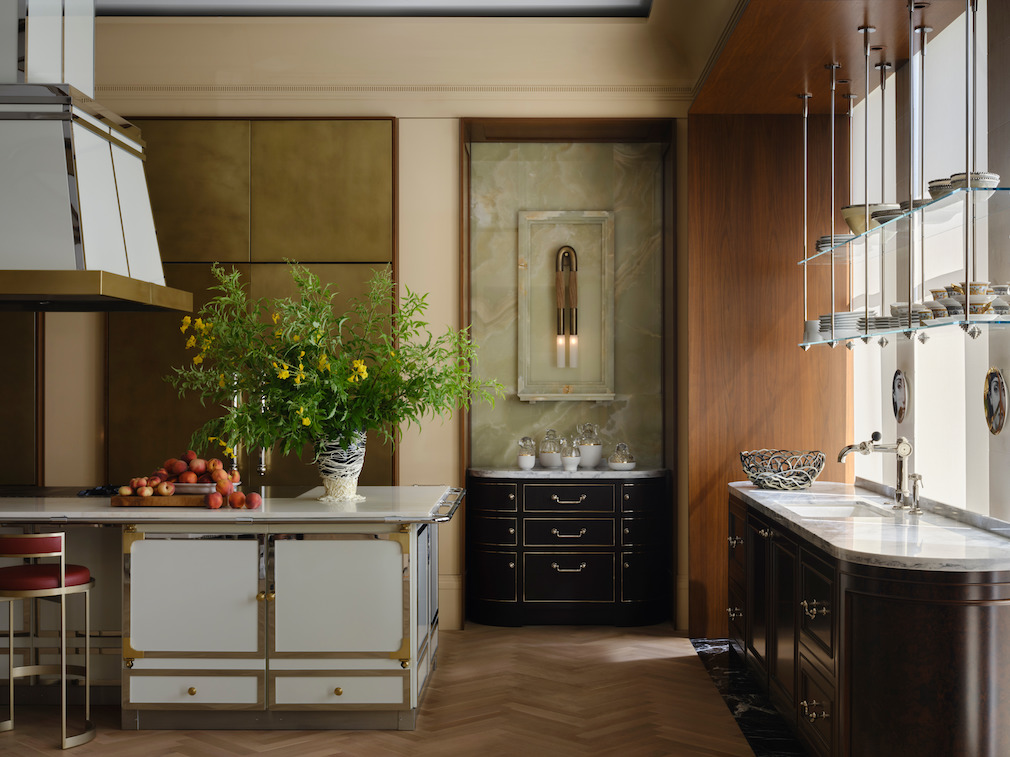
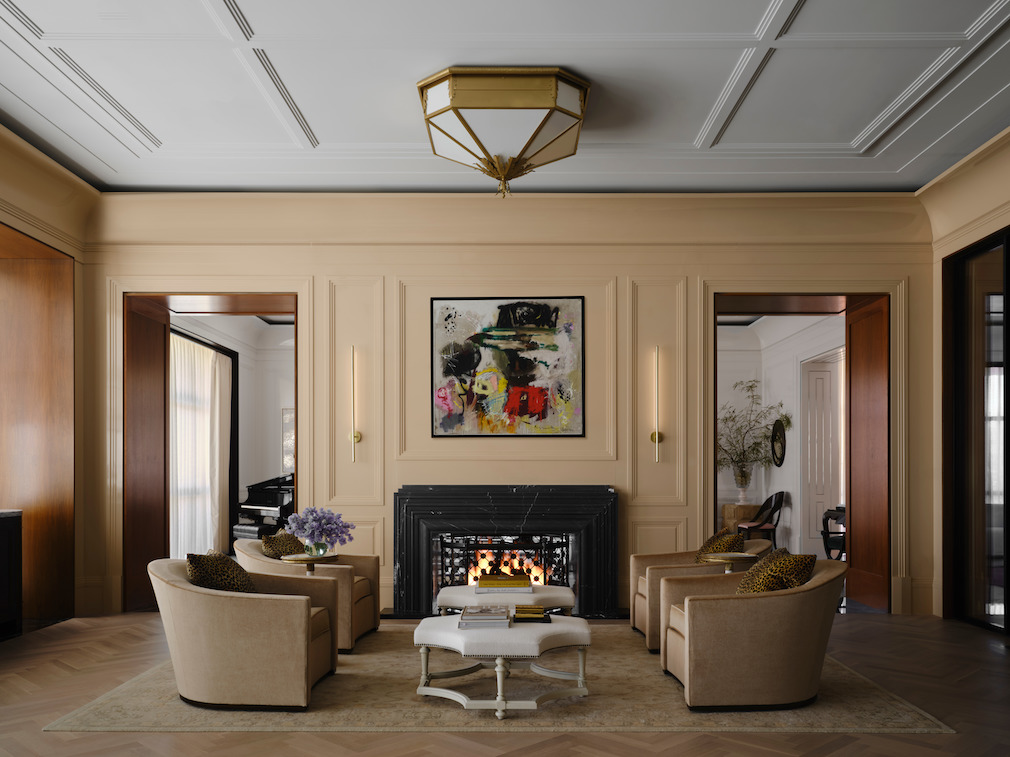
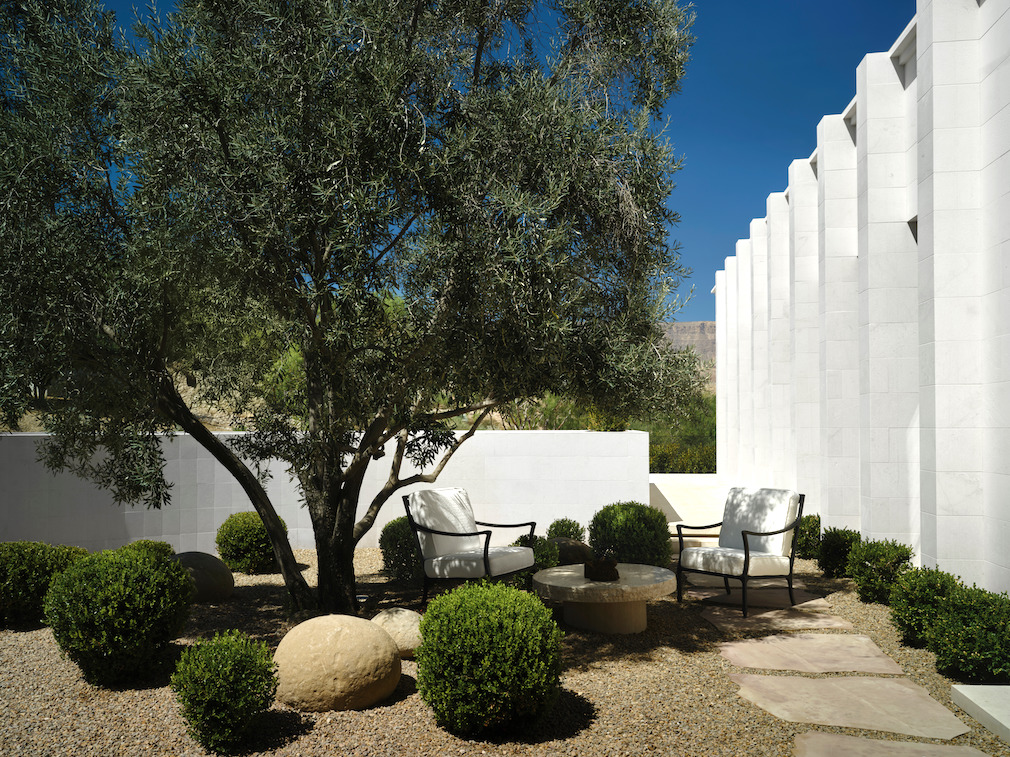
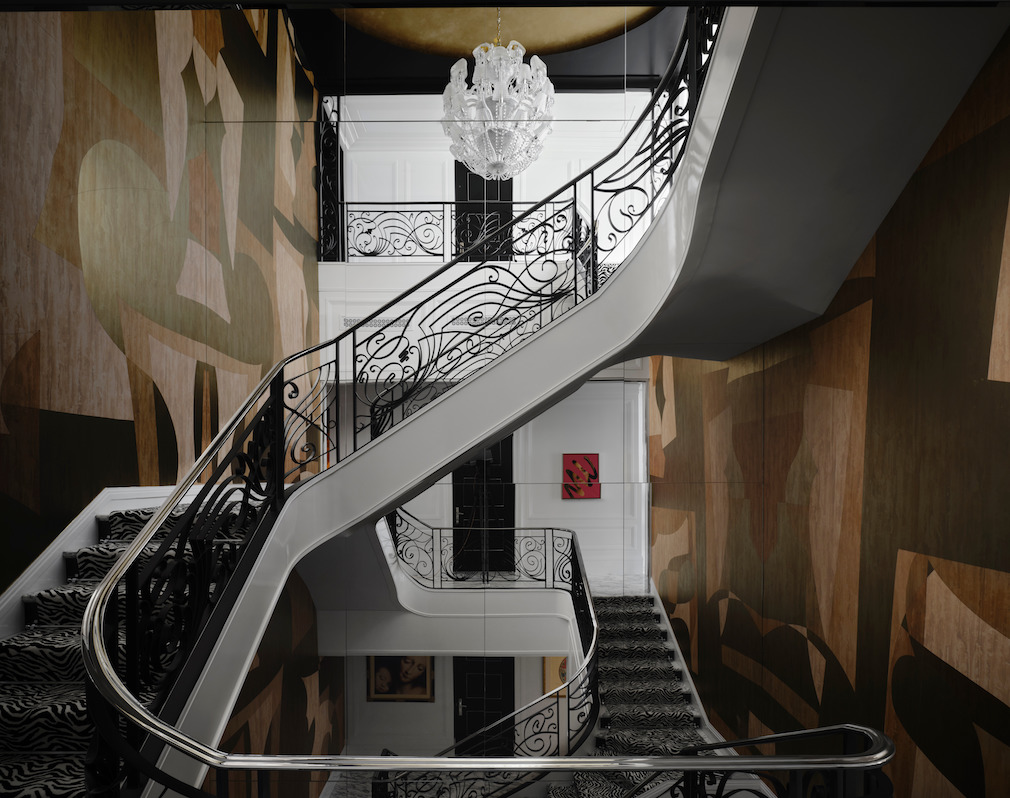
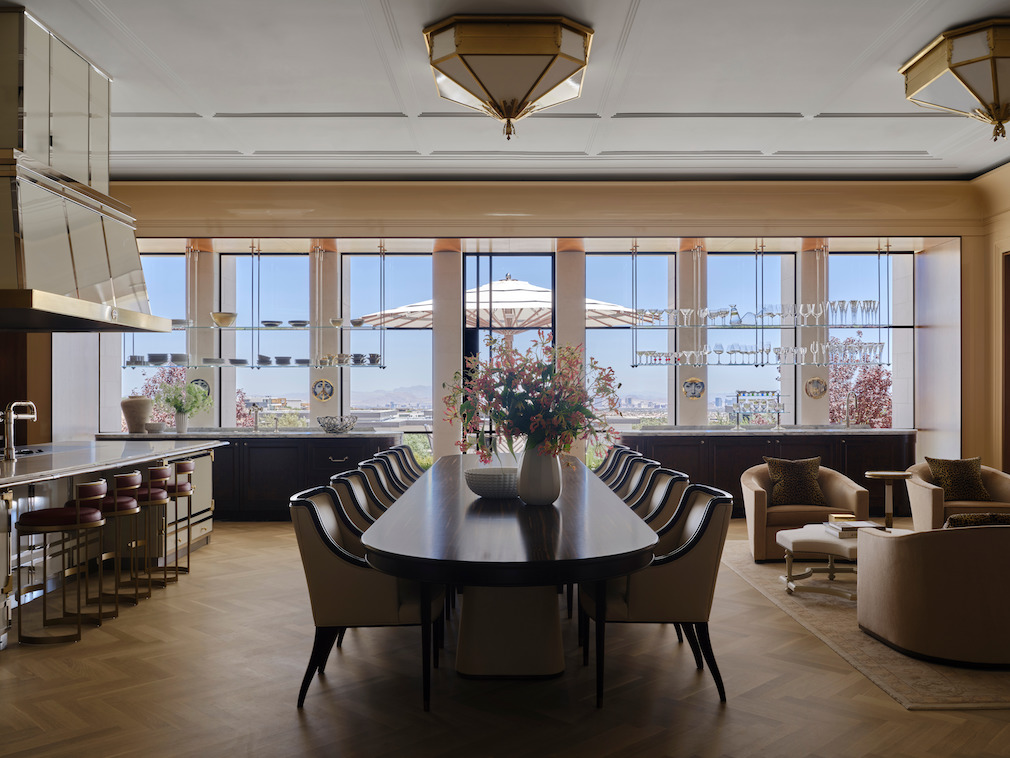
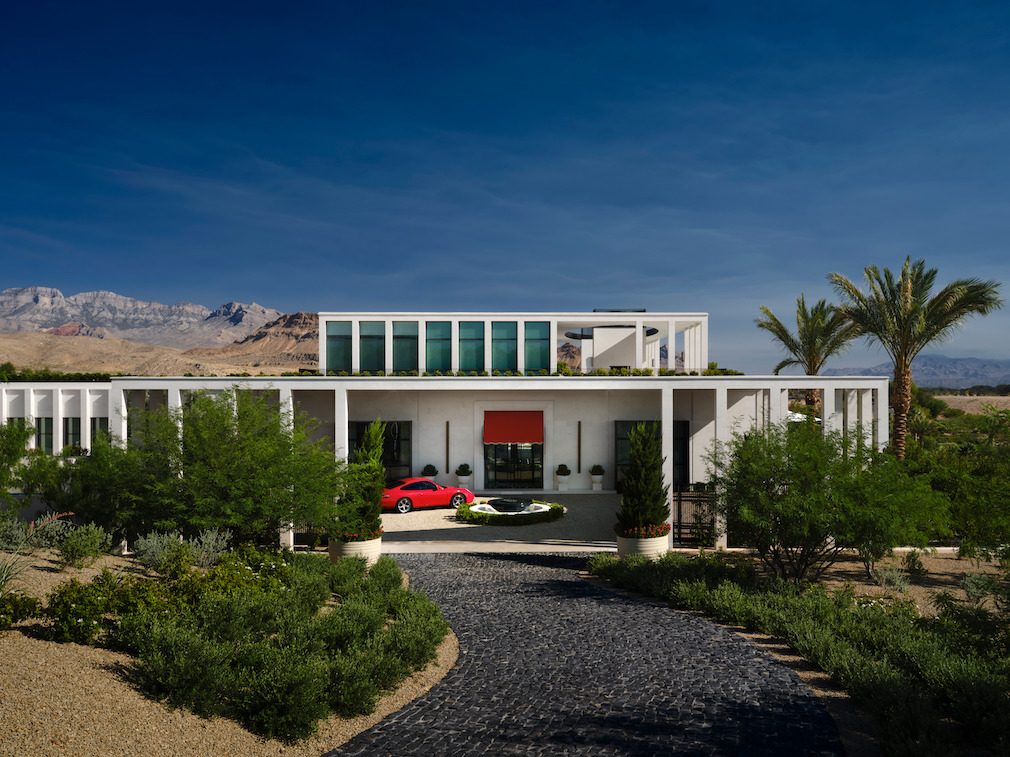
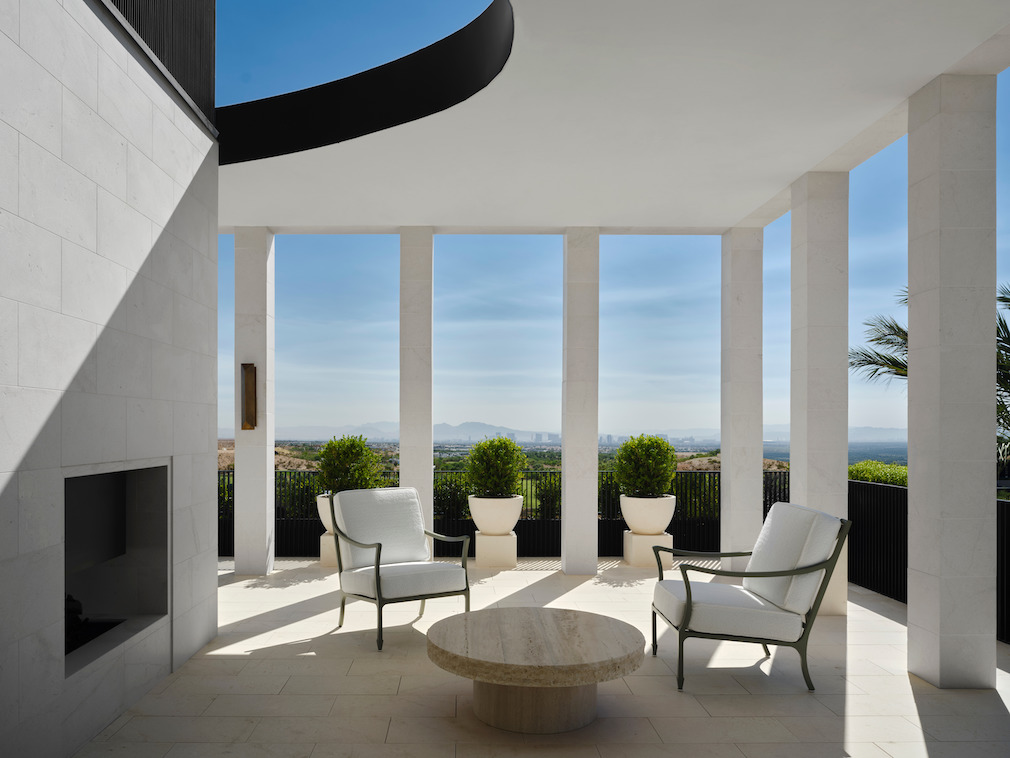
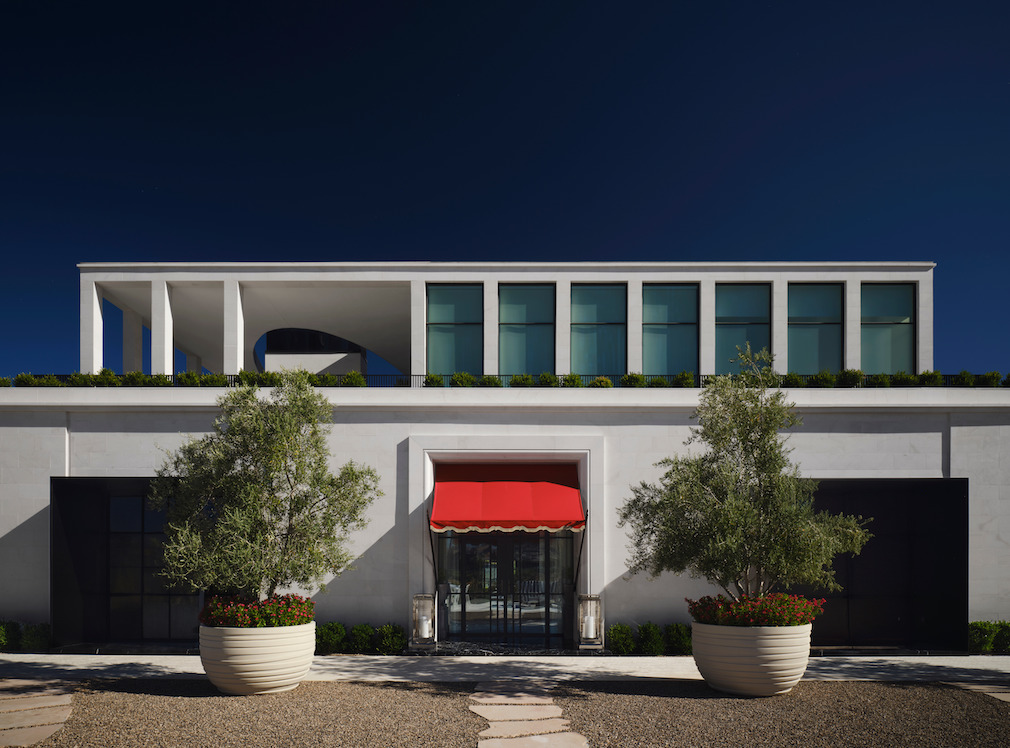
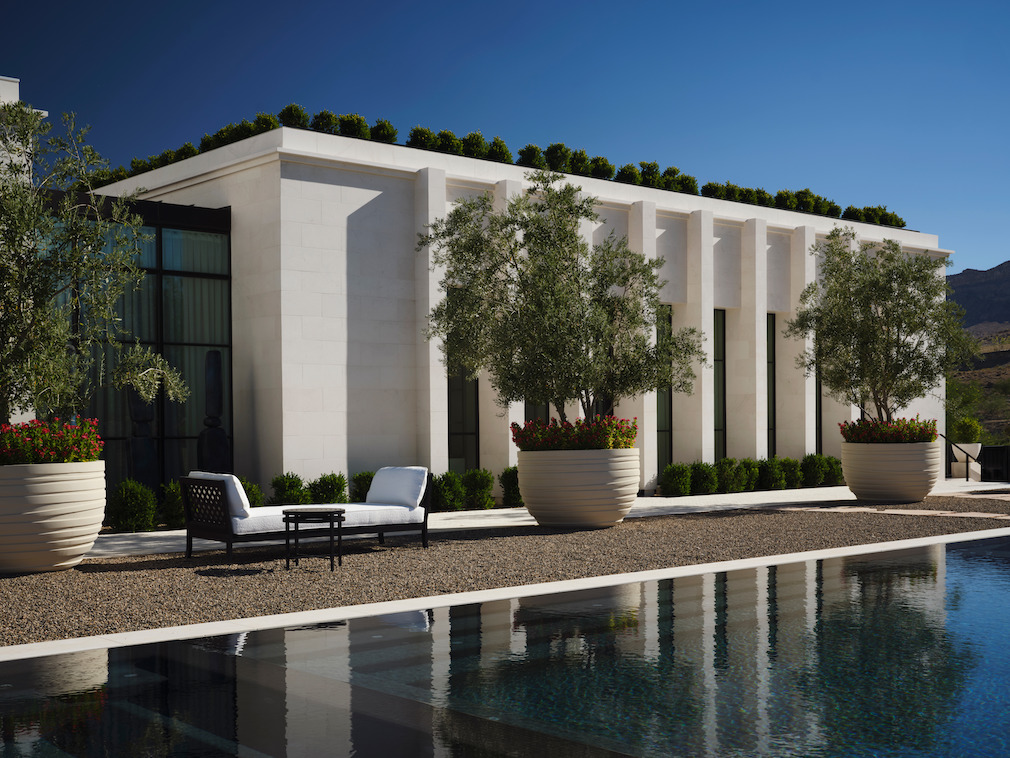
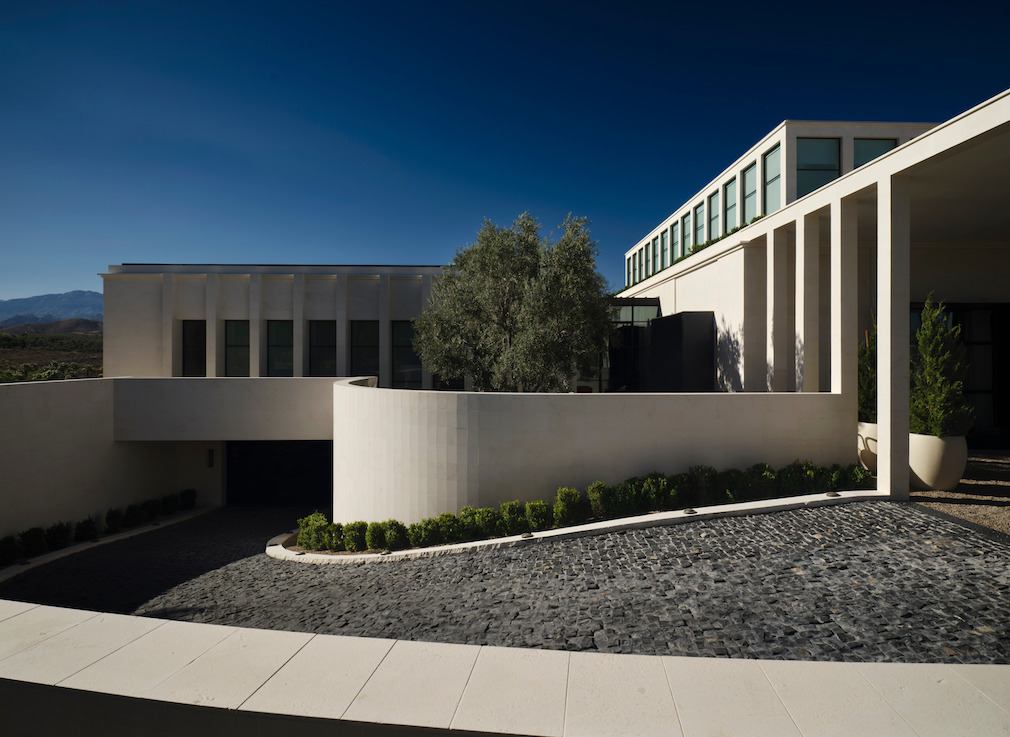
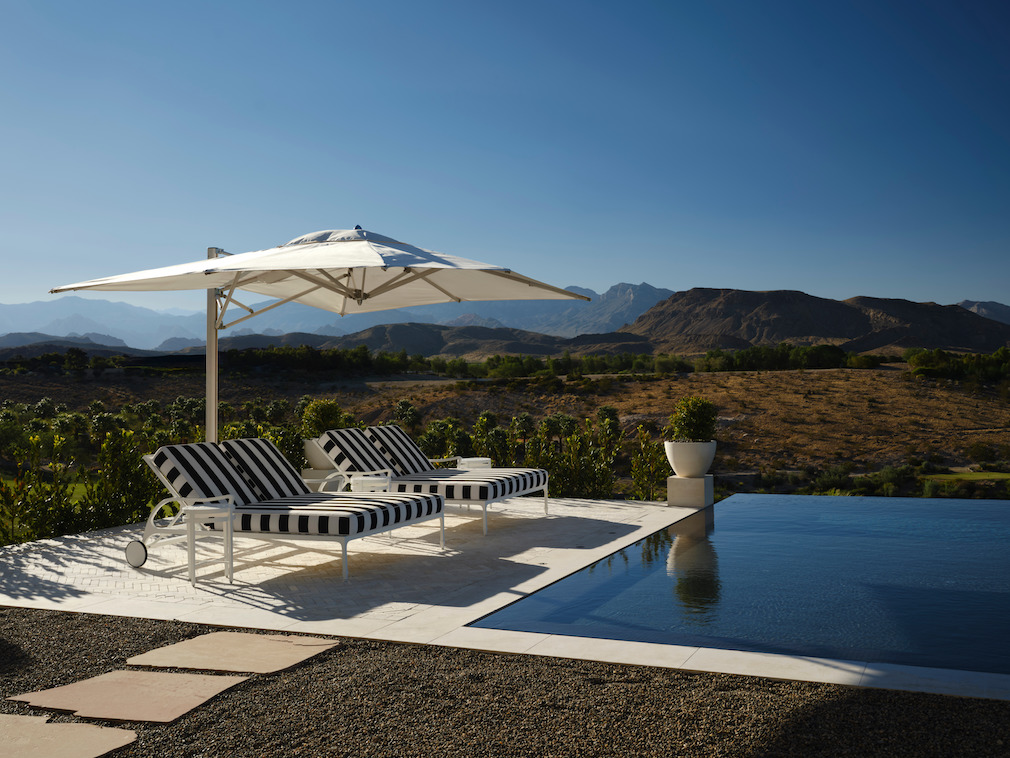
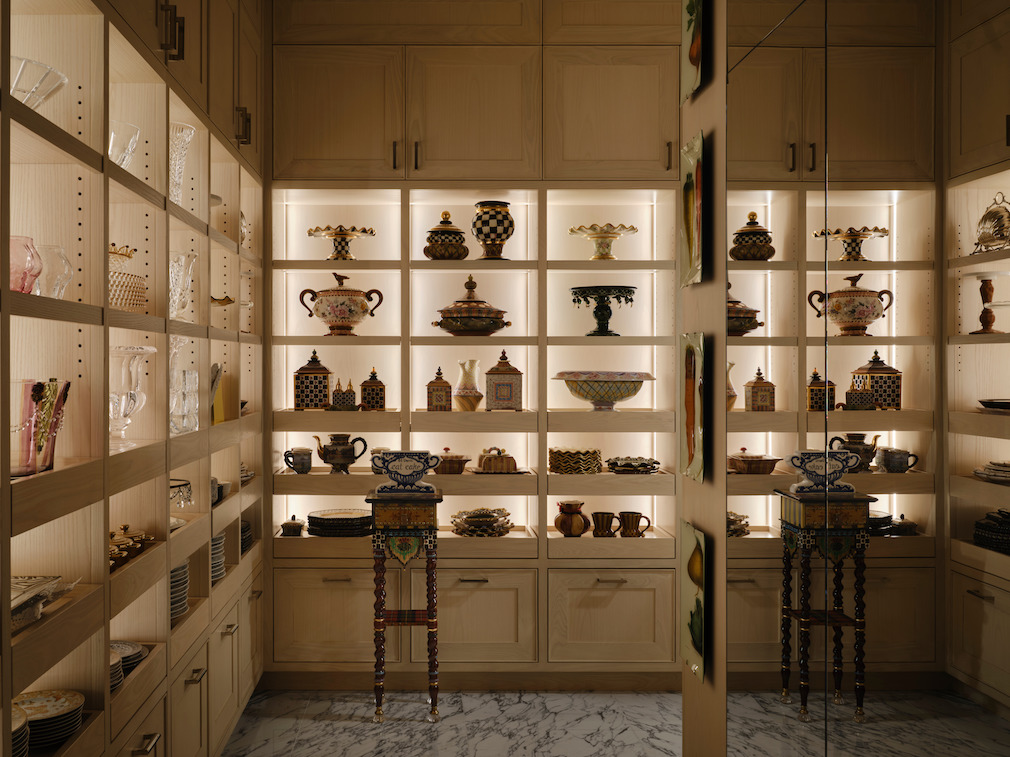
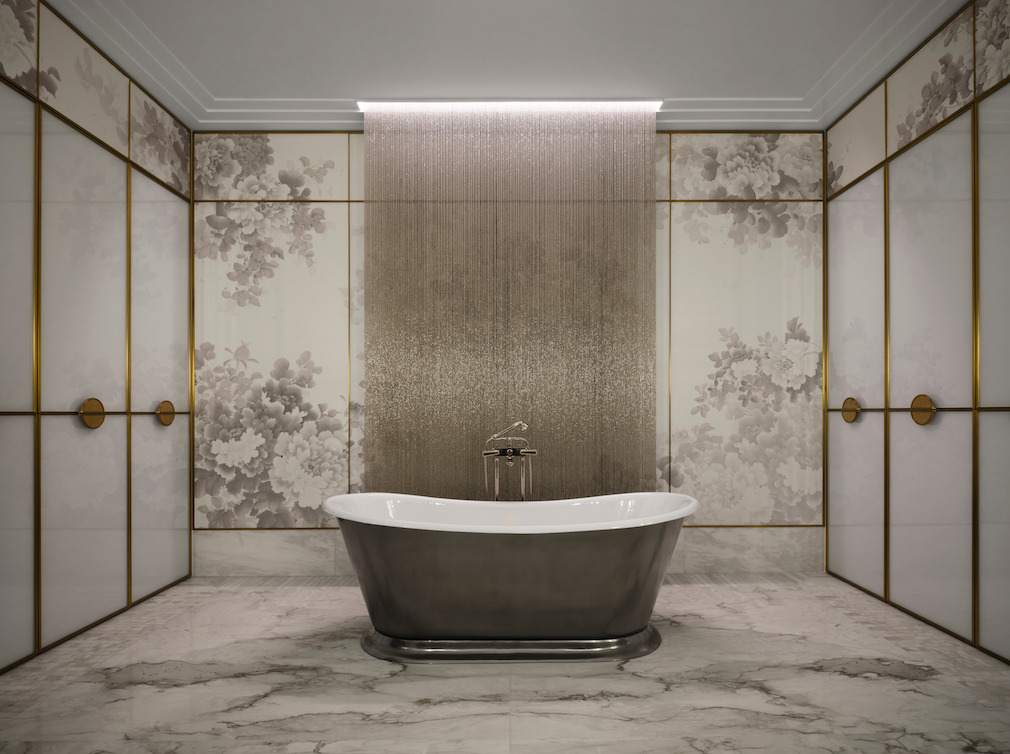
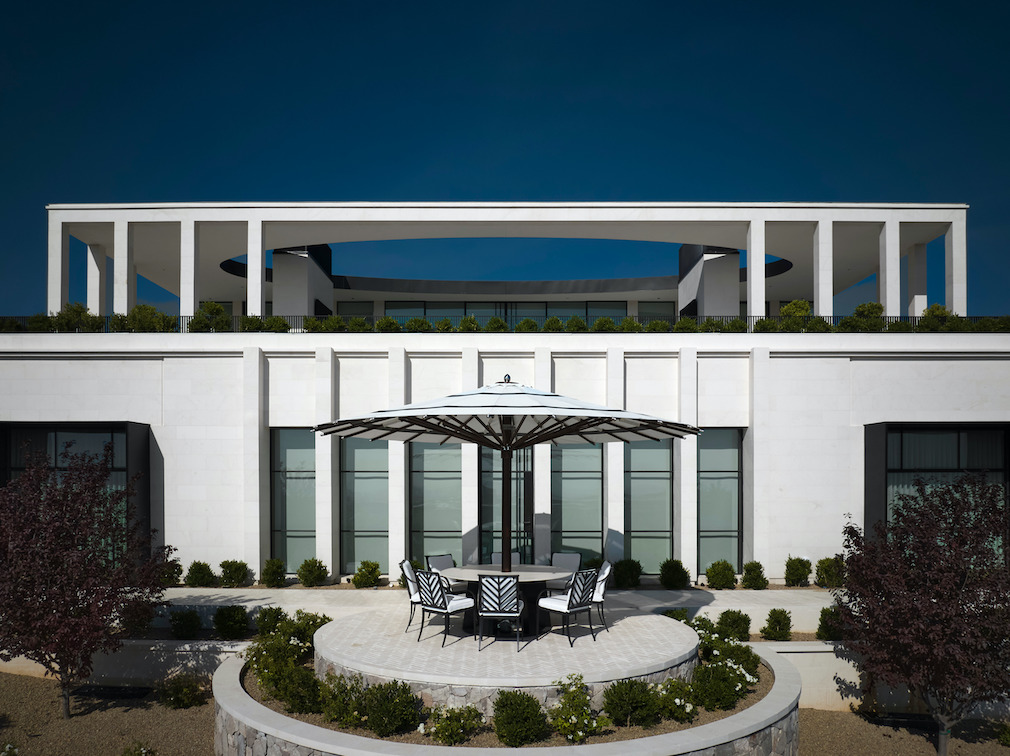
Environmental responsiveness is inseparable from expression. Deep overhangs and vertical fins calibrate shade and light. Orientation and thermal mass provide passive cooling. Green roof elements soften the silhouette and bolster insulation. Locally and regionally sourced materials, from stone to oak to patinated metals, root the work in its context. Every element is both technical and poetic, performing while it speaks.
“There’s an emotional rhythm to this home,” says Chenin. “A sense of breath, expansive and intimate, monumental and personal.” That rhythm is choreographed through circulation and sightline, turning passage into discovery and space into story.
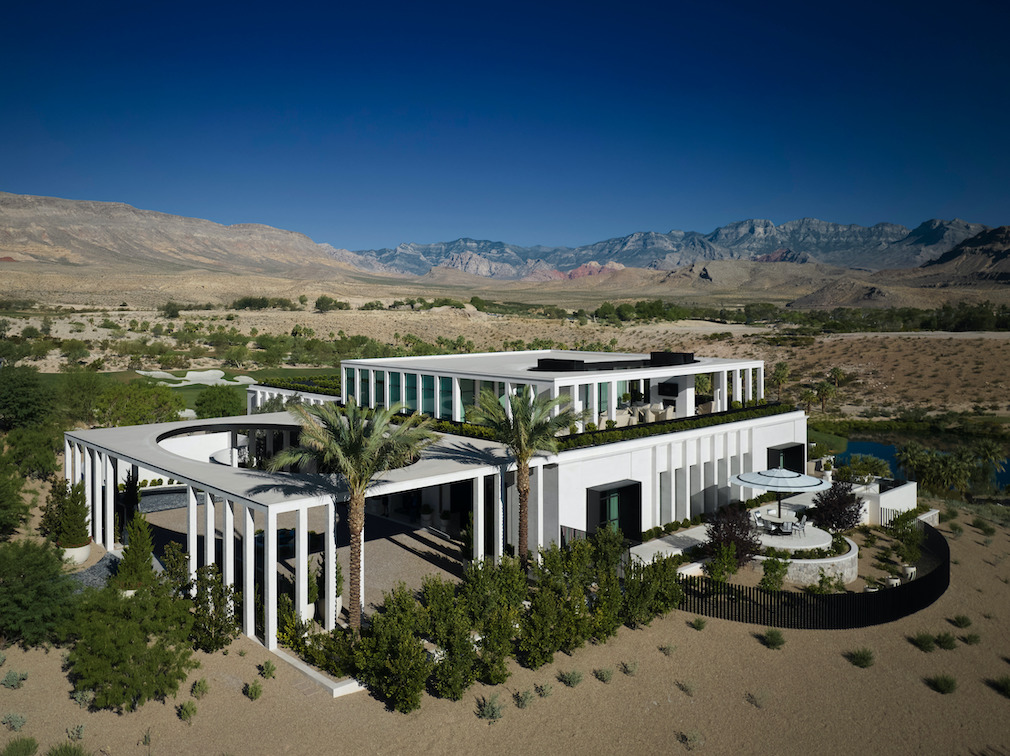
Ultimately, Tombolo is an inhabitable meditation on connection. It fuses elemental architecture with refined interior experience, transforming desert living into a dialogue between land and light, structure and sensation, solidity and grace. Like the landform for which it is named, Tombolo stands as a bridge between environment and emotion, architecture and art, shelter and memory.
Photography by Douglas Friedman.
Like what you see? Get it first with a subscription to aspire design and home magazine.