


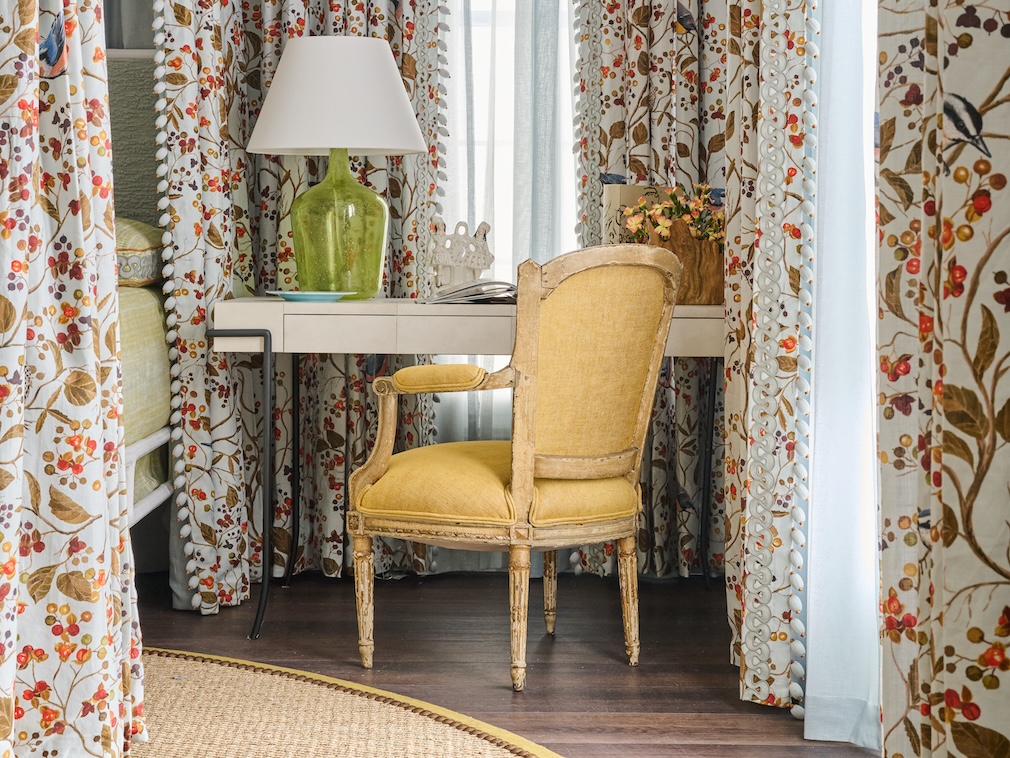
Known for a distinct aesthetic that blends warm and hospitable Southern design with global influences, Barry Dixon spent his childhood all over the world, an upbringing which left a lasting impression on how he lives and creates. His inaugural fabric and trim collection for Vervain focuses on crossing boundaries, a theme synonymous with his inspirations and designs.
Below, Barry discusses how the collection came to be.
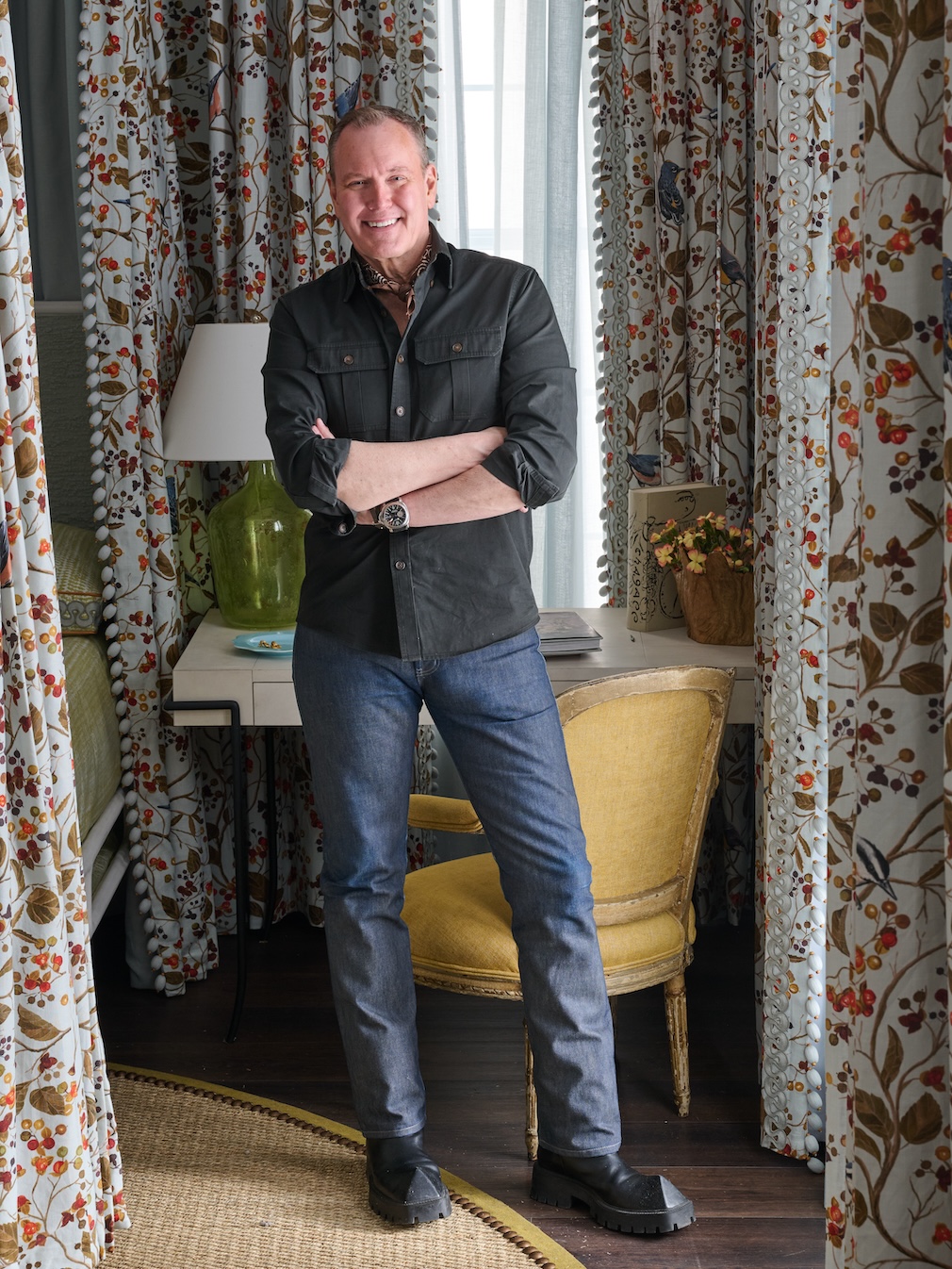

Raymond Paul Schneider: When did you first start to develop this new collection?
Barry Dixon: Three years ago, during a summer wedding in the French countryside, I started taking pictures of things that inspired me. That continued in other parts of the world… Italy, the English countryside, and in my own backyard in Virginia. A lot of inspiration was found on our farm in the foothills of the Shenandoah Mountains.
RPS: What was your initial inspiration, and where did the idea(s) come from?
BD: The first image I recall taking was of mounded, variegated moss growing on bark along the north side of an ancient oak tree in the mountainous Cathar region of central France. All of our ideas came from the natural world around us… from pictures taken with my iPhone of the omnipresent flora and fauna that we often take for granted.

RPS: Please describe your overall creative and design process.
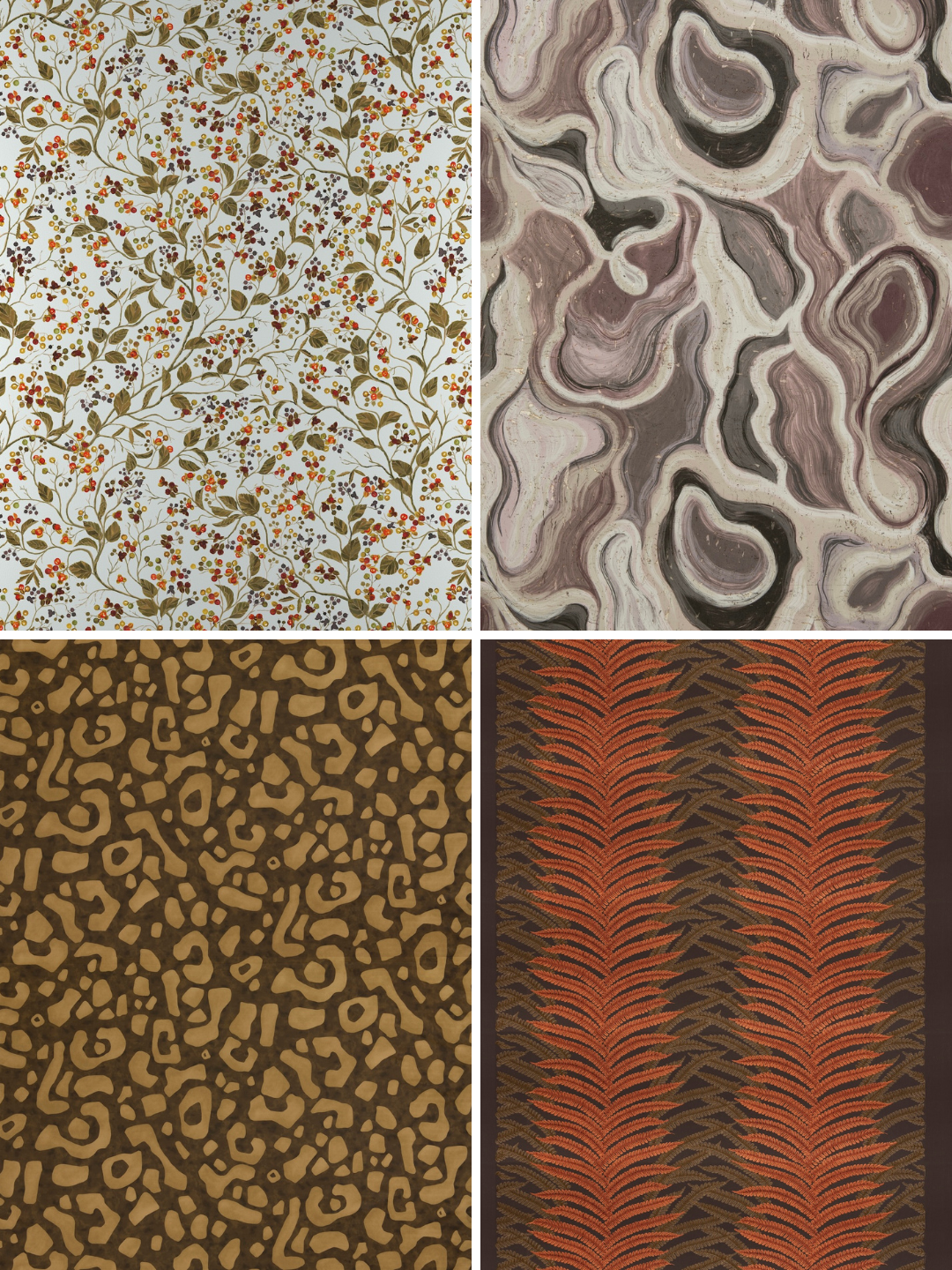
BD: Visually inspired by nature, we take lots of photos and then print copies of our favorites as we develop a strategic focus. Our colors often come from these images as well, usually categorized in tones of the elements… earth, air, fire and water. These then evolve into patterns, both finite and abstracted.
RPS: Did you have a specific audience or theme in mind?
BD: The thought, and I’m not the first to imagine this harmony, is to bring the beauty of nature inside through the windows of a home. Ultimately, we want the interiors to blend seamlessly with the view to break down barriers between “inside and outside.”

RPS: Please describe the methods, tools, and materials you used to develop and prototype this design.
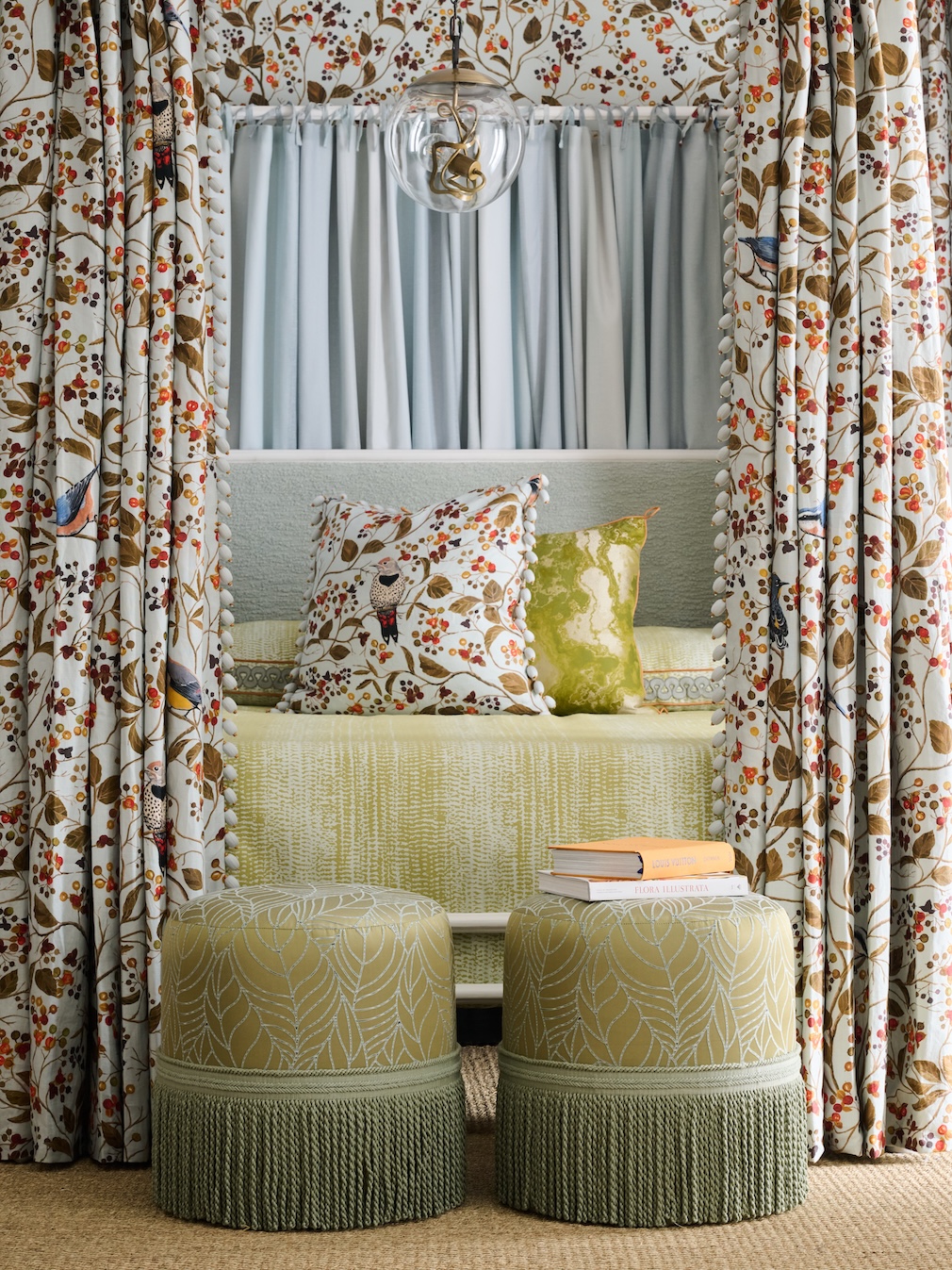
BD: Hand sketches, even “rubbings” on natural textures… like the bark of an oak tree or a stony surface, using lead, colored pencils, or watercolor paints, were employed. We will shrink or enlarge a pattern in our drawings as we abstract the scale of an original inspiration. Then, of course, we have to imagine a width and repeat ratio of the pattern to make it “loomable” for the textile mills and useable for designers.
RPS: Were there any challenges that affected the design or steered you to an entirely new final design?
BD: As is often the case in design, many new ideas are simply too expensive to feasibly bring to market. A multilayered embroidered textile, for example, may end up as a print, in the effort to make it more practical or affordable. We printed our new Abalone pattern — inspired by a complex, centuries-old faux finish that would have been difficult to weave as a textile — on recycled cork to lend depth and texture to a new wallcovering.

RPS: Describe your overall brand DNA and Ethos.
BD: We look back to see our way forward, seeking inspiration that is reverent to the history of design and aesthetic yet relevant to what’s happening now. And we look outside the window to the ethereal beauty of the natural world for interior inspiration. When the décor of a home transcends time and period and when it feels deeply rooted in its physical situation, fostering an innate “sense of place,” we know we’re on the right path to the perfect interior.
Like what you see? Get it first with a subscription to aspire design and home magazine.