


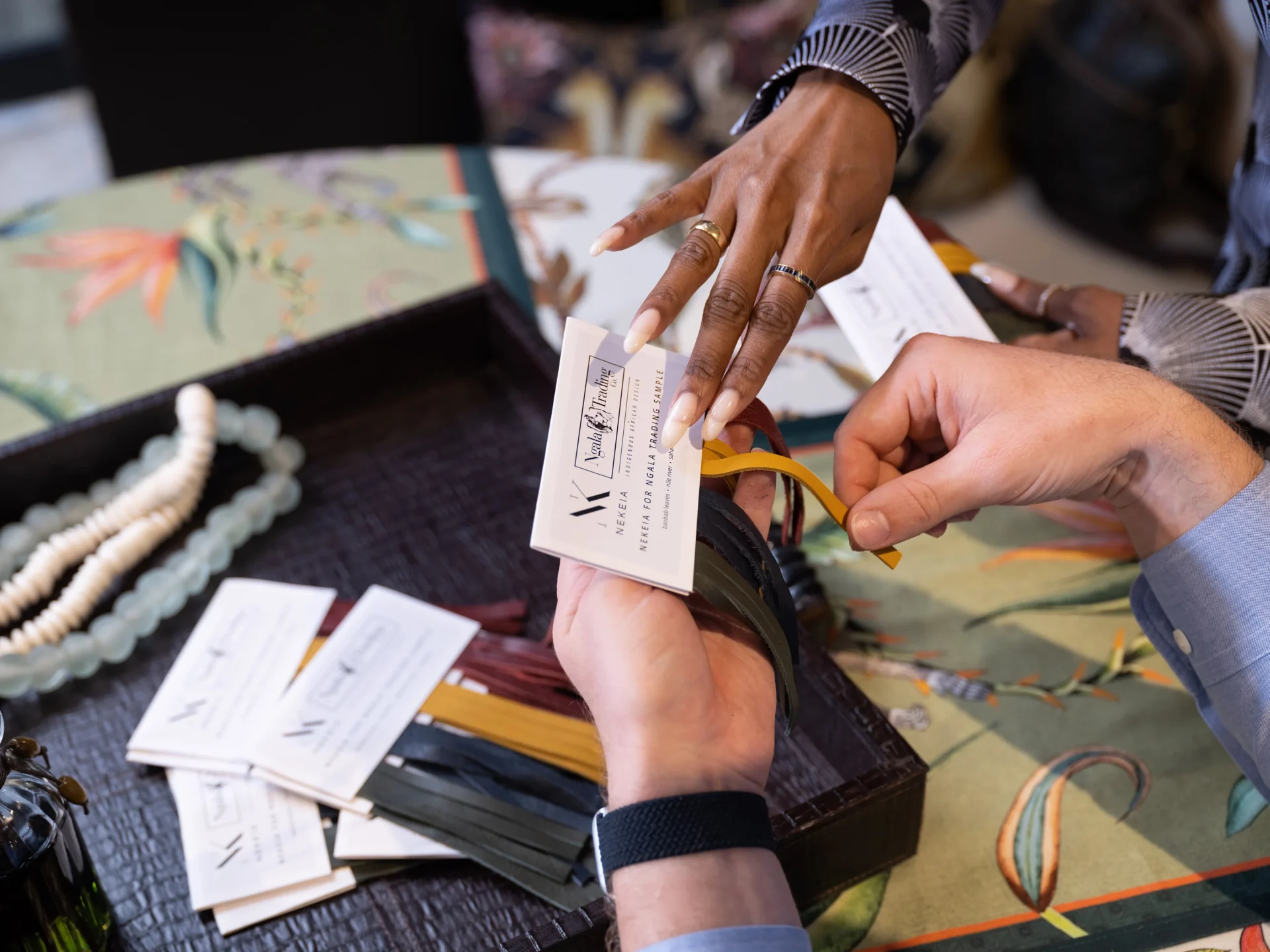
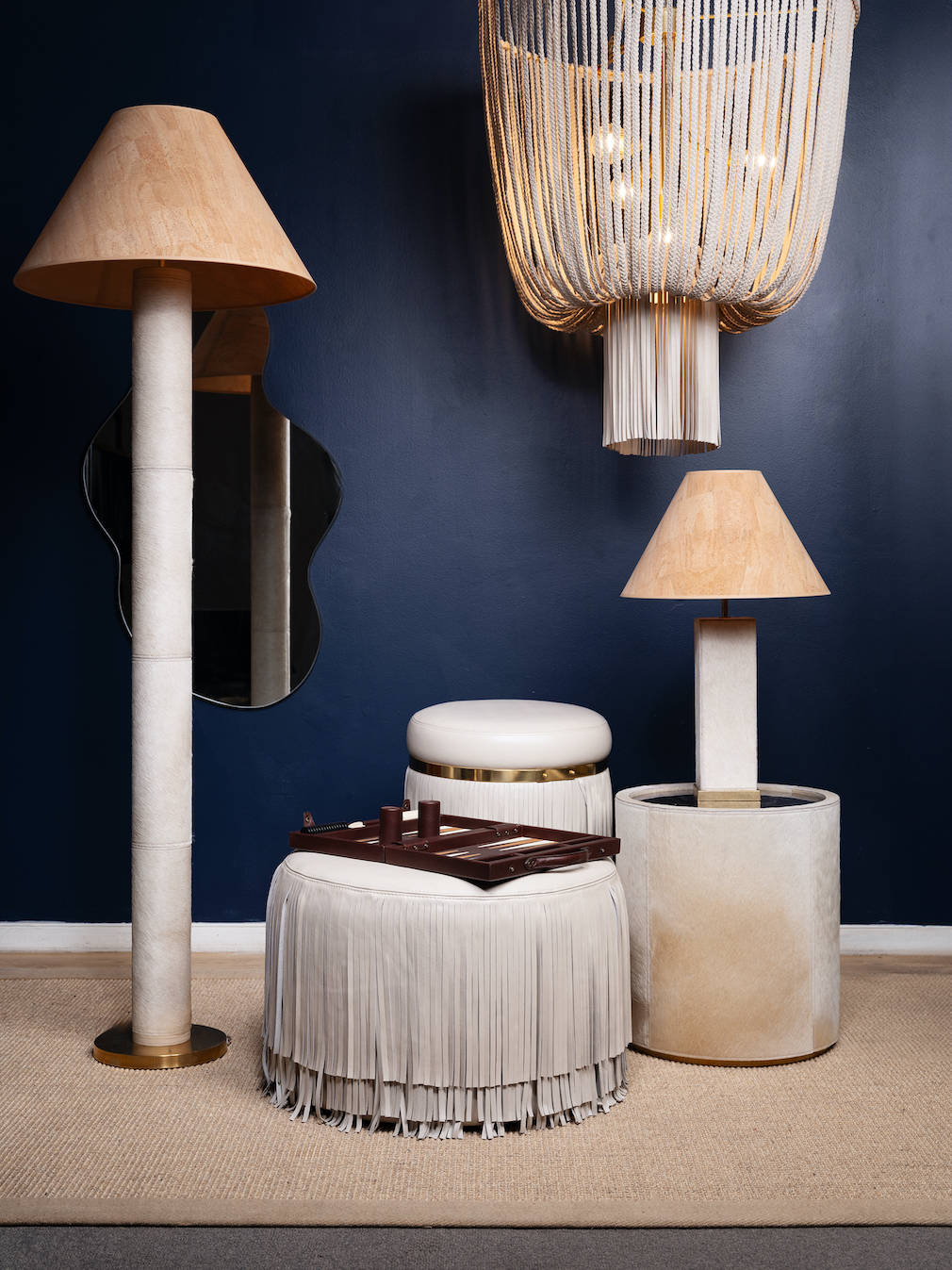
For her first foray into product design, interior designer Keia McSwain sought to honor cultural narratives and hand-made practices, but with her own personal touch. The result is The NeKeia Collection for Ngala Trading. Showcasing braided leather, polished brass, and hair-on-hide textures, the collection captures the essence of South Africa’s environment, with a modern American flair.
We caught up with Keia to discuss the latest additions to the collection.
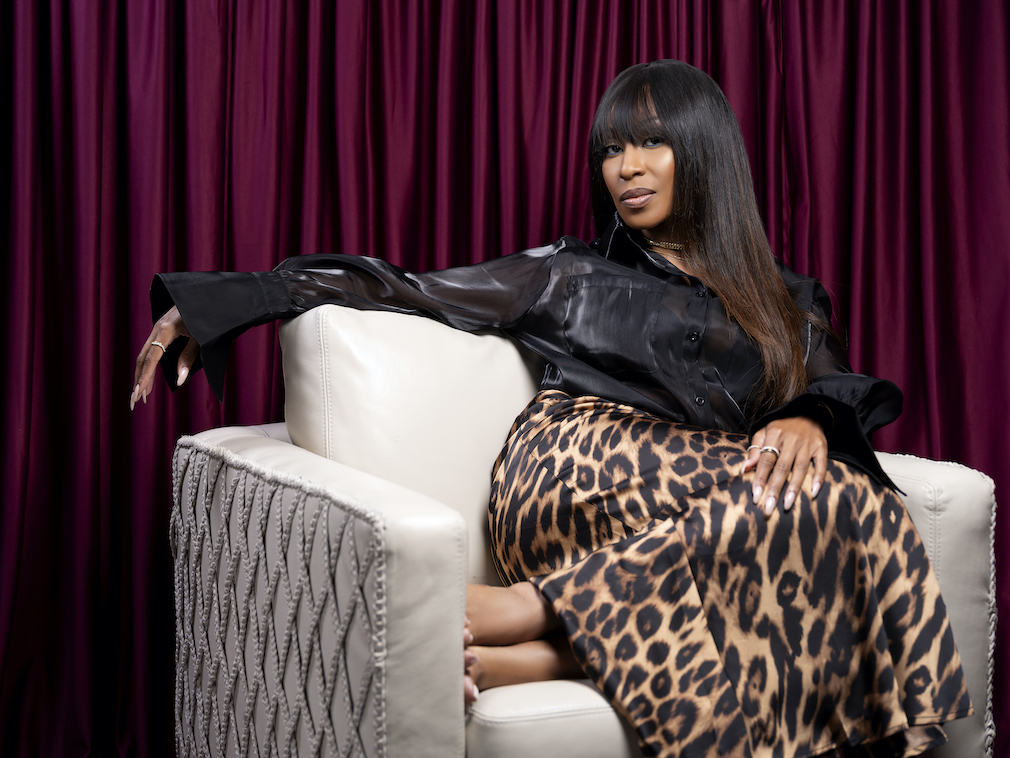

Raymond Paul Schneider: When did you first start developing this new collection?
Keia McSwain: This collection development started as soon as my feet touched South African soil (August 2022). I immediately began the brainstorming and sourcing of not only the product, but which specific elements would make up this line.
RPS: What was the overall timeline from conception to final design?
KM: This collection took about two years from the creative inspiration to the finished product that debuted at High Point this fall.
RPS: What was your initial inspiration, and where did the idea(s) come from?
KM: My own experiences and evolution in style significantly influenced the collection. It became a reflection of personal growth and exploration of identity. The beauty of natural landscapes and organic shapes played a significant role in shaping my design philosophy. I drew from rich traditions in art and design and sought to incorporate elements that tell a story and resonate with deeper meaning.

RPS: Describe your overall creative and design process.
KM: Ultimately, the NeKeia collection 2.0 represents a harmonious fusion of the past and present, capturing the essence of individuality while staying rooted in shared cultural narratives. Through this collection, I aimed to inspire others to appreciate both the craftsmanship of traditional methods and the innovation of modern design.
RPS: Did you have a specific audience or theme in mind?
KM: When creating this line, I homed in on clients and an audience who would appreciate unique, handcrafted pieces that blend modern aesthetics with traditional craftsmanship, particularly those highlighting African heritage. They desire products that not only elevate the aesthetic of their spaces but also serve practical purposes — balancing beauty with function. Many aspire to curate stylish, comfortable homes that reflect their personality and values, positioning themselves as connoisseurs of luxury and design sophistication.

RPS: What methods, tools, and materials did you use to develop and prototype this design?
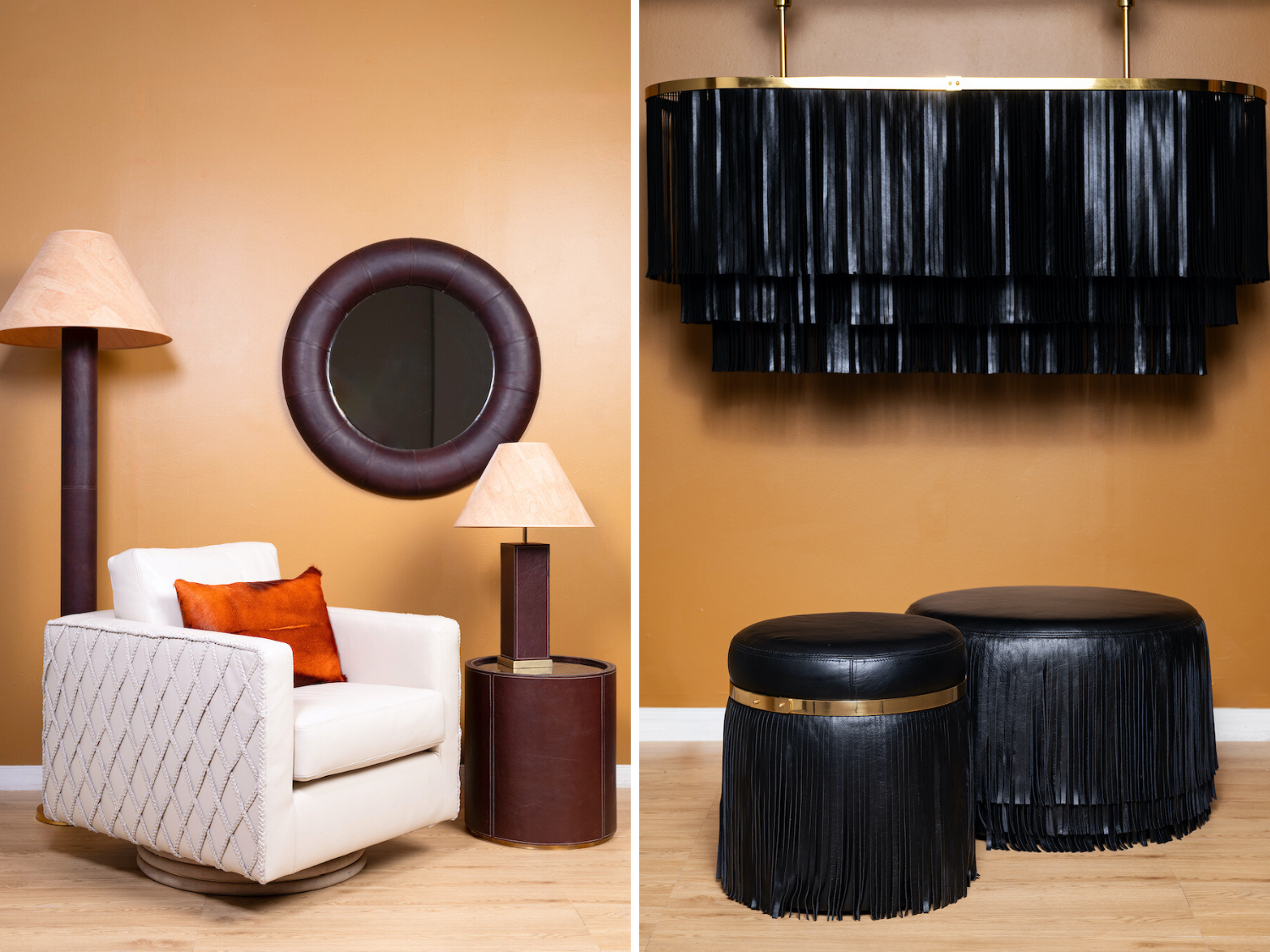
KM: The use of natural skins and hides, textural elements of layering and woven and braided leathers, brass hardware, and patina finishes played a pivotal role in this collection. Combining these methodologies, tools, and materials assisted us greatly in developing and prototyping our artisanal lighting and furniture pieces effectively, ensuring they reflected both luxurious design and high quality. This meticulous approach not only elevates the final product but also aligns perfectly with the brand’s ethos of celebrating craftsmanship and cultural heritage. By embracing advancements such as 3D modeling, digital fabrication, applications, and sustainable sourcing strategies, I was able to position my design work at the forefront of luxury craftsmanship. This multifaceted approach not only enhances the aesthetics and performance of the final product but also emphasizes a commitment to innovation, craftsmanship, and environmental responsibility.
RPS: Did you use any new techniques or technologies to conceptualize or create this product? If so, please explain.
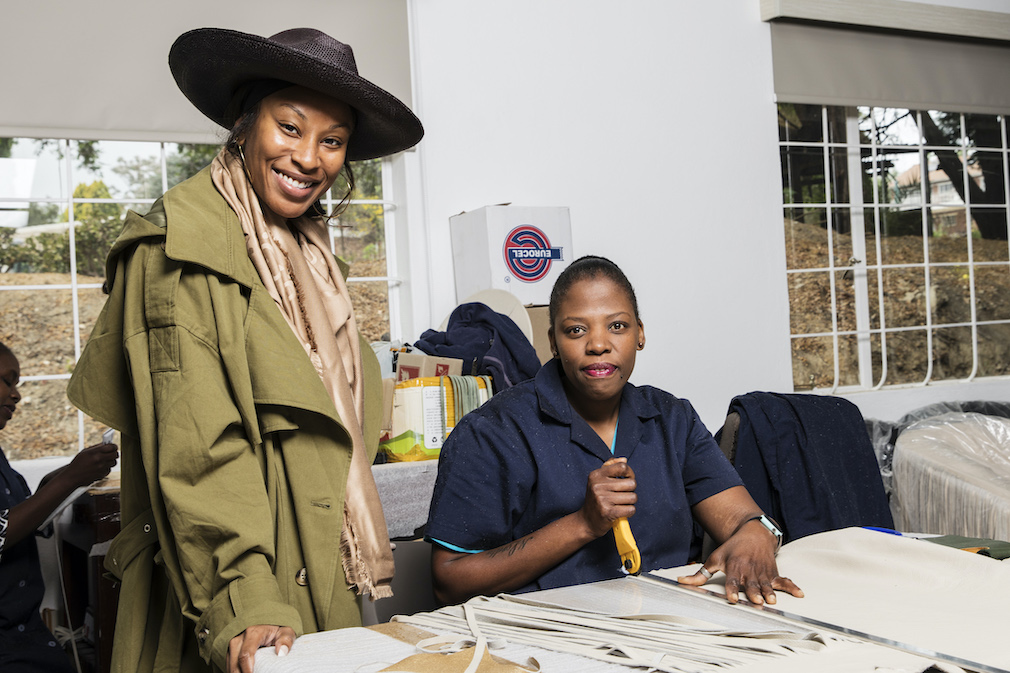
KM: My favorite method was experimenting with braiding and weaving techniques, leveraging modern tools for equal tension and uniformity, resulting in a distinctive textural quality throughout the leather components. This method helps marry traditional craftsmanship with contemporary design aesthetics and cultural rooting, which was my overall goal. Ngala Trading had previously never incorporated braided leather details.

RPS: Were there any challenges that influenced or changed the final design?
KM: A goal I’ve always faced as a young Black creative is my desire to create while desiring to cease being an innovative blueprint for creativity. There was nothing overall that would challenge the outcome and the love that I poured into these designs.
RPS: Describe your brand’s overall DNA and ethos.
KM: The NeKeia Collection’s DNA is a tapestry woven from threads of individuality, sustainability, emotional depth, craftsmanship, and timeless design. It creates a luxury experience that is as much about the emotional and cultural journey as the finished aesthetic. It invites clients to not only inhabit spaces and use objects but to experience a deeper sense of fulfillment and identity through them. My overall goal has been to evolve my brand into a movement that promotes a more conscious, thoughtful approach to luxury design — one that encourages mindfulness and intentionality. Interiors will integrate the healing power of nature through nature and color-focused design principles, combining natural elements with clean, organic forms to foster well-being. The furniture and design pieces incorporate cutting-edge technology in a way that enhances the human experience — whether through sustainable innovation, wellness-focused design, braided textures, or adaptive materials that respond to changing needs.
Like what you see? Get it first with a subscription to aspire design and home magazine.