


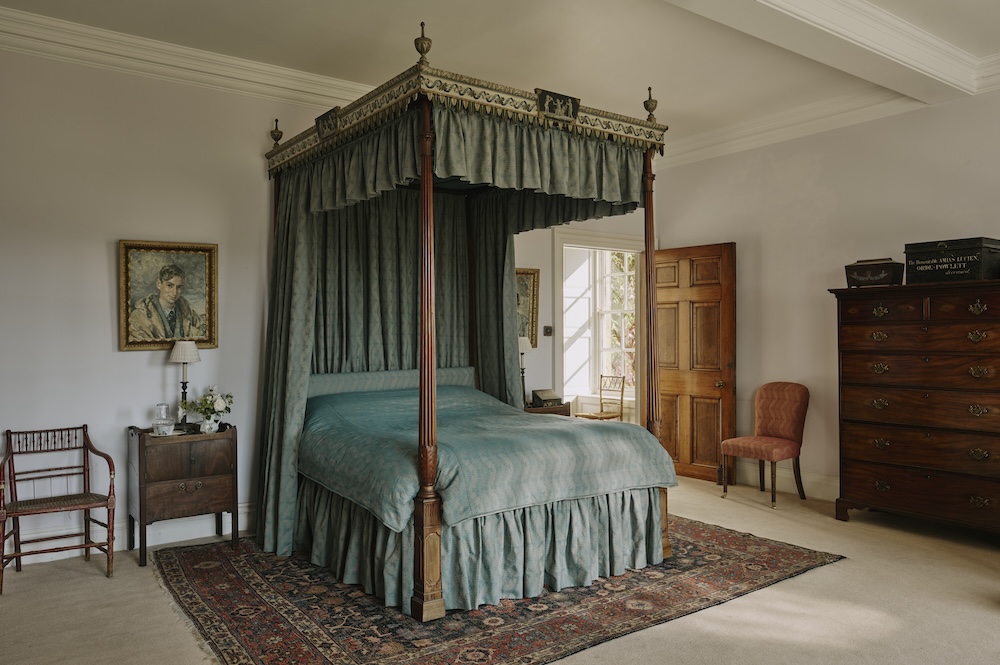
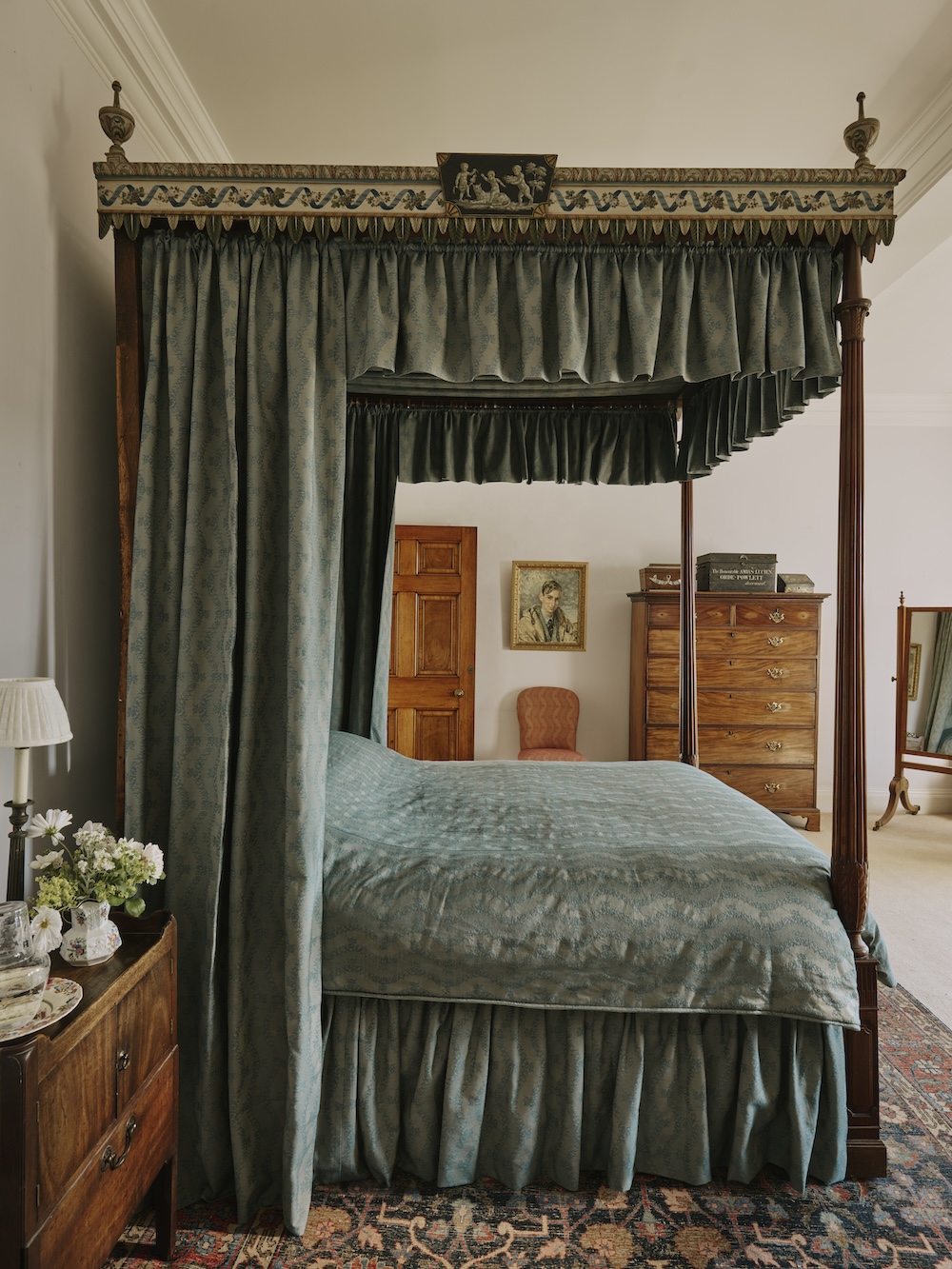
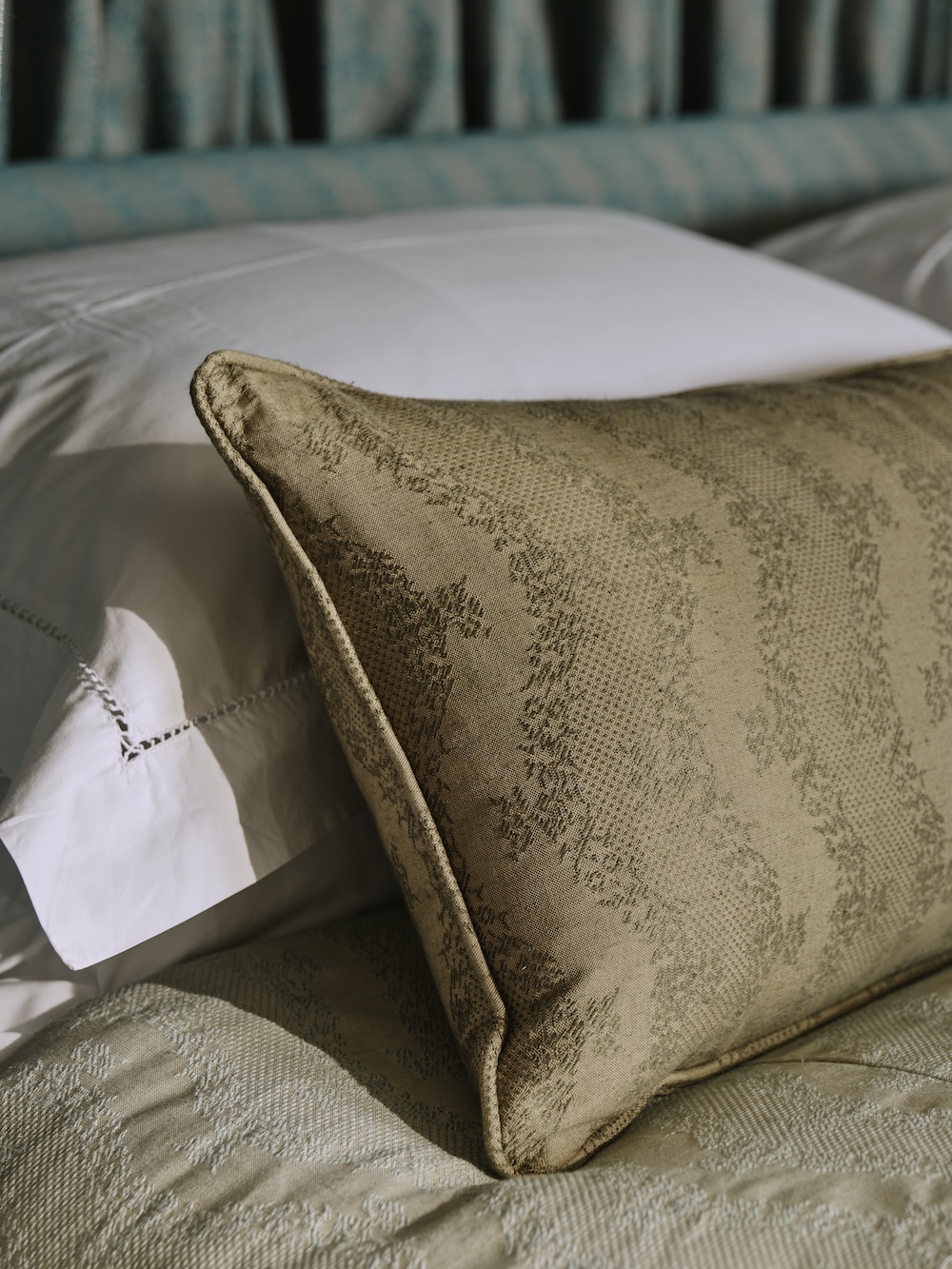
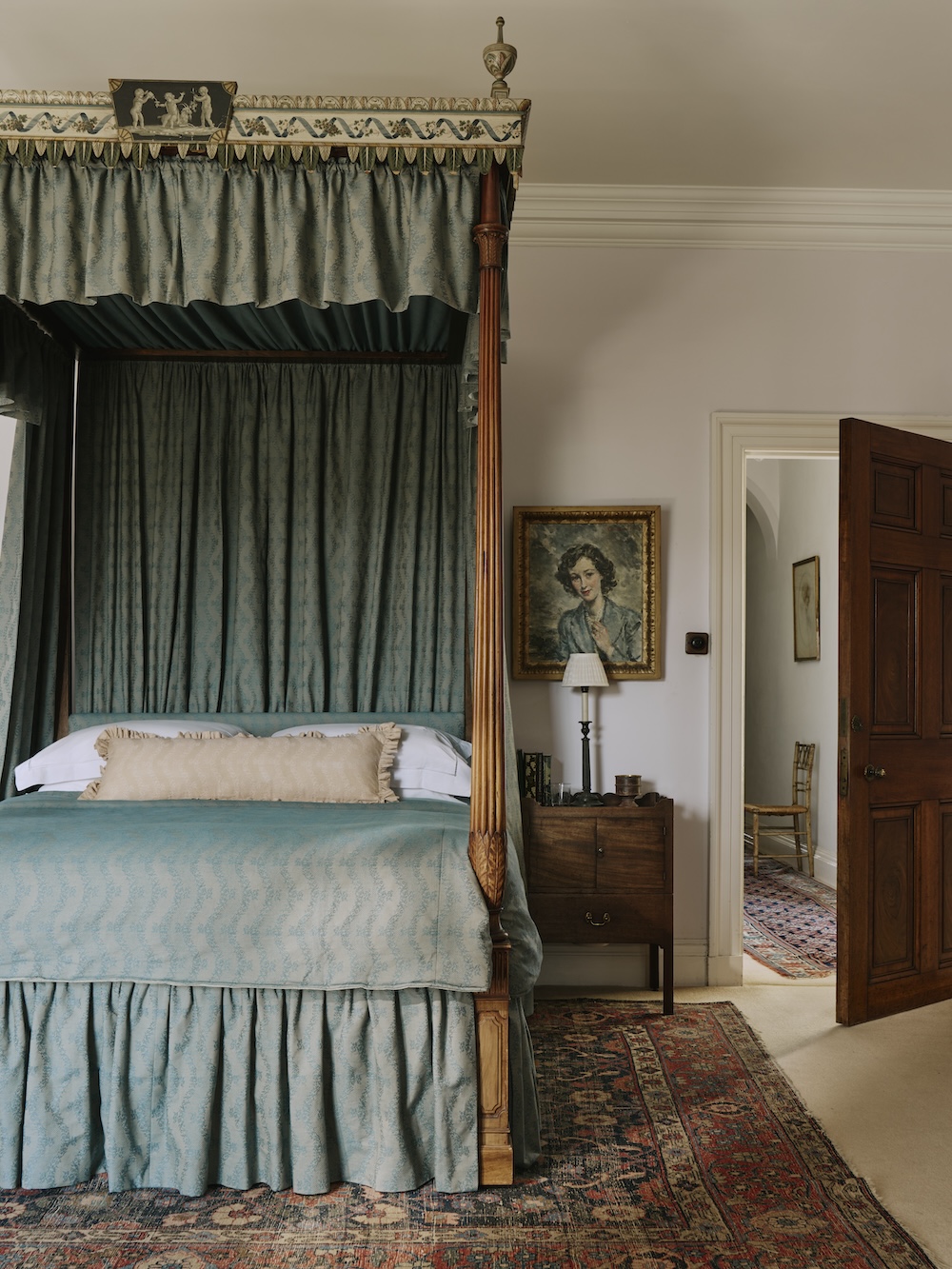
Established in London by founders Mary Graham and Nicole Salvesen, who together have over 25 years in the industry, Salvesen Graham offers a comprehensive design service pursuing “future heritage interior design.” The brand’s recently released woven ribbon range is composed of ten sophisticated tones, and features a subtle tonal pattern in a vertical serpentine stripe, emulating hanging ribbons.
Mary Graham and Nicole Salvesen join us this week to discuss the design process.

Raymond Paul Schneider: What was the overall timeline from conception to final design?
We began developing the collection in November 2024. The entire process took approximately 6 months.
RPS: What was your initial inspiration, and where did the idea(s) come from?
Our inspiration comes largely from archival material, particularly designs from the eighteenth century. These historical references provided a rich foundation for developing the collection. The woven ribbon is our own design, taken from a element of our Genevieve fabric. We knew we wanted to create an undulating ribbon pattern, but we weren’t actively working on it when, during a visit to our mill we stumbled upon a sample which used exactly the right techniques and would create the perfect look that we were after. We knew instantly that it would be the perfect construction for the ribbon!
RPS: Describe your overall creative and design process.
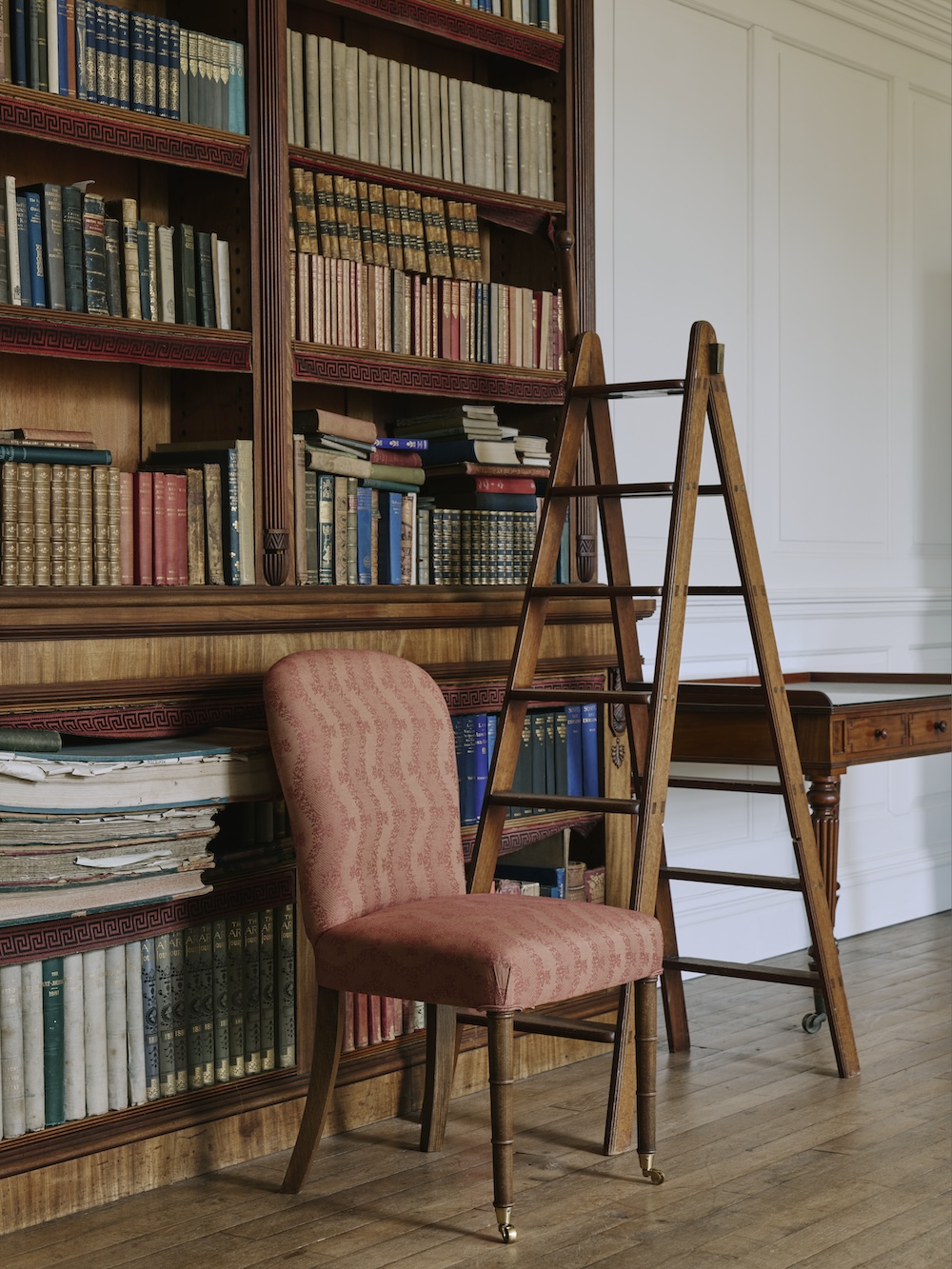
We begin by poring over archive designs. When we find something that inspires us we then decide whether to remain faithful to the original or to reinterpret it as a starting point for something new. After this, we work closely with our trusted UK mills, reviewing samples, exploring yarns and cloths, and refining prototypes until each design is ready to be signed off.
RPS: Did you have a specific audience or theme in mind?
Yes, firstly ourselves! Do we love it? Would we use it in our interior design projects? Then, more broadly, we wanted to create a collection with a British, future heritage sensibility in mind. We aimed to design pieces that feel timeless and characterful and that are the core ingredients you need to create the much-loved English decorating style. Colorful, layered, patterned and combining materials as diverse as chintz, voiles and weaves.
RPS: What methods, tools, and materials did you use to develop and prototype this design?
We developed this design through close collaboration between our internal product team, our suppliers, and their in-house design specialists. Using a customized version of NedGraphics, a specialist weave program tailored specifically to our fabrics, we refine artwork and translate it into detailed weave structures that preserve the aesthetic and meet the performance needs of the final product.
Alongside digital development, we rely on physical sampling to validate and perfect each element, blending modern production software with traditional craft techniques. Simulations allow us to test how the fabric behaves, ensure structural accuracy, and explore color before weaving, giving a clear visual ahead of design approval. This combination of creativity, technical precision, and iterative sampling enables us to produce jacquard fabrics that are both visually striking and expertly engineered for their intended use. It’s the perfect marriage of modern technology and traditional techniques. The best of the old and the new, which is very much in line with our design ethos.
RPS: Did you use any new techniques or technologies to conceptualise or create this product?
We did not require new technologies for this design; instead, we relied on our well-established development process, which combines specialist digital tools with traditional sampling methods. Our customized version of NedGraphics remained central to the creative and technical workflow, allowing us to refine artwork, translate it into precise weave structures, run behavioral and color simulations, and ensure the design remained true to its historical inspiration. By using the same trusted tools and techniques outlined in our development process, we were able to maintain both the integrity of the source material and the high standard of craftsmanship expected in our jacquard fabrics.
RPS: Were there any challenges that influenced or changed the final design?
One of the main challenges was ensuring that each design was scaled correctly for the width of both fabric and wallpaper rolls, while still looking balanced in situ. It’s really important for us to ensure that the customer can use our fabric and matching wallpaper in the same space, with as good a match as possible in terms of scale and color. We also had to navigate linen shortages and ensure that our chosen fabric compositions came from reliable and secure supply chains.
RPS: Describe your brand’s overall DNA and ethos.
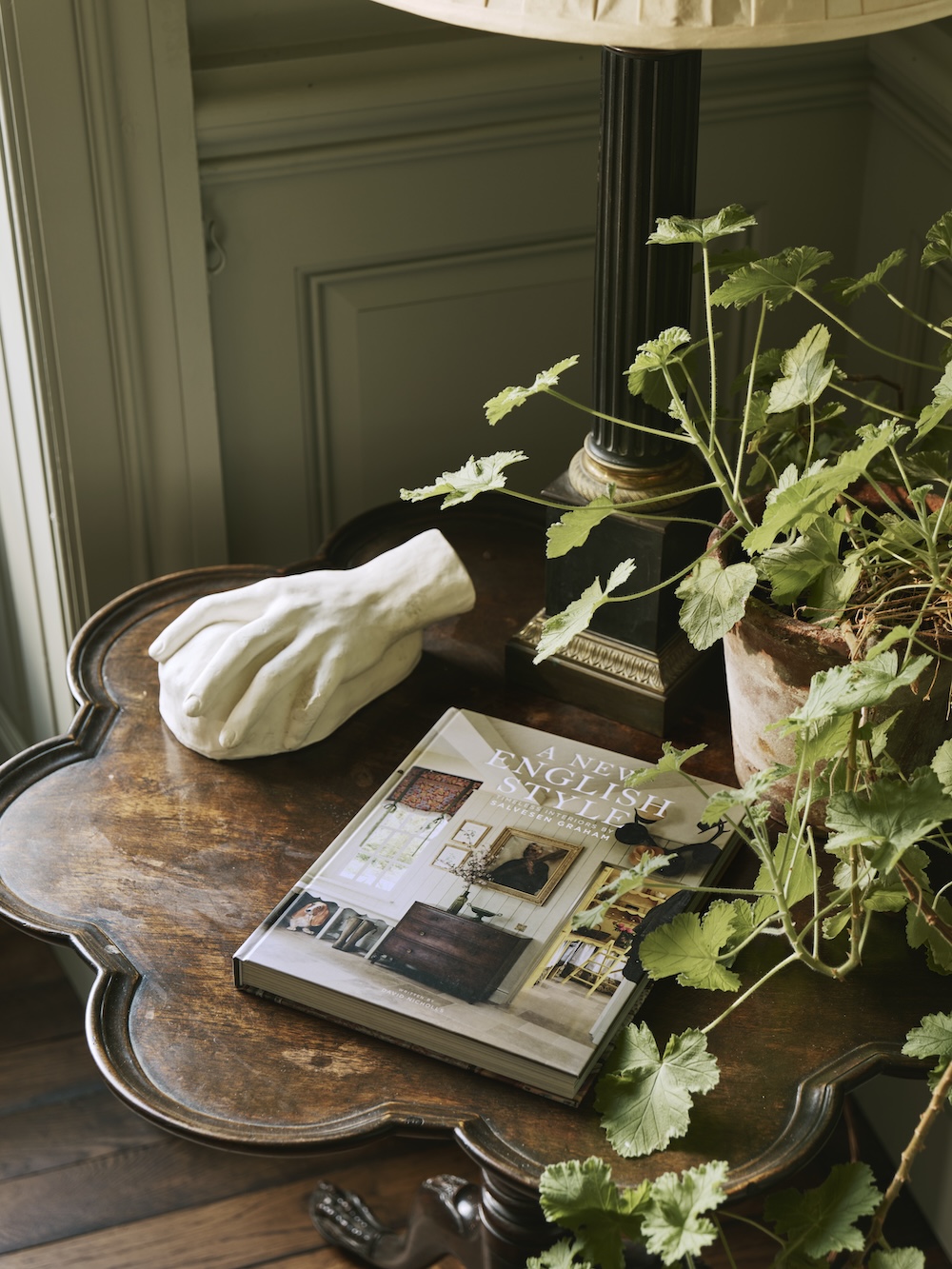
Salvesen Graham is committed to creating authentic Future Heritage interiors, which are classically beautiful, carefully curated and designed to feel both stylish and comfortable for many years to come. The Collection by Salvesen Graham reflects this ethos through pieces that are thoughtfully created and rooted in our signature Future Heritage aesthetic. It is hugely important for us that what we create lasts – whether that be fabrics, wallpapers or rooms themselves.
Photography by Christopher Horwood.
Like what you see? Get it first with a subscription to aspire design and home magazine.