


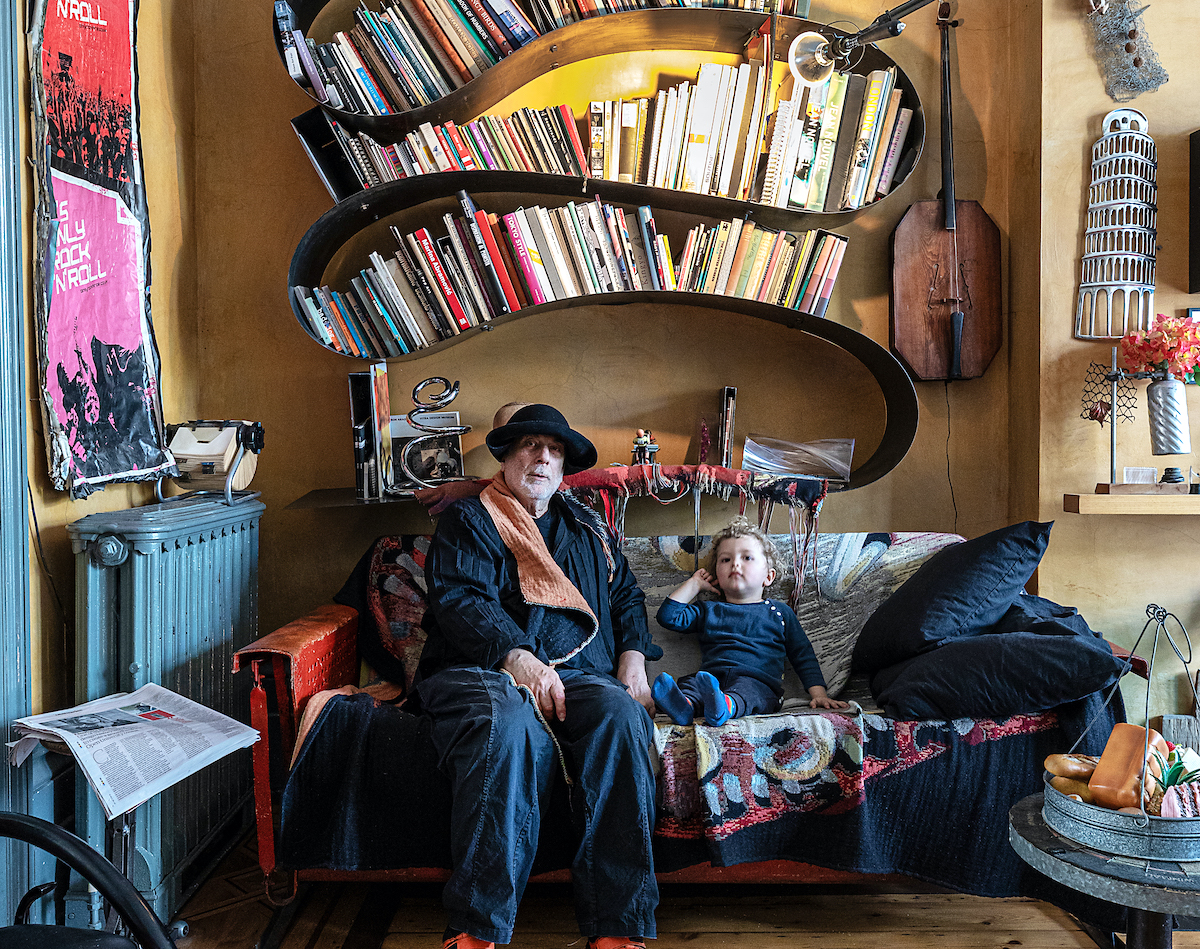

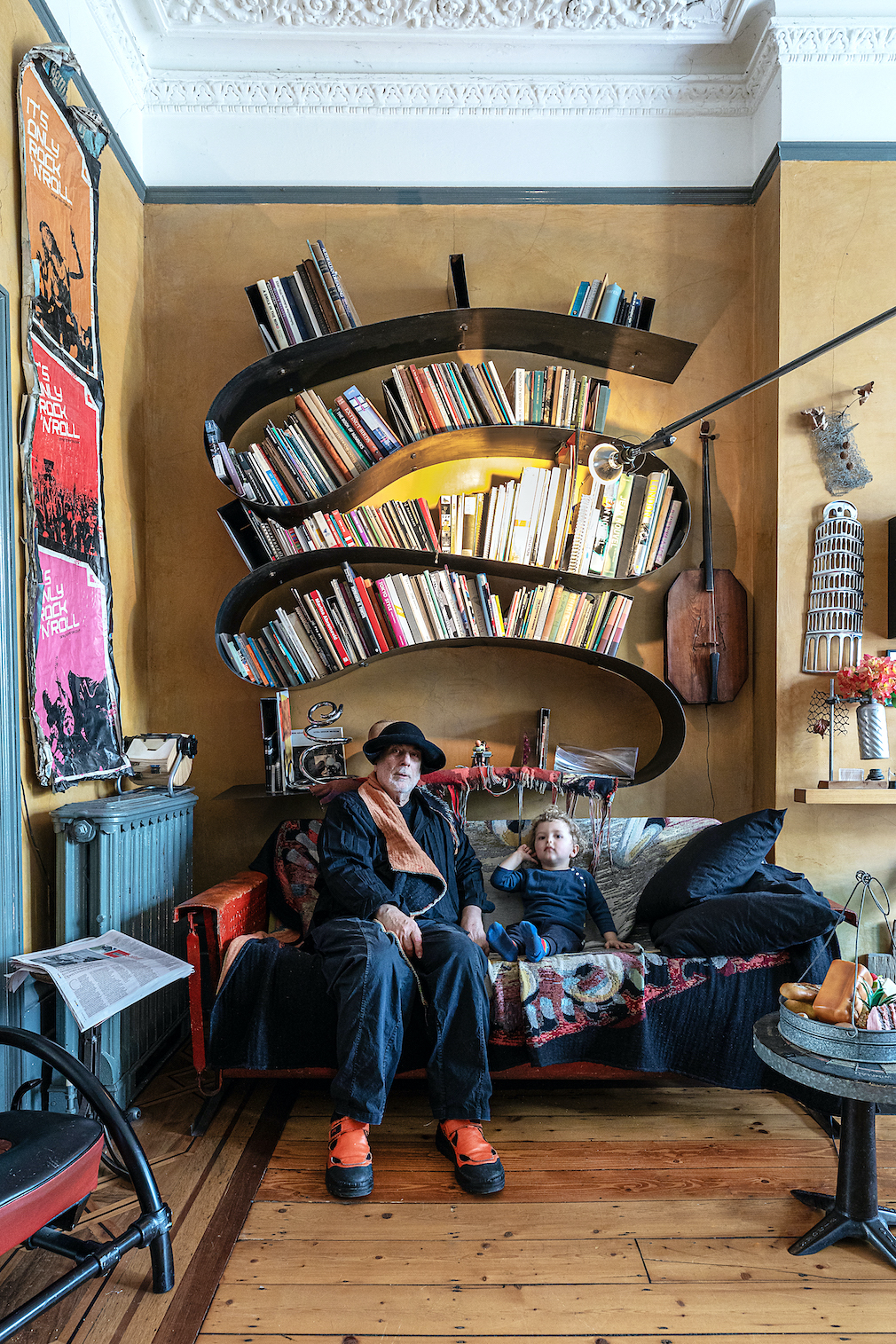
Arad Ron on the library sofa with his grandson Milo. Above them is his Worm bookcase, and at left is his Rover chair, which was produced by Vitra.
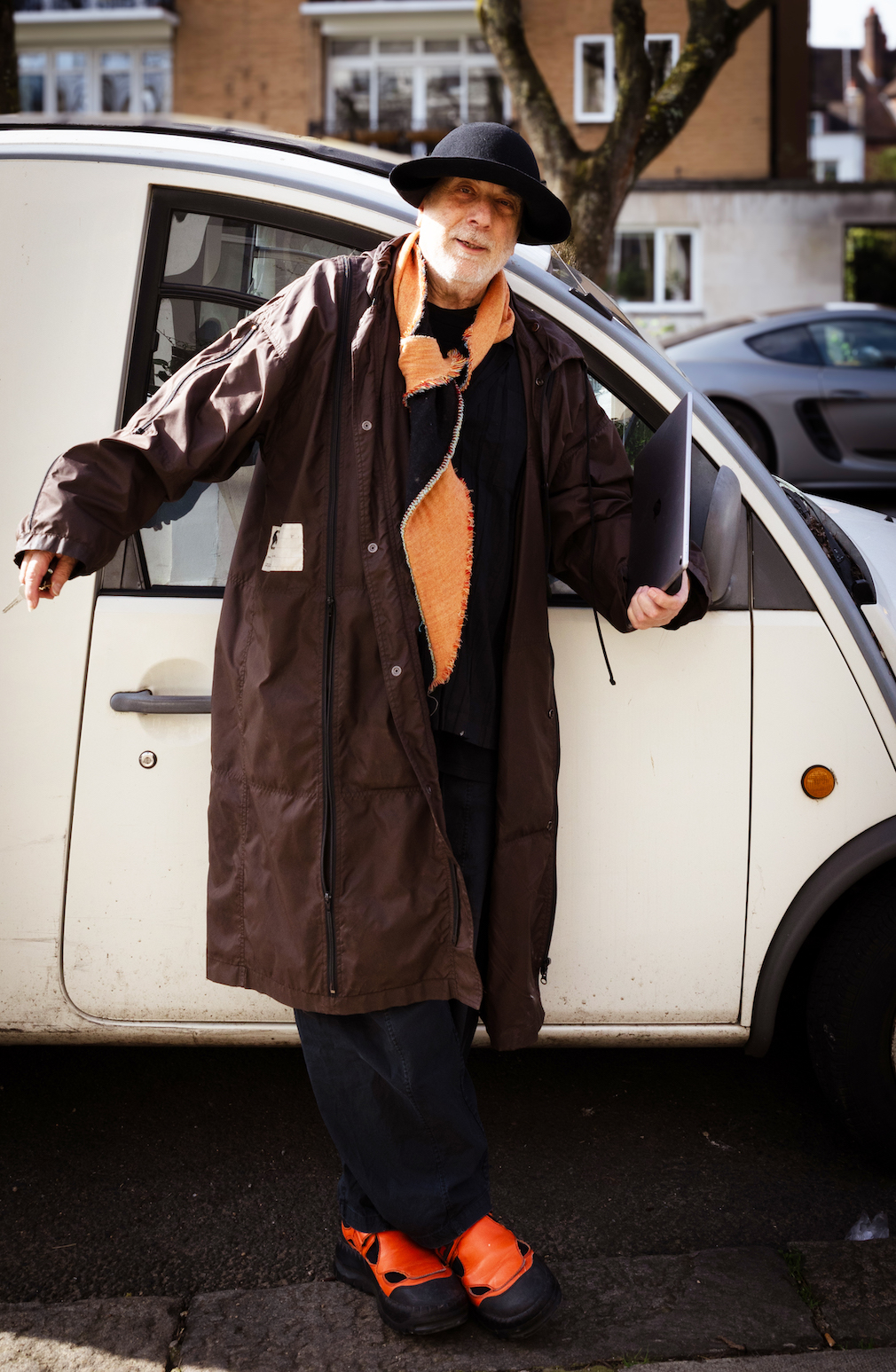
“The director of the Roundhouse stopped me in the street one day and asked if I’d like to do an installation there,” says multidisciplinary designer, architect and artist Ron Arad, speaking of the converted, 1847 turntable engine shed in London’s borough of Camden, which has hosted everyone from the Beatles and Bob Dylan to the Rolling Stones and Motorhead. Arad’s response was a circular canvas curtain, onto which he invited artists such as Christian Marclay and Mat Collishaw, as well as the London Contemporary Orchestra and others, to project images, creating an immersive collaborative art piece that eventually toured around the world.
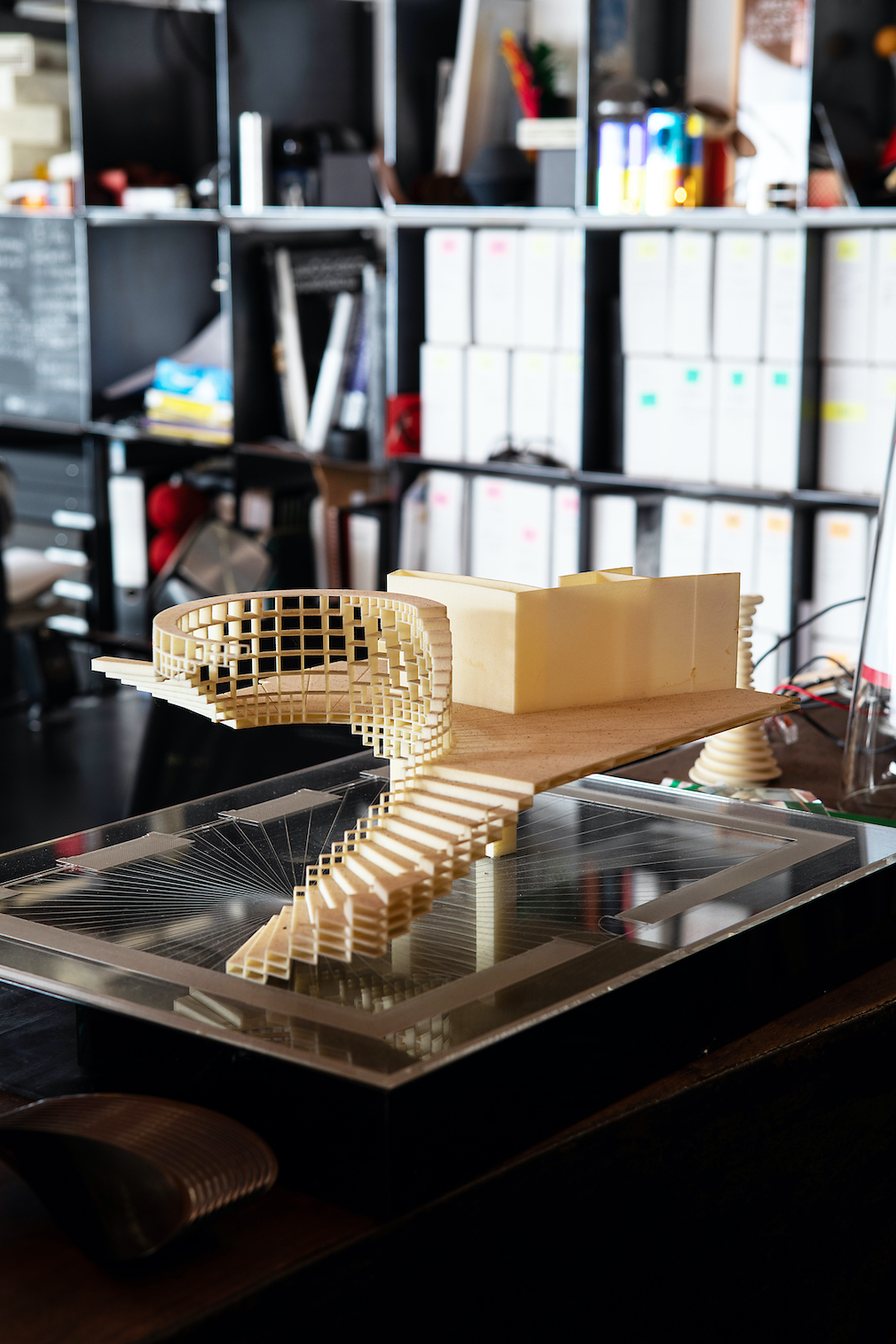
With the exception of actual buildings like a design museum or double office towers in Tel Aviv, or his Médiacité mall in Liège, the Roundhouse was arguably one of the 73-year-old designer’s grandest collaborations. However, it was but one achievement in a lifetime of partnerships with major design firms that have produced many modern icons, including The Big Easy, Modou and Ripple chairs (all for Moroso), the Voido rocker (Magis), glassware (Nude), the Clover chair (Driade), the Tom Vac chair (Vitra) and countless others.

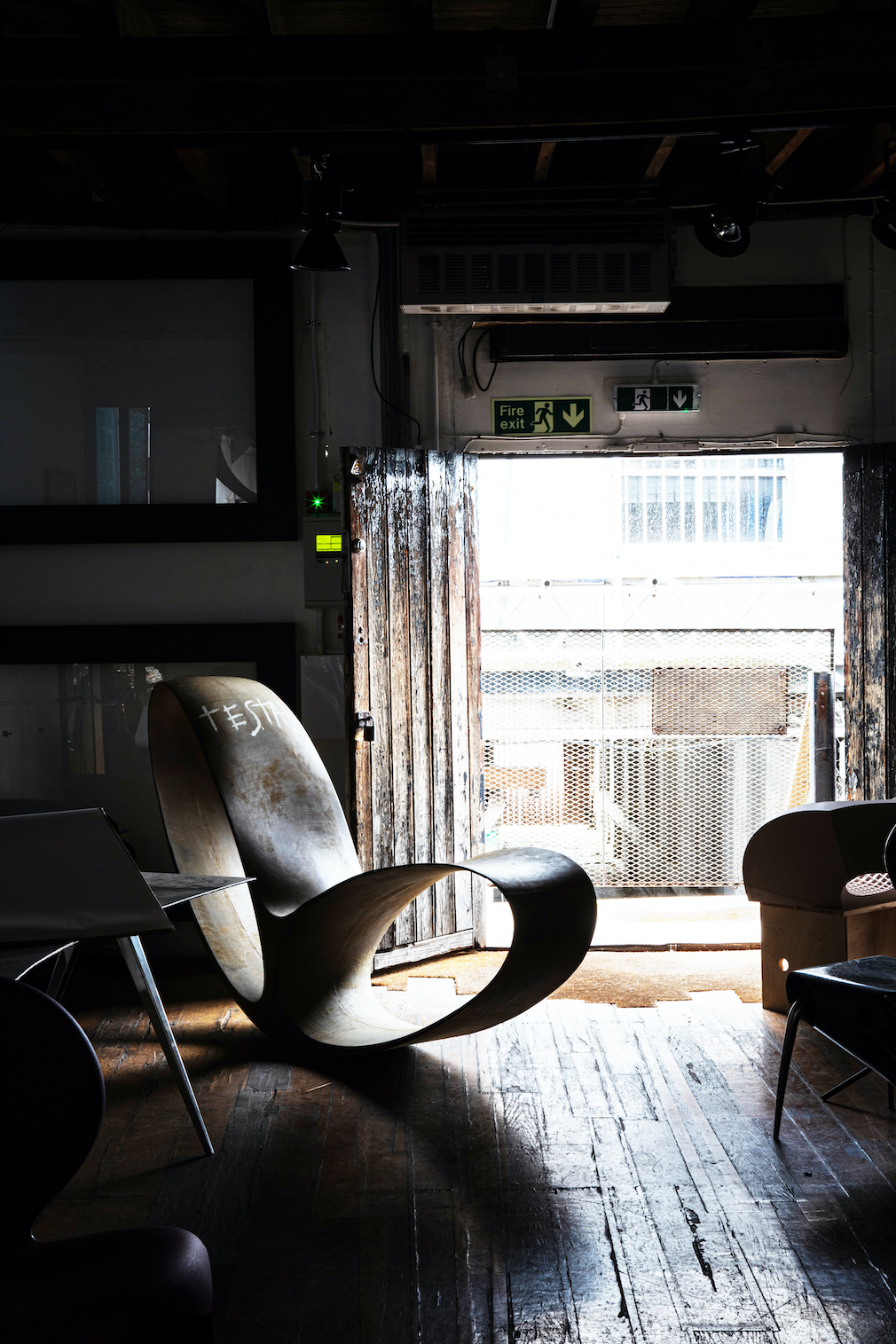
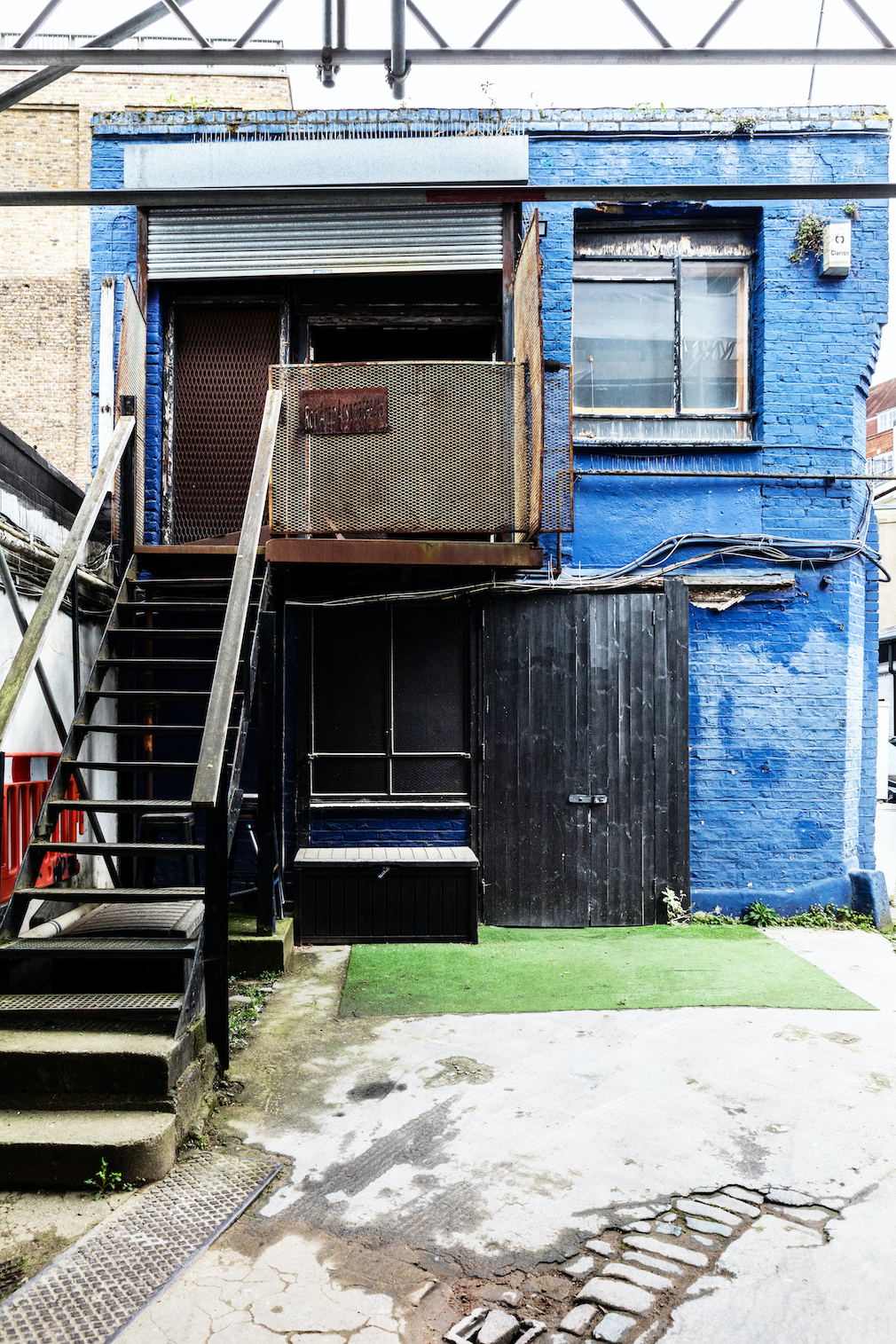
His 150-year-old rowhouse apartment in northwest London’s Chalk Farm and his studio, a former piano workshop just a 20-minute stroll away, incorporate many of these designs. “It’s probably more than we need,” he says of the apartment he shares with his wife, Dr. Alma Erlich. “My studio is not very different. It’s a mess, a progressive playground where I’m sort of tolerated.”
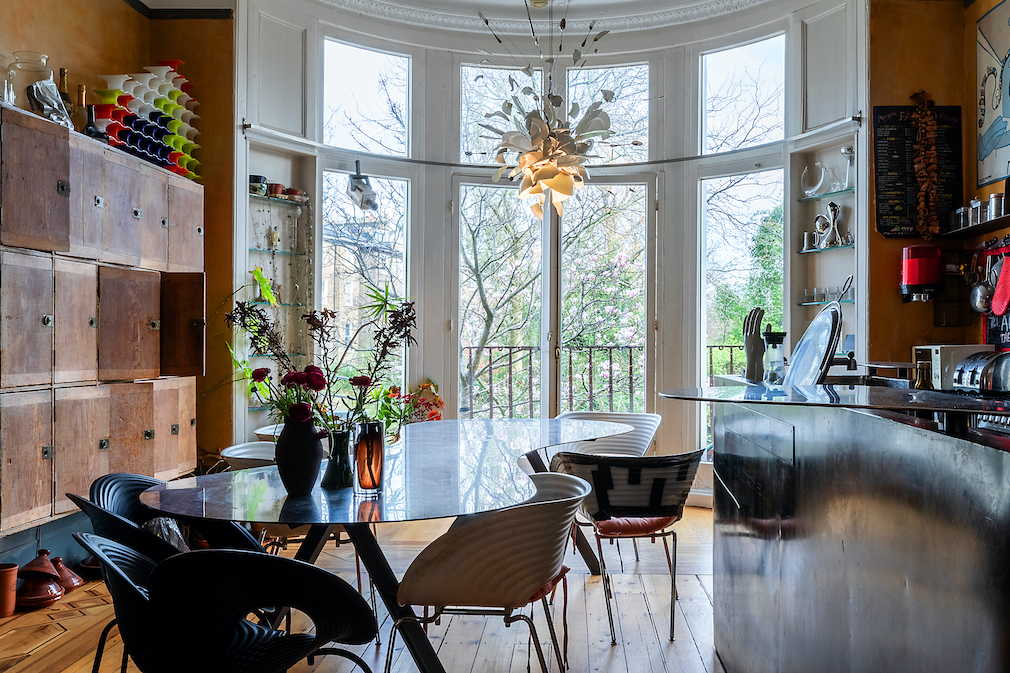
In a way, designing an abode is also a collaboration. “You have to accept what you have there,” he says of the apartment, which boasts ornate period cornices and a bay with French doors leading to a balcony in the kitchen-dining room. Spaces evolve with his latest new find or design project. Art, for example, is shifted as new acquisitions arrive. But because he dyed the plaster walls – which, he explains, “is forever” – holes cannot simply be patched up, sometimes remaining visible. “You live with it,” he pronounces with a shrug.
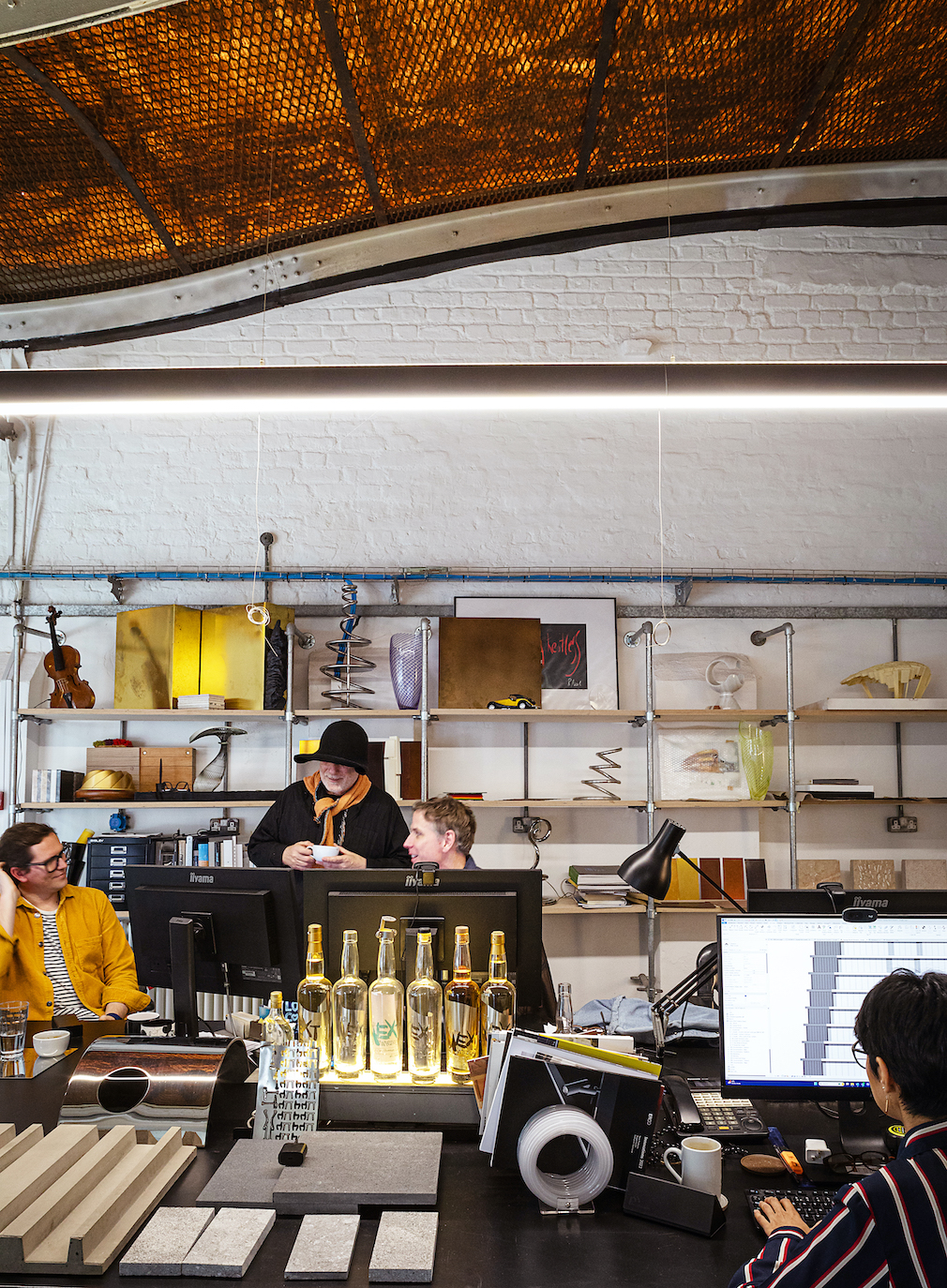
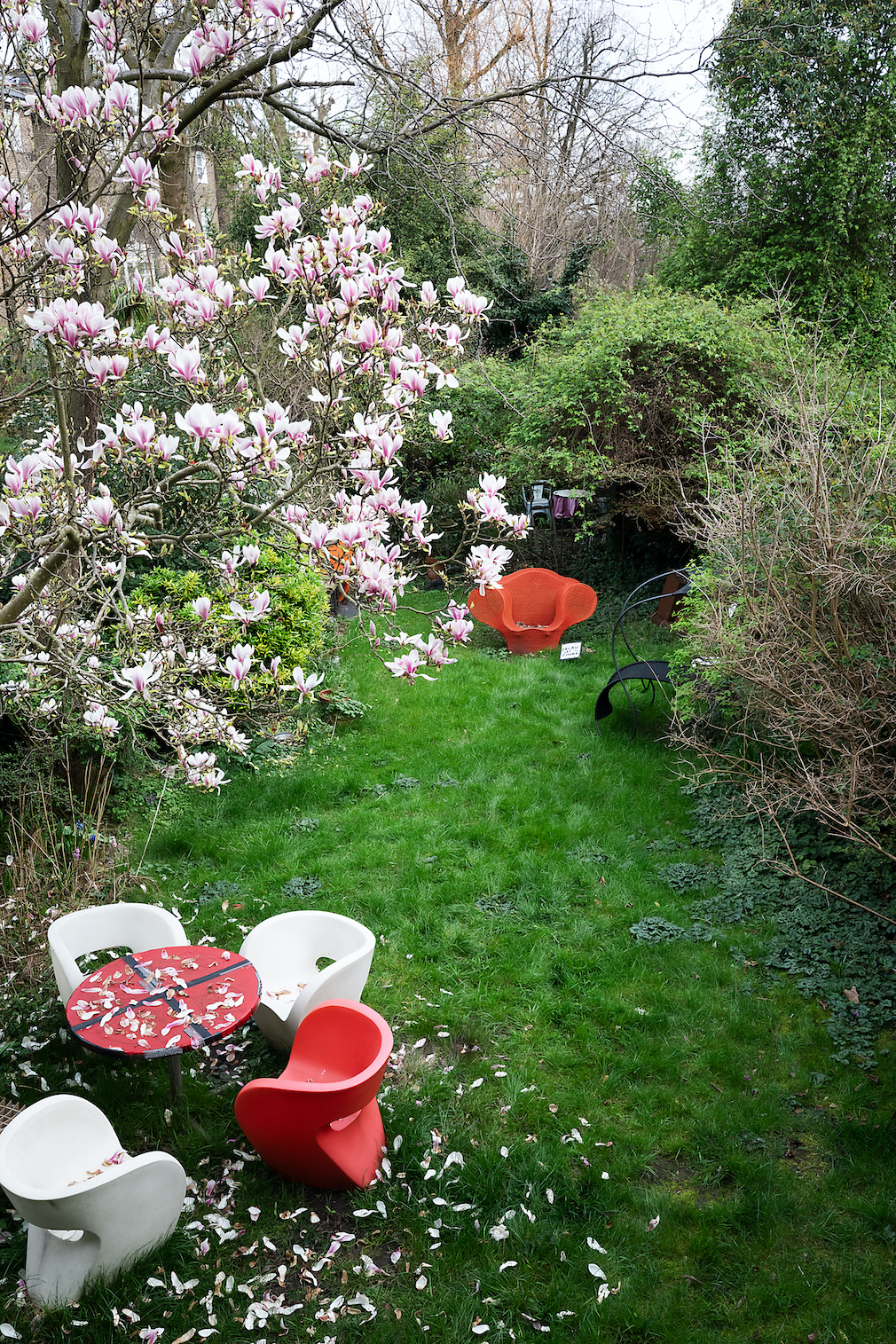
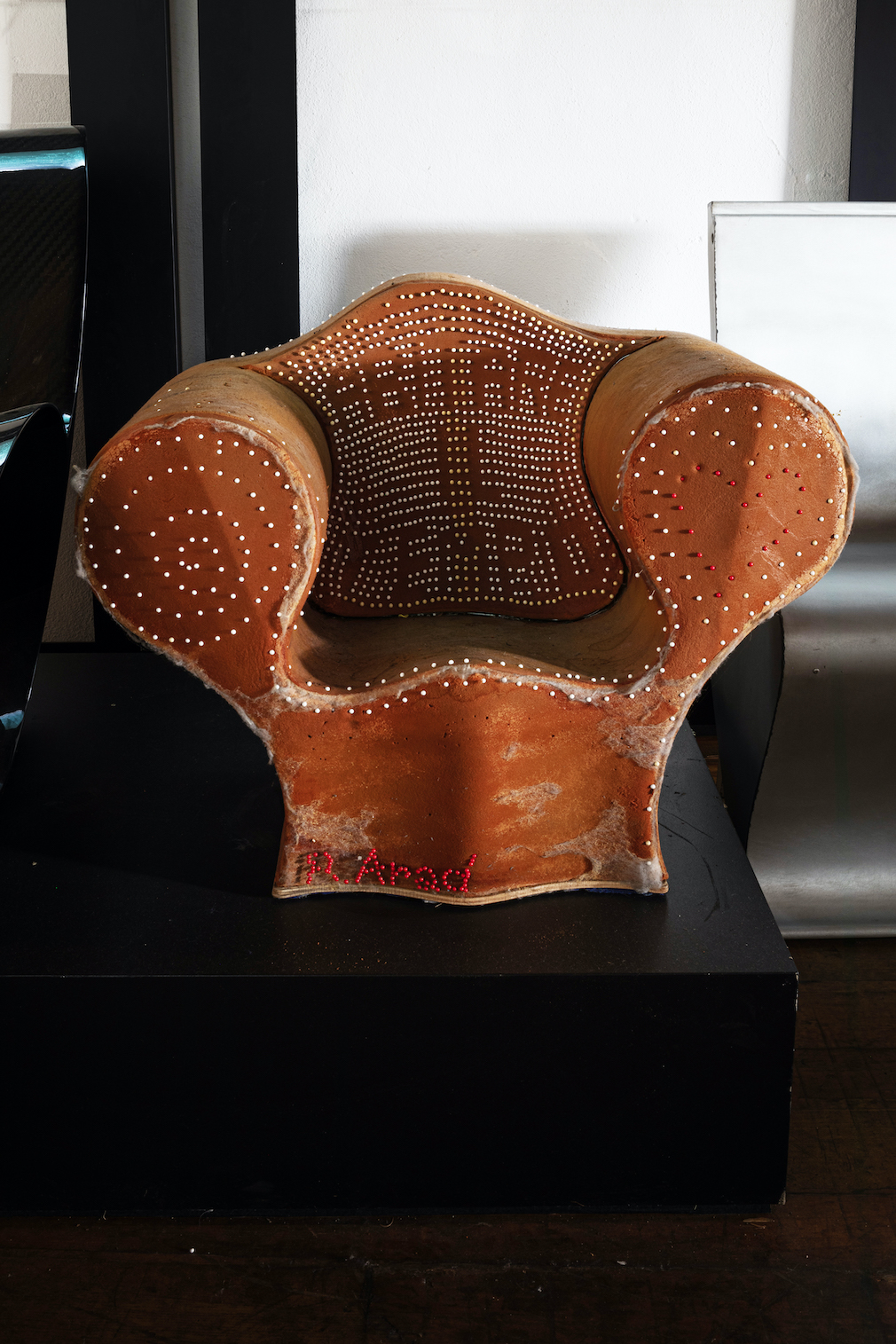
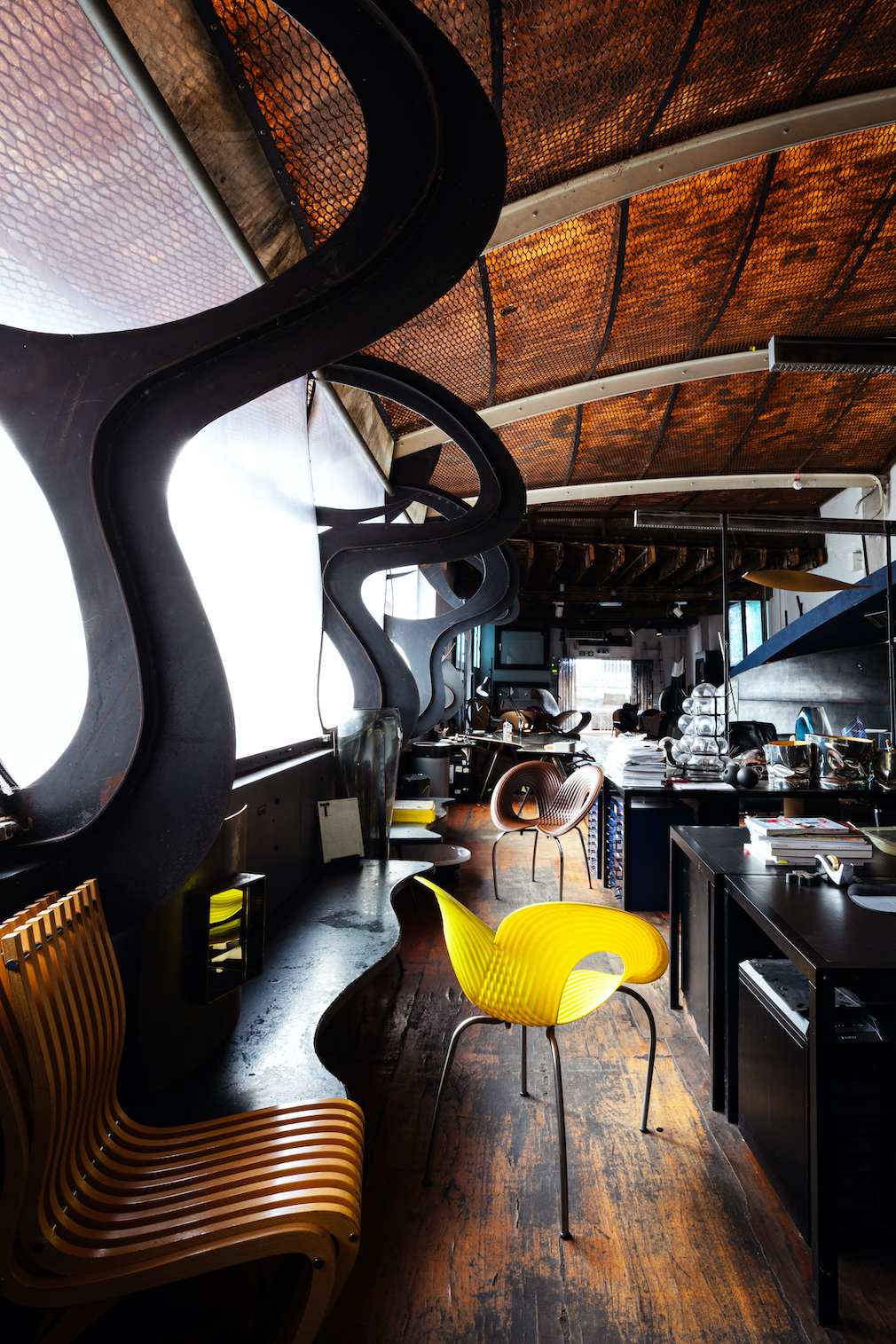
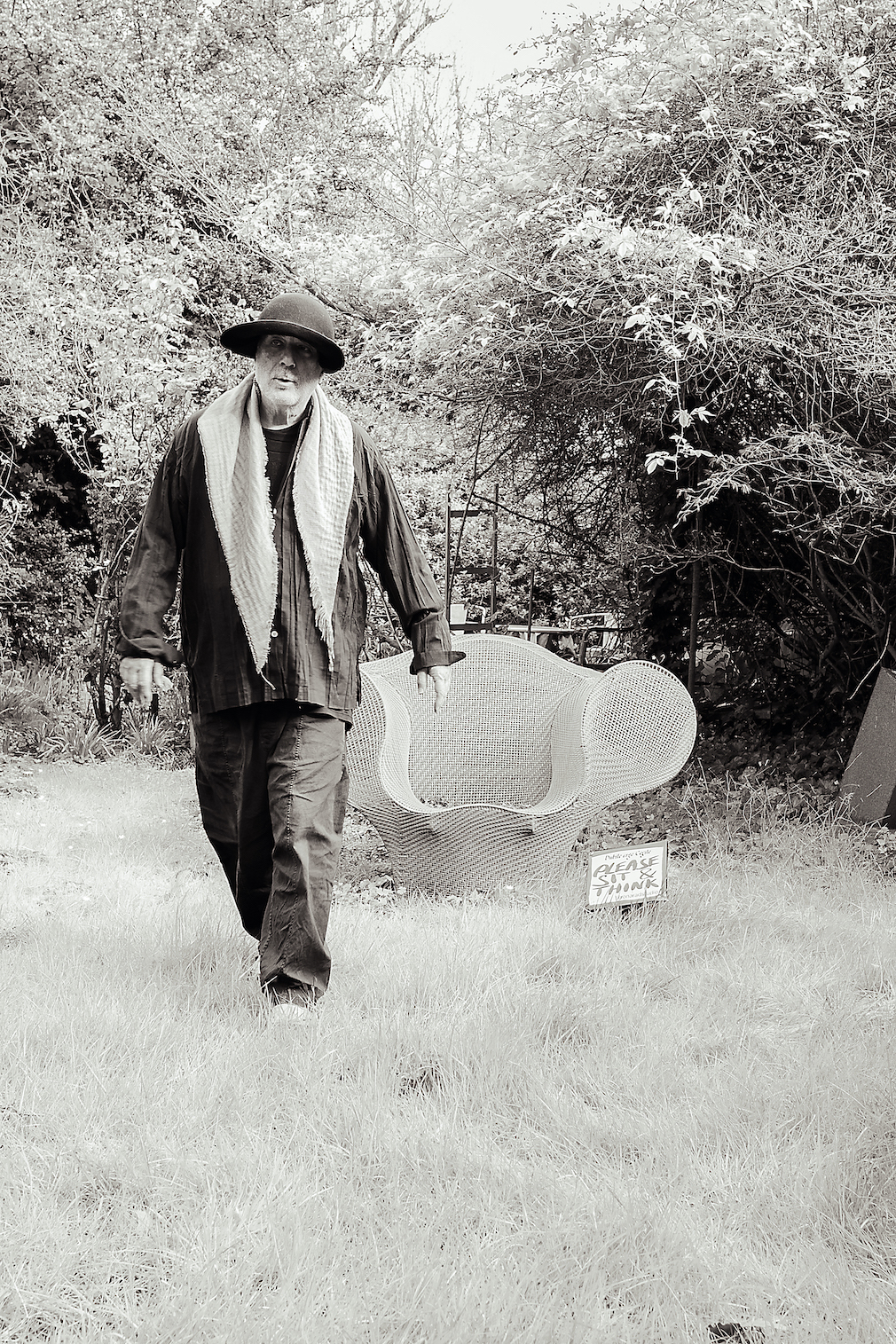
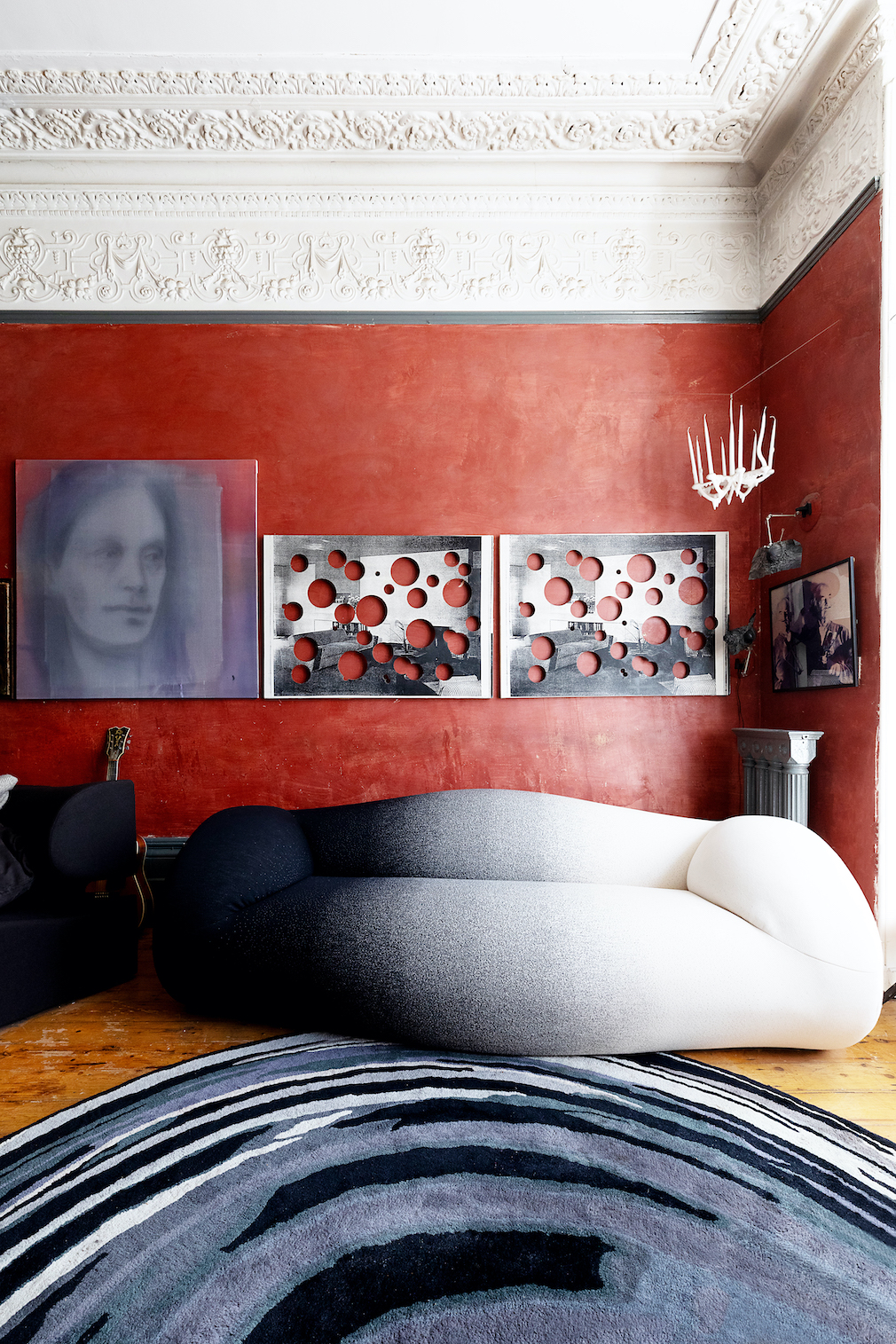
“Look,” he says (employing the oft-repeated locution as if to say it’s no big deal ), “we live here. It’s not a showroom. Both places [home and studio] are a bit of a mess. But people love it.” That “mess” encompasses his own works throughout: a polished, stainless steel dining table originally created for the Jean Nouvel-designed Cartier Foundation for Contemporary Art at the jeweler’s Paris headquarters, which Arad produced in a limited edition of 40. Around it are his Tom Vac and Ripple chairs, and on an adjacent cabinet, his modular Infinity wine rack for Kartell. In the living room is his recent Glider sofa for Moroso. (“Just a lump, really,” he says. “I had to move things to make room for it.”) In a butterscotch-colored library area, we find his Worm bookcase, a wavy, scribble-like one-off piece that would eventually be made in PVC plastic by Kartell.
These mix with the work of other designers, such as a prototype of Ingo Maurer’s broken-china chandelier, Porca Miseria!, above the dining table, or a wax candelabrum dangling over the Glider sofa, which was made by a student (“I can never light it because it will melt away,” he observes with obvious delight). It’s all a jumble that feels comfortable rather than curated, where there is no separation between Arad’s fecund curiosity and the unifying continuity he feels among his various artistic pursuits. “I don’t have an exclusive membership in any discipline,” he declares.
It all springs from a childlike sense of play and experimentation. “I’m a hoarder,” he quips, only half joking. “I am the most irresponsible person in the studio. The oldest, but the most juvenile.” And so it is at home as well.
Photography by Monica Spezia.
Like what you see? Get it first with a subscription to aspire design and home magazine.