


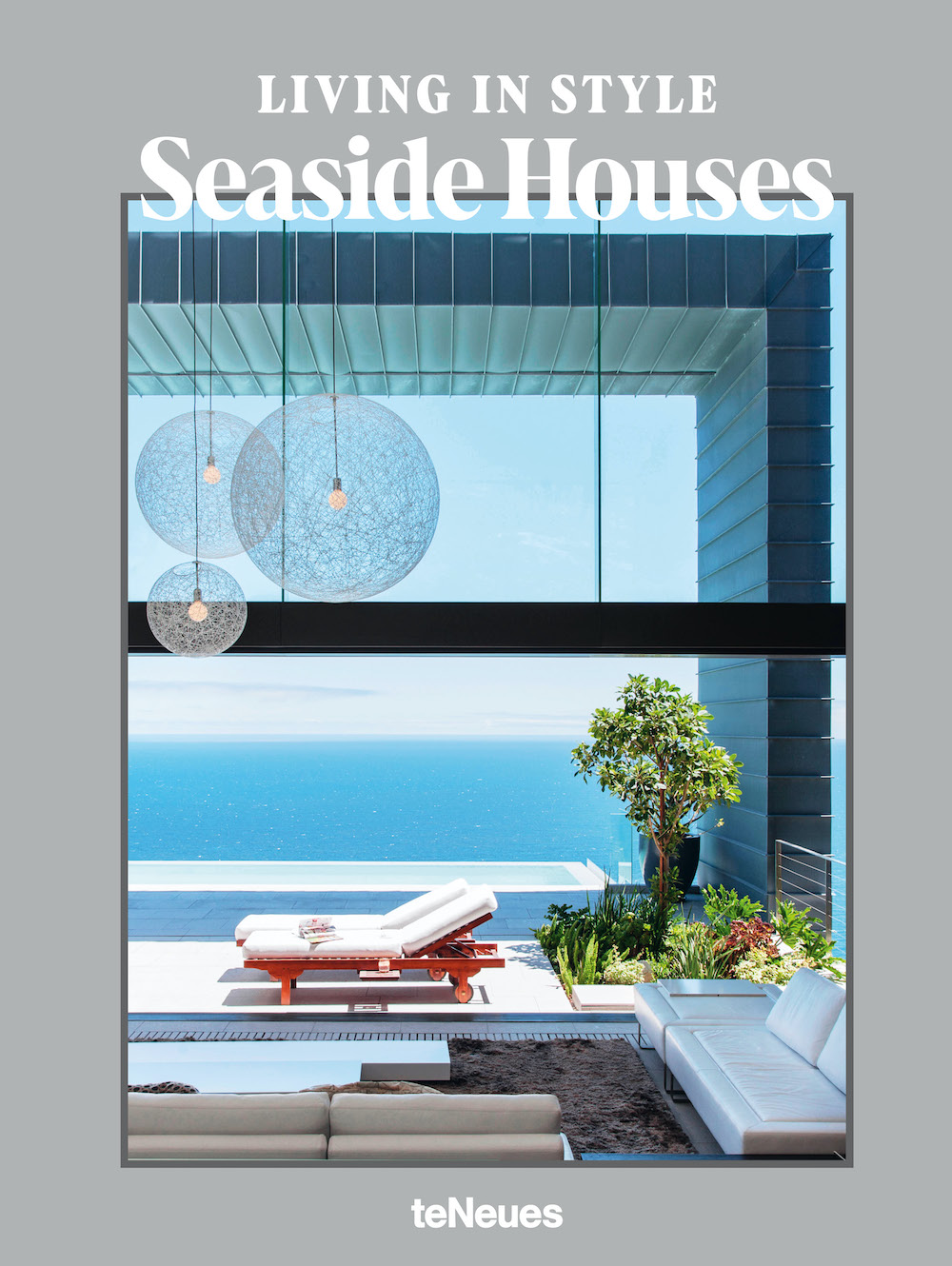

Living in Style: Seaside Houses edited by Pierre and Agata Toromanoff | teNeues
In an era increasingly defined by urban congestion and digital saturation, the human impulse to return to the water has evolved from a seasonal escape into a fundamental pursuit of cognitive and physical restoration. Seaside Houses, a comprehensive new volume edited by teNeues, investigates this global shift, documenting a new generation of residences that serve as high-design laboratories for wellbeing.
Moving beyond traditional maritime tropes, the book showcases how contemporary architects are harnessing the blue space effect — the scientifically documented ability of water-centric environments to lower cortisol and spark creativity — through sophisticated structural dialogues with the shoreline.
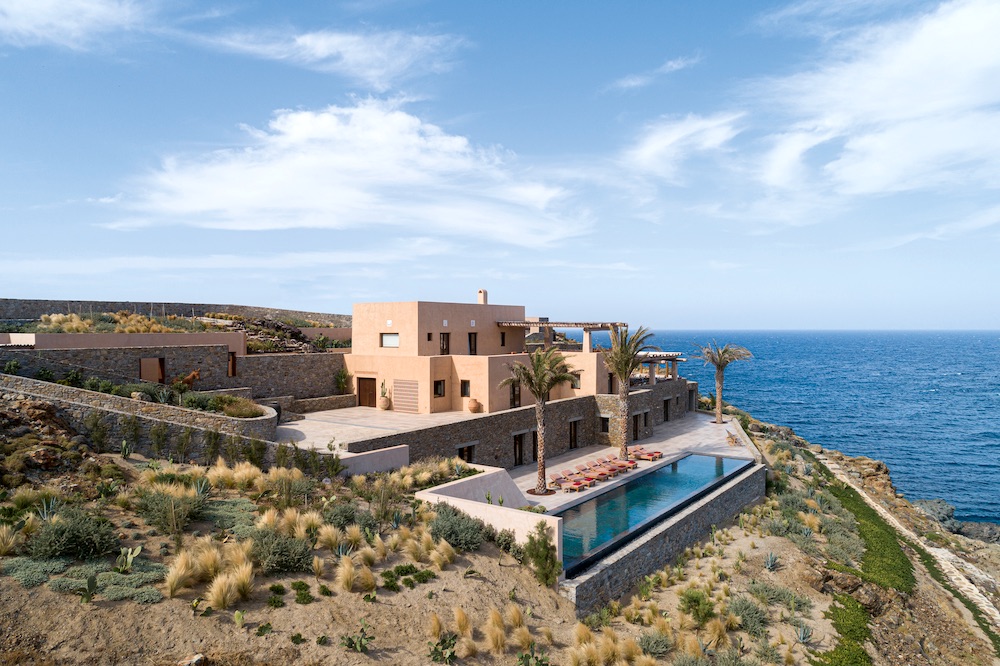

The Mediterranean remains a focal point for this architectural evolution, exemplified by projects like Villa Sui Generis on the Greek island of Kefalonia. This residence represents a sophisticated dialogue between heritage and modernity, where architect Afroditi Lefkaditi has expanded a 1990s structure to include meditative spaces and a hammam. The design prioritizes haptic materials such as local stone and wood, grounding the inhabitant in the landscape and utilizing a recessed pool seating area with a fireplace to bridge the gap between elemental water and fire. This focus on sensory architecture mirrors current international trends in slow living and the intentional creation of domestic sanctuaries.
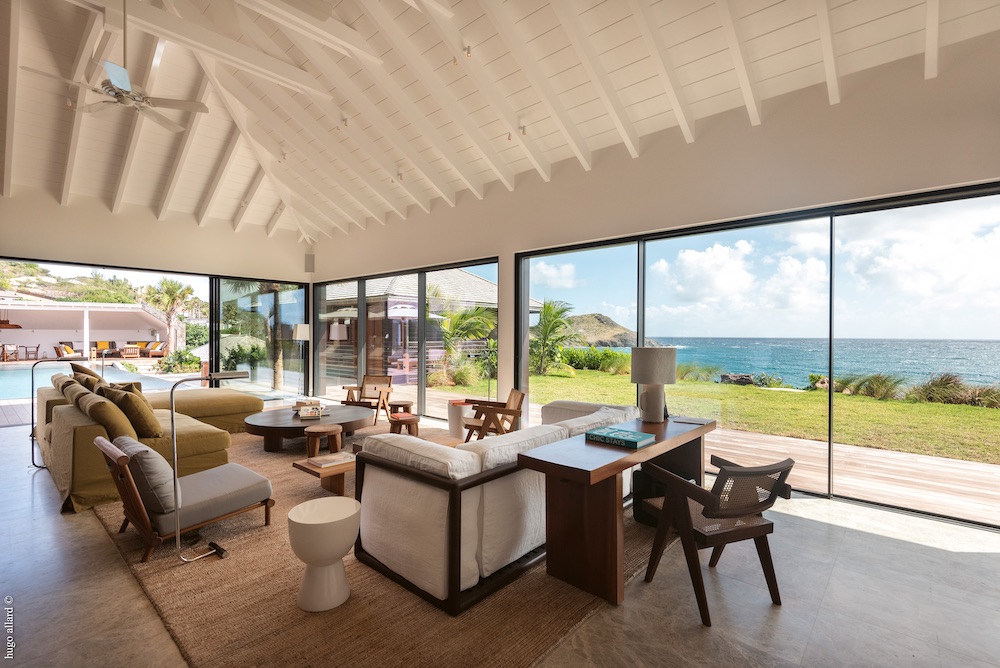

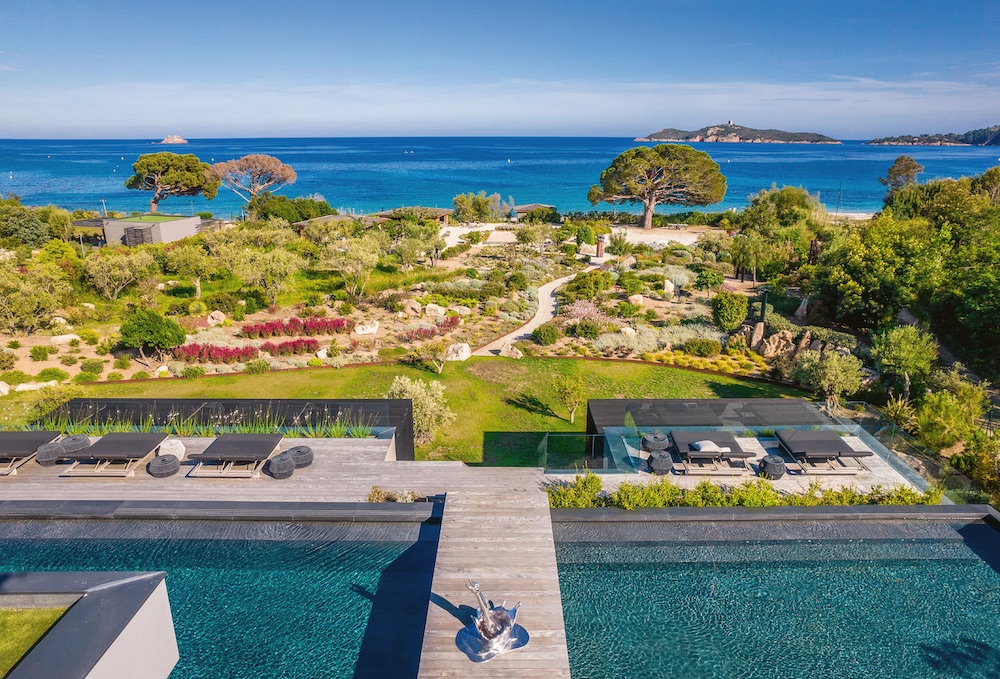

Further south, in Cape Town, South Africa, Home Angel by M&B Architects demonstrates how monumentality and environmental awareness can coexist on the rugged granite cliffs of Sandy Bay. Described by its creators as an amphitheater opening to the sea, the A-shaped concrete structure is a technical response to a volatile microclimate. Beyond its sculptural aesthetics, the villa integrates a majestic pool and expansive glass facades that adapt to rapidly changing weather conditions, reflecting a growing necessity for luxury coastal architecture to be as resilient as it is visually striking.
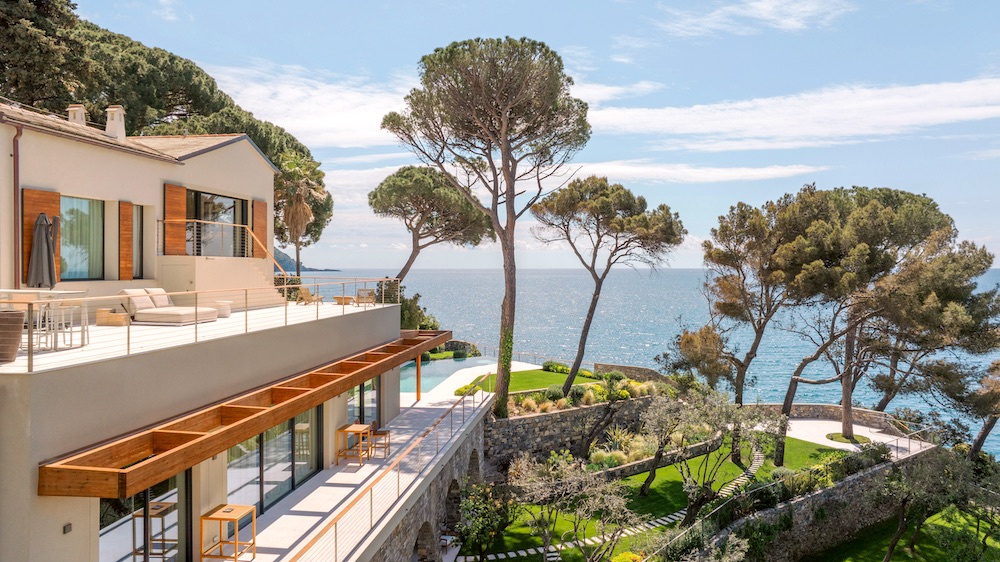

In the United States, the Van der Vlugt Residence in the Florida Keys serves as a critical case study for climate-adaptive luxury. Designed by the Miami-based firm STRANG, the villa is elevated on a system of coral stone and concrete pillars specifically engineered to withstand hurricane-force winds and rising sea levels. By incorporating passive cooling through louvered elements and impact-resistant glass, the residence addresses the urgent challenges of the climate crisis.
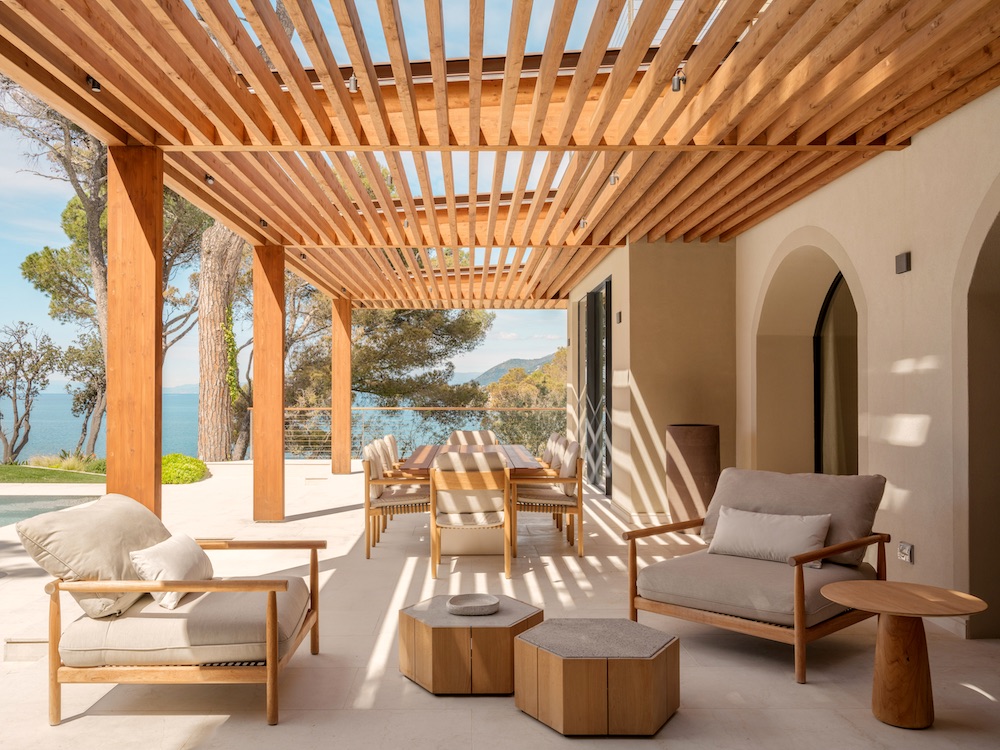

These houses demonstrate that the dream of seaside living is no longer just about the view; it is about an enduring, sophisticated harmony between human comfort and the natural world.
Like what you see? Get it first with a subscription to aspire design and home magazine.