

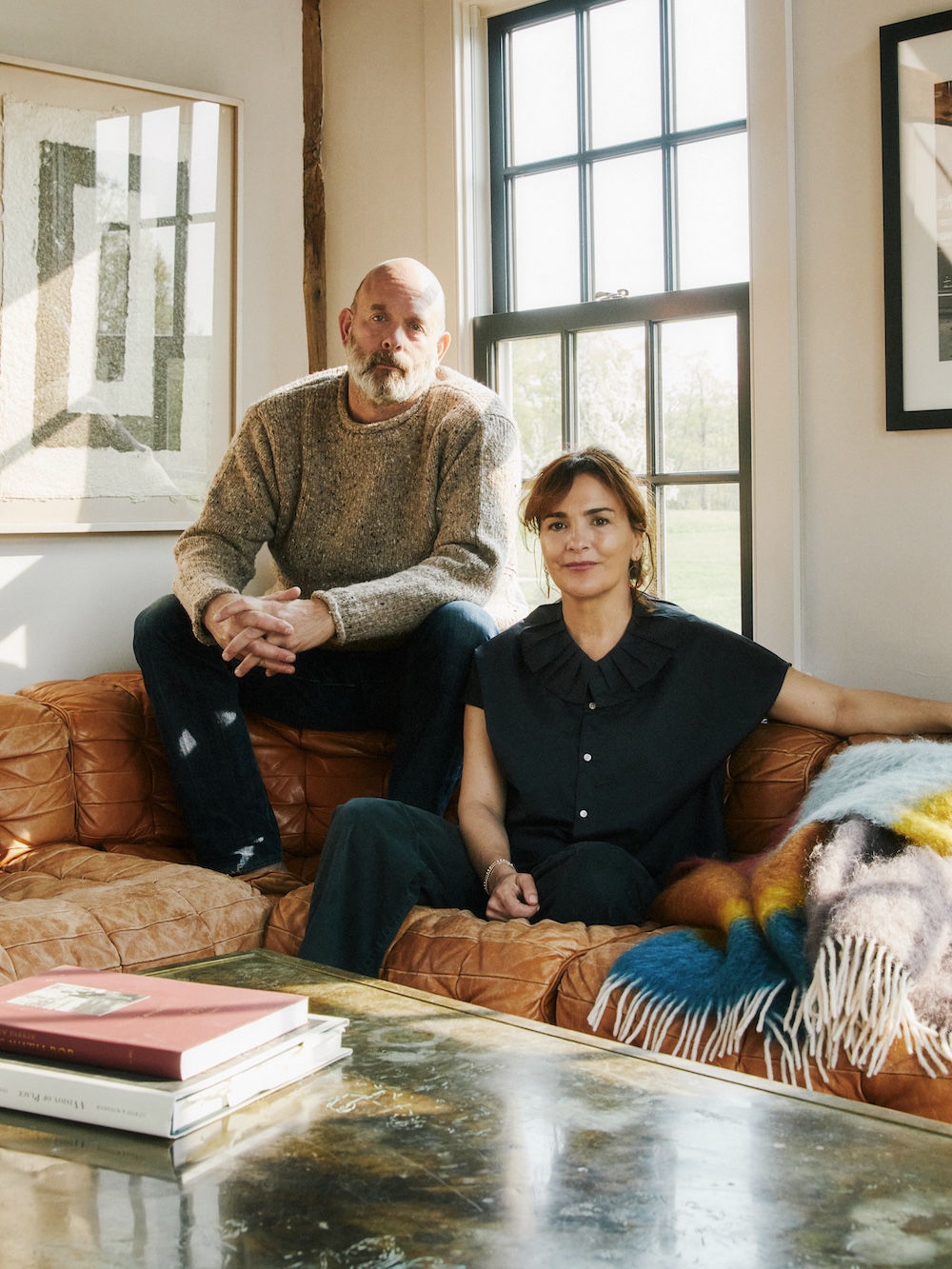
The husband-and-wife architecture/design team of Rafe Churchill and Heide Hendricks is at the helm of Hendricks Churchill, a studio founded in 2017 and based in the Connecticut countryside.

What is your favorite part about working together?
Rafe Churchill: Unlike working with other interior designers, Heide and I have years of personal and professional growth together. While our design goals may not always be perfectly aligned, we know how to find our common ground with architecture and interiors. This collaborative process is the key to our best work.
Heide Hendricks: We have clearly delineated lanes too – Rafe on architectural design and me with interior design – although we overlap, or rather dovetail, on finishes like lighting, tile, paint and paper. It’s in these areas that we reinvigorate each other and feed off each other’s energy and goals for the project.
An unforgettable business milestone during our partnership is:
RC: Signing a two-book deal with Rizzoli was definitely a milestone. Editorial features and awards are equally satisfying, but it was our first book that really helped us understand the potential of our working relationship.
HH: Absolutely true, although the first time we won an award from the Institute of Classical Architecture and Art… In my mind, it signaled that we had arrived on equal footing as some of our established design heroes who had also been recipients.

What are the biggest influences on your design aesthetic?
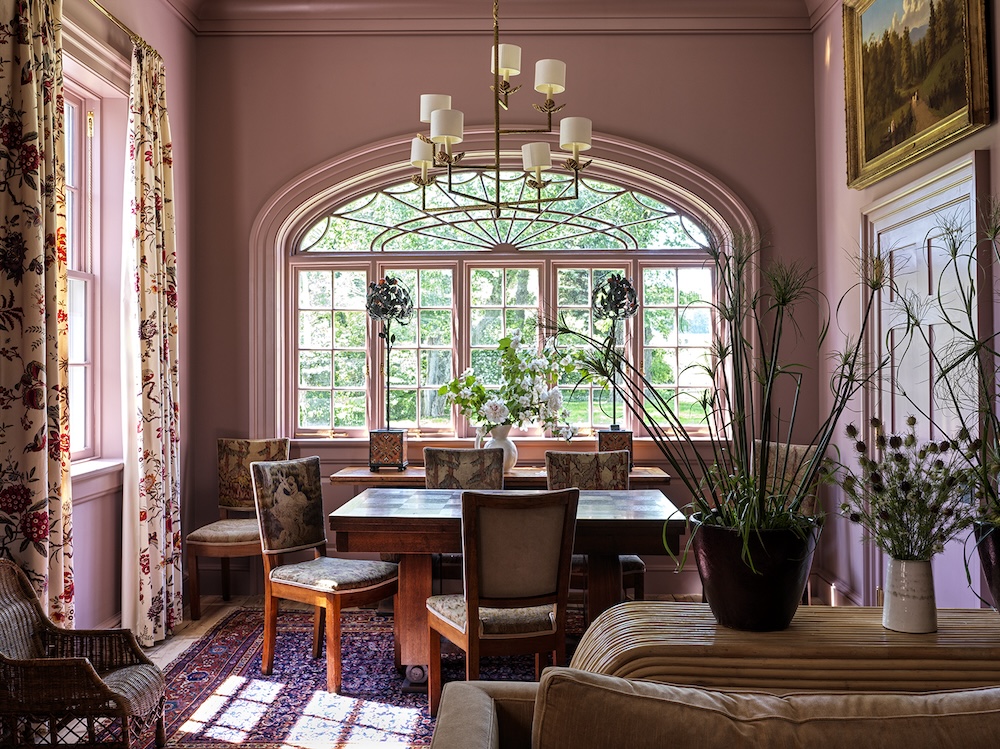
RC: After 30 years of designing for both new construction and renovations, I am now focusing on historic preservation. My greatest influence is simply how I feel when walking through a building that remains mostly untouched. These historic structures are loaded with lessons in architecture, history and culture.
HH: I’m heavily influenced by the deeply personal approach artists and creatives have in assembling homes as a window into their souls. Think of the Eames House in California, or Donald Judd’s homes and studios in New York City and Marfa or Georgia O’Keeffe’s Abiquiú home. These homes aren’t just places to live; they’re immersive environments where the boundaries between art, life and space dissolve. Each one reflects a philosophy of making and being.

Where does your inspiration come from?
RC: If not looking to historic buildings for inspiration, I find comfort and familiarity in art, film and music.
HH: Lately, I’m grooving on the vibrant color palette of Fauvism, the early 20th-century art movement. I’m attracted to how Matisse or André Derain went wild and paired complementary juxtapositions like blue and orange or red and green side by side for visual tension and vibrancy.
How does your work inform your personal and professional lives?
RC: It’s most important for me to be the same person at work and home. Without this honesty and authenticity, both areas of my life would suffer. This approach to life definitely limits
opportunities, but those relationships that do come together are stronger for it.
HH: It’s the secret ingredient in how we manage our professional and personal lives; they are one and the same!

This or That…
E-BOOKS OR PHYSICAL BOOKS?
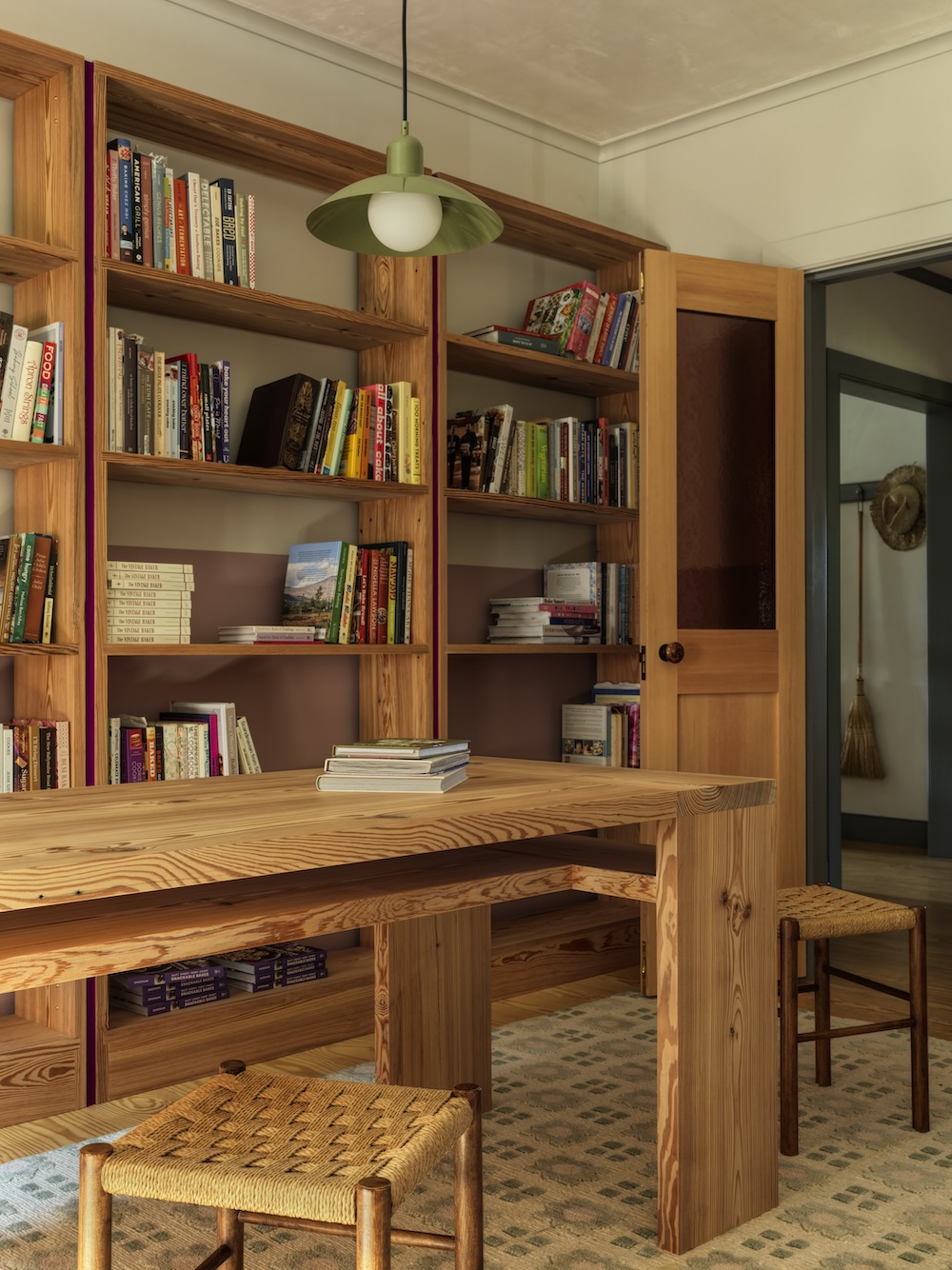
RC: Physical books; I really don’t need another screen in my life.
HH: I find the tactile experience of opening a book and turning the pages helps pull me into the writer’s world.
ADVENTURE OR RELAXATION?
RC: Adventure, it’s a great way to break up the routine and try new experiences.
HH: Lately, I find myself thinking about long days driving and the adventure of taking the side roads. I never used to like driving all day, but Rafe converted me over the last few years when we’ve gone out west. It’s finding adventure in the mundane.
RUSTIC OR MODERN STYLE?
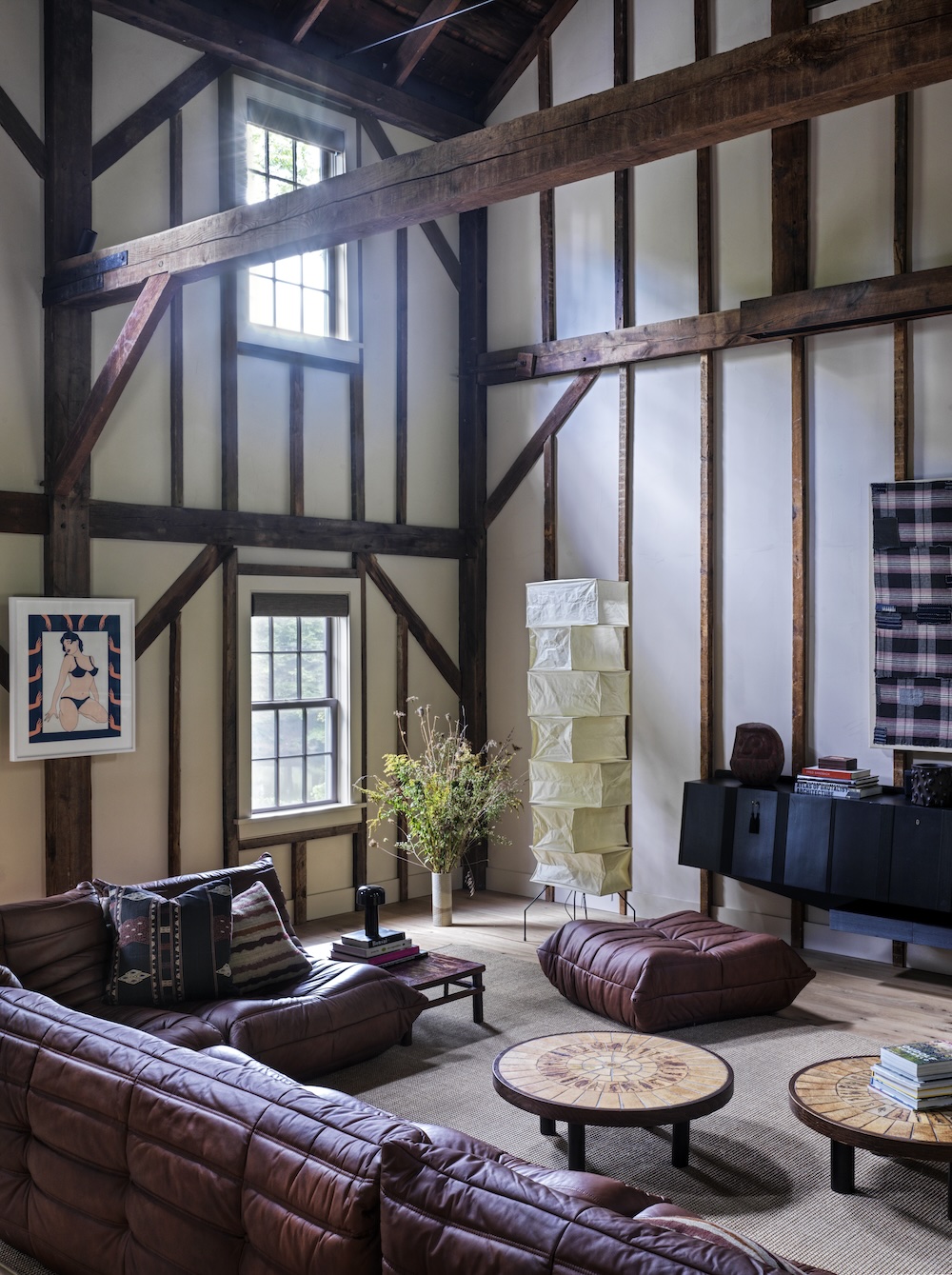
RC: Rustic, I like to have something to look at while also being surrounded by a range of textures.
HH: Yes, rustic is more comforting for me, too.
Like what you see? Get it first with a subscription to aspire design and home magazine.