
 Andrea DeRosa is the co-founder and CEO of Avenue Interior Design, a Los Angeles-based studio specializing in hospitality interiors that are as memorable as they are inviting. After earning her degree in interior design from the University of Wisconsin-Madison, DeRosa moved to Los Angeles, where she began her career designing hotels and resorts. It was there that she met Ashley Justman, a fellow designer who shared her creative ambitions and entrepreneurial spirit. In 2009, the two founded Avenue Interior Design, quickly establishing a reputation for creating distinctive environments for boutique hotels and restaurants.
For DeRosa, great design is about far more than aesthetics. It’s about creating an emotional connection, shaping experiences, and bringing people together. Her approach combines intuitive storytelling with a thoughtful understanding of how spaces function, resulting in interiors that feel authentic to their surroundings while offering something entirely unexpected.
This week, Andrew Joseph sits down with Andrea to discuss the early influences that shaped her career, the importance of emotional connection in hospitality design, and why the future of interiors is becoming increasingly personal.
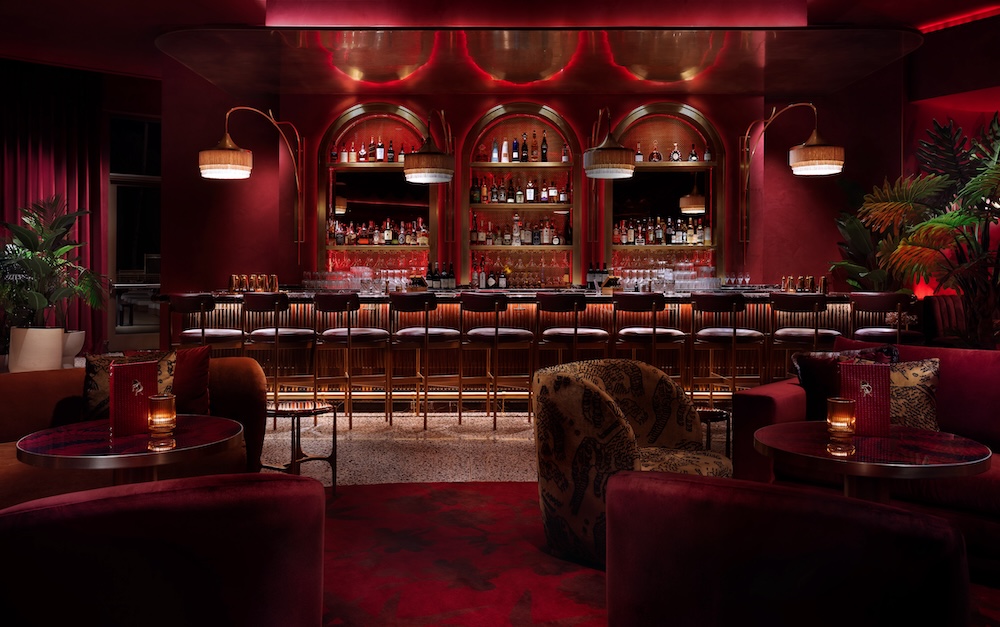
Andrew Joseph: What inspired you to become a designer?
Andrea DeRosa: I was fortunate to grow up in a home where creativity was encouraged, and I had the freedom to express myself through my surroundings. I was constantly rearranging my bedroom, painting the walls, and eventually covering them with pages torn from Vogue, Rolling Stone, and Surface. I was fascinated by strong points of view and the way imagery, color, and composition could create an entire world. Looking back, I realize I was less interested in decorating than in how environments shape emotion. I’ve always been drawn to the way spaces influence how people feel, interact, and remember an experience.
Over the years, watching our projects come to life and become places where people gather, celebrate milestones, reconnect with loved ones, or simply enjoy a wonderful meal has completely reframed my understanding of design. At its best, design fosters connection, shapes experiences, and brings genuine joy to people’s lives. That’s become the most meaningful part of what we do.
AJ: Can you describe your design philosophy in three words?
AD: Intuitive, authentic, and experiential.
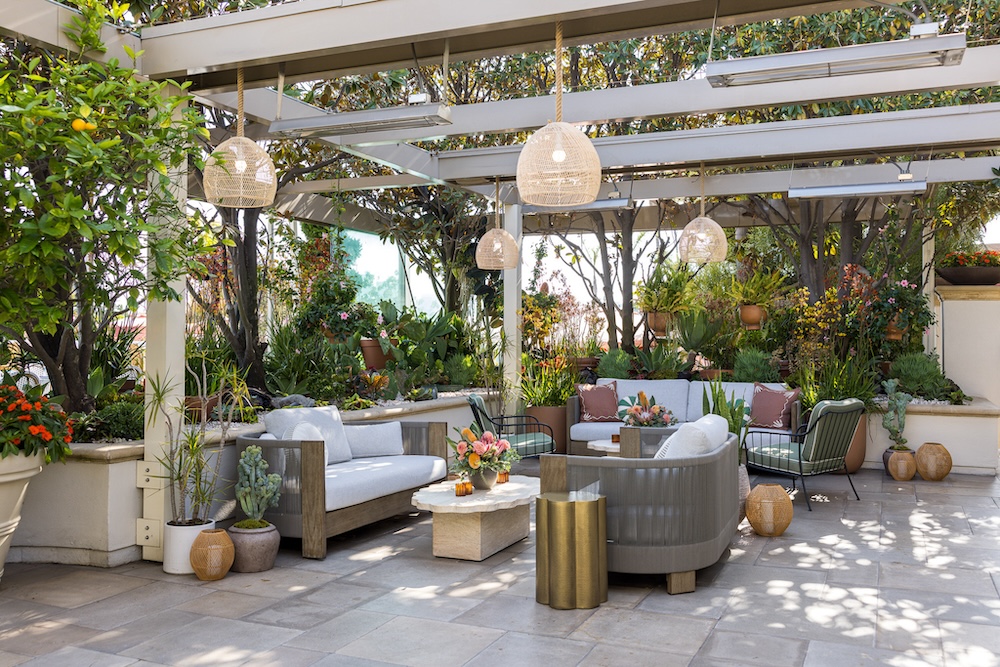
AJ: How do you approach a new design project?
AD: We begin with the dream, the narrative, and the emotional experience we want to create. Before selecting a finish or drawing a detail, we consider the client, the architecture, the location, and the people who will ultimately inhabit the space.
From there, we build a visual story that establishes a sense of place, mood, and point of view. Once that vision is clear, we work through the practical realities of budget, programming, operations, and construction without losing sight of the original idea.
AJ: What is the most important element in a successful interior design?
AD: Emotional connection. A space must function well, but how it makes someone feel is often what they remember. We think carefully about what guests will touch, how they’ll move through an environment, what they’ll discover, and how the materials, lighting, architecture, and furnishings collectively communicate.
Successful design should feel cohesive and intentional, but it should also feel human.
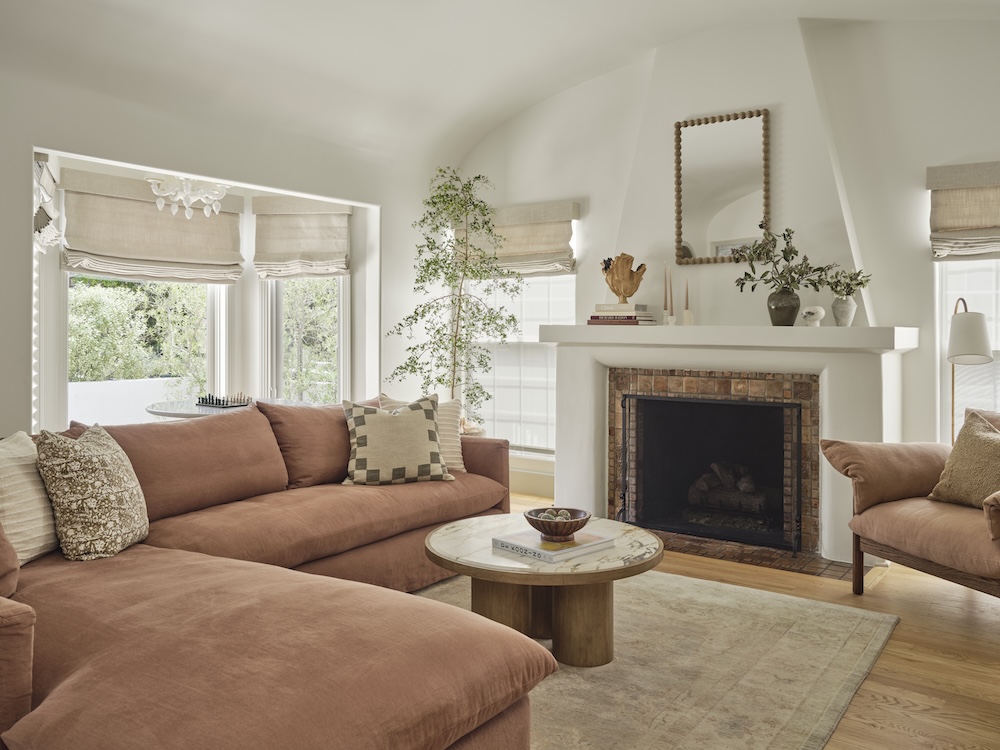
AJ: How do you balance functionality and aesthetics in your designs?
AD: We usually begin by showing the client the dream and then carefully work through the realities of the project. That includes the budget, demographics, climate, operational needs, material performance, construction limitations, and long-term maintenance.
Experience has taught us where to be pragmatic and where to protect the moments that give a project its identity. The goal is never to choose between beauty and function, but to make the two feel inseparable.
AJ: How do you stay creative and inspired?
AD: Inspiration is everywhere, but you have to remain open enough to notice it. It may come from fashion, nature, travel, food, art, or even the way someone styles themselves on the street.
Becoming a parent also made me more observant and appreciative of small moments. As a creative person, you’re constantly taking inventory, collecting colors, textures, forms, and feelings that may resurface in a project much later.
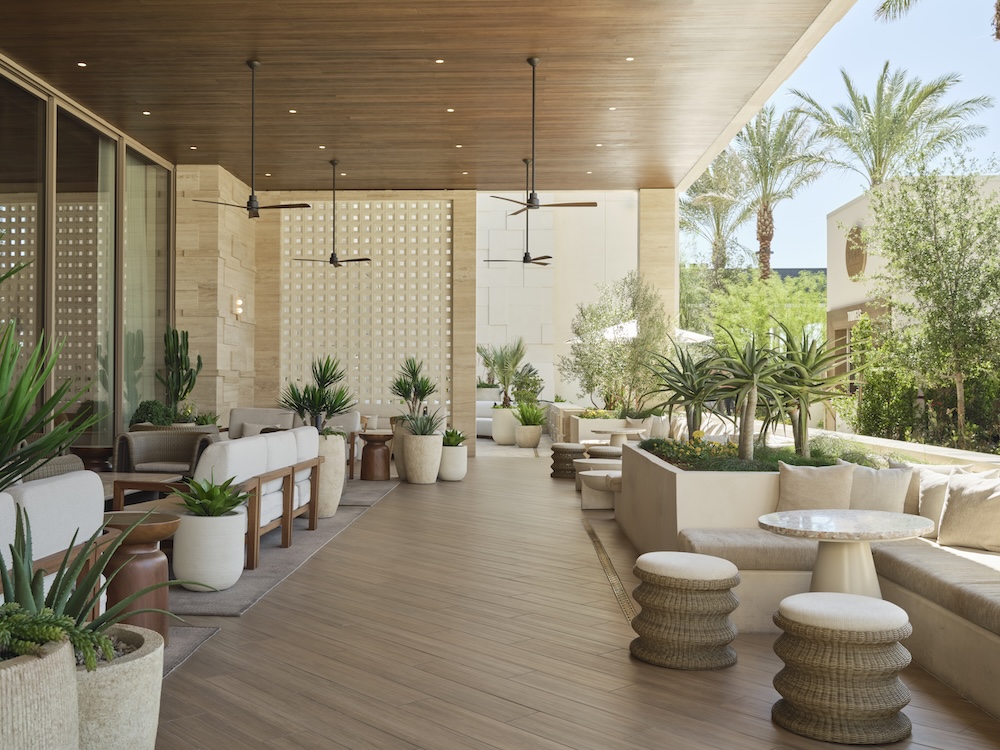
AJ: What design trends do you think will be popular in the coming years?
AD: I believe we’ll continue to see a move toward more personal, expressive interiors. Recent years have brought an abundance of beautifully designed, cohesive retail products, but that accessibility has also resulted in spaces that can feel overly neutral or prescribed.
I think people are ready for environments with more individuality. Objects with stories, pieces collected over time, organic forms, dimensional textures, and details that reflect the people who inhabit the space.
AJ: How do you approach designing for a specific location or cultural influence?
AD: We start by understanding the context rather than relying on literal references. We study the architecture, landscape, history, climate, local materials, and patterns of hospitality, then consider how those influences can be translated into mood, color, texture, and experience.
The goal is to create a space that feels connected to its setting without becoming thematic. It should feel as though it belongs there, but still offer something distinct and unexpected.
Like what you see? Get it first with a subscription to aspire design and home magazine.