
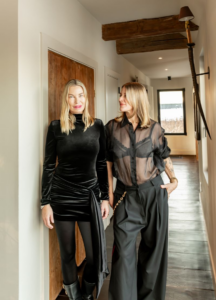
 Curious Yellow Design is an interior design studio known for layered, highly personal spaces that balance atmosphere, function, and visual storytelling. Established by Anna Cappelen, the firm now operates between New York, Oslo, and Paris, drawing from a rich dialogue of cities, cultures, architecture, art, and everyday life. Curious Yellow Design is led by Cappelen alongside partner Chloe Pollack-Robbins, whose combined backgrounds bring a distinctive creative lens to every project. Anna grew up in Oslo in a family of architects before studying art direction at the School of Visual Arts in New York and working in advertising, where she developed a strong eye for narrative, styling, and visual composition. Chloe, with a background in art history and photography, brings an intuitive understanding of proportion, mood, and editing, shaped by a lifelong love of interiors and an early career that refined her sense of form. Together, they approach design as both a visual and emotional experience, layering architecture, materials, art, antiques, and texture to create spaces that feel personal, expressive, and deeply livable. Learn more about Anna and Chloe in today’s Designer Friday.
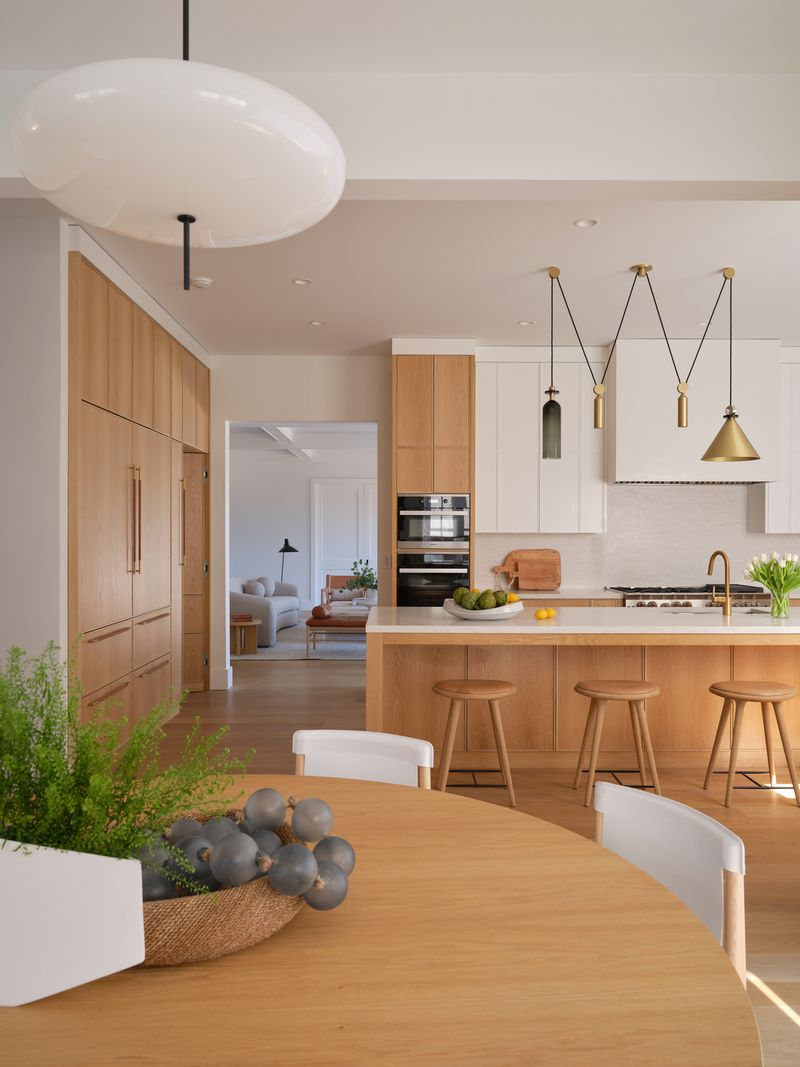
The warmth of the oak island and full-height cabinetry gives this space a grounded beauty, while the pendant lighting introduces a distinctly artful note.
Andrew Joseph: What inspired you to become a designer?
Anna Cappelen: I was an art director in advertising for many years until 2011, when I discovered my true passion for interior design. Even in my advertising work, I always styled my own interior photo shoots, and I realized I loved this process far more than traditional art direction. What excites me most is engaging with materials firsthand, sourcing unique pieces during my travels, and uncovering the history behind every object. Each project is an opportunity to create a space that is not only beautiful but tells a story.
AJ: If you weren’t a designer, what would you be and why?
Chloe Pollack-Robbins: I think I would have been an actress. My biggest regret (which says a lot!) is that I gave up acting when I was young because it didn’t feel “cool.” I went to theater camp, played the lead in my eighth-grade musical, and took it all very seriously. But at some point, I ditched it, convinced I was supposed to care only about sports. I wish I could talk to my younger self and tell her how cool it actually is to commit to a craft like acting — to take it seriously, to love it openly. But alas.
AJ: How do you approach a new design project?
AC: We take the time to deeply understand our clients’ vision, then explore the history of the project to ensure every design decision is aligned. We consider how the space will be used — whether the clients live there year-round or seasonally, whether they entertain, or have children — and approach each project as a complete, cohesive concept.
AJ: How do you balance functionality and aesthetics in your designs?
CPR: I start by understanding how a space will be used, then I look for pieces and materials that do both: they function, but they also add texture, mood, and personality. I’m always editing, making sure nothing feels random or overly practical. A sofa, for example, has to be beautiful and genuinely comfortable; that’s non-negotiable. But maybe a small accent chair can lean more sculptural, almost like a piece of art. When it all works together, the space feels considered — useful, beautiful, and truly lived in.
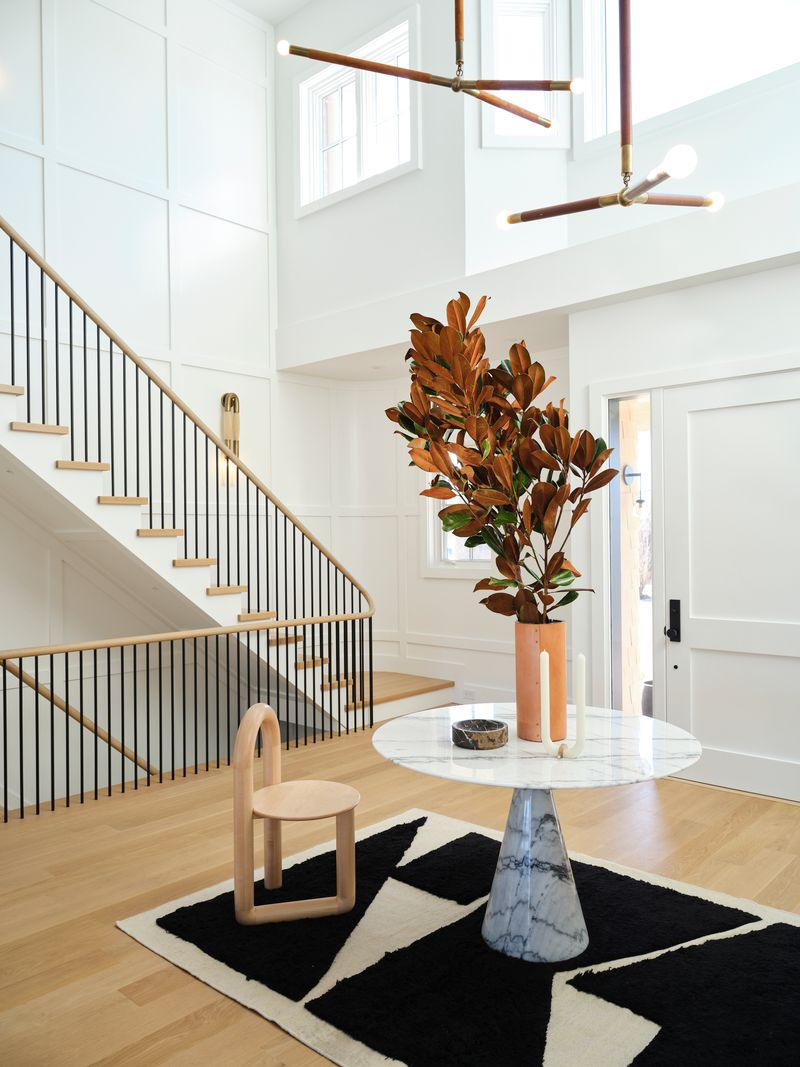
A dramatic black-and-white rug grounds this bright entry, bringing graphic contrast to the soft wood tones, marble table, and soaring white walls.
AJ: What design trends do you think will be popular in the coming years?
AC: I believe vintage and sustainable design will continue to grow in popularity as awareness of our planet’s challenges increases. The new generation values conscious choices over fleeting trends, favoring designs that are thoughtful and enduring. While trends may come and go, I think the future of design leans toward timeless, meaningful spaces that honor both history and sustainability.
AJ: What is your favorite aspect of your job?
CPR: Honestly, I love getting to make things… seeing an idea in my head slowly turn into a real, layered space, and collaborating with Anna. We are very into the details, the tweaking, the editing, and that moment when everything finally clicks and feels right. I also really love the flexibility that comes with owning my own business. Being able to structure my days, travel for inspiration, spend time sourcing, or just pause and think instead of rushing decisions is huge. It makes the work better — and a lot more fun.
AJ: Can you describe a project that you’re particularly proud of?
AC: We transformed a pre-war Upper East Side apartment into a Parisian, timeless home, with each piece custom-made and imported from France. It was a full gut renovation, and working with such an incredible client made the process truly rewarding. When you have that kind of trust from a client, the result is always extraordinary.
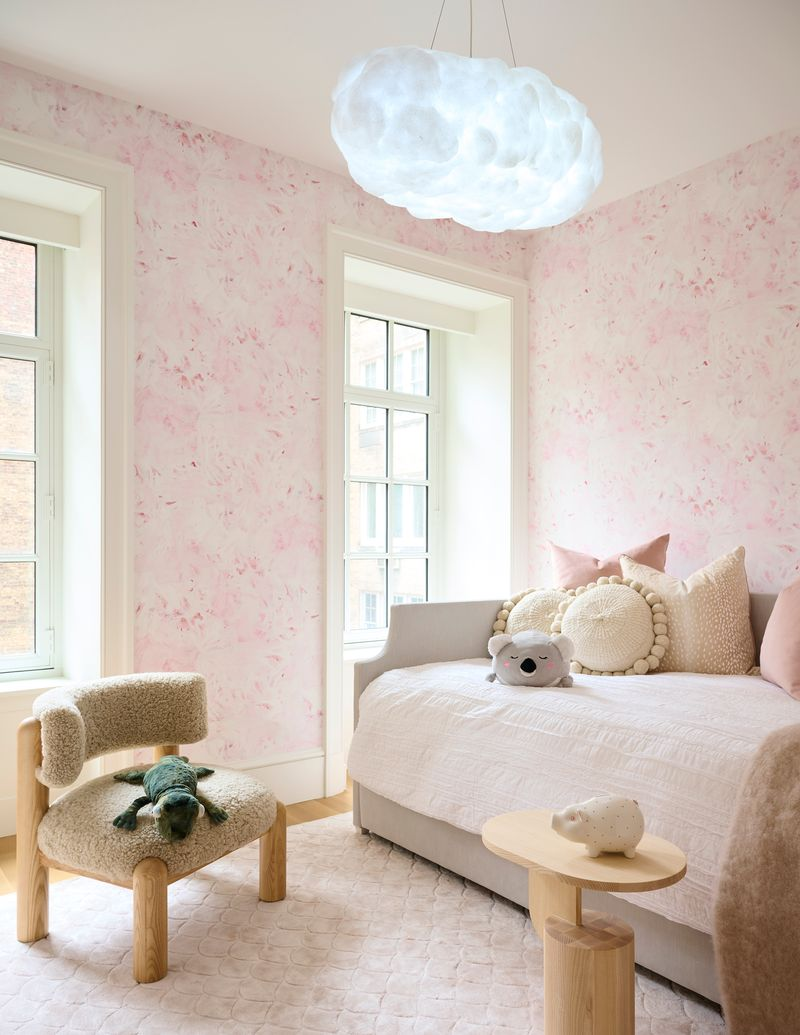
From the painterly wall treatment to the softly curved furniture, every detail in this room feels designed to bring warmth, comfort, and a little wonder.
AJ: How do you stay creative and inspired?
CPR: Something my mother taught me is that inspiration can come from the simplest things — even a rock on the beach. When I was younger, I used to laugh at her for spending entire afternoons on the Maine coast carefully picking stones for her collection. I get it now. Looking closely at something so ordinary can reframe the way your brain works — noticing texture, color, weight, and shape in a new way. I find that same kind of inspiration in the kitchen. I love cooking new, often elaborate dishes, and they always have to be beautiful, too. I’ll grab handfuls of herbs and take time plating, even on a Monday night. Museums, travel, and fashion feed that same curiosity… they keep me observant, engaged, and creatively charged.
AJ: Can you tell us about a specific moment in your career that made you feel accomplished?
AC: I don’t think you ever feel completely accomplished as a creative person. You’re constantly evolving, growing, and finding new sources of inspiration throughout your life. That’s the beauty of design: you’re never fully “finished,” and there’s always more to explore, discover, and create.
AJ: What is the most important skill for a successful designer?
CPR: Taste. And knowing when to stop. Anyone can buy beautiful things, but a successful designer knows how to edit, how to trust proportion, and how to make a space feel intentional instead of overdone. The other big one is the ability to troubleshoot and pivot. Things will go wrong — deliveries are late, plans change, walls move — and the best outcomes often come from those moments. Being able to think on your feet and turn problems into happy accidents is everything.
Like what you see? Get it first with a subscription to aspire design and home magazine.