


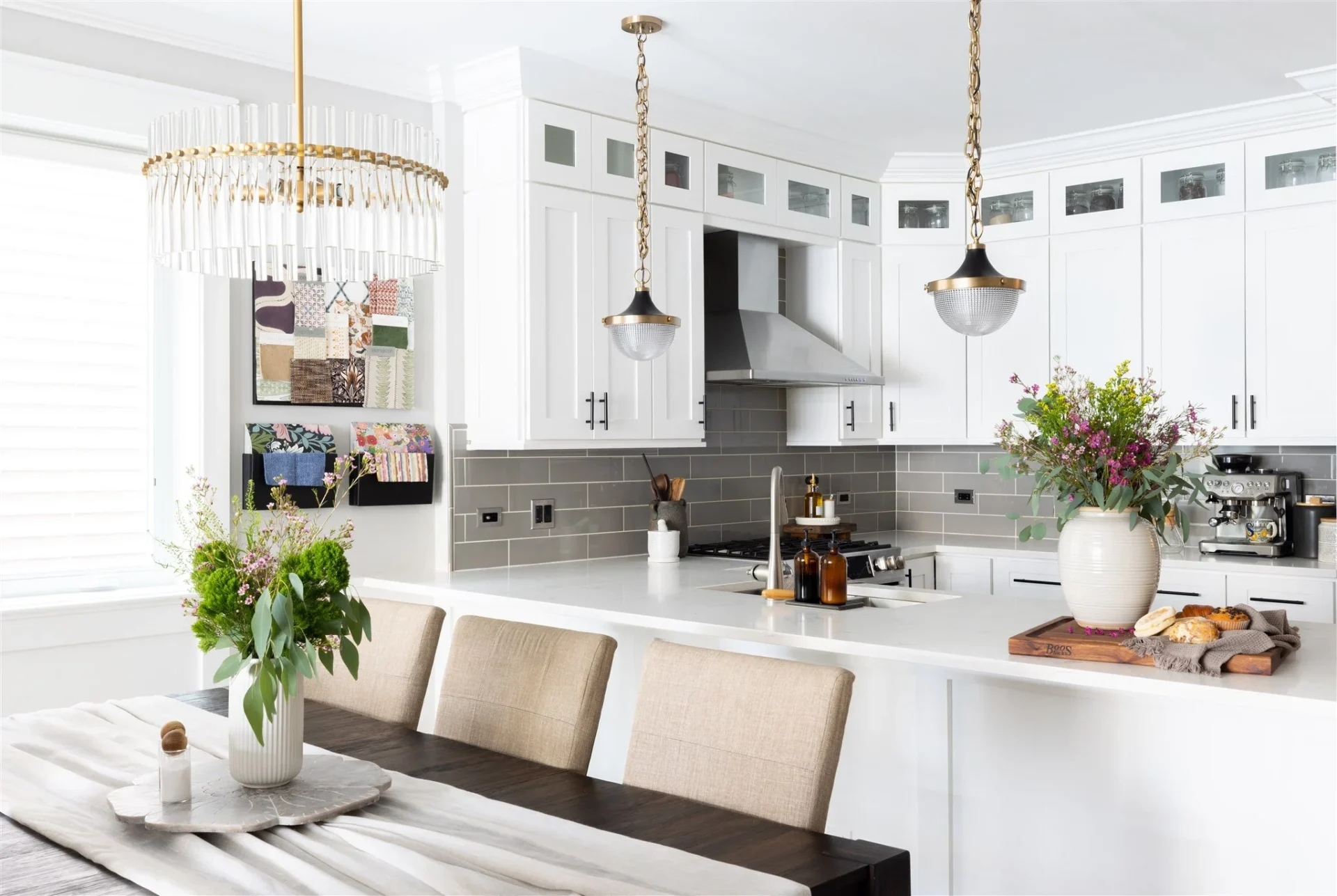


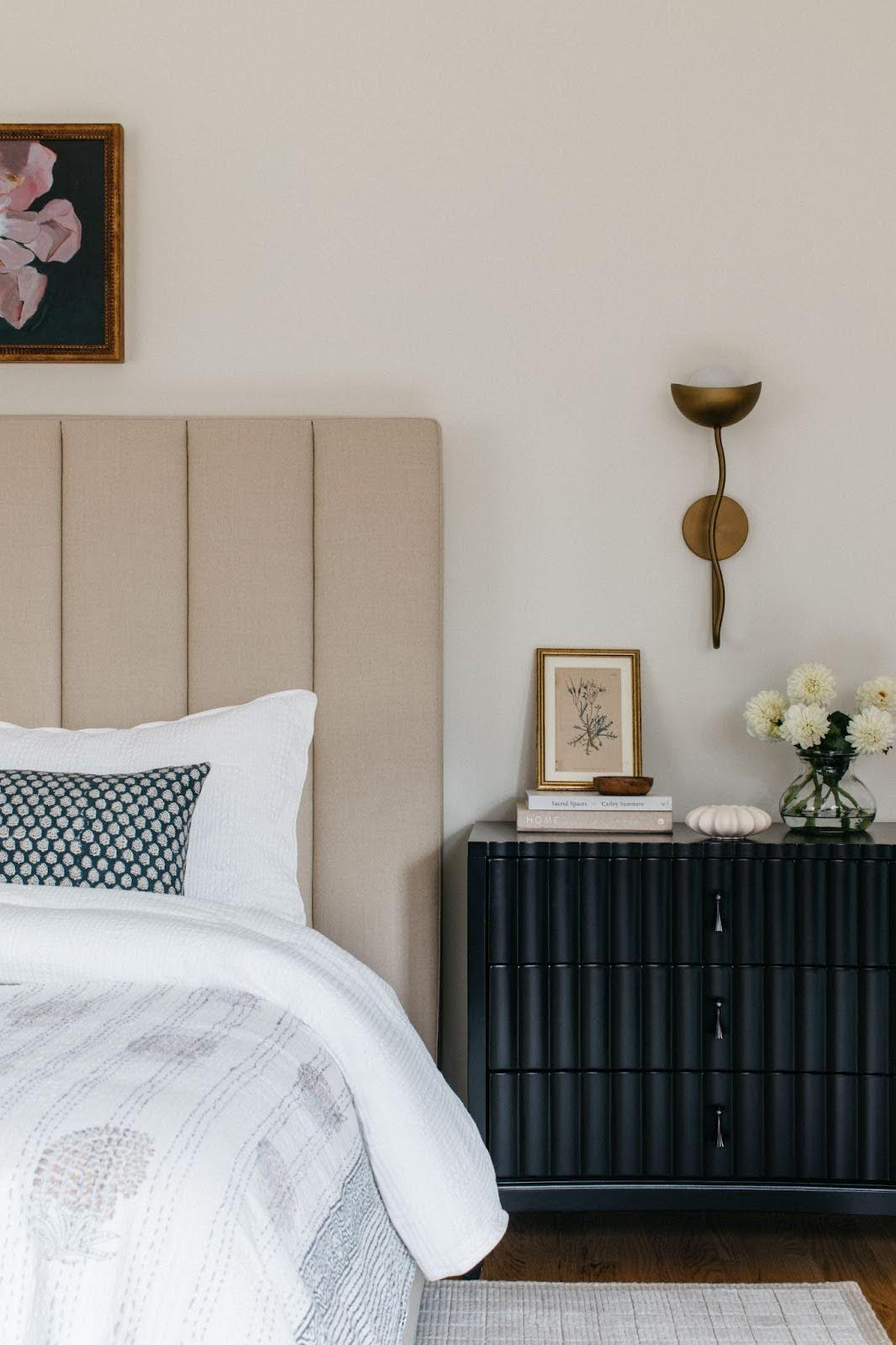

Andrew Joseph: What is your favorite place to find inspiration?
Sonia Chauhan: Traveling is my favorite way to gather inspiration. There’s something about stepping into a different culture that opens up my creative perspective. I’m especially drawn to places with rich history and layered design — whether it’s the intricate tilework, bold use of color, or even the patina of old architecture, I always come back energized and full of ideas.
Nature is another constant source of inspiration. The tones and textures you find outdoors often show up in my work, whether through material choices or color palettes.
I’m always taking mental notes of details that help shape how I layer, refine, and bring a space to life.
AJ: What is your favorite thing about being a designer?
SC: It’s the creative outlet, hands down. I love that no two projects are ever the same and each one brings its own personality, challenges, and story. It keeps things exciting and pushes me to think in new ways all the time. This industry is always evolving, always full of fresh inspiration, and it really keeps me energized and motivated. I also love getting to create spaces that feel meaningful to the people who live in them; that part never gets old.
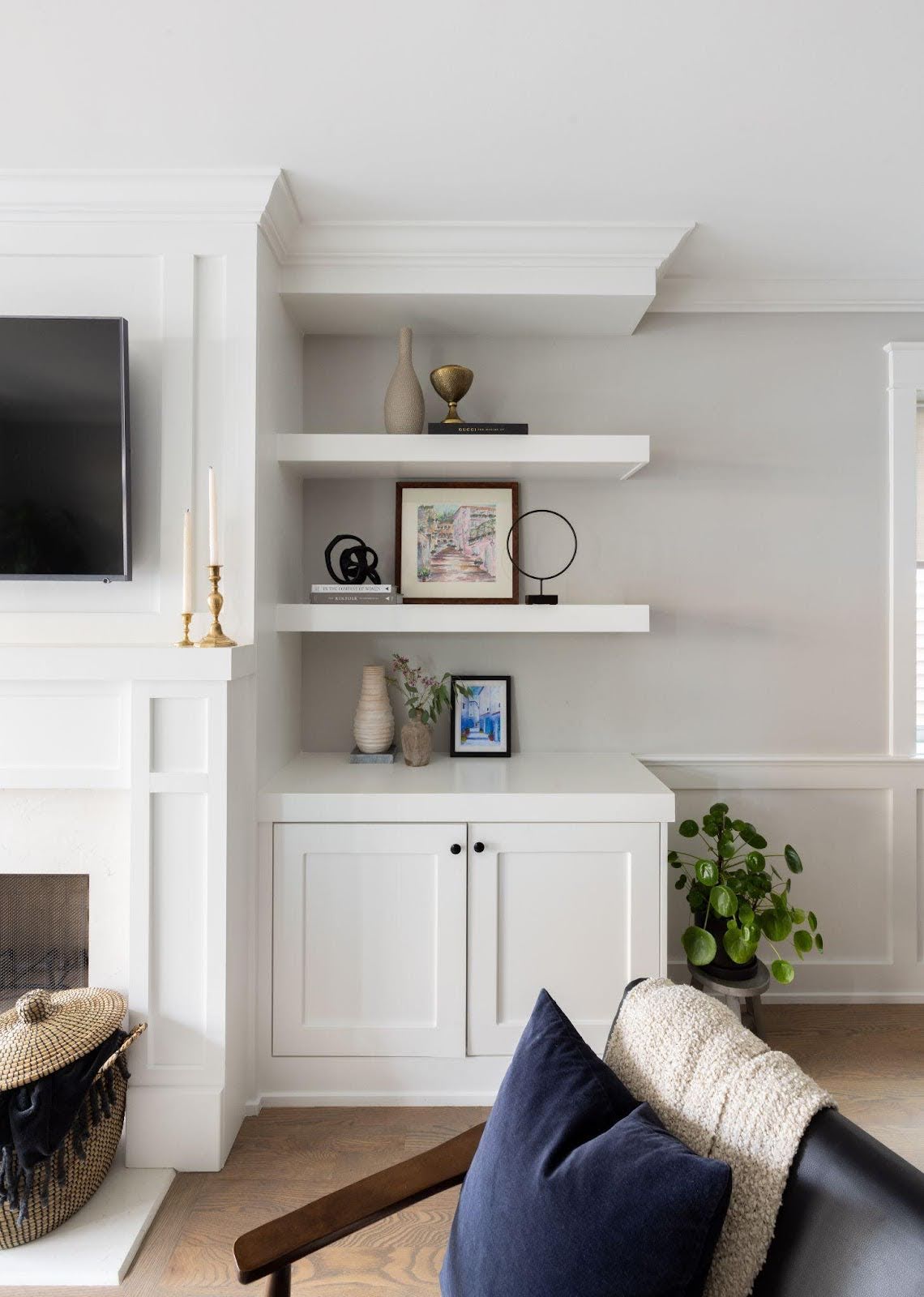

AJ: How do you balance functionality and aesthetics in your designs?
SC: Functionality is always the foundation. A space can be beautiful, but if it doesn’t work for how my clients actually live, it’s not doing its job. No one wants to tiptoe around a sofa or worry about messing something up. I focus on thoughtful layouts, durable materials, and smart storage — all things that make everyday life easier without compromising style.
Once the practical pieces are in place, I layer in the aesthetics: color, texture, and personality that reflect the client. The goal is always a home that feels elevated, lived-in, and completely unique to them.
AJ: What’s your design pet peeve?
SC: Oh boy, where do I begin? Let’s just say there are a few things I tend to lovingly nudge my clients away from…
Too-pretty-to-touch decor. If you’re afraid to use your own living room, something’s off. Design should support your life, not get in the way of it.
Matchy-matchy furniture sets. A little variety goes a long way. Spaces feel more lived-in and layered when everything isn’t from the same showroom floor.
Rugs that are too small. If your rug is floating in the middle of the room and your furniture isn’t even touching it, it’s time for an upgrade. A properly sized rug can completely change how grounded and intentional a space feels.
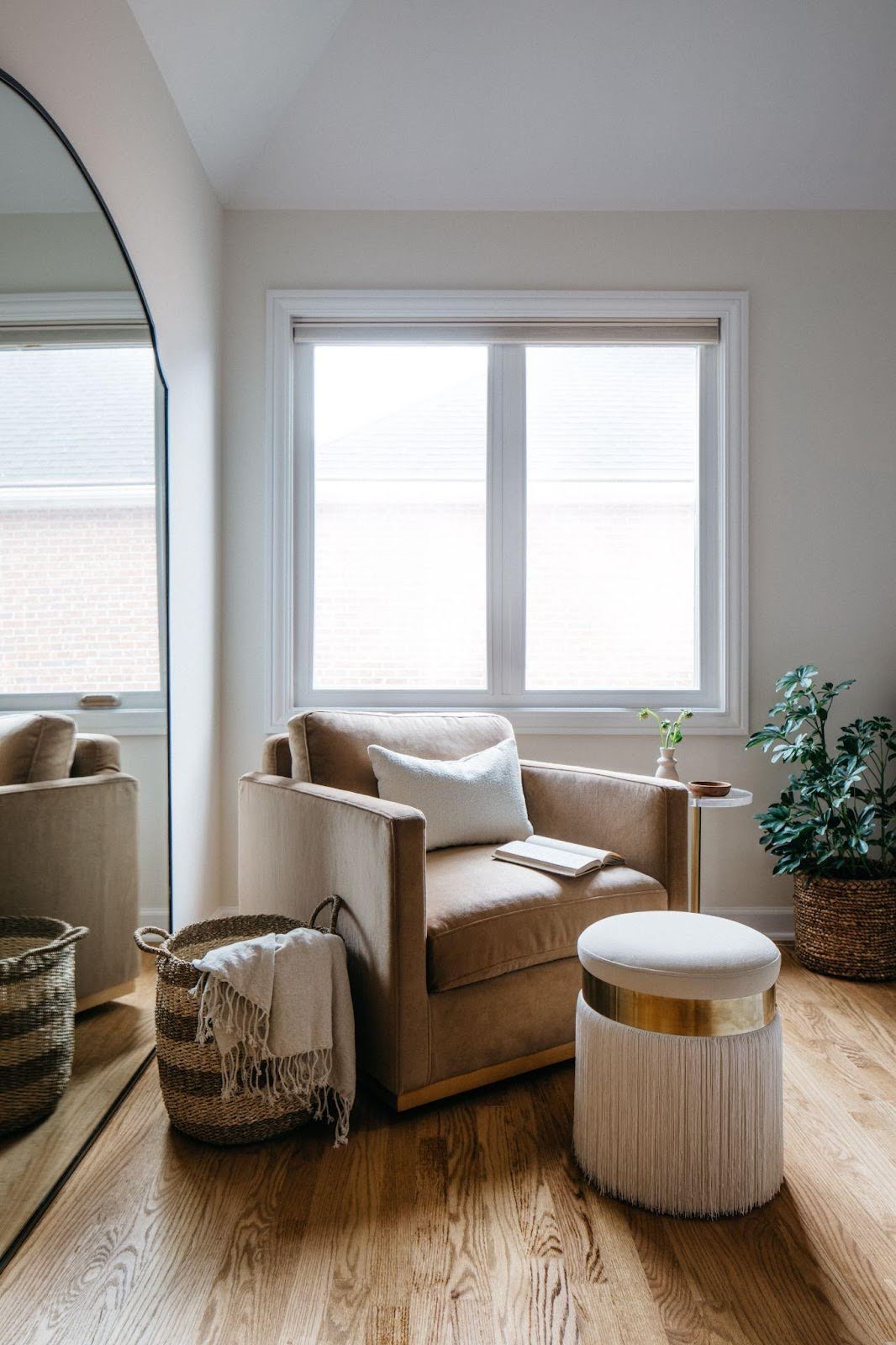
AJ: What are the most important skills for a successful designer?
SC: A successful design starts with really listening and understanding the client and how they live, what they love, and what feels like home to them. The most beautiful space won’t work if it doesn’t reflect the person living in it.
Organization and documentation are just as essential. There are so many moving parts in a project, from measurements, timelines, budgets, sourcing, and keeping all those details clear and accessible keeps things on track and reduces stress for everyone.
And of course, originality. Great design isn’t about copying what’s trending — it’s about creating something personal, functional, and beautiful. A successful designer can pivot, troubleshoot, and still bring the vision to life.
Like what you see? Get it first with a subscription to aspire design and home magazine.