


As we fully embrace the warmer weather ahead, aspire design and home has turned to our trusted design community for tips on bringing the outdoors in. Hear from 26 design professionals below.

Sophie Goineau | Sophie Goineau Design
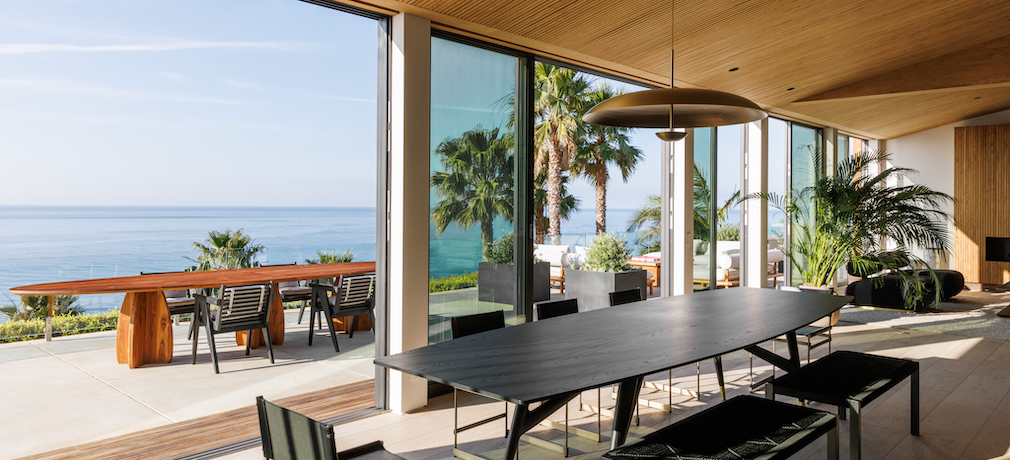
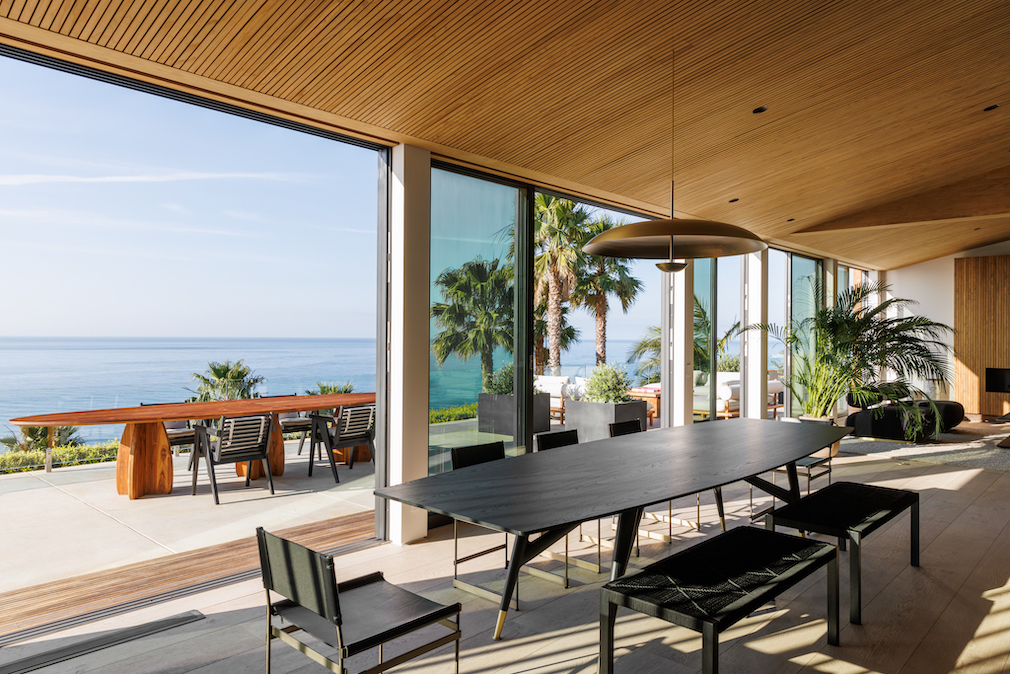
My aim is always to exteriorize the interior and interiorize the exterior to create a continuous dialogue between landscape and architecture. I treat the surrounding world as a living courtyard — mountains, gardens, even avenues — each one acting as an extension of the home’s soul.
Every room is conceived as part of this relationship: open sightlines, soft transitions and materials that echo the terrain. I tend to work with a mineral palette — concrete, dark lava, sandstone, corten steel, silvery lichen, moss textures and tones shaped by time and softened by the seasons. The furniture and millwork are intentionally responsive, chosen for their natural tactility, weathered surfaces and organic form.
Lindsay Olson | Lulu Designs
I love bringing the spirit of spring into everyday living by incorporating nature’s color palette into the home. Whether by the beach or in the clouds, I use color to create a seamless connection with the season. Color drenching a space in these natural hues helps it feel immersed in the beauty of the outdoors, making the transition into spring feel effortless and refreshing.

Renee DiSanto & Christina Samatas | Park & Oak
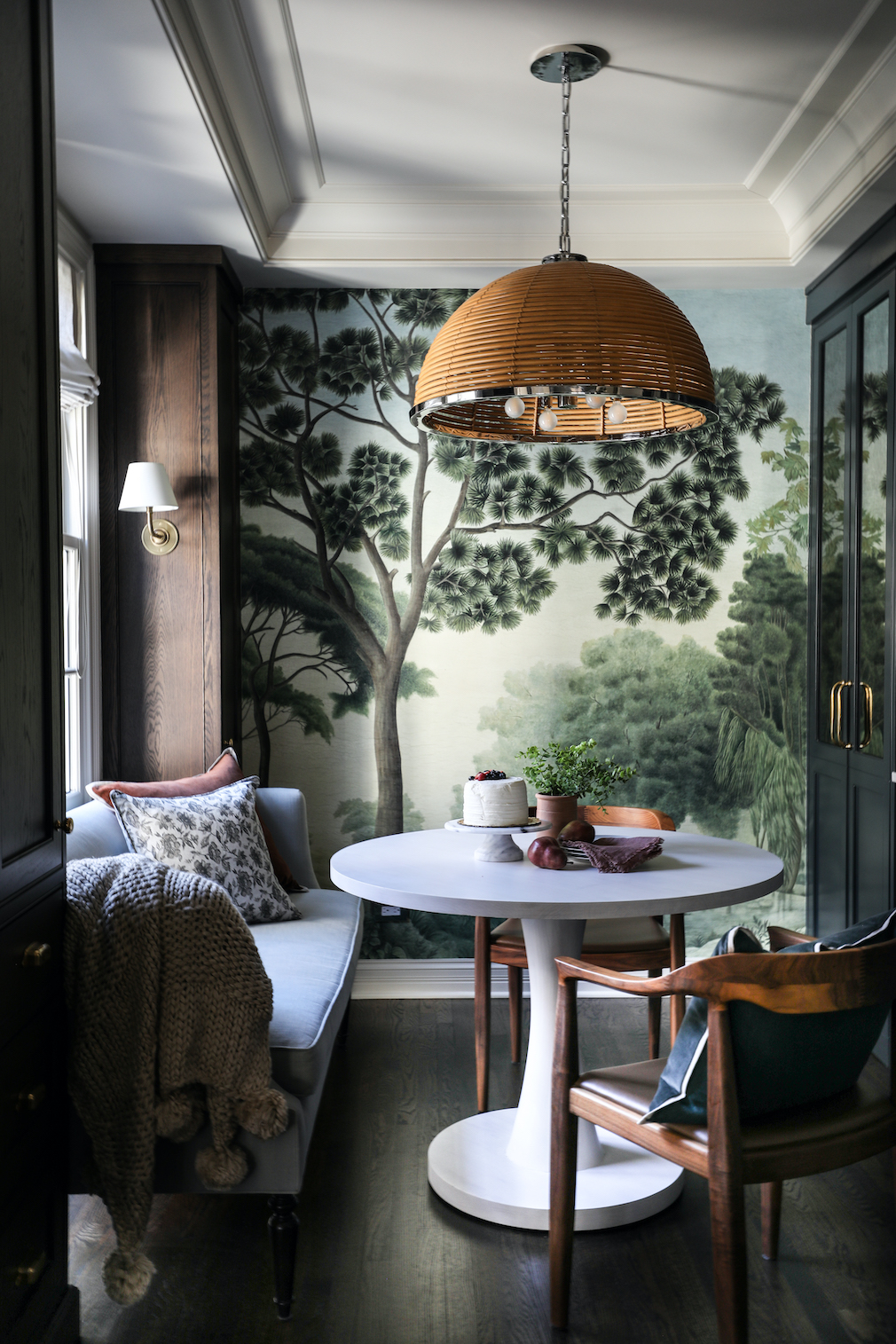
Bringing nature into the home is all about embracing the organic beauty that plants provide. They bring life into any room, offering vibrant color, especially the calming greens, and unique textures that elevate the space. Nature has a way of making people feel happy and grounded, turning a house into a true sanctuary.
Theresa Butler | Theresa Butler Interiors
One of my favorite ways to incorporate nature into a home is by maximizing natural light and integrating houseplants into the environment. Maximizing natural light not only brightens the space but also strengthens the connection between the indoors and outdoors. This can be achieved by using light-reflecting surfaces, such as glass or mirrors, or opting for sheer, lightweight window treatments that provide privacy while softly filtering light into the space.
With ample natural light, houseplants can thrive, making them an easy way to improve air quality and add natural beauty. A statement plant, such as a fiddle-leaf fig or rubber plant, can create a bold focal point in living rooms or entryways. Hanging or climbing plants, like ivy or string-of-pearls, introduce vertical interest, while an indoor herb garden brings fresh greenery and convenient access to culinary ingredients.

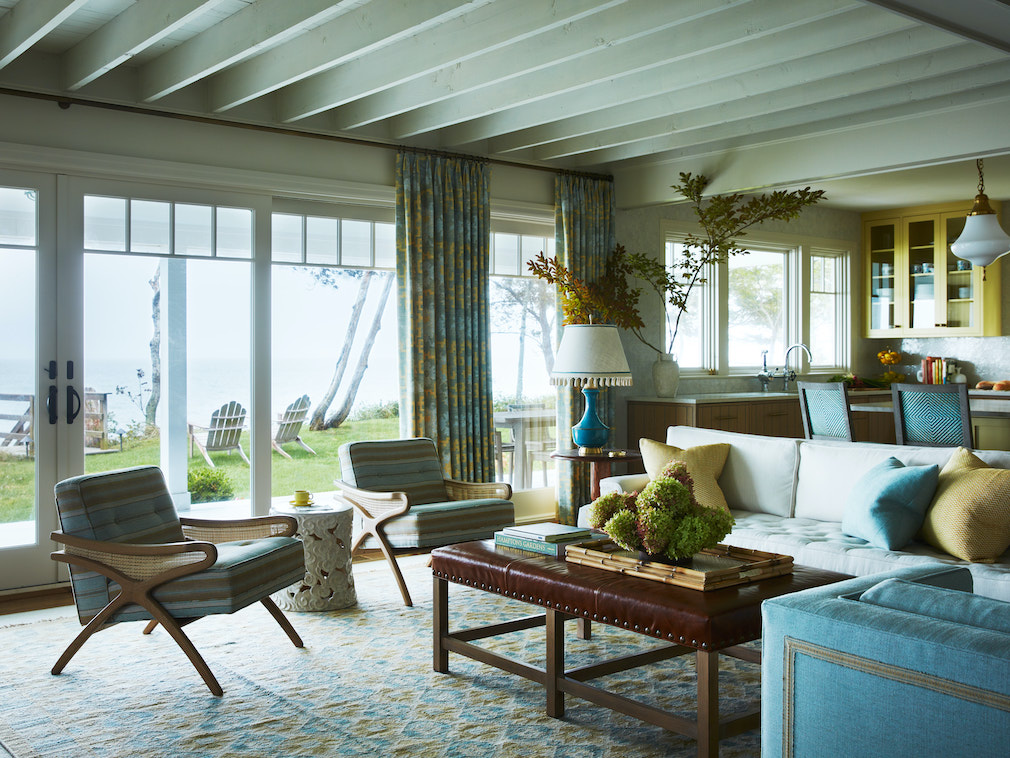
Photo by Tim Lenz
Gideon Mendelson | Mendelson Group
COLOR: Shades like terracotta, mustard and rich greens, complemented by natural materials such as wood and stone, create an inviting, grounded atmosphere that fosters a deeper connection with nature.
PATTERNS: Pick one pattern and a few solids to complement, and incorporate something from the outdoors to evoke a natural feeling.
OUTSIDE VIEWS: In this Hamptons home, the views from the living room are spectacular which inspired the living room palette of blues and greens. We also wanted one room to really feel like it connected to the landscape, which resulted in the garden room! (Utilizing the Cole & Sons Botanical Fern wallpaper.)
Kelee Katillac
Spring is about the return of light and rebirth of color. In my book, Historic Style, we look into how to incorporate the springtime gifts of light and color into our surroundings using a variety of materials. Clear vessels, crystal chandeliers, plates of historic window glass, cloche domes and acrylic chairs invite us to “see through” to the outside and allow the light to come to us and illuminate our thoughts.

Andrea Goldman | Andrea Goldman Design
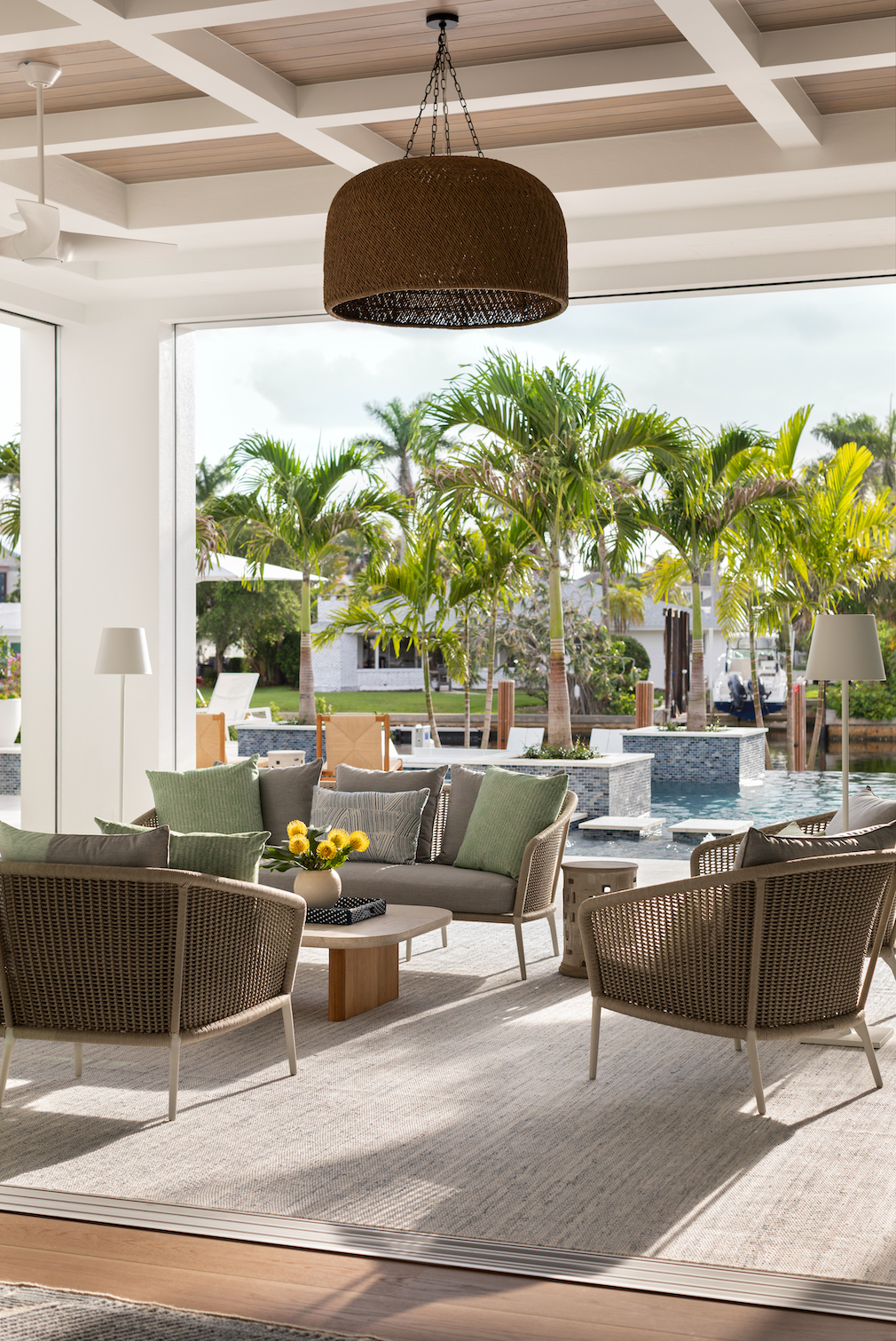
One of our favorite ways to incorporate nature into our designs is by allowing indoor spaces to flow into the outdoors, as seen in our Naples, Florida, project. The main floor of this project was designed as an open living area, which serves as the focal point of the home and seamlessly extends to the outdoors with an elevated blue and green color palette that carries all the way through both spaces. This fluid transition into the outdoor space creates an opportunity for families and friends to come together and enjoy nature within this luxurious haven. When sourcing for the project, we opted for pieces that brought in natural materials to continue that indoor/outdoor feel, as well as nature-inspired fabrics from Christopher Farr Cloth, Schumacher and Perennials.
Brittany Farinas | House of One
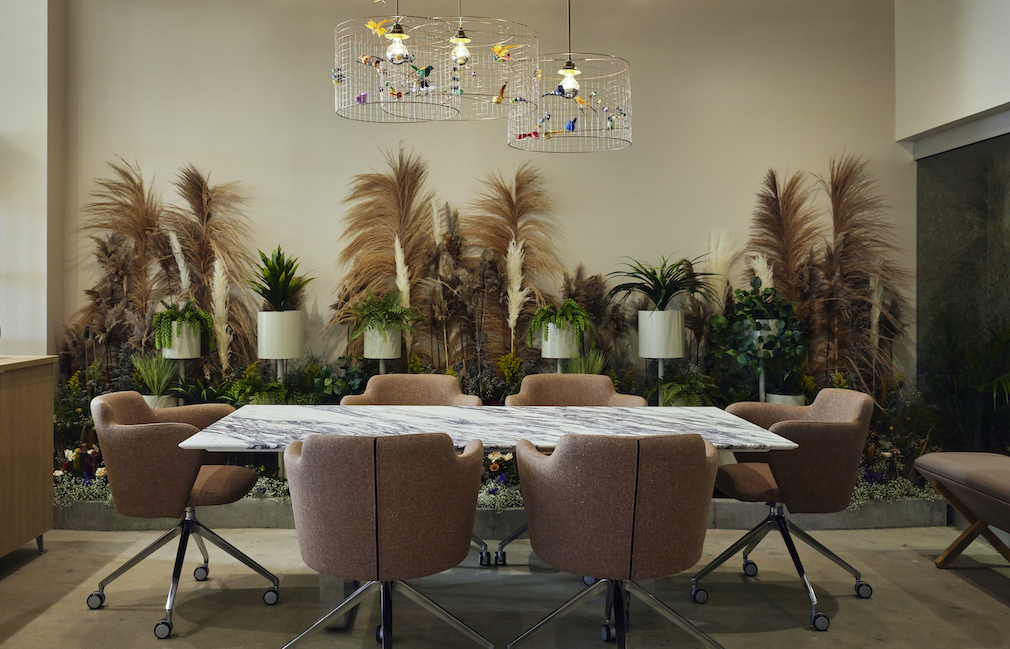
We love incorporating botanical art into our interiors, especially silk florals that infuse a space with the vibrancy of nature here in South Florida. Not only do they add color and texture, but they also spark conversation and bring a sense of joy to the home. For clients who travel often, high-quality silk or wax florals offer the beauty of nature without the maintenance.

Nevins Showroom, interiors by Kuchar
Sarah Kuchar | Kuchar Studio
Incorporating natural elements like plants, sunlight and organic materials into a space fosters a sense of well-being, reduces stress and enhances productivity. Whether implemented through living walls, natural wood finishes or large windows that invite the outdoors inside, or by creating meaningful connections to space and place, biophilic design brings the beauty and tranquility of our surroundings into our homes and built environments.
While incorporating nature can be done literally, you can also consider symbolic representation and motifs. The attributes here are botanical and animal motifs, columnar supports, arches, vaults and domes, biomimicry modeled on biological entities like fractals (patterns that repeat at different scales), and shapes like tree branches or animal forms. This is a great alternative depending on the locale and what homeowners have access to.
Kristyn Harvey | Kristyn Harvey Interiors
I love to incorporate nature into the home by taking colors in the natural surroundings of the home and bringing them into the color palette of the design. We work mostly in coastal areas with sandstone as the prevailing soil type so we incorporate jute textures in rugs, warm woods and sand-colored fabrics to mimic the natural color of the sandstone. We also always incorporate live plants in our designs as another way to bring nature in.

Heather Weisz | HW Interiors
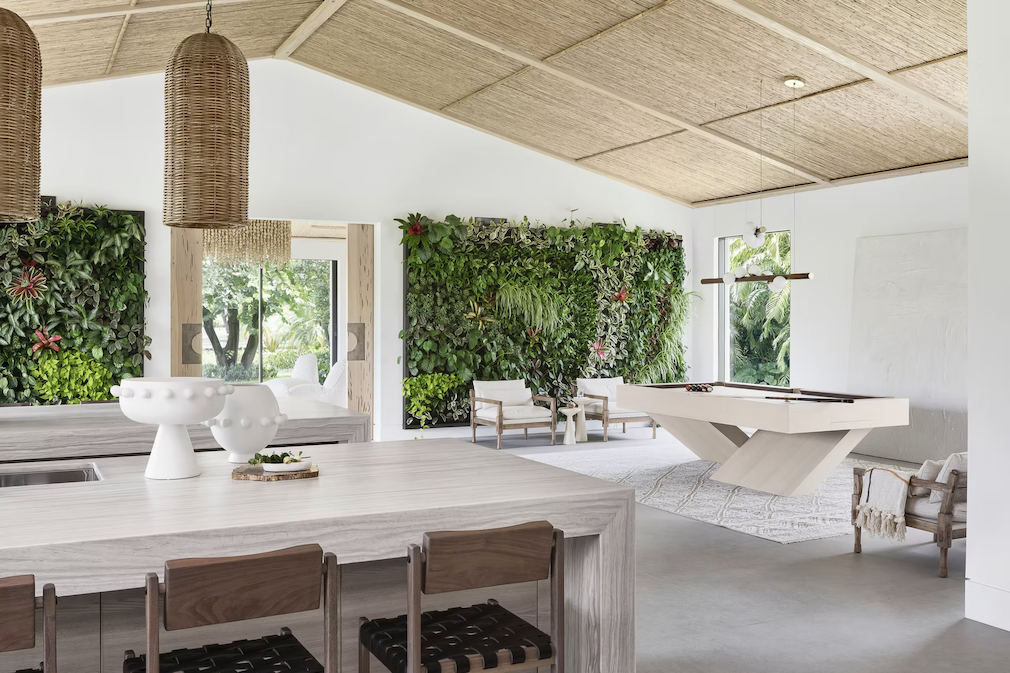
Designing this zen retreat was a dream and the perfect way to incorporate nature into this space! The oversized vertical gardens serve as a stunning living art installation, bringing texture, vibrancy and an organic touch to the space. With pocketing doors seamlessly blending the indoors and outdoors, this sanctuary embraces nature at every turn — featuring a plunge pool, tropical gardens and secret daybeds suspended from breathtaking banyan trees. Every detail of this space is designed for restoration and pure tranquility and is truly a sanctuary harnessing the outdoors seamlessly.
Spring is all about renewal, growth and fresh energy, and bringing in elements like living walls into a home instantly brings life to the space!
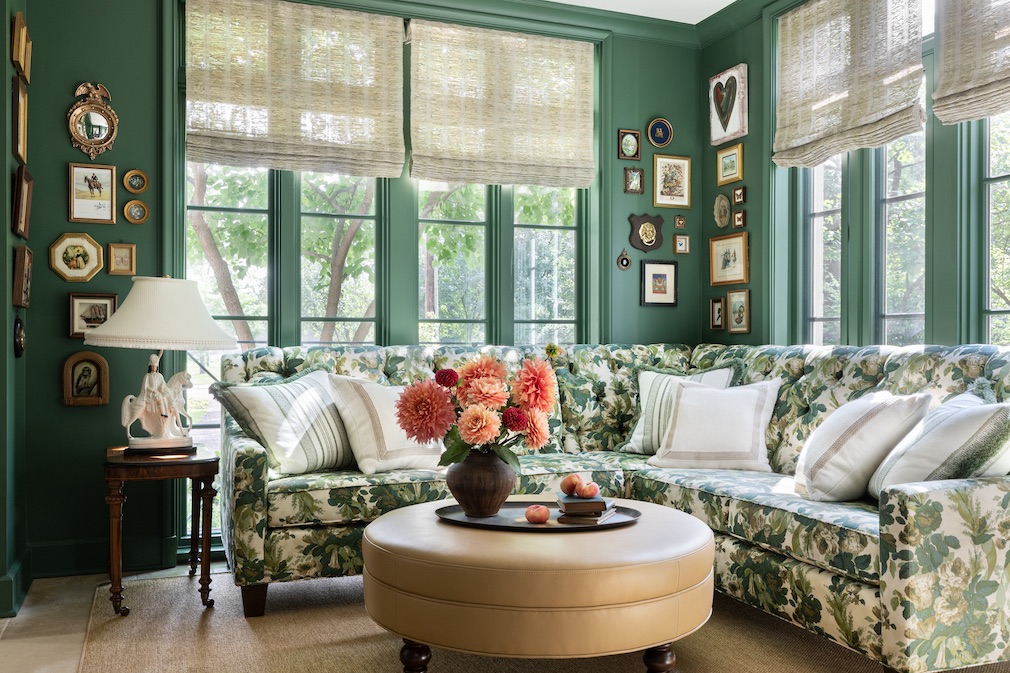
Photo by Aimée Mazzenga
Alexandra Kaehler | Alexandra Kaehler Design
I love using a color palette inspired by the outdoors. Using different shades of green, like you would see in nature, can bring such warmth and versatility to a space. I tend to incorporate green in most of my projects because it almost reads like a neutral, bringing the outdoors in. You can use a soft sage green to create a quiet, serene space, or go bold with an emerald for a more dramatic feel.
Marie-Jo Bouffard | JFY Designs
Biophilic design is certainly having a moment, but at its core, it’s a design philosophy that is inherently timeless. In Japan, for example, the art of intersecting nature, architecture and design, has developed over millennia. But don’t let the terminology intimidate you, bringing the outdoors in is something within everyone’s reach, and it’s always a good idea, whether biophilia is trending or not.
Prioritizing natural light and framing views are a main tool of biophilic design and architecture, but that is not always an option, if you live in the city, for example. Cladding select walls in natural materials, such as wood or grasscloth wallpaper makes for a design that is both classic and organic. For the ultimate substitute, a wall mural has the power to bring a natural, peaceful scene right into your home.
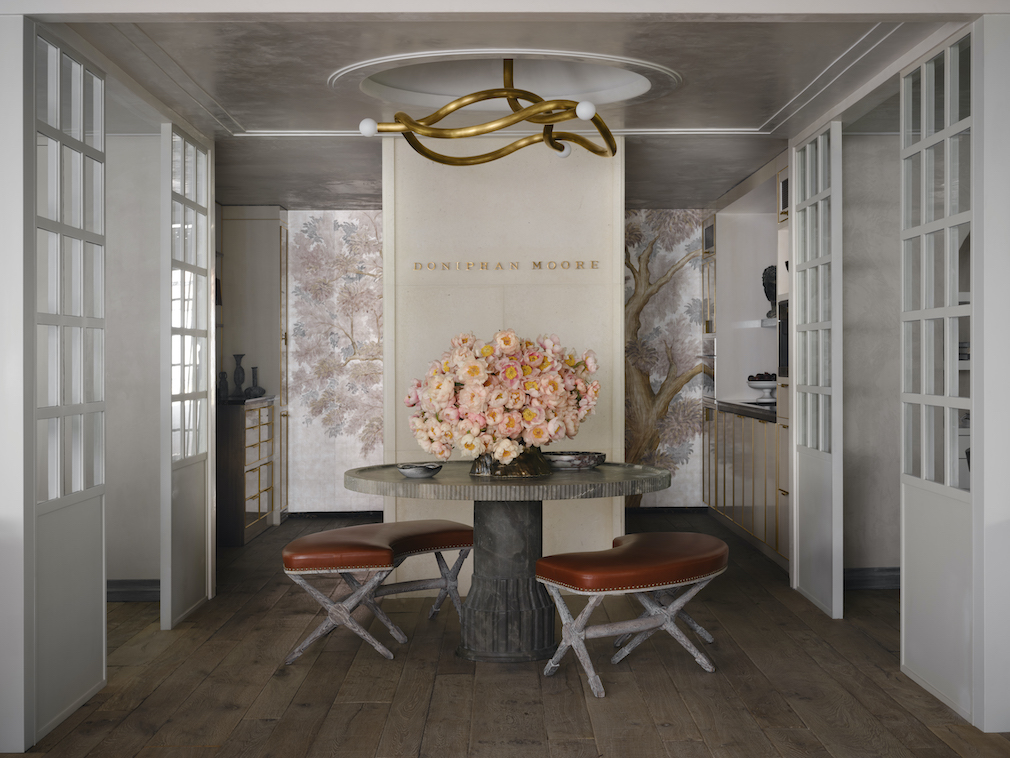
Photo by Douglas Friendman
Doniphan Moore | Doniphan Moore Interiors
Gardening, outdoor chores and time spent outside help blur the line between indoor and outdoor living. I love a mass of daffodils in spring, refreshing planters, cleaning your windows and small touch-ups like a fresh coat of paint. Scent is another way to embrace the season — lighter, floral-inspired soaps and candles instantly brighten a space. Swap heavy throws for airy neutrals — I love Rosemary Hallgarten or Sandra Jordan throws. Restyle your bar cart with indoor-outdoor glassware, throw a pretty tablecloth on the table and plan a garden party to fully welcome the season.
Alice Arterberry & Barrett Cooke | Arterberry Cooke
We are lucky to work in two places that allow mixed indoor and outdoor living for a majority of the year. Both our Los Angeles and Austin offices work to integrate large openings and different types of doors (bifold, pocketing, sliding), covered patio spaces and view to the outdoors. On the interior, we play with different colors and motifs to bring a seamless transition from the outside to the inside.
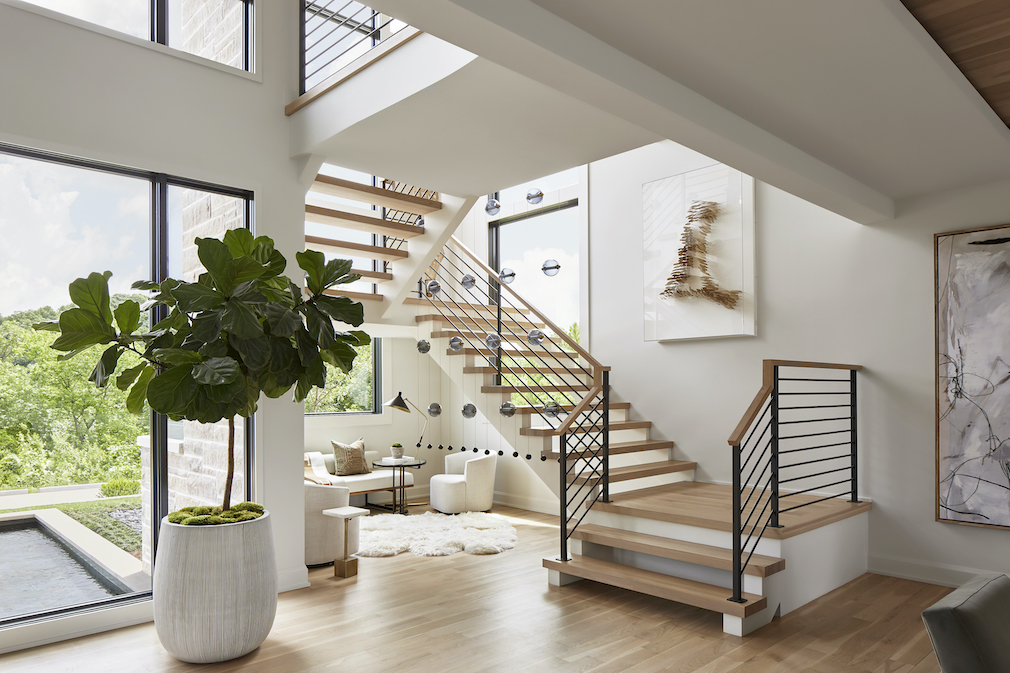
Photo by Zeke Ruelas
Brad Ramsey | Brad Ramsey Interiors
Biophilic design, the art of bringing the outdoors in, can be achieved with abundant greenery, natural textures and maximizing natural light. Incorporating live plants not only enhances decor but also improves mood and air quality. Botanical prints, woven textures and natural wood accents further strengthen the connection to nature, creating a warm, organic ambiance. Maximizing natural light through large windows, sheer curtains and strategically placed mirrors keeps interiors bright and refreshing. Fresh-cut flowers and earthy scents help complete the experience.
Jessica Nicastro | Jessica Nicastro Design
I love bringing nature into a home through greenery and natural materials. A tree in a carved stone vessel is one of my favorite ways to add organic beauty and timeless elegance, perfectly capturing the fresh, rejuvenating spirit of spring.
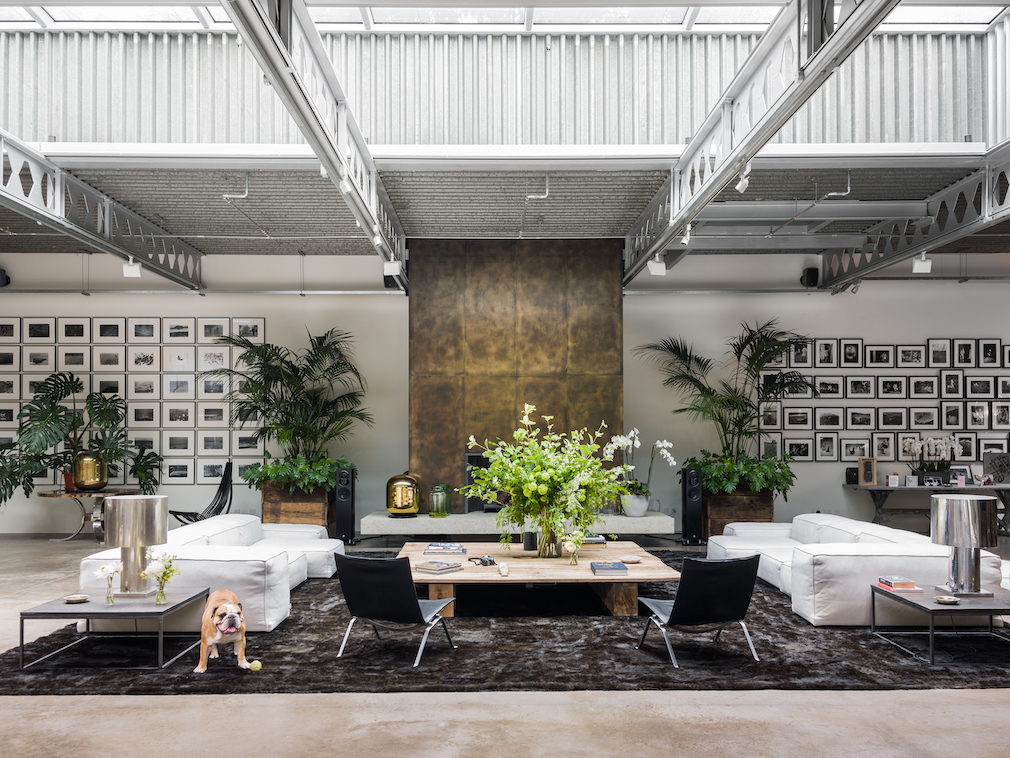
Photo by Jeremy Wilson
Marianne Tiegen | Marianne Tiegen Interiors
As a former flower and garden designer, incorporating nature into a home has always been essential to me. While potted plants are a great way to bring the outdoors in, they’re not always suitable for every interior. Cut flowers, on the other hand, are always appropriate — year-round! One arrangement can be lovely, but multiples of the same theme create a stronger narrative and truly reflect the seasons.
Danielle Chiprut | Danielle Rose Design Co.
A more obvious way to incorporate nature into the home is through fresh greenery. I love to add live plants, branches or even a simple bowl of citrus on the counter. You can also restyle your shelves and coffee table, edit out the excess for a cleaner look and introduce natural elements like woven baskets, ceramic vases and textured glass. I would also swap out heavy winter textiles for natural textiles that are lighter and breathable like linen and cotton.


Laura Lubin | Ellerslie Interiors
Spring is all about fresh starts, and I love bringing that feeling into my home in simple, natural ways. Live plants are a must! I have greenery in almost every room, whether it’s a small potted plant on a shelf or a larger one in the corner. There’s just something about having living things around that makes a space feel vibrant and inviting. I also love incorporating natural textures, like linen throw pillows, woven baskets and raw wood furniture. They add warmth and an organic feel without being too fussy. Even small things, like opening the windows to let in a breeze or lighting a candle with a fresh, earthy scent, make a big difference. It’s all about creating a home that feels alive, in sync with the season, and just a little bit closer to nature.
Leah Bolger | Leah Bolger Design
Fresh fruit instantly adds warmth and color. A bowl of seasonal lemons, oranges or pears on a kitchen island creates a natural focal point. Choose a bowl that fits your style, whether classic white, rustic wood or hand-thrown ceramics. Styling hack: Use artificial fruit as a base and place real, fragrant pieces on top to keep your display full and fresh.
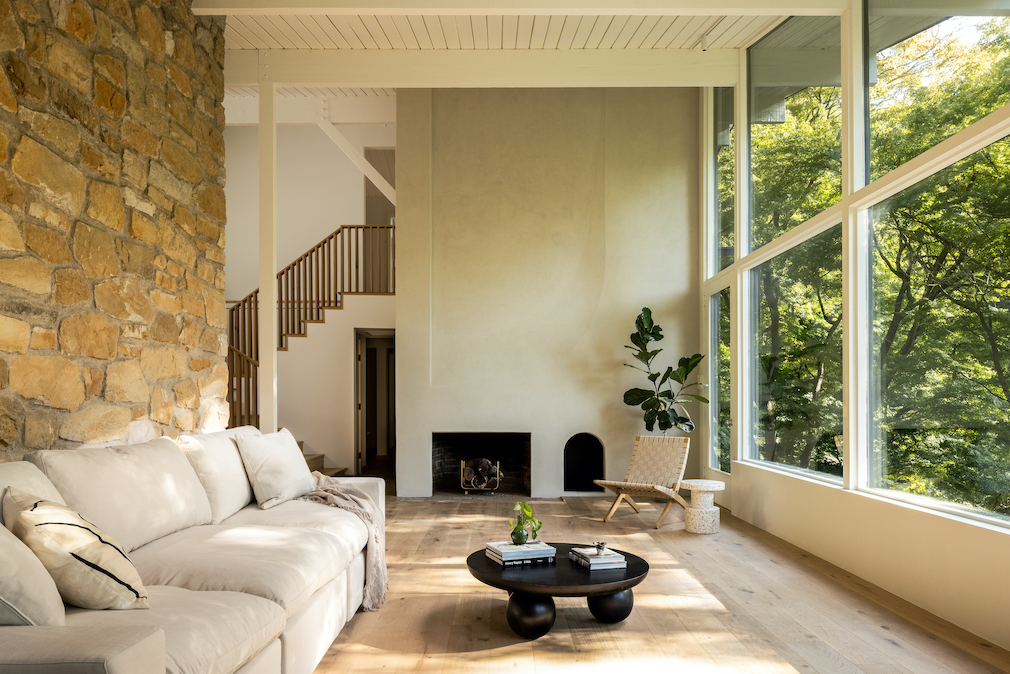
Photo by Daniel Isayeff
Lauren Thomsen | Lauren Thomsen Design
We like to use skylights and windows to bring as much natural daylight into spaces as possible. In urban conditions, where access to natural light is often a premium, we often use skylights to allow light deep into the footprint of the home.
We also use large windows and minimal finishes in a space to allow the architecture to simply act as a frame for an incredible natural view. We find nature to be an ever-changing and calming element, and allowing as much nature “into the home” as possible is a strategy that really resonates with our clients.
Lastly, in addition to bringing nature into a home, we often extend the living spaces out of the home, into nature. Exterior living spaces are an incredible way to expand the footprint of usable space in a home, even when in a dense environment. Pergolas, hardscape elements, and well-curated gardens can define spaces within a landscape and make them feel very much like an architectural extension of a home.
Deborah Sauri | TriVistaUSA Design + Build
Rooms with beautiful outdoor vistas and plenty of natural light, such as a screened porch or sunroom, provide the best environment for bringing the outdoors inside. One’s mood is elevated when you can take in breathtaking views of nature and flood a room with sunshine.
Alex Thies | Adelyn Charles Interiors
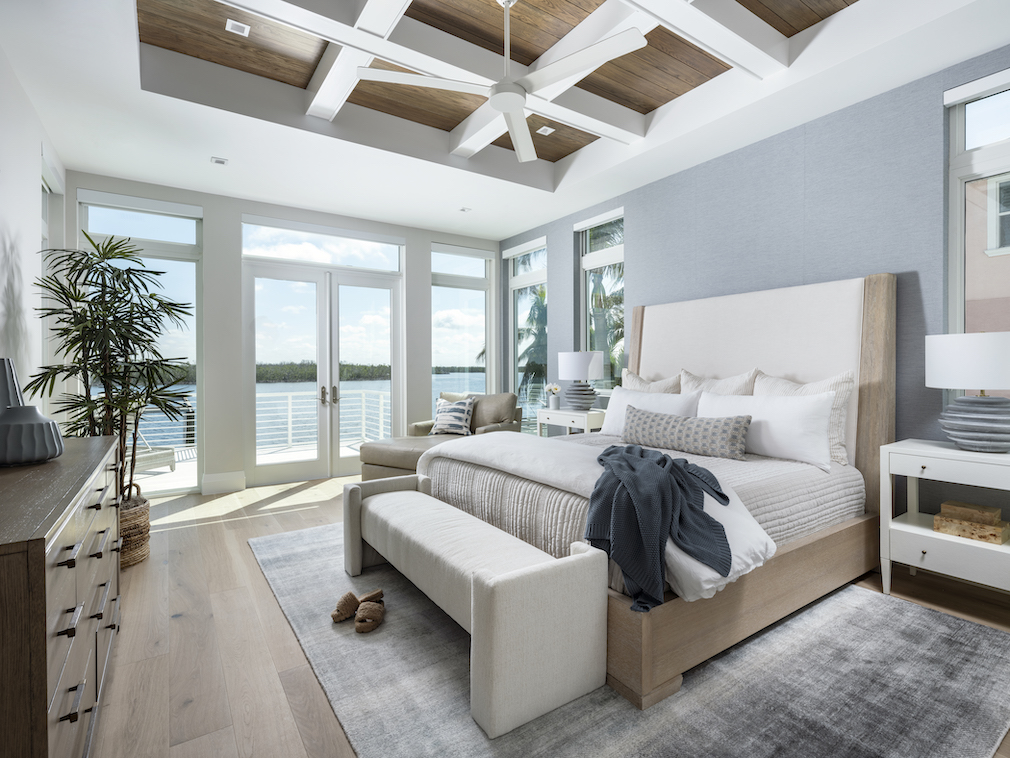
A great way to bring the outdoors in when designing a space is to take inspiration from the natural backdrop beyond your windows. In this primary bedroom, we installed seamless roller shades mounted inside the casing of the windows to keep our openings as clear as possible, allowing the blues of the bay and sky to pour into the room. We continued this palette in a textured blue grasscloth on the headboard wall, and in pops of various tones of blue throughout the space, grounded in warm oak floors and ceiling trim. An intentionally placed tree in the corner of the room completes the transition to where the bedroom feels like an extension of the bay and foliage beyond the glass.
Elisa Binger | Anthony Wilder Design/Build
Faux florals and plants are one of my favorite ways to incorporate nature into the home. You get all the benefit of beautiful foliage year-round without any of the upkeep.
Like what you see? Get it first with a subscription to aspire design and home magazine.