


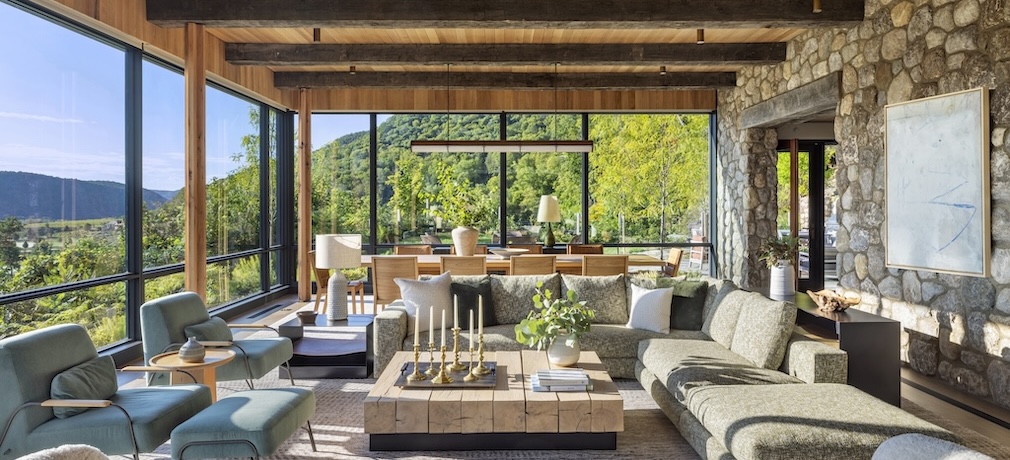
As the air is warming, the light is lingering and gardens are coming alive, it’s the perfect time to refresh your space with a little help from the natural world. From biophilic patterns and organic materials to live plants and cut flowers, see how these 32 design professionals are making spring’s rebirth part of everyday living.

Photography by Claire Esparros
Gala Magriñá | Gala Magriñá Design
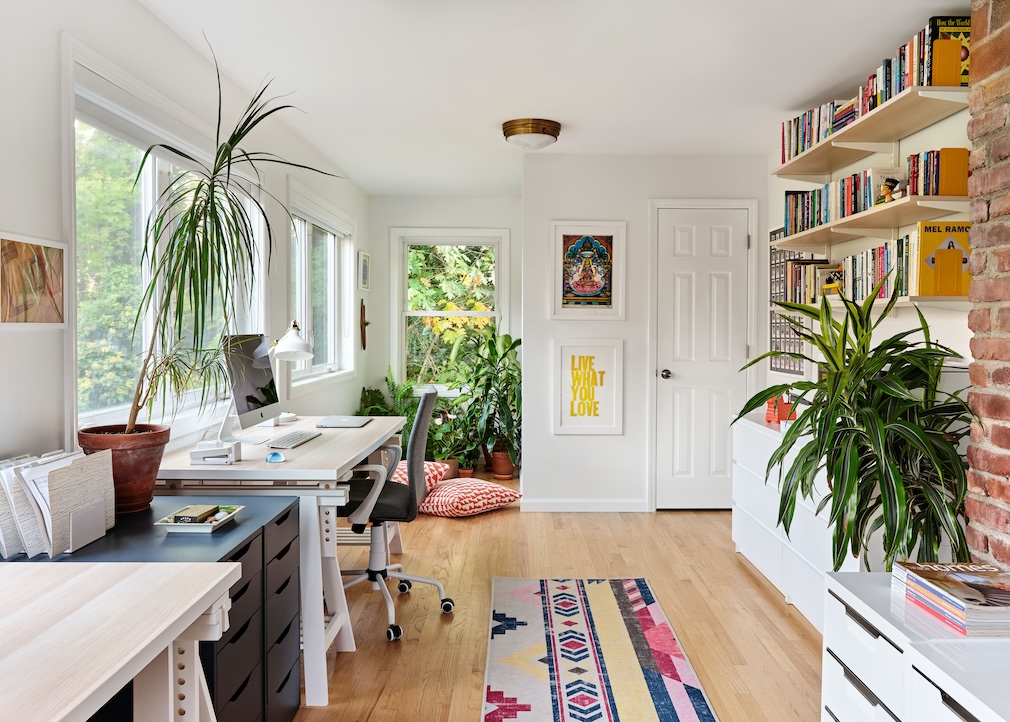
Incorporating nature into the home is key to creating a space that supports well-being. I always bring in live plants — not only do they look beautiful, but they purify the air and boost mood. I also love using natural materials like wood, stone and jute to create a connection to the outdoors.
Anthony Scott | Havwoods
Incorporating nature into the home is essential for creating a calming space. Given that the average American spends 90 percent of their life indoors, the materials we select for our environments matter significantly. Adding wood flooring to your home is an excellent way to connect directly with nature underfoot, as hardwood flooring has been shown to reduce stress levels. Lowering blood pressure and heart rate can improve focus, boost emotions, enhance creativity, speed up recovery times and decrease pain perceptions — all of which can be achieved with the help of hardwood flooring.

Photography by Read McKendree
Elizabeth Bolognino | Elizabeth Bolognino Interiors
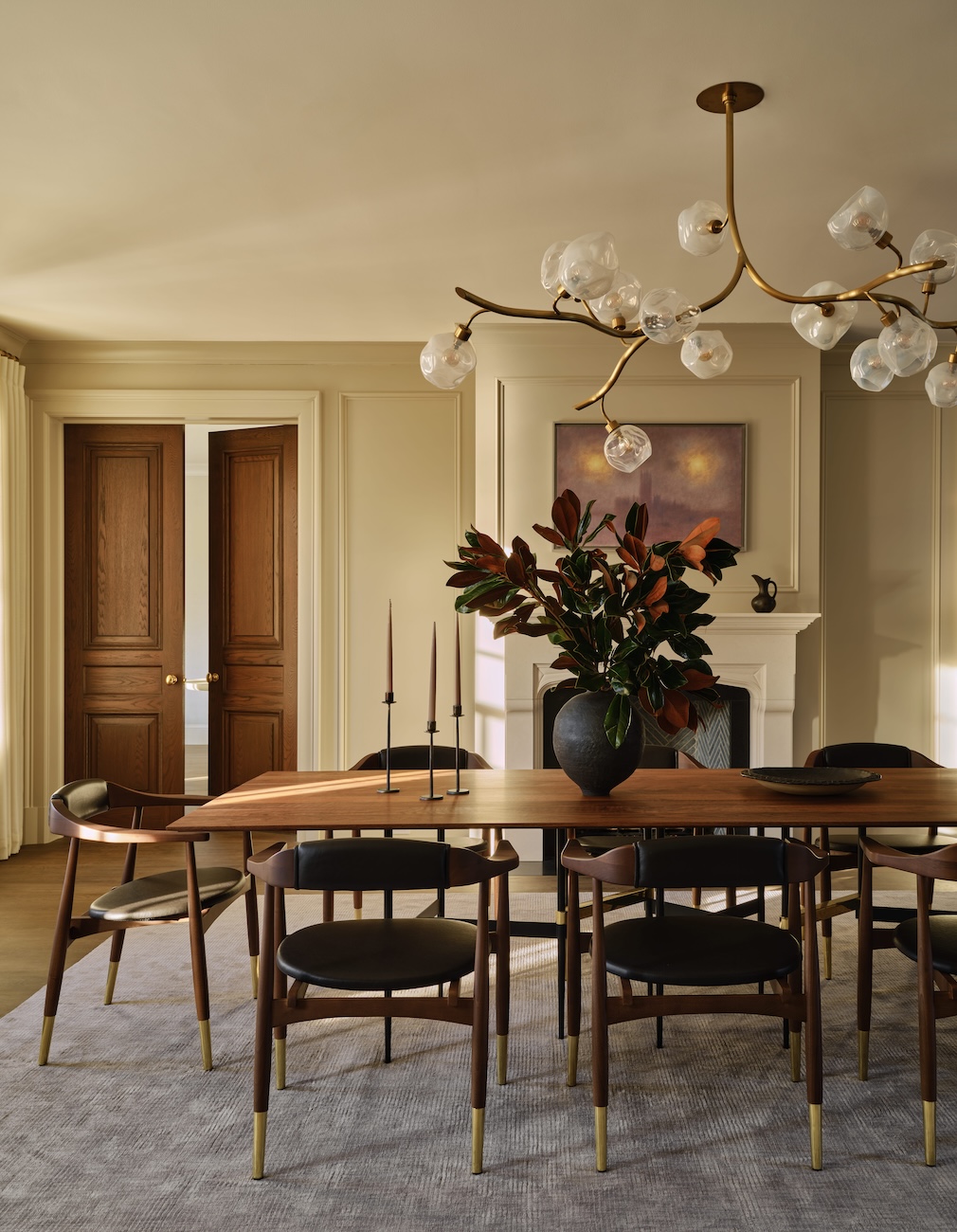
Blending natural design into custom spaces is a tenet of our design philosophy, “layered minimalism.” We accomplish this a myriad of times in each space we create, whether through natural materials in furniture, organic silhouettes or cut flowers. The most approachable way to begin to do so is to follow the seasons; right now, forsythia season is upon us, followed by cherry blossoms and magnolia.
Hannah Warden | Cult Revival
My favorite ways to incorporate nature into a home include adding fresh plants or foraged greenery to shelves and countertops, bringing the outdoors in with vibrant, living elements. I also love using natural materials like wood, stone and woven textures in furniture and décor to create a grounded, organic feel.

Photography by Ryan McDonald
Mike Shively | En Masse Architecture and Design
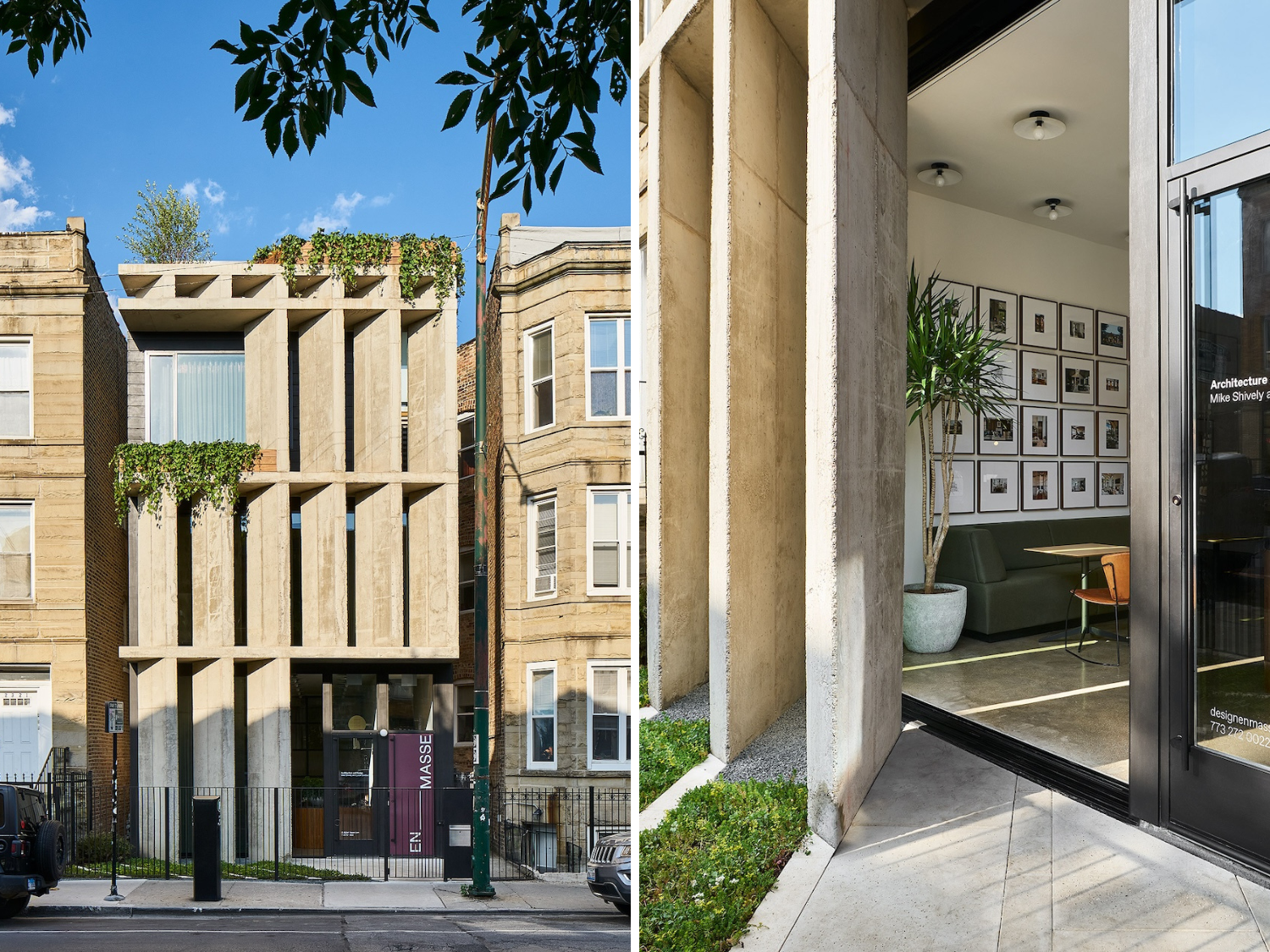
Incorporating nature into a home can be achieved through materials and design elements that respond to their environment. Take Brutalist buildings, for example — often seen incorporating biophilia today — which use raw concrete that ages naturally while integrating shading and ventilation through organic forms. A home can similarly embrace materials that evolve over time. The facade of our studio in Chicago, for instance, is softened in the warmer months with cascading greenery from planters spilling over different levels. Across various climates, architectural forms can be adapted to strengthen the connection between built structures and the natural world.
Kerith Flynn | Margali & Flynn Designs
Natural fibers like linen, cotton and wool are perfect for soft furnishings. Linen, especially, has such an airy, organic feel that works beautifully in any room. Textiles made from natural fibers also tend to wear better over time, making them both functional and sustainable.

Cean Irminger | New Ravenna
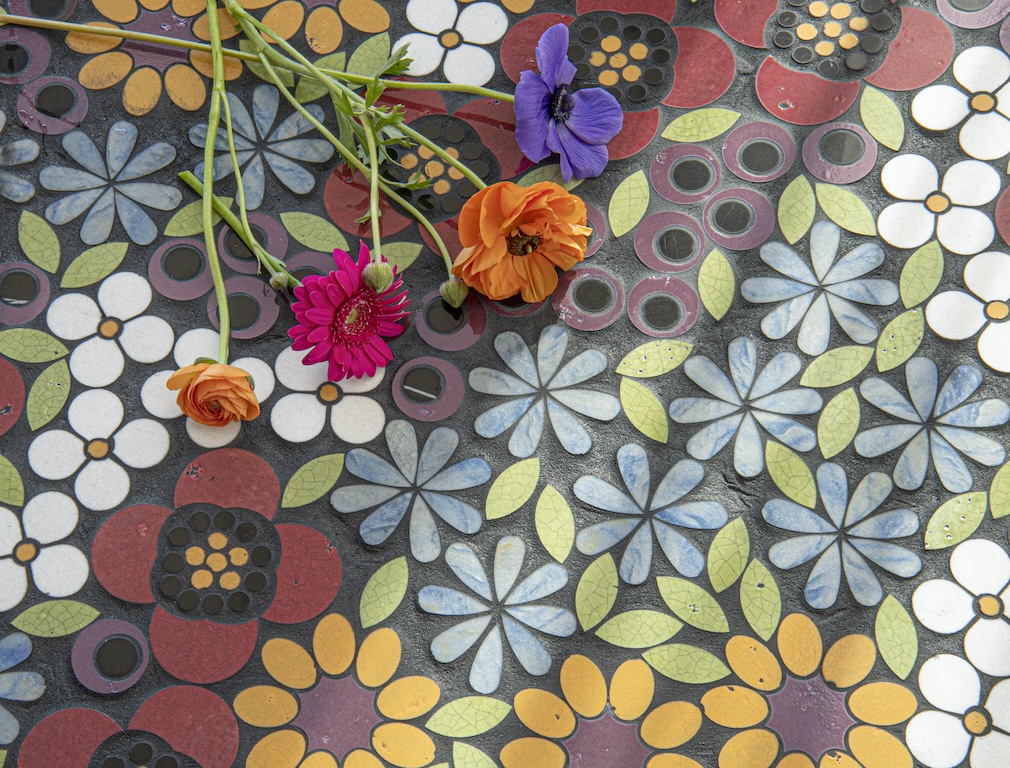
We pride ourselves in creating nature-inspired patterns that can make the viewer feel as if they are stepping into a landscape. Our Wildflower mosaic was designed to create a personal meadow for the homeowner. Using natural marbles and basalto, we place our flowers in a harmonious, never-repeating pattern that draws the eye around the space.
For those minimalists out there, texture and color can be a more nuanced way to bring the essence of the natural world into a living space. By using tumbled or honed textures in an earthy palette, the viewer can connect to the outside world through sight and touch, while avoiding the more specific direction of an all-over botanical pattern. Our Reptile or River rock patterns are great examples of this principle.
Sarah & Rebecca Goesling | Goesling Group
Incorporating nature into a home isn’t just about aesthetics — it’s about embracing the organic rhythms of life rather than erasing them. Instead of treating interiors as blank slates, we can design them as living narratives, layering in materials, patterns and textures that evolve. With this in mind, we consider details that are meant to be discovered over time, such as natural fibers that soften with age, botanical prints that are revealed to the touch, and neutral hues whose earthy undertones shine in the sun. They feel like the first blooms of spring, something that emerges quietly and is worth seeking out.

Photography by Albert Vecerka-Esto
Andrew Franz | Andrew Franz Architect
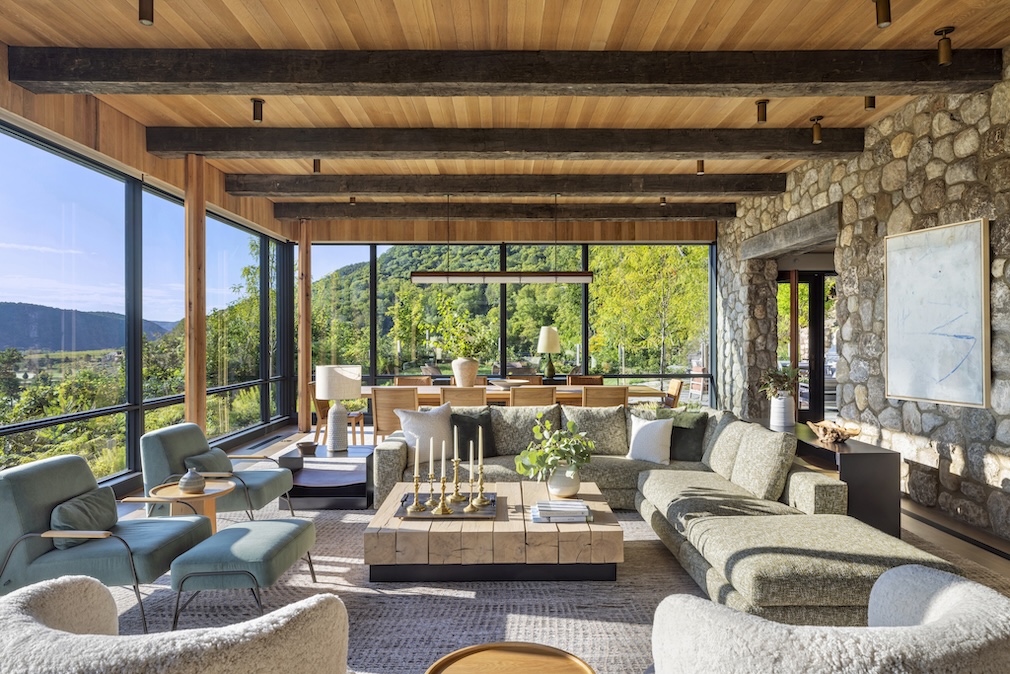
While indoor plants may be the first things that come to mind when incorporating nature into a home, our first priority is creating view corridors to the outside and using as many natural materials and nature-inspired colors and textures as possible. We prefer stone floors and countertops, wood surfaces with natural oil finishes, silk and linen wall coverings and wool carpets over synthetic materials. Natural materials have more variety than synthetics and generally age better. And most natural materials both perform and last longer! When it comes to furniture placement, we prefer to arrange furniture (and mirrors!) to strengthen visual connections to the outdoors. A simple way to make your space feel more integrated with nature may be a mirror reflecting a view or allowing in more natural light.
Lauren Lerner | Living with Lolo
Bringing nature into a home is all about making it feel fresh, organic and effortless. I love incorporating natural textures like woven rattan, raw wood and soft linens to add warmth and depth. Organic patterns in fabrics bring in that outdoorsy feel without being over the top. Of course, live plants are a must — whether it’s a statement fiddle leaf fig, a mix of succulents or an herb garden in the kitchen, they instantly make a space feel alive. If you can’t keep live plants alive, a good faux plant is a stand-in substitute. I also love maximizing natural light with airy window treatments and using subtle nature-inspired scents, like the heirloom tomato candle from Flamingo Estates, to make a home feel bright and inviting. It’s all about bringing in those little touches that make a space feel like a breath of fresh air.
Photography by Nathan Schroder
Erica McLain | McLain by Design
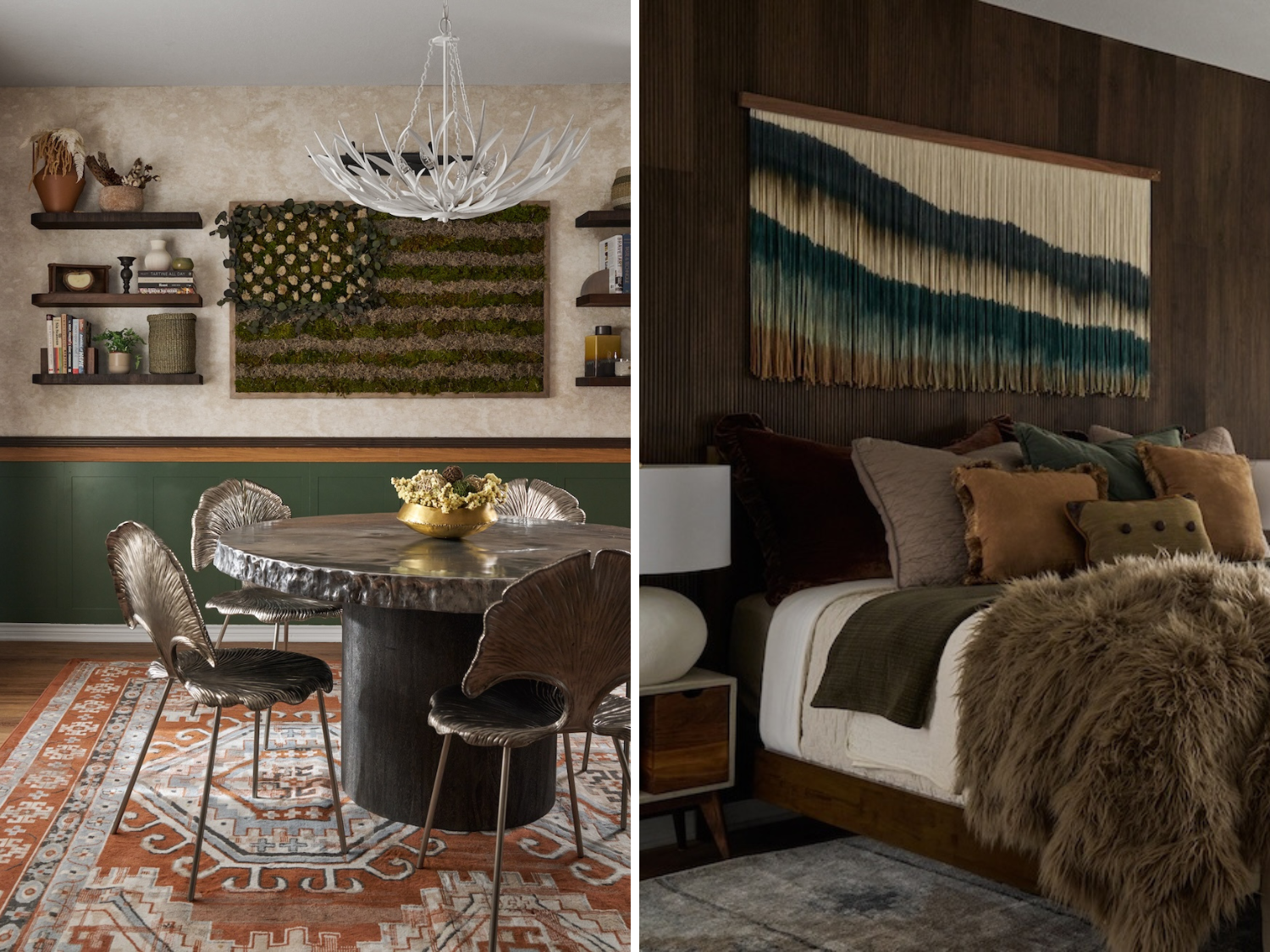
When nature is thoughtfully woven into a home, it creates an unspoken calm, a sense that everything belongs — including you. In one of my recent primary bedroom designs, we layered walnut wall panels, deep green velvet curtains and concrete side tables to evoke the stillness of a forest retreat. Above the bed, textile art — its pattern inspired by the movement of water — gently draws the eye and quiets the mind. Every detail works together to create a sense of groundedness, rest and restoration. That’s the magic of biophilic design done with intention — it doesn’t just echo nature, it supports your wellbeing in subtle, powerful ways.
And notice — these are all maintenance-free ways to bring nature in. From tactile, organic materials to art that mimics the natural world, the benefits don’t have to come with upkeep. I also love using moss art and dried botanical displays as sculptural, long-lasting ways to add a touch of the wild. They’re quietly alive with texture and presence — no watering can required.
Treana Peake | Obakki
Incorporating nature into a home can be as simple as selecting pieces that celebrate the beauty of organic materials and craftsmanship. The Large Palm Basket, woven from native palm leaves by our talented artisan partners in Mexico, offers a beautiful, functional way to introduce a natural element into any room. Similarly, the Terracotta Planter, crafted from Oaxacan clay by skilled artisan José Garcia Antonio, adds a warm, earthy tone that feels inherently springlike. I also love the delicate touch the Viviana Candle brings — hand-poured with 100% beeswax — capturing the details of the floral design, crafted by our artisan partners at Casa Viviana. These small, international choices connect us to nature in a way that is both meaningful and lasting.

Photography by Molly Culver
Jonah Kilday | MK Workshop
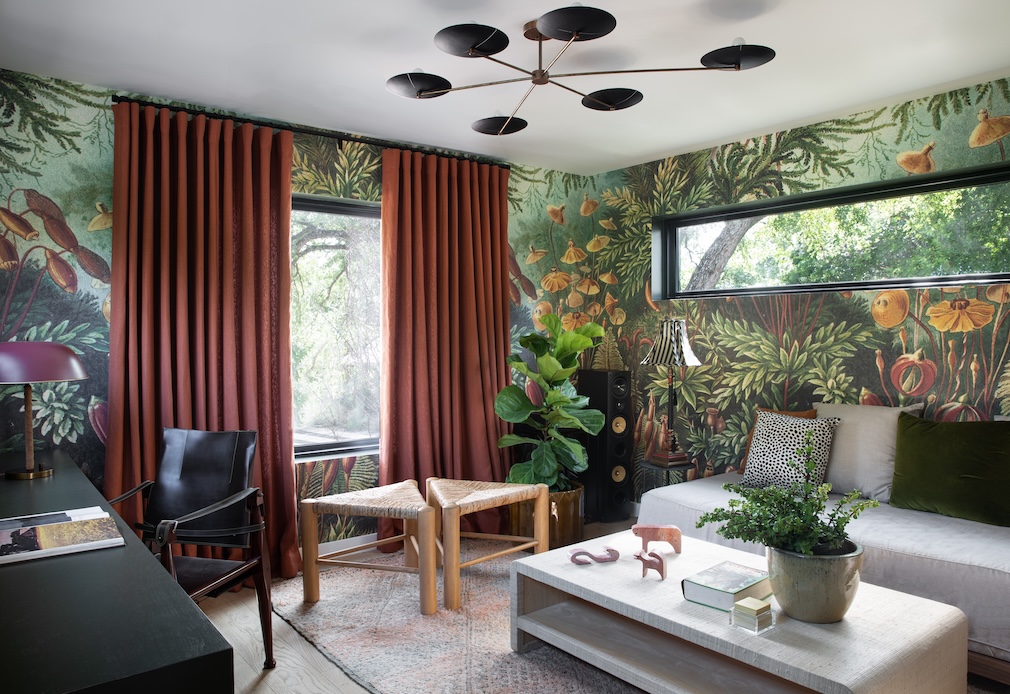
We love blending materials that invite touch, and layering them with refined vintage details is right in our wheelhouse.
Alicia Cheung | Alicia Cheung Design
When live plants aren’t ideal, I love bringing in flora and fauna through pattern. In one project, we wallpapered the upper hallway in Nobilis’ Ipanema, adding freshness and ease — without the pressure of keeping an indoor tree alive.

Jennifer Sissom | Ryan Street Architects / Ryan Street Interiors
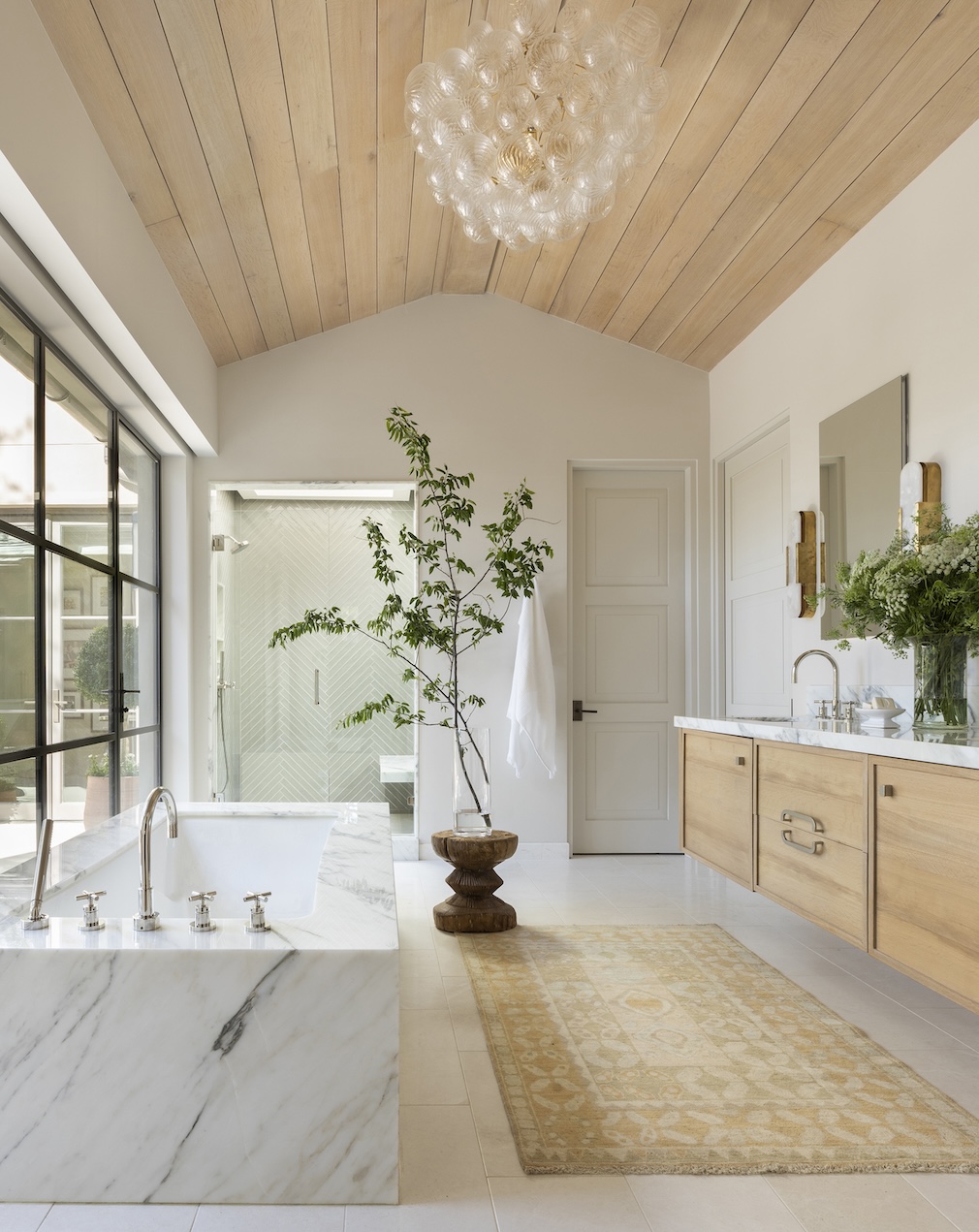
We love bringing nature in in ways that feel effortless and lasting. That might mean leaning into natural materials, such as wood, stone and linen; pieces that patina beautifully and feel grounded in their surroundings. Plaster light fixtures are a favorite for adding an earthy, textural layer. There’s something about the softness of the finish that feels both organic and refined.
As spring shows up outside, we like to reflect that shift indoors through color, fresh patterns and of course, flowers and greenery. A handful of branches in a beautiful vessel or a cluster of potted herbs in the kitchen can bring in that feeling of renewal without trying too hard.
Hillary Cohen | HCO Interiors
Nature is a grounding element that elevates our interiors by adding texture and depth. While introducing simple touches like fresh florals or plants can make a noticeable impact, I prefer to layer in natural elements for a more immersive effect. A grasscloth wallpaper or a wood table use natural materials to help add balance to a design. By incorporating the rich textures of nature, we invite depth and complexity into a space, fostering an environment that feels both grounded and alive.

Photography by Oliver Jaist Fotografie
Tobias Petri | Holzrausch
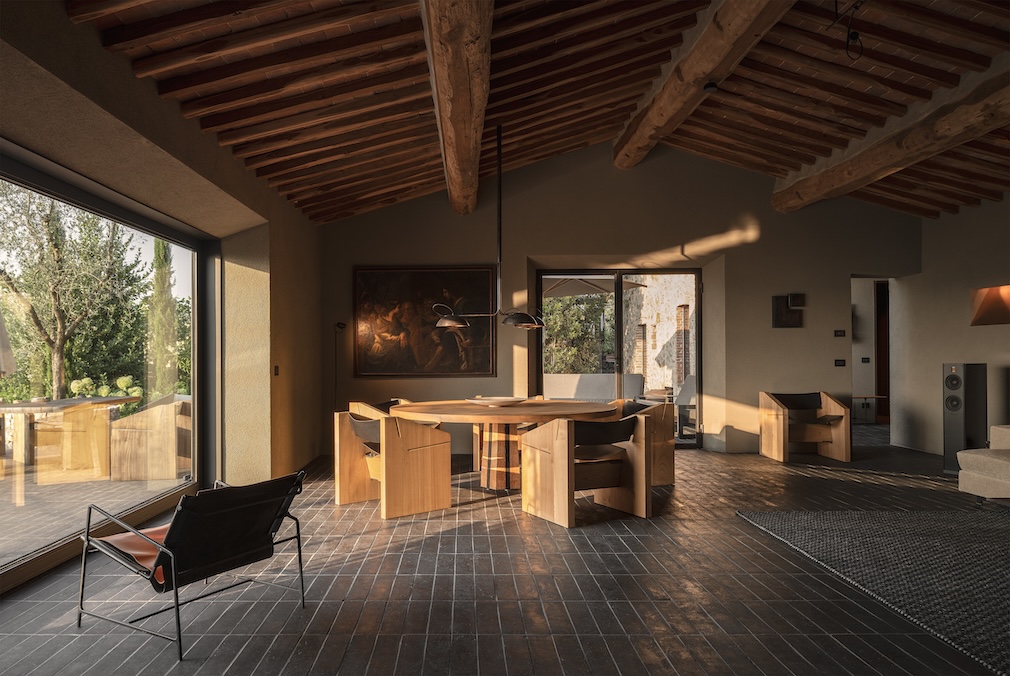
We work with solid wood, natural stone and breathable wall finishes like clay and lime plaster — materials that regulate humidity, age with character and support a healthy indoor climate. We consciously avoid purely decorative elements. Instead, we let the materials speak for themselves. Plants are used to support the overall atmosphere, not to define it.
Angie Socias | Coppel Design
I’m always drawn to natural materials — stone, wood, plaster and linen — because they bring authenticity, texture and a quiet sense of luxury to a space. In spring, I love pairing these elements with delicate, seasonal touches like branches of blossoms in simple vases. The contrast between raw finishes and something as ephemeral as a blooming branch creates a feeling of balance and beauty.

Photography by Pablo Veiga
Olga Doykhen | Olga Doykhen
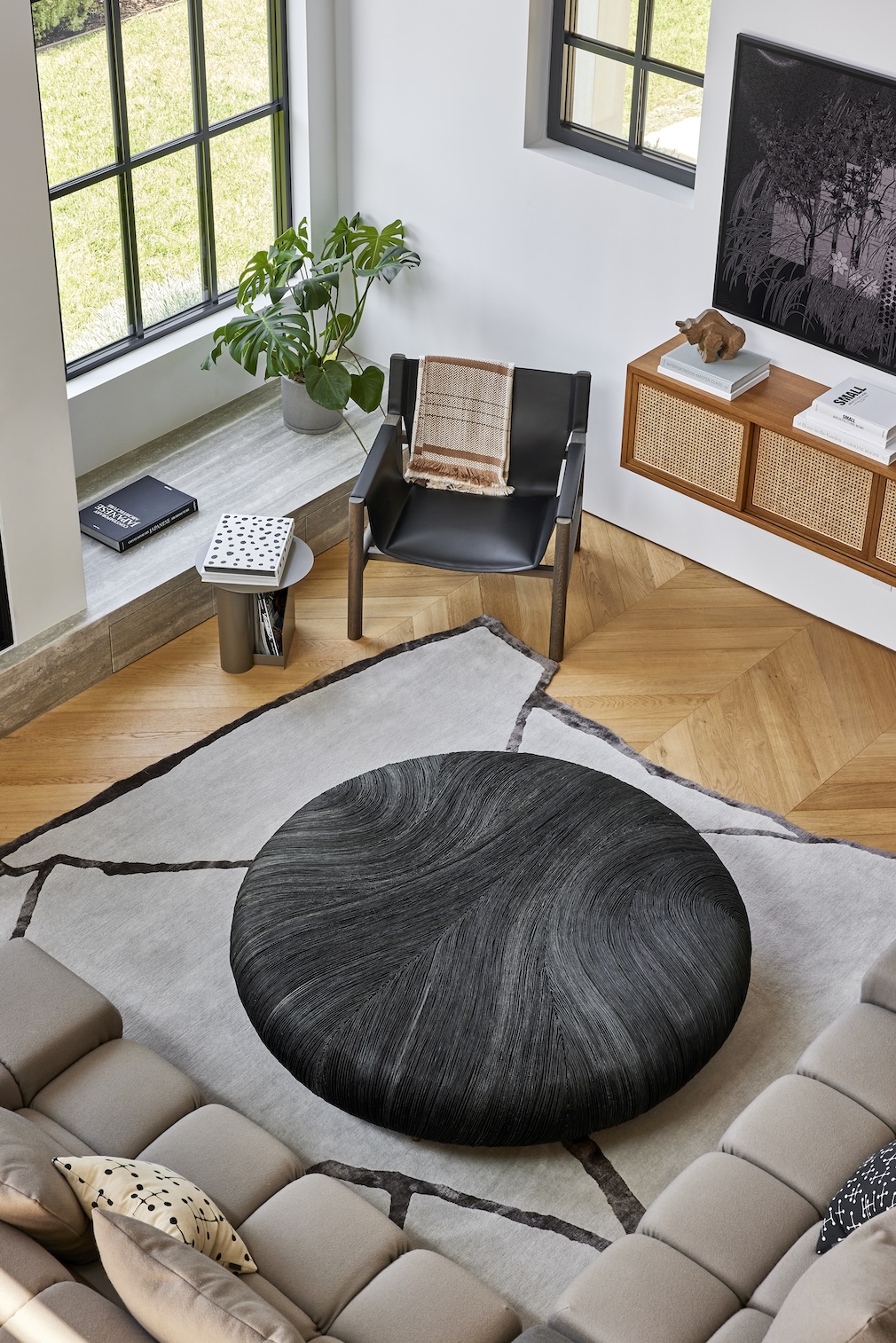
One of my favorite ways to bring nature into the home is through texture — linen, woven grasses, raw woods and stone instantly create a connection to the outdoors in a subtle, sophisticated way. I also love using branches and cut flowers that reflect the season — nothing too perfect or overly styled. A wild arrangement in a beautiful vessel can breathe so much life into a space. In spring, I lean into lighter fabrics, soft color palettes and fresh greenery to create that feeling of rebirth and ease. It’s less about following trends and more about letting nature’s rhythm quietly influence the mood of the home.
Christa O’Leary | Home in Harmony Designs
I love incorporating nature into interior design by selecting artwork that features botanical prints, landscapes or abstract pieces inspired by natural elements. Sculptural art made from organic materials like driftwood, stone or clay adds texture and brings a grounded, earthy feel to any space. And, to celebrate spring’s rebirth, I recommend rotating in pastel-colored artwork, floral arrangements and vibrant prints that evoke the freshness and renewal of the season.
Photography by Martin Vecchio
Armina Kasprowicz | Armina Interiors
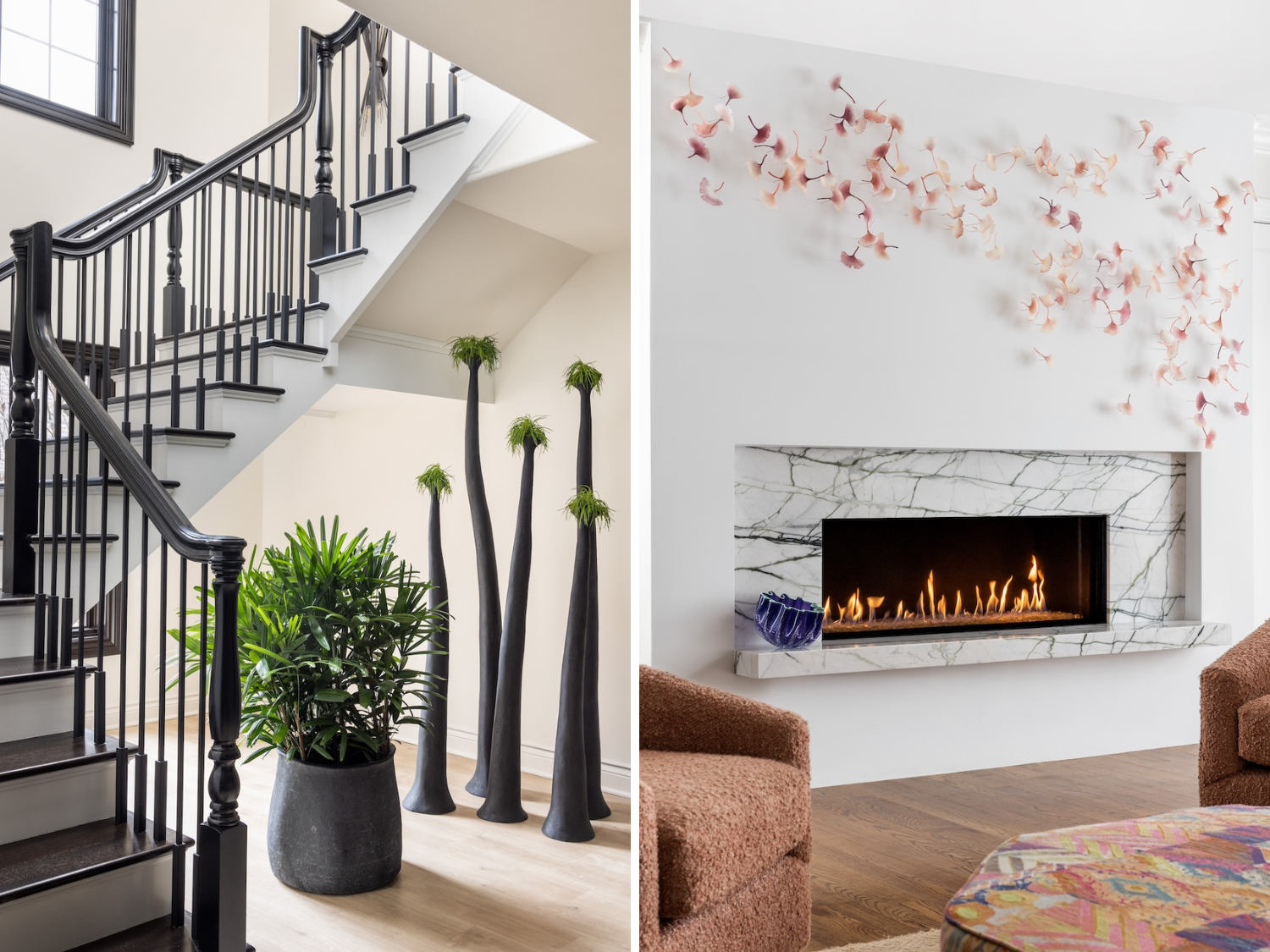
The connection we have with nature is restorative and calming, so I believe a well-designed home needs a seamless connection between its interior and exterior. The presence of floral fragrances and lush plants have a soothing effect and bring harmony to any space. I always buy myself fresh flowers and greenery, placing small arrangements throughout the house — by the kitchen sink, on the island, on bathroom vanities and in powder rooms — to create moments of beauty in everyday life. I also like to use unique planters and containers to elevate aesthetics, as the right pairing of plant and vessel can truly transform a space.
Lucy Penfield | Lucy Interiors
I love creating sunshine and introducing a spark of energy in a space. We are naturally drawn to spaces that bring joy and comfort, and what better way than to borrow elements from our natural environment? Green feels earthy, providing balance and a sense of grounding. Wrapping a room with green feels soulful and pairing it with rich wood cabinetry creates a beautiful balance. Surprise with a dash of blush or an unexpected color, and voila, you have a spark of JOY!

Photography by Ryan Hainey
Amy Carman | Amy Carman Design
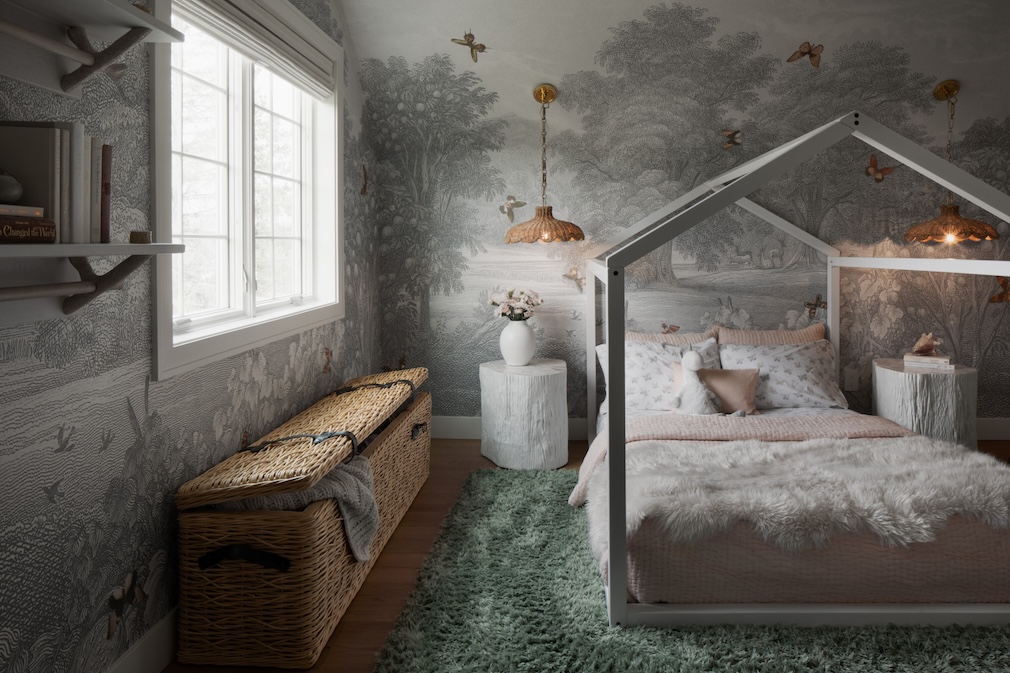
Ushering in spring and bringing the outdoors inside is a joy when your client is a three-year-old girl who loves butterflies, gardens and magical creatures. Surrounded by an enchanted forest, the design team set her full-size bed within a soft prairie of green wool, making it easy for her to crawl in and nestle for the night. We dreamed up this fairy-tale room for one of our smallest clients, and the woodland scene encompasses a menagerie of animals, old growth trees and gilded butterflies.
Marli Jones | Rebel House Interior Design
We love to layer natural materials into our designs. We start by using white oak or walnut in the kitchen materials, then layering a natural stone on top or in the backsplash. Even if the client is after a classic white kitchen, accents of wood can bring a biophilic element into the space to warm it up.
Photography by Margaret Rajic
Laura Tribbett | Outline Interiors
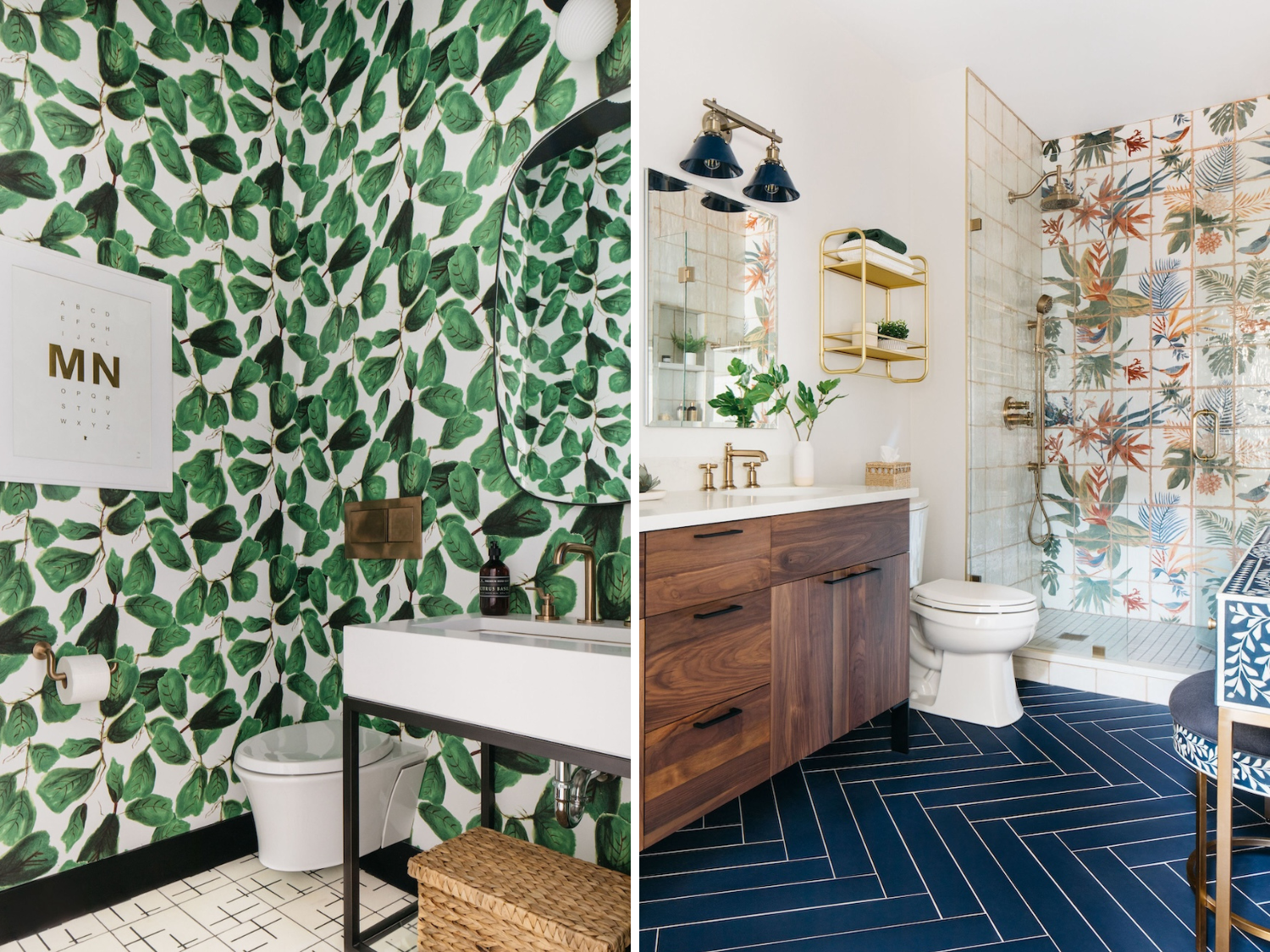
Wallpaper, tile and fabric are awesome ways to bring the outdoors in. We installed a mural, tropical scene tile in a client’s primary bathroom and it is truly a showstopper. I find most people want to bring nature into their space, you just have to find the specific way that works for them.
Naomi Neilson | Native Trails
In the bathroom specifically, I love incorporating warm wood and cool earth tones, as well as varying shades of blue and green that are heavily influenced by nature.

Photography by Frank Frances
Eva Bradley | Eva Bradley Studio
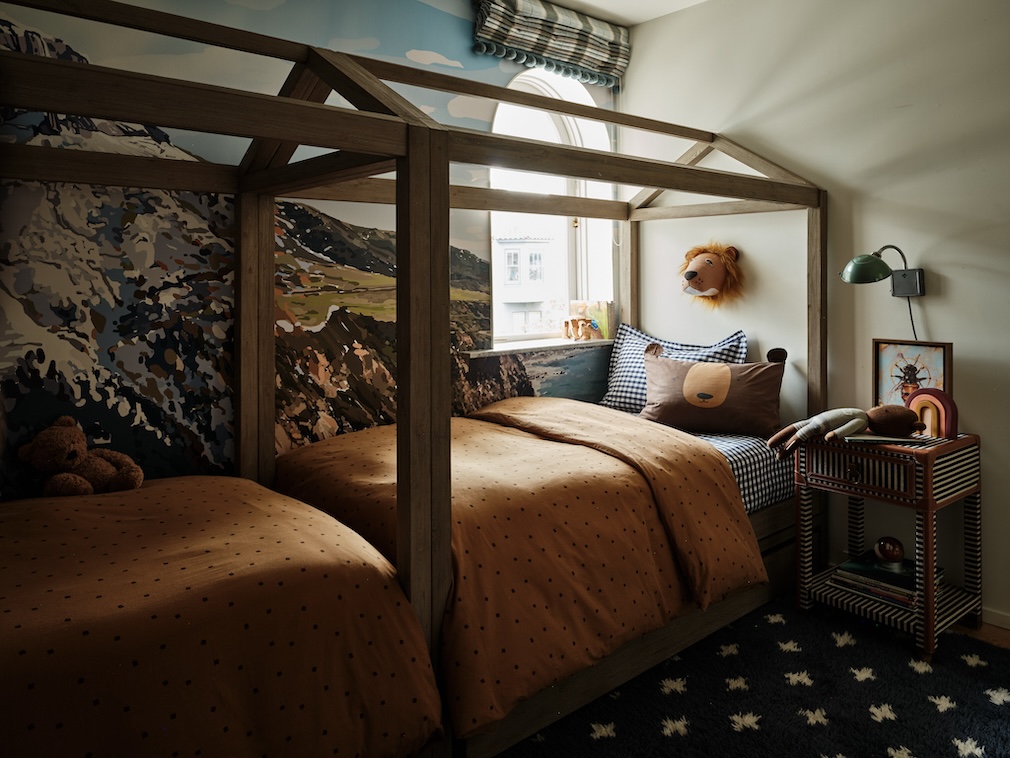
One of the most impactful ways to infuse nature into a space is through wallcoverings that reflect the natural world. I love using foliage-inspired wallpapers to create a sense of immersion, like a powder room wrapped in botanical prints that mirror the landscape outside. For a more personal touch, murals can tell a story. In one of my projects, I commissioned an artist to make a custom mural wallpaper blending Big Sur with a Swiss mountain which tied to the homeowner’s family heritage, creating a connection to both place and memory.

Photography by Studio Sven
Erika Klimenko & Alexander Adducci | 210 Design House
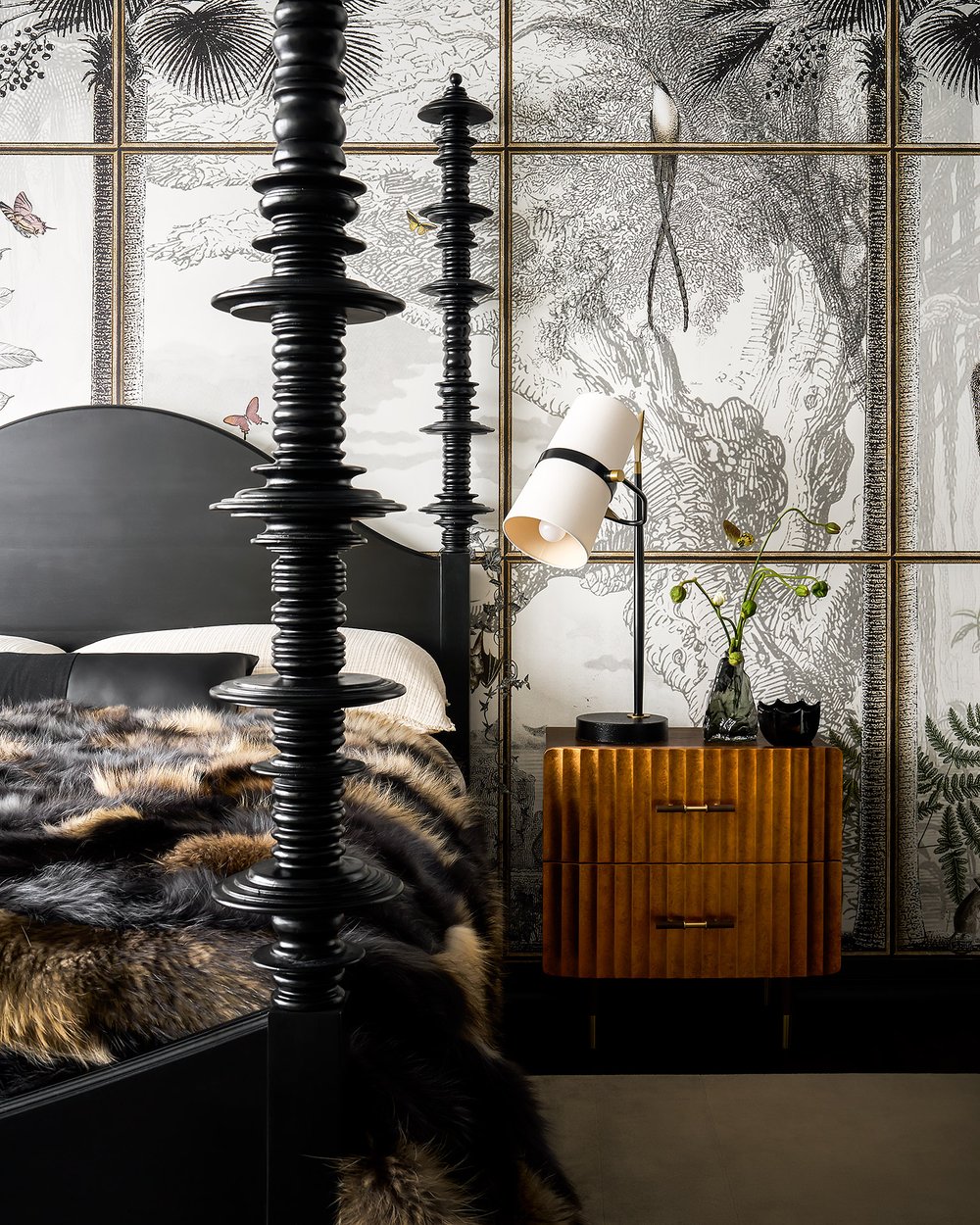
Incorporating nature into a home goes beyond adding greenery — it’s about designing spaces that seamlessly blend organic beauty with modern innovation. A mix of wood finishes, like white oak and limed wood for example — paired with textures like smoked glass, creates warmth and depth. Whether through cabinetry that mimics the raw elegance of weathered wood, wallpapers that introduce botanical prints in unexpected places, or vanities that transform solid marble into a weightless, functional experience, nature and technology are no longer at odds. Together, they create environments that feel alive — spaces that evolve with us, reflecting the changing light, textures and rhythms of the natural world.
Tracy Morris | Tracy Morris Design
Bringing nature into a home is one of my favorite ways to add warmth and personality. I love using earthy, organic colors — soft greens, warm browns and muted neutrals — to ground a space. Fresh cut flowers or branches instantly breathe life into a room and add a seasonal, ever-changing touch.

Photography by LCP Media
Leisha McVicar | Subtext Living
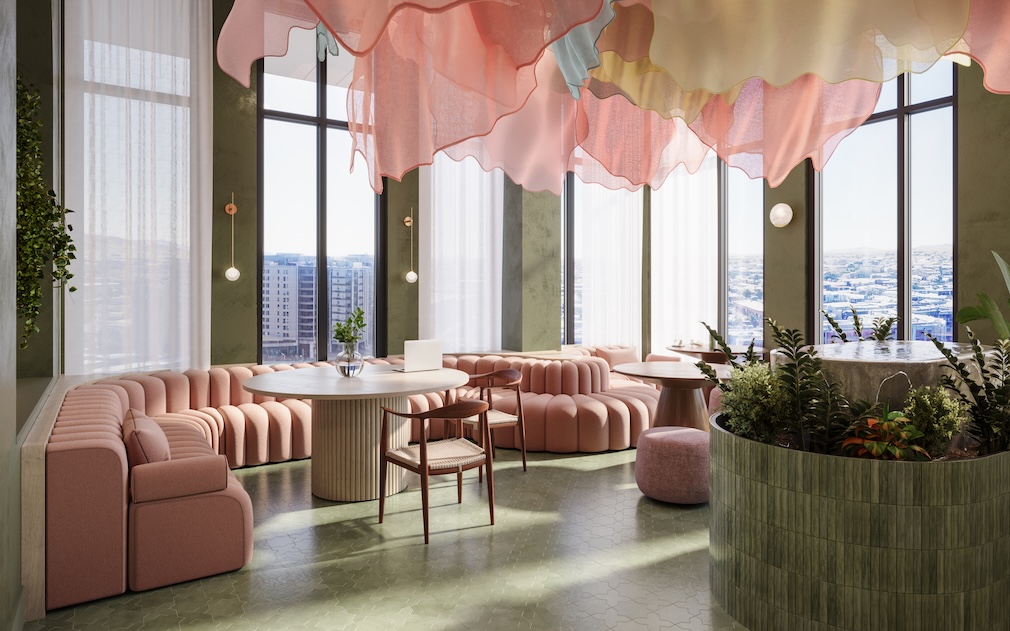
At VERVE Tempe, we brought the outdoors in by interpreting a modern Southwestern feel — earthy tones, bold colors, clean curves, warm wood accents and geometric forms come together with biophilic design elements like live plants, natural light and a calming water feature. The solarium is framed by floor-to-ceiling windows to create a sun-filled escape that blurs the line between inside and out.
Melanie Calder | Calder Design Group
Nature has an undeniable ability to transform a space, creating a sense of renewal and tranquility that resonates year-round. Sculptural wood furniture or hand-carved details introduce a tactile connection to nature, while textured wall treatments, soft linens and layered lighting enhance depth and warmth. Crisp green leaves and fresh florals breathe life into a space, reinforcing the vibrancy of spring. Fire and water features, whether a statement fireplace or a soothing indoor fountain, bring the grounding energy of the elements inside. To maintain an organic aesthetic, I favor matte and dry finishes over high-gloss surfaces, embracing the natural patina and authenticity of materials. By integrating these elements, I create spaces that celebrate the beauty of nature and allow its rejuvenating essence to be a part of everyday life.
Brett Andersen | Focus Lighting
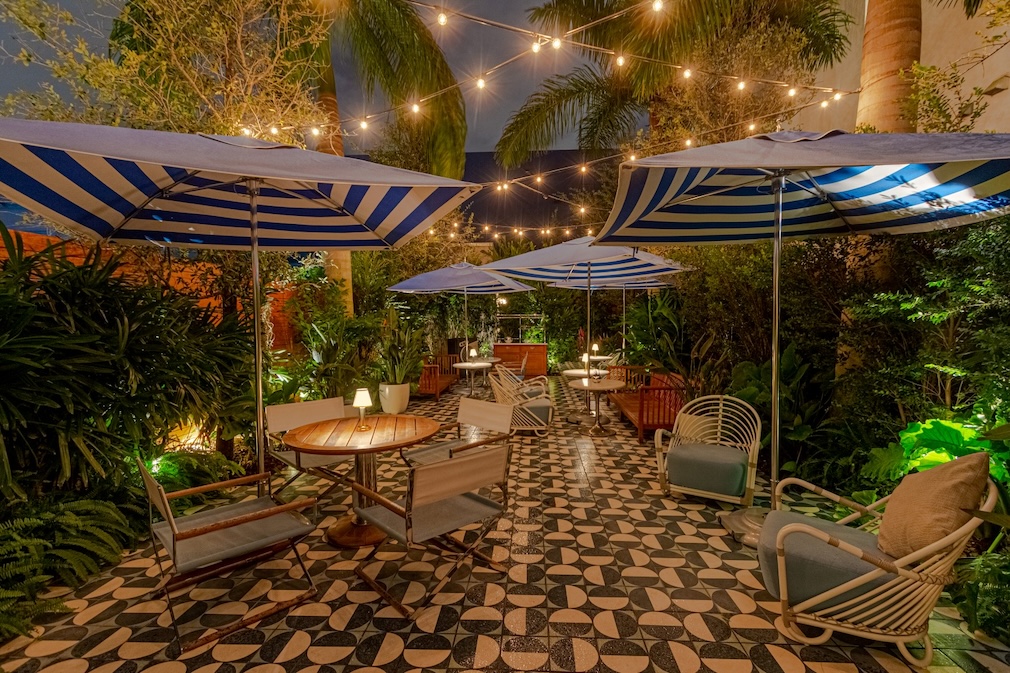
As the weather transitions, one of the easiest ways to bring the outside in is to softly illuminate your newly budding landscape, so you can enjoy picturesque views of your yard, while keeping warm indoors. The view of your backyard will grow even more enchanting as the sun goes down with the help of solar-powered path lights and a simple set of string lights. Extend a perfect spring day into the evening by buying a couple of battery-operated table lamps or lanterns to have on hand, which brings an al fresco feel to your indoor dinner.
Stay tuned for Part 2 of our exploration of Designing with Nature, coming this May. And read more of our Designer Intel series here.
Like what you see? Get it first with a subscription to aspire design and home magazine.