



Glenda Flaim, managing principal at San Francisco-based Butler Armsden Architects, came to architecture via a long lineage of builders, including her father and both grandparents. Concurrent with her family’s influences, Glenda’s design sensibilities are informed in part by her upbringing in Italy; as can be seen in several of her projects where she has melded modern architecture into a historical context.
Joining us for our Designer Travel series, Glenda recounts her recent trip to the Royal Kingdom of Bhutan below.
Destination: Royal Kingdom of Bhutan
Month traveled: September
Duration of trip: 12 days
Temperature range: 12-24 degrees Celsius (54-75 degrees Fahrenheit)
Solo trip or vacation with family/friends? With family and friends
First visit or repeat destination? First time

What drew you to this locale?
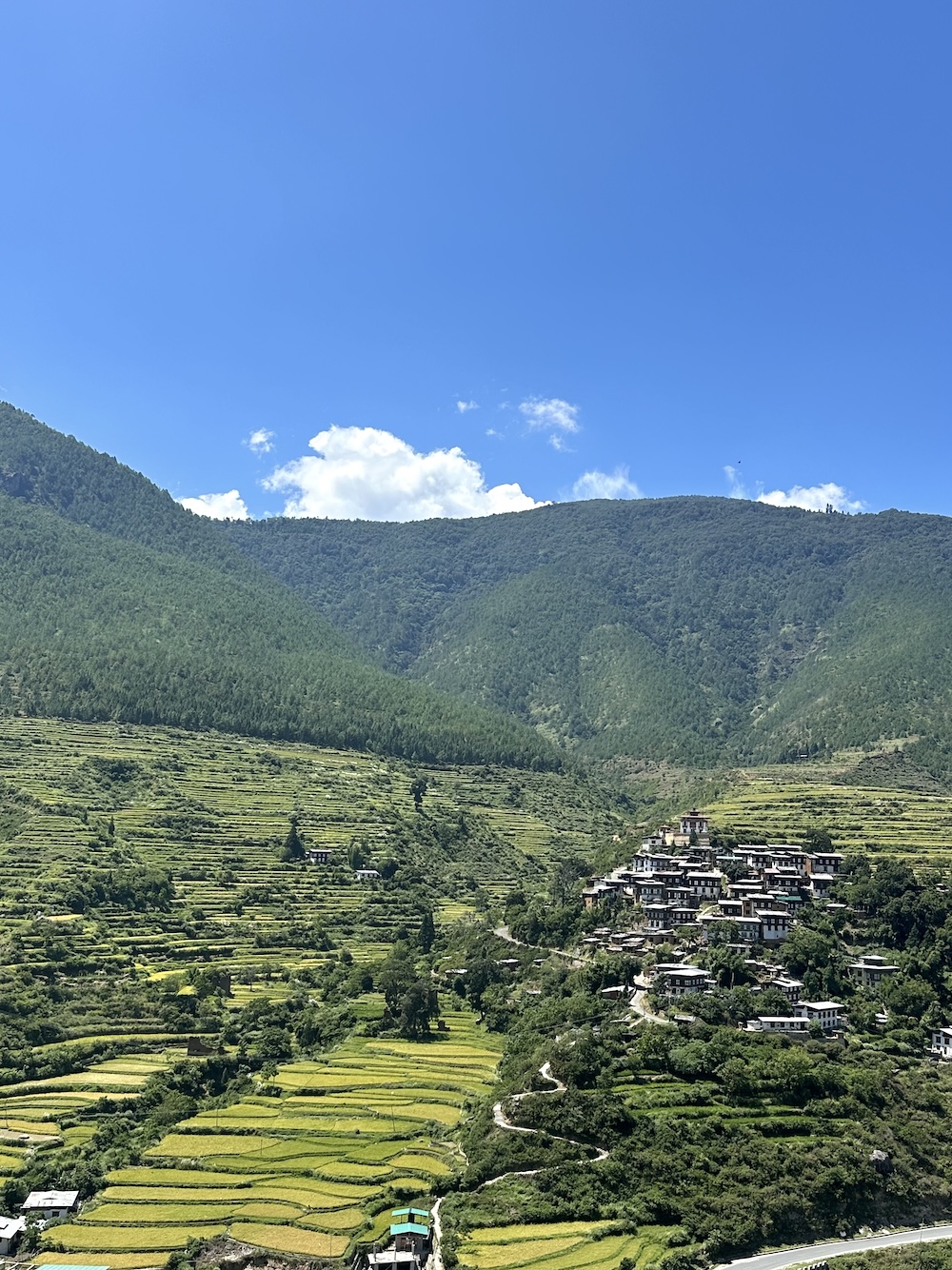
Bhutan is changing due to globalization faster than a lot of other places in the world and I wanted to see how the Bhutanese are holding on to their culture and values in this new context.
The lodgings…
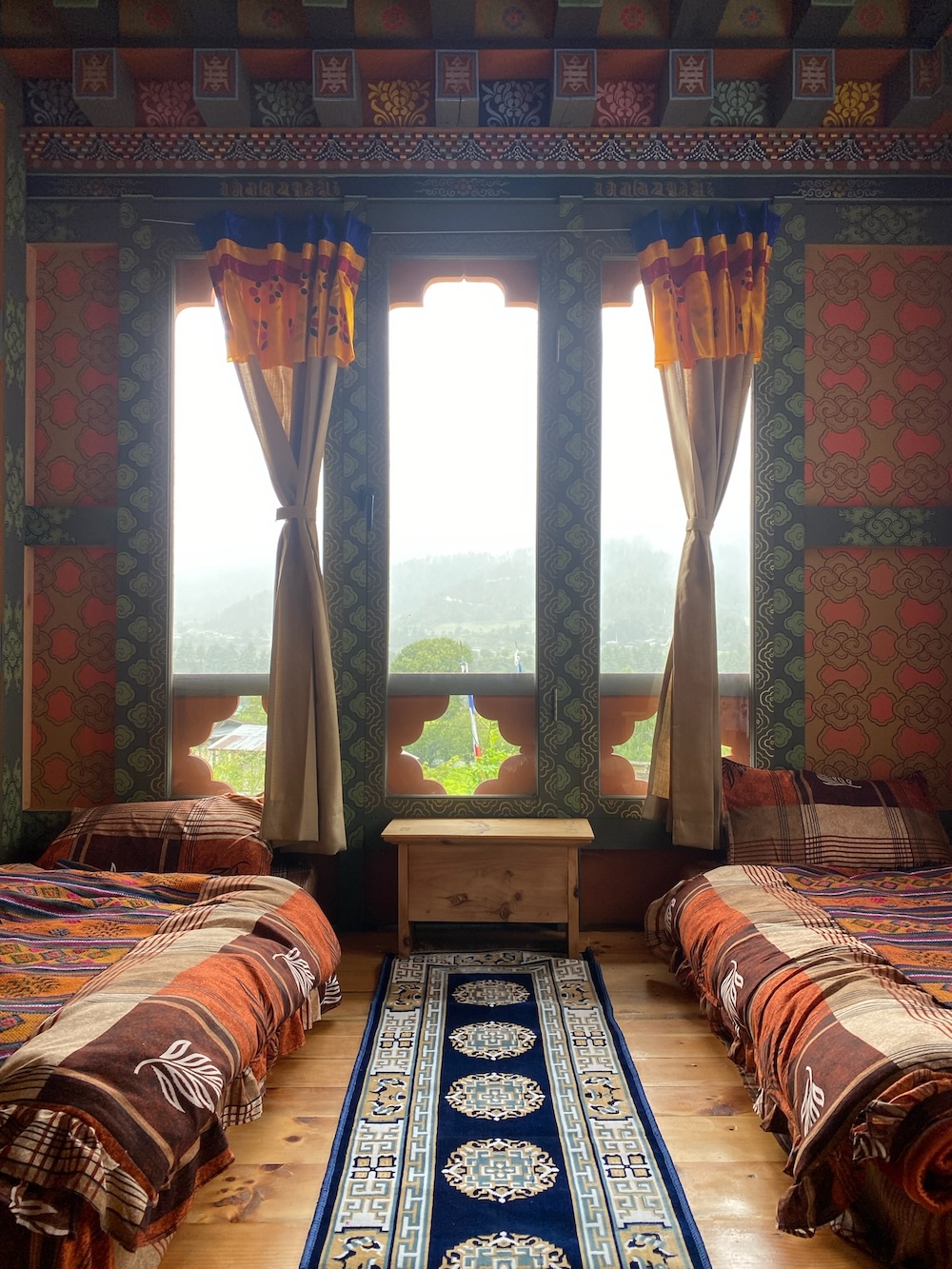
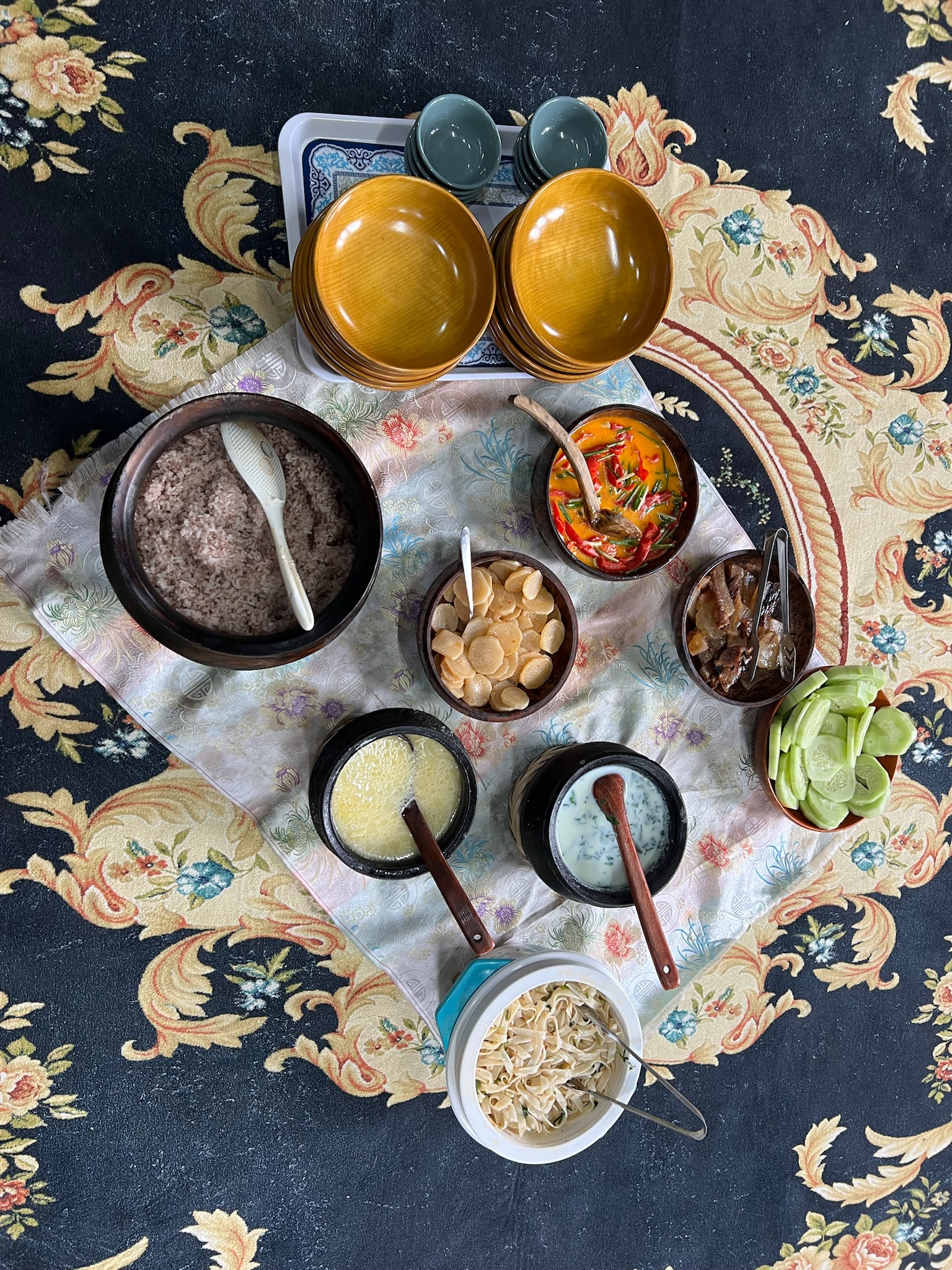
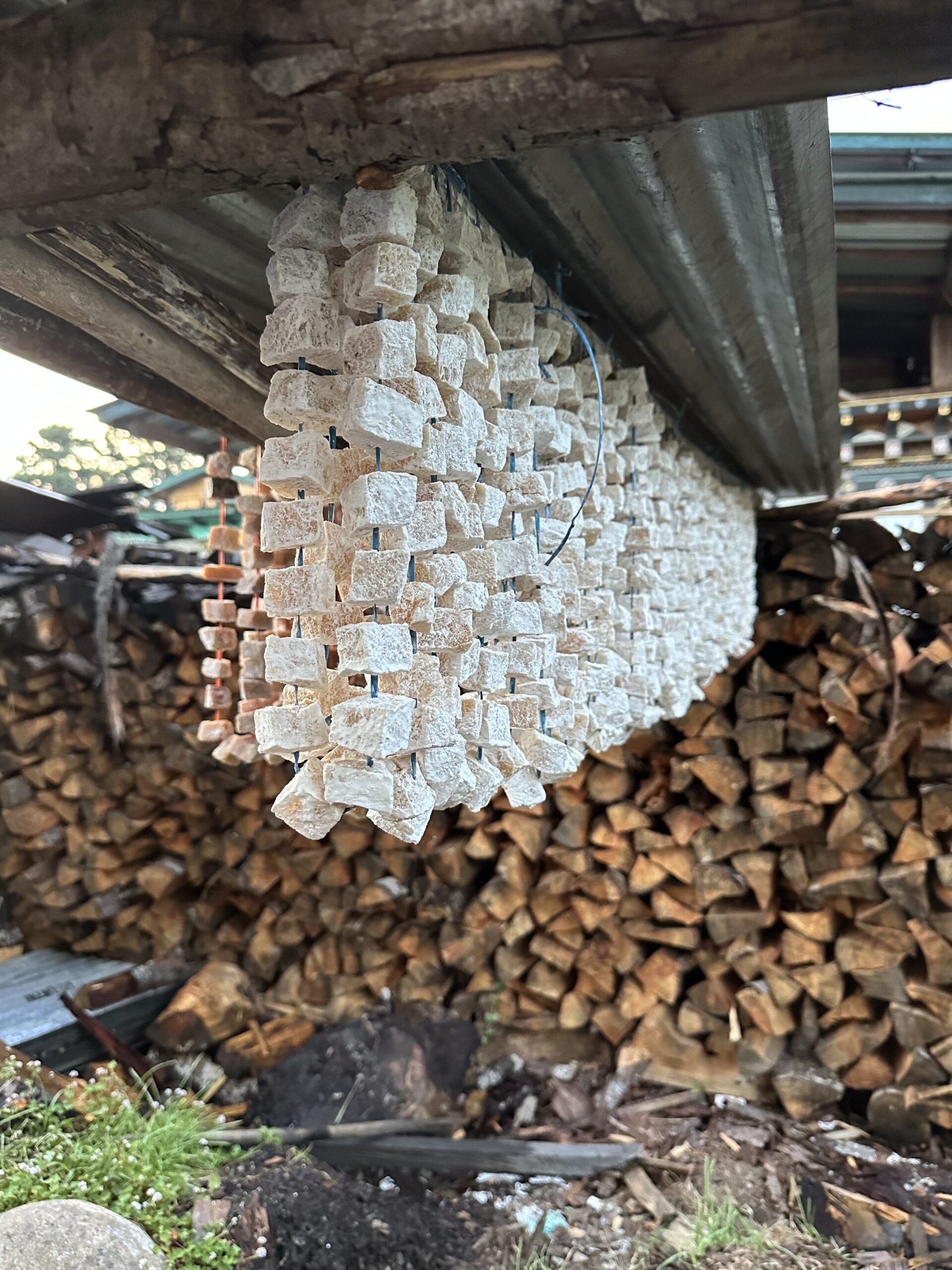
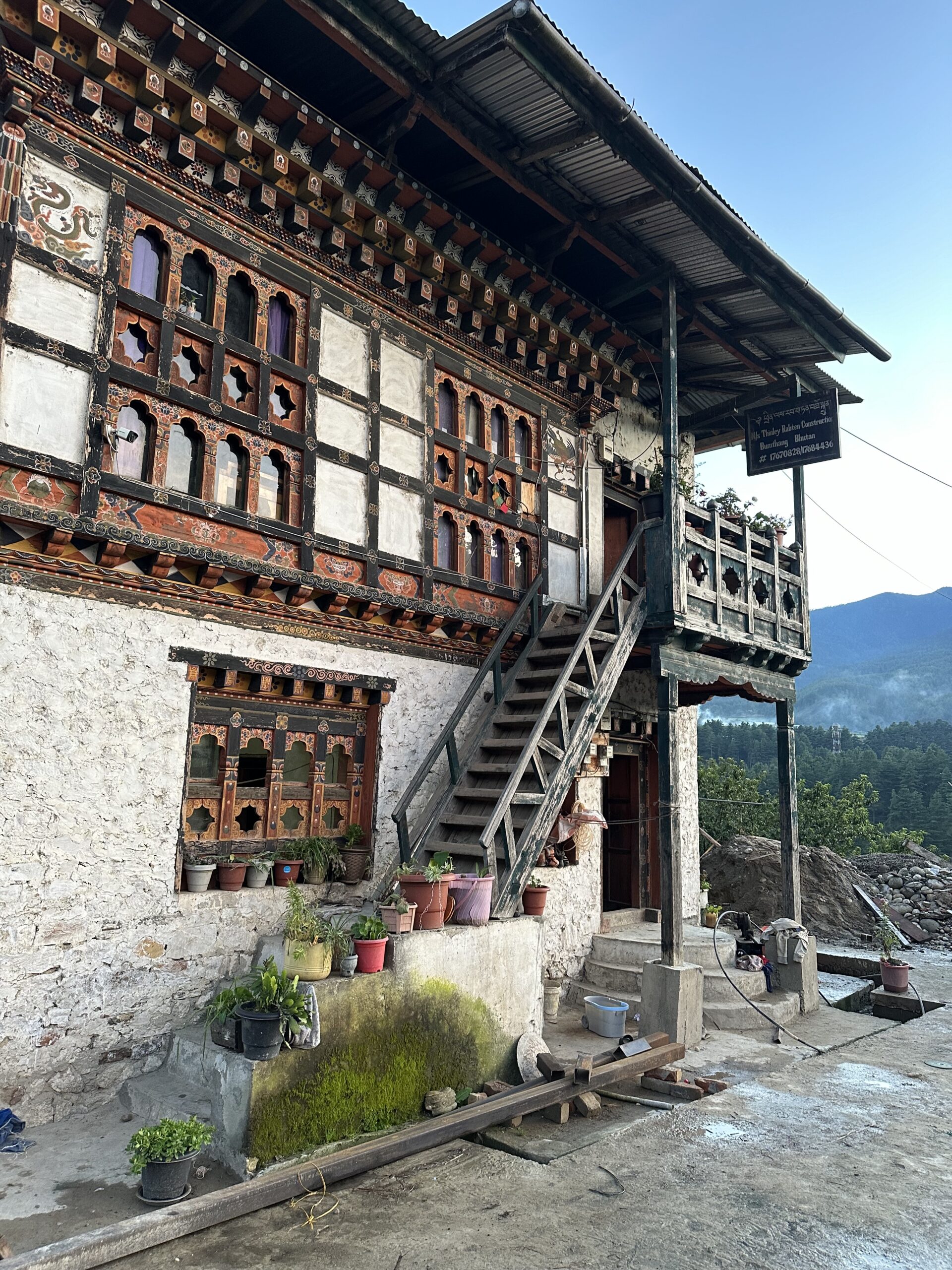
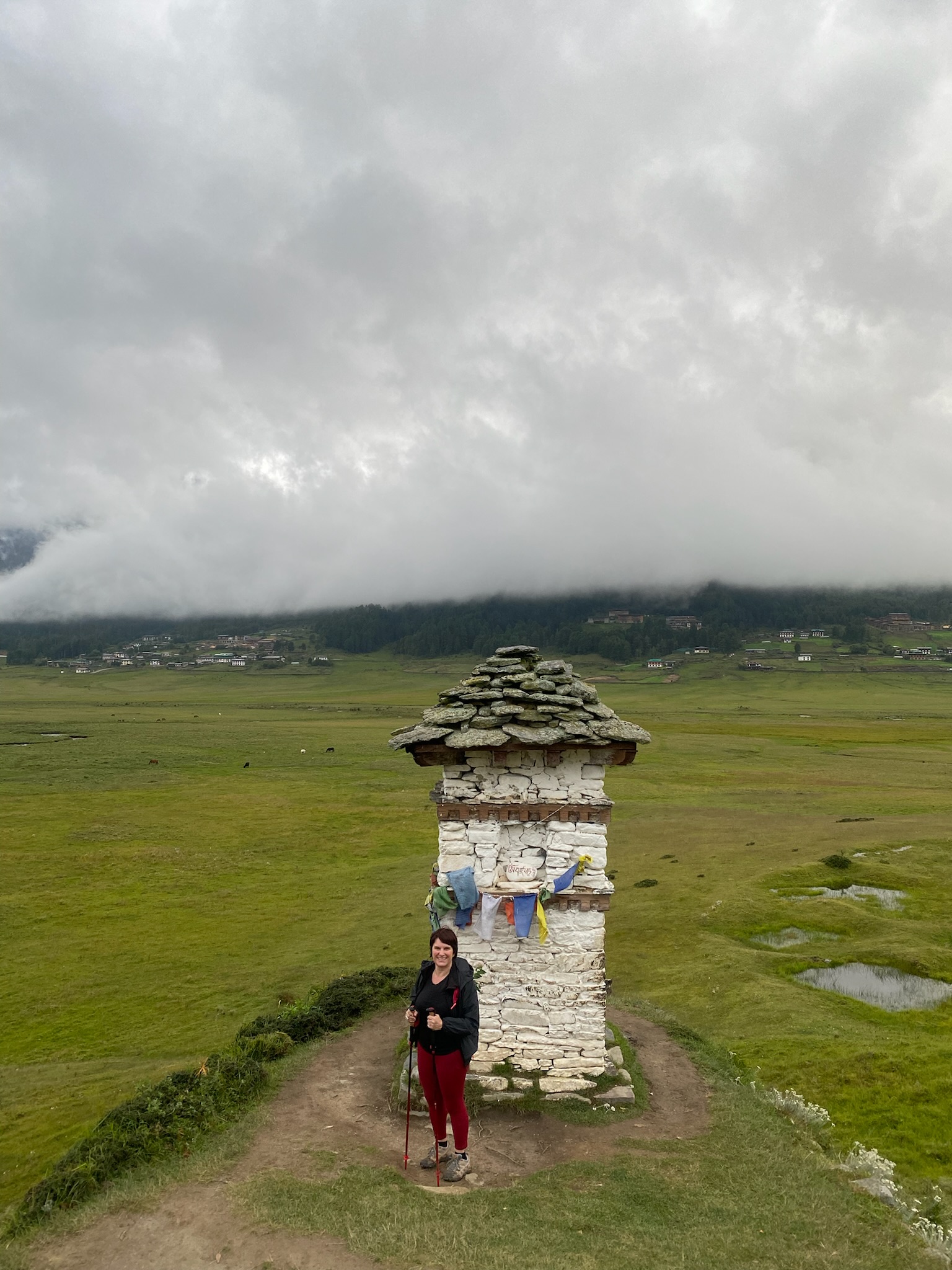
We did a couple of homestays in the remote region of Bumthang. It was wonderful to experience the way locals live. In one of the stays, we had a traditional hot stone bath where large rocks are heated up in a wood fire and then dropped in a wooden tub filled with spring water and fresh leaves of Artemisia bhutanica, a species of mugwort endemic to the Bhutan Himalayas.
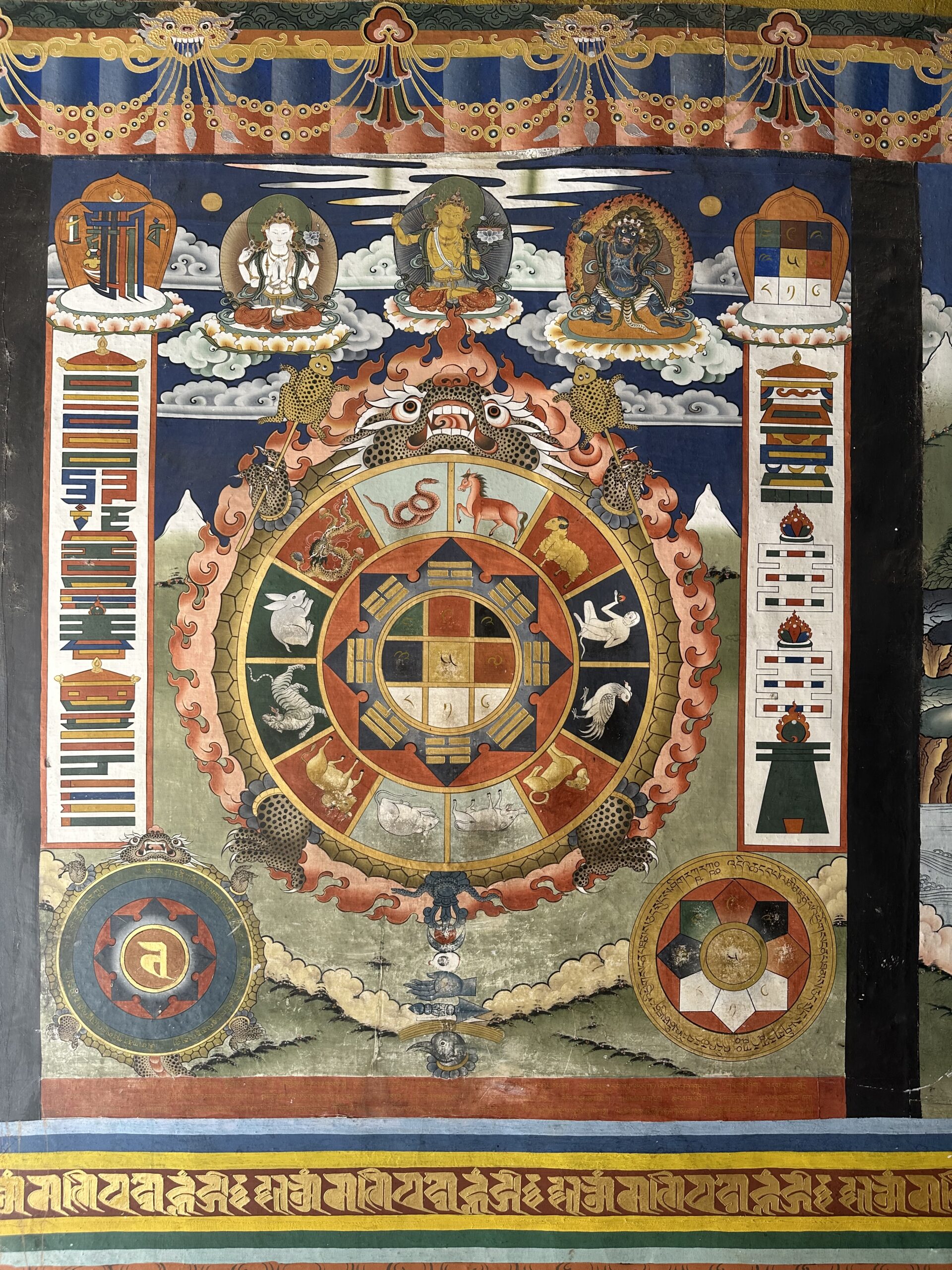
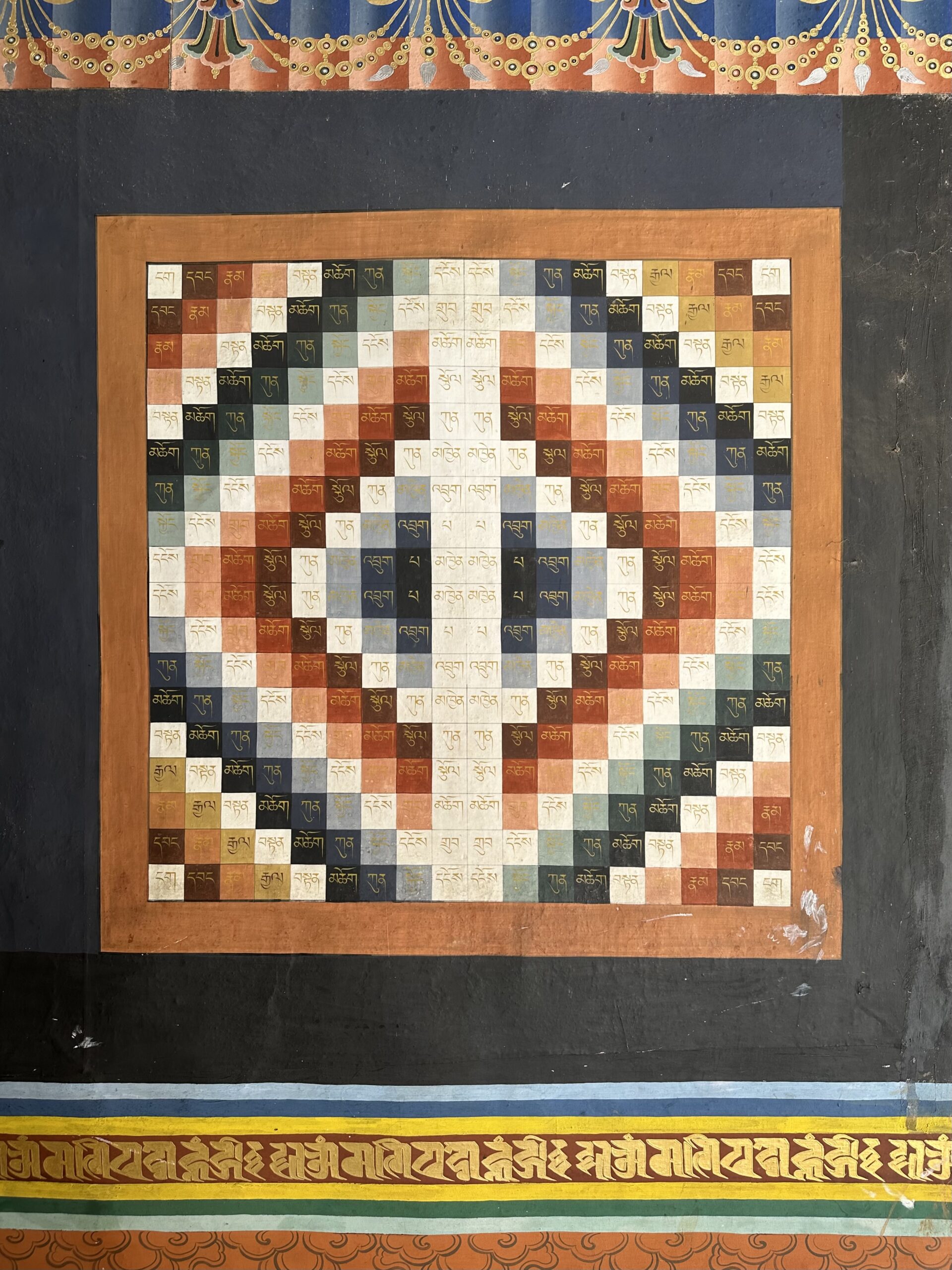
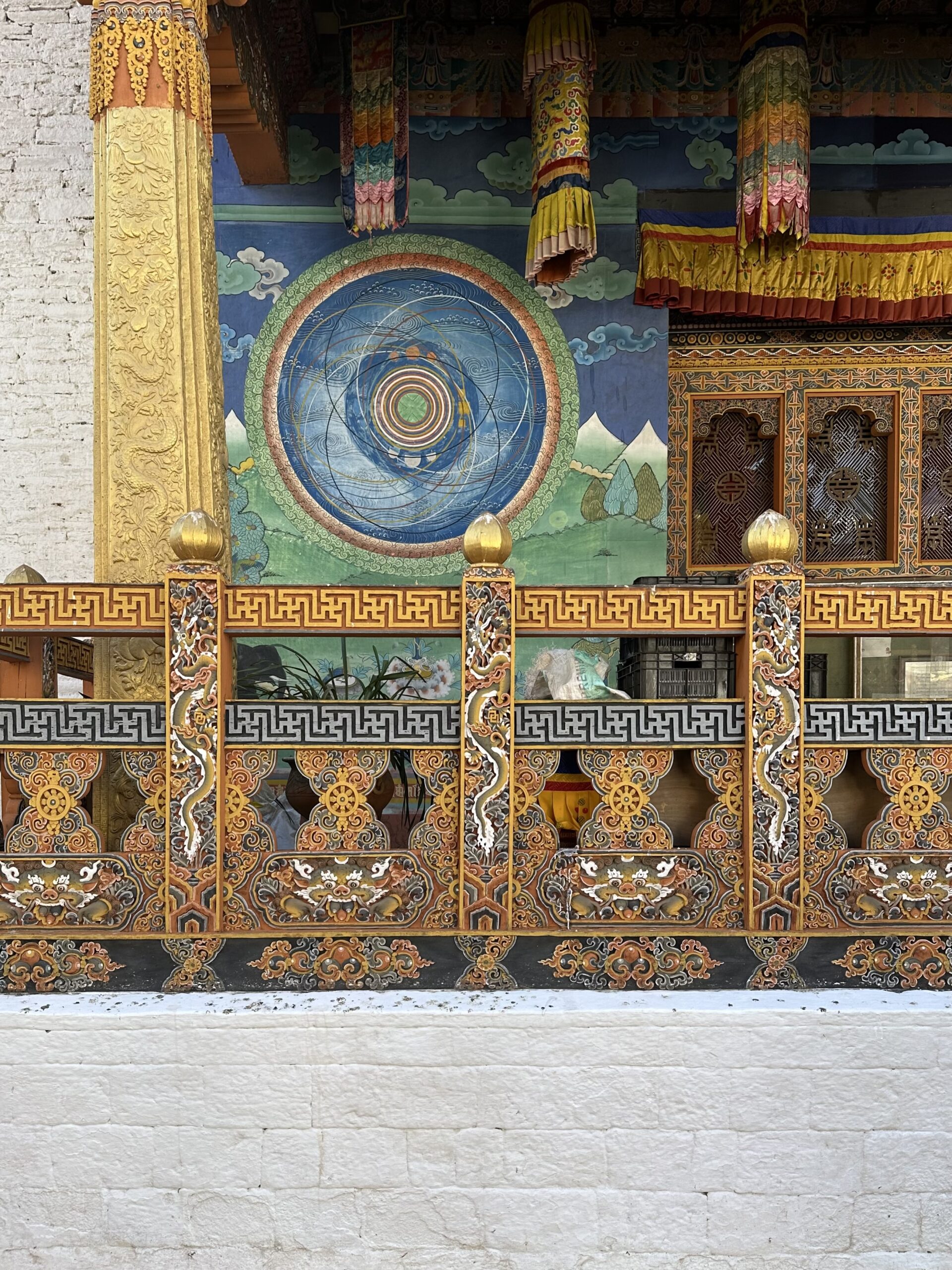
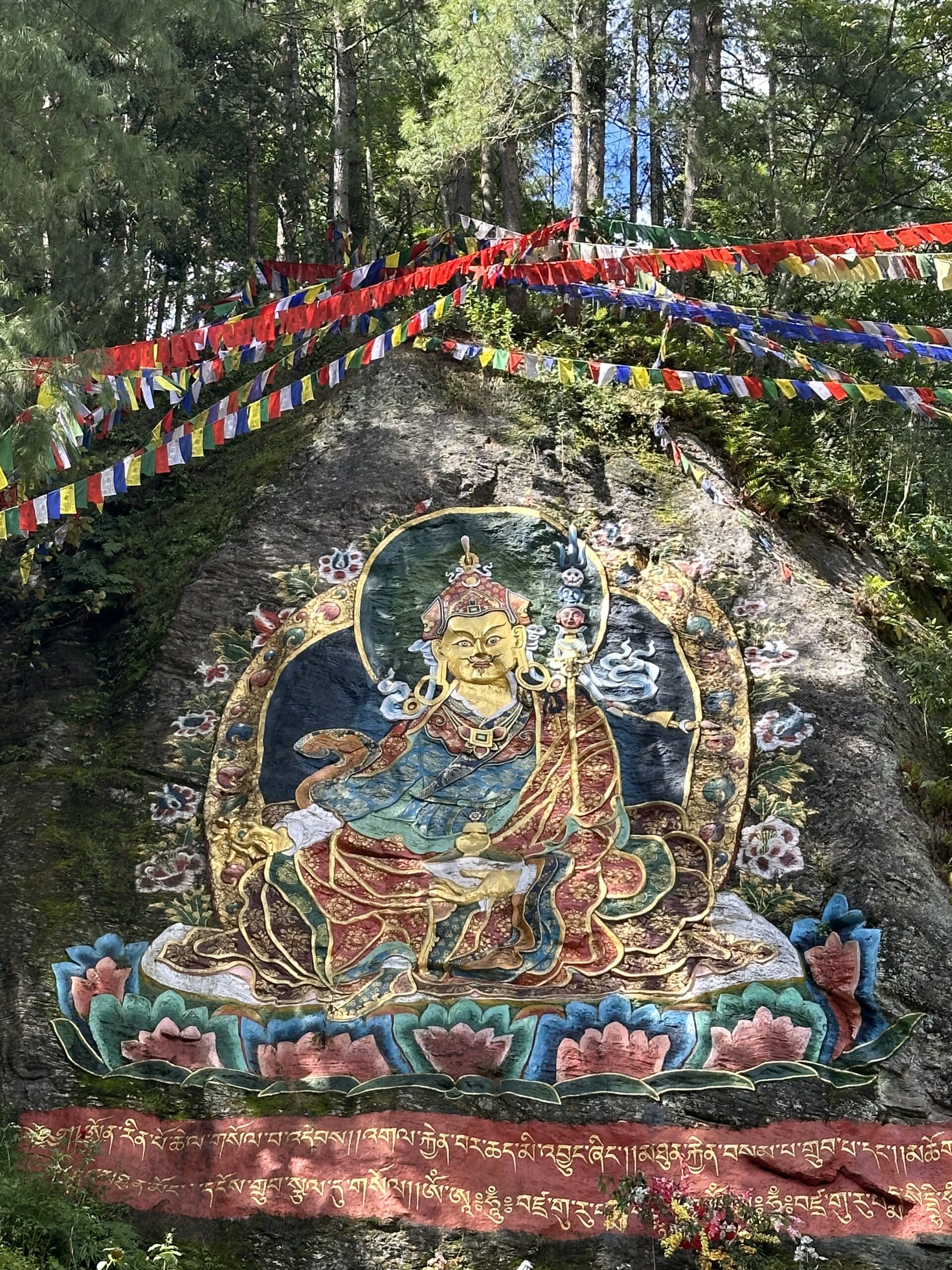
Must-sees for design and architecture enthusiasts…
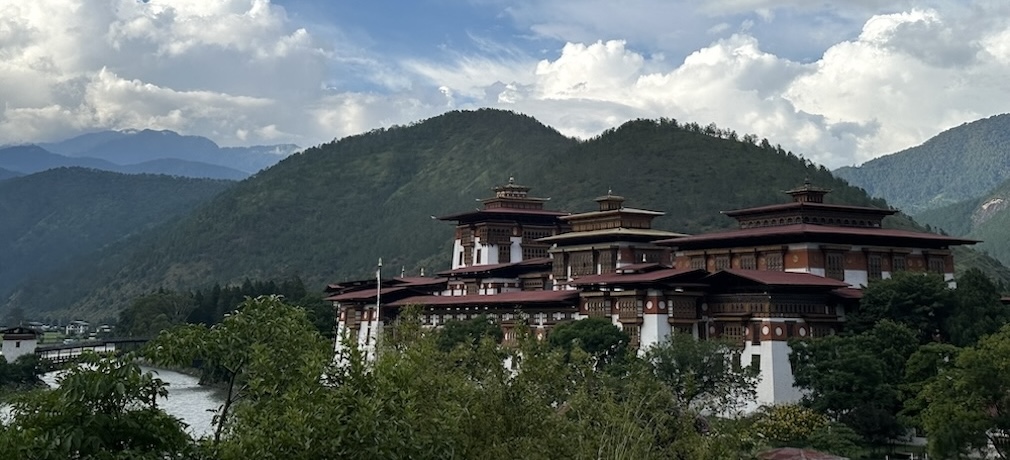
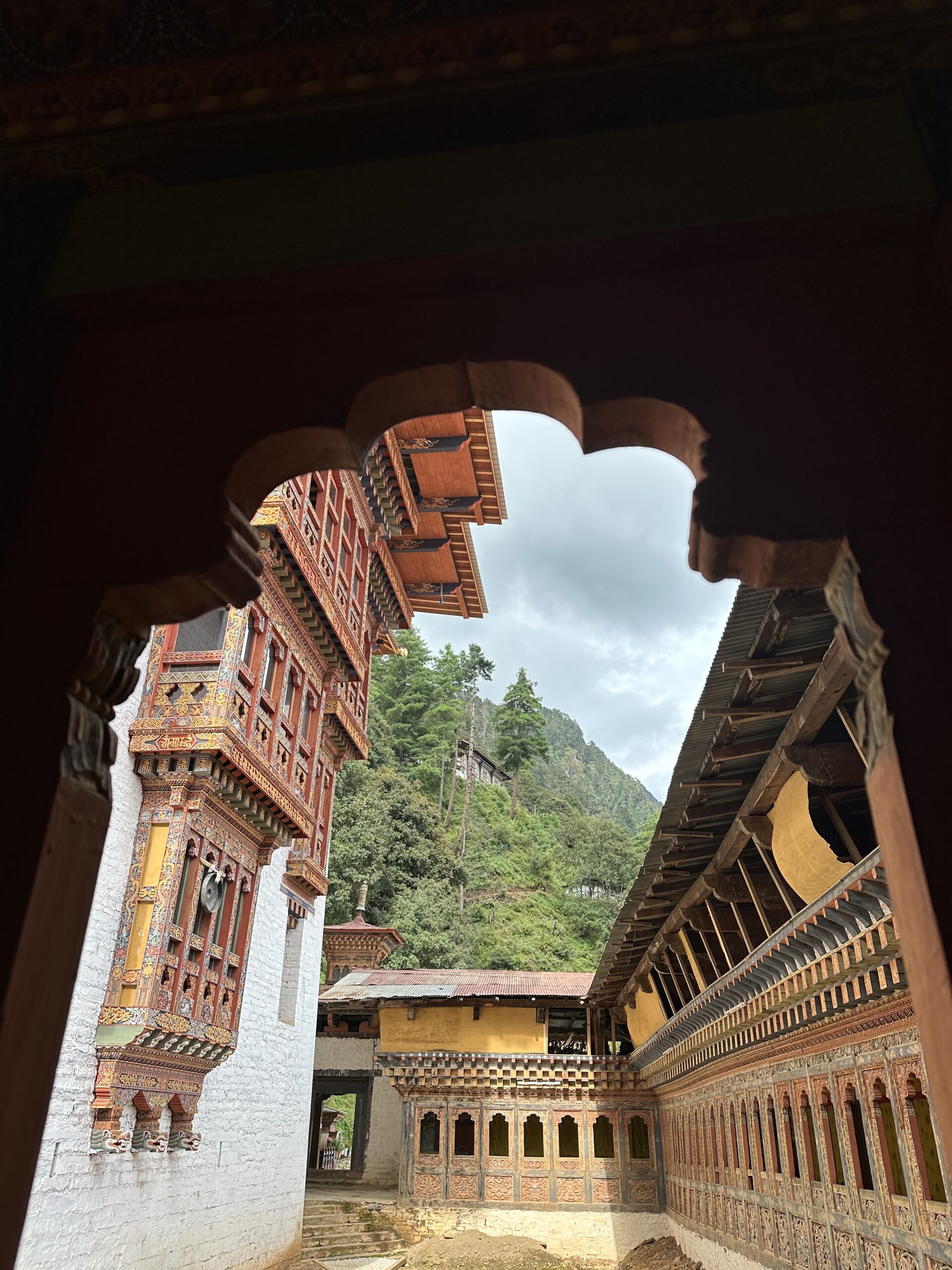
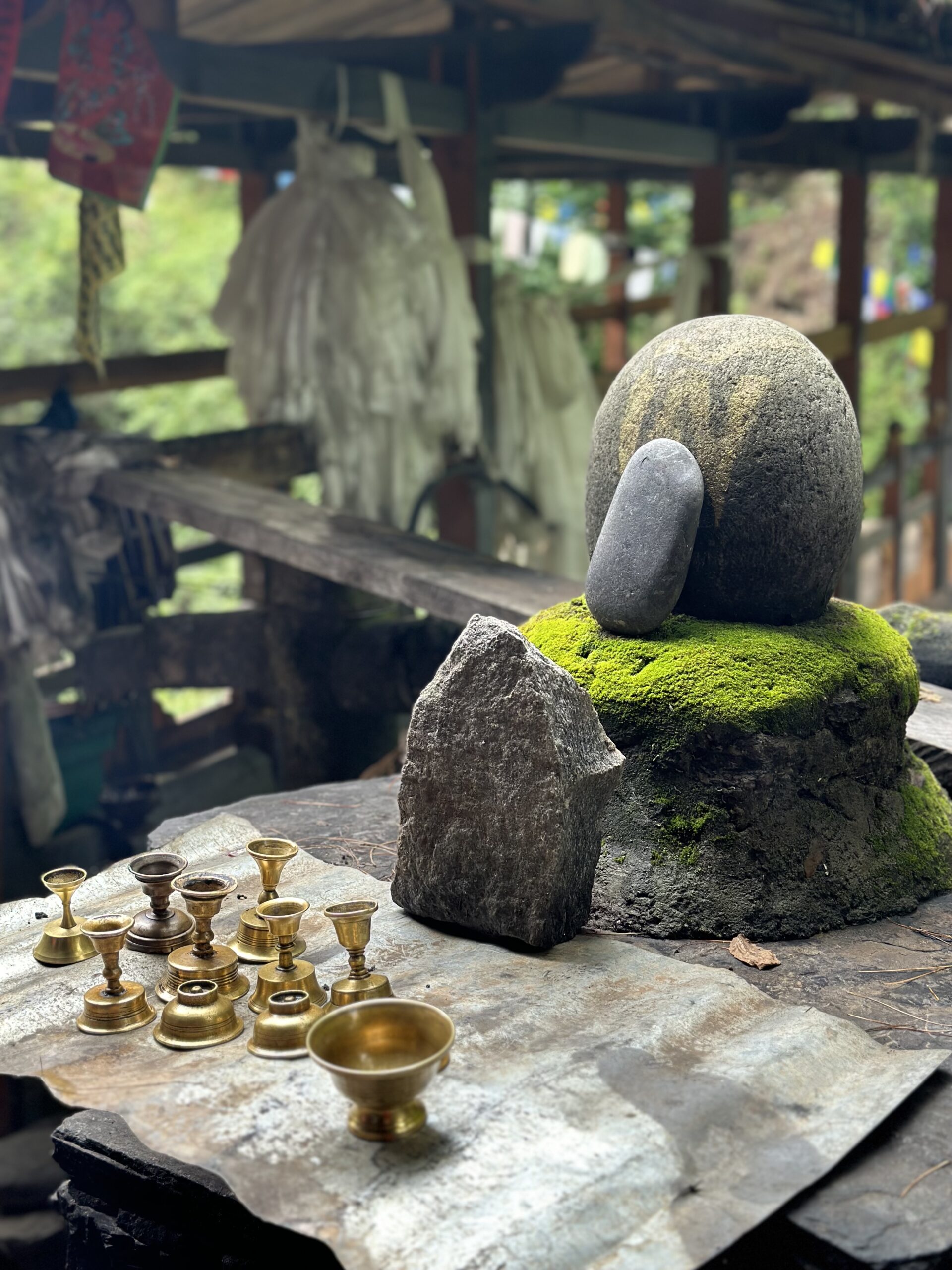
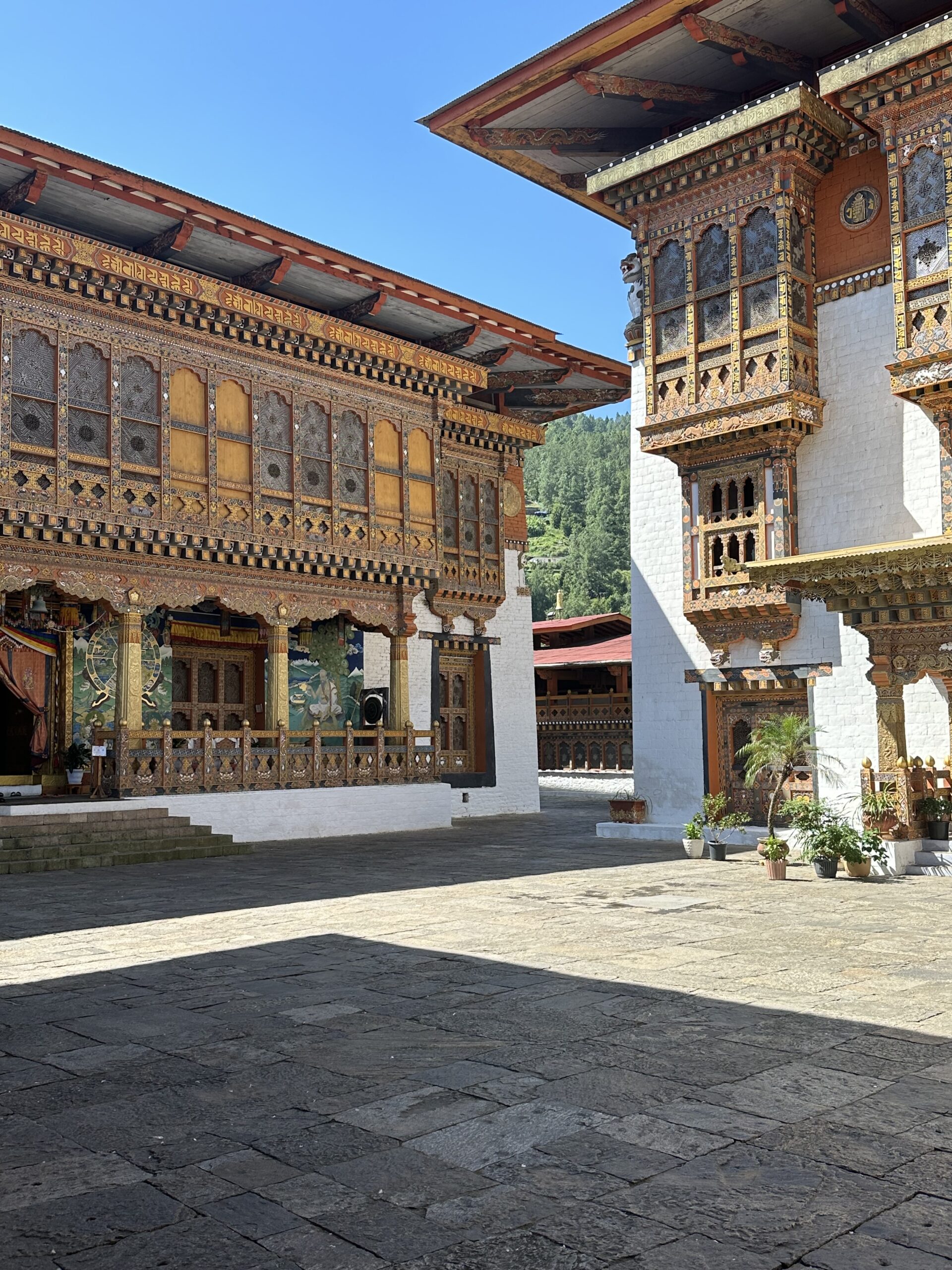
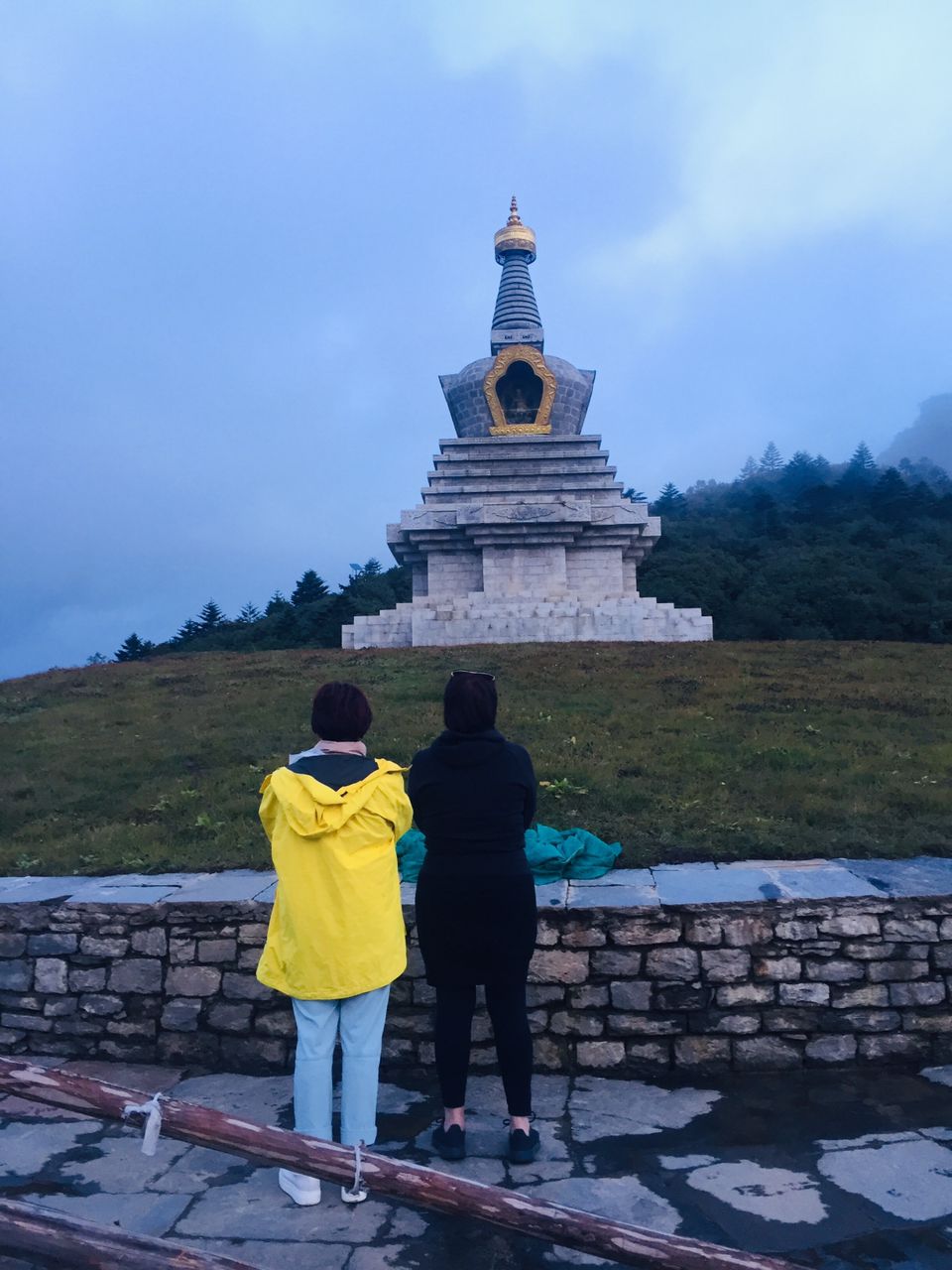
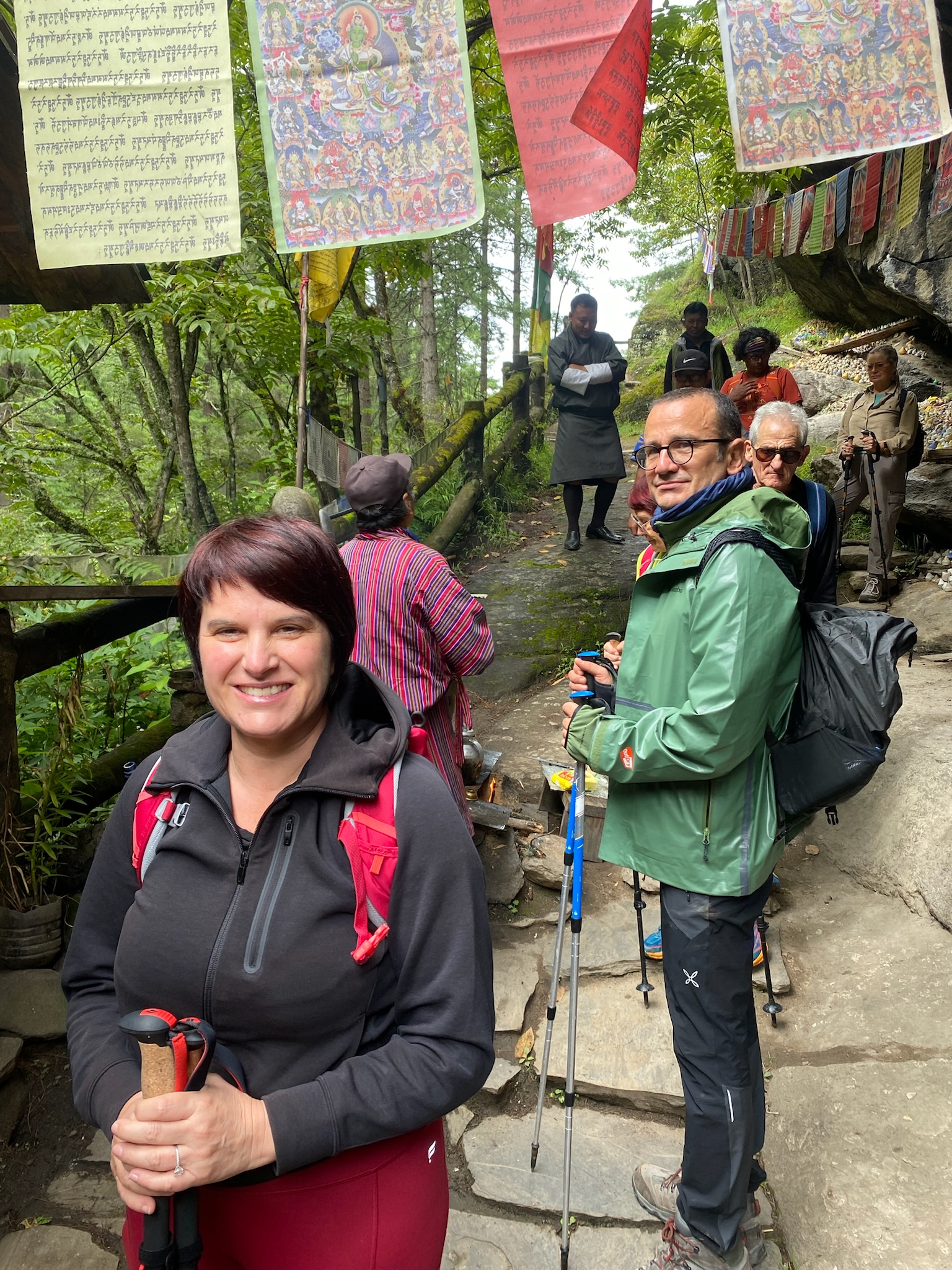
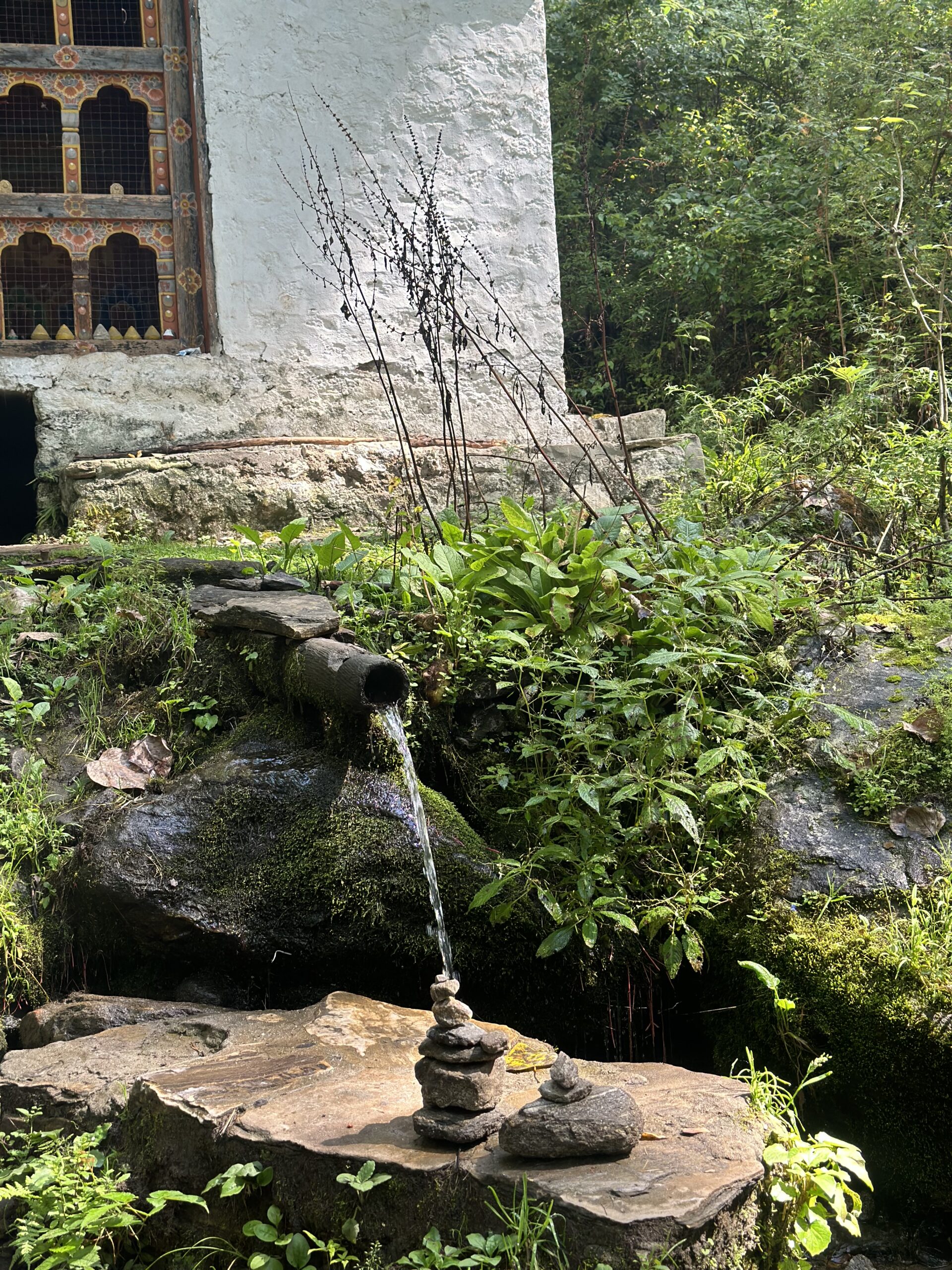
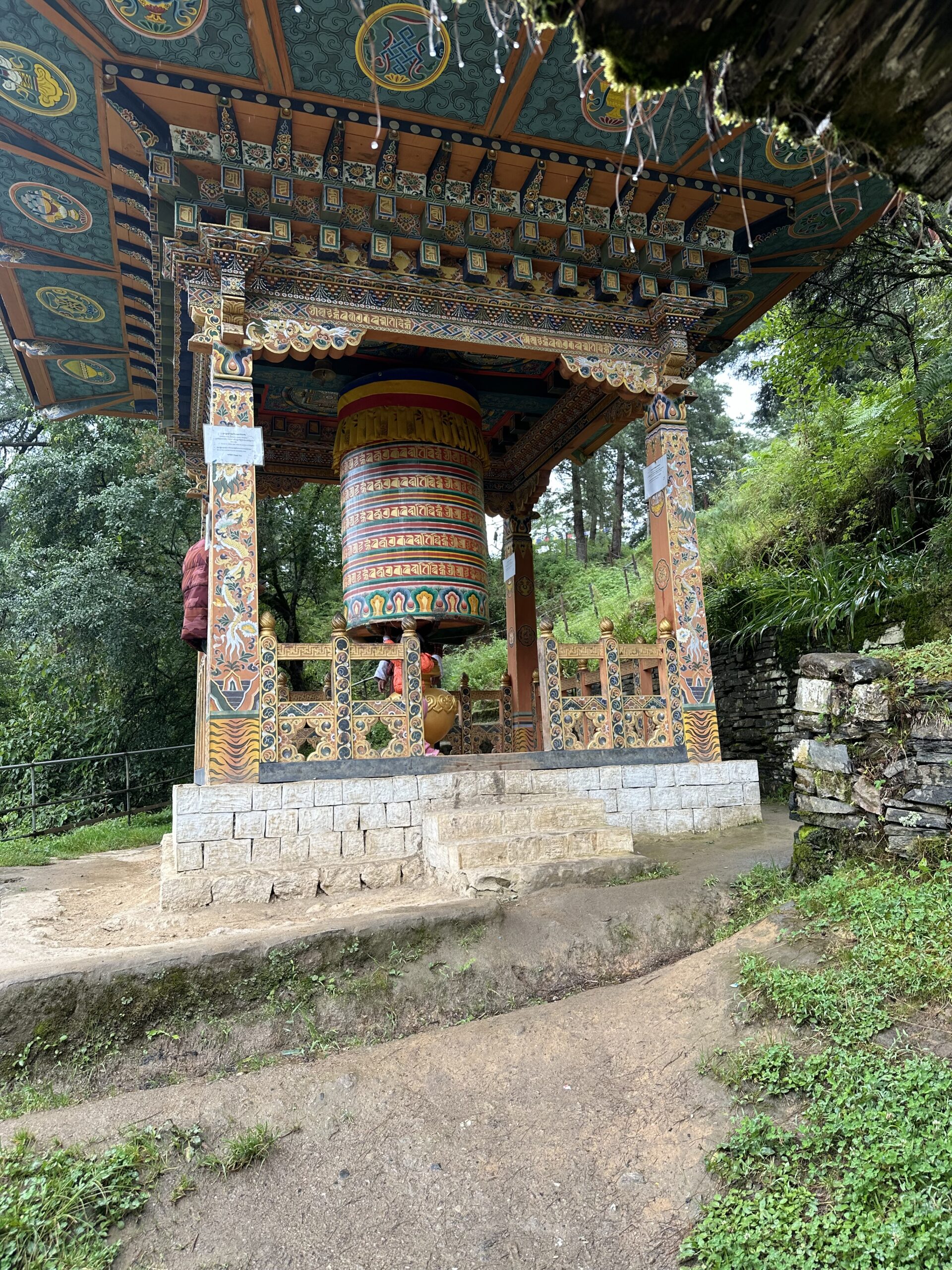
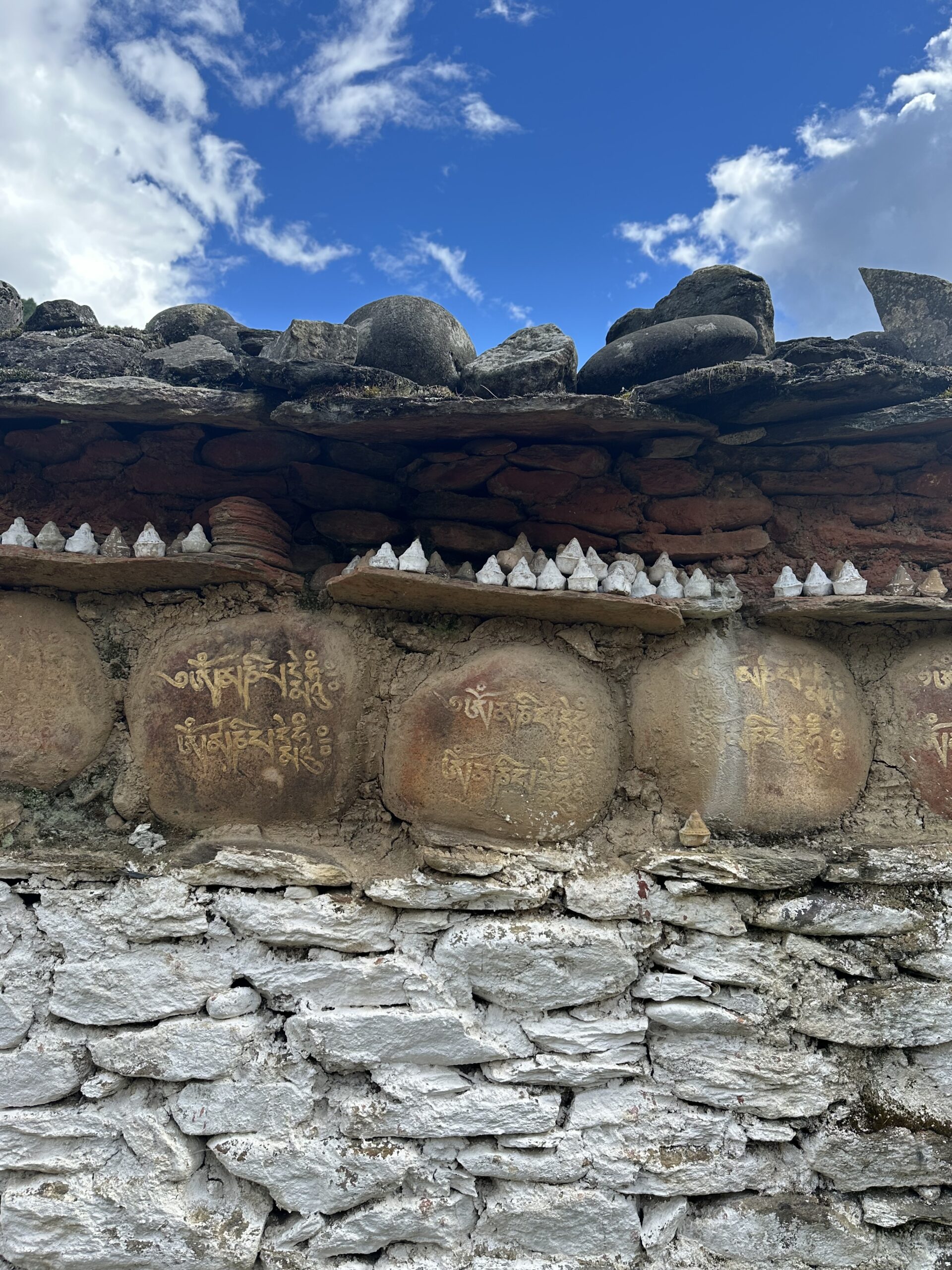
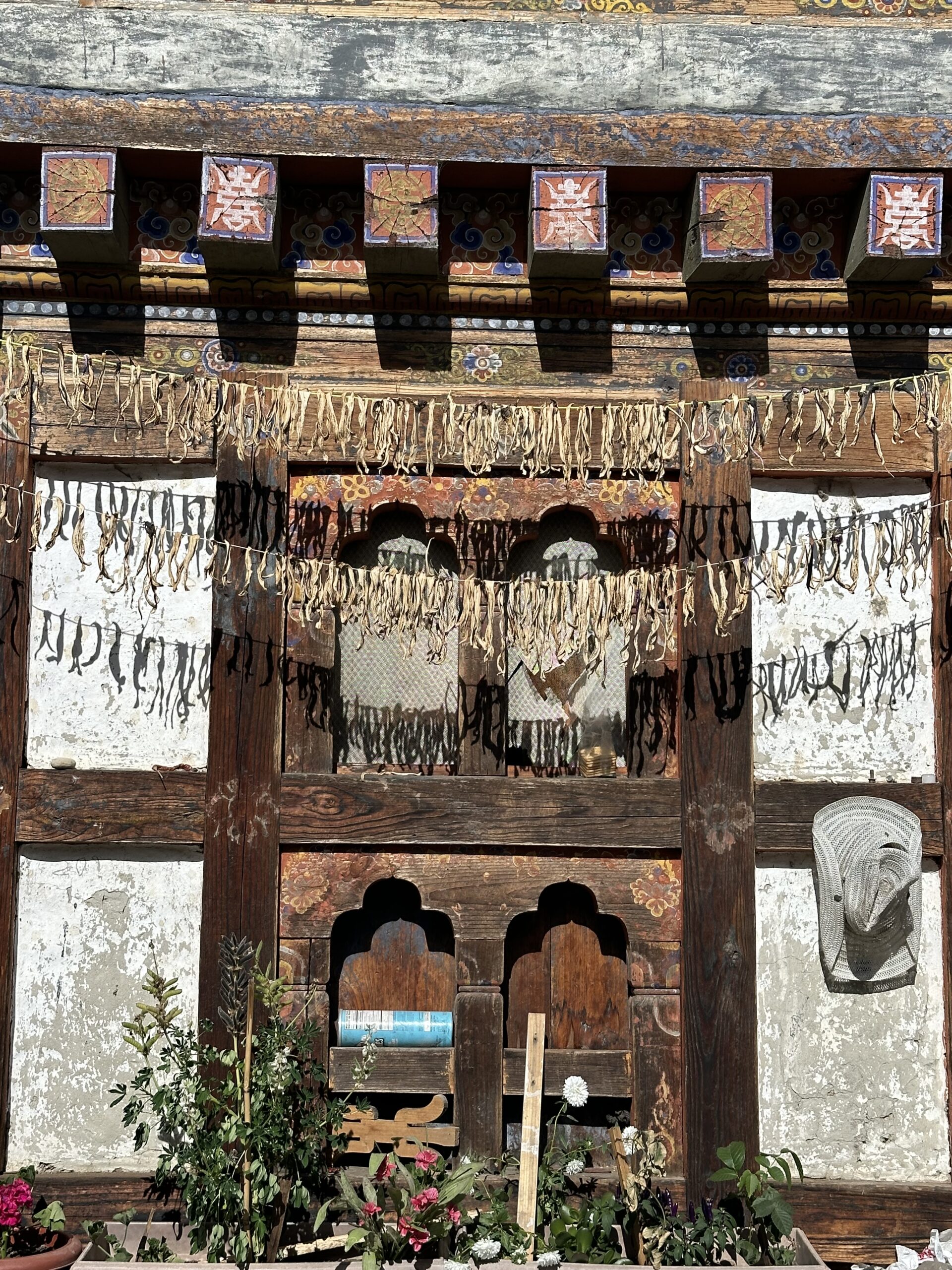
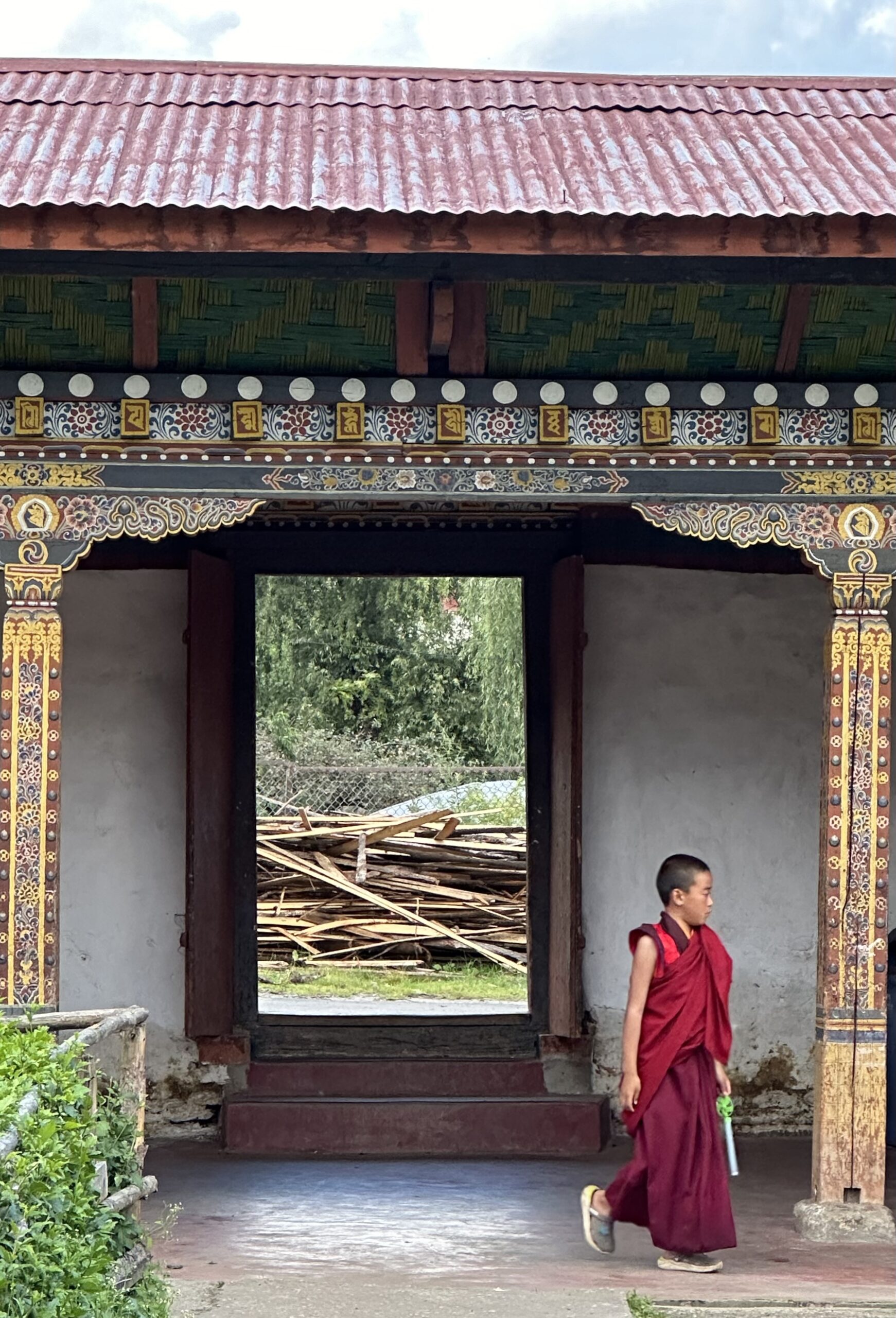
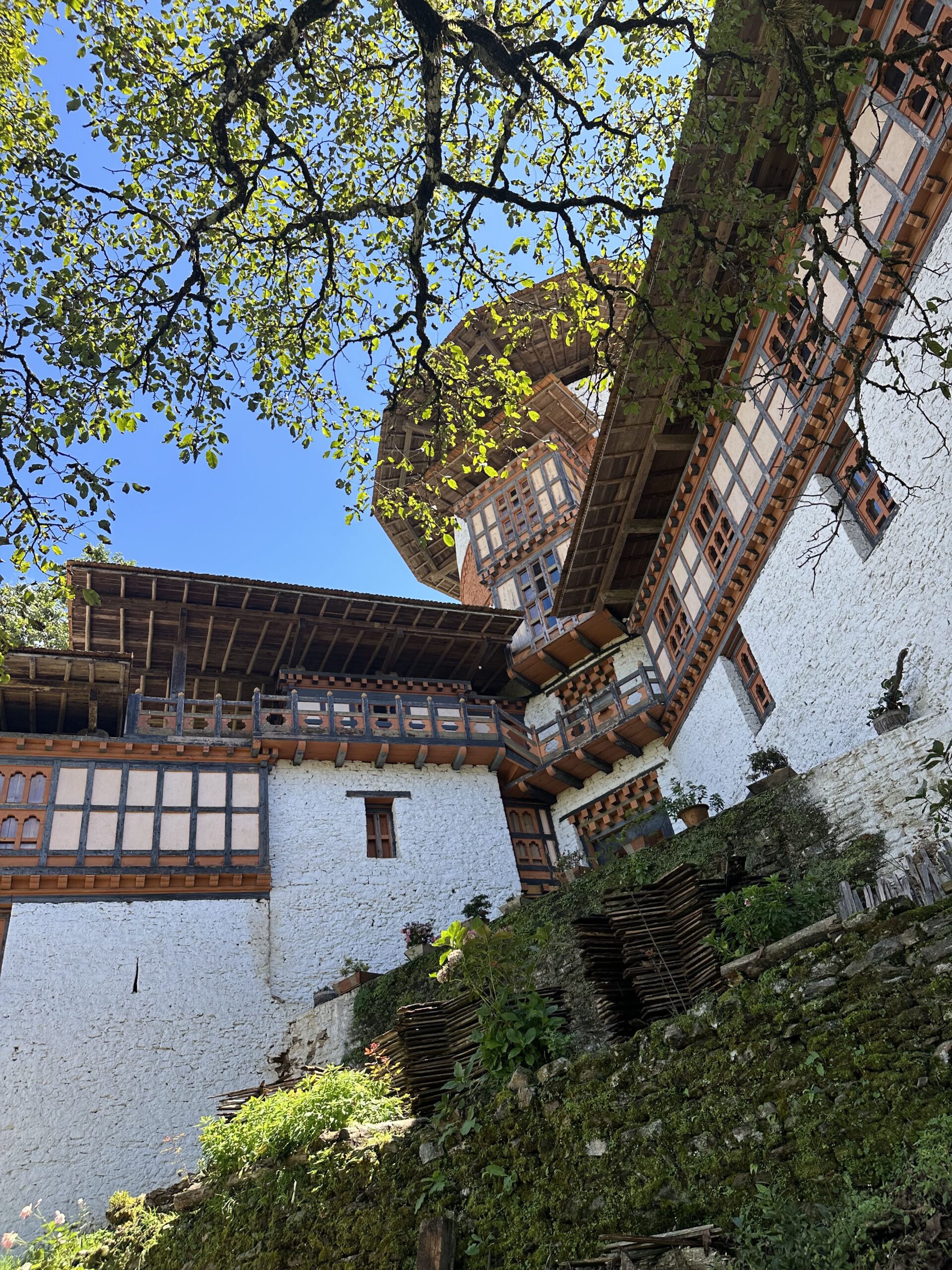
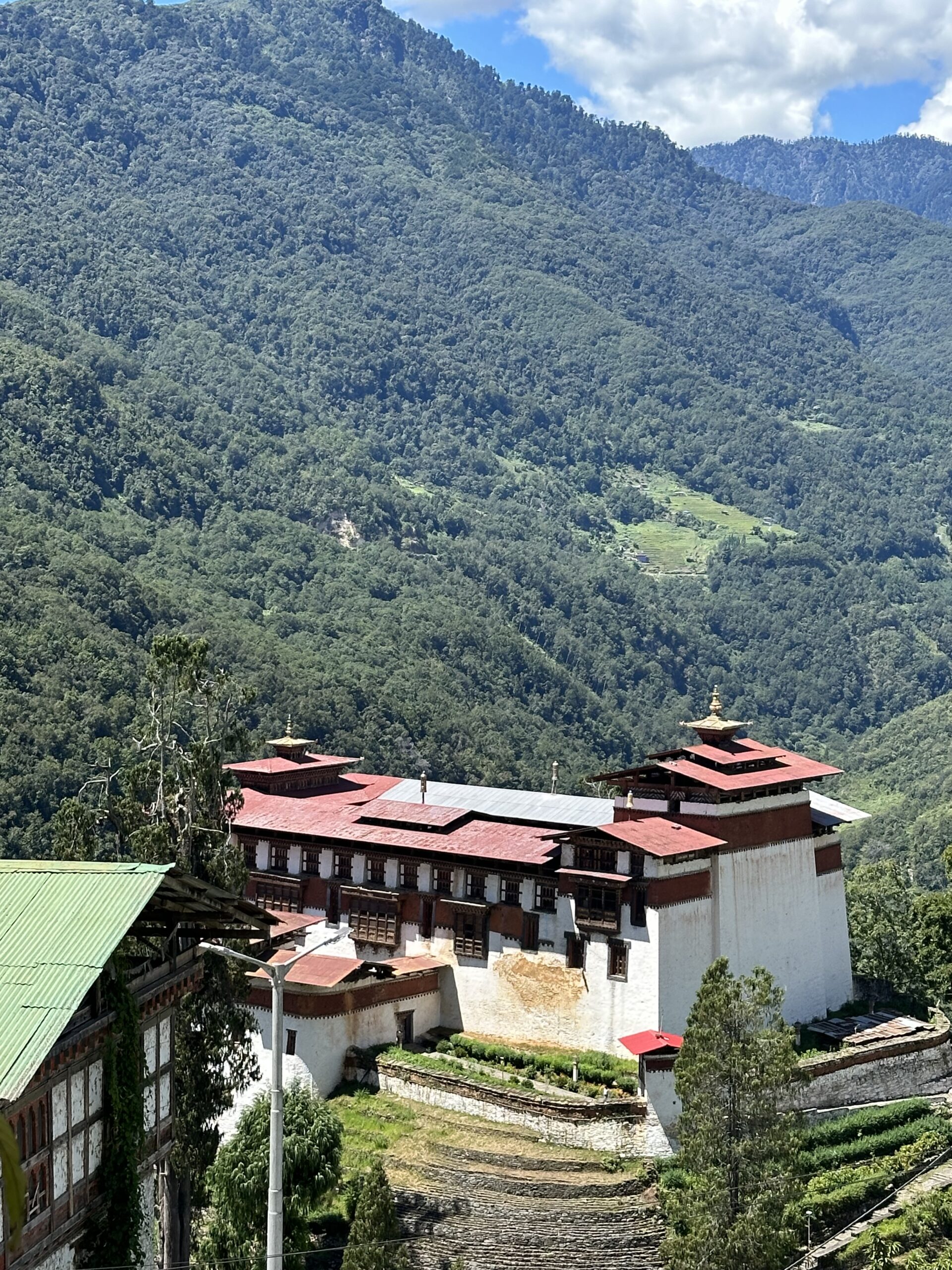
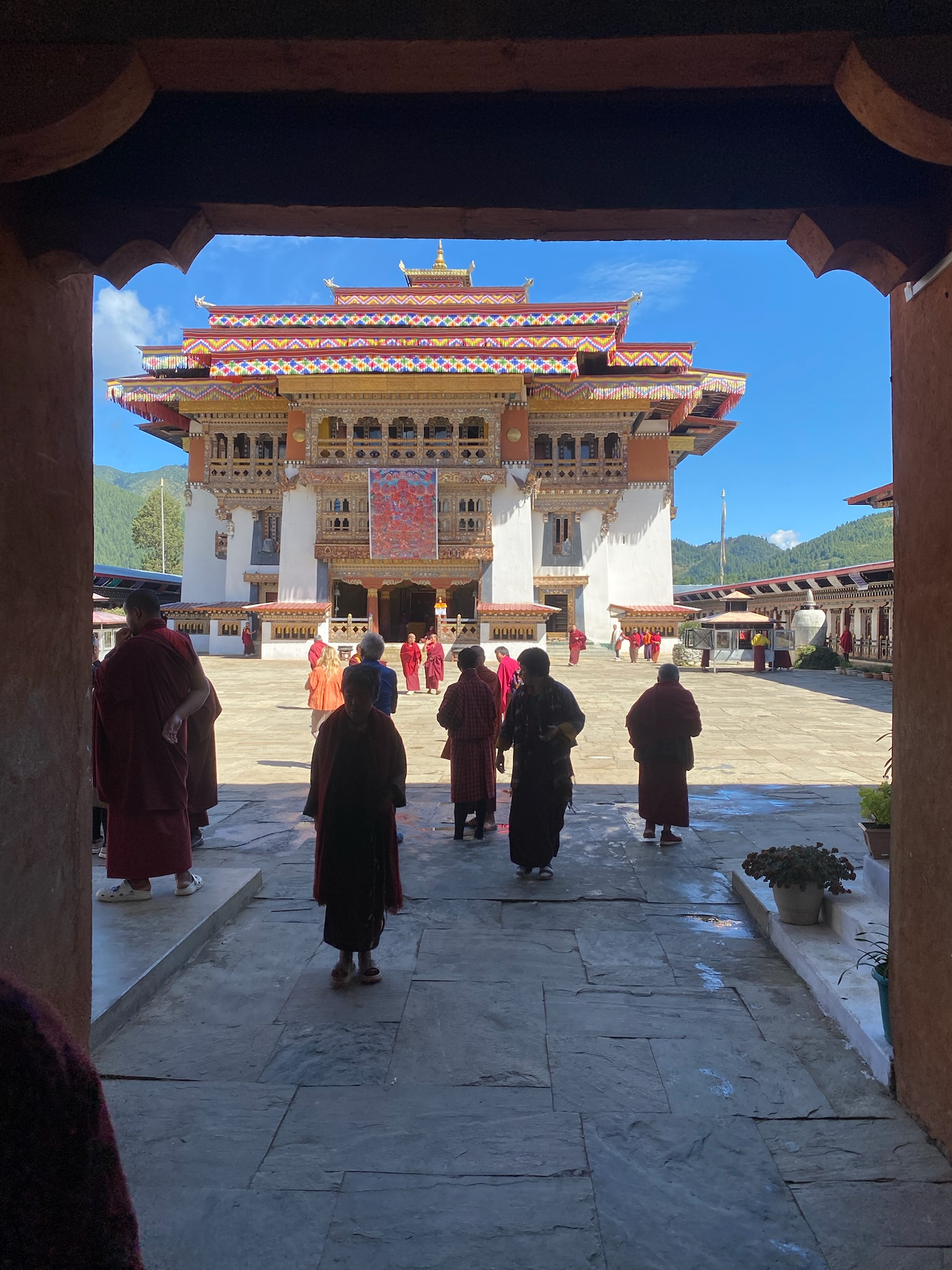
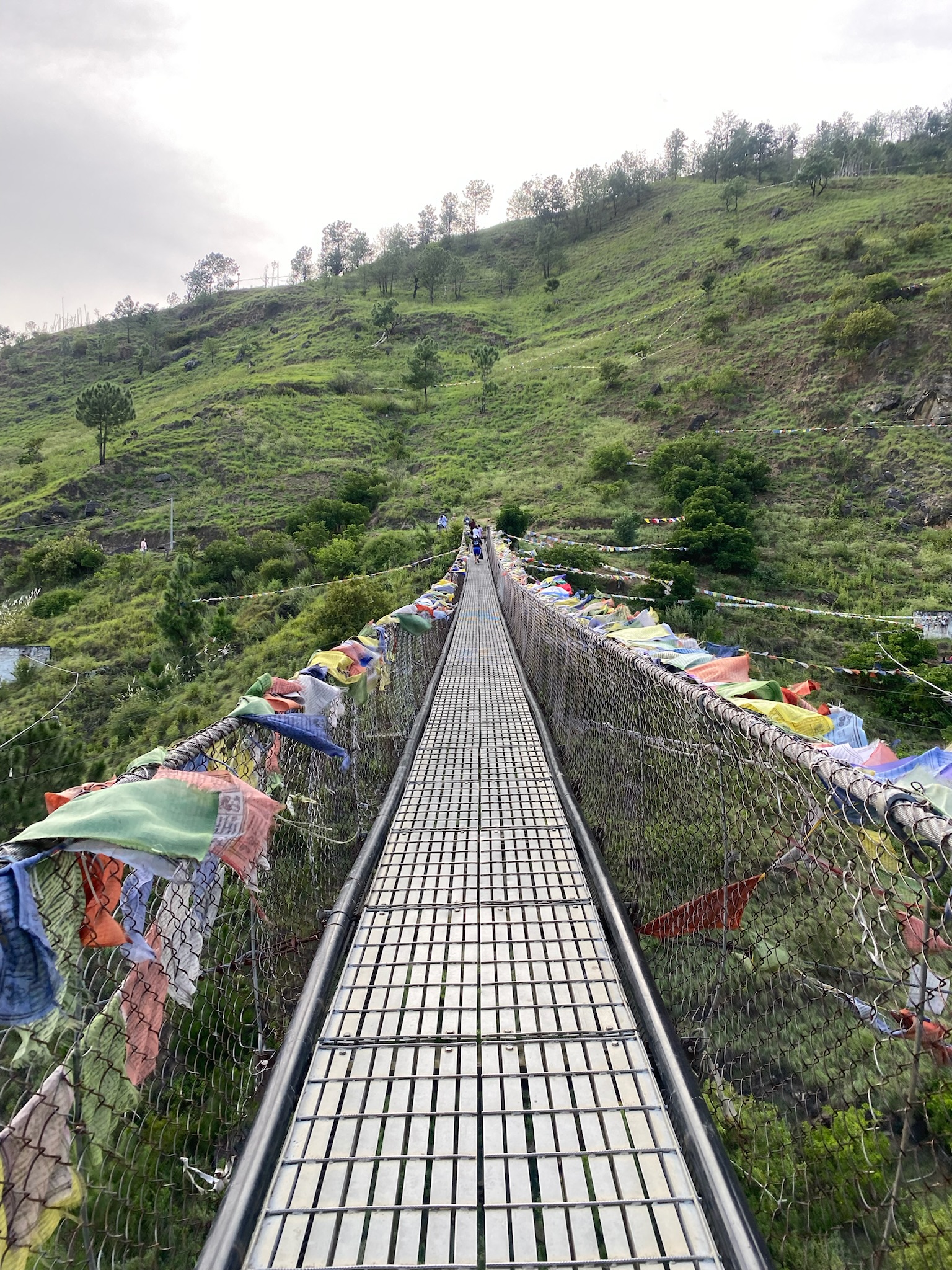
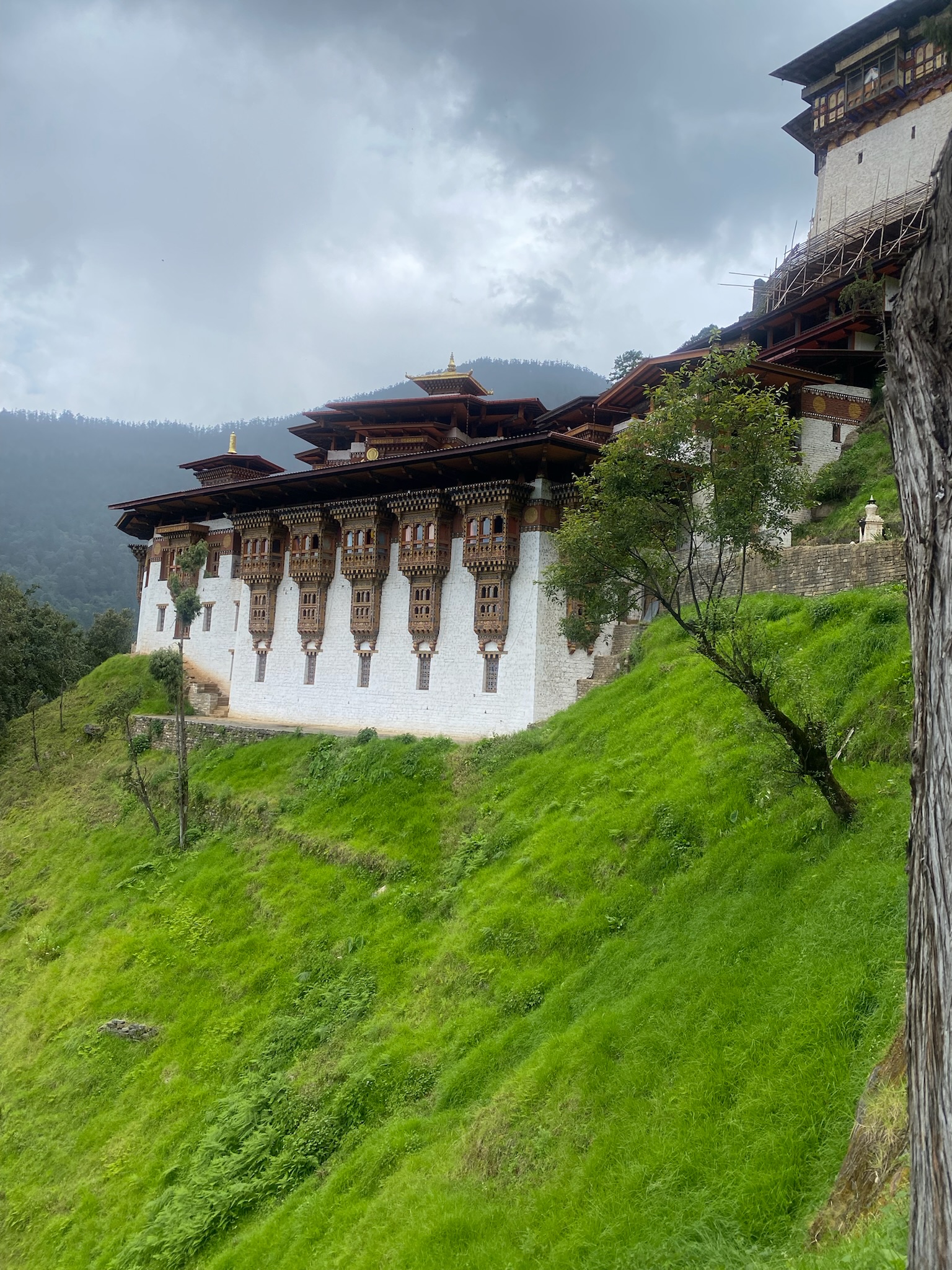
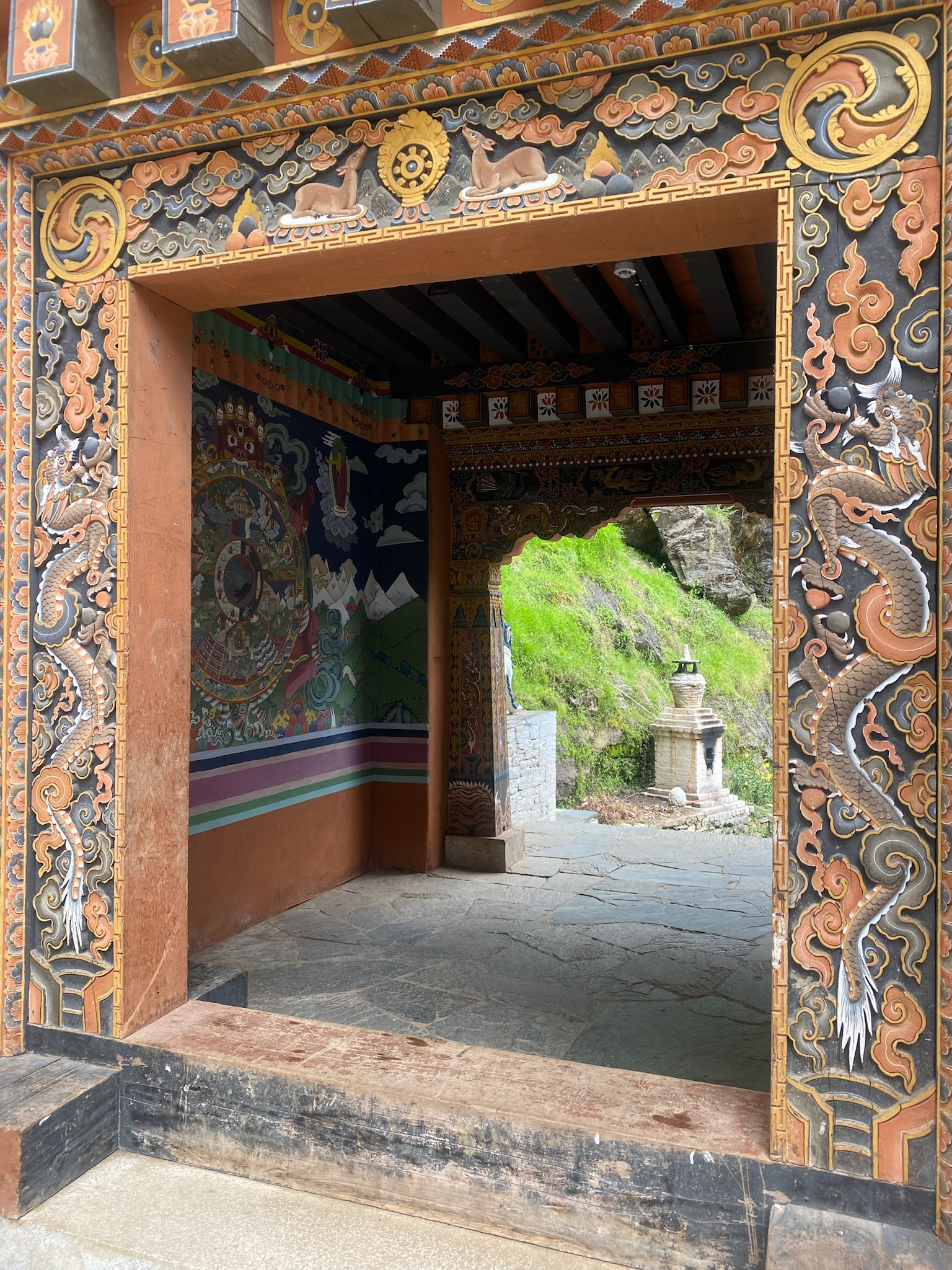
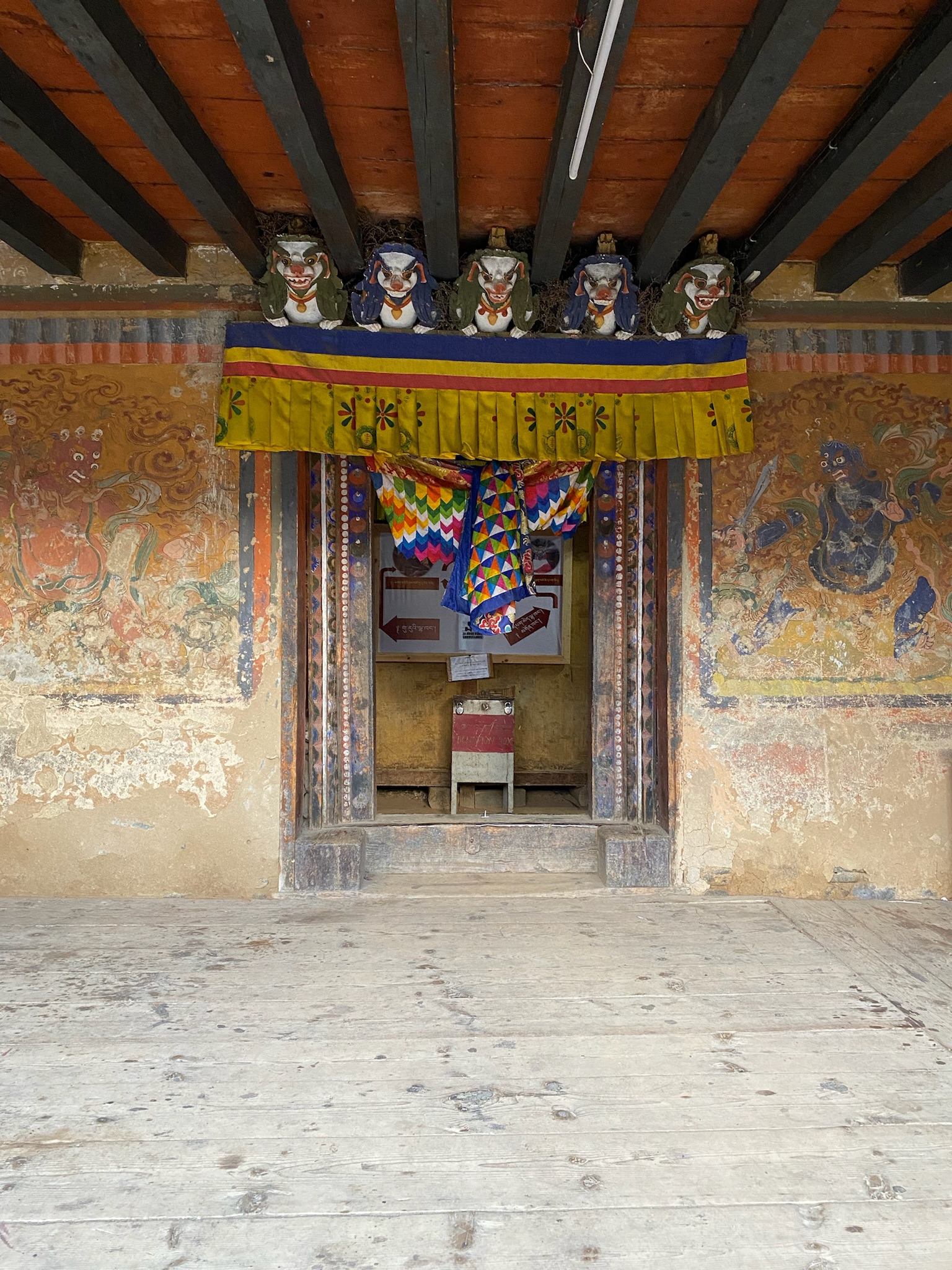
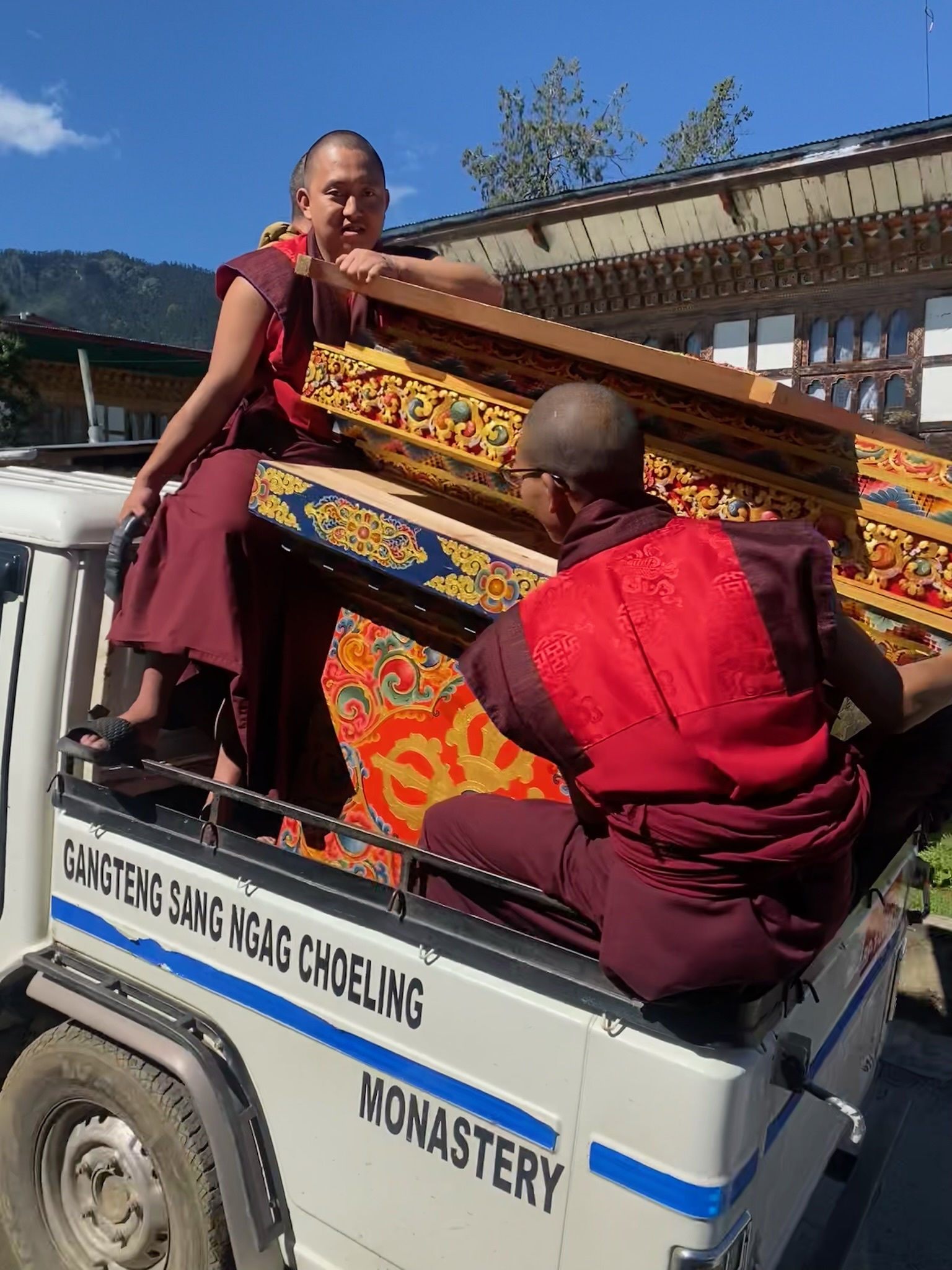
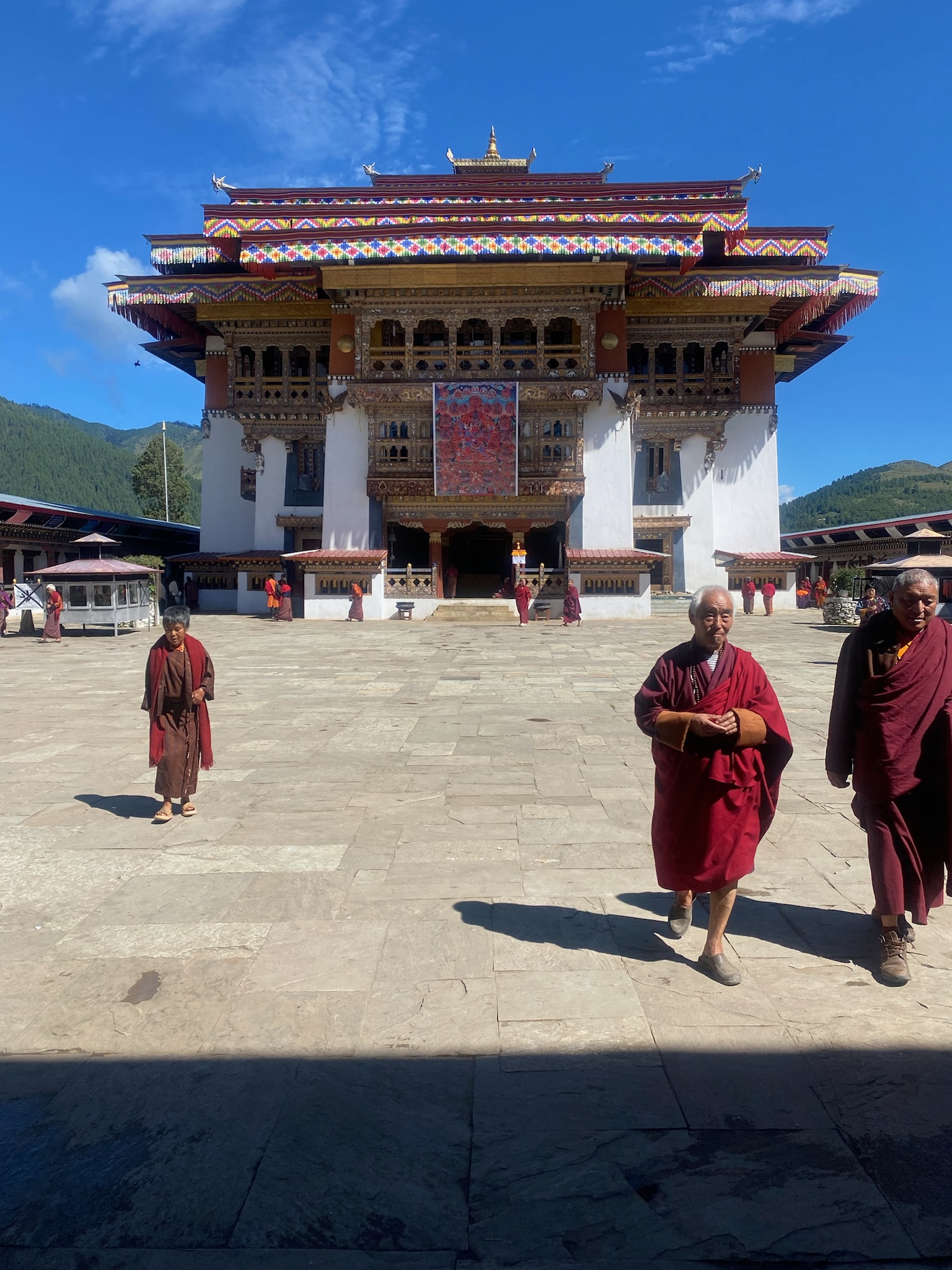
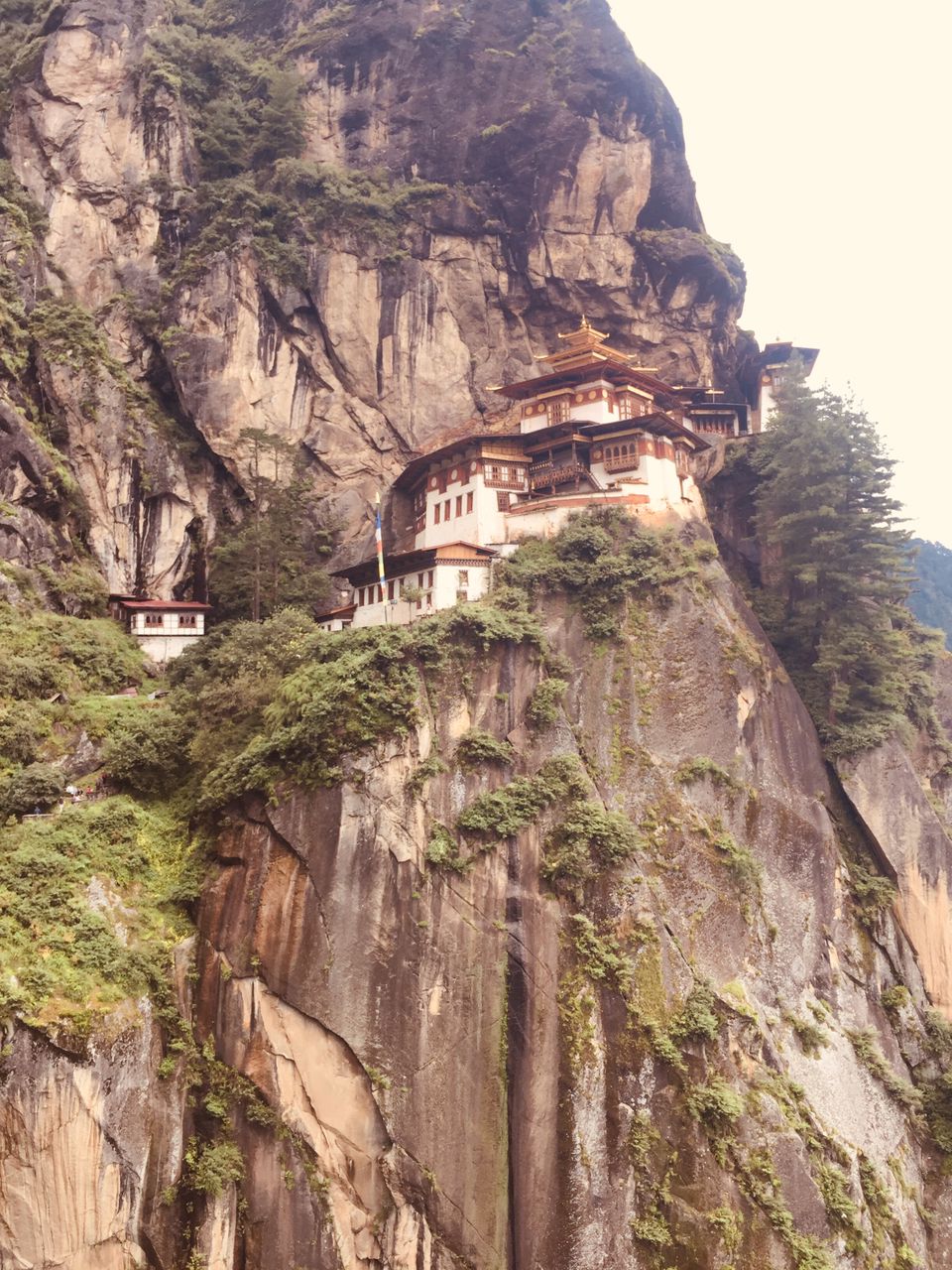
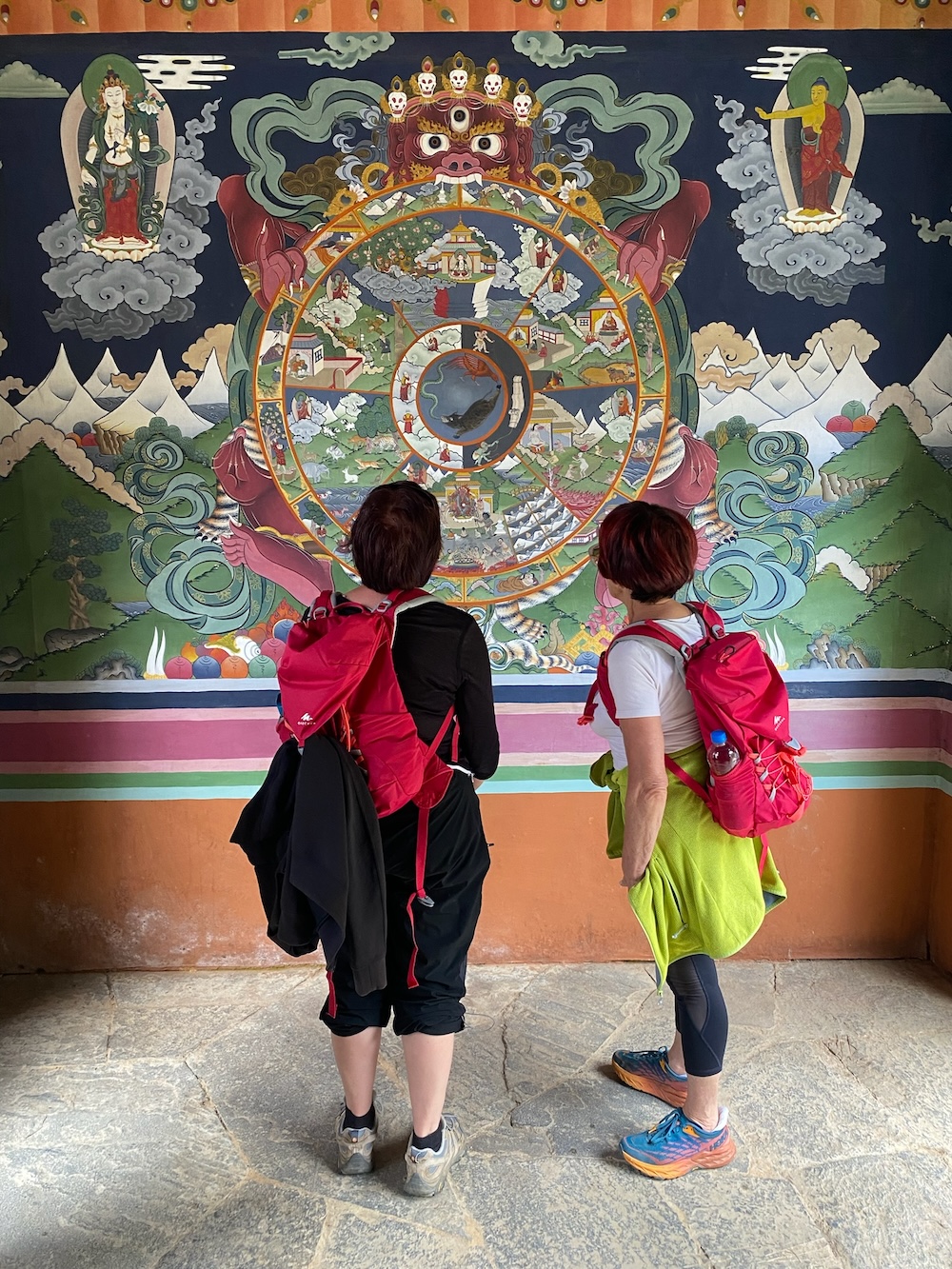
Architecture is everywhere. Monasteries are located all over Bhutan and many of them are high up in the mountains and not accessible via car. The trek to these traditional and highly decorated buildings is not only a physical journey but a spiritual one as well. It is also a marvel of design and architecture of how they have been built in such remote places several centuries ago.

Postcard moment…
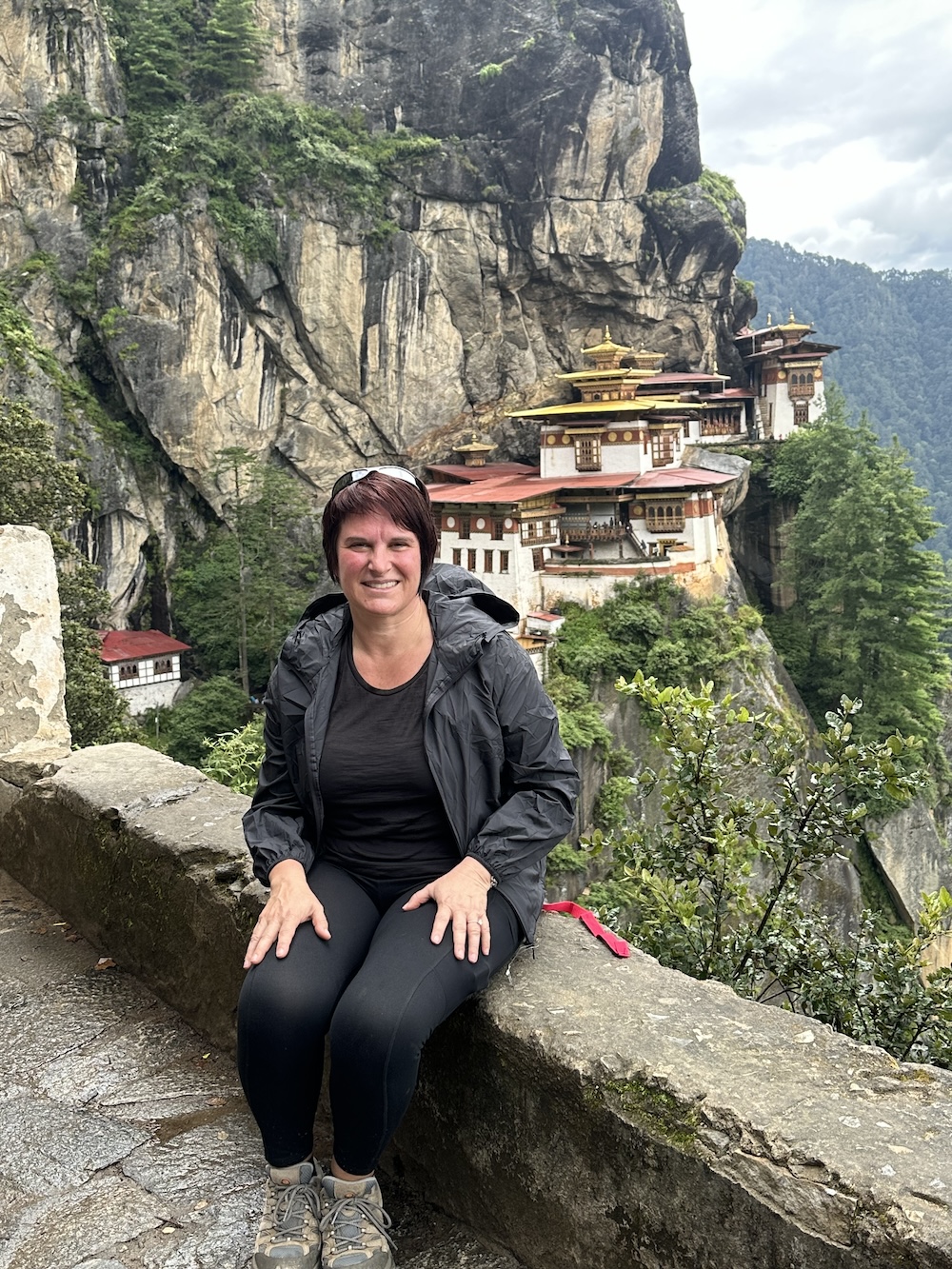
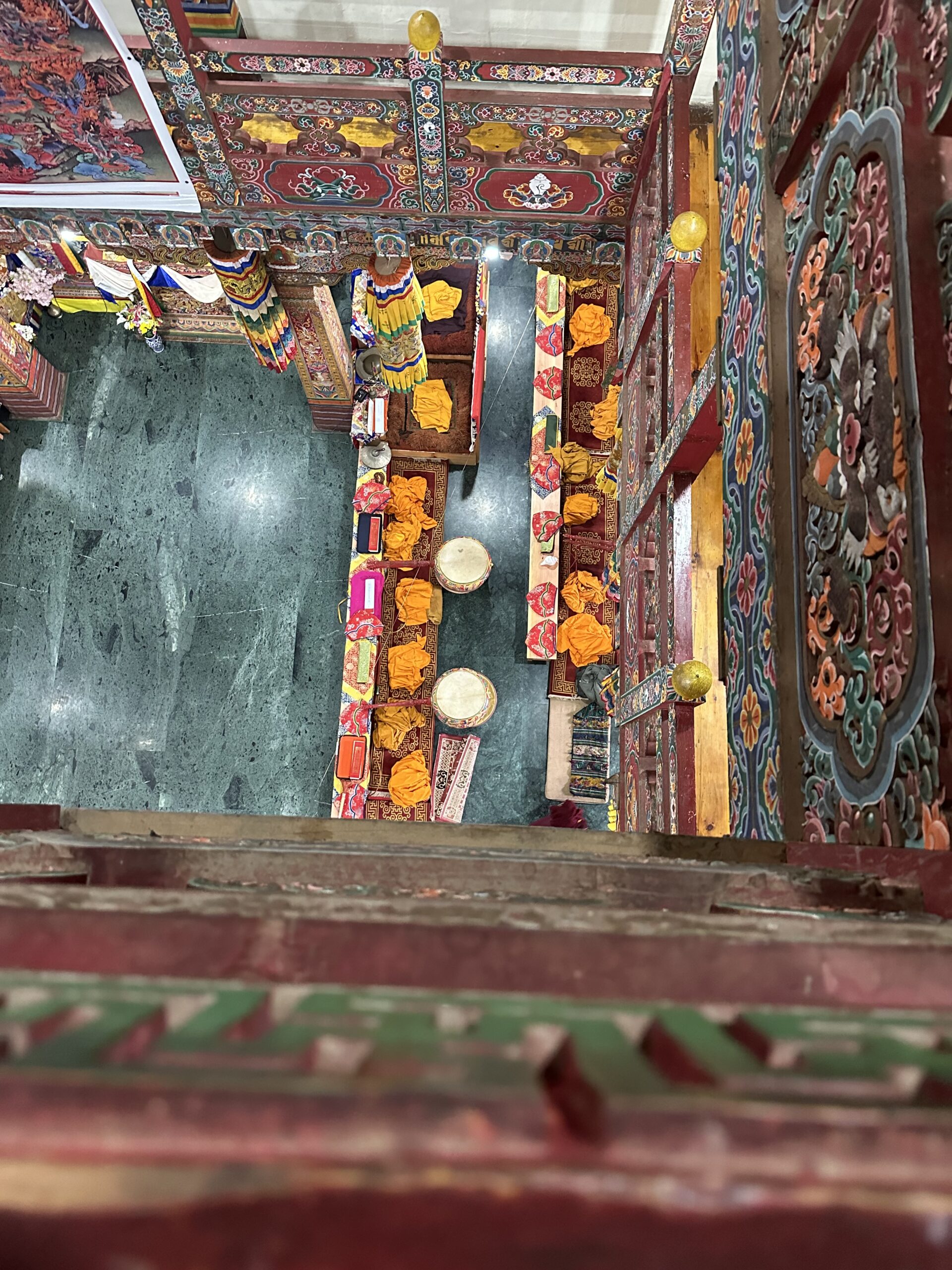
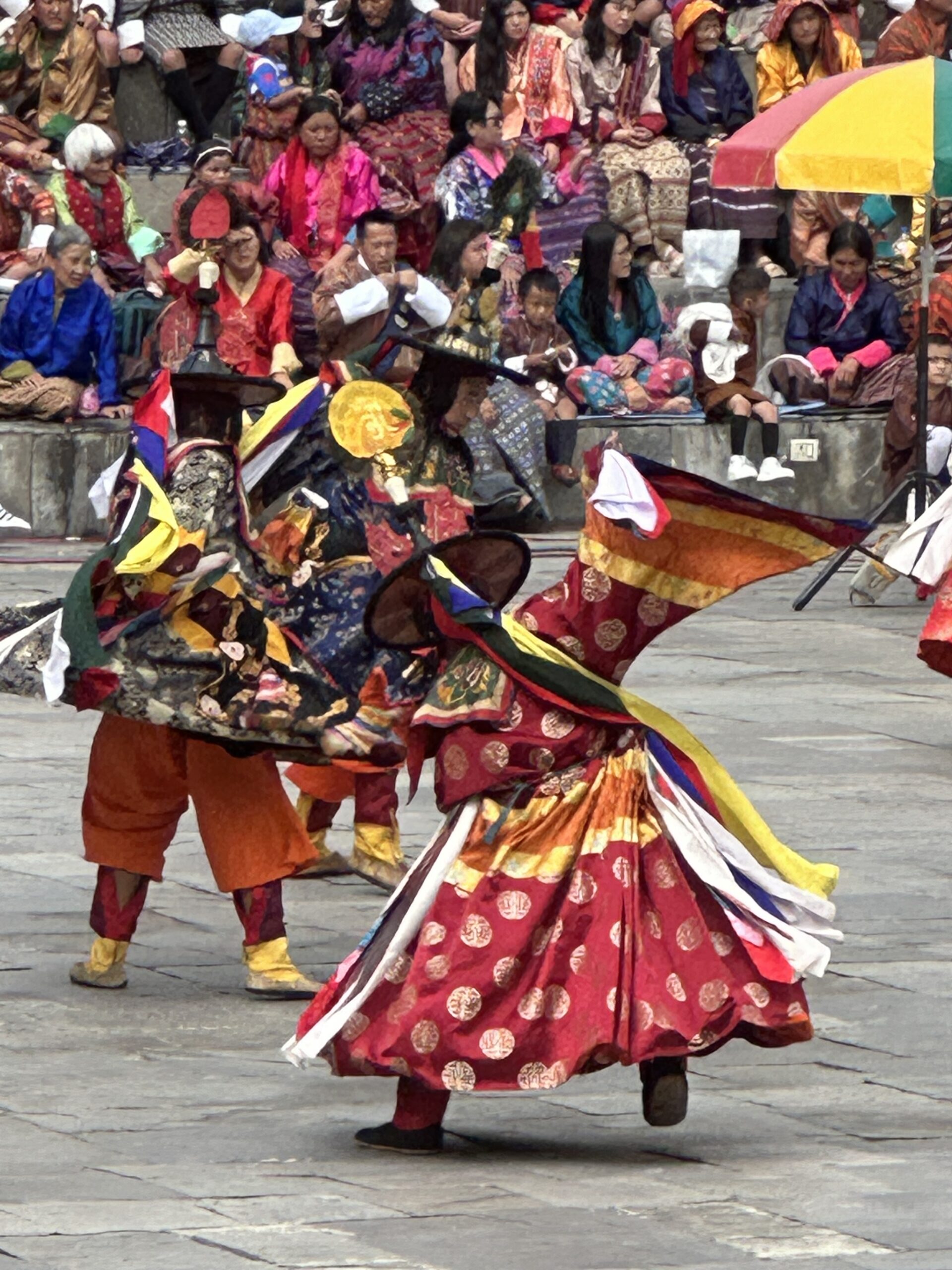
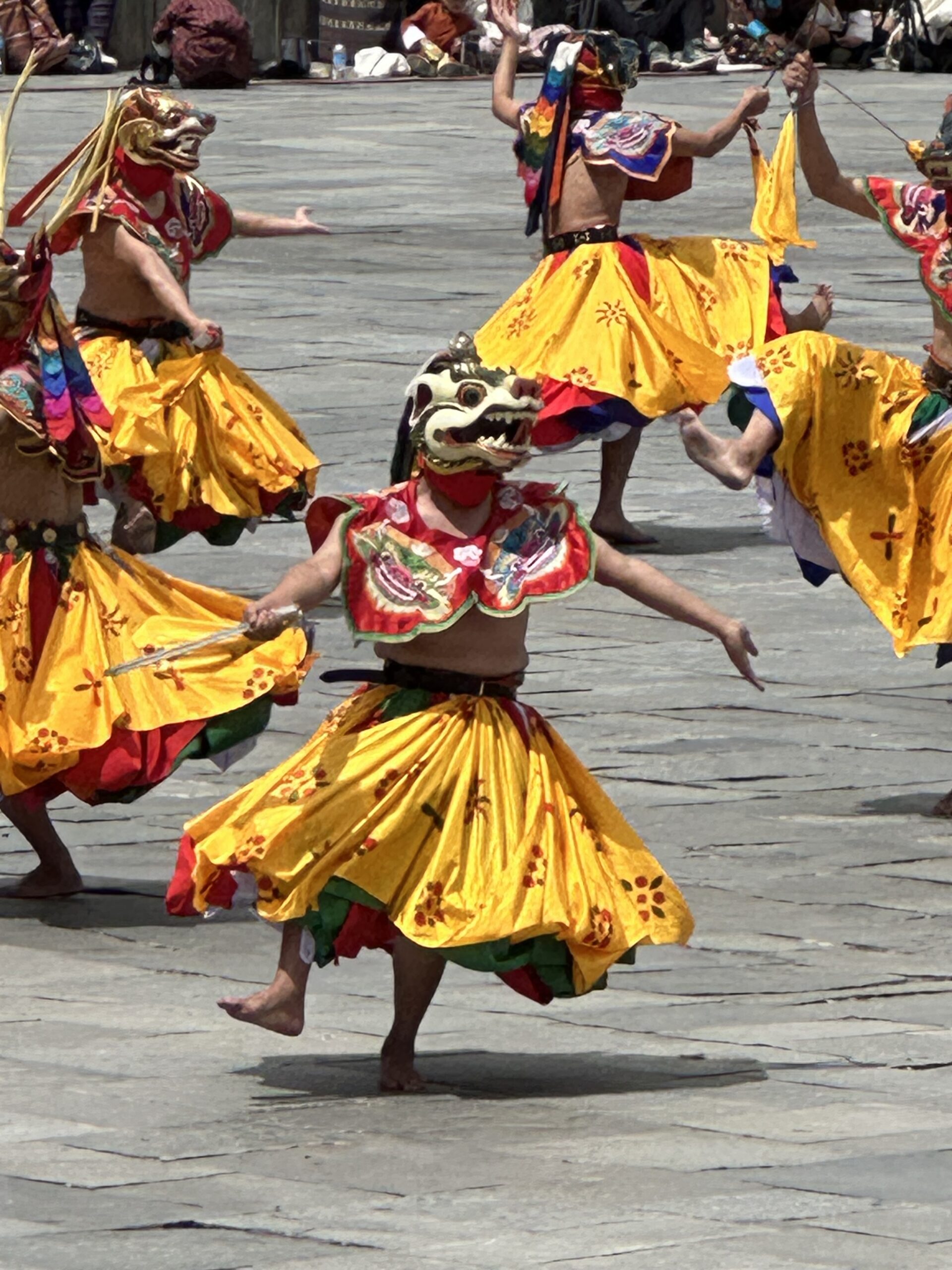
Taktsang monastery, commonly known as the Tiger Nest, is probably the most famous monastery in all of Bhutan. It requires a steep hike of about 3 hours to reach the destination. I was able to witness the reincarnation ceremonies of two famous Lamas (priests) and participate in the annual Thimphu Tshechu where I watched the most mesmerizing dances and costumes but also the locals dressed in their finest attires.

Shopping for objects, furnishings, textiles, and more…
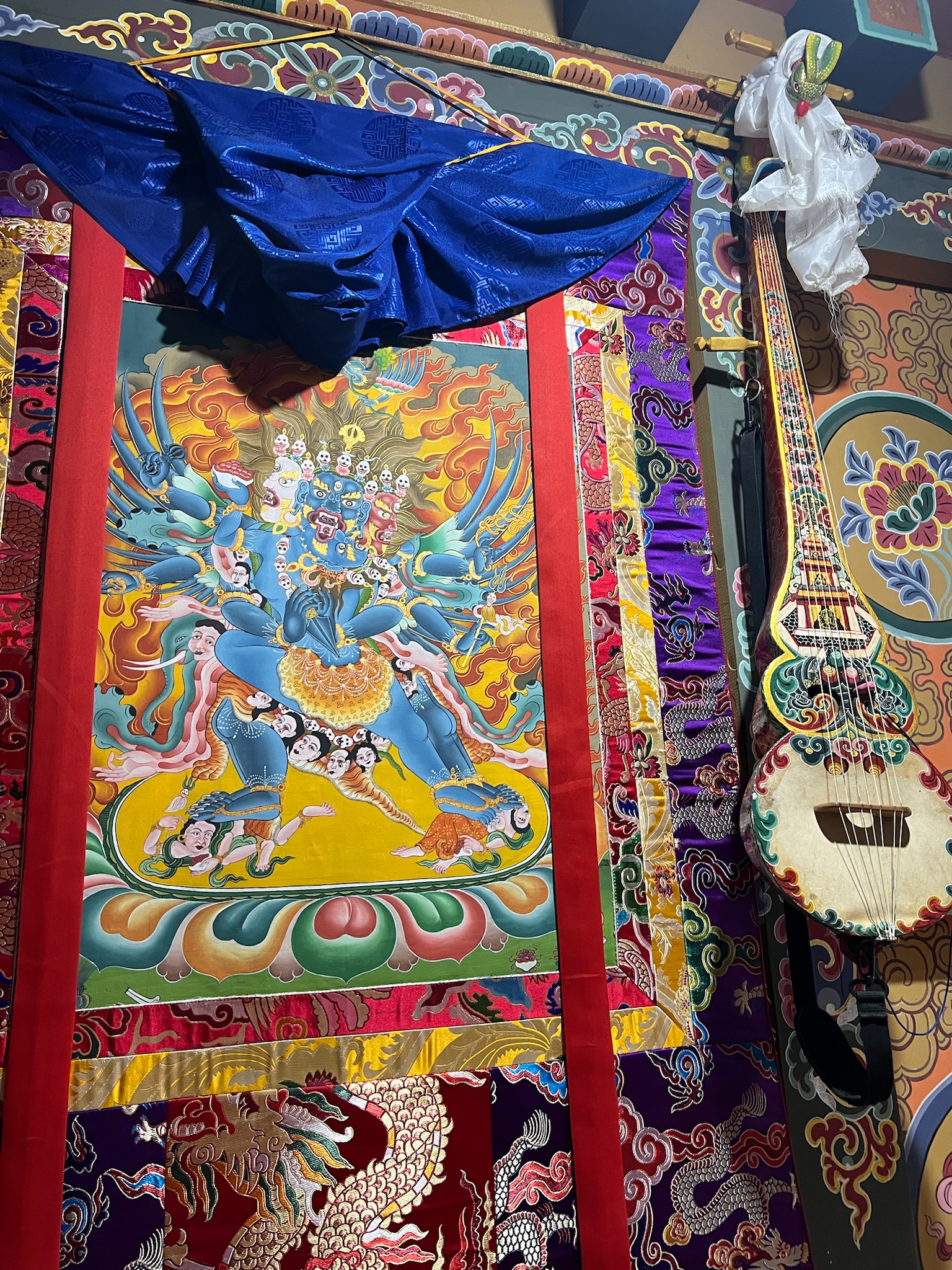
I brought back an antique ceremonial headpiece that I found in a small roadside store, the process of being able to export antiques from Bhutan is a story on its own! Also, a lot of baby yak throws in the most beautiful natural colors, they are so soft and warm!

Greatest takeaway…
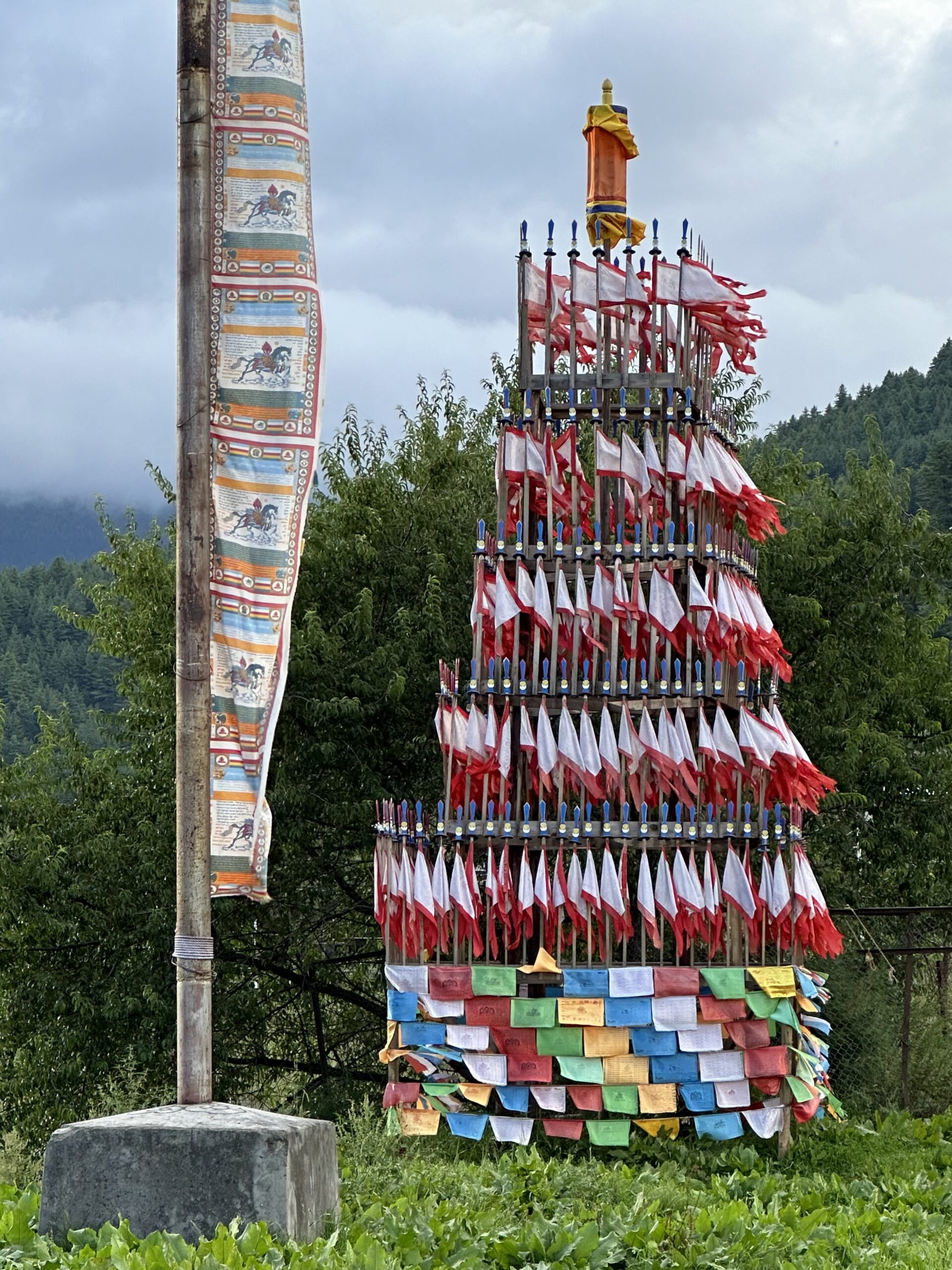
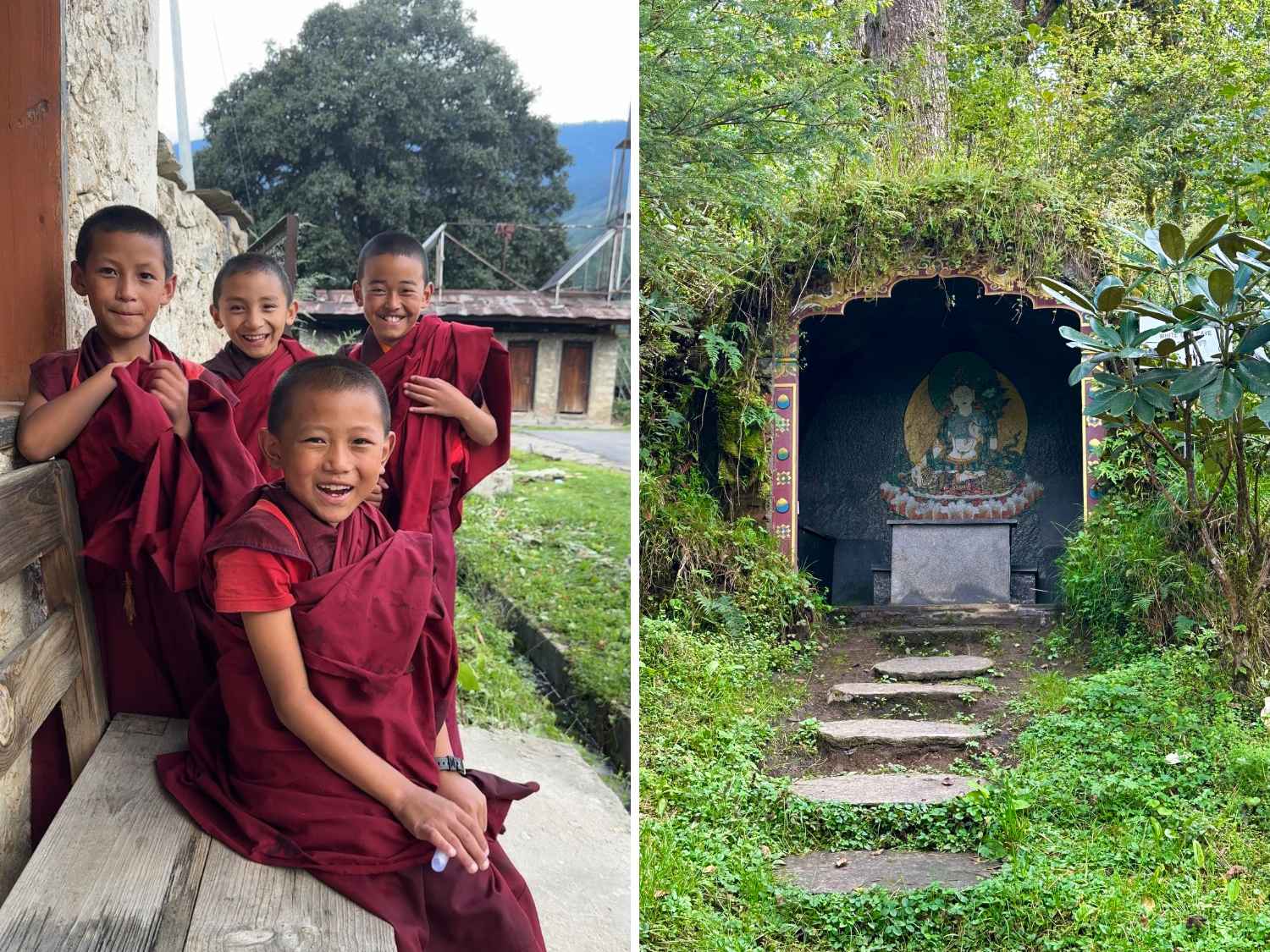
That you can be deeply spiritual and religious and still be accepting of different points of view and beliefs. And how the spirituality of the Bhutanese gives them a sense of peace and happiness that I have not witnessed anywhere else in the world.
Also, their respect for their land. In the constitution, they have committed to leaving 60% of the country’s land untouched. Bhutan has the highest peak in the world to have never been summited because it is considered sacred and despite the country having many natural resources (copper, tungsten, beryllium, etc.), they are not exploited so that the environment will remain pristine. So many of the decisions are made by thinking about the long-term effect of the environment on people.
Lasting influence…
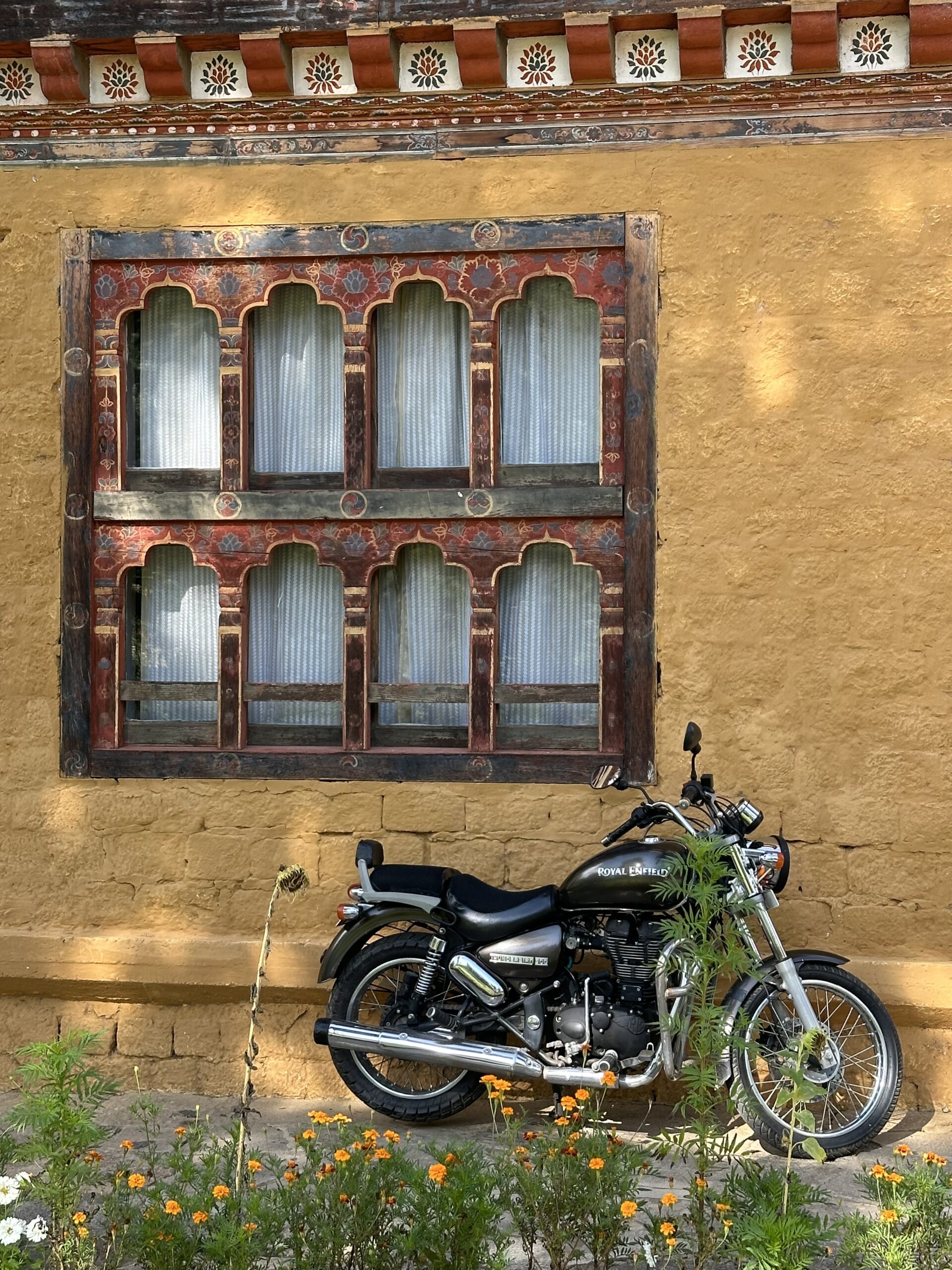
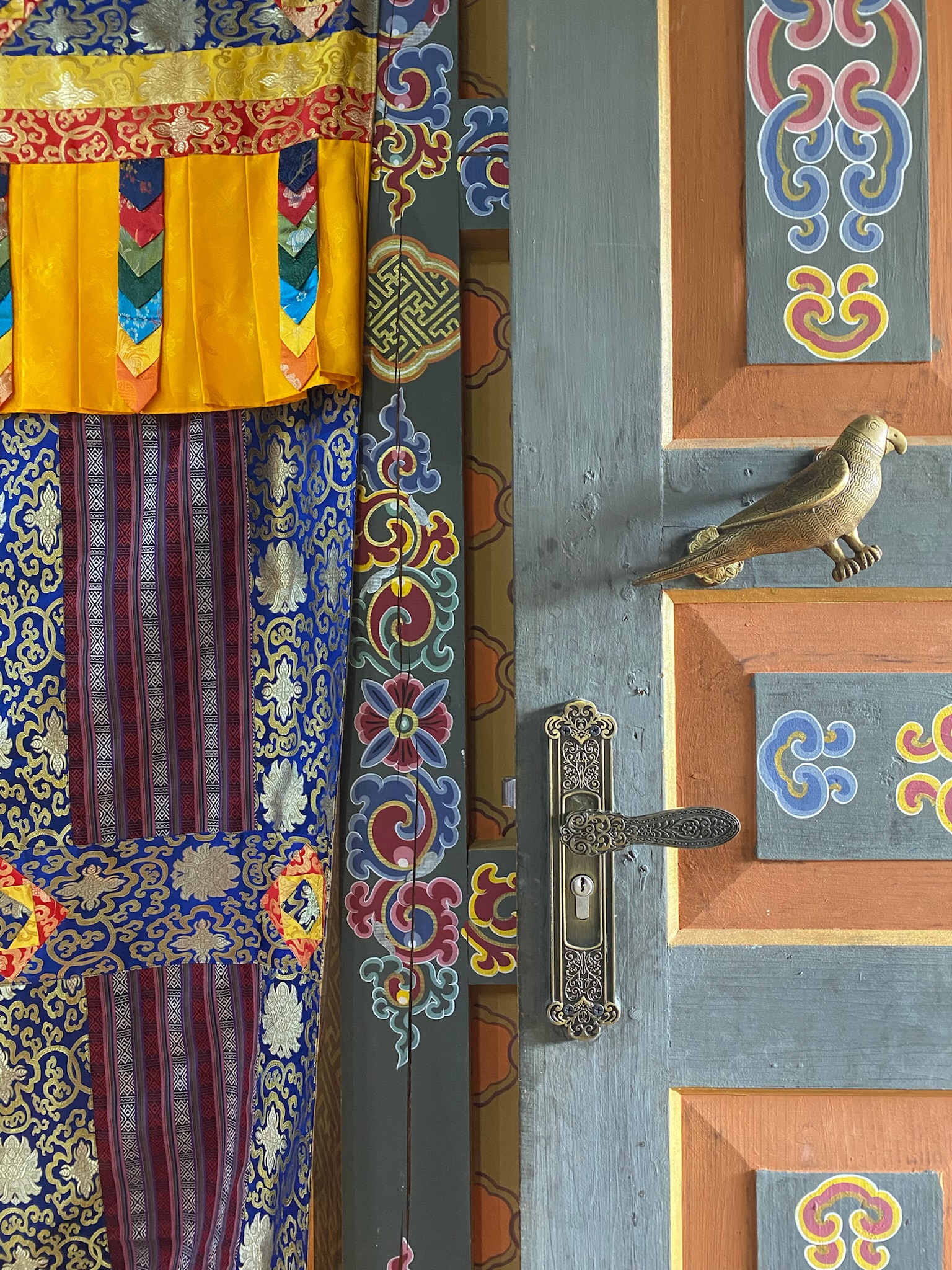
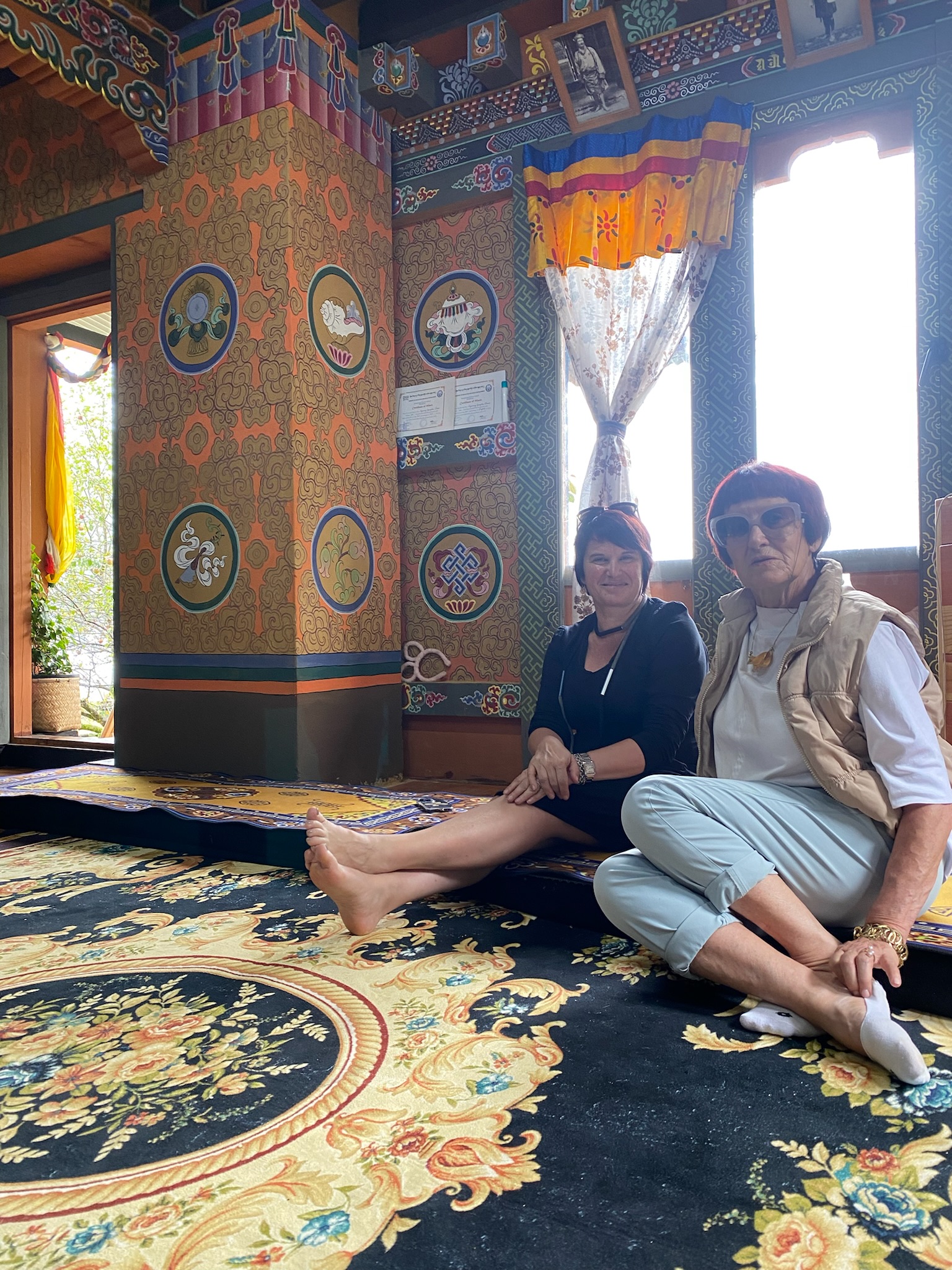
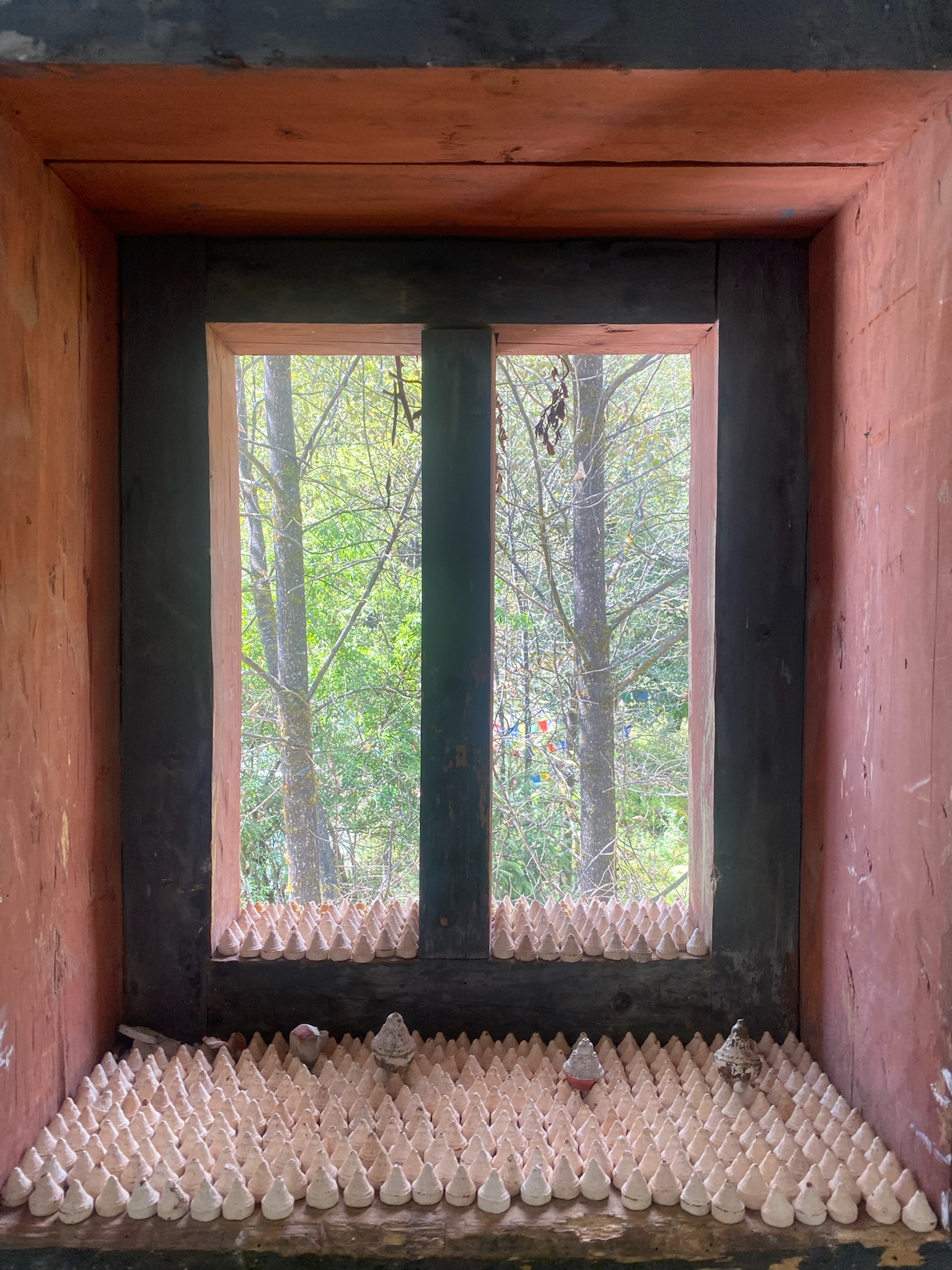
As an architect, it was interesting to be in a country where all buildings (private, public, new, and old) respect and utilize very similar materials, architectural elements, and decorations. It gives the country a cohesiveness that I have never experienced before!
Read more of our Designer Travels series here.
Like what you see? Get it first with a subscription to aspire design and home magazine.