


Nearly two decades of experience informs architect Drew Davis’ work — that, and his extensive travels around the world. A partner at Kligerman Architecture and Design, his work features global influences and traditional craftsmanship.
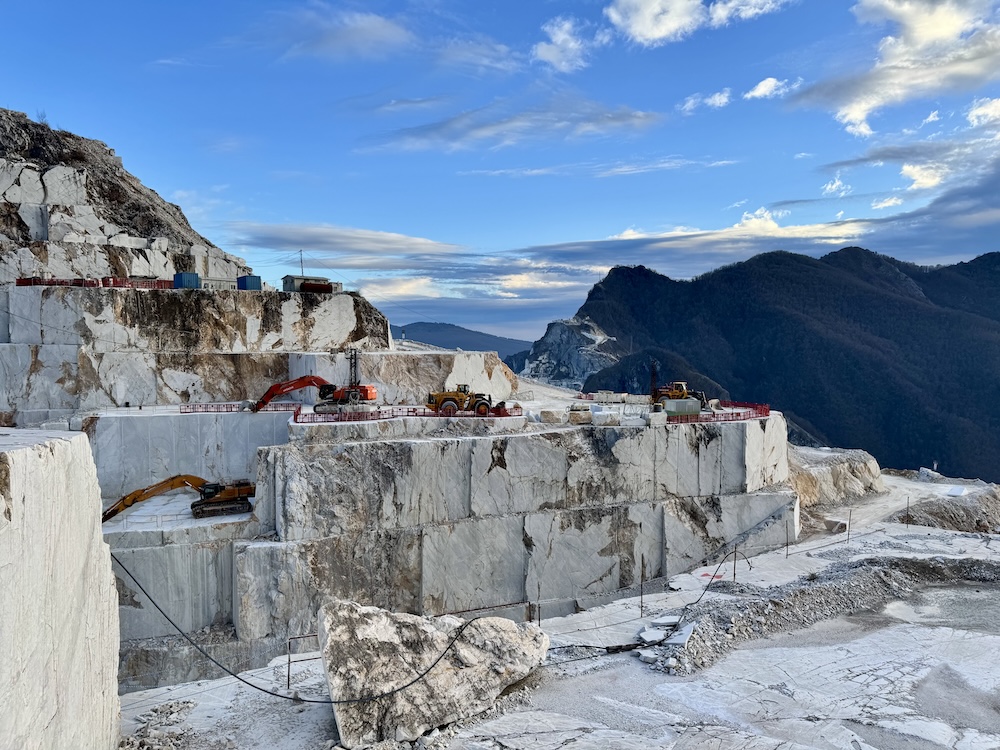
On his recent trip to Italy, Drew explored historic stone yards and quarries, getting an inside look at the production process for some of the best Italian marble in the world.
Destination: Sant’Ambrosio di Valpolicella and Forte dei Marmi
Month traveled: January
Duration of trip: 4 days
Temperature range: 30 – 40 degrees Fahrenheit
Solo trip or vacation with family/friends? With clients and business associates.
First visit or repeat destination? First time visiting!
What drew you to this locale?
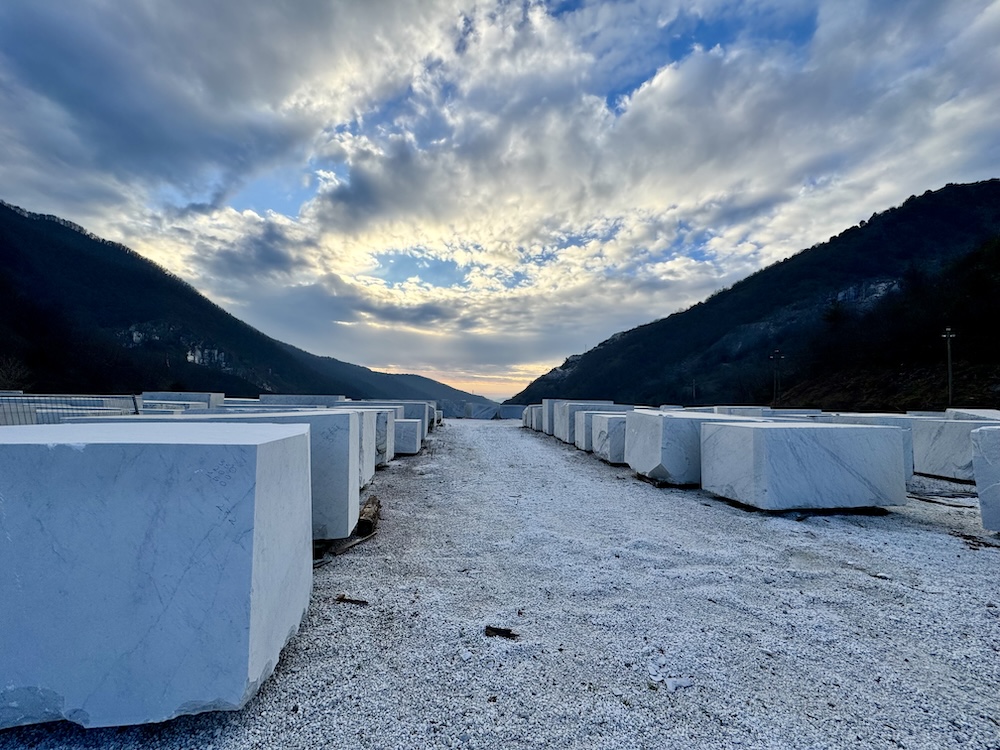
These two regions are home to many stone yards and quarries for sourcing the best slabs and blocks of Italian marble in the world. The Carrera Quarries outside of Forte dei Marmi have been designated a UNESCO World Heritage site since 2015 and have been the source of marble since ancient Roman times and many of Michelangelo’s statues.

The lodgings…
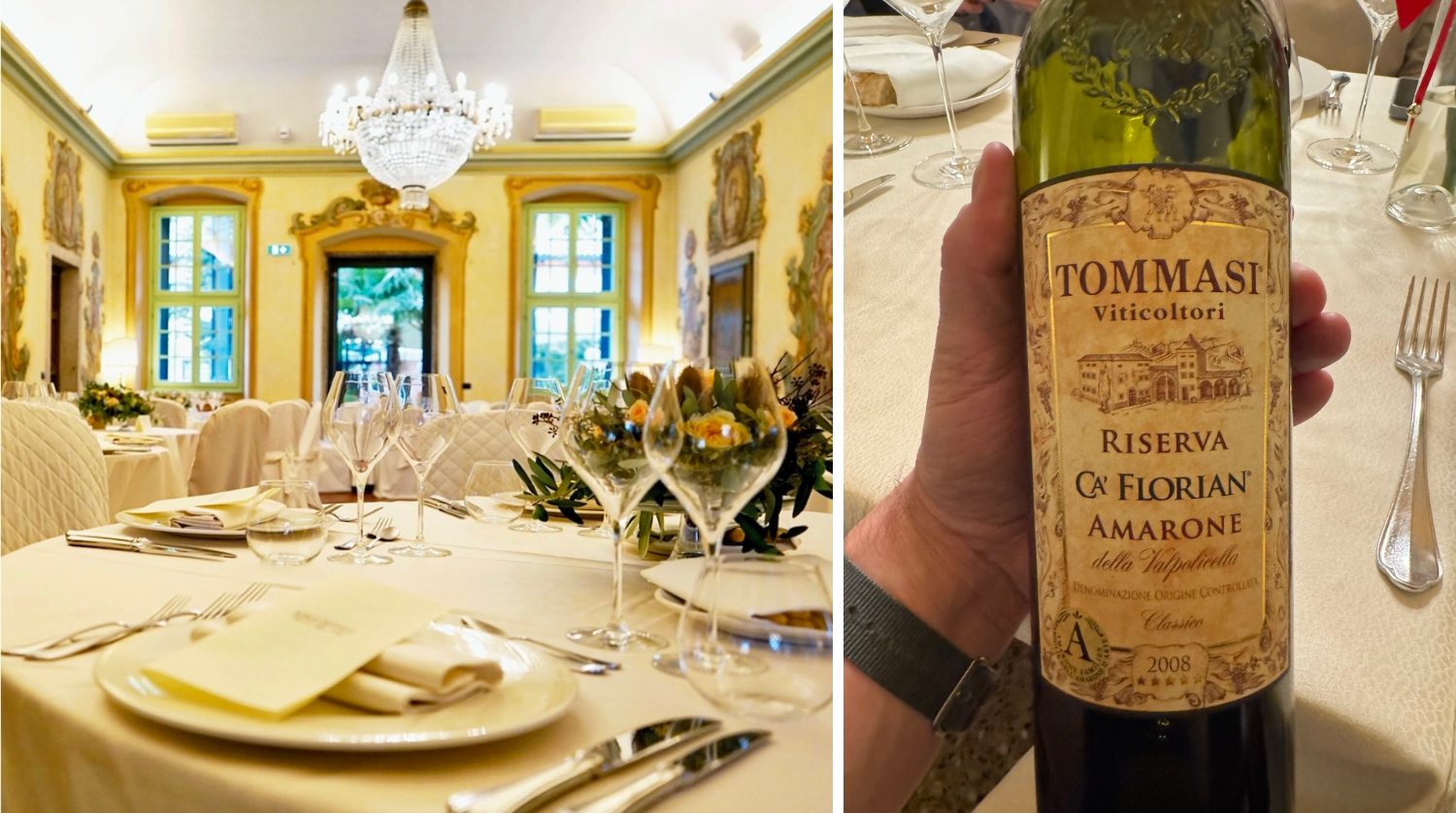
Ten families in this region have been producing a wine variety called Amarone for hundreds of years. One of those families also owns a hotel and spa called Villa Quaranta and keeps several bottles of Amarone exclusive to the hotel. It is worth staying in for a meal!

Must-sees for design and architecture enthusiasts…
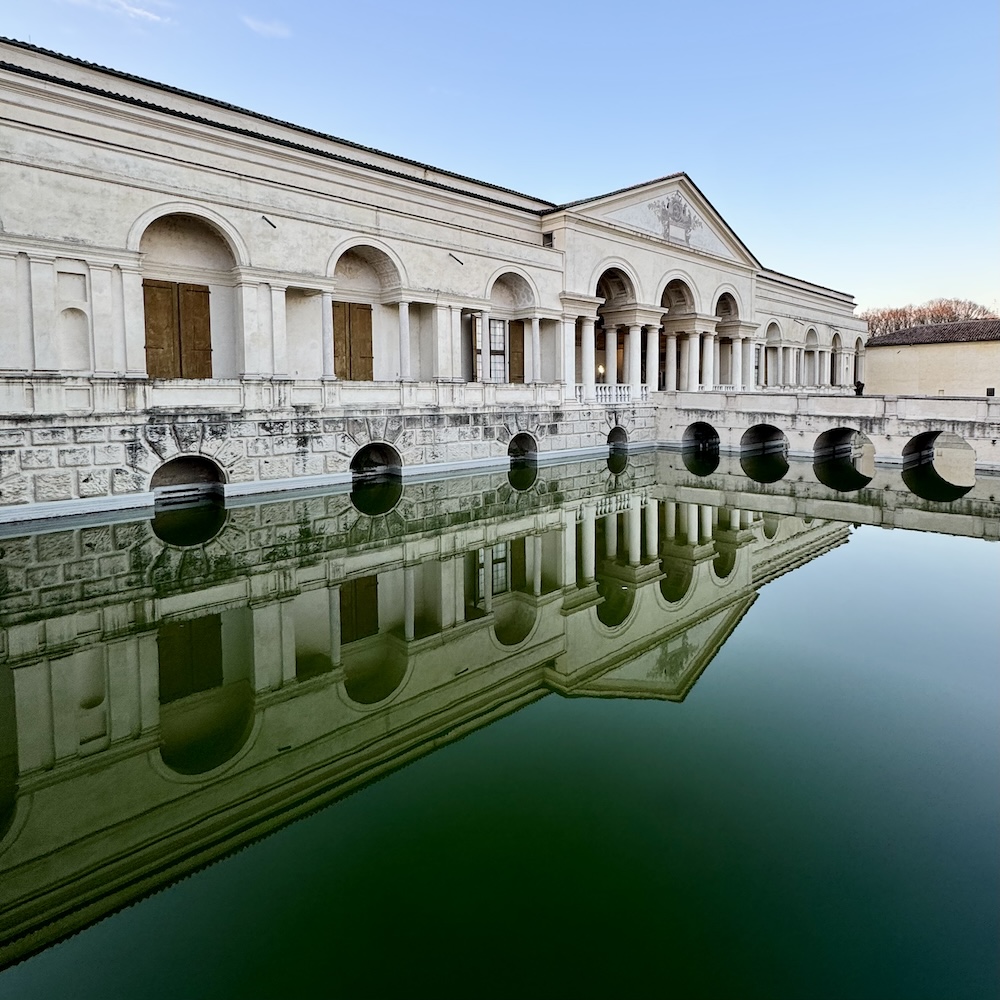
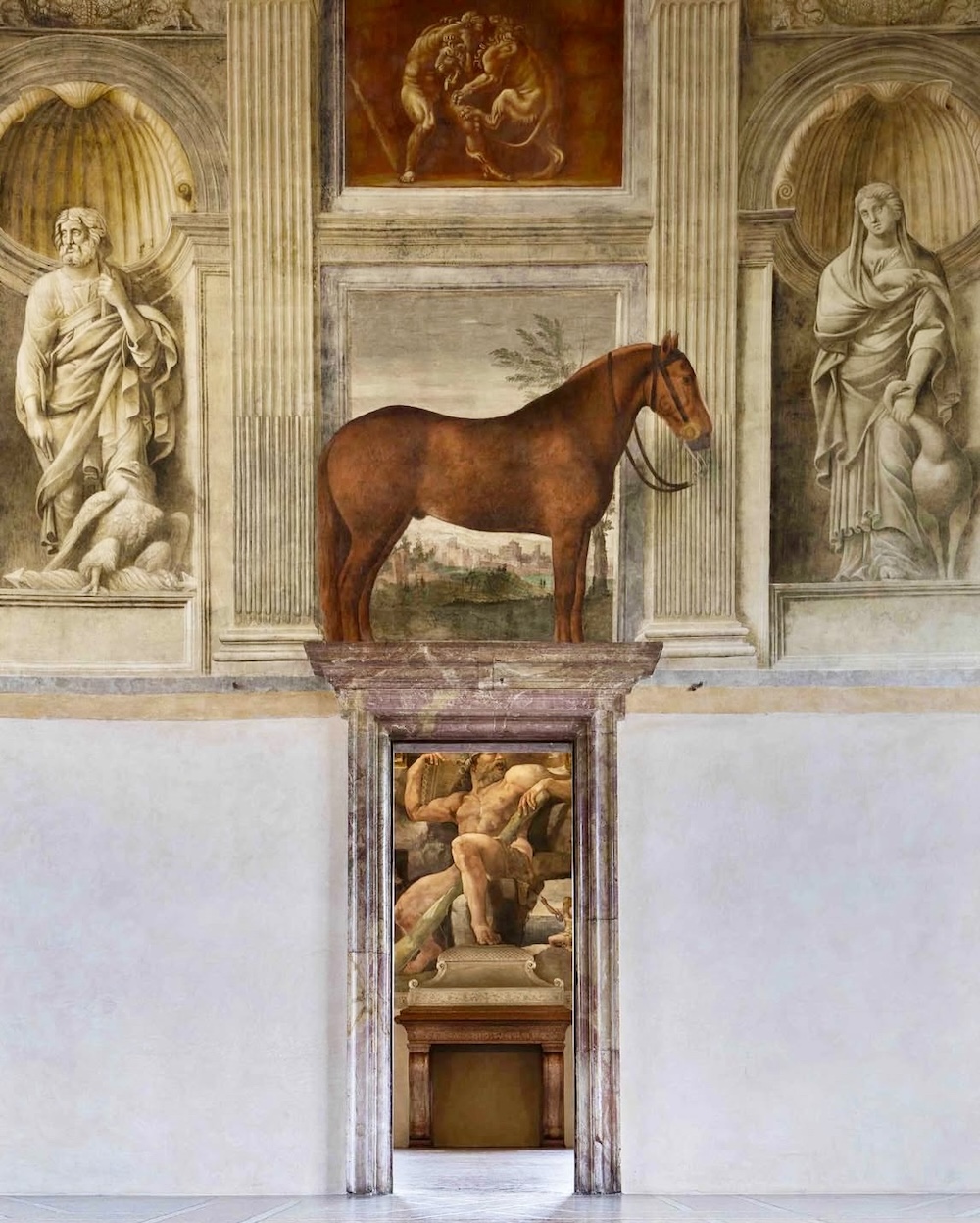
There are many architecturally significant buildings within an hour’s drive of the area; ancient Roman and Renaissance buildings and a few works by Carlos Scarpa in Verona. When driving from Sant’Ambrosio di Valpolicella to Forte dei Marmi, we went through Mantua and had a few minutes to see the Palazzo Te, designed by Giulio Romano and completed in 1534. It is an incredible building, but wait until you see the trompe-l’oeil frescoes on the interior!

Postcard moment…
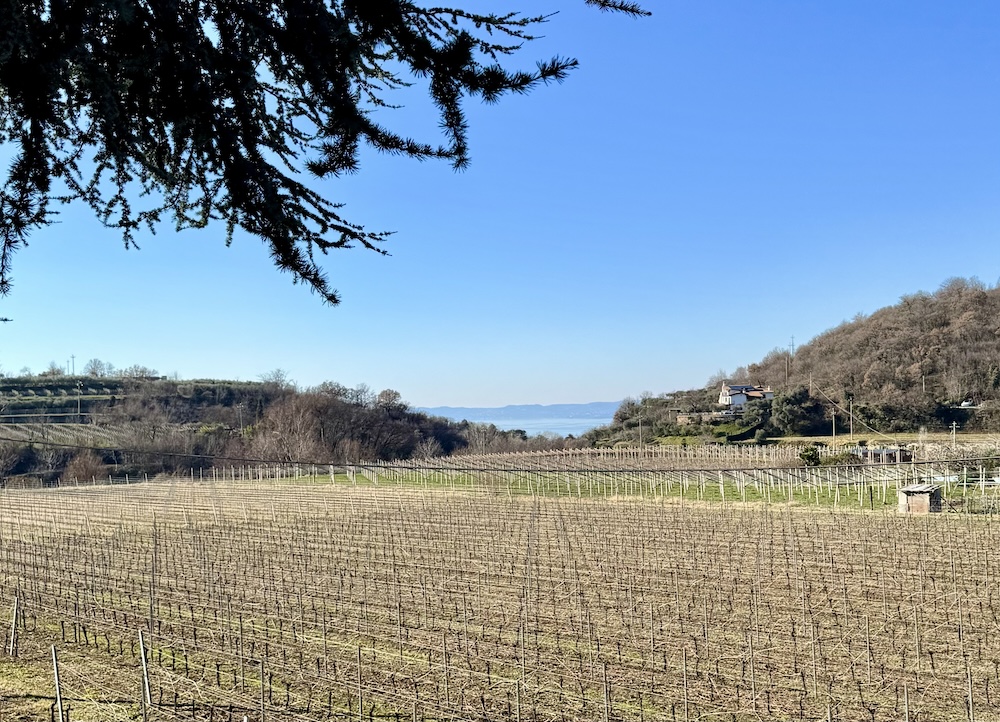
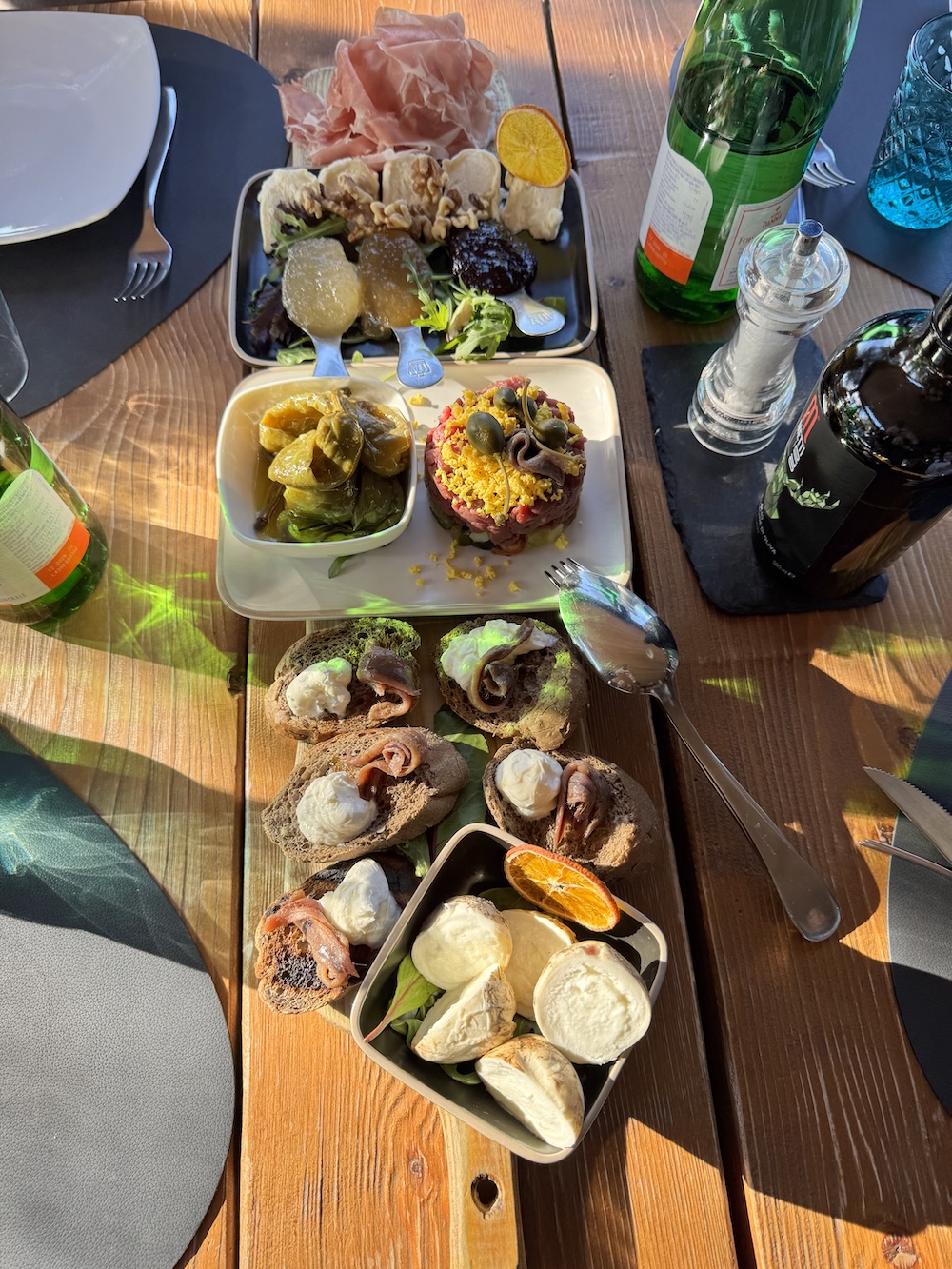
Osteria Metti lunch on an indoor terrace with a view overlooking vineyards and Lago di Garda beyond. Not to mention the amazing wine and food!
Souvenirs…
I couldn’t resist pocketing a couple of discarded stone chips from the Carrara quarry where Michaelangelo sourced stone for the Statue of David.

Greatest takeaway…
Whether traveling to a quarry to select stone blocks or visiting the Pallazzo Te, I always learn something not conveyed in books. For instance, experiencing how the scale changes as you walk through the courtyard, to the loggia, to the interior, or how the temperature, light, and humidity shift as you enter the Hall of the Horses is something gleaned by engaging all of the senses.

Lasting influence…
There is a difference between the slabs and blocks you typically see stateside and those available at the source. Many times the best stones are snatched up before they’ve had a chance to be ordered from a stone supplier in the States. Working with an excellent stone supplier who has longstanding relationships with Italian stone yards is essential for getting access to the best stone available.
Read more of our Designer Travels series here.
Like what you see? Get it first with a subscription to aspire design and home magazine.