
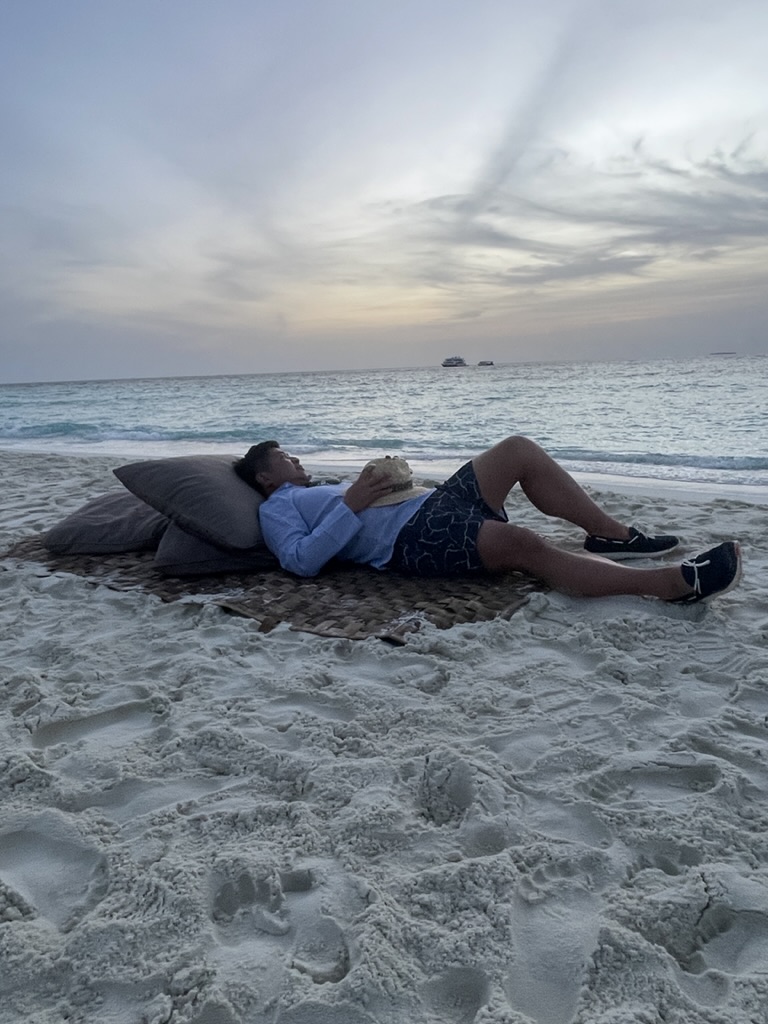
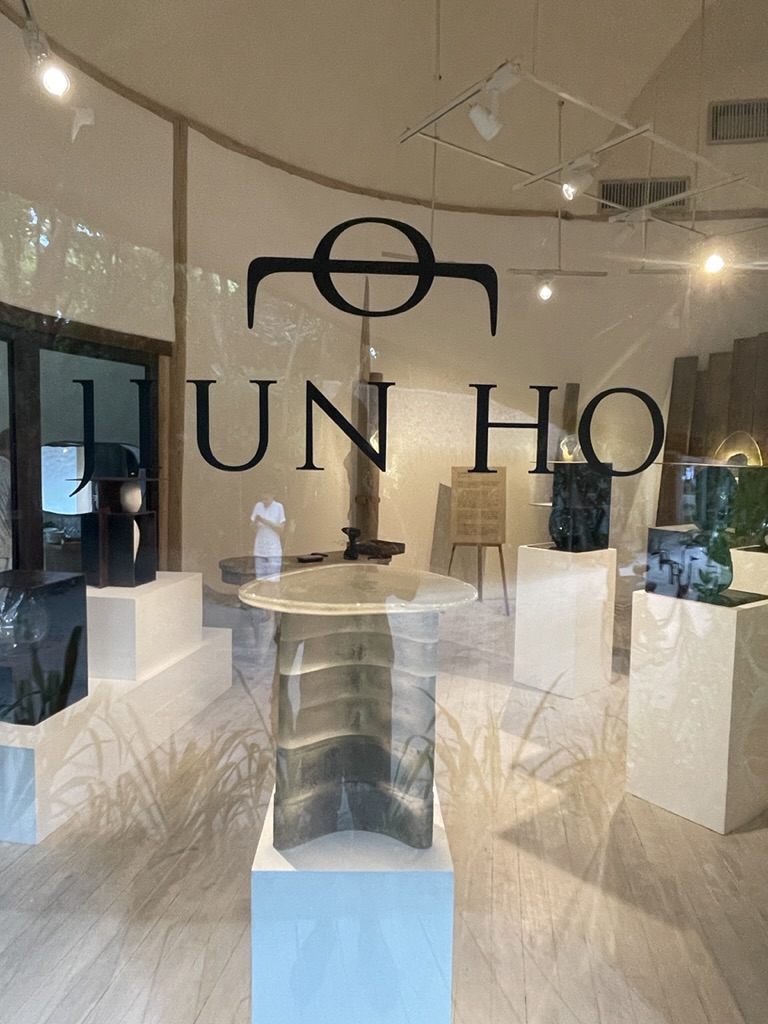
San Francisco-based interiors and furniture designer Jiun Ho certainly has a lot on his creative plate. As the founder and president of the multidisciplinary Jiun Ho Inc., he currently oversees Jiun Ho Furniture, Jiun Ho Light, Jiun Ho Textile, Jiun Ho Interiors and Jiun Ho De Jia. But the designer always makes time for one of his greatest passions: travel. An ardent traveler, Jiun has visited more than one hundred countries, and this globetrotting has informed and enriched his prodigious work.
This summer, Jiun had the honor of being invited to the Soneva Fushi resort as an Artist in Residence. Below, he details the lasting influence of the creatively fueled trip.
Destination: Soneva Fushi in the Maldives
Month traveled: July
Duration of trip: 5 weeks
Temperature range: 27 – 31 degrees Celsius (80-88 Fahrenheit) with 85% humidity
Solo trip or vacation with family/friends? It was an artist residency
First visit here or repeat destination? This was my third trip to the Maldives
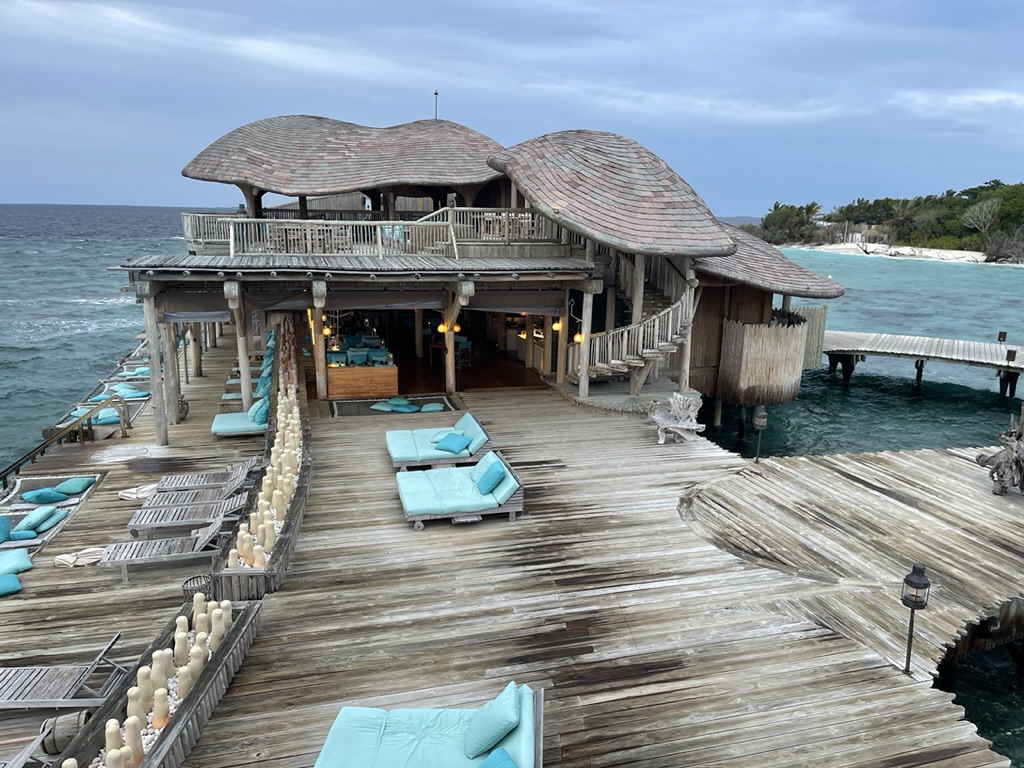
The lodgings…
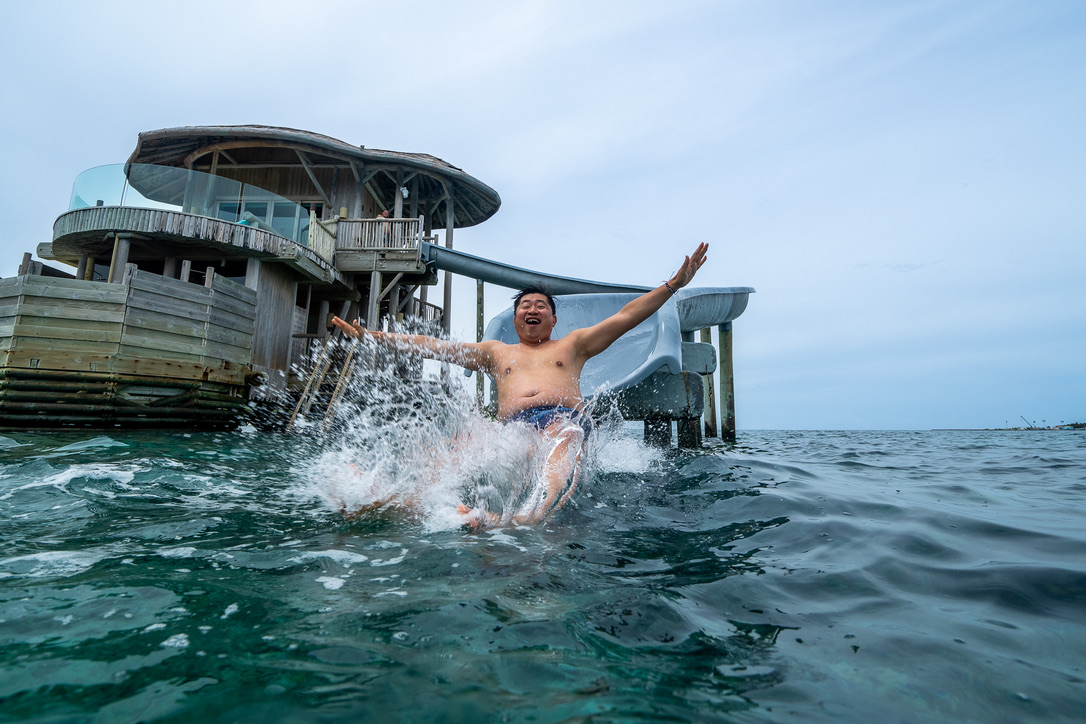
I had the privilege of being a guest at Soneva Fushi, an ultra-luxury, eco-conscious beach resort located in the Baa Atoll of the Maldives. Known for its deep commitment to sustainability, every structure and interior space at Soneva Fushi is thoughtfully crafted using recycled materials and designed with environmental responsibility in mind.
Set on Kunfunadhoo Island, one of the larger islands in the Maldivian archipelago, the resort spans approximately 1,400 meters in length and 400 meters in width. Its natural beauty, combined with its eco-luxury ethos, creates an unforgettable experience that blends barefoot simplicity with refined design.
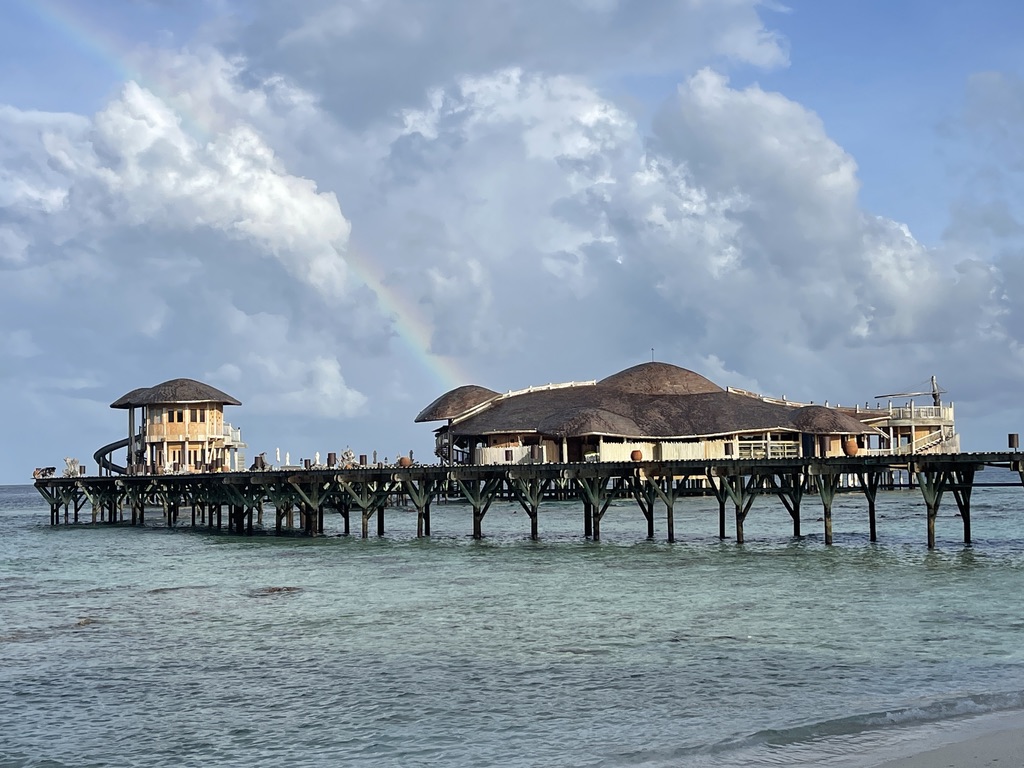
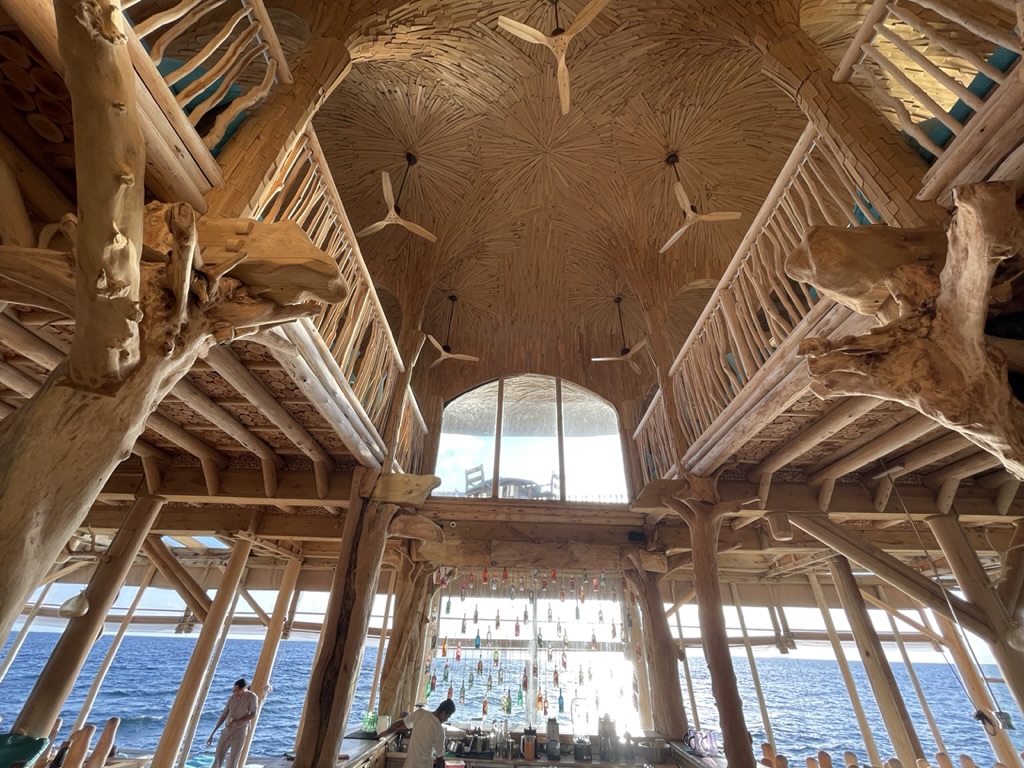
Must-sees for design and architecture enthusiasts…
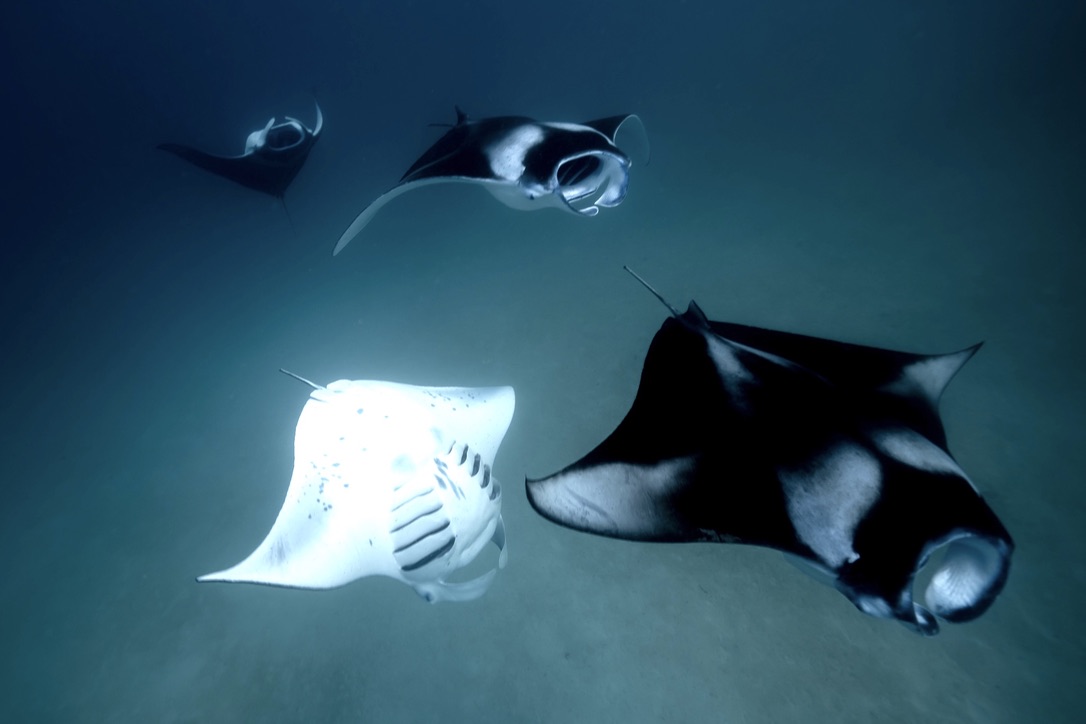
Just explore this tiny island with all the amazing structures, where every detail was created with recycled materials from leftover wood pieces, recycled glassware and the like. Soak up the beauty of nature, tropical vegetation, water, ocean and sunset. Be sure to swim with the giant manta rays in the Indian Ocean, explore the coral reefs and swim with the most amazing colorful fish.
Postcard moment…
I was so impressed with the way that Soneva Fushi puts sustainability and recycling at the heart of everything that they do — they really do elevate the art form, proving that eco-conscious living and luxury can coexist beautifully. Through their innovative Waste-to-Wealth program, the resort transforms and manages waste across every aspect of its operations.
At the heart of this initiative is Eco Centro, their on-site recycling and waste management center, which plays a critical role in maintaining a clean environment. Impressively, over 80% of the resort’s solid waste is recycled. At Soneva Fushi, sustainability isn’t just a practice — it’s part of the guest experience, woven seamlessly into every detail of resort life. It was beautiful to witness.
Lasting influence…
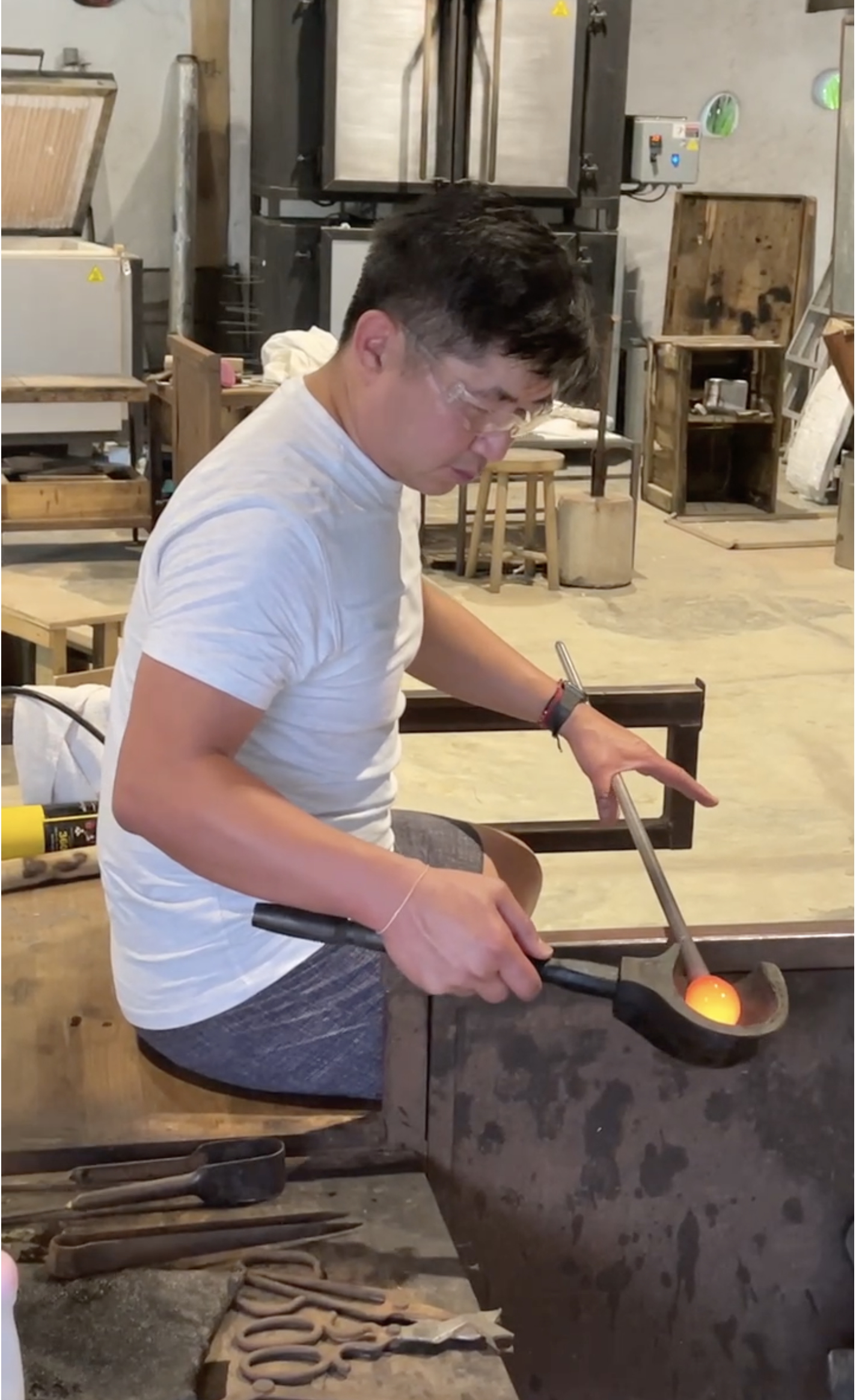
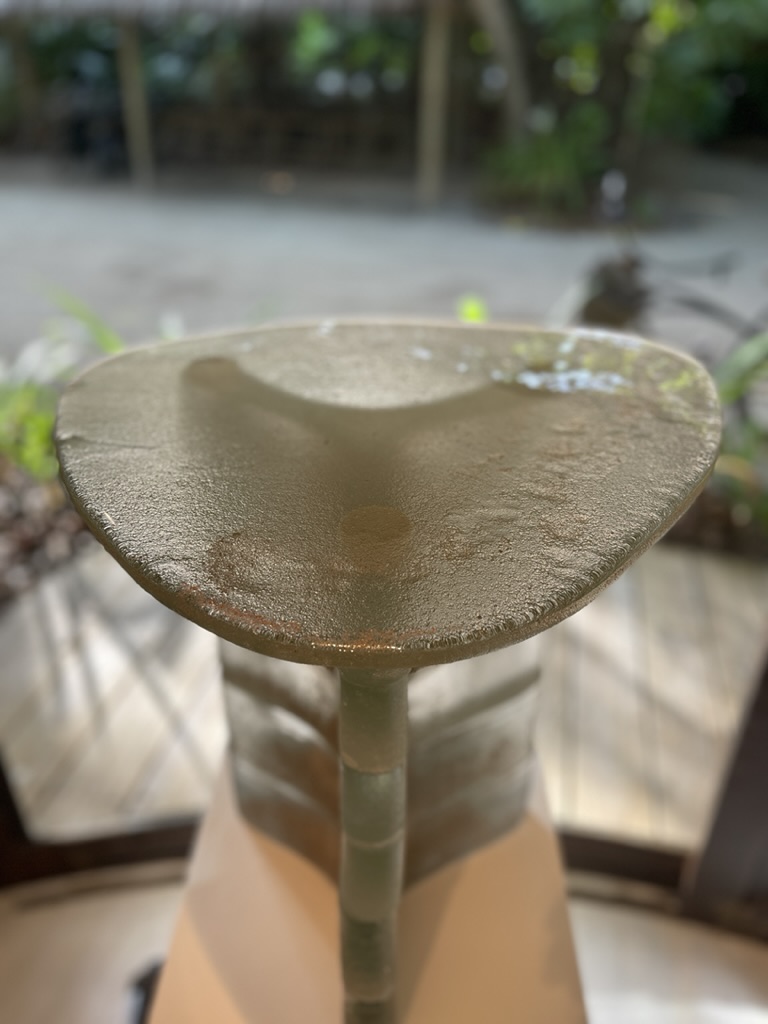
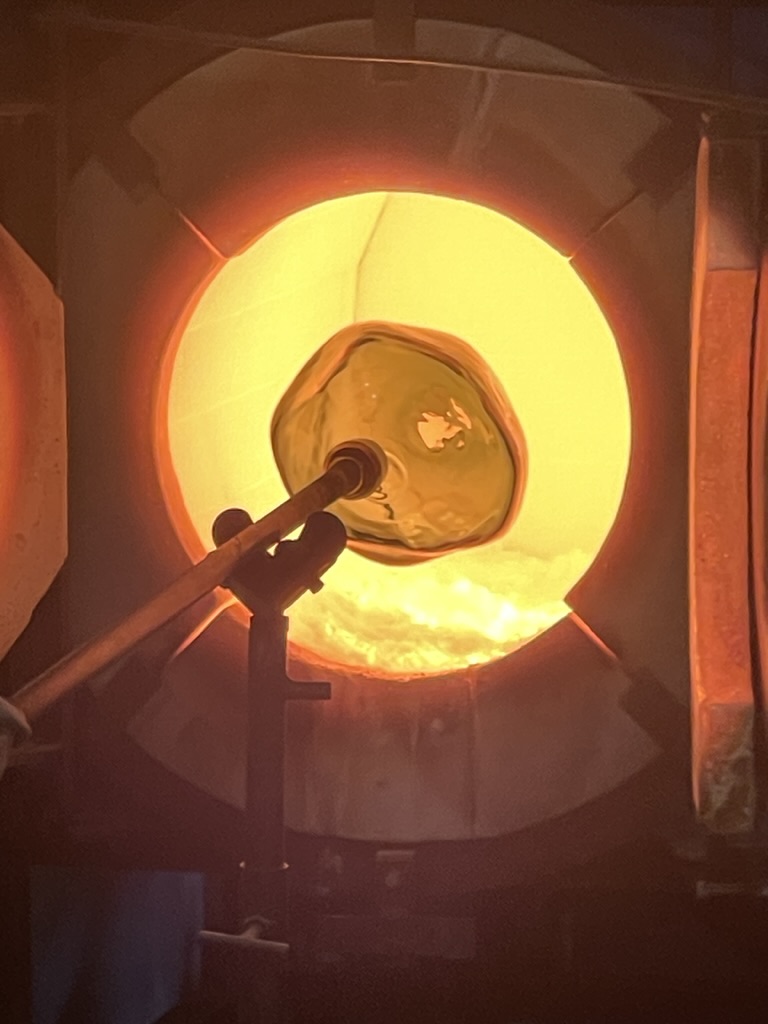
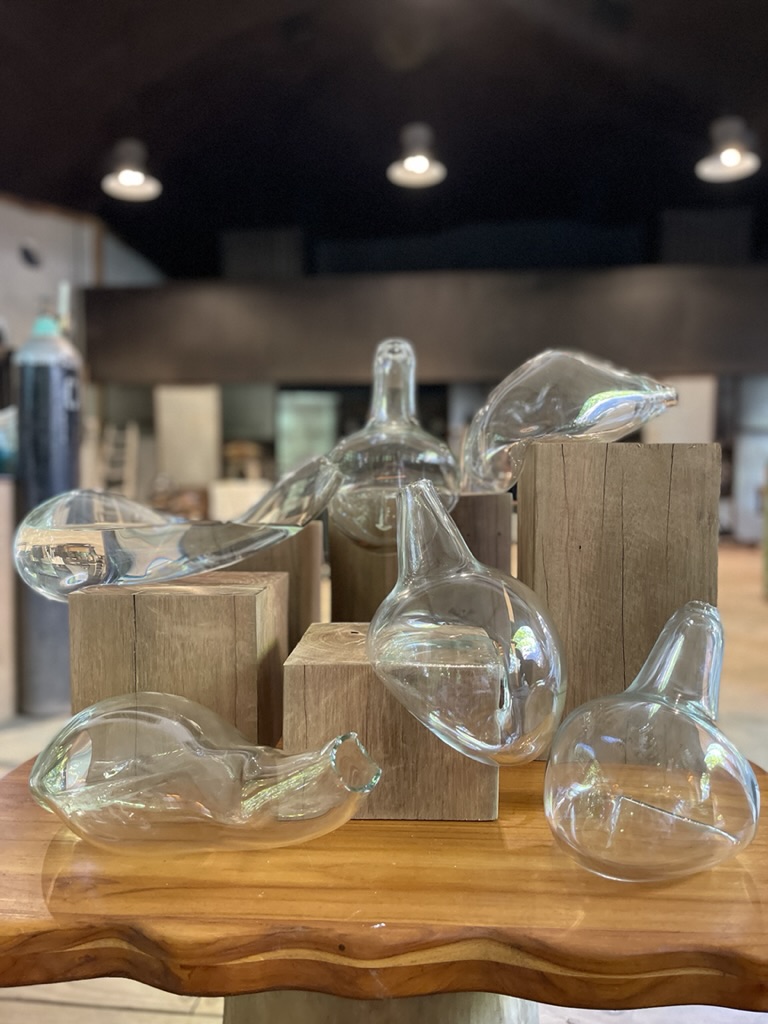
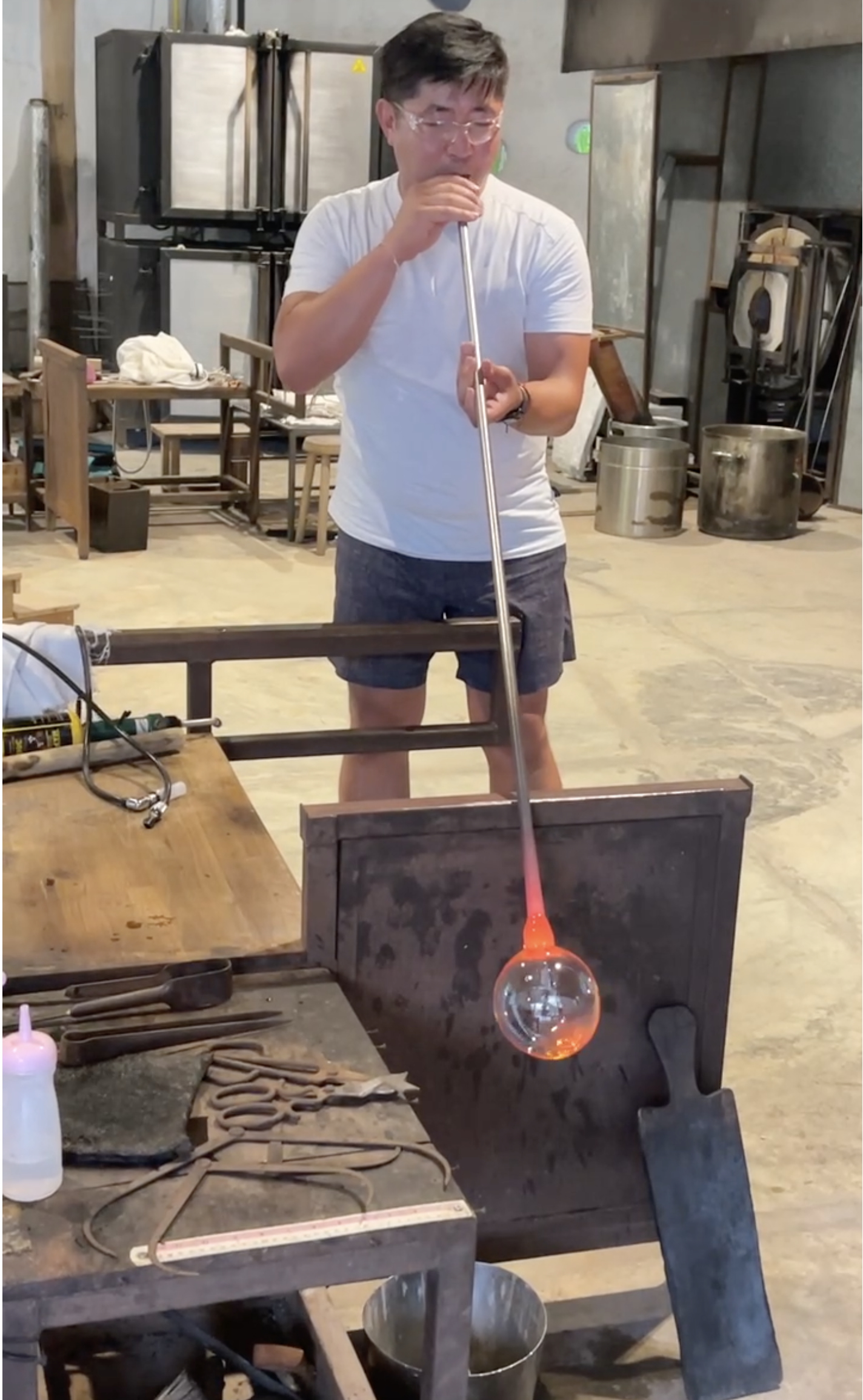
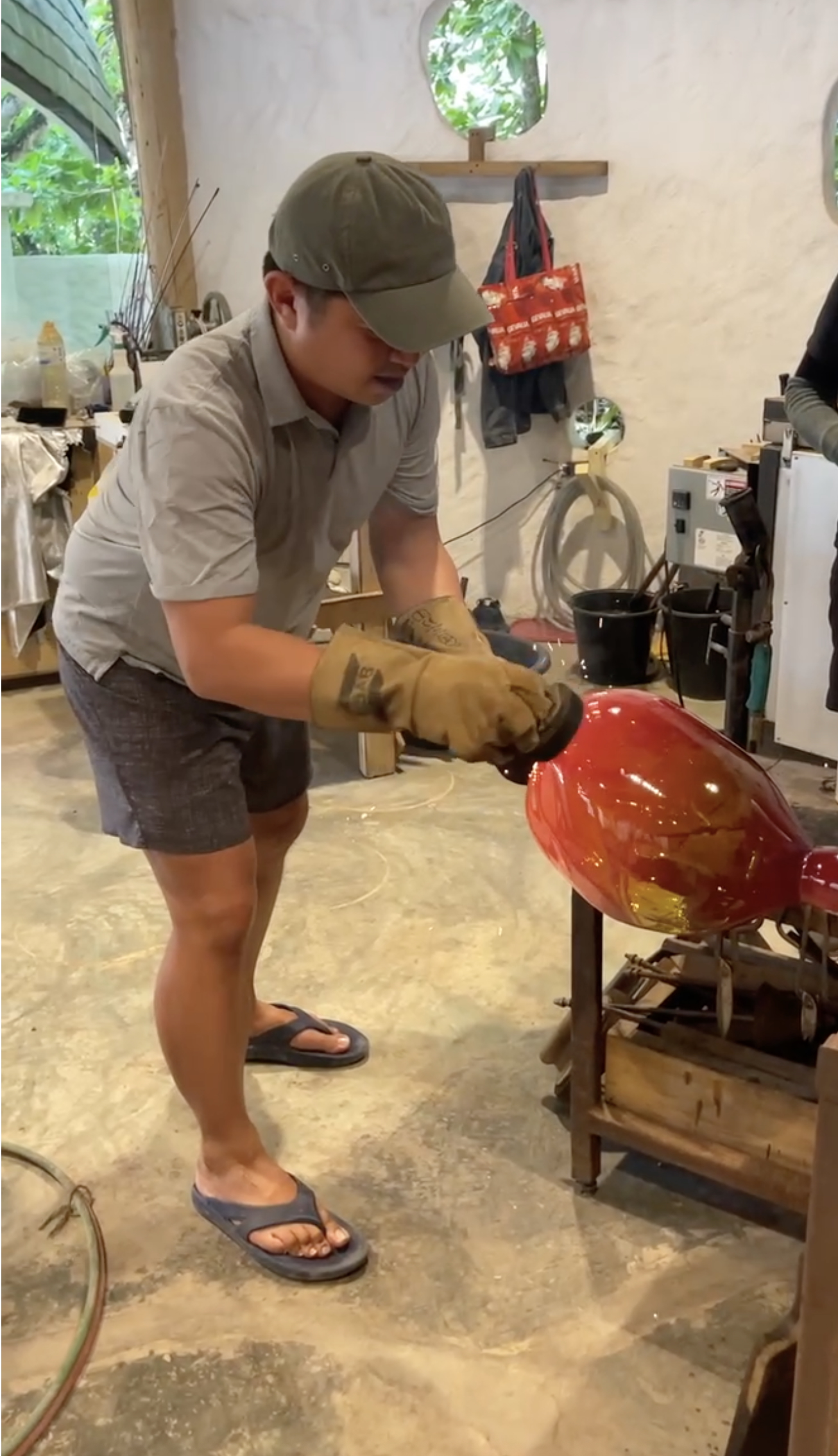
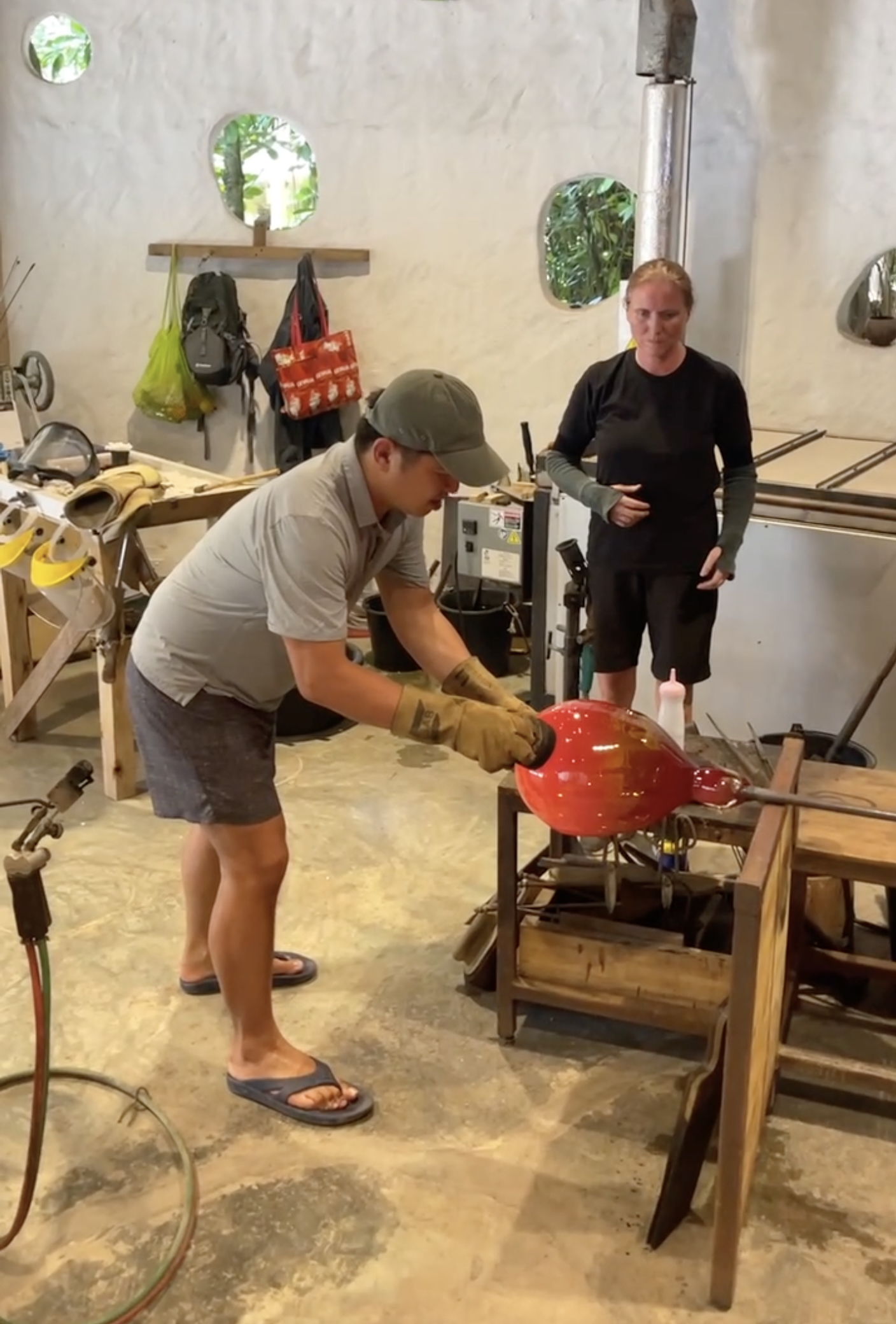
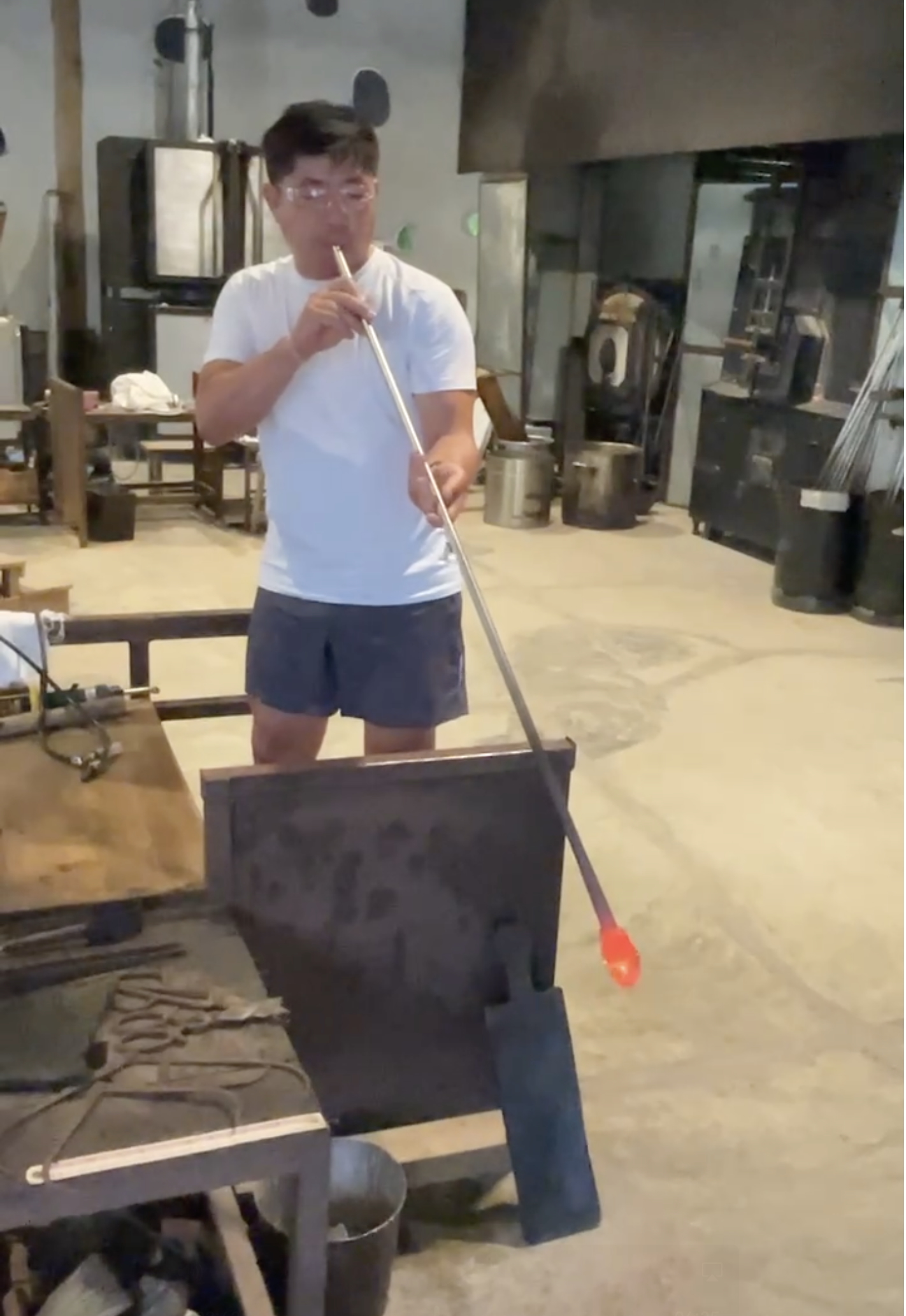
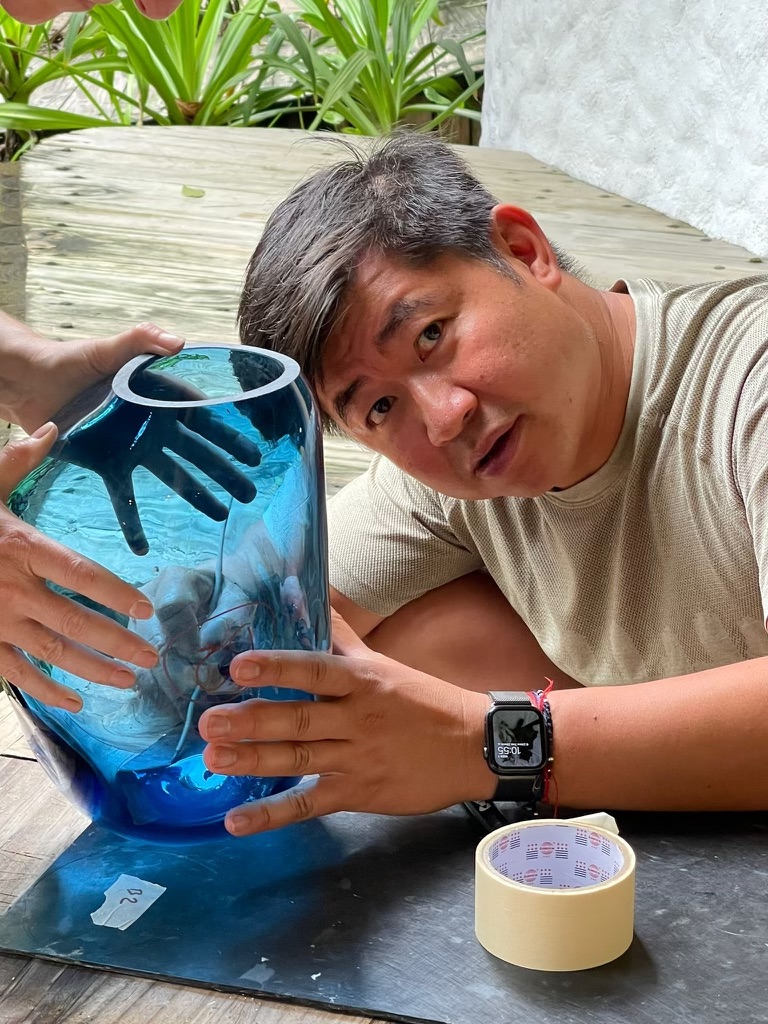
As an Artist in Residence, my role was to apply my interior and product design expertise to create pieces inspired by the surrounding environment. This experience not only pushed my creativity but also introduced me to an entirely new craft — glassblowing, using recycled glass collected from the resort.
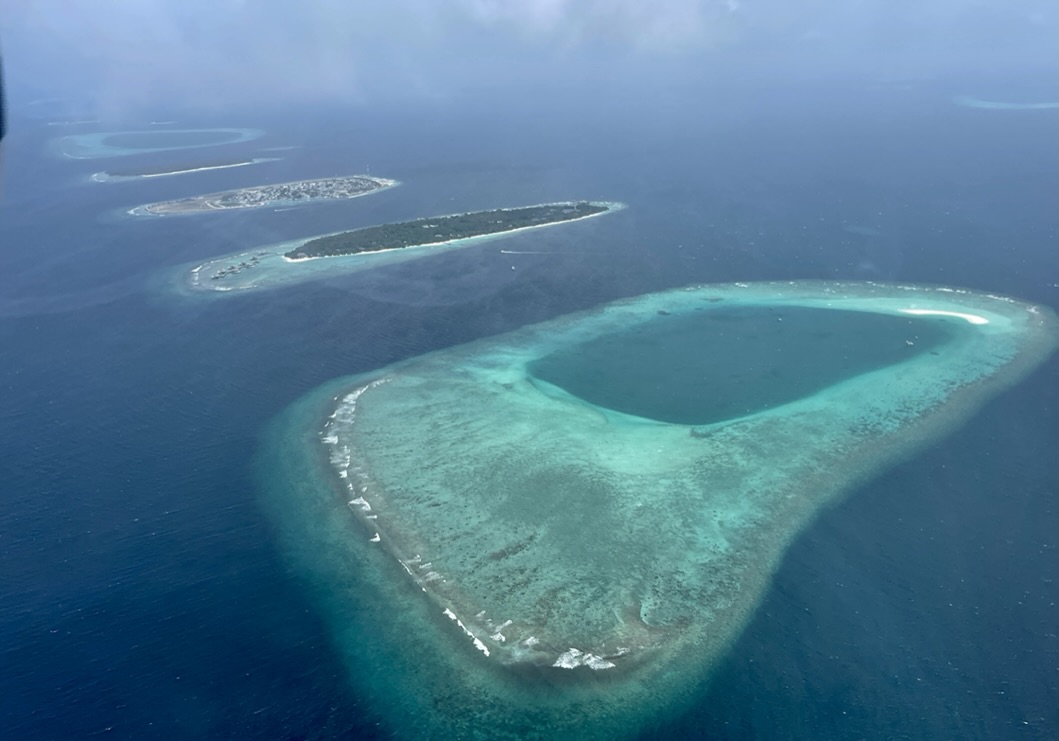
From the moment I arrived, I was captivated by the landscape: the aerial view of the atolls scattered across the Indian Ocean, the playful dolphins leaping from the water, and the surreal experience of swimming alongside giant manta rays. The colors alone — from deep marine teal to vibrant sea greens — became a constant source of inspiration. Even the resort’s commitment to sustainability, where everything from structural supports to tableware reflects a thoughtful recycling ethos, deeply informed my design direction.
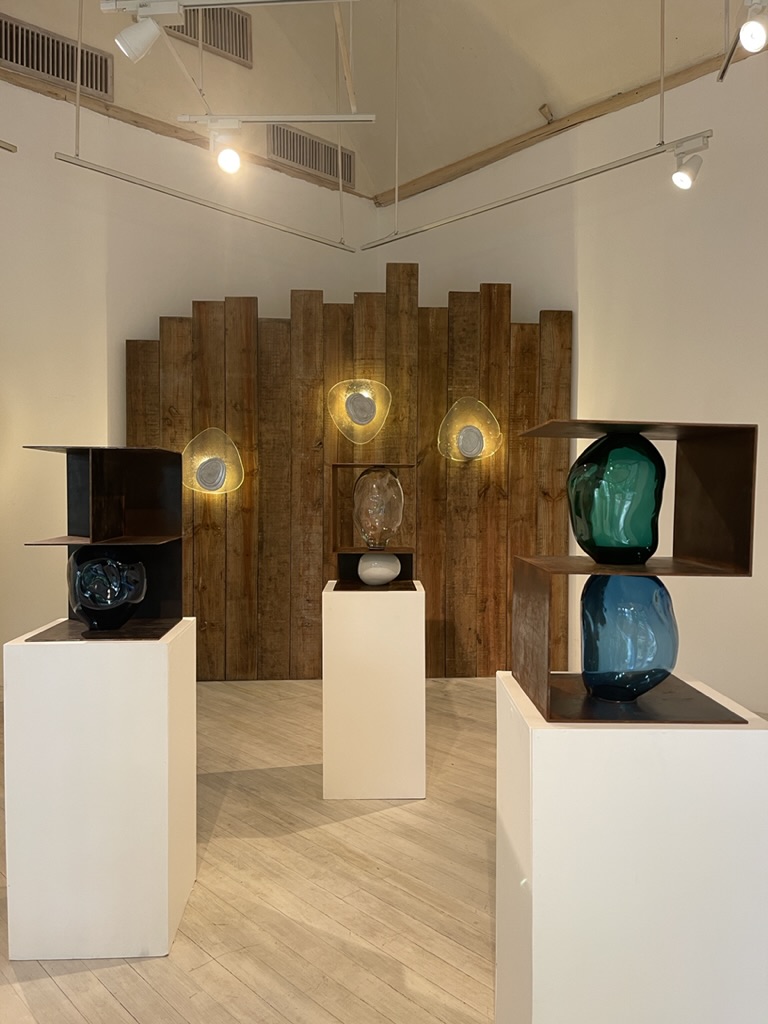
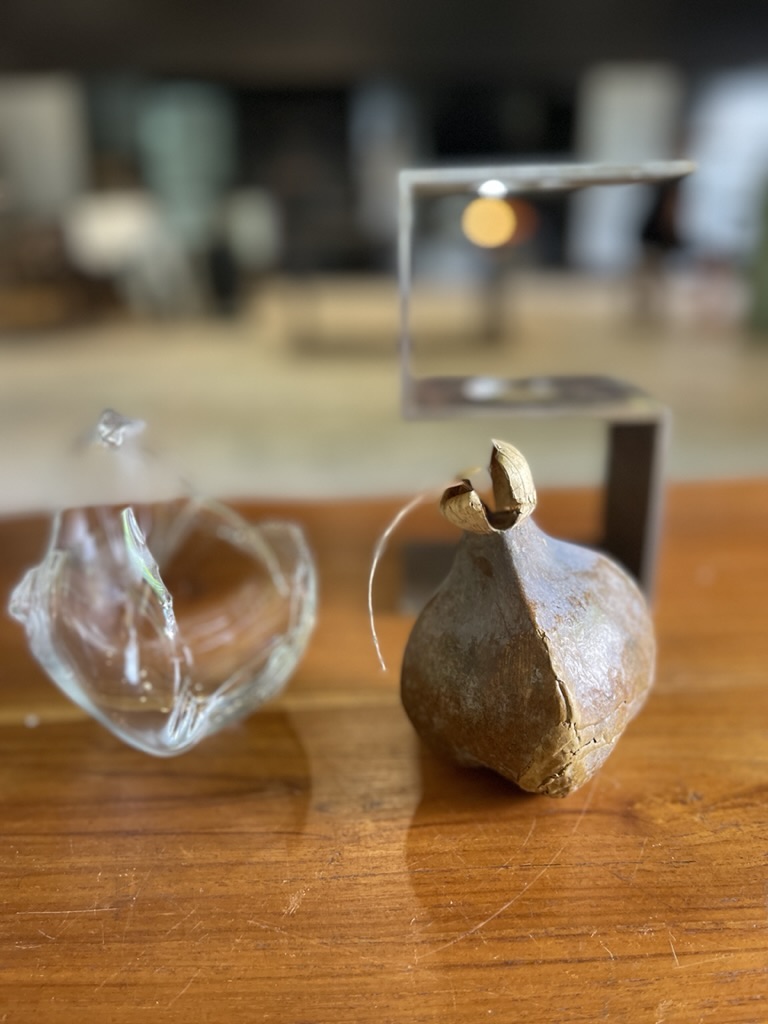
In total, I created eight original designs: six side tables and two lighting fixtures. All the glass elements were crafted from recycled wine and beer bottles left over from guests’ drinks at the resort. The organic shapes of the glass were inspired by the natural contours of the atolls, with colors drawn from the ever-changing palette of the Indian Ocean.
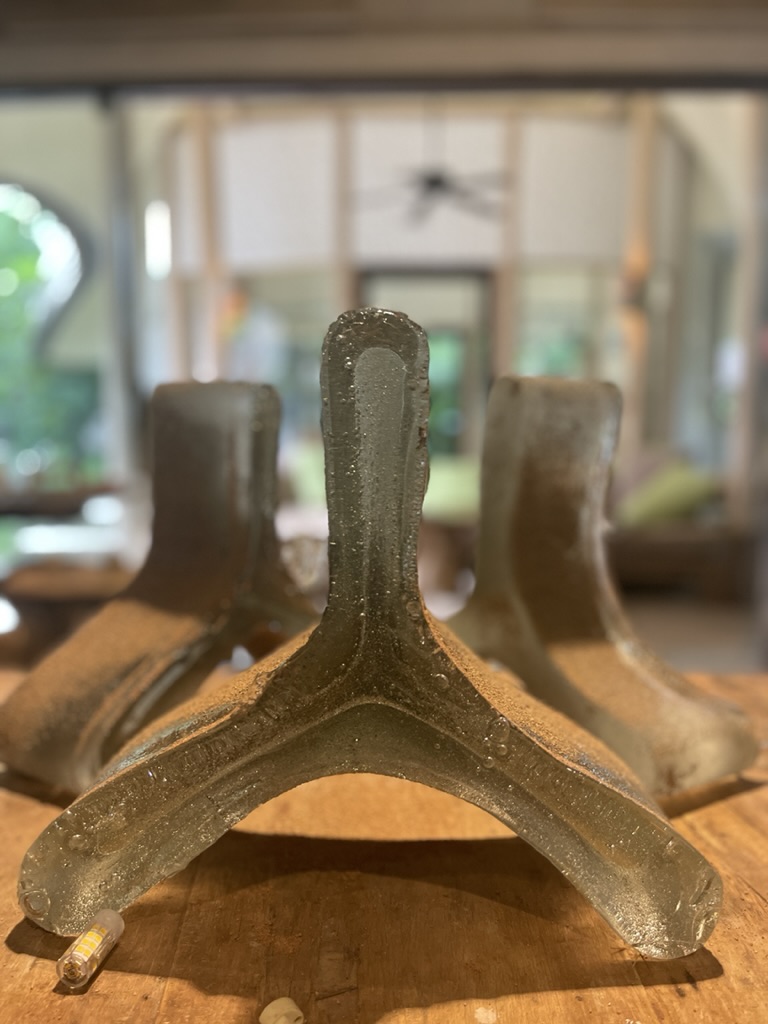
I combined these delicate glass elements with leftover steel from the resort’s construction. The challenge — and beauty — was in reversing conventional structural norms: using fragile glass to visually support the strength and rigidity of steel. This interplay between strength and vulnerability became a central theme in the side table designs.
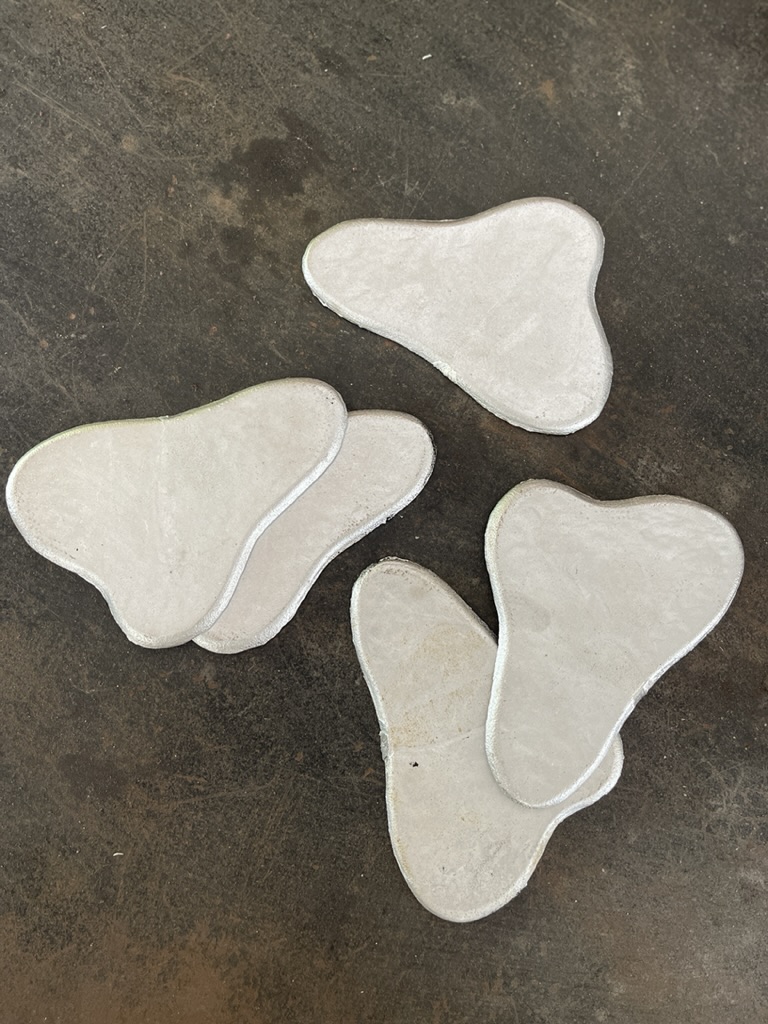
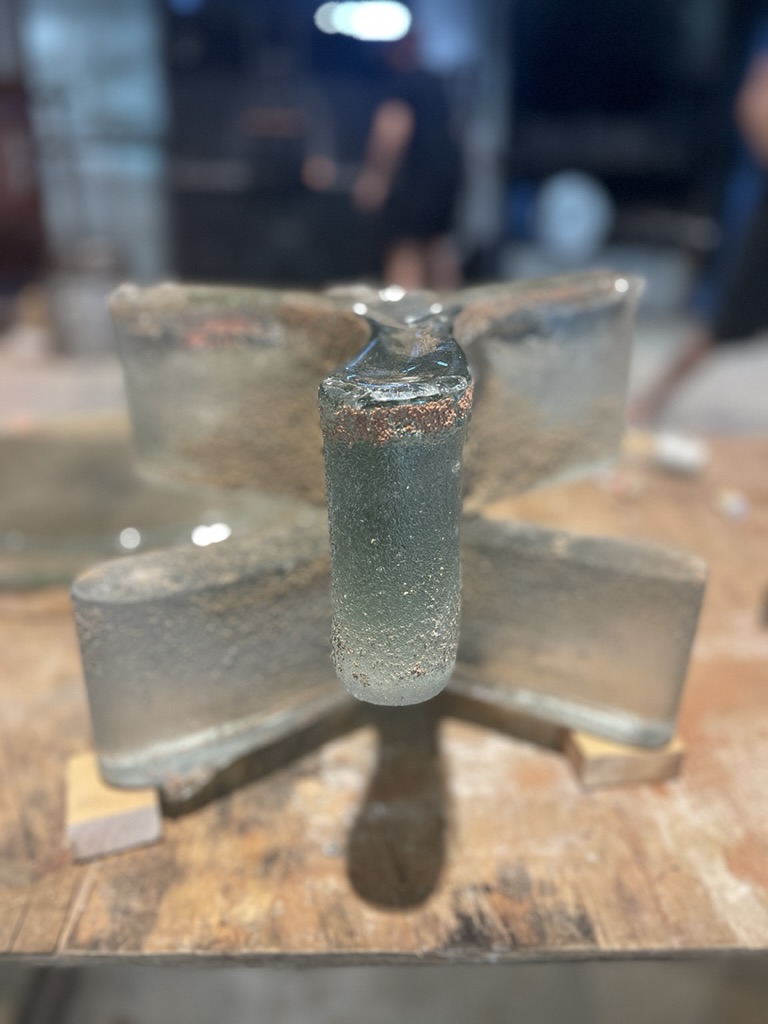
For the lighting fixtures, I explored sand-casting techniques, inspired by the endless expanses of sand surrounding me. One piece, in particular, drew from the graceful movements of the giant manta ray, capturing its fluid, sculptural form in light.
The entire experience pushed me to new creative heights — it felt like participating in a reality TV design challenge, but set on a remote, breathtaking island. It was both humbling and exhilarating, reminding me that great design is often born from unexpected materials, places and moments.
Tell us how the location itself inspired you to create while there…
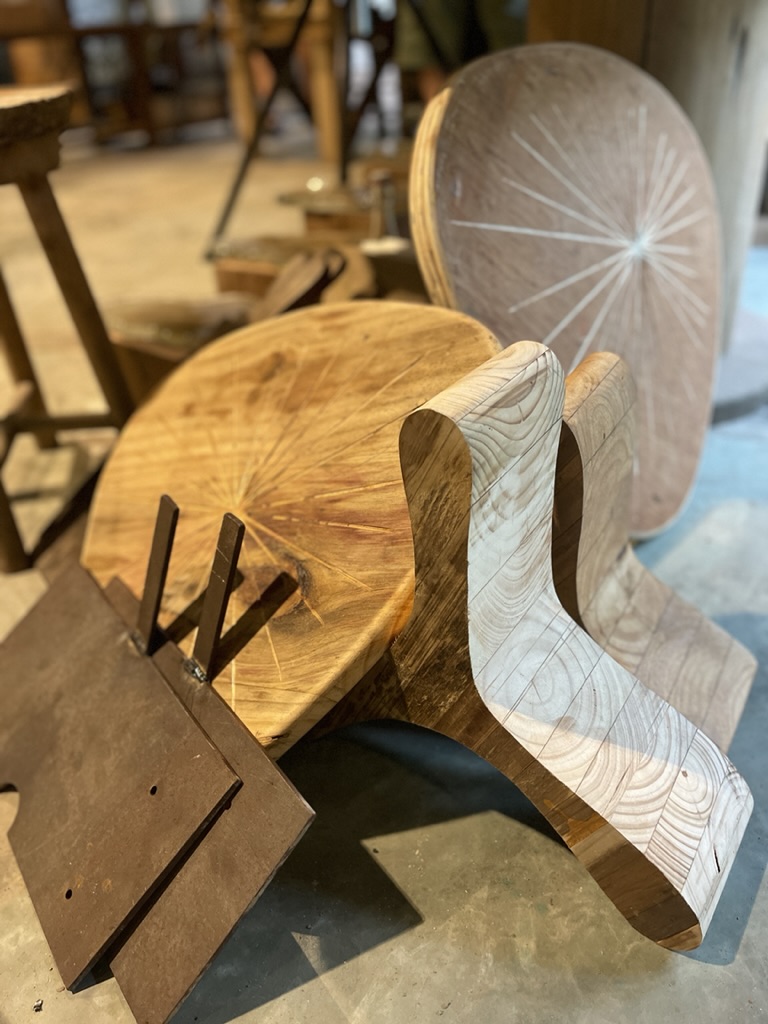
I was genuinely blown away by what I created while there. In my 35 years of working in design, I’ve never had the opportunity to be this creative in such a remote setting, with no modern tools and with every material either recycled or chosen with sustainability in mind.
This experience taught me that luxury can be eco-friendly — that sustainability and protecting the earth can coexist as core values alongside beauty and craftsmanship.
Being resourceful became an essential part of the creative process, and I’m incredibly satisfied and proud of the final pieces I produced.
Greatest takeaway…
The location was an endless source of inspiration from the moment I arrived. Flying over the atolls, seeing their organic shapes emerging from the Indian Ocean, immediately sparked ideas for form and silhouette. The colors — constantly shifting through blues and greens — became the palette for my designs.
Being surrounded by nature’s raw beauty definitely gave me a renewed sense of creativity. Even the resort’s sustainability ethos — where nothing goes to waste and every material has a second life — influenced my material choices. Working without modern tools and using only recycled materials challenged me to rethink conventional design processes.
The location pushed me out of my comfort zone and forced me to be resourceful, thoughtful, and deeply connected to my surroundings. Every piece I created was a direct response to the land, the sea, and the spirit of the Maldives. It’s a trip I will never forget.
Like what you see? Get it first with a subscription to aspire design and home magazine.