

DesignHER is a platform that celebrates the vision, craftsmanship, and innovation of women in design. By curating stories from leading female designers, artisans, and creatives, our latest series, in collaboration with Women Create, offers an intimate look at the diverse paths these women take to shape their industries and their own businesses. Through thoughtful interviews and features, the platform illuminates the artistry and technical mastery that define their work, while exploring the deeper narratives of creativity, resilience, and leadership. DesignHER honors the unique perspectives of women, fostering a community where design excellence and empowerment intersect to inspire the next generation of trailblazers.


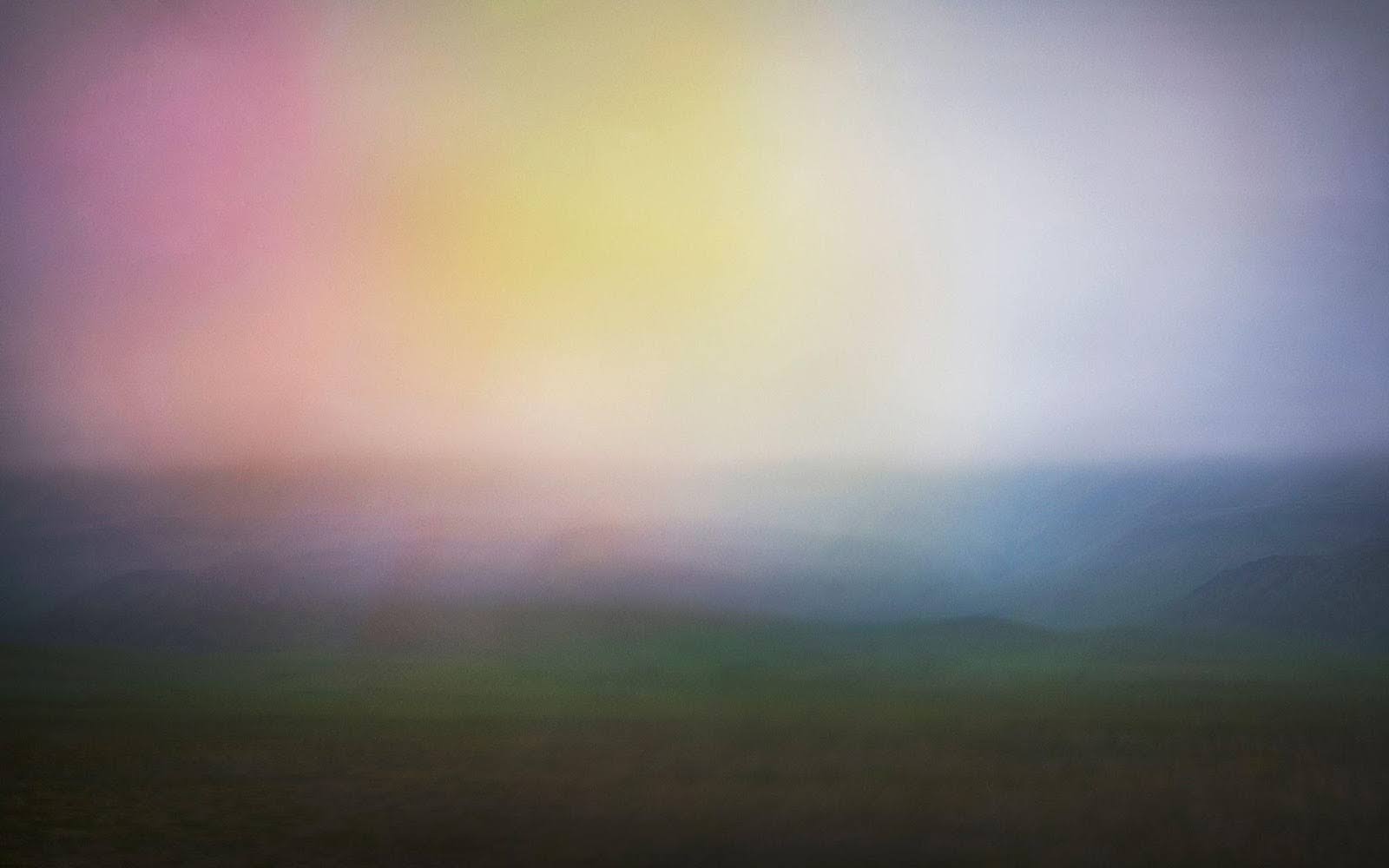
Color of Sleep – The Mysterium Tremendum collection explores the awe and insignificance of nature’s overwhelming power.
aspire design and home: How do you incorporate your experiences as a woman into your storytelling through design?
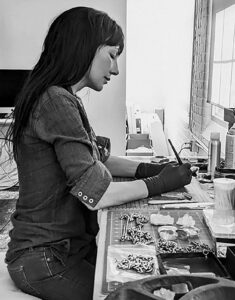
Elena Lyakir: My artistic creations, whether jewelry or photography, are deeply connected to my personal journey as a woman. As an immigrant, I am perpetually searching for a place that feels like home, and my creative expression stems from this longing. My work isn’t a direct commentary on my experiences, but rather a metaphor for emotions that crystallize within us as we search for our place in the world. Layer by layer, stone by stone, I attempt to gently unravel the lingering effects of displacement and rebuild the fragmented soul, filling in the gaps left by upheaval, and restoring a sense of wholeness and continuity aligned with the natural world. I intend to ignite a dialogue between internal and external landscapes, transcending the boundaries of the real and imagined. My work is a meditation on the poignant duality of beauty intertwined with a sense of nostalgia, which the dislocated, like myself, are destined to inhabit.
As I age, a process that affects women in unique ways, I find myself reflecting on our relationship to change and our intrinsic need for ritual, connection, autonomy, self-acceptance, and healing from the ancestral traumas passed down through generations of women. These themes inspired Armed With Ardor, my collection of handcrafted jewelry.
adh: What unique qualities do you think women bring to the field of artisanal crafts?
EL: We have come a long way in recent years yet women in art and design still face numerous challenges, including gender bias and lack of representation. As I see it, women possess an innate capacity for empathy and emotional intelligence that grants them a unique ability to connect with and understand the public, gaining insights into their needs, desires, and motivations. Our flexibility and natural communication and collaboration skills facilitate a nuanced and inclusive approach to the business aspect of design practice. Women are biologically designed to create and our distinctive perspective on the world brings an essential and valuable dimension to the field.

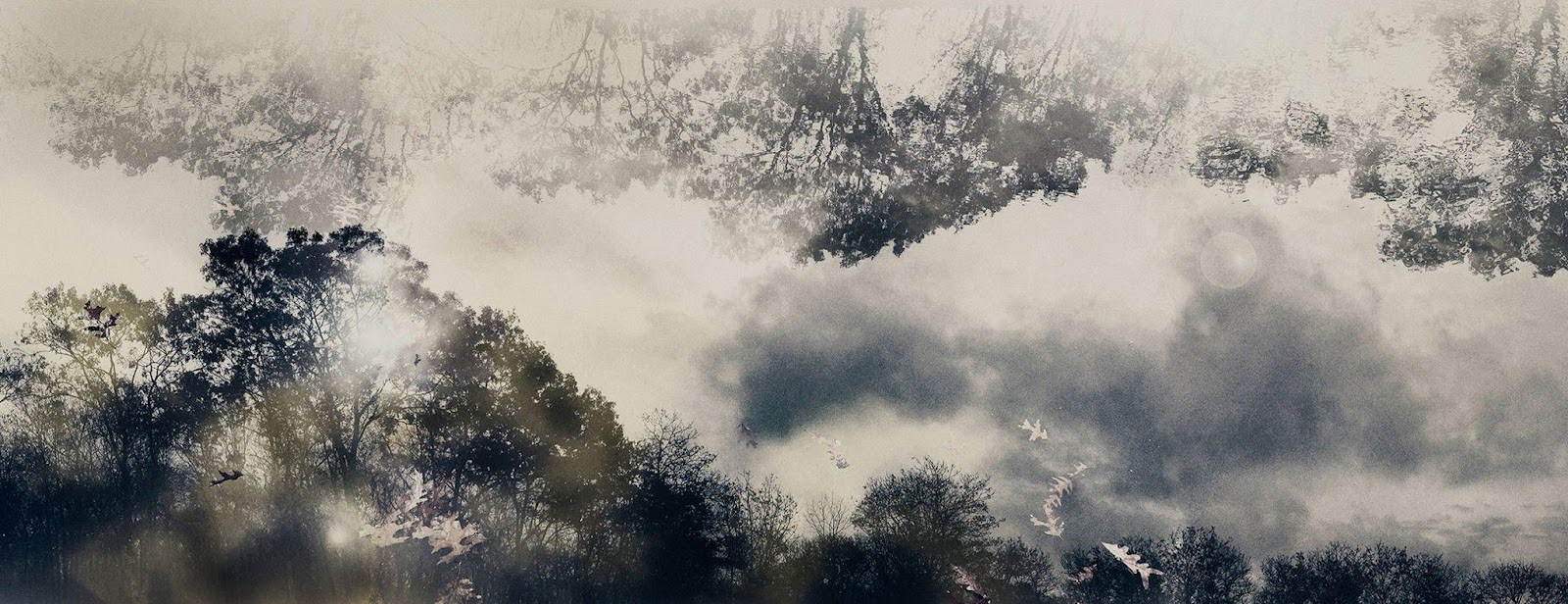
The Spell Of Seventh Night – The City Parks Romance collection captures the fleeting beauty of urban nature, transforming small green spaces into immersive, dreamlike landscapes.
adh: How do you incorporate feedback into your creative process while staying true to your vision?
EL: I welcome feedback in all its forms. I find it informative, often sparking new ideas, and sometimes, it can be quite amusing. Input often acts as a catalyst for my creative process. It has led to some significant breakthroughs in my practice, from discovering new mediums to reimagining my business practices. Constructive criticism, in particular, challenges me to stay engaged and receptive; it helps me keep growing as an artist. For me, feedback never feels like a distraction or an impediment. My creativity is deeply rooted within me, an innate and visceral force that remains unwavering in the face of external opinions.
“We do not see things as they are, we see them as we are.” – Anais Nin
adh: How do you manage work-life balance, especially in an industry that demands both creativity and business acumen?
EL: As a creative and self-motivated type, I find it challenging to simply be still and do nothing, which in itself is an important creative act. Yet I love what I do and my life; pleasure and work are seamlessly intertwined, continuously informing and inspiring one another.
As someone who likes maintaining control, I’ve taken the reins of every facet of my two ventures. While the admin workload can often feel dispiriting, there’s a paradoxical sense of empowerment that accompanies it. The challenges of managing a business have become catalysts for personal growth, revealing a resilience and adaptability I hadn’t fully recognized in myself. The autonomy inherent in this kind of work has fostered a sense of confidence that has permeated other areas of my life.
adh: How do you navigate the commercial aspects of your craft while maintaining artistic integrity?
EL: The inherent tension between artistic expression and commercial viability is a complex and often perplexing challenge to navigate. In my early years, my sole focus was on creating art for the sake of art itself. However, as my work started to gain recognition and attract buyers, my attention shifted towards producing pieces that were “sellable,” driven by market demand. This approach, as I soon discovered, was stifling and led to a period of confusion and creative dissonance. The work I was creating felt inauthentic, and recognizing this internal conflict was pivotal as I was able to realign my practice with my inner self.
This experience led me to recognize how crucial it is to maintain the integrity of one’s work despite the allure of the market and external validation, which can be deceptive and lead one astray from their vision. The ethereal, transcendent creations I now make contain my very soul.

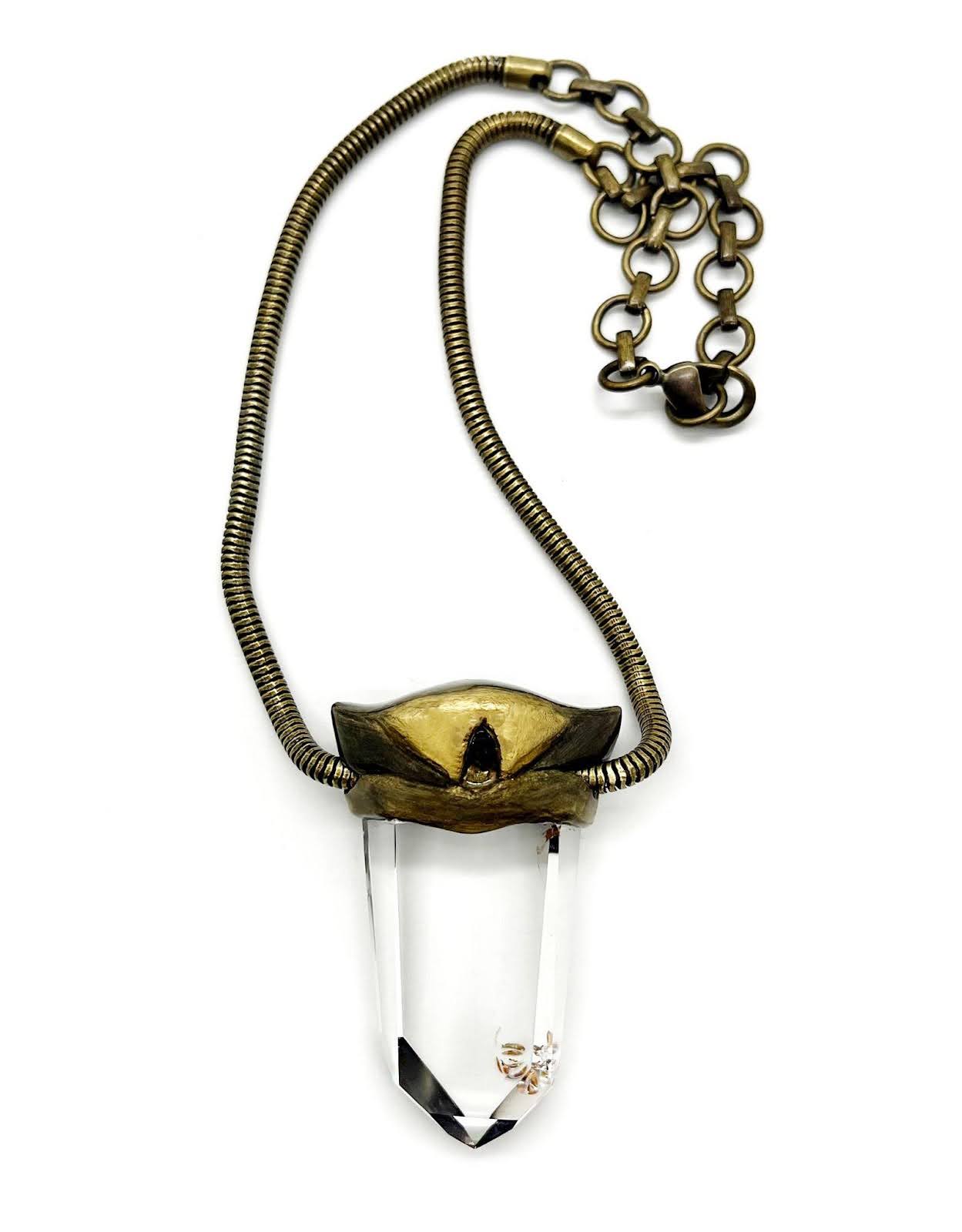
Alongside photography, Elena crafts Armed With Ardor, a jewelry line inspired by nature’s raw beauty and symbolism.
adh: How do you handle creative blocks or periods of low inspiration?
EL: When I find myself in a state of creative depletion, I intentionally shift my focus toward other activities that nourish my soul. I lose (or find) myself in a book, I journal or write poetry, embark on long walks, and try to remain fully present and engaged with the world around me.
My creative practice encompasses two distinct disciplines: jewelry design and photography. To maintain a sense of balance and enthusiasm, I have found it essential to alternate between these practices every few days or so. This rotation keeps things fresh and exciting, preventing stagnation and boredom as I return to each one with renewed energy.
adh: What role does experimentation play in your creative process?
EL: My approach to learning is rooted in hands-on experience; I’m essentially self-taught in most of my pursuits. This foundation of experiential learning has naturally led to a practice deeply embedded in experimentation. I should note that it took years of exploration, research, and playful engagement to refine my craft. My journey doesn’t stop there; I’m constantly seeking out other forms of expression, continuously revising and refining my work across mediums.
A crucial element of my experimental process is recognizing the inherent value of mistakes. When venturing into uncharted territory, these “mistakes” are not only inevitable but also invaluable. They more often than not serve as catalysts for new discoveries, unveiling what might otherwise remain hidden. Embracing missteps as opportunities is integral to my journey as an artist. The gift of error is priceless.
Like what you see? Get it first with a subscription to aspire design and home magazine.