


DesignHER is a platform that celebrates the vision, craftsmanship, and innovation of women in design. By curating stories from leading female designers, artisans, and creatives, our latest series, in collaboration with Women Create, offers an intimate look at the diverse paths these women take to shape their industries and their own businesses. Through thoughtful interviews and features, the platform illuminates the artistry and technical mastery that define their work, while exploring the deeper narratives of creativity, resilience, and leadership. DesignHER honors the unique perspectives of women, fostering a community where design excellence and empowerment intersect to inspire the next generation of trailblazers.
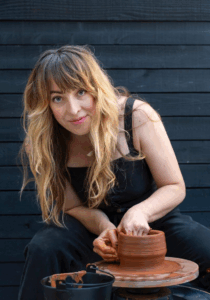


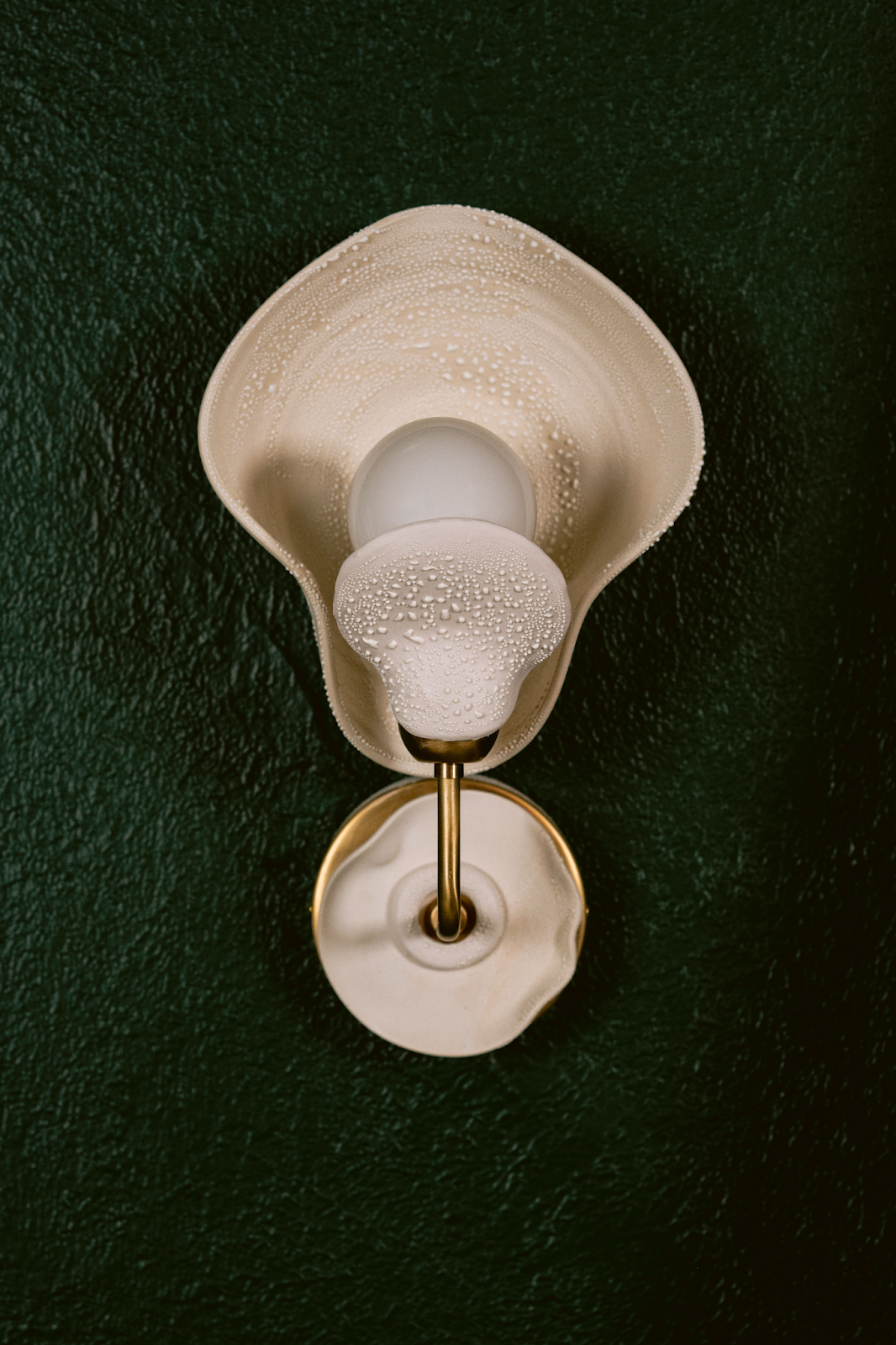
“My sconces are inspired by functional pieces I made in collaboration with Pasta Bar and The Caviar Co.”
Can you talk about a female-focused initiative or collaboration that you’ve been a part of
Erin Hupp: Painter Jaime Lovejoy and I created an annual San Francisco gallery pop-up called Interwoven in 2021. Interwoven is an annual month-long art show showcasing female-identifying artists from the Bay Area. The show takes over an empty retail space in neighborhoods throughout San Francisco and transforms into an art gallery exhibiting each artist’s latest collections. Staffed by the artists themselves, the gallery provides an opportunity for visitors and collectors to chat with artists and hear firsthand their process and inspiration, how they created the work and the stories behind each piece. Last year was our fourth year and our most ambitious; in addition to our work, the pop-up featured four other local female artists and a local female-owned interior design studio designed the space. We also held weekend workshops and pop-ups with local jewelry designers Amanda Hunt and Fiat Lux. Interwoven is a true celebration of the Bay Area’s local female-identifying artists.
What legacy do you hope to leave for future generations of women in the design world?
EH: By creating ceramic art that is both functional and conceptual, my art practice occupies that liminal space between craft and art. Historically, craft is often thought of as women’s work, a series of steps you teach yourself — like how to knit or make a mug on a potter’s wheel. I aspire to be one of the many creatives to broaden the siloed ideas of what is craft and what is art. A mirror, bowl, platter or lamp can be BOTH functional and also beautiful, unique and custom to the room it inhabits. I also hope to leave a legacy of the daily enjoyment and appreciation of functional art — handmade, artisanal objects spark appreciation and create presence as you go about the motions of your day. In a fast-paced world, art grounds you. If you know the artist and their process it creates a deeper connection to your home.

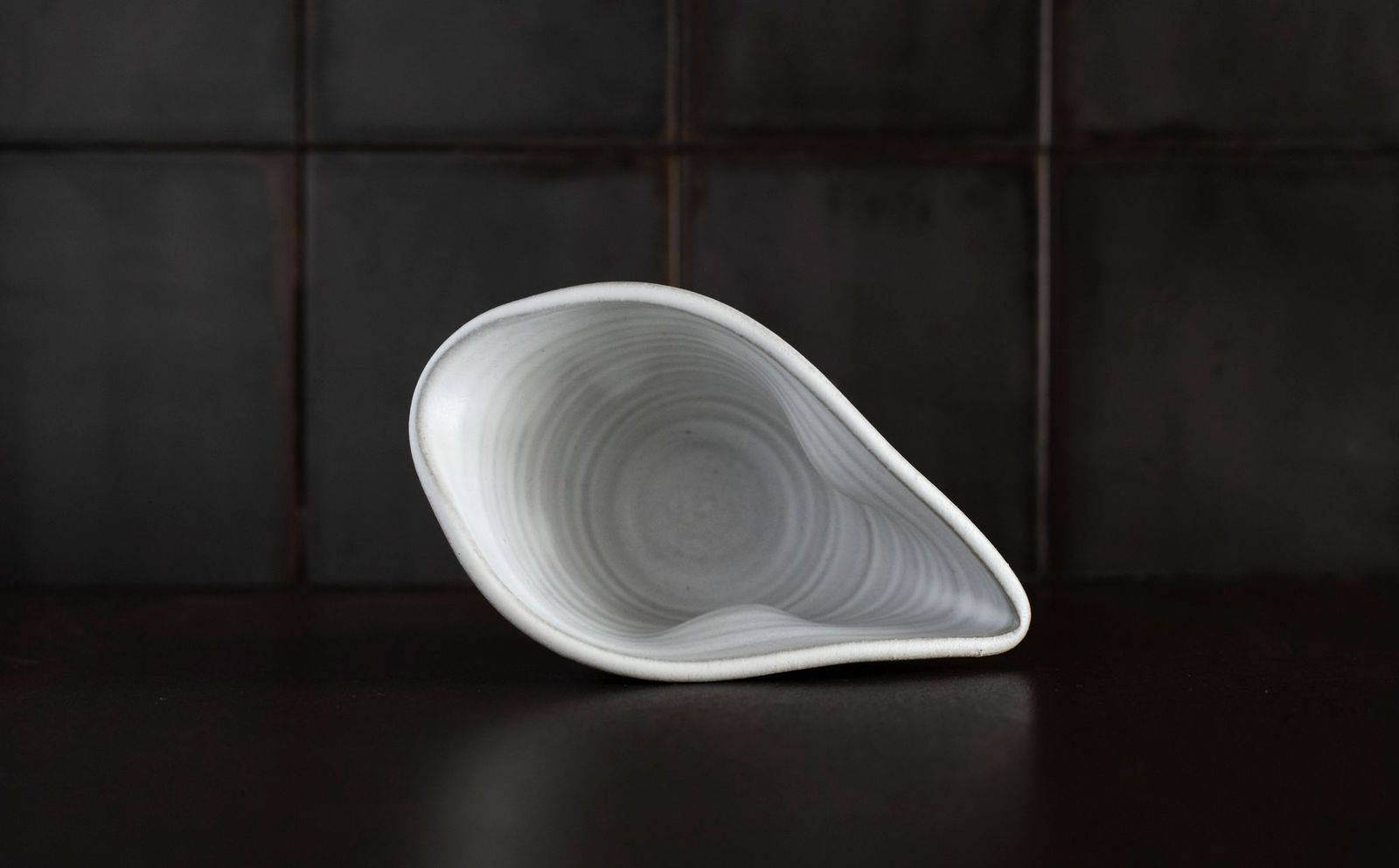
“The main form of my wall sconce is inspired by my feminine pourer, which in its first iteration was a sauce pourer I created for the Michelin-starred restaurant Pasta Bar in Los Angeles”
What inspired you to pursue high-end artisanal crafts specifically?
EH: Creating custom art for a specific space allows me to immerse myself in someone else’s vision and bring it to life through my own artistic lens. Collaborating with other artists — chefs, interior designers — allows for a unique synergy that happens when two creative minds come together to shape a space. Each project is deeply personal and tailored to the specific needs and aesthetics of the environment. From the moment I start conceptualizing a piece or collection, I think about how it will interact with its surroundings and the people who will experience it. With lighting, I aim to create art that enhances the room and contributes to its warmth and character. High-end artisanal crafts stand in opposition to carbon copies, mass-made items that are readily available at the click of a button. My art tells a story in your home and brings meaning to everyday life.
Can you talk about a breakthrough moment in your career and how it impacted your trajectory as an artist?
EH: Chef Val Cantu and his wife Carolyn built San Francisco’s revered two Michelin-starred Californios restaurant from a humble pop-up. In 2018, I cold-called them and it led to being one of my more important collaborations to date.
At our first meeting, Chef Val and I immediately felt the synergy and I began working on my first set of plates for him. It was through this partnership that I learned a pivotal aspect of my art practice — that I create my best work when collaborating with other artists, like chefs, interior designers, and jewelers. It’s about understanding our collective vision for color, texture, and the story they want to tell and bringing it to life through my artistic lens. It’s an exhilarating way to make art.

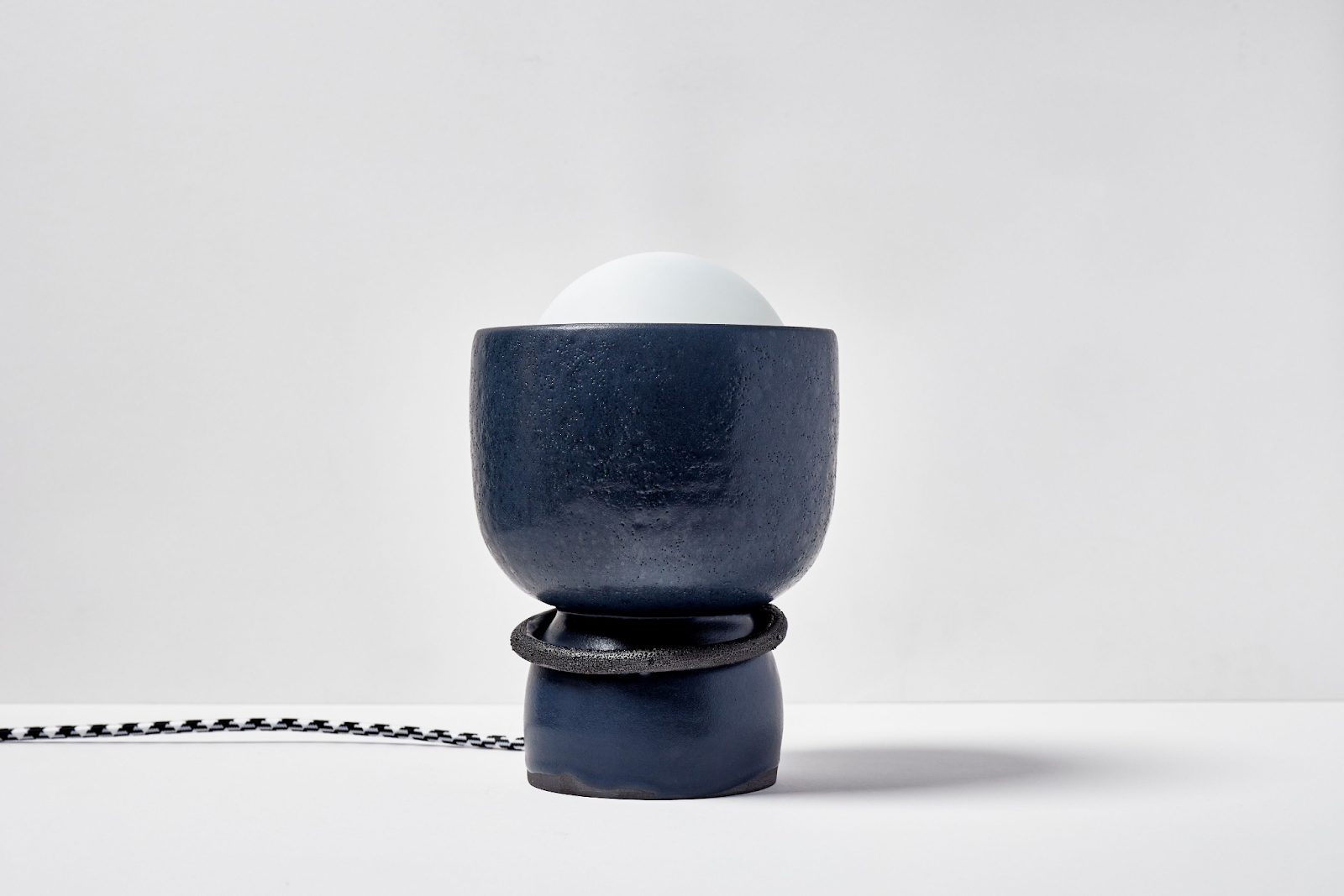
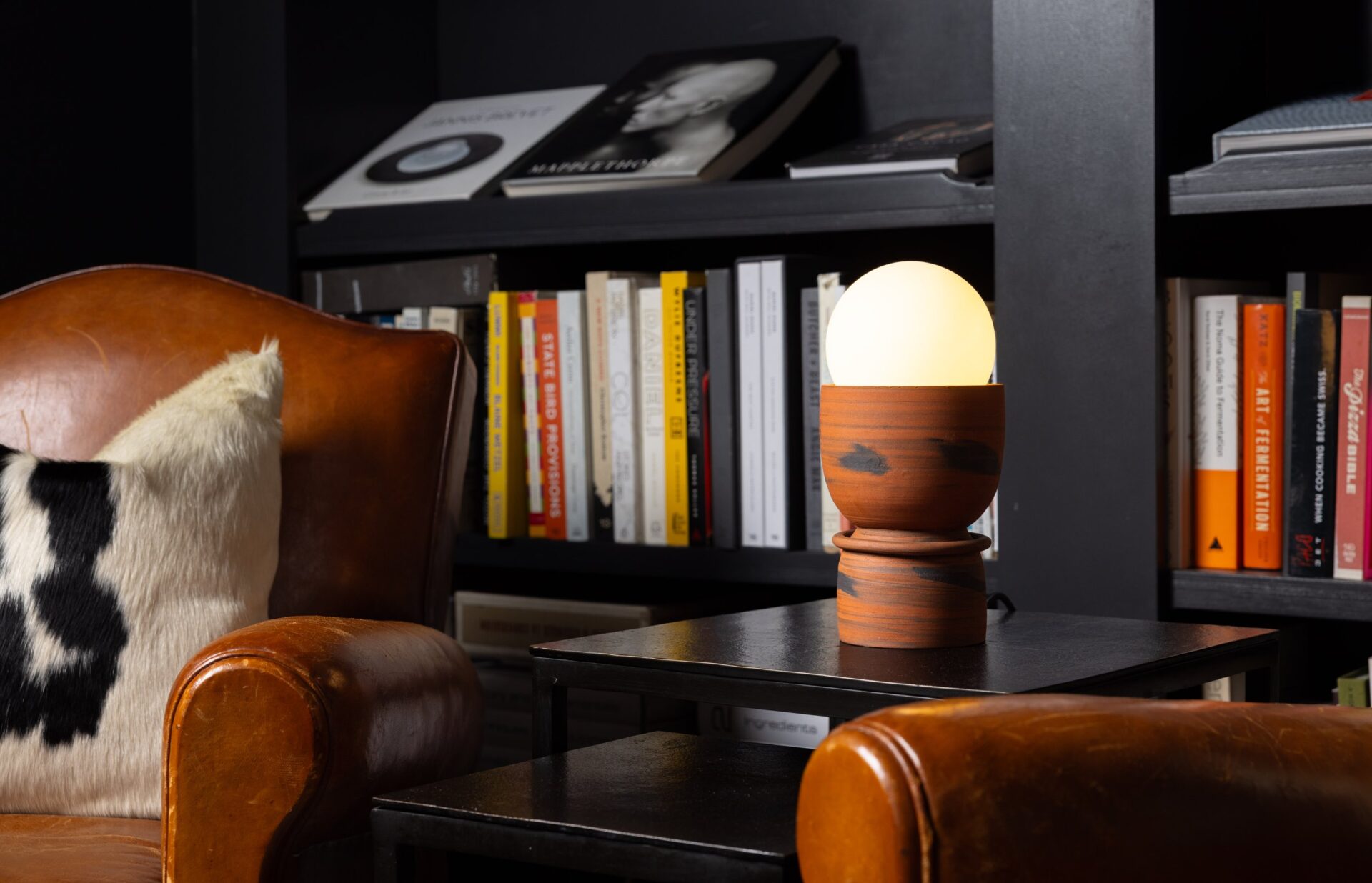
“I take inspiration from various sources, such as everyday objects and the modification of past designs. One of my porcelain table lamps, for example, is inspired by the form of an egg cup.”
How do you incorporate feedback into your creative process while staying true to your vision?
EH: Feedback IS my process! Since my art practice is a collaborative one, it is vital I include a round of prototypes that the chef or interior designer may use to visualize in the space, or to test plate food on. From there we adjust size, shape and color until the piece seamlessly fits into its environment. Feedback is how my art practice grows, and I push boundaries in a way I never would alone in my studio without specific input and parameters from my collaborators.
I have been collaborating with fine-dining chefs for years, and am excited for this next phase that reaches deeper into the world of interior design. It’s an industry that I am personally very inspired by, and am sure that the collaborations with interior designers and my Solum lighting will be so rewarding.
Can you describe a time when you took a significant risk in your work and how it paid off (or didn’t)?
EH: My last two jumps in my art practice were of significant risk. First, I expanded my practice from working with chefs to designing for and collaborating with interior designers and consumers. When I began my mirrors, I had to turn down restaurant orders. Thankfully, that leap of faith paid off and my 2023 pop-up gallery (which featured my mirrors) nearly sold out. Each time an artist leaps into another category, it is truly a leap. It’s wild and exhilarating and financially scary all at the same time. My next collection launch is Solum lighting, which includes pendants, sconces, and table lamps.
“I like to convey the idea that art is important in everyday life.” – Georgia O’Keefe
What are the most important values or principles that guide your work?
EH: I like to embrace the fluidity between functional and conceptual art. It is within that tension that I find the beauty of connection and use of art. There is unique beauty in creating pieces that are not only visually captivating but also serve a practical purpose. This duality is what makes my pieces special — they are meant to be lived with and interacted with, not just observed from a distance. I became rapt with functional art when I began collaborating with fine dining restaurants. I see a restaurant as a gallery in which you can touch, feel, and interact with art. You experience a piece — a plate, bowl or charger — that looks similar but a little different from the person sitting next to you. Those moments of noticing and being in the present are derived from my walking the line between function and gallery art, and allow for an everyday appreciation of beauty.
The majority of my work is thrown on the wheel, not made by mold or press. Each of my pieces is molded by my hands. I want to put out into the world completely handmade art. Especially in this fast-paced culture where you can order mass-made objects with a click of a button.
Finally, I want to inspire others to pursue their creativity. Six years ago I took the thrilling yet terrifying leap to leave my legal job and pursue a full-time career in art. Returning to my art practice full time was a rebirth, a coming back to my true self. I felt whole again. I hope telling my story will inspire others to take this same leap, whether it be writing a book, painting, or pursuing another creative endeavor. I believe we live wholehearted lives when we pursue our version of creativity, which in turn makes the world a better place.

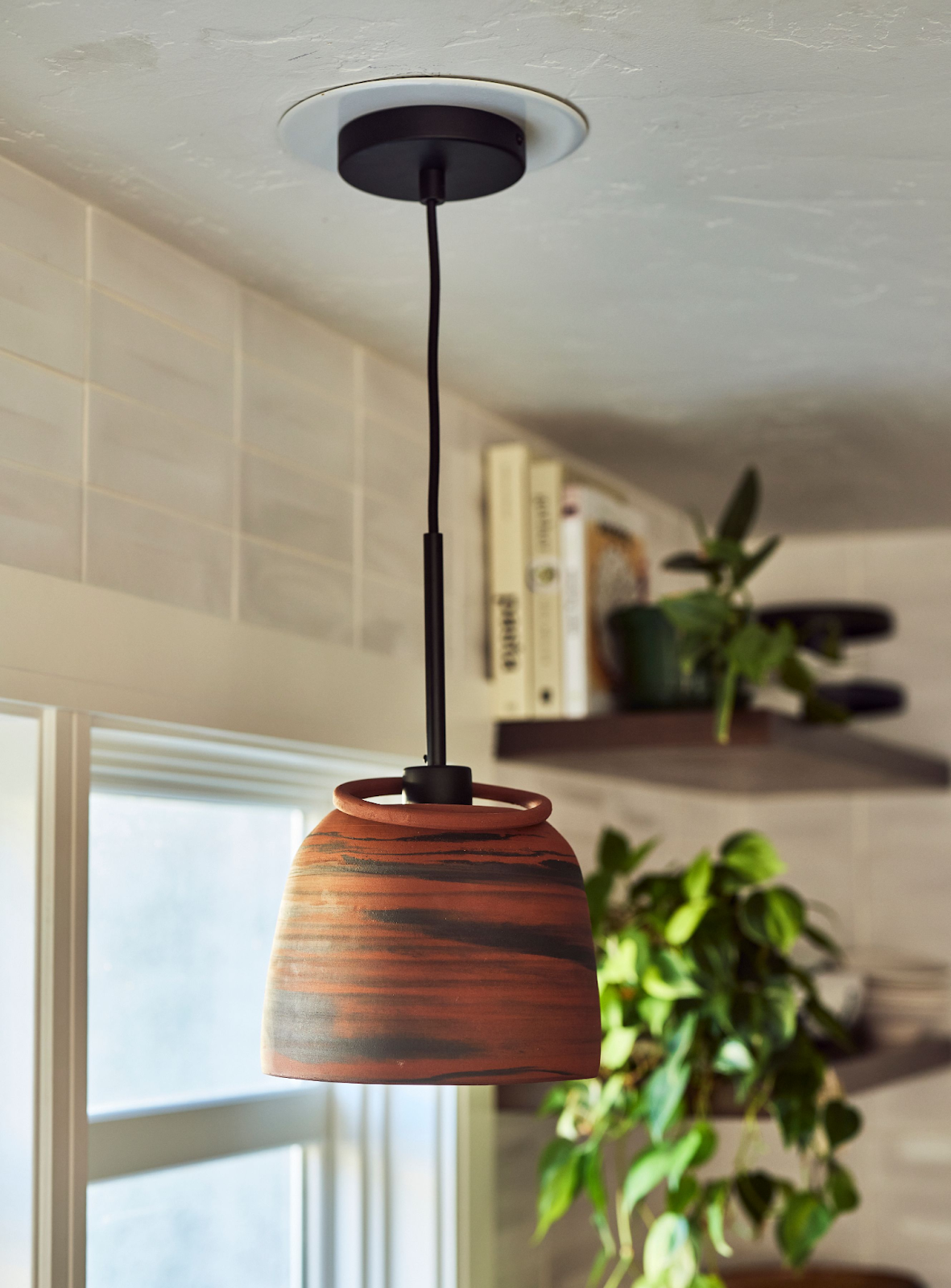
“My pendant lamps are inspired by something very simple – bowls. They are inverted bowls with a fixture attachment at the top.”
How do you handle creative blocks or periods of low inspiration?
EH: When I have a creative block I immediately change my environment and take a break from the studio. For me, this usually involved a hike by the ocean or in the redwoods, to take a step back. In the studio, I can get lost in the details, or inside my head. When I return to the studio after some time away, I focus on the process rather than the product, and embrace imperfection. If that does not work, I take the advice of Rick Rubin, the music producer, whose book The Creative Act: A Way of Being has been inspirational to my art process. Rick Rubin talks about getting over creative blocks by changing the context or audience (a love song is sung differently in front of a crowd versus the person you love). So I invite someone into my studio and share my process and my latest art piece. Most of my art practice is built on collaboration with other artists, from chefs to metalsmiths and glassblowers. Changing the audience and having outside input from someone is incredibly helpful when I have creative blocks. Ask a little help from a friend, see your art through a new perspective.
Like what you see? Get it first with a subscription to aspire design and home magazine.