

DesignHER is a platform that celebrates the vision, craftsmanship, and innovation of women in design. By curating stories from leading female designers, artisans, and creatives, our latest series, in collaboration with Women Create, offers an intimate look at the diverse paths these women take to shape their industries and their own businesses. Through thoughtful interviews and features, the platform illuminates the artistry and technical mastery that define their work, while exploring the deeper narratives of creativity, resilience, and leadership. DesignHER honors the unique perspectives of women, fostering a community where design excellence and empowerment intersect to inspire the next generation of trailblazers.
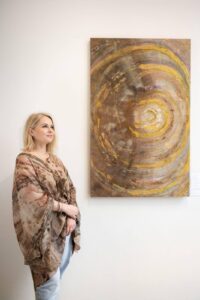

Beyond painting, Muzyka explores cross-disciplinary collaborations in fashion and music— such as cover designs for MiLarKey and the founding of Call2Love, a wearable art brand. She is currently deepening her classical foundation at The Atelier Studio Program of Fine Art in Minneapolis. See the artwork by Kasia Muzyka in today’s DesignHer.

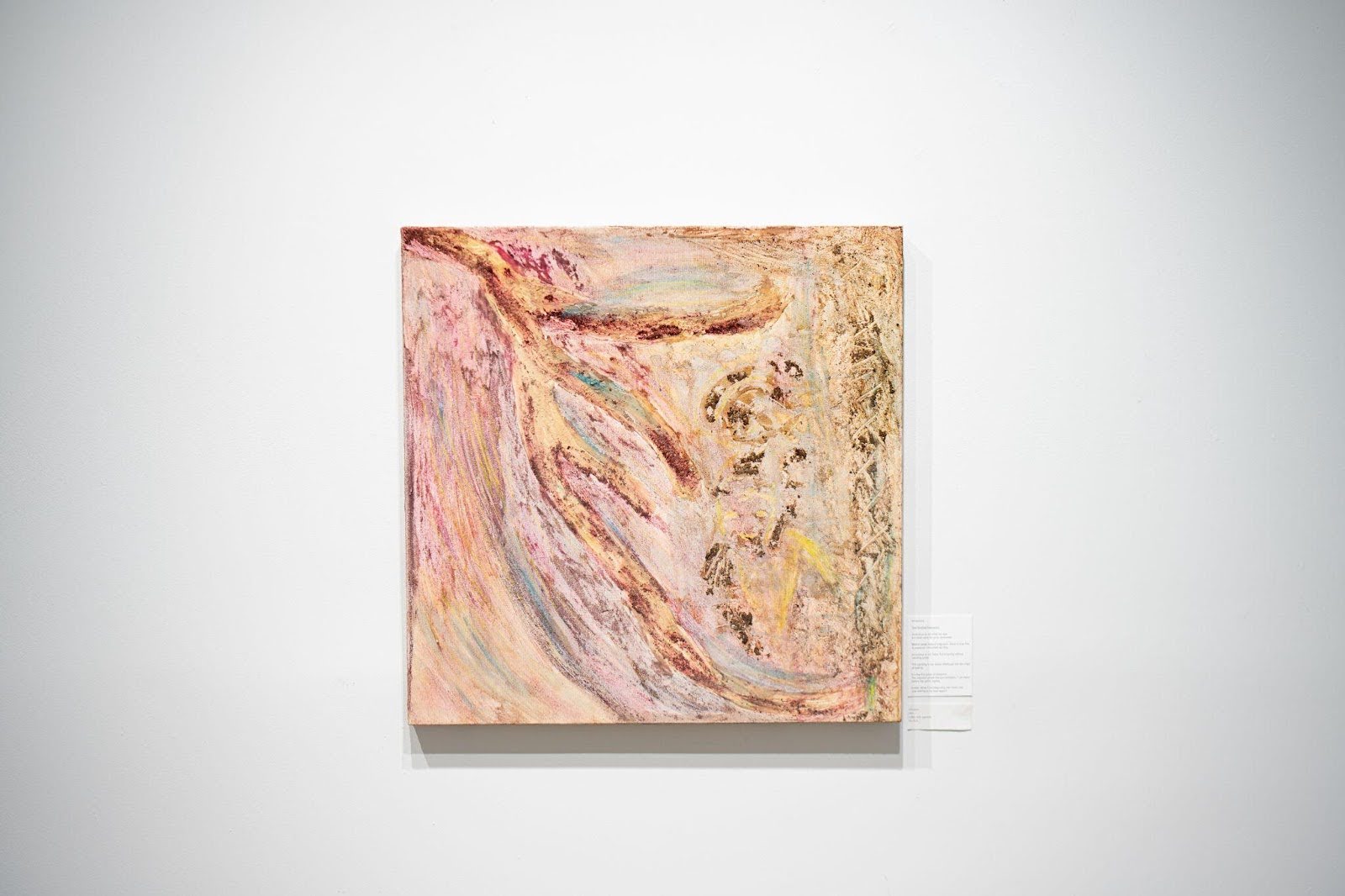
Innocence
aspire design and home: How do you think being a woman has influenced your approach to design and creativity?
Kasia Muzyka: Being a woman means I create from within. My body is literally tuned to the rhythm of creation — monthly cycles, emotional tides, the silent pull of the moon. This isn’t a metaphor. It’s biology woven with mystery.
Women don’t just make — we become. We gestate, we hold, we sense what is not yet visible. This has shaped everything about my approach to art. I don’t design from the outside in; I listen, I receive, I uncover. Intuition leads, long before intellect can catch up.
Our creativity is not a performance —i t’s a remembering. It rises from the same place that life itself begins. To create as a woman is to engage with that sacred current, not to control it, but to trust it.
My work isn’t about mastery. It’s about surrender. Not to weakness, but to a deeper intelligence that the modern world often forgets: that creation is not a straight line. It’s a spiral. A pulse. A womb.
“I paint with materials that remember—coffee, wine, earth pigments. My art is not decoration; it is an act of remembering. A return to what was exiled. A quiet conversation with the buried feminine, and an offering to the life force that, for too long, has tended to be silenced.” – Kasia Muzyka
adh: What are some misconceptions about women in the artisanal craft industry that you’d like to address?
KM: One of the deepest misconceptions isn’t just about women — it’s about the feminine itself. The feminine is not a weakness. It is not chaos, softness or excess. It is a generative force — cyclical, intuitive and rooted in deep knowing. It lives in all of us, regardless of gender. And yet, for centuries, this force has been diminished, misunderstood and made to feel “too much.” Its wisdom — emotional, sensual, embodied — was cast aside in favor of control and logic.
Women, in particular, have carried the consequences of that forgetting. We were taught to care for others and abandon ourselves. To be pleasing, but not powerful. But this is not about blame. It’s about restoration.
When I create, I don’t decorate — I reawaken. I work with materials that remember — coffee, wine, earth pigments — to make visible what was exiled: that the body is sacred, feeling is intelligence, and beauty is a portal.
The feminine was never broken. It was buried. And through my work, I excavate — not to fix, but to remember.
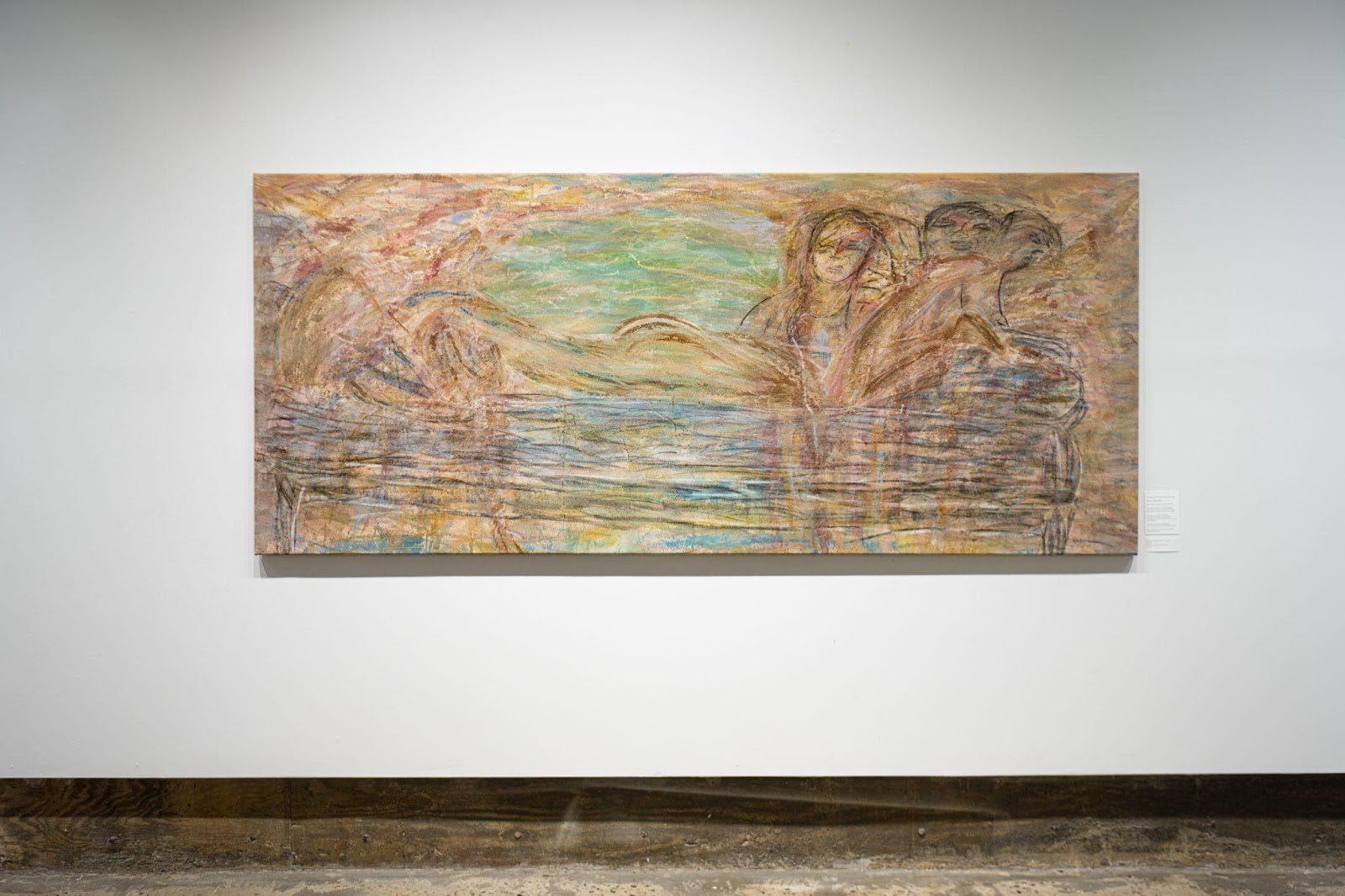
The Bed of Becoming – Innocence in Distress
adh: What legacy do you hope to leave for future generations of women in the design world?
KM: I want to help break the spell of generational silence. For so long, women have created from the wound — art born of survival, of having to fight to be seen, heard, or taken seriously. While that resilience is sacred, it’s not the whole story. My hope is that future generations of women won’t have to heal first in order to create. That the trauma we carry can be named, witnessed, and transmuted — so it doesn’t have to be repeated.
I want young women to know that their power is not dangerous, but divine. That they don’t have to dim their intuition to be respected. That they can trust what they feel even when it defies logic. That their creativity isn’t just valid — it’s vital.
The legacy I hope to leave is one of remembrance. One of wholeness instead of division. That we, as women, are not here to create from fracture, but from fullness. From the sacred center that was never lost, only hidden. In a world that, like William Blake once warned, risks dissecting life so finely it forgets its soul, our task is not to name everything, but to reawaken what cannot be measured.
adh: What inspired you to become an artist?
KM: I don’t think I became an artist — I remembered that I was one. From a young age, I sensed that what’s most essential is often invisible. Art became the language I used to explore those invisible architectures — the unseen forces shaping life beneath the surface.
What drew me wasn’t the need to express, but the need to uncover. I felt like an archaeologist of meaning, excavating not just images, but memories, frequencies, and forgotten truths. Over time, I realized that painting wasn’t something I did — it was something that happened through me. I simply listened, followed, and trusted the unfolding.
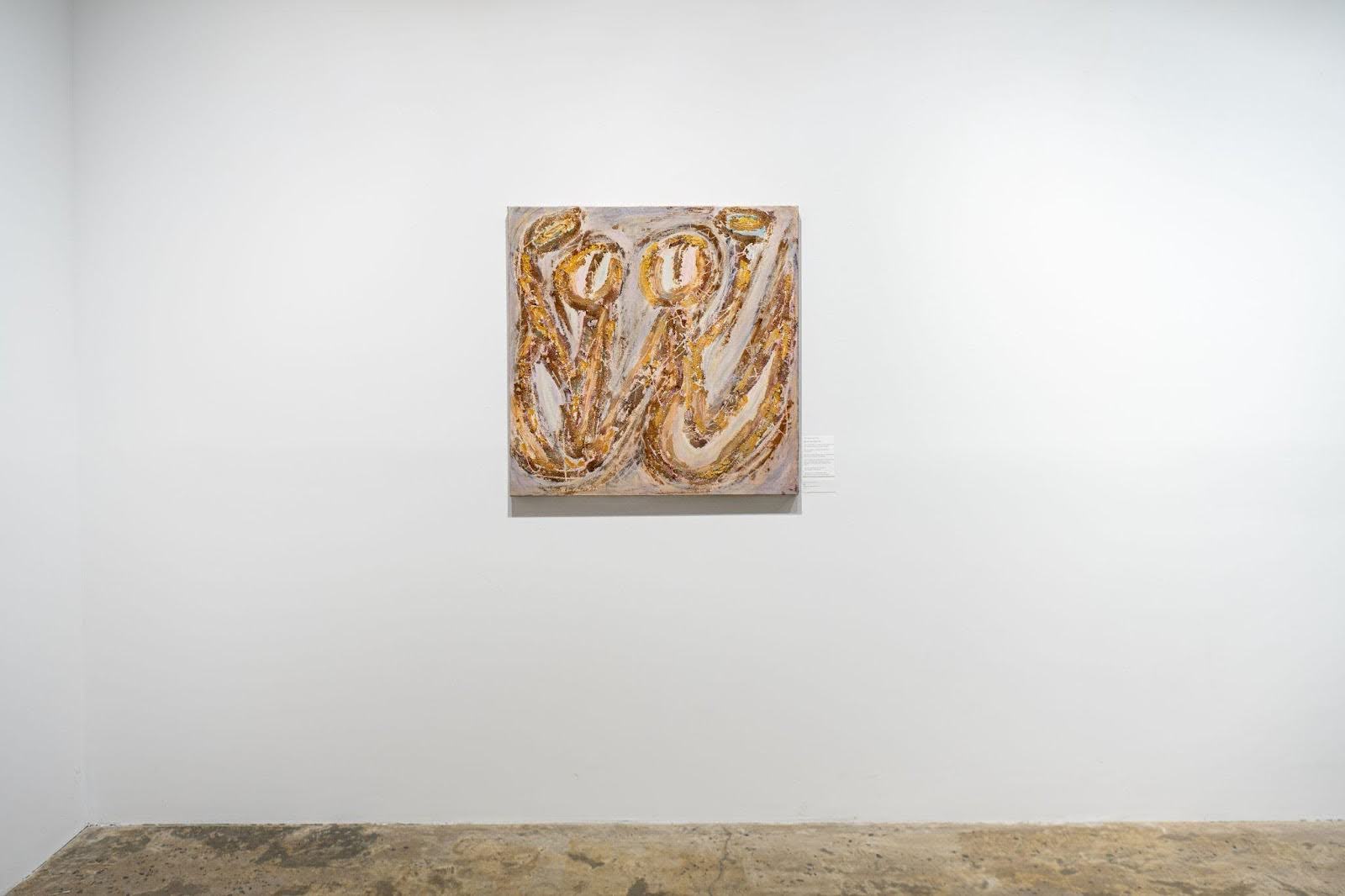
One
adh: What is your favorite place to find inspiration?
KM: In-between places — the thresholds between night and day, silence and sound, thought and form. I often find inspiration near water, or during quiet walks where nature seems to whisper what can’t be spoken.
But more than any physical location, my favorite place is the inner space where intuition leads and reason pauses. That’s where I meet the unseen — where I feel guided by something older than memory, yet deeply familiar.
It’s not about escape; it’s about remembrance. That’s where my art begins.
adh: Can you tell us about a specific moment in your career that made you feel accomplished?
KM: It wasn’t tied to recognition or a specific exhibition. It was the moment I fully embraced my own rhythm — when I stopped creating for validation and began creating as a response to something sacred moving through me.
I understood then that the work wasn’t about proving anything. It was about listening, surrendering, and allowing the unseen to take form. That realization was the most liberating moment of my career.
I felt like an instrument for the music that wanted to be played, and I promised myself I would keep playing for as long as it moved through me. That was the moment I felt truly aligned — truly free.
Like what you see? Get it first with a subscription to aspire design and home magazine.