

DesignHER is a platform that celebrates the vision, craftsmanship, and innovation of women in design. By curating stories from leading female designers, artisans, and creatives, our latest series, in collaboration with Women Create, offers an intimate look at the diverse paths these women take to shape their industries and their own businesses. Through thoughtful interviews and features, the platform illuminates the artistry and technical mastery that define their work, while exploring the deeper narratives of creativity, resilience, and leadership. DesignHER honors the unique perspectives of women, fostering a community where design excellence and empowerment intersect to inspire the next generation of trailblazers.
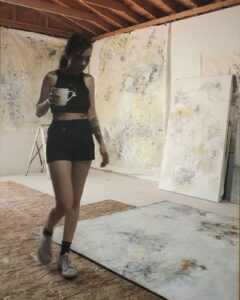

With a creative career spanning almost two decades, Placido has also established herself as a performing and recording artist and a creative designer. Learn more in today’s DesignHer feature.

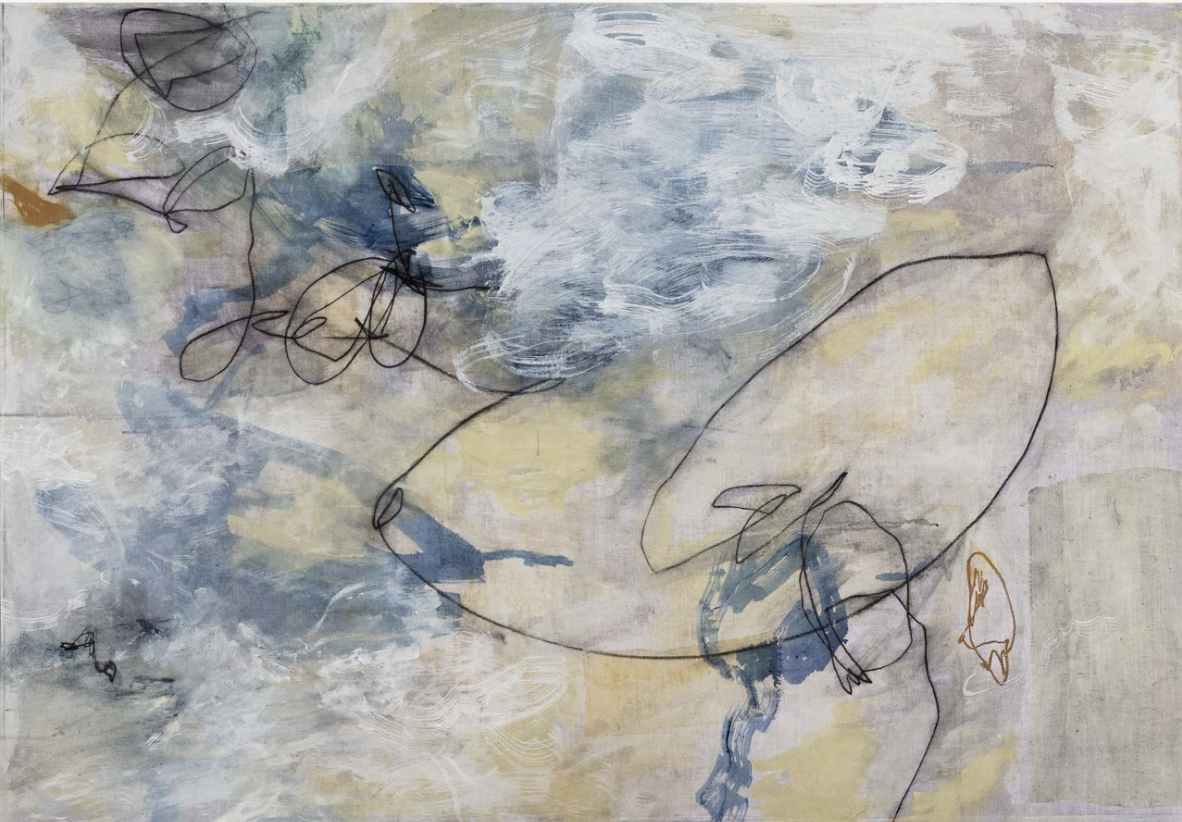
Closer to the Sea
aspire design and home: How do you think being a woman has influenced your approach to design and creativity?
Tal Placido: My personal journey as a woman has everything to do with how I approach art and creativity, because my creative process is so intuitive, and my art is a reflection of what I intuitively know and feel. All women have to navigate the noise of societal expectations throughout our lives and we all end up with our own unique set of experiences and instincts. These experiences inform my intuition, which ultimately drives my work.
adh: How do you stay motivated and inspired in your work?
TP: I stay motivated and inspired by my desire to understand myself better through my work. My subject matter is usually something I’m currently navigating or trying to make sense of. As a visual person, it’s much easier for me to process emotions when I can externalize them — give them form and let them speak. Every time I complete a painting, I feel a sense of clarity and understanding that drives me to do it again. That process of discovery is what keeps me motivated.

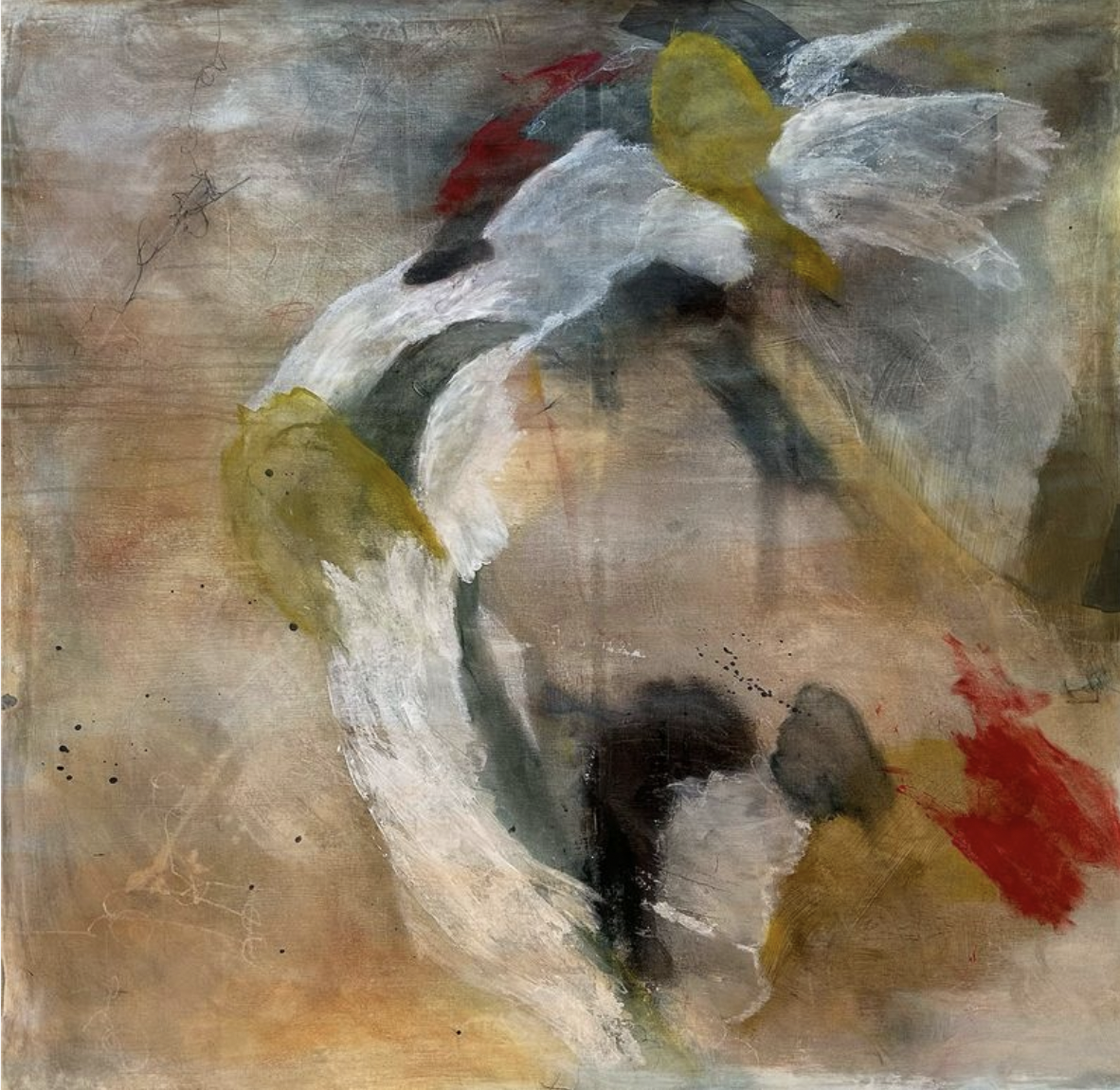
Thank You
adh: What role does storytelling play in your art, and how do you weave your personal narrative into your pieces?
TP: Storytelling plays an integral role in my art because the stories we tell ourselves influence everything. The narrative I have playing in my head when I wake up and the tiny episodes of experiences I’m stitching together to make sense of why things happen — all of this runs through my mind when I approach a new painting, and they touch every layer of that work. It affects the music I choose, the way I move my body around it, the colors I gravitate towards, and the patience I have for myself if the piece feels like it’s not coming together. My paintings don’t exist without the stories.
“Work as if you live in the early days of a better nation.” – Alasdair Gray
adh: What are the most important values or principles that guide your work?
TP: The most important values that guide my work are resourcefulness and gratitude. I believe that when we recognize the potential in something, it helps us appreciate its value more. Resourcefulness is a skill I’ve come to really value in myself, and it’s something I’m always trying to improve. I don’t feel the need for shiny, new things — I prefer to work with what’s already around me. It’s sort of a quiet magic recognizing the value of something overlooked. Sometimes it can be maddening too, when others don’t see it, but over time, I’ve learned the more I trust my vision, the more others trust it too. It’s a small shift, but it’s meaningful and so rewarding.

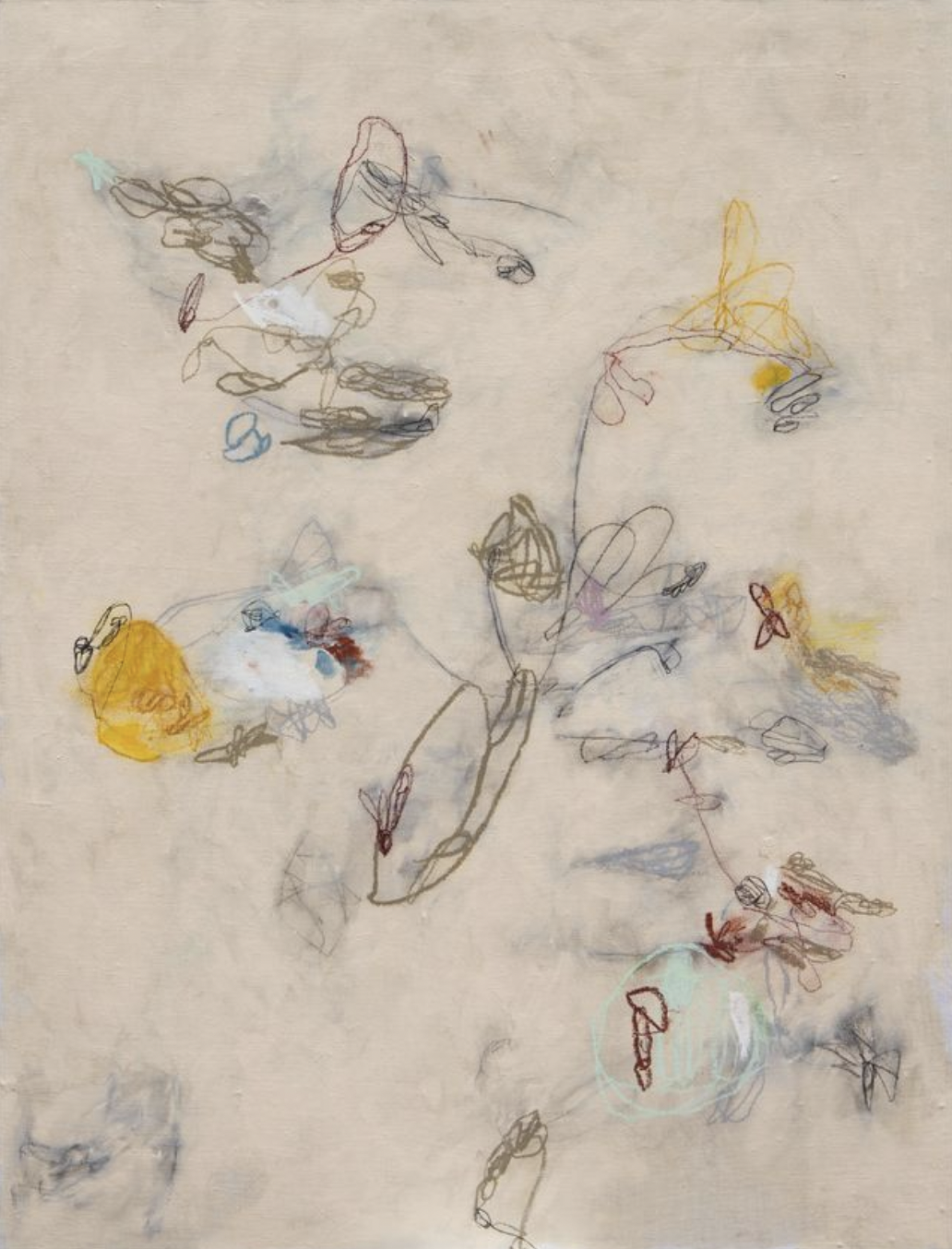
August
adh: How do you handle criticism and use it constructively in your work?
TP: I don’t hold space for criticism when it comes to my art. It’s important to me to not let outside opinions shift the core of what I’m creating. I’ve found that the more I focus on listening to myself, rather than outside opinions, the more my work grows in a meaningful way. In other creative fields I’ve worked in, I’ve had to consider criticism, which often affected how confident I felt in expressing my voice or delivering my message. Painting has been different— It feels like my best work is happening when I can silence the external feedback and trust my intuition.
adh: What’s your favorite part of the creative process, and why?
TP: My favorite part of the creative process is the evolution—the ride, the learning, and the internal conversations I have with myself. I love to watch a vision I have unfold and connect and how it shifts over time. There’s something exciting about how time passes, memories fade, and history gets rewritten through the process. All these layers build up and transform in such a short period, and the range of emotions that come with it is fascinating. That constant sense of growth and discovery is what I love most.

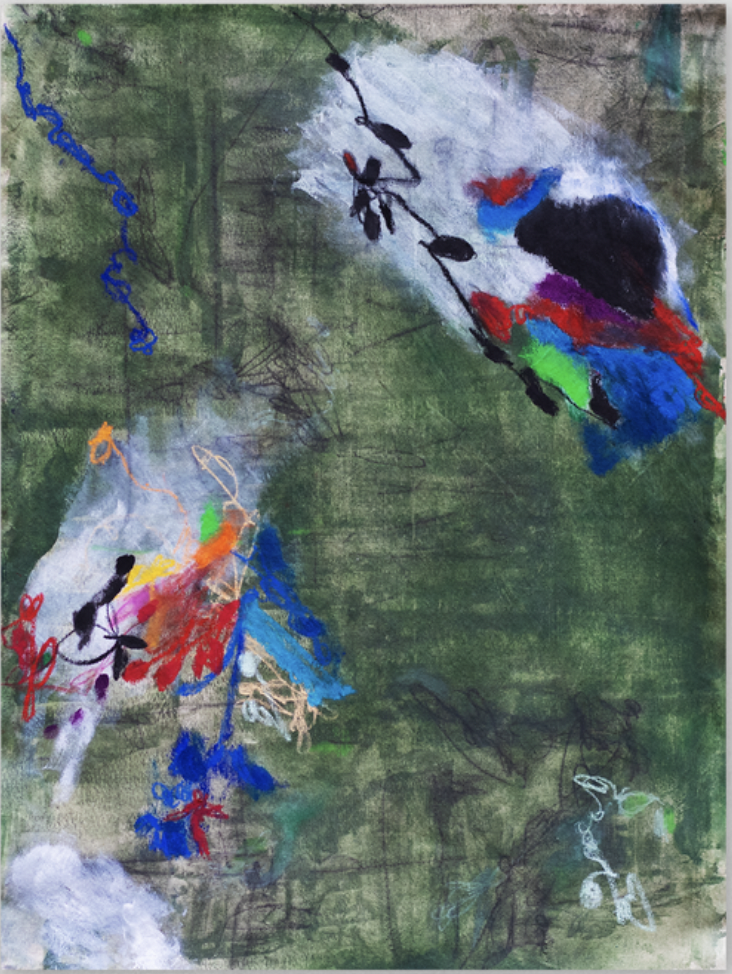
A lesson the world gave me
adh: What role does experimentation play in your creative process?
TP: Experimentation is central to how I work. I’m not drawn to doing things just because it’s the way they’ve always been done. To me, experimenting is less about the technique and more about the willingness to let go of control, to approach with a sense of wonder and have an openness to appreciating whatever happens. Sometimes it adds unexpected layers and depth to a piece, and other times, I just learn what not to do again! Either way, it always adds something valuable to the process.
Like what you see? Get it first with a subscription to aspire design and home magazine.