

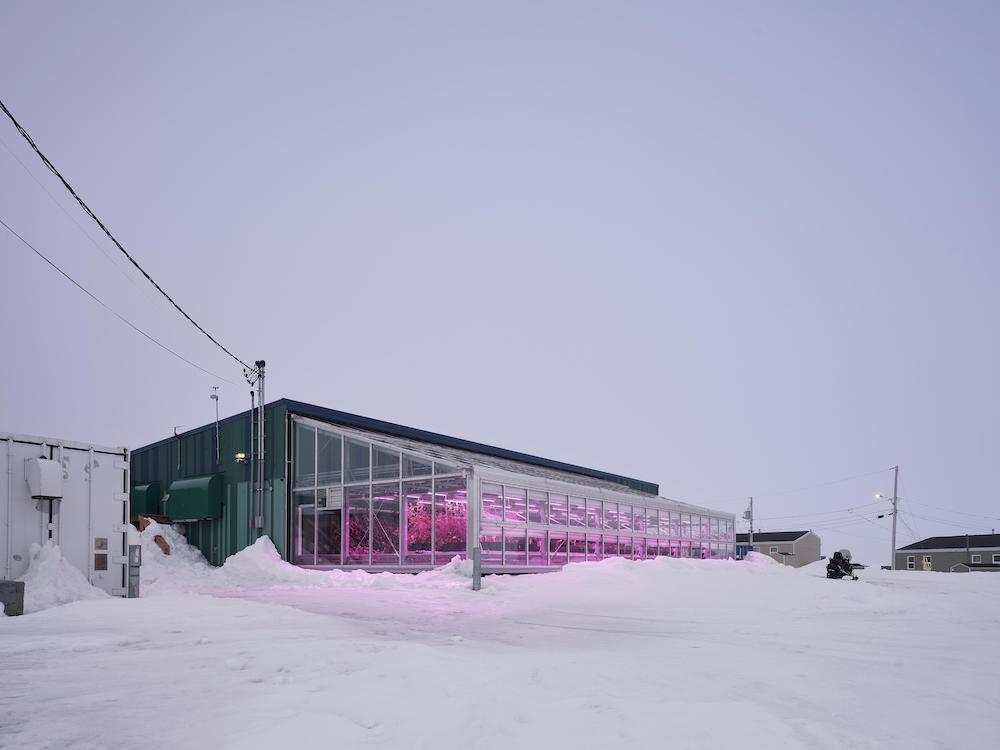

In the northernmost part of Quebec, known as Nunavik (Inuktitut for “great land”), new infrastructure is enabling local production of fresh food, reducing dependence on outside supply chains and addressing a growing concern of food insecurity in the community.
Active in Inukjuak since 2013, Sirivik Food Centre is at the heart of this mission. The completion of its new greenhouse and community kitchen, designed by EVOQ, marks a milestone in its evolution, enabling the organization to expand its services and improve access to fresh, nutritious, locally produced food.

EVOQ’s involvement began well before the building was designed. From the project definition phase, the team contributed to the feasibility study that supported fundraising efforts and laid the foundation for the functional and technical program. To this end, several consultation and co-creation workshops were held in Inukjuak to gather the community’s vision, understand its needs, and define the project’s priorities. This participatory approach grounded the project in the social, cultural, and climatic realities of Nunavik, while fostering a sense of ownership among its users.
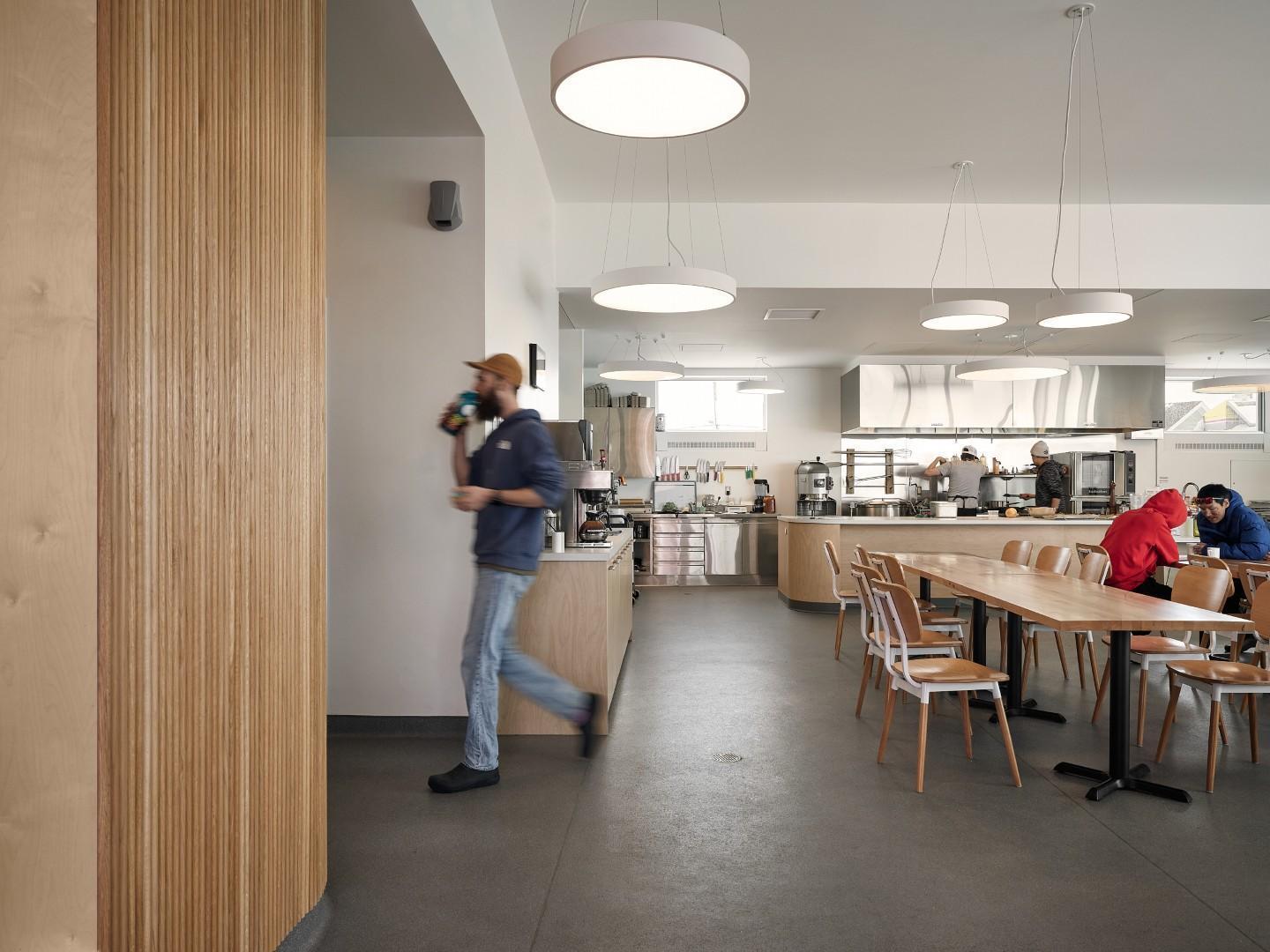
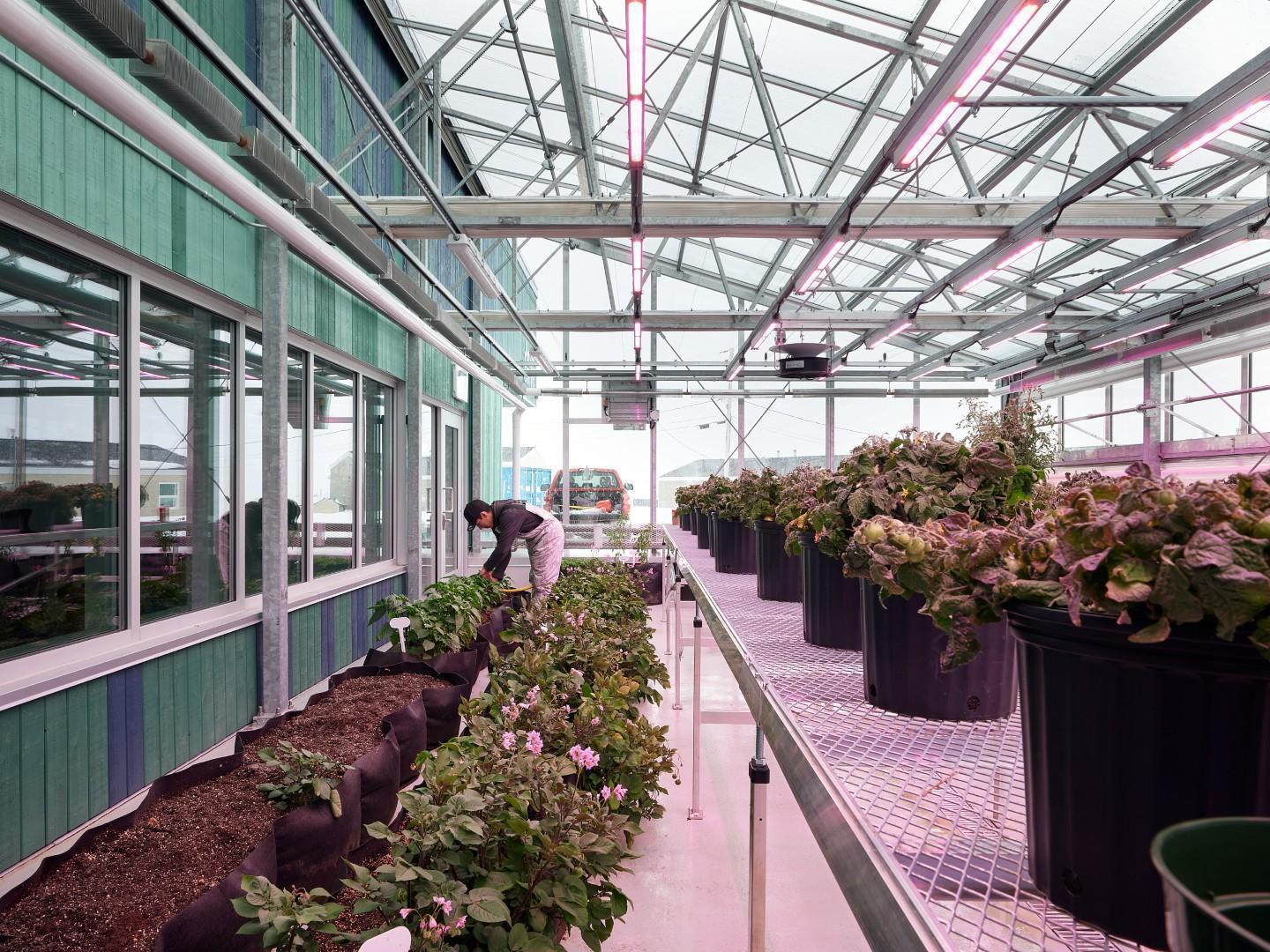
Initiated in 2017, the project is part of a broader effort to strengthen the community’s food autonomy and reduce its dependence on supplies from southern Quebec. Designed as a true community hub for food, the building includes a four-season solar greenhouse–a first in Nunavik–as well as a hydroponic growing container, a commercial kitchen, and a dining/gathering area for community, educational and cultural activities.
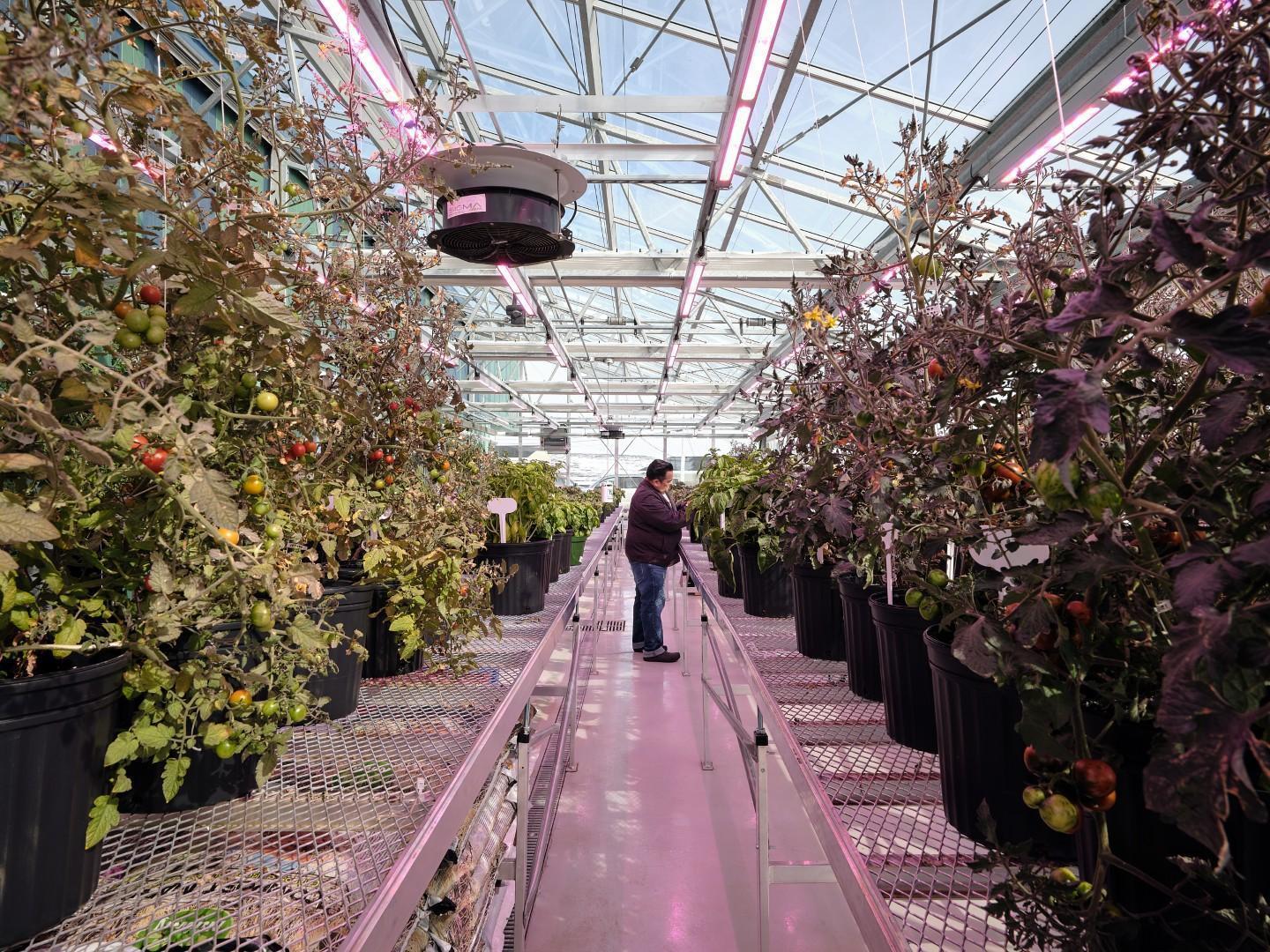
The architecture is organized around the greenhouse, the project’s centerpiece. Its bright, extensively glazed volume serves as a landmark in the village and establishes a direct link between food production and meal preparation activities. Adapted to northern conditions, the design prioritizes durability, energy efficiency and ease of operation, while offering welcoming spaces that encourage exchange and learning. The food production facilities also support the development of local skills and the transmission of food-related knowledge.
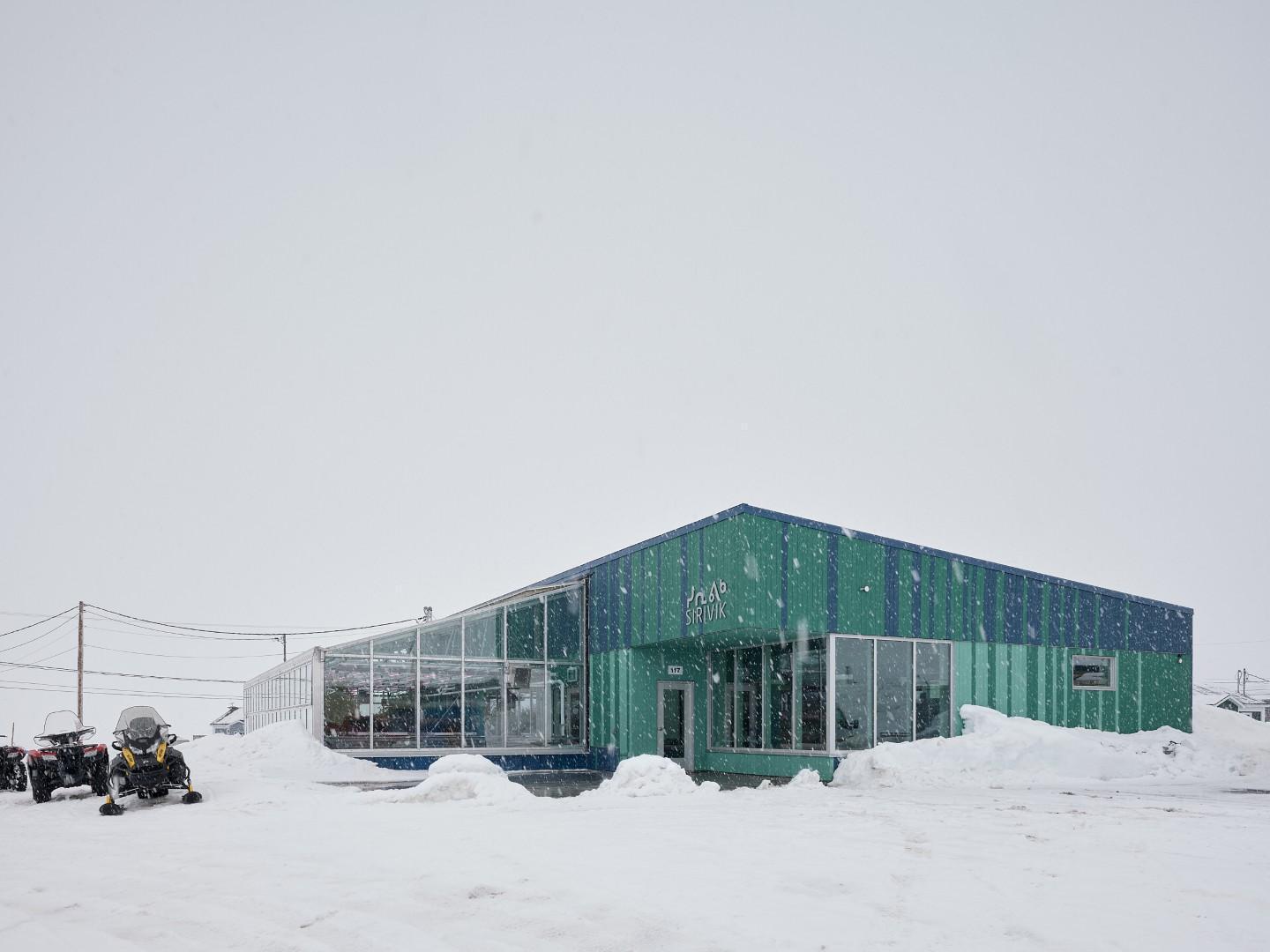
The result of close collaboration between Sirivik, the community, project partners, and a range of specialized experts, this project demonstrates how architecture can make a concrete contribution to food resilience, social development, and the autonomy of northern communities.
Photography by Maxime Brouillet.
Like what you see? Get it first with a subscription to aspire design and home magazine.