
There has long been a fascination among creatives with the very elemental material of wood. It can be shaped and sculpted, cut to reveal inherent patterns that speak to the passage of time and creatively altered to take on new and modern personas that still always connect back to the natural. There is simply something compelling, perhaps even enlightening, to the notion of creating a next life for something that once itself lived. Designing with wood offers a canvas as vast as a designer’s imagination.
For the spring 2022 issue of aspire design and home, we spoke with two expert woodworkers about their admiration, inspiration and fascination with wood.
 John Randall, founder of Bien Hecho
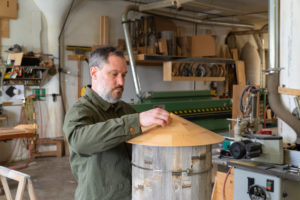 John Randall, founder of
 Even when Bien Hecho founder John Randall’s primary studies focused on math and biology, his free time was spent drawing, designing, sewing, painting, building small furniture pieces, folding paper… working with whatever material or outlet struck his creativity at the time. “I decided to make a career change after college into a creative field, and the medium of wood really drew me in. Its ubiquity makes us forget that some of its most interesting properties raise intriguing questions.” For example, he notes, “it is essentially the carcass of a once living thing. So what is our responsibility to it?”
“[Wood] can be cut and sliced and glued, but it can also be sculpted, bent, burned and dyed, not to mention eaten and worn as adornment,” he goes on. “Given its near infinite possibilities, it poses the question to the artist: ‘How will you use it?’”
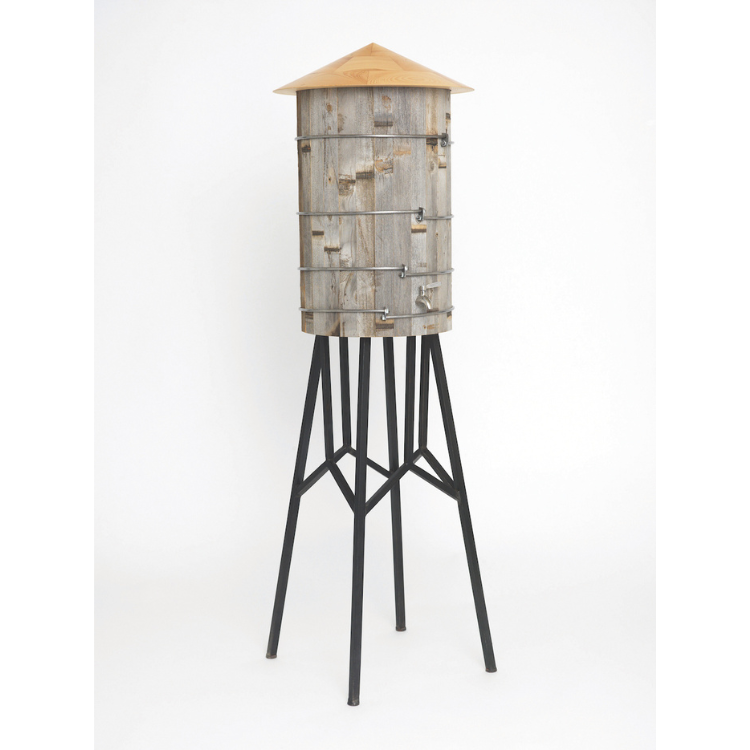
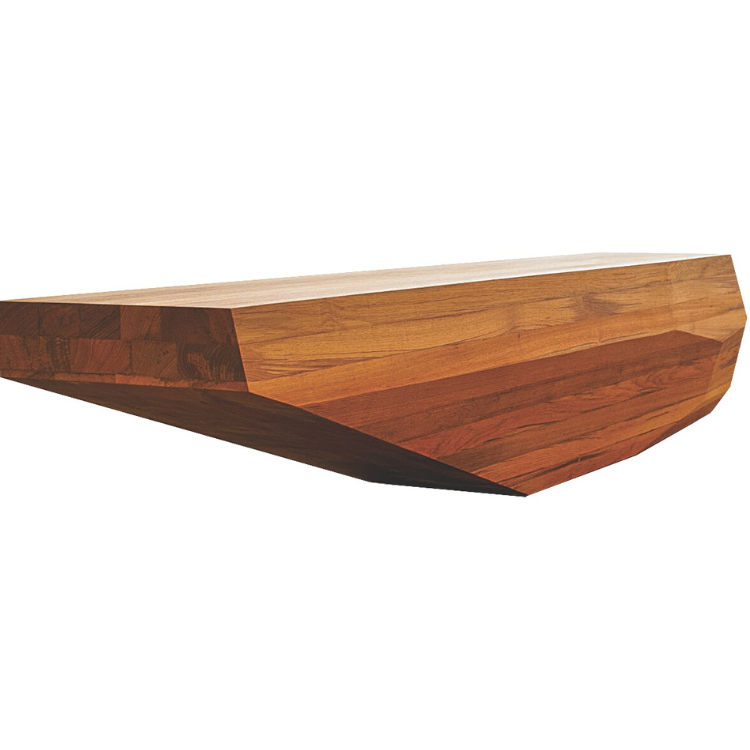
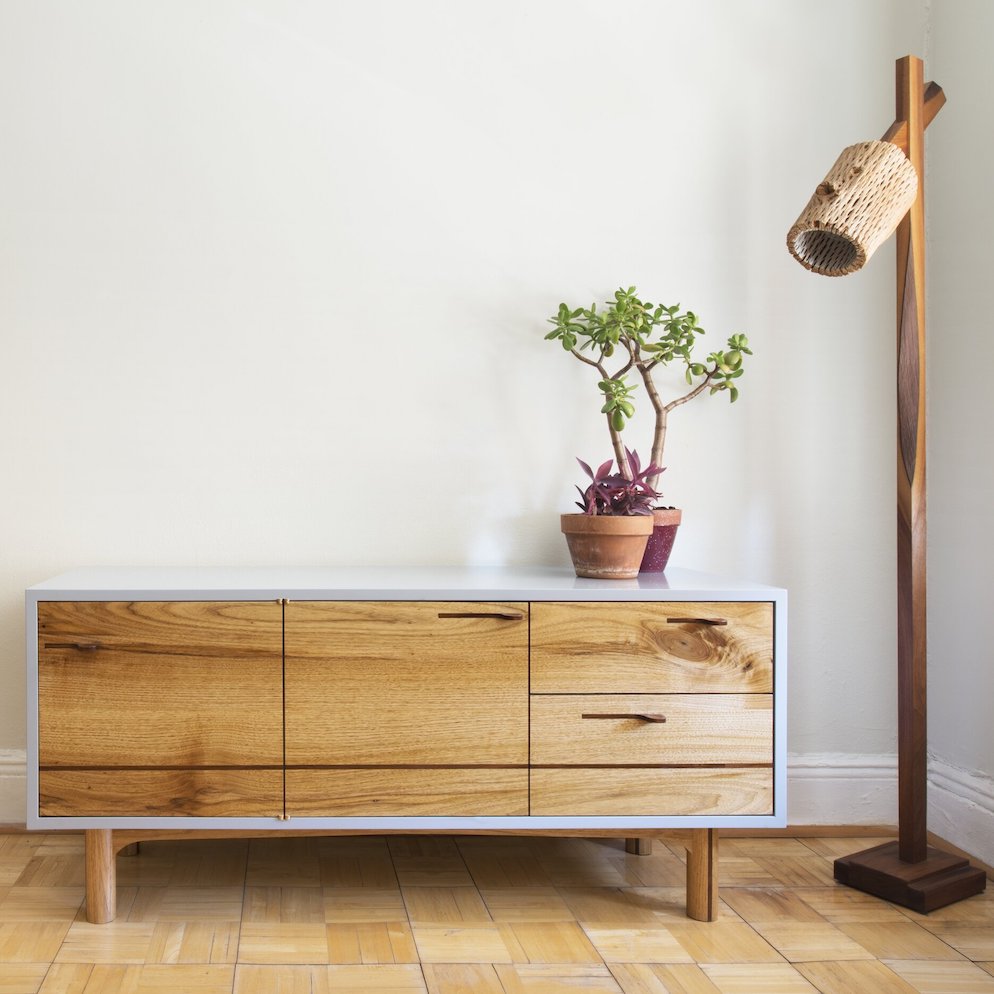
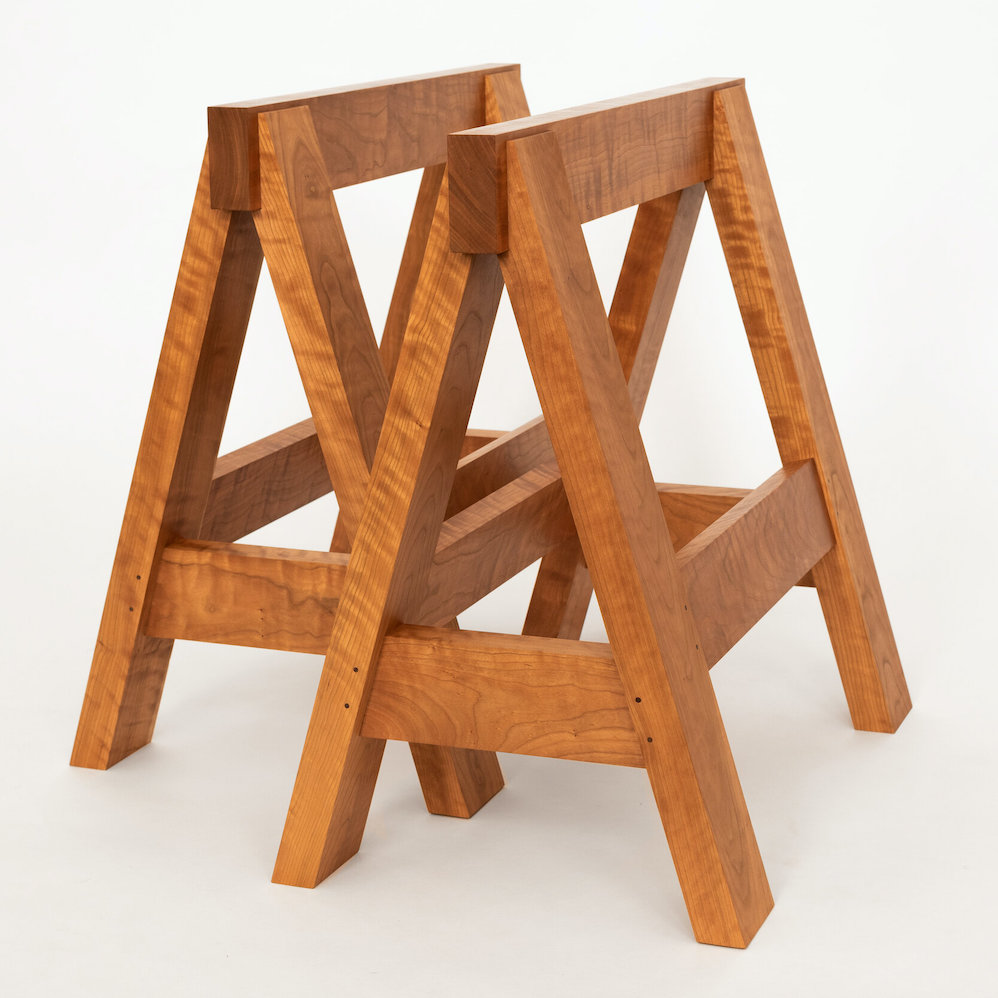
A well-crafted piece of wood furniture or wooden design object or element should … Provide a direct connection to the ‘natural.’ What I mean is the materiality of the wood – its grain, the fact that it was once a living thing and the design of the piece, for example: graceful curves, handmade in appearance, expressing the material sans coatings – ought to lend balance that might even evoke nature. I find this balance is needed more and more in spaces filled with the engineered, with the results of mechanized production and with technology run amok.
I admire the woodwork of: The late Wendell Castle. His vision, body of work and devotion to his craft were simply amazing. I’ve been a fan of his clocks since I was a kid, which are layered art/ furniture objects in and of themselves. The Ghost Clock is my favorite. It’s such a powerful metaphor: hiding time.
Raphael Schlanger, founder of Topolino Design
 Raphael Schlanger, founder of
 Raphael Schlanger notes he loves “to bring at least some out-of-the-box thinking” to everything he designs. “As designers,” he explains, “we are drawn to a piece by art and form. To create something a bit different, not for the sake of being unique, but to use structure, materials or arrangement in a different way. Perhaps also to reconsider how the piece functions.”
“[Wood] is one of the few materials in the palette that is real and unadulterated – meaning the wood surface is directly of the tree; it’s not a material that has been reworked by humans,” Schlanger shares. “I also love the wood grain – it tells the story of the tree and adds beautiful texture and warmth to a space. Plus, it’s incredibly strong, relatively light and easy to work with. When harvested responsibly, it’s the original sustainable material.”
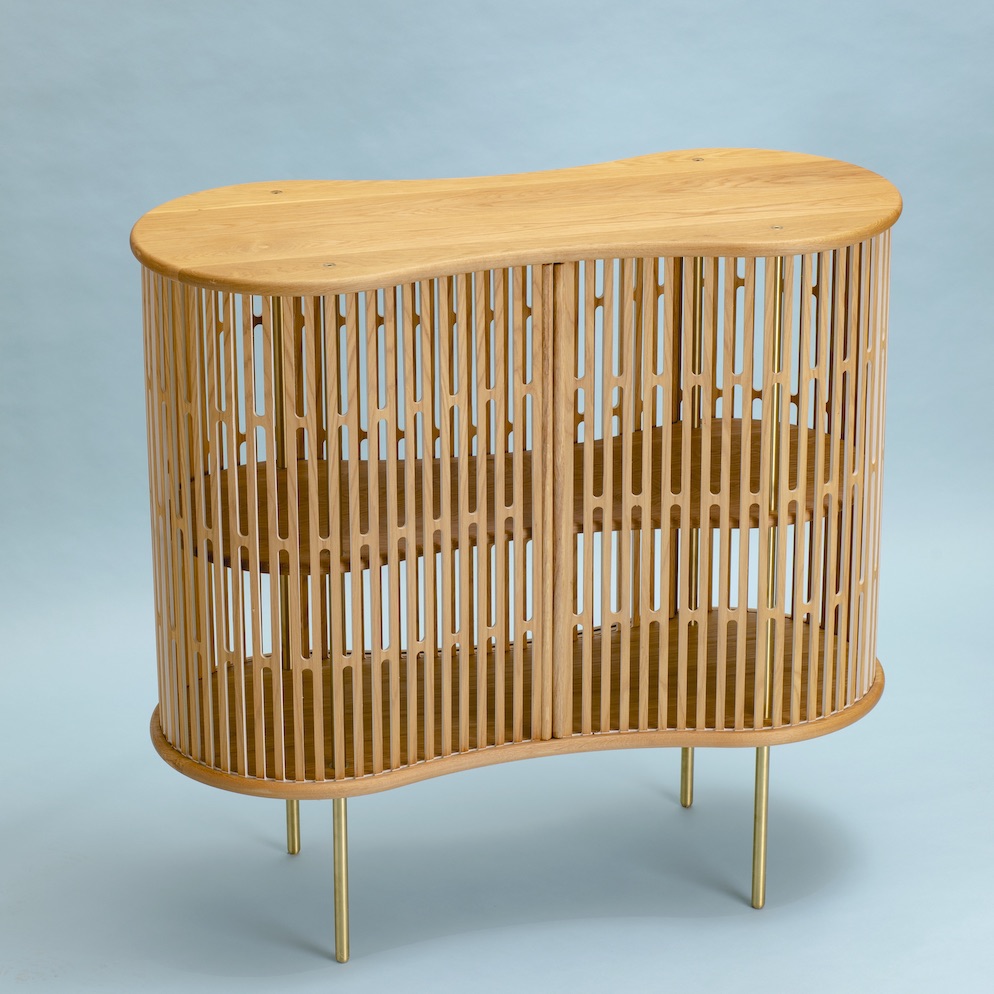


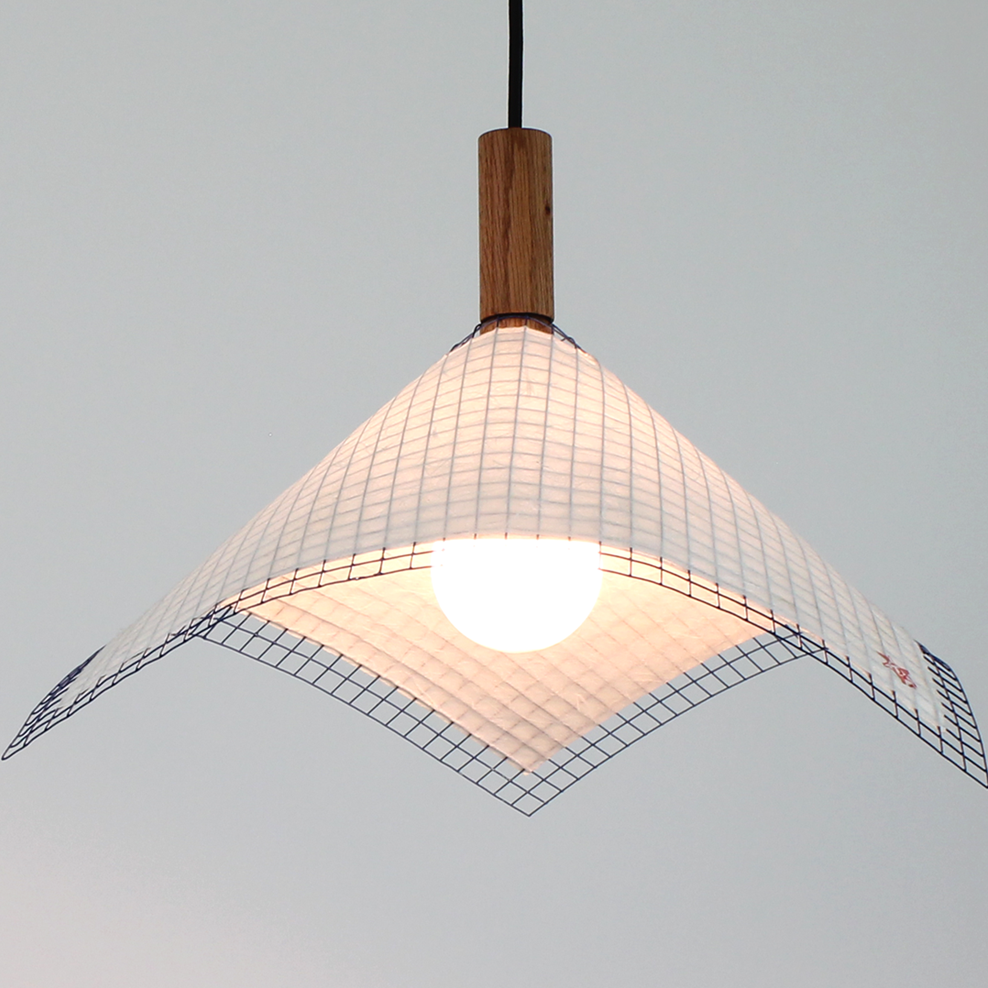
Favorite design era: Post-war
I admire the woodwork of: the Eames studio
I am reading Marilyn Neuhart’s book on the story of Eames furniture, which is a fascinating account. Most of the work to come out of the Eames office is impressive, especially the pieces from the 40s and 50s. The plywood chairs are amazing, especially in the context of the time period. I can really relate to the inspiration and hard work that went into forming plywood to that level. And the proportions are refined to a point where the design is as fresh today as it was in the 1940s.
Like what you see? Get it first with a subscription to aspire design and home magazine.