

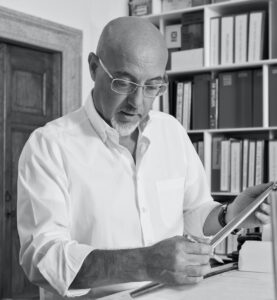


Andrew Joseph: What inspired you to become a designer?
Giuseppe Bavuso: I have always been fascinated by the possibility of transforming an idea into something tangible, something capable of becoming part of people’s everyday lives. For me, design grew out of a curiosity about materials, technology, and architecture, but above all, from the need to give form to ideas.
I have never considered design simply an aesthetic exercise. I believe a good designer should strive to find a balance between function, emotion, and the culture of their time. It is this opportunity to design objects and environments that can stand the test of time while retaining a distinct identity that ultimately led me to choose this profession.
AJ: Can you describe your design philosophy in three words?
GB: Essentiality – because I believe that eliminating the unnecessary is fundamental to reaching the essence of a project.
Balance – between form and function, technology and materials, aesthetics and use.
Innovation – because every project should be able to interpret the present and, ideally, anticipate the future, without losing that sense of longevity and timelessness that I consider fundamental to design.

AJ: What is the most important element of successful interior design?
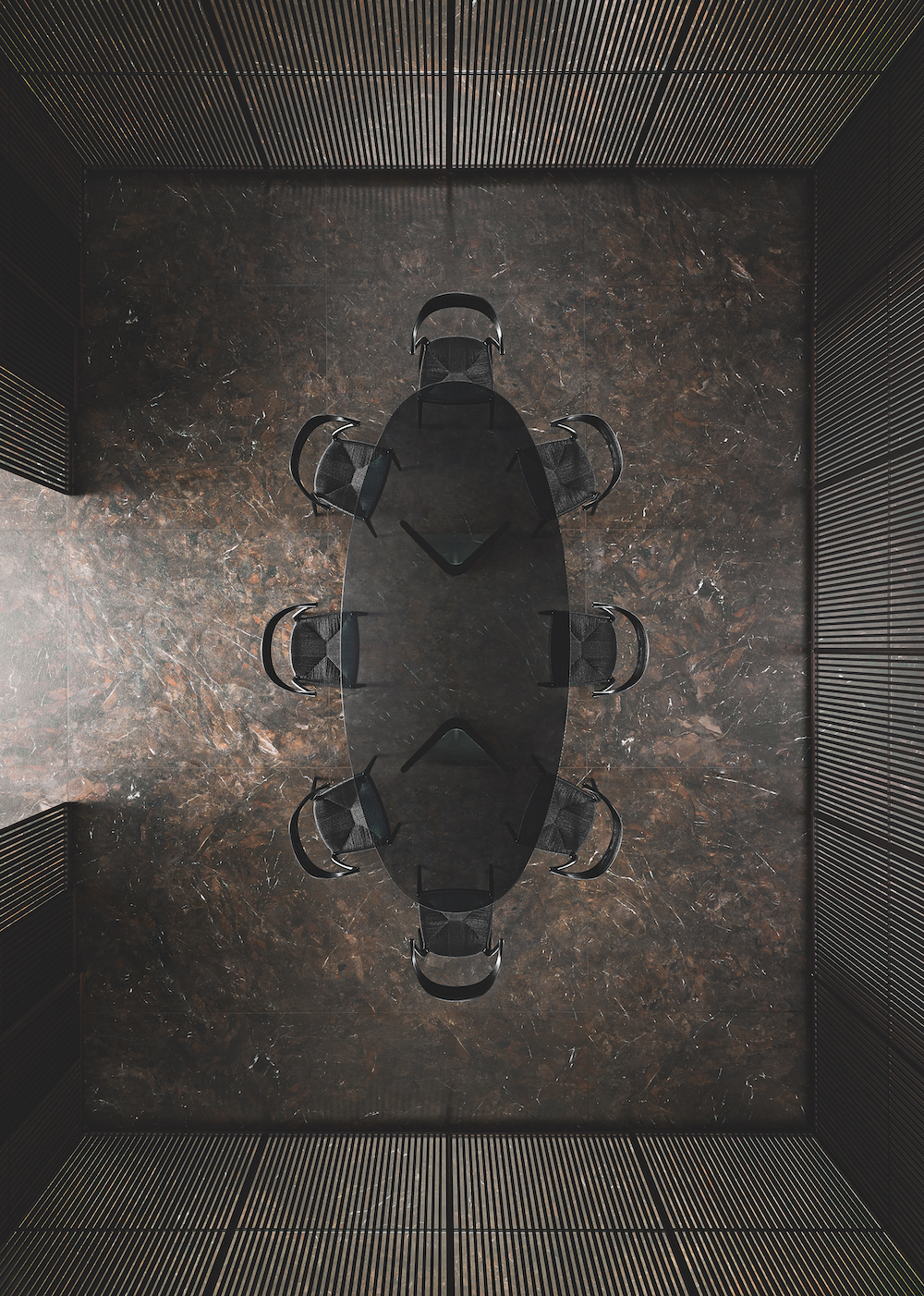
GB: Without a doubt, I would say light. It is the element that can completely transform our perception of space, enhancing materials, proportions, and architecture. Light is not simply something that illuminates a room; it is a design tool. It creates atmospheres, establishes hierarchies and gives depth to spaces. For this reason, in a high-quality interior, I believe it is essential to design space and light together, allowing light to become an integral part of architecture.
AJ: How do you keep your creativity and inspiration alive?
GB: I believe creativity needs to be constantly nourished by curiosity and passion. In my case, it does not come exclusively from the world of design, but also from interests that are an integral part of my life: wine, cooking, art, and automobiles, for example.
These are very different fields, yet they all have a strong design and cultural dimension. In wine, I am fascinated by research, terroir, and time; in cooking, by materials, sensitivity, and the ability to transform simple ingredients into something surprising; in art, by freedom of expression and the ability to look at reality from new perspectives; and in automobiles, by technology, precision, mechanics, and the relationship between performance and form.
I believe that all these experiences, even when they seem far removed from my daily work, contribute to shaping the way we see and design. Inspiration does not necessarily have to be actively sought; it accumulates through experiences, passions, encounters and curiosity. It is precisely this cross-pollination of influences that allows me to keep my approach to design alive and to continue looking at things with interest and a sense of discovery.

AJ: What do you enjoy most about your work?
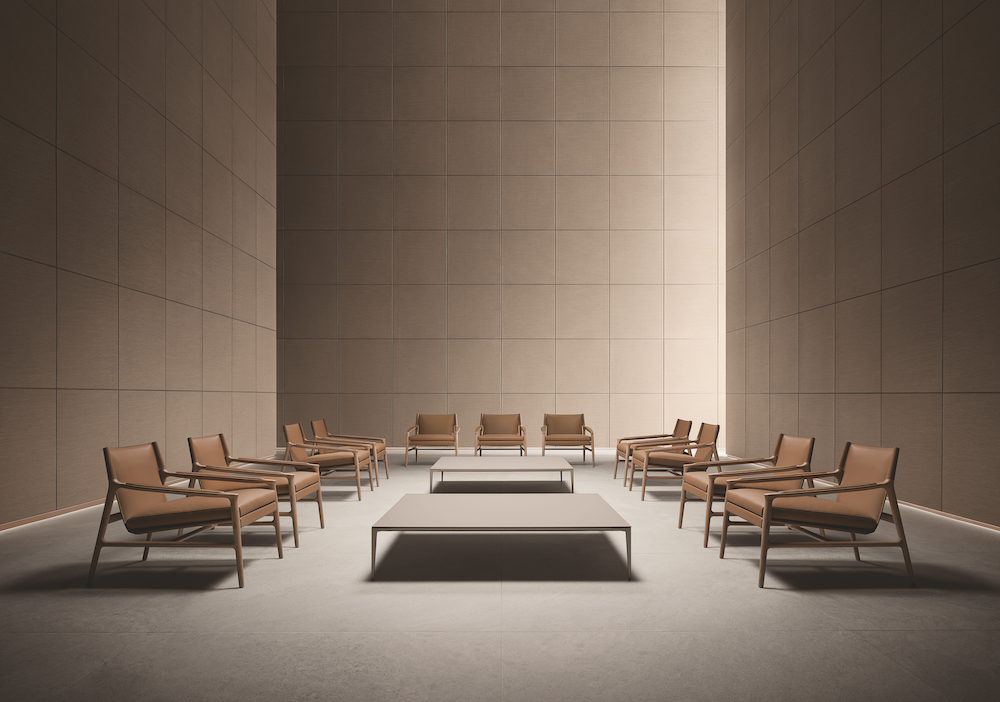
GB: What I enjoy most is the possibility of transforming an intuition into something tangible. I am fascinated by the entire journey that takes an initial idea towards the creation of a product or a space: engaging with materials, technology, proportions, and details, as well as with all the different skills and expertise that contribute to defining a project.
I particularly enjoy the research phase, when the project is still open to different possibilities and every decision gradually contributes to shaping its identity. Design requires curiosity, observation and the ability to synthesise, but also rigour and consistency.
Ultimately, the greatest satisfaction comes from seeing a project acquire a life of its own, become part of a context and retain its relevance over time. For me, this is one of the fundamental goals of design: to create products that combine aesthetic quality, functionality and lasting value.
AJ: How do you balance functionality and aesthetics?
GB: I believe functionality and aesthetics should not be considered two separate or opposing elements. A successful project emerges precisely from their balance. Function is the starting point: a product must respond naturally and precisely to the needs for which it has been designed. Aesthetics, on the other hand, should be the result of a coherent design process, capable of giving form to function without overwhelming it. For this reason, I try to focus on the essential, eliminating anything that is unnecessary and paying close attention to proportions, materials, and details. When function and form achieve the right balance, the result does not need to be explained: it feels natural, intuitive, and designed to stand the test of time.
AJ: What is your favourite quote related to design?
GB: One of Bruno Munari’s quotes that feels particularly close to my way of thinking about design is: “Progress means moving forward, not changing.” I find this statement especially relevant today because it expresses the idea that innovation does not necessarily mean breaking with what already exists but rather knowing how to evolve it through continuous research. In design, I believe it is essential to look towards the future while maintaining a deep awareness of function, materials, and design culture.
AJ: Can you tell us about a project in which you used sustainable materials?
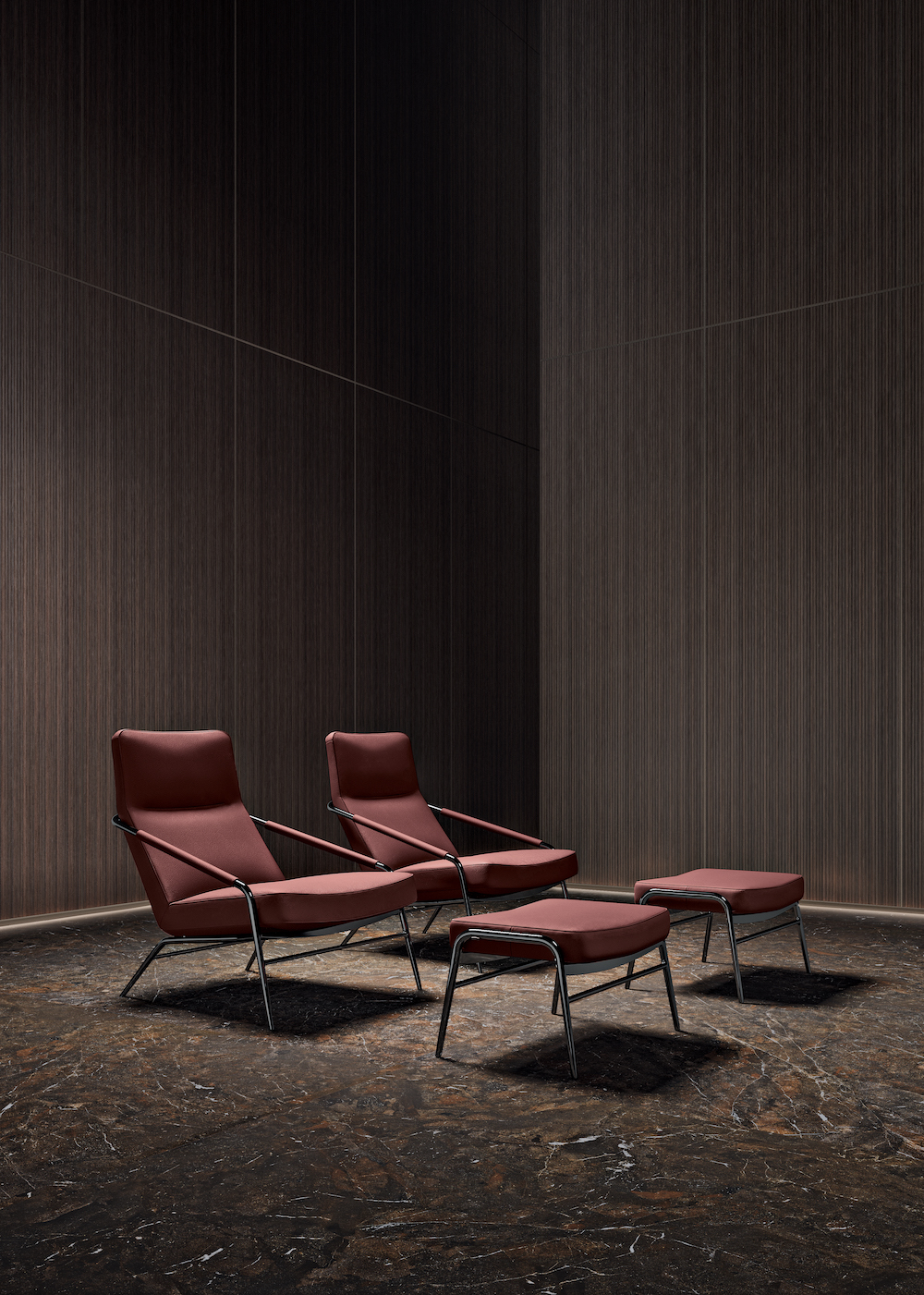
GB: I would not refer to a single project, because for Rimadesio, sustainability is part of a broader design philosophy. All Rimadesio products are the result of a research-driven approach focused on quality, longevity, and responsibility in the choice of materials. In particular, the use of glass and aluminium — both recyclable materials and defining elements of the company’s identity — makes it possible to develop exceptionally long-lasting products, designed to preserve their aesthetic and functional qualities over time.
I believe sustainability should not be interpreted as a trend, but as a principle that concerns the entire life cycle of a product: from the selection of raw materials to the possibility of preserving and enhancing it over time. For me, sustainable design first and foremost means designing well: eliminating the unnecessary and creating products that are made to last. True sustainability also depends on a product’s ability not to become quickly obsolete, either aesthetically or functionally.
AJ: Who is your design or style icon, and why?
GB: Definitely Bruno Munari. I consider him a fundamental figure not only in Italian design, but in the very way we think about design and the creative process. I am fascinated by his ability to combine rigour, simplicity and freedom of thought, while never losing his sense of curiosity and irony.
Munari demonstrated that design is not merely about form, but above all about a method: observing, understanding, simplifying and finding intelligent solutions. His ability to challenge conventions and search for the essential remains remarkably relevant today. He is a reference point for me because he always viewed design as a tool for knowledge and culture, rather than simply as an aesthetic exercise. This approach is very close to my own idea of what design should be.
Like what you see? Get it first with a subscription to aspire design and home magazine.