
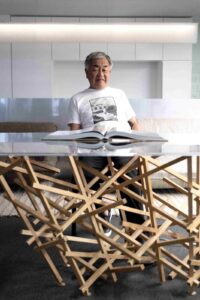
 Kengo Kuma, the internationally acclaimed architect known for his poetic, material-driven approach, has brought his visionary design sensibility to a new realm: collectible furniture. Collaborating with the German design studio Eins zu Eins, Kuma joins a growing roster of esteemed architects and artists redefining the boundaries between design, craftsmanship and art. Eins zu Eins, meaning “one to one” in German, is a company built on collaboration. The name reflects its guiding philosophy: an equal partnership with its creators. Every object is developed in close consultation with its designer, ensuring the integrity of the original concept is preserved throughout the engineering and production process. All pieces are produced in strictly limited editions, never to be reissued, and each is individually numbered and accompanied by a certificate of authenticity signed by the respective architect or artist. As the collection evolves, so does the company’s ongoing commitment to pushing the intersection of design and art forward, with collaborators like Kengo Kuma exemplifying this pursuit. See how Kuma and Eins zu Eins are reshaping furniture in today’s Maker Monday.
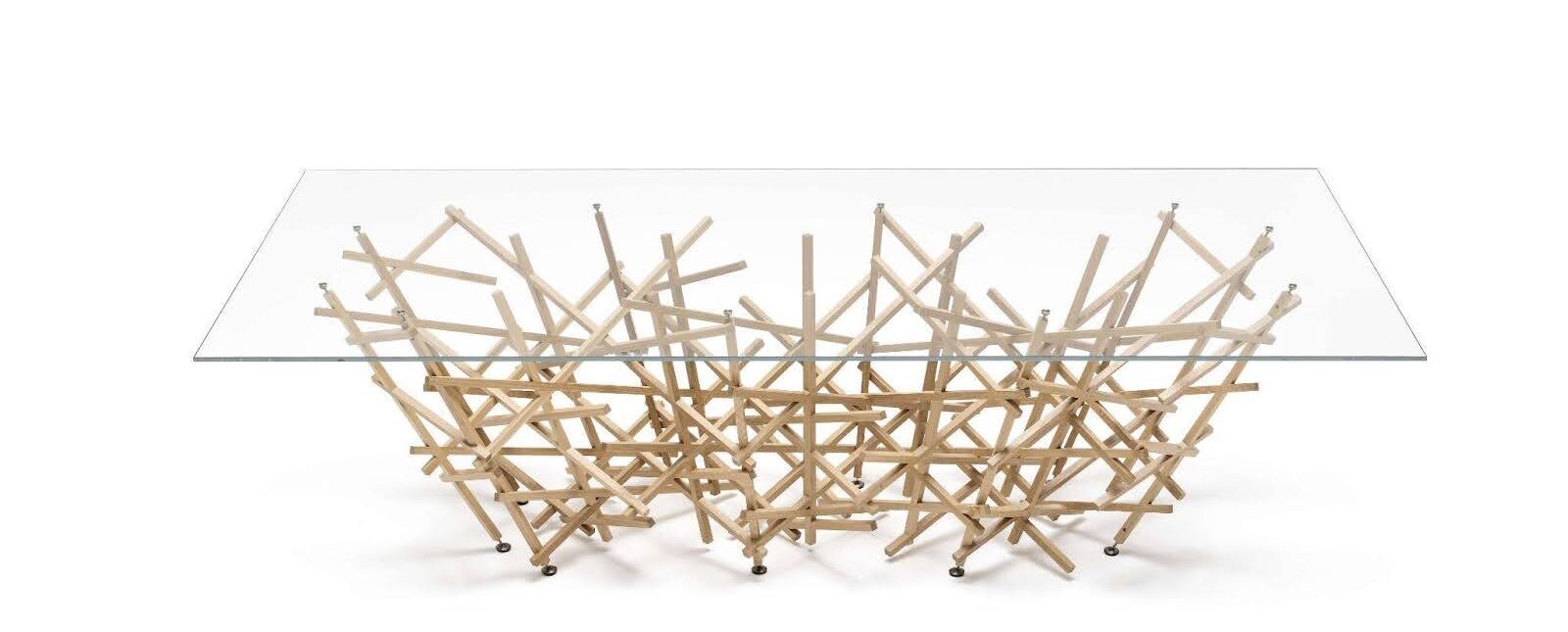
A quiet marvel of structure and restraint, the Kigumi Table by Kengo Kuma for Eins zu Eins blurs the line between furniture and architectural meditation.
Andrew Joseph: Can you describe your design philosophy in a few words?
Kengo Kuma: I would say my philosophy is about humility, harmony and dissolving boundaries. I don’t want buildings to shout — I want them to whisper and blend into the landscape. Architecture should create a dialogue with nature, not dominate it. Each place has its own story, and I see design as a way to recover that story and let it breathe again.
AJ: How do you approach a new design project?
KK: I always start by going to the site — walking it, listening to it, feeling its air and light. The inspiration comes not from my imagination, but from the land itself. I also love to talk with local people, craftsmen and communities. These conversations shape the design from the beginning, so it becomes something truly rooted in the place.
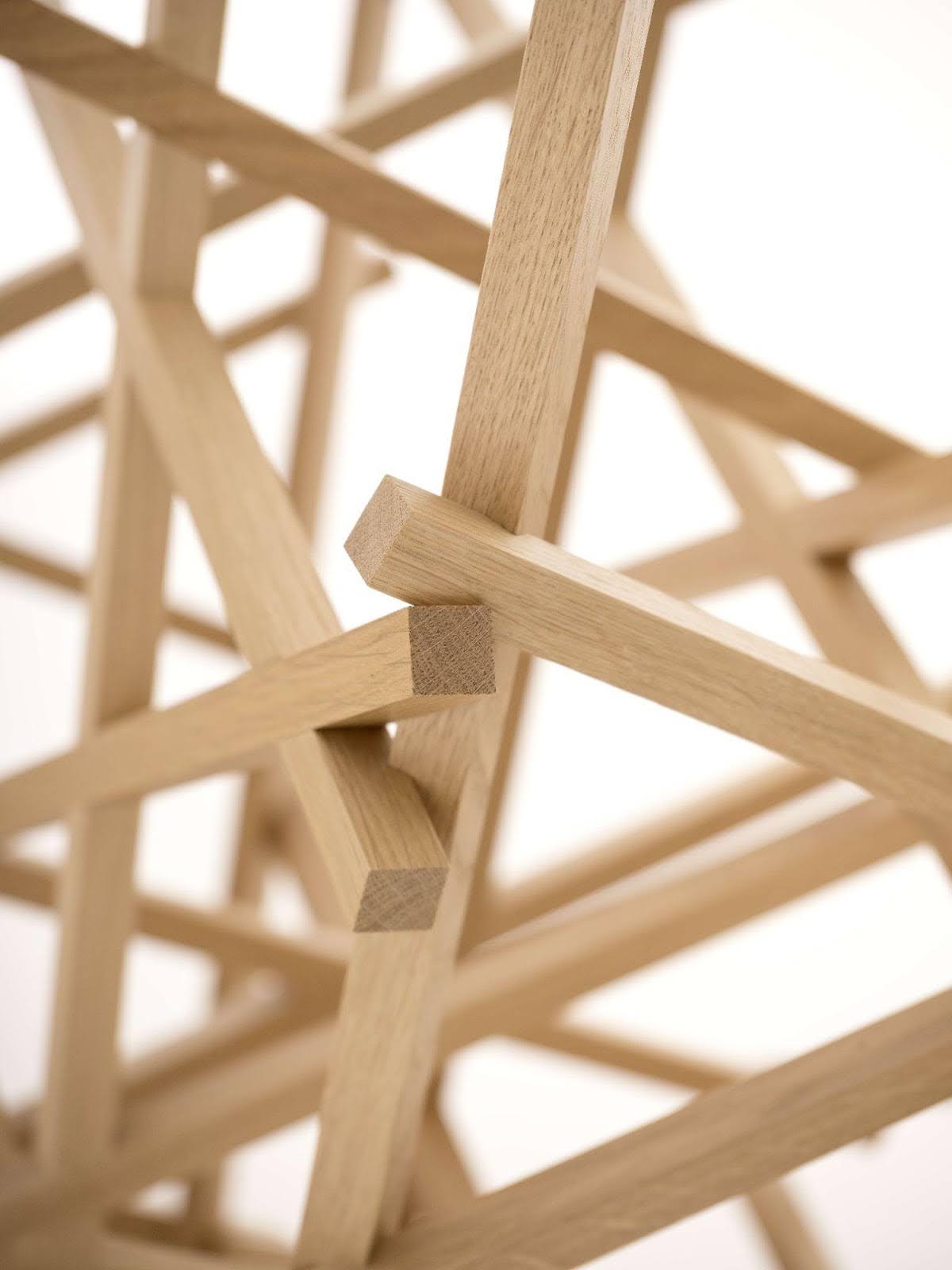
With its lattice of slender white oak slats and floating acrylic top, the Kigumi Table distills centuries of Japanese joinery into contemporary clarity.
AJ: How do you incorporate sustainability into your designs?
KK: For me, sustainability starts with respect — for nature, for materials, for people. I use local materials and traditional techniques whenever possible, because they already understand the climate and culture. I think small, quiet architecture is more sustainable than big, heavy monuments. A building should age gracefully and be gentle to its environment.
AJ: How do you balance functionality and aesthetics in your designs?
KK: I don’t separate the two — true beauty comes from function that connects us to the senses. A space should feel good: the warmth of wood, the sound of wind, the softness of light. I design for the human body, for comfort and atmosphere. When people feel calm and connected in a space, that’s where beauty lives.
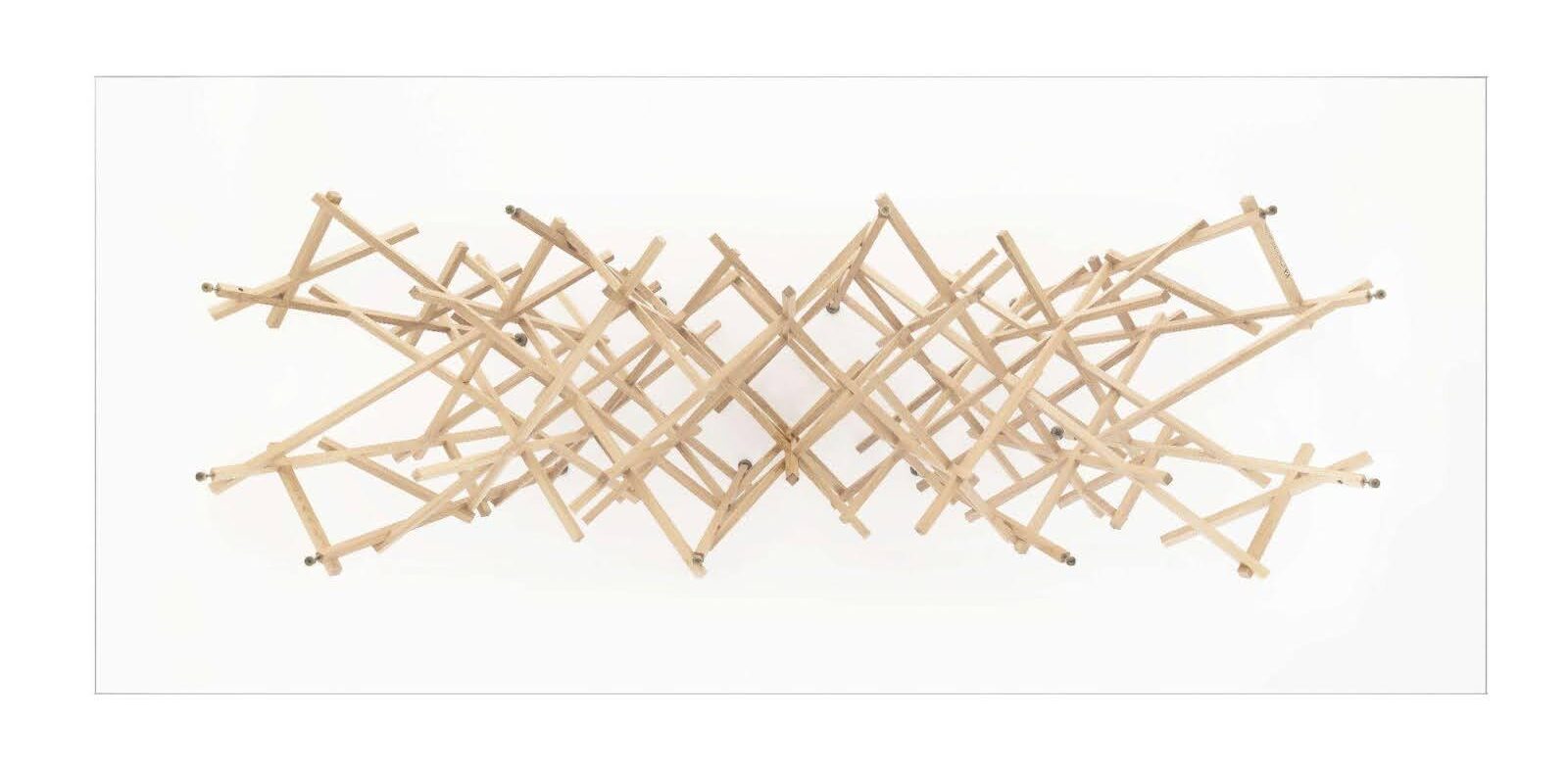
An ode to Japanese joinery and modern minimalism, the Kigumi Table appears to hover, its weightlessness a feat of engineering.
AJ: What is the most important skill for a successful designer?
KK: I think it’s the ability to listen — with humility. Listen to the site, to the materials, to the people around you. Don’t try to force your style onto the world — let the world shape your ideas. The best designs come from curiosity and openness, not control.
Like what you see? Get it first with a subscription to aspire design and home magazine.