


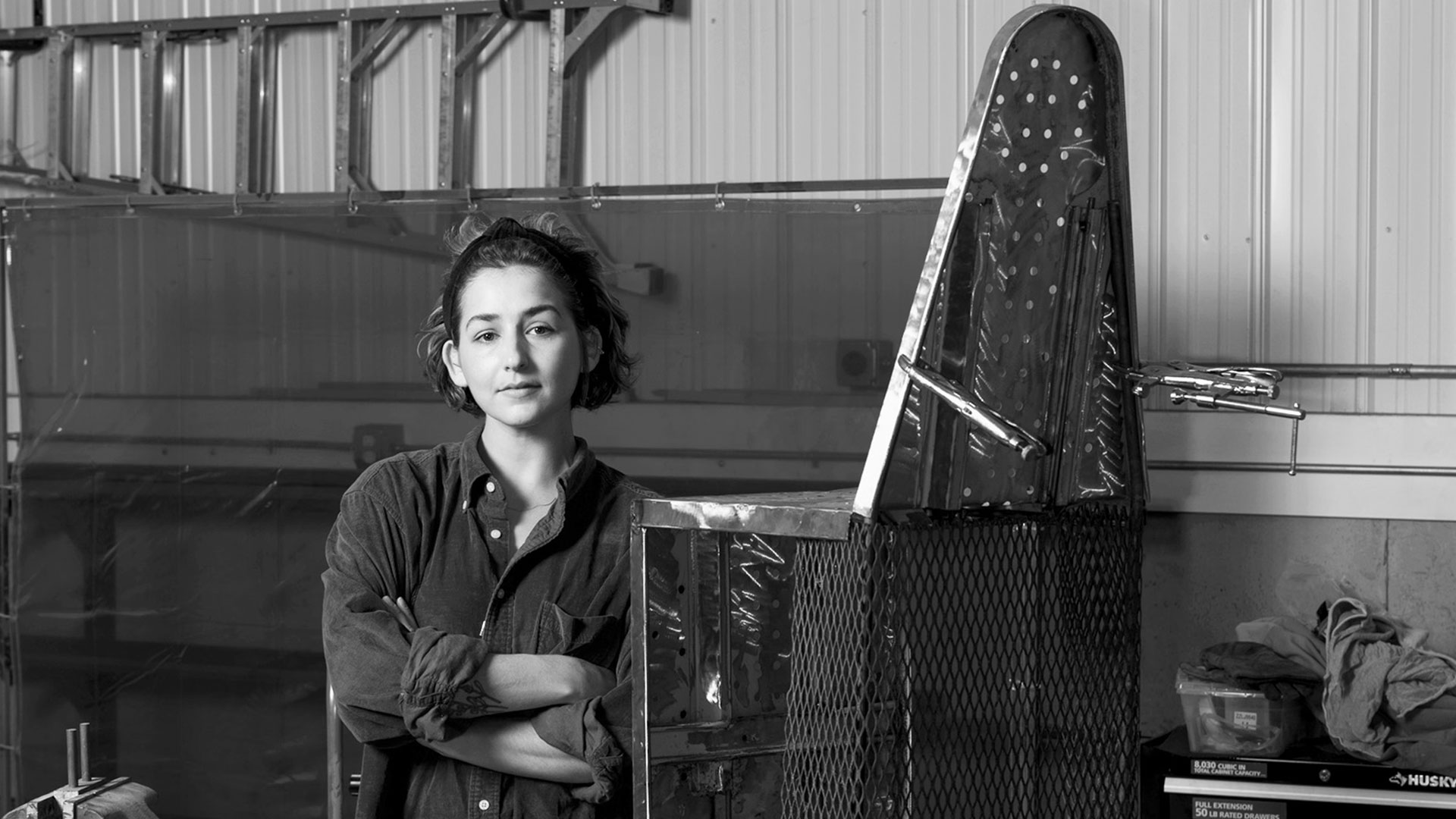

Andrew Joseph: Can you tell us about a design trend you are excited about?
Lauren Goodman: I would probably classify this more as a movement, but I am obsessed with what’s happening through upcycling and designing from waste materials. It’s kind of an obvious answer seeing as my entire practice is based around working with waste, but I think there’s a massive wave happening throughout the industry. Designers are looking at the climate and the state of consumerism, questioning their role and looking for ways to do better. I think developing adaptive material solutions for our changing landscape is the most interesting thing being explored right now.

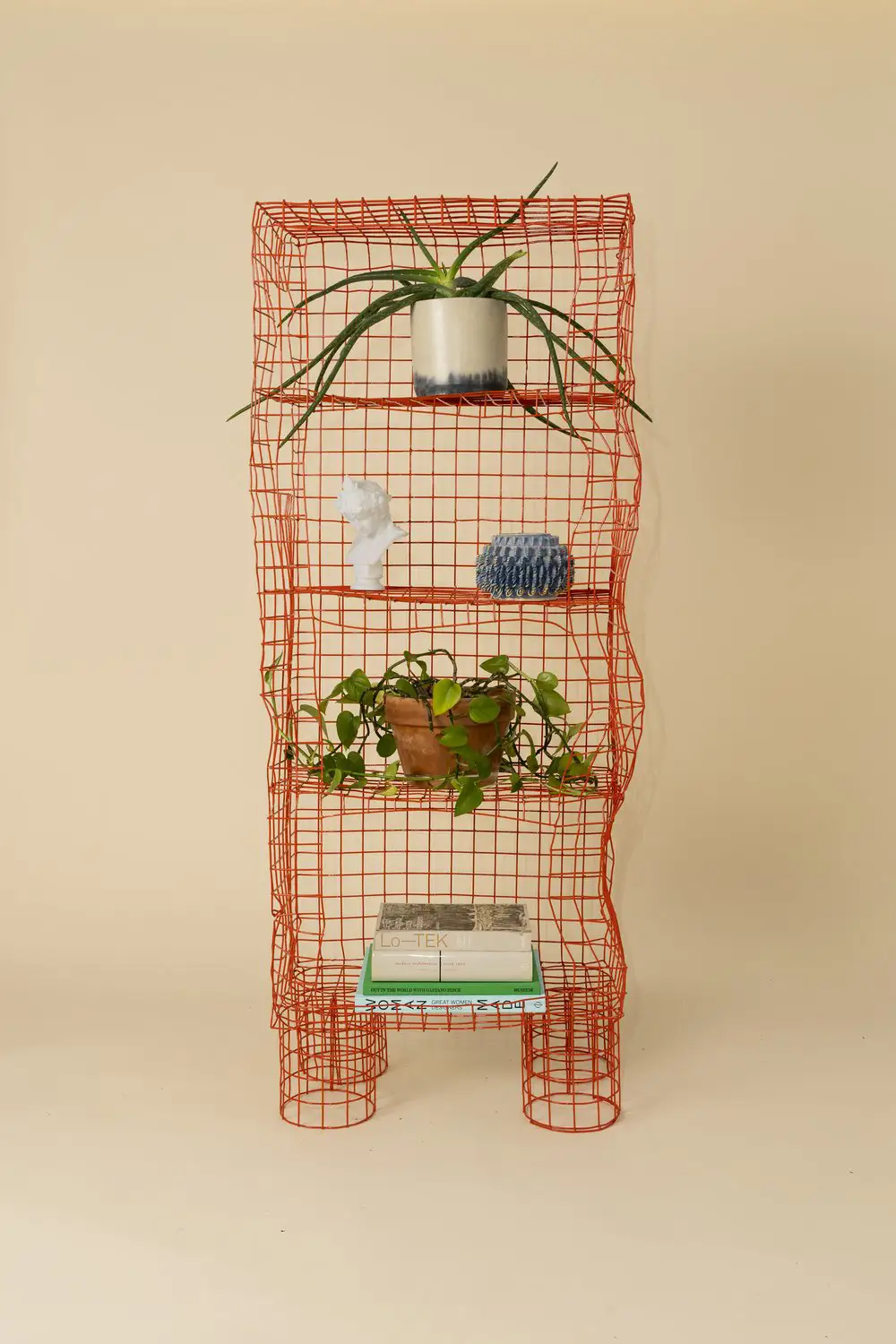
Fresh Catch is a series that repurposes derelict lobster traps salvaged off New England’s coast into unique, functional objects.
AJ: What’s the best piece of advice you’ve received as a designer?
LG: Probably when I was reminded that being an independent designer is about playing a long game, not expecting things to happen right away. It’s important to get work out into the world but you shouldn’t expect an immediate return. Work has to circulate for a while before it can gain much traction. Sure, there are lots of hype designs that get a lot of attention right away, but I have seen a lot of flash-in-the-pan sort of situations; it takes time to build longevity.
AJ: Can you describe your design philosophy in three words?
LG: Too much stuff.
AJ: What’s your favorite cocktail?
LG: I think a martini can reveal a lot. It’s perfect for gauging the establishment because it’s so simple but requires flawless execution. If it’s delicious, I assume the bar and kitchen know the classics, care about details and are going to provide an all-around excellent experience. When the drink tastes like gasoline, the place usually sucks.

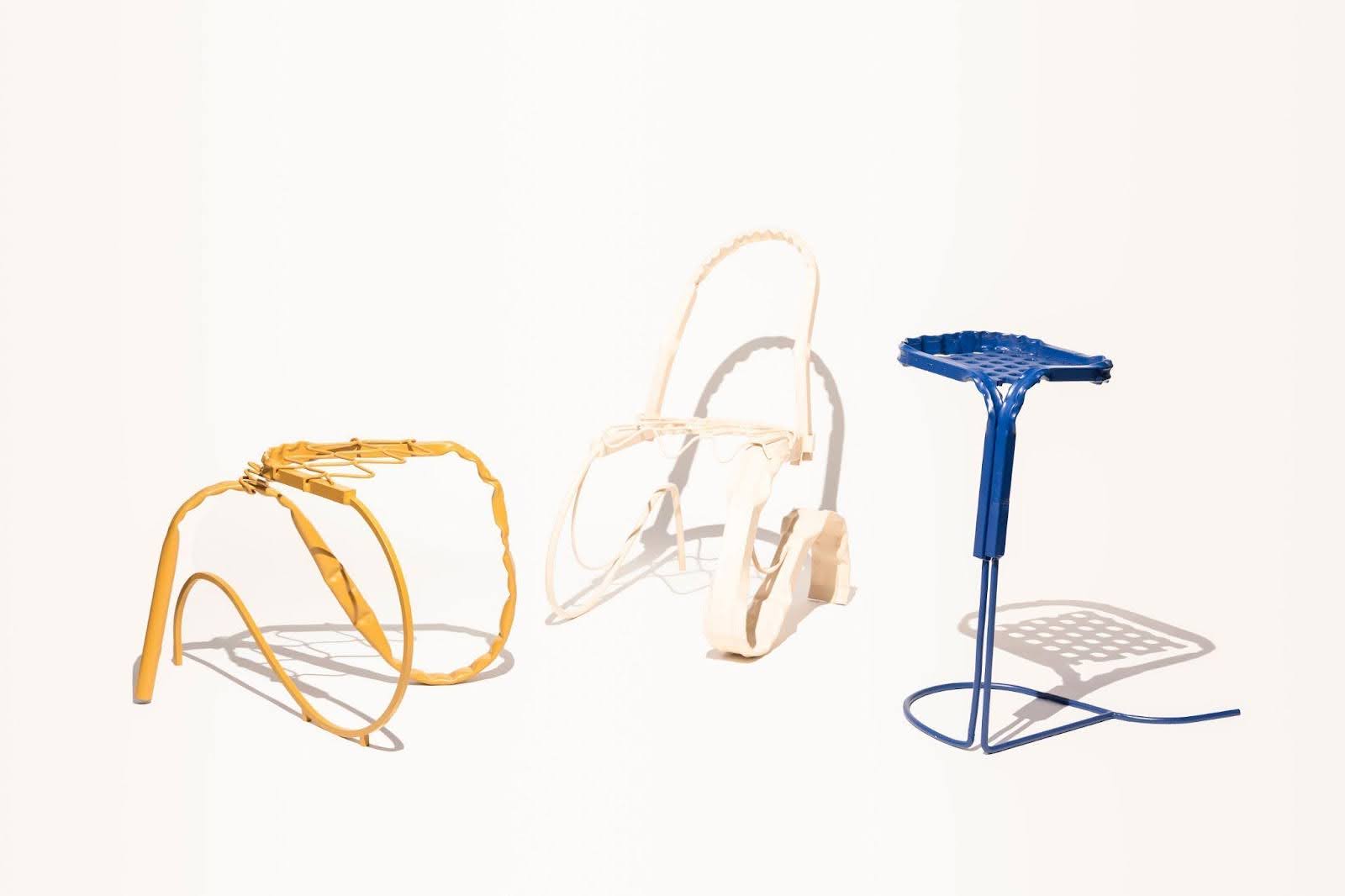
The Providence Project highlights under-represented production models and undervalued materials salvaged from the Providence area.
AJ: What is your favorite aspect of your job?
LG: I feel really grateful to have autonomy over my time. Our time is so valuable and when I wasn’t self-employed I resented that so many of my waking hours were on someone else’s schedule. Working for yourself often means you’re just working all the time but I am afforded the luxury of being able to listen to my needs. I can pause, pivot or stop when I need to and make adjustments to my schedule and it’s really nice to have that freedom.
AJ: What is your favorite design tool to use?
LG: I guess it’s less of a tool and more of a way of working but I really like prototyping in full scale. It helps me to really begin to understand an object in space more so than sketch or maquette.

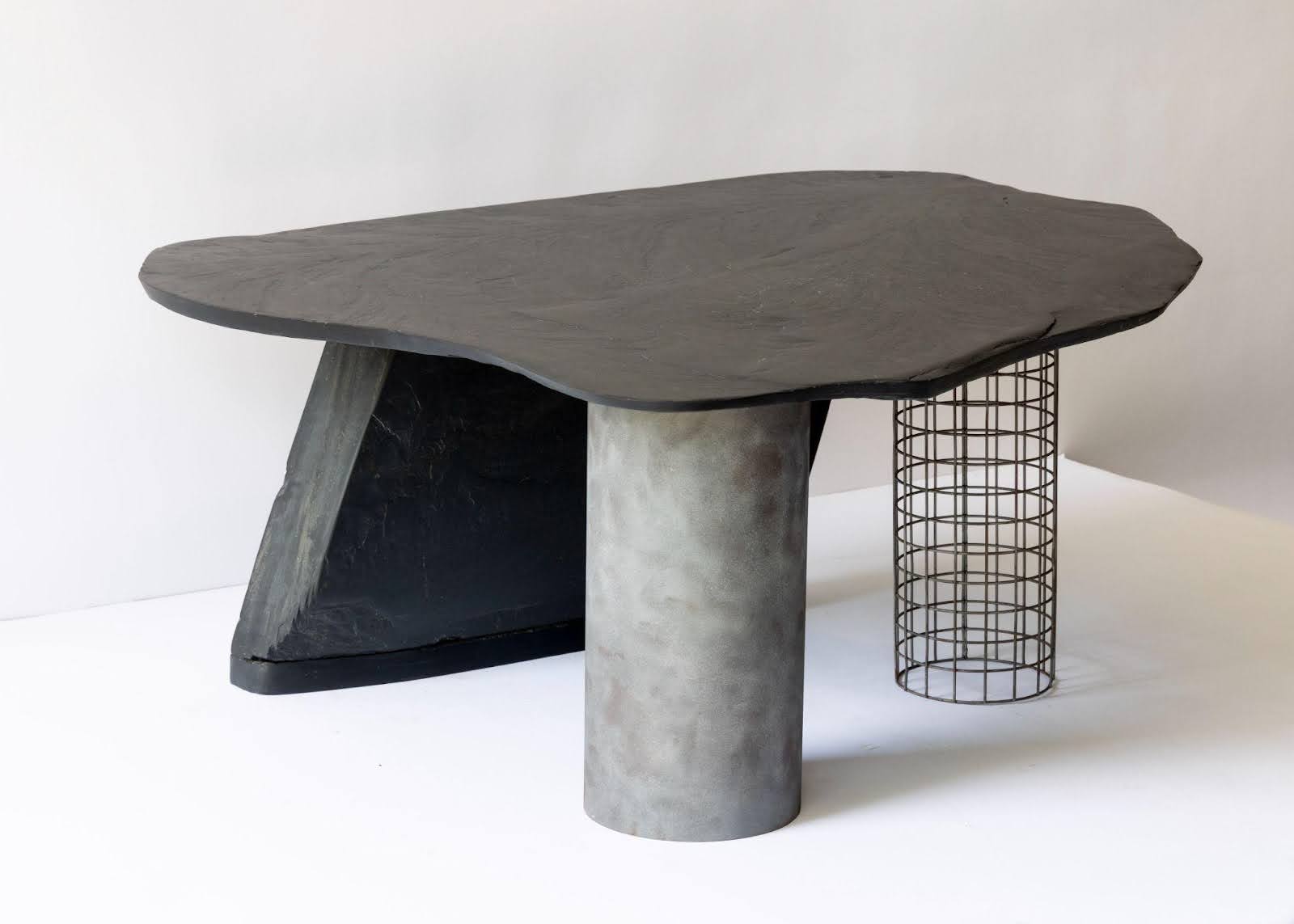
The Hebron table is made from gleaned slate collected from the shores of Lake Hebron in Northern Maine. The legs are made from a discarded bird feeder and a scrap steel tube harvested from a local waste disposal site.
AJ: How do you keep up with the latest design trends?
LG: I don’t really. I am sort of just doing my thing and if it resonates with people that makes me so happy, but I’d be doing the same things even if people weren’t into it. There are definitely some more macro trends that more or less affect everyone but I’m inspired by designers who have a strong independent voice. I really respect when work is sincere more so than trendy.
AJ: How do you stay creative and inspired?
LG: I stop working. I find the best things come to you when you aren’t pursuing them that hard. Even under the pressure of a deadline, once I start feeling like I’m reaching too hard to make something work, I just stop. I think you have to give yourself space for your creativity to recharge, otherwise, it’s going to be such a slog and the work will suffer. Getting outside, riding my bike, meeting my friends; just getting out of the headspace and ego of the studio is what does the trick.
Like what you see? Get it first with a subscription to aspire design and home magazine.