





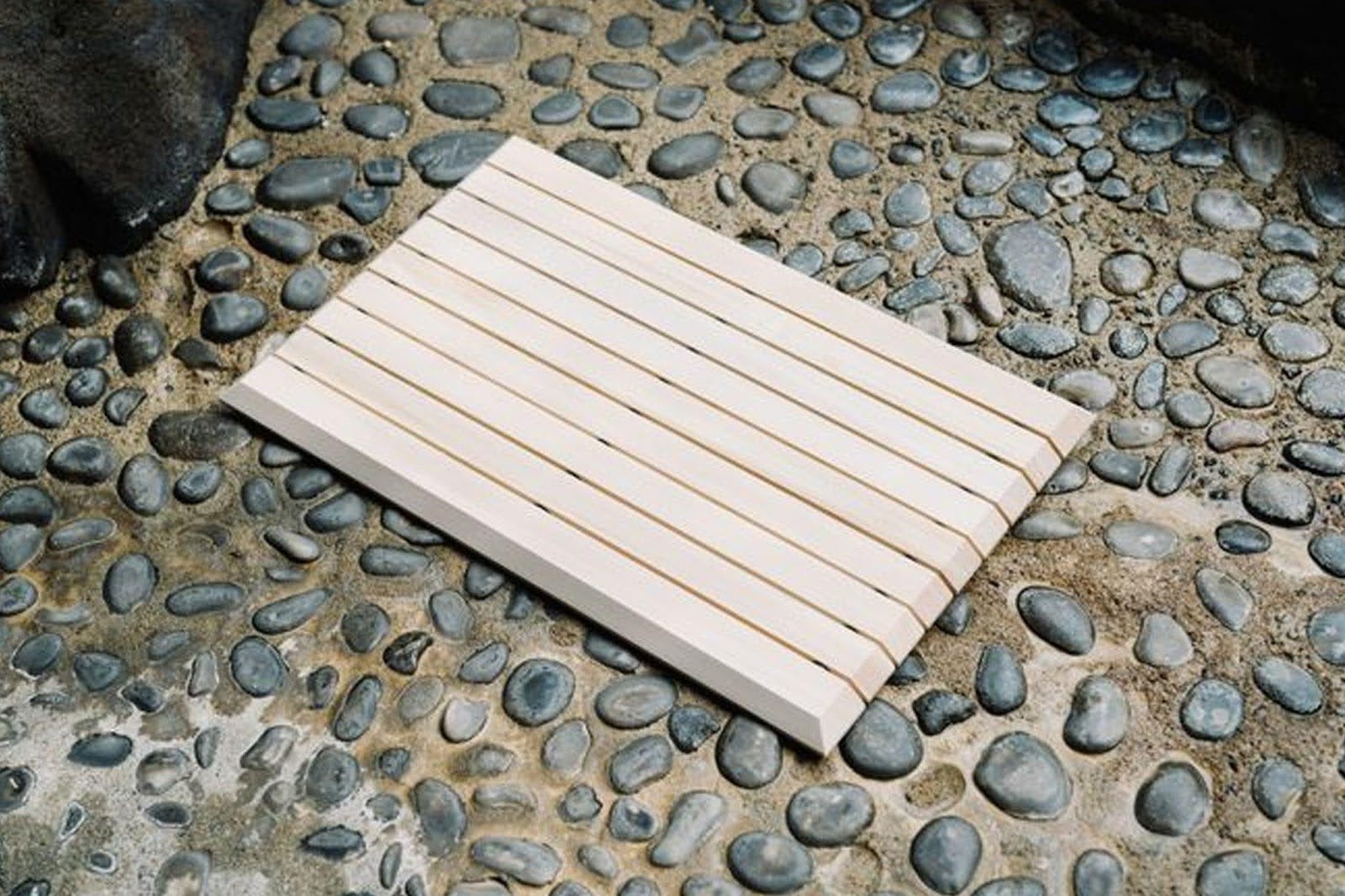
Kiso Labo Bathmat in Kiso Cypress
Andrew Joseph: What inspired you to become a designer?
Lisa Sternfeld: I was already a designer when everything changed in what felt like an instant. When my toddler developed severe respiratory issues, we began uncovering hidden problems in our home, including poor air quality, mold and harmful chemicals. It was a wake-up call. I hadn’t realized how deeply my design choices could affect health, not just how a space looks. That experience led me to found WLLW, a trusted resource that views design as an investment in health and well-being.
AJ: How do you incorporate sustainability into your designs?
LS: For me, sustainability is inseparable from design. It means creating environments that support human well-being while respecting surrounding ecosystems. At WLLW, we prioritize renewable materials, transparent sourcing and partnerships with makers and communities who share our commitment to integrity and long-term health. This approach is rooted in personal experience, after learning firsthand that even a beautiful home can hide harmful toxins.

August Sandgren Small Watch box in Almond
AJ: Can you describe your design philosophy in three words?
LS: Healthy. Holistic. Human.
AJ: What’s your design pet peeve?
LS: There’s been a gap between how healthy a product appears and what it actually brings into a home. Terms like “natural” or “eco-friendly” are often used in design, but without clear standards, it can be hard to know what they really mean. That lack of transparency is part of what inspired me to create WLLW, a space where design, health and sustainability come together with clarity and care.
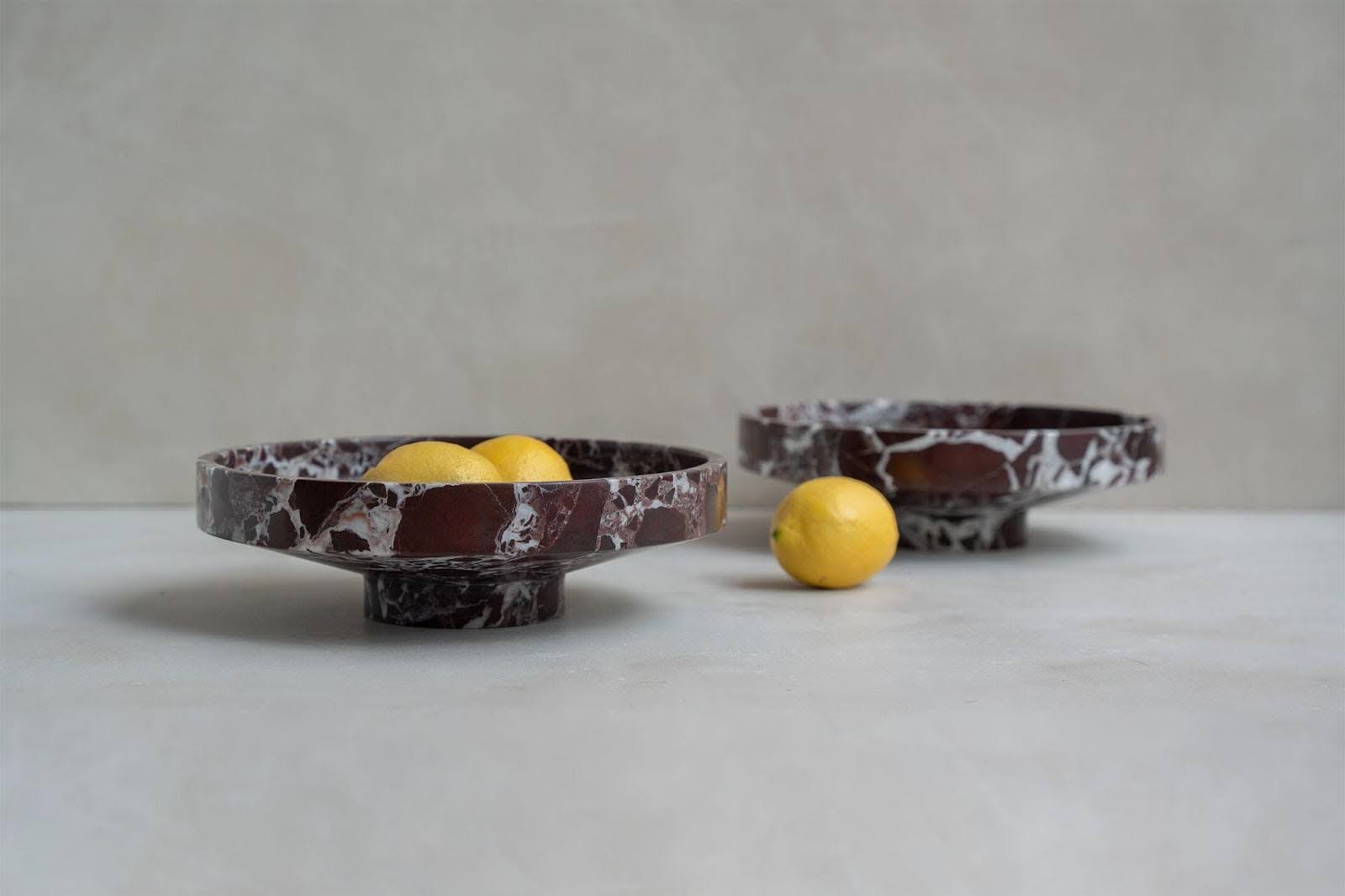
Kiwano Rosso Levanto Narrow Bowl
AJ: What’s the best piece of advice you’ve received as a designer?
LS: Design for how people feel in a space, not just how it looks. That idea has stayed with me. Every home is different, every household unique. Design should reflect that. It should support daily rhythms, adapt to changing needs, and create a sense of comfort and ease. When design honors the people who live there, it becomes a true extension of wellbeing, balancing beauty with purpose and style with soul.
AJ: What design trends do you think will be popular in the coming years?
LS: I see a shift away from surface-level sustainability toward something deeper, which I call regenerative interiors. People want to know not just how a product was made but also its impact on health, supply chains and ecosystems. There is growing interest in materials that connect us to place and to the people who made them, like local woods, clay, wool and natural plasters. Behind these are skilled hands, traditions, and communities whose values shape the objects we live with. Ultimately, I believe we will move toward quieter, slower spaces that support wellbeing and offer calm.
Like what you see? Get it first with a subscription to aspire design and home magazine.