




Andrew Joseph: What’s the first thing you ever remember about the family business?
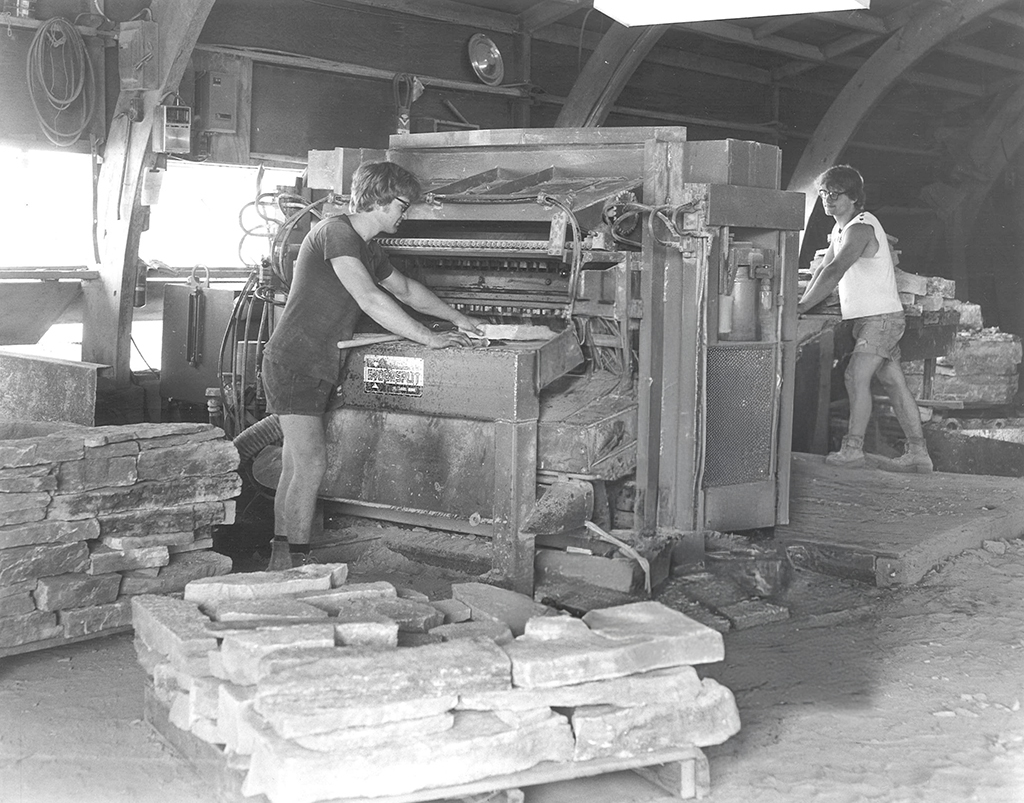
Mike Buechel: When I was probably 6 or 7 years old, I can remember sitting in the stone cutting shed – it was an old hoop-shaped barn with two stone splitters in it. I would just sit on a pallet in the back and watch my dad and uncle cut and package the stone. I can still vividly recall the smell of the hot hydraulic oil and the hum of the splitter as it generated the force needed to cut each stone. They had hooked up an old fire alarm to the phone so they could hear it ring over the sound of the machinery and go answer it in a small, makeshift office. Thinking back to that really gives me an appreciation for how far we’ve come as a business.
AJ: What’s something most people misunderstand about working with natural stone?
MB: I feel like there are a couple of them, depending on the situation. The most common three are 1) our thin veneer is still real, natural stone – the word “veneer” sometimes throws people off; 2) people sometimes assume we sell countertop slabs and tile; and 3) when it comes to the types of stone we offer, you can’t pick a specific piece/color/shape and ask for “that.”
The beauty of natural stone is that it’s going to be unique to each project. Every stone is going to have some variation, and every mason is going to add their own touch to the finished work of art they create. You have to have a little faith in the process to get to the final results.

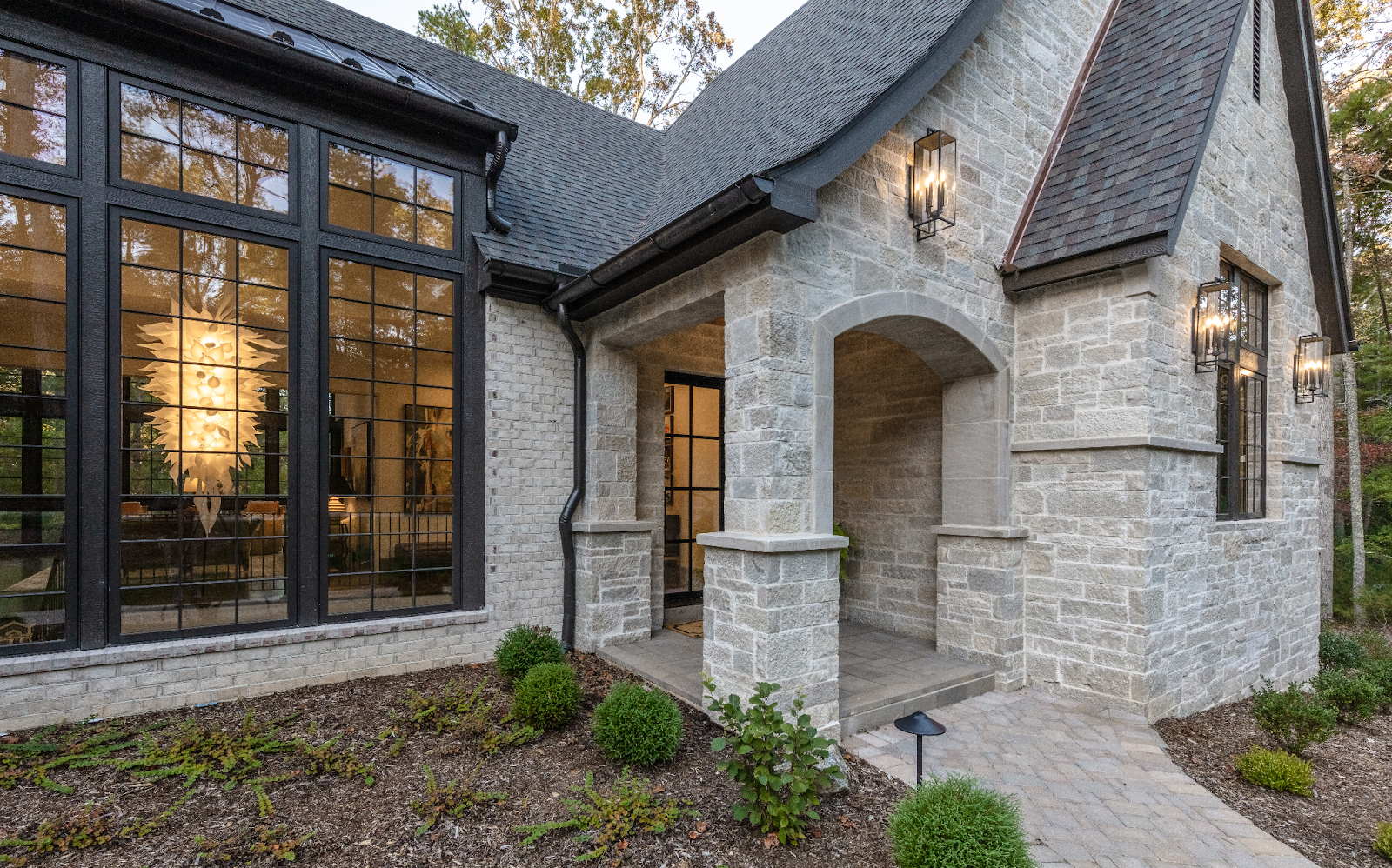
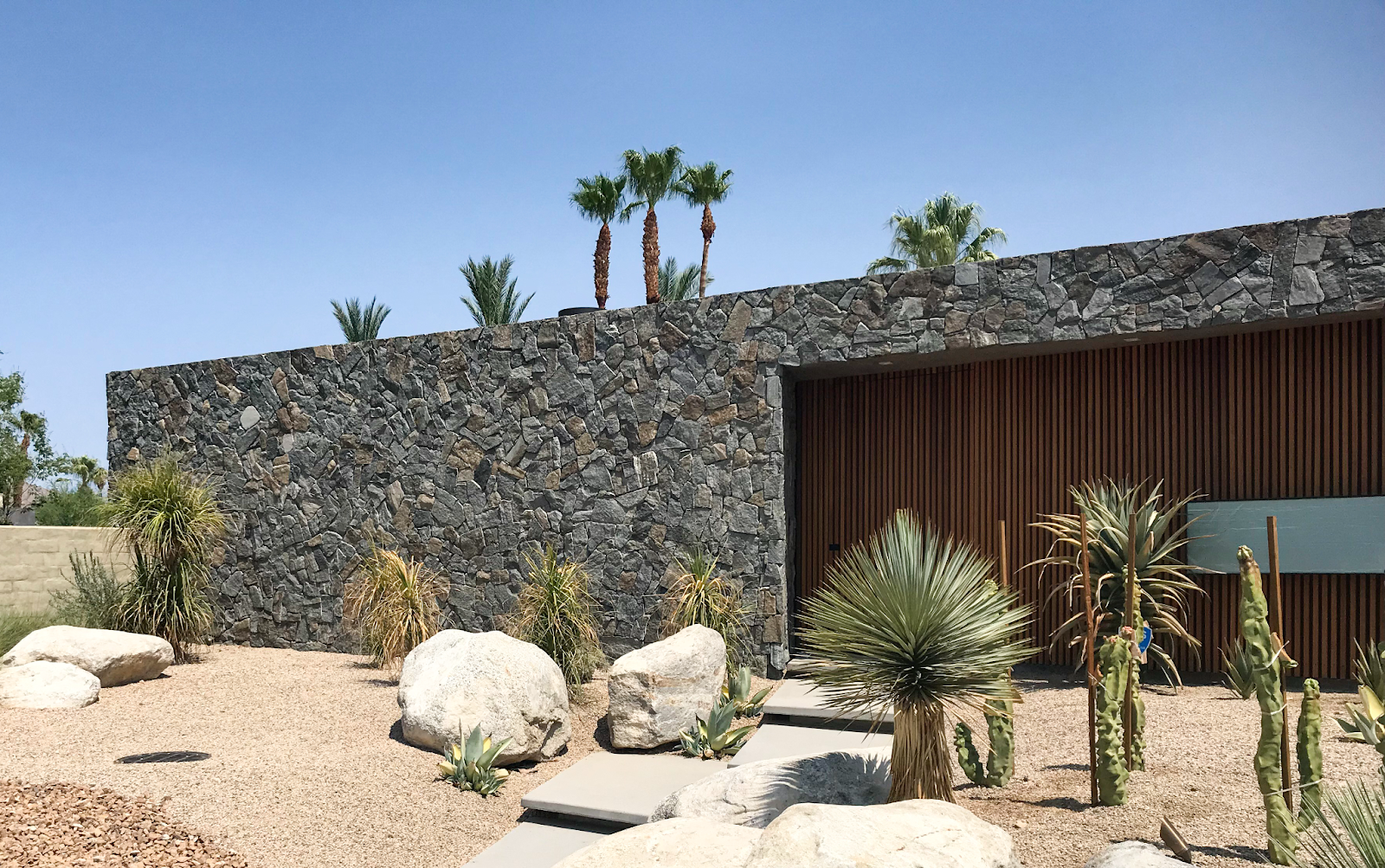
With its rough surface and subtle range of cool hues, Fond du Lac Tailored Blend creates a consistent, natural look.
AJ: Buechel recently launched its own custom publication, Stone Journal. What inspired that move?
MB: I always wanted to find a way to show people how special it is to use natural stone. I’ve seen so many interesting projects over the years, and it’s rare to see the exact same thing done twice. There is something very special about taking a piece of the earth and giving joy to those who have a vision for it. We so often have clients tell us how much they loved the selection process, or how the stone is their favorite part of the house, that it only felt natural to give them a voice to showcase their project and share their story in a way not done in the industry.
AJ: How do you see Stone Journal shaping the brand’s relationship with architects and designers?
MB: Stone Journal is about more than Buechel Stone, it’s about the stone and all the product decisions that go into well-designed projects. Architects and designers can sometimes be overwhelmed selecting natural stone because there is not a lot of consistent information available to them. It is also completely different from selecting stone slabs, where they hand-pick each slab. I really want the architecture and design community to see how we make the selection process fun, exciting, and work hard to make their vision fit with what Mother Nature allows us to offer them.

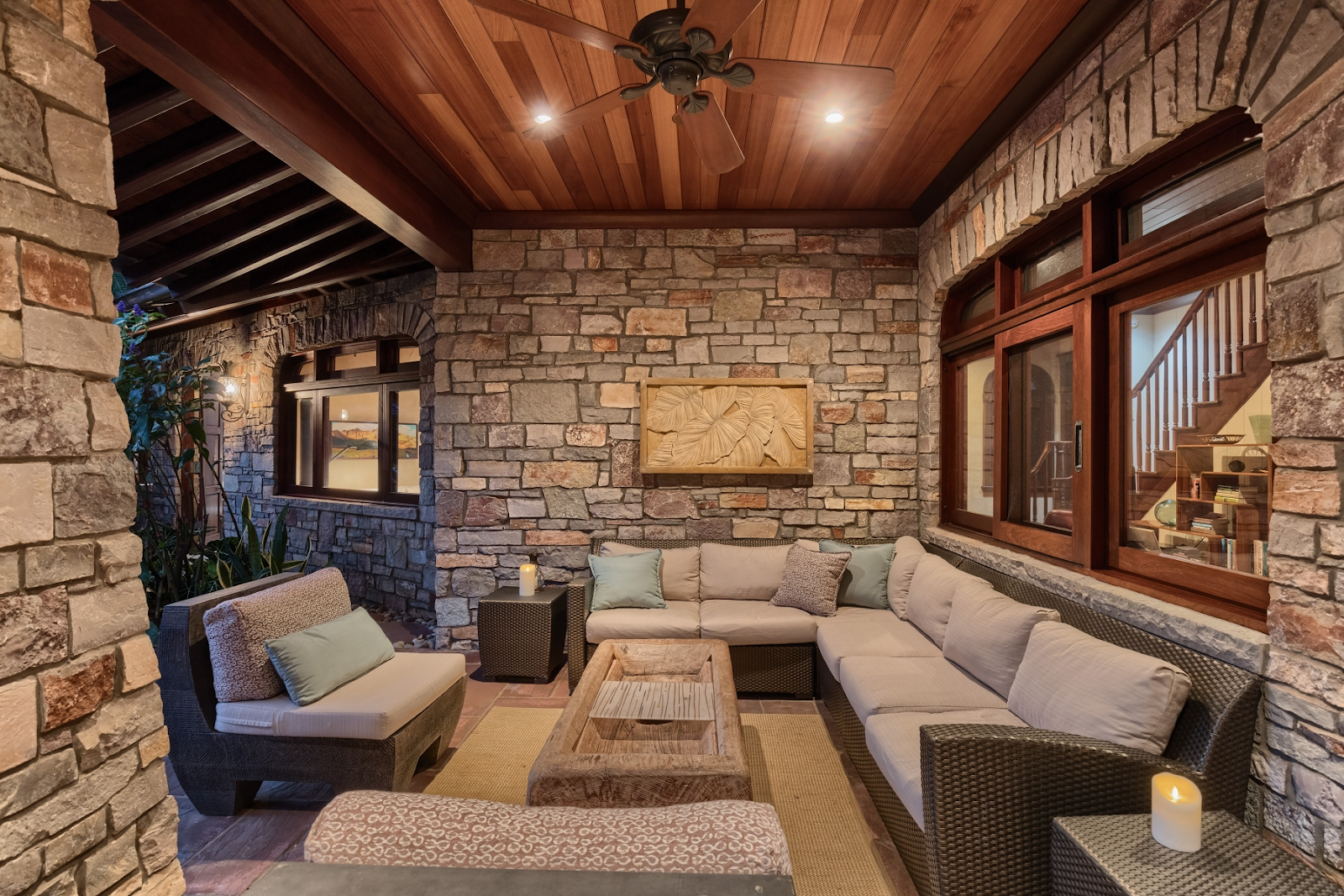
Chilton Custom Country Blend combines three Chilton stones for a spectrum of color from cool grays and charcoals to warm earth tones, accented with purples and blues.
AJ: What’s one thing in the stone world that still surprises or excites you?
MB: I’ve always been amazed by the whole process of natural stone use. The stone is just a medium that people use to show their pride in the project they are creating, because it is one of their most permanent selections in the building process. There are few products out there that people cherish and dwell on as much as stone. That excitement is really evident on smaller projects where budgets are tight, so clients really wrestle with finalizing the stone for things like a fireplace. They want stone so bad, and they want to make sure they get it right, but they don’t just want natural stone, they want Buechel Stone. It’s really a privilege to be a part of that decision-making process with them.
AJ: When you’re not running the company, where can we find you?
MB: It depends on the time of year. Whatever it is, I’m most likely doing something with Nikki. Late winter and into spring, we are planting seeds in our greenhouse, making maple syrup, and cutting firewood. Spring and summer, we are probably working on a project of some type, either installing stone in our yard or working in our garden – we have a salsa we love to can each year. If not, then we are probably at one of Garver’s baseball games. In the fall, we watch Garver in Football and Laney in Tennis. Nikki is also a yoga instructor, so a couple of times a week I go along to her hot yoga class. It helps me stay grounded.

AJ: What does legacy mean to you — and what do you hope Buechel Stone’s legacy will be?
MB: I don’t dwell a lot on legacy. Legacy on a personal level means you did something different or better than those who came before you. My role may be different, but it is no more important than the impact many others have had at Buechel Stone. Grandma and Grandpa had the foresight to see they could make a dollar for their family by harvesting something other than crops, cattle, and pigs. My dad, Tim, and uncle Scott helped launch our cut stone shop, and they took a chance on a 64,000-square-foot production shop to give our rockstar employees a wonderful working environment and make their jobs more enjoyable. Anyone in a family business knows about the “third-generation curse”. It’s up to me and my cousins to make sure that is truly just a myth. Legacy means there is an ending: I’m working to make sure there never is. I did give a legacy nod to my Grandpa and his decision to start the business. I got a tattoo of his hands holding my hammer and chisel on my back.
Like what you see? Get it first with a subscription to aspire design and home magazine.