





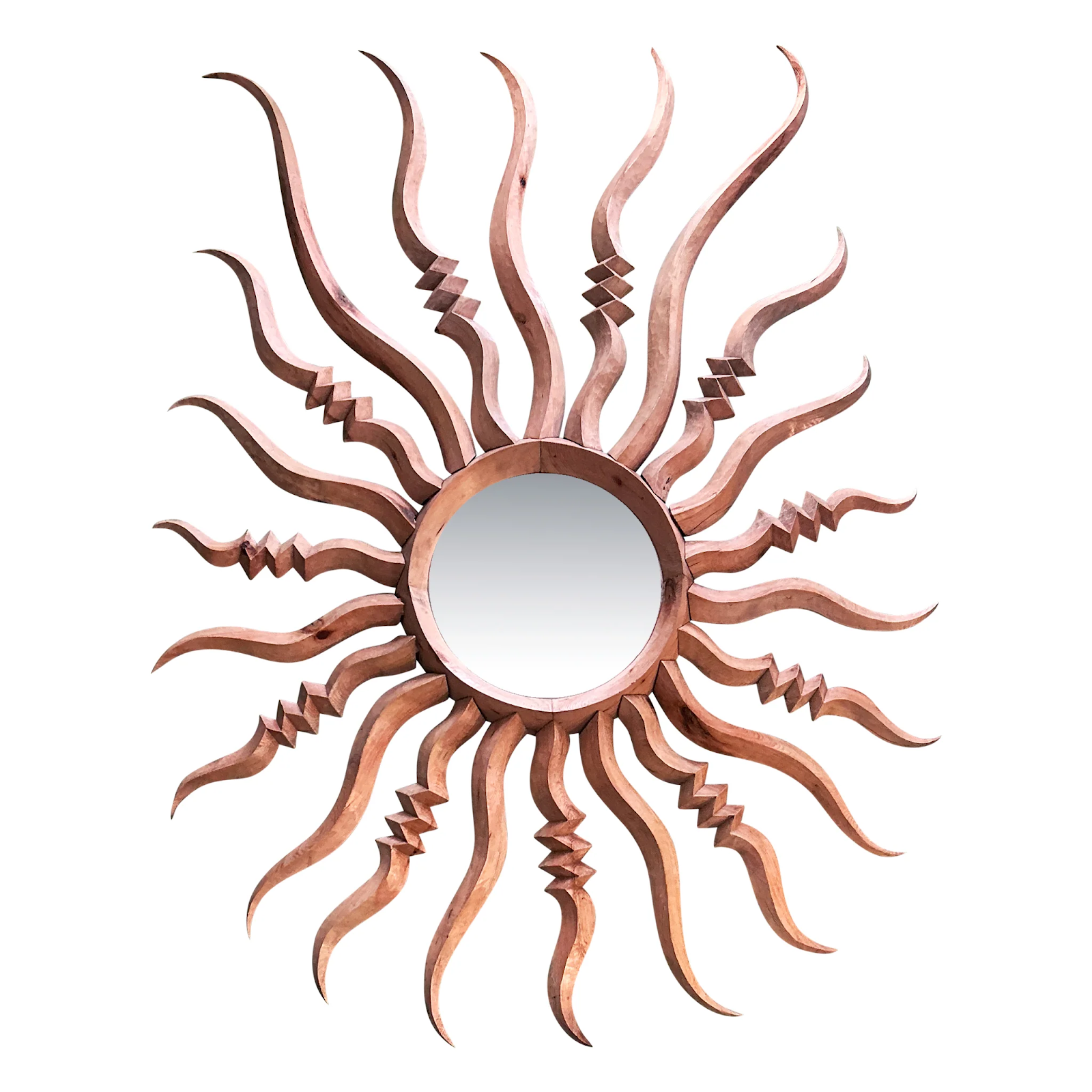
Sol Convex Mirror
Andrew Joseph: What is the most challenging project you’ve worked on and how did you overcome it?
Mike Diaz: A good friend asked me to be involved with a house he was building from the ground up in Tulum, Mexico, that he needed done for guests for New Year’s. I had 3 months to finish the building and furnishing of the project. He literally flew me down to the site and told me I had to do it because every other sane designer turned it down, and I am kinda crazy, so I said yes. It happened and even got international acclaim. It was like going to war, and I don´t think I have ever actually overcome the experience. I have never accepted a design job since. I may now.
AJ: What is the most important skill for a successful designer?
MD: Organization.
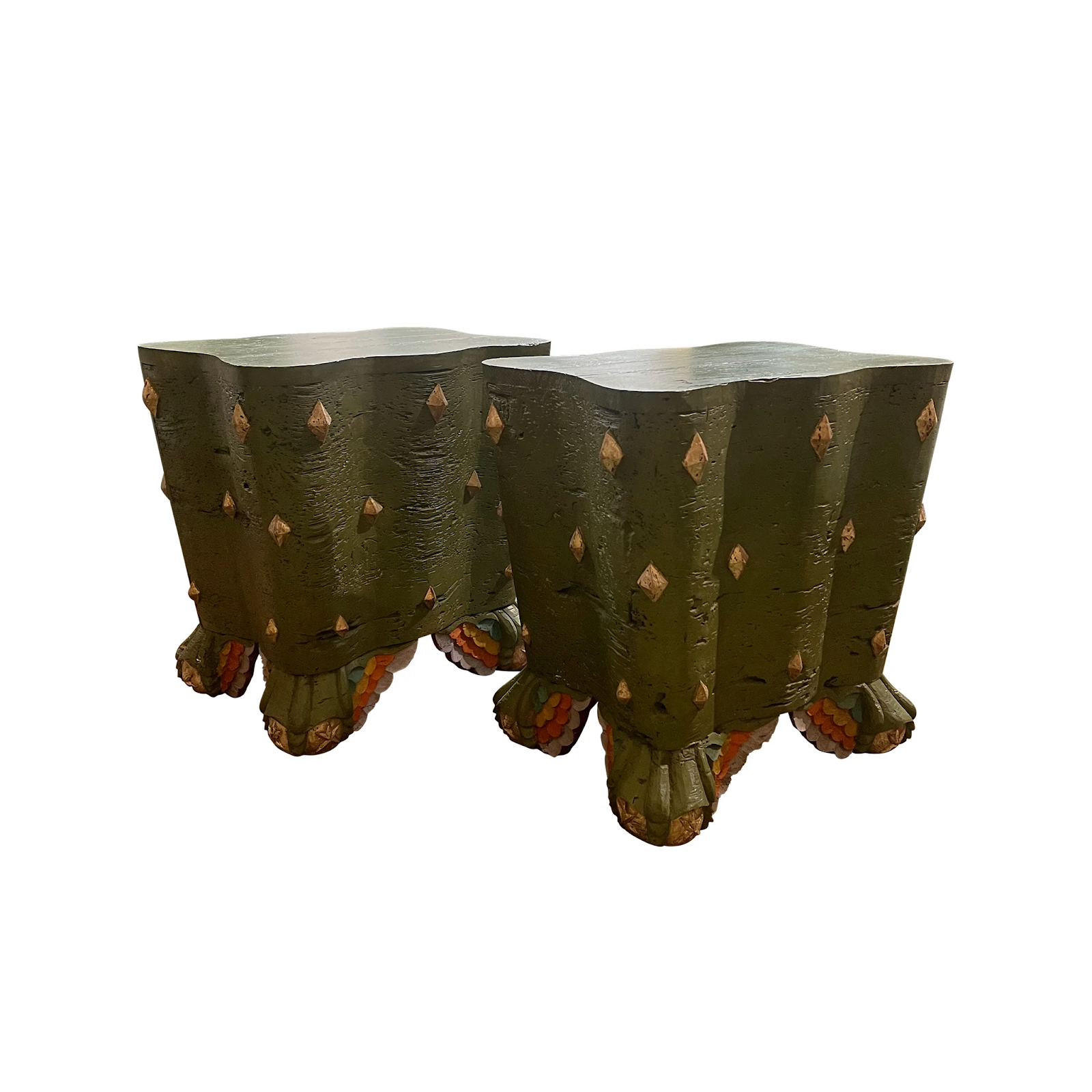
Mdina Tables
AJ: Style (or design) icon and why?
MD: Rosanjin Kitaoji, he was inventive, and reinvented past styles in order to create an absolutely immersive experience of gastronomy and the most extraordinary level of taste. Francesco Borromini, he was complicated, and possessed by something.
AJ: How do you incorporate client feedback into your designs?
MD: I am clear from the beginning, I don´t want much feedback. I have a method that involves improvisation, aesthetic balances and proportions. Really that is the secret sauce, and if someone wants to mess with that, it loses the effect.
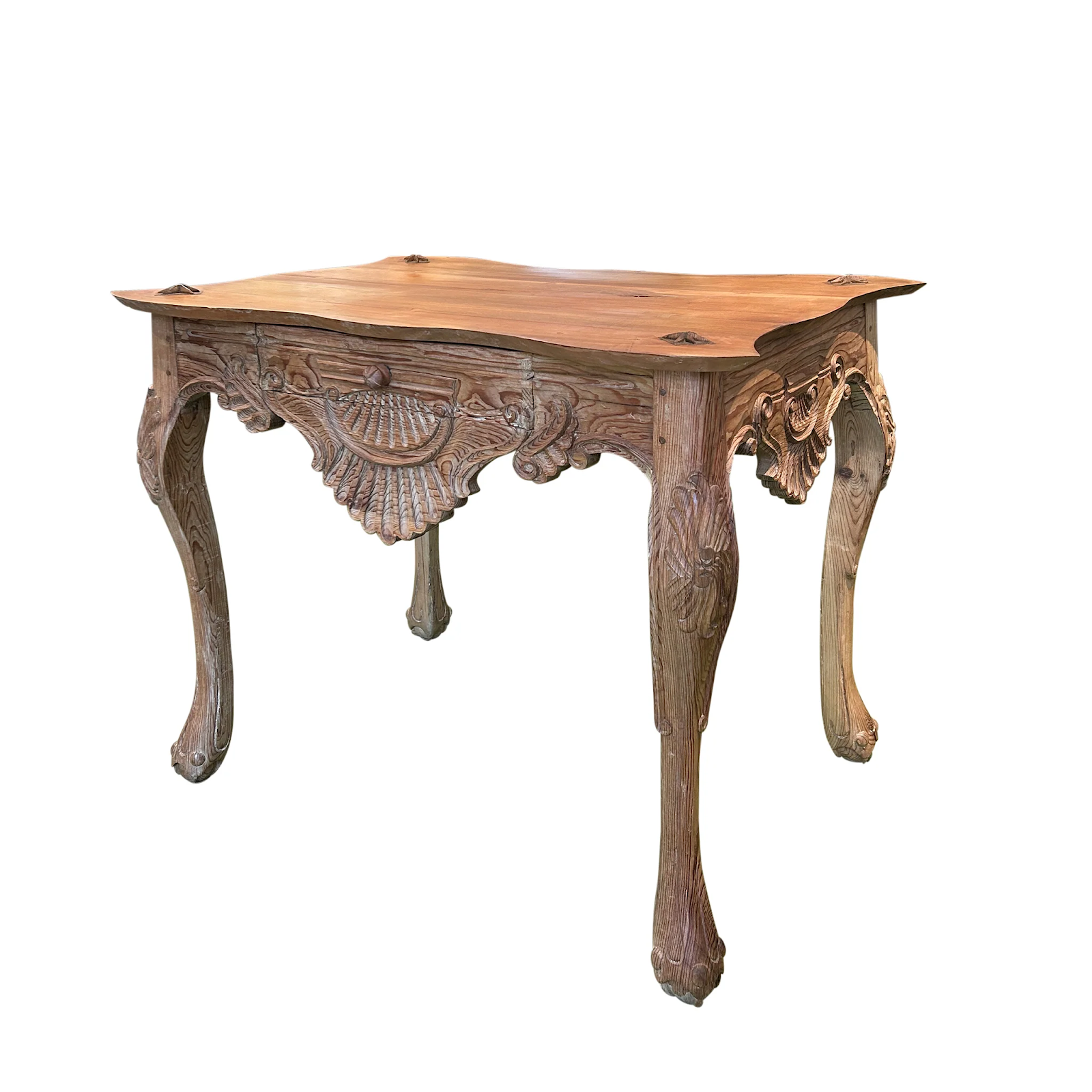
Nogales Table
AJ: How do you incorporate sustainability into your designs?
MD: I only use reclaimed wood, usually antique, and we strive to use everything without any toxicity.
AJ: What is the most important element in a successful interior design?
MD: Honesty. I think we are living in a time where there is too much aspiration out there, that a lot of design projects look to me more like sets or mood boards or a checklist of what the correct shopping list looks like. It’s all very studied and photogenic, and then you meet the actual residents and somehow they don’t jive with their surroundings. It’s really made for the photo shoot. I know it’s a great business model, but you know when you see some project come out that really works in a holistic way, where considerations are aligned correctly… that’s the honesty. It’s the best look.
Like what you see? Get it first with a subscription to aspire design and home magazine.