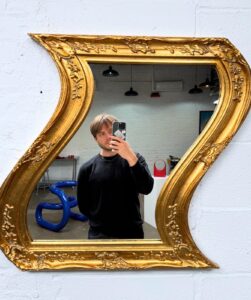
 Nikolas Bentel is a New York-based designer and artist known for creating performative, conceptual objects that straddle the line between fine art, industrial design and storytelling. He is the founder of Nik Bentel Studio, a design practice that specializes in limited-edition products that often sell out on launch. With a background in architecture and product design, Bentel’s work thrives in the in-between spaces: between functionality and absurdity, seriousness and play, commodity and critique. His studio launches collections in tightly curated, story-driven drops—each object designed to be both Instagrammable and intellectually layered. These drops blur the lines between commercial product, viral artwork and philosophical provocation. At the heart of everything Bentel creates is a desire to make people pause — even just for a moment — and reconsider the objects in their lives. Whether it’s a speaker that functions as a bag or a teacup that tells a joke, every product from the studio comes with its own embedded world. See Bentel’s creativity shine in today’s Maker Monday.
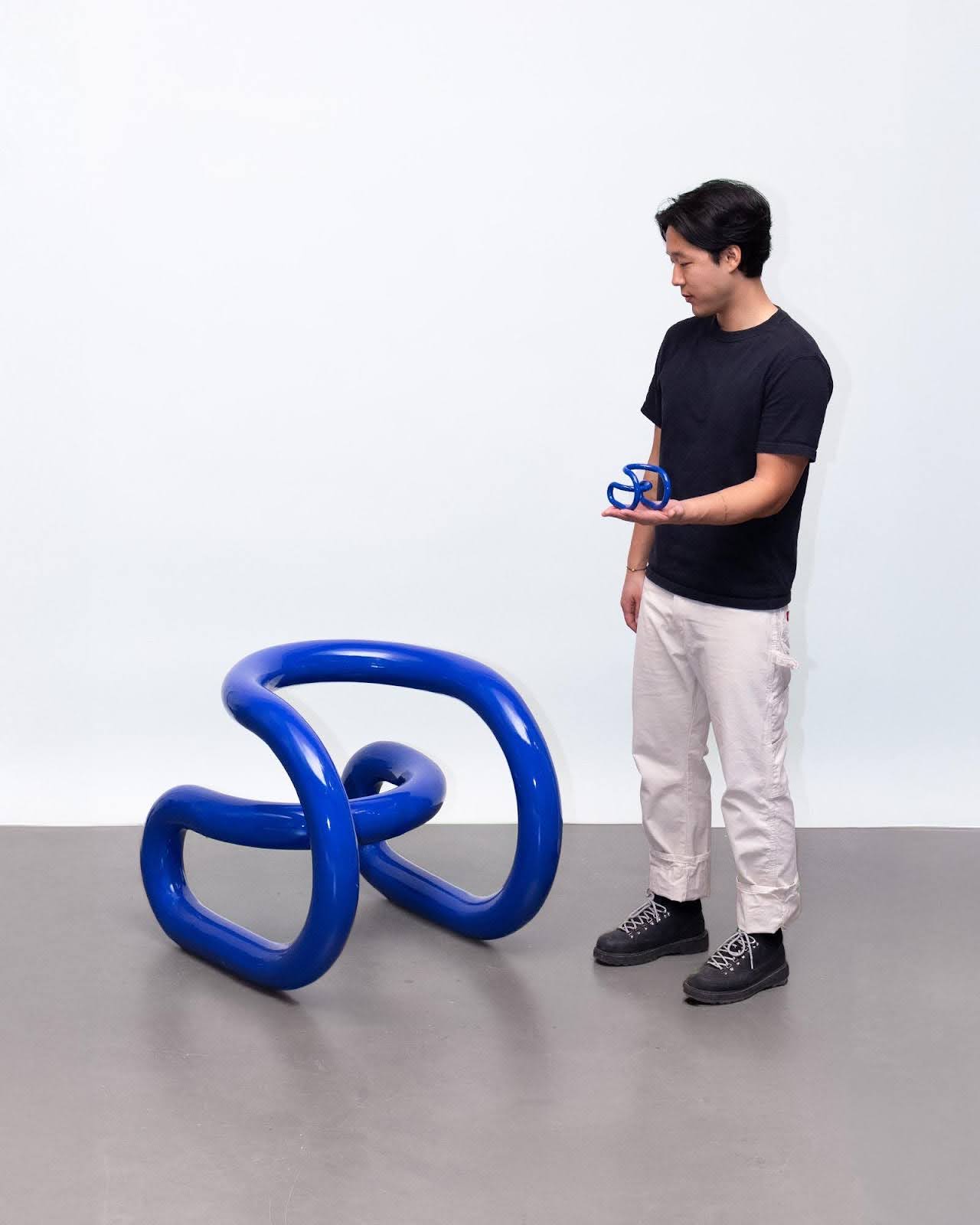
The Loopy Chair transforms a tangle of colorful tubing into a sculptural, sit-able swirl that blurs the line between furniture and art.
Andrew Joseph: Can you describe your design philosophy in three words?
Nikolas Bentel: Play. Precision. Plot twists. Four words 😉. I like it when objects have a sense of humor and a sense of purpose. I want things to feel considered but not overly serious — like someone showed up to a black-tie event in a well-tailored clown suit. If it tells a story, makes you smile and actually works? That’s the sweet spot.
AJ: How do you approach a new design project?
NB: Usually with a half-broken prototype, a half-filled sketchbook and a totally random idea that somehow won’t leave my brain. I try to follow curiosity, not logic, at first. I’ll collect references, make bad drawings, talk out loud to myself and test materials that maybe shouldn’t be used the way I want to use them. Eventually, the concept clicks, and then I get super meticulous about the details. It’s chaos at the beginning, but there’s always a method hiding inside.
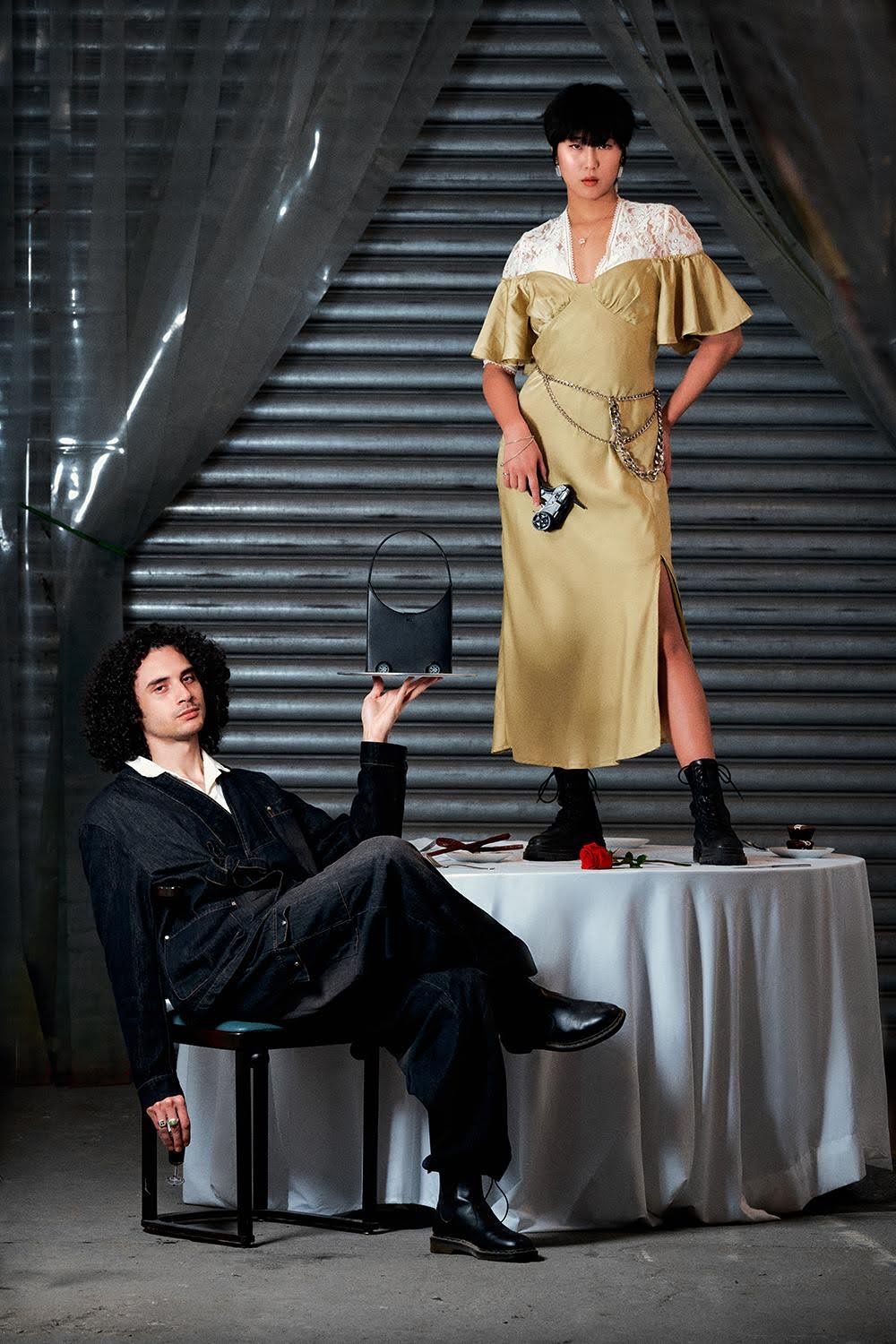
A playful nod to childhood nostalgia, the RC Bag turns a simple remote-controlled car into a fully functional, joyfully absurd handbag.
AJ: Can you tell us about a design trend you are excited about?
NB: I’m really into the rise of Labubus energy in design right now — you know, that soft, squishy, slightly absurd vibe that somehow feels both deeply comforting and completely unhinged. Everyone’s buying that plush toy because it taps into something bigger: people want objects that feel emotionally charged, not just aesthetically polished. The trend is about making things that are a little weird, a little sentimental and totally lovable. I love that people are craving design that makes them laugh or feel safe — not just design that looks good in a showroom.
AJ: What design trends do you think will be popular in the coming years?
NB: I think we’ll see more objects that feel alive — not literally, but emotionally. More humor, more risk, more personality in everyday things. I also think physical products will start borrowing from internet culture even more — meme logic, surreal aesthetics, fake nostalgia. And maybe even more weirdly useful stuff: tools that also function as accessories, or furniture that folds into some totally unnecessary but delightful shape.
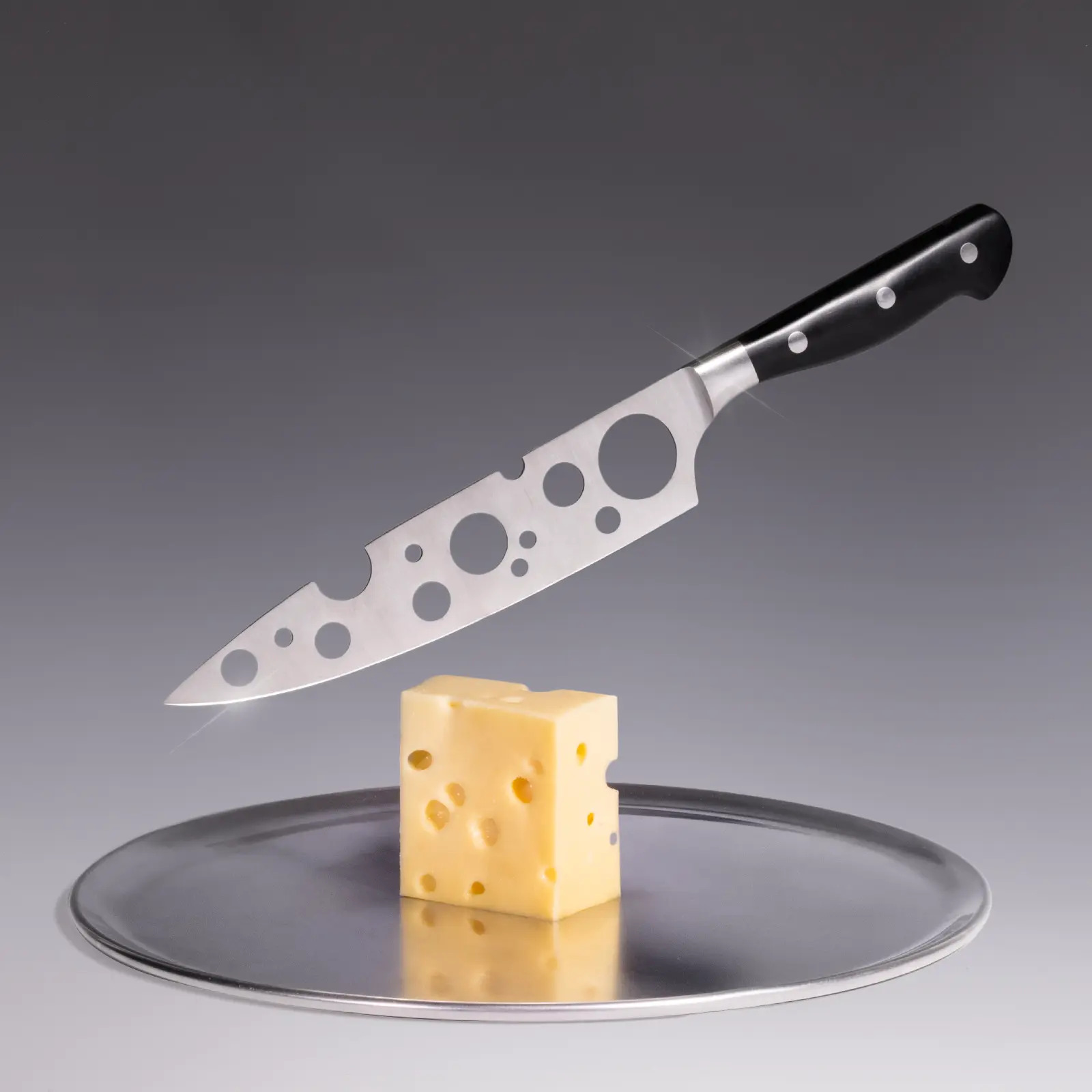
The Holey Cheese Knife cheekily embraces its purpose, with playful cutouts that make slicing cheese feel like a design statement.
AJ: What is the most important element in a successful interior design?
NB: Vibe. Always vibe. You can have the most expensive furniture in the world, but if the room doesn’t have energy, it falls flat. A good space should make you feel something — ideally something specific. Like, “this room feels like Sunday morning pancakes” or “this corner feels like a secret club I’m not cool enough to be in.” The materials, the light, the layout — all that matters — but the magic is in how it all comes together.
AJ: If you weren’t a designer, what would you be and why?
NB: Honestly? A plastic surgeon. Not for the prestige or the paycheck, but because it’s the ultimate form of redesign. It’s like product design but with skin. Same basic challenge: take something functional, learn its structure inside and out, and then reshape it to match someone’s dream version. Plus, I’d get to wear cool gloves and say dramatic things like “scalpel” in a low voice. Feels theatrical.
Like what you see? Get it first with a subscription to aspire design and home magazine.