


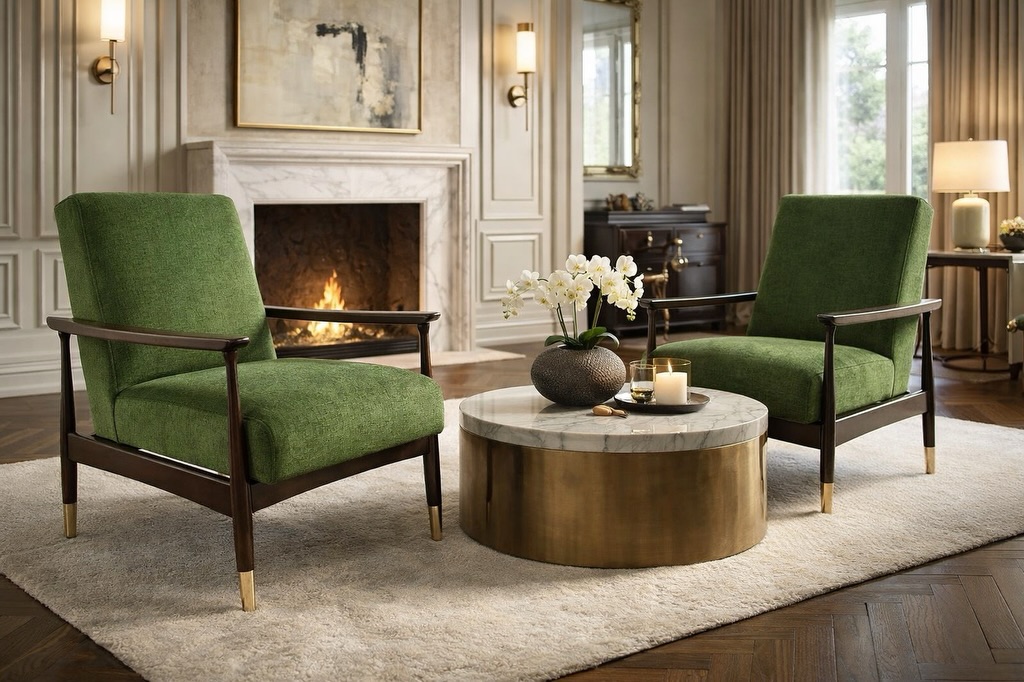



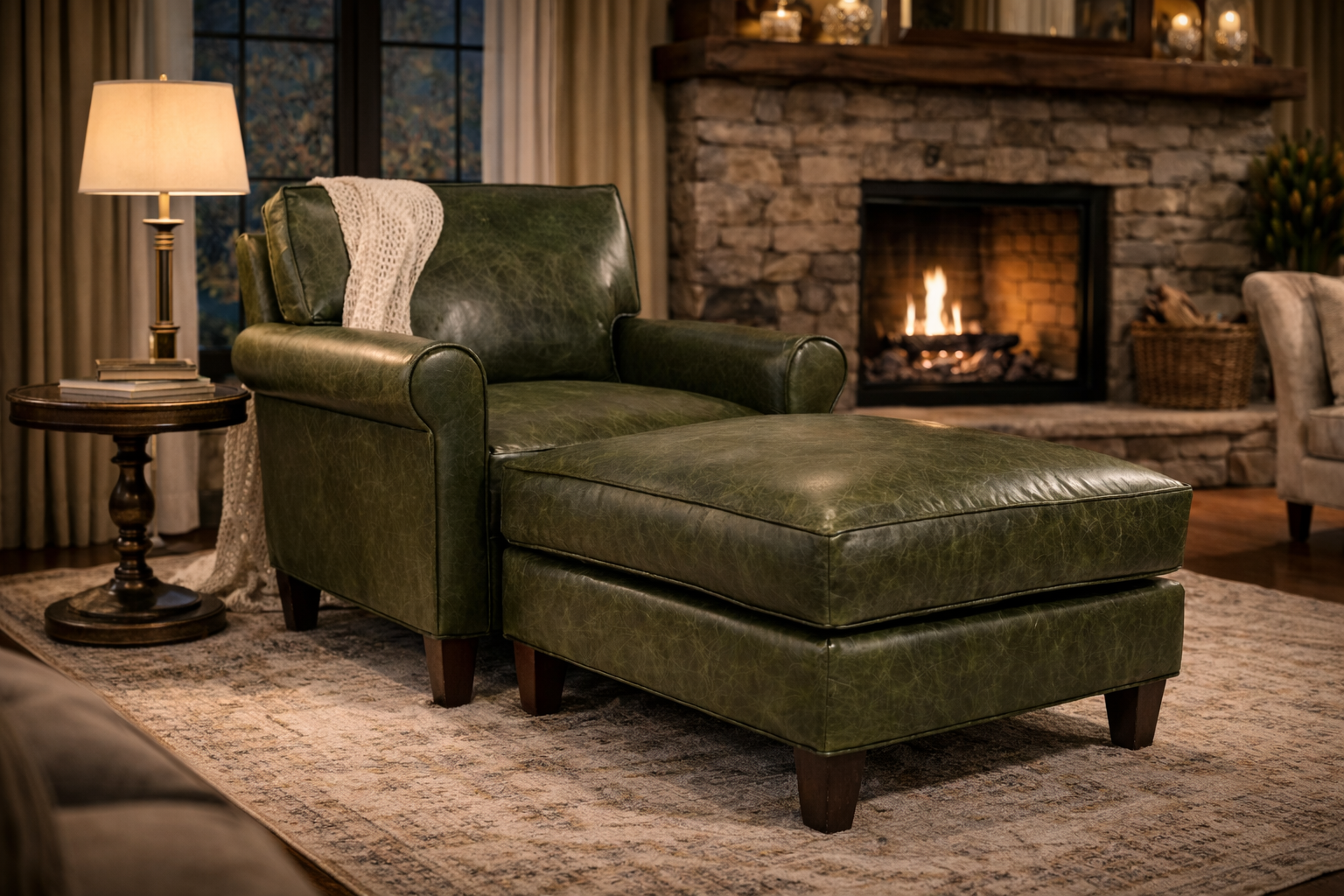
Mayfair Chair
Andrew Joseph: What is your favorite place to find inspiration?
Robert Wylie: High-end hotels. When I was running my import business, I spent a lot of time staying in great hotels throughout Asia. There were always so many creative design and styling ideas to draw from. I paid attention to how spaces were layered, how finishes were mixed, and the overall level of detail. These days, I rely on interior magazines to keep up and stay inspired.
AJ: How do you balance functionality and aesthetics in your designs?
RW: When I design a piece from scratch, the two most important considerations for me are comfort and proportion. Furniture has to earn its place in a room. A sofa or chair designed for a formal living space requires a very different seat depth and height than something intended for a family room or theater setting. In every case, the goal is the same. The piece should feel right the moment you sit down and contribute to the overall composition of the space.
AJ: How do you approach designing for a client with a specific style in mind?
RW: Most clients will share inspiration images or select a piece from our collection as a starting point. That initial reference helps establish the overall direction. From there, I focus on understanding how the piece will be used, the scale of the space, and what the client is responding to in those references. Once I have their notes and context, translating that style into a finished piece feels very natural.
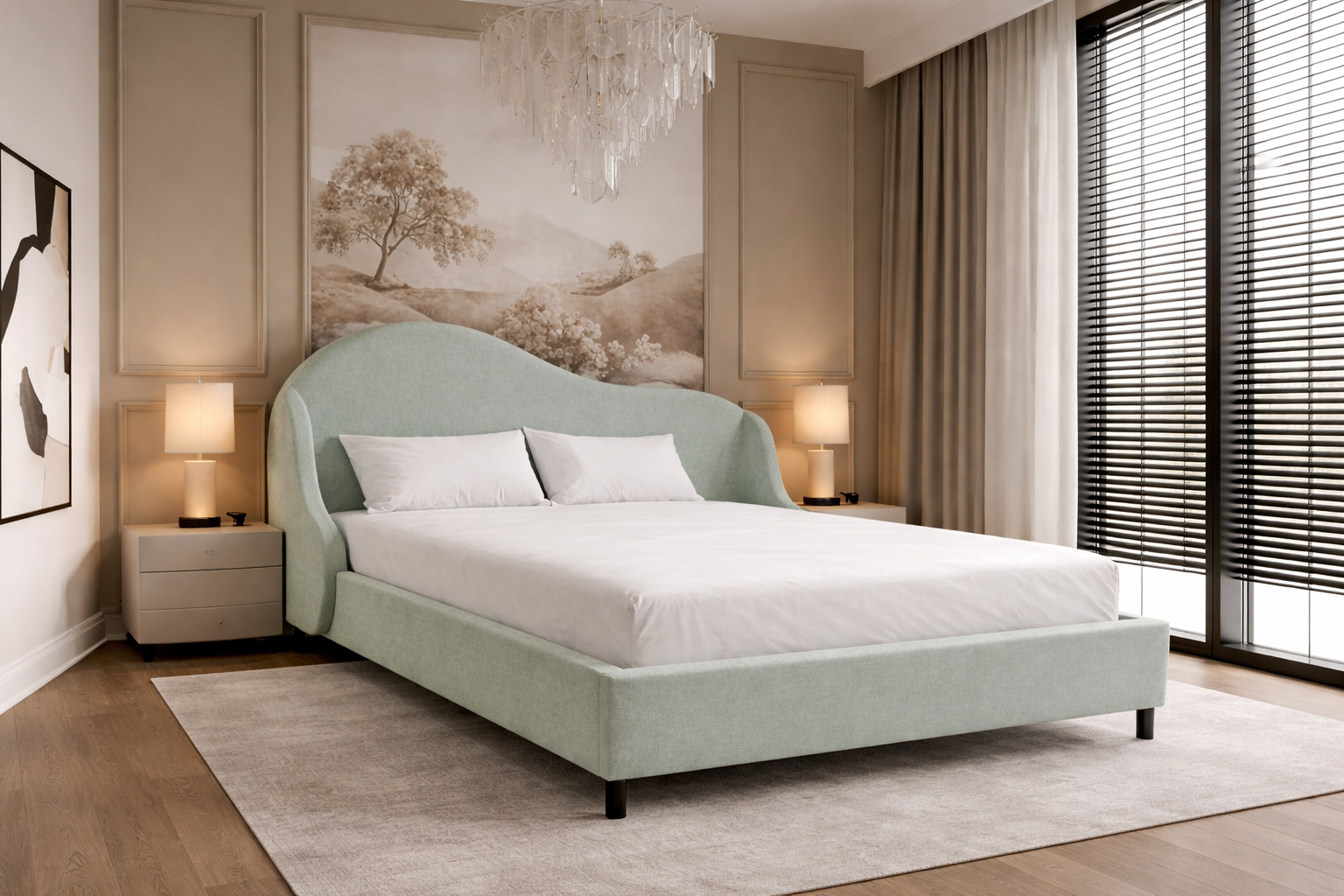
Custom Cove Bed
AJ: How do you incorporate client feedback into your designs?
RW: Client feedback is essential when you are building custom furniture. I always begin with a phone consultation so I can ask the right questions and fully understand how the piece will be used, where it will live, and what matters most to the client. That dialogue guides every decision that follows and ensures the final piece feels considered and personal.
AJ: How do you stay organized while working on multiple projects?
RW: I’ll be the first to admit I can be a little A.D.D., so strong organization is essential for me. Every quote and every job has its own system, both physical and digital. That structure keeps projects moving smoothly. Just as important is having a great staff. I’m fortunate to work with a team that is detail-oriented, communicative, and fully invested in the work. Their focus and follow-through allow us to maintain consistency and deliver at a high level across multiple projects.
AJ: What is your favorite design tool to use?
RW: I draw everything to scale by hand, mostly in centimeters. A good drafting pencil, metric ruler and graft paper, and I’m golden.

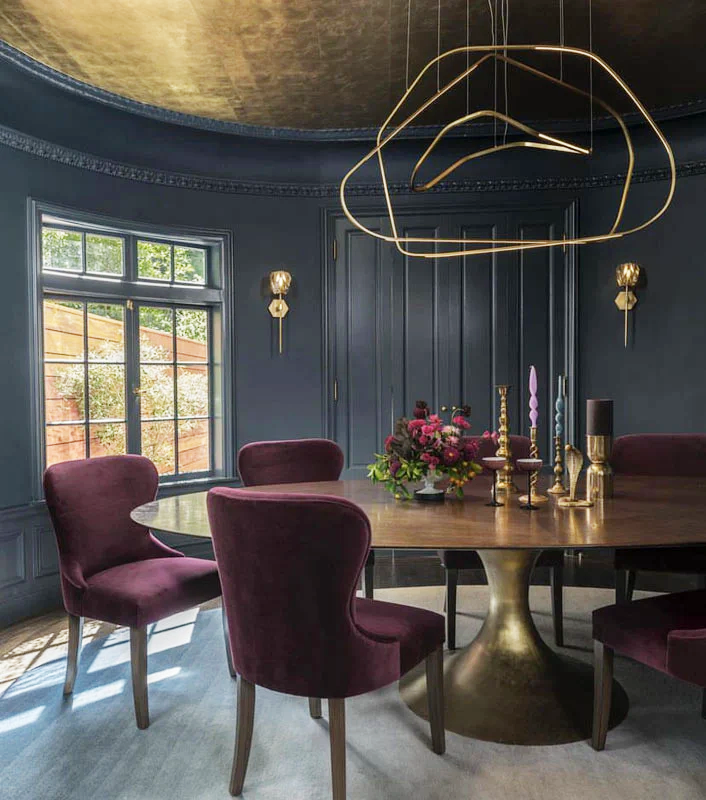
Elena Chair
AJ: What’s your design pet peeve?
RW: When the idea of less is more gets overlooked. I believe restraint is important in design. There are times when a space truly calls for a maximalist approach, and when it’s done well, it can be incredible. That kind of work takes a strong sense of control and experience.
AJ: What’s a new hobby/skill that you have learned recently?
RW: Detailing my 1998 Mercedes-Benz SL 500. The R129 body style was produced for over a decade with only minor changes, and it still looks incredible even though it is nearly thirty years old. During that period, the head of design at Mercedes-Benz was Bruno Sacco. His philosophy was to overbuild for safety and comfort while creating designs that felt timeless, elegant, and forward-thinking. That approach really resonates with me, and I try to apply the same mindset when we build our furniture. Maintaining the car and keeping it running well is rewarding, but driving it on a beautiful day is even better.
Like what you see? Get it first with a subscription to aspire design and home magazine.