




Andrew Joseph: What inspired you to become a designer?
Roshan Adam-Holslag: I don’t think there was a single moment — it was more like a thread weaving quietly through my life. I grew up in England to culturally rich, diasporic parents, where design was never labeled or framed — but it was everywhere. I was surrounded by rituals and objects that carried more than just function — they held memories — and I think that’s where my relationship with design quietly began. That was my earliest education in design: hosting as an art form, where beauty was instinctive and soulful.
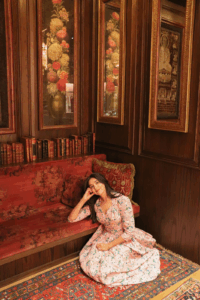
As I got older, I kept my love of aesthetics close — visiting galleries, dabbling in photography, and collecting vintage fashion — always noticing the things that simply delighted me. I became obsessed with the glamour of vintage resort wear — not just the silhouettes, but the feeling they created: playful, elegant and wrapped in the illusion of leisure and joy. So far from England, it felt exciting and oddly nostalgic — a window into a world that was both foreign and deeply familiar. I wanted to bring that same sense of enchantment into the everyday, especially into how we gather and connect.
It wasn’t until I began traveling more deeply — hiking through remote villages, like one in Kyrgyzstan where jewel-toned fabrics contrasted so strikingly with the raw earth — that I realized how much I was drawn to the relationship between people, place and texture. I became fascinated by how identity reveals itself through color, material and ritual.
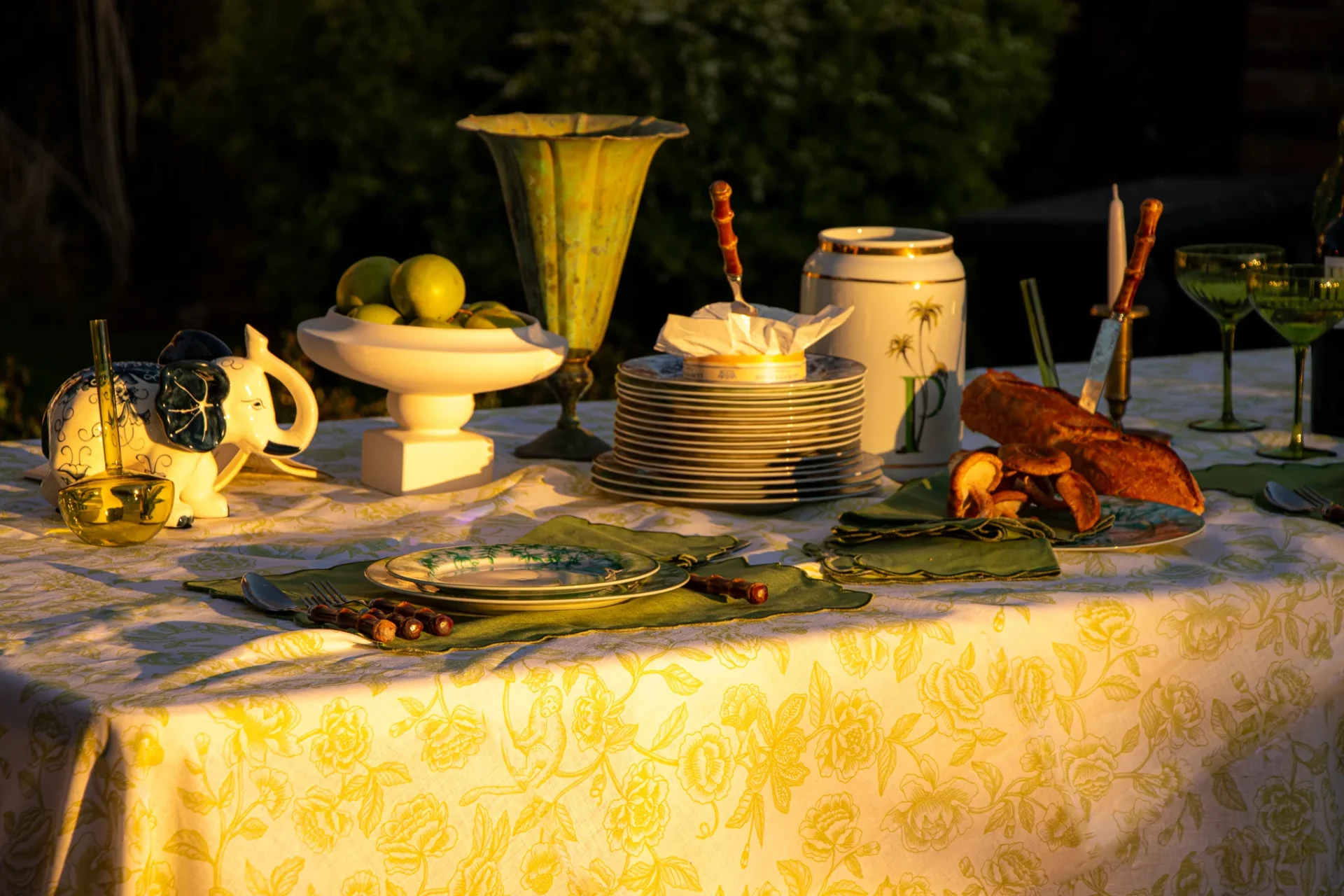
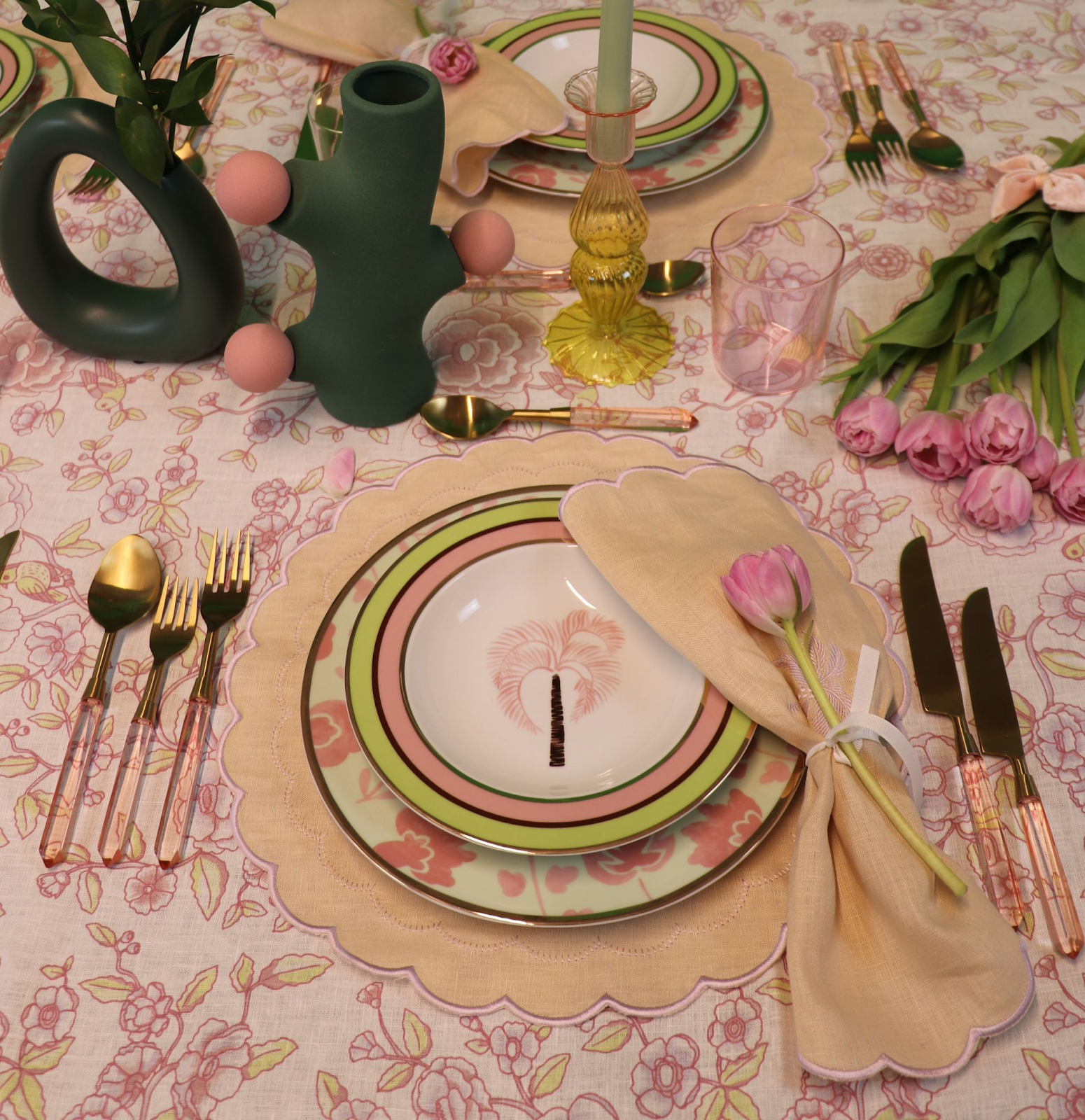
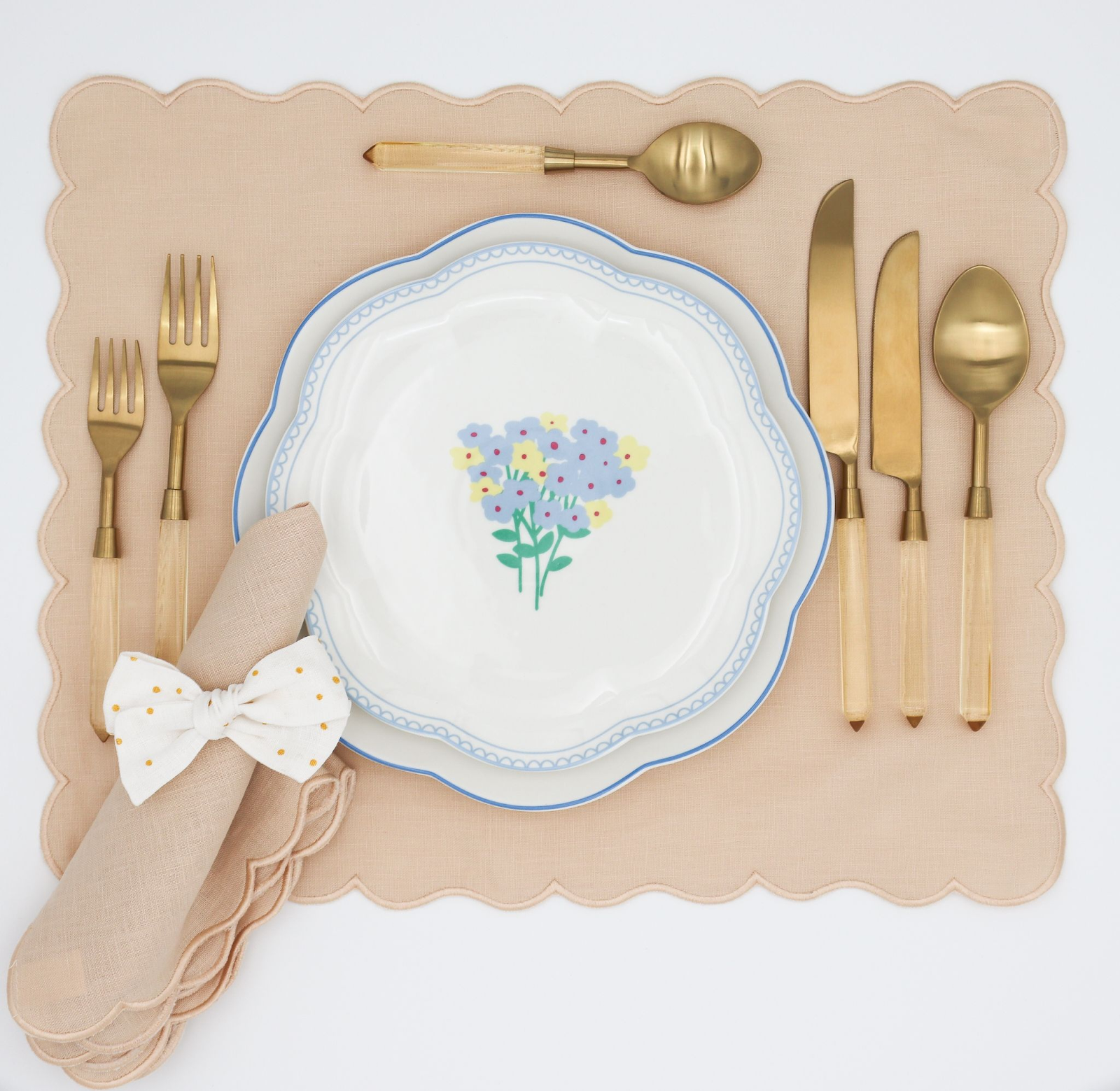
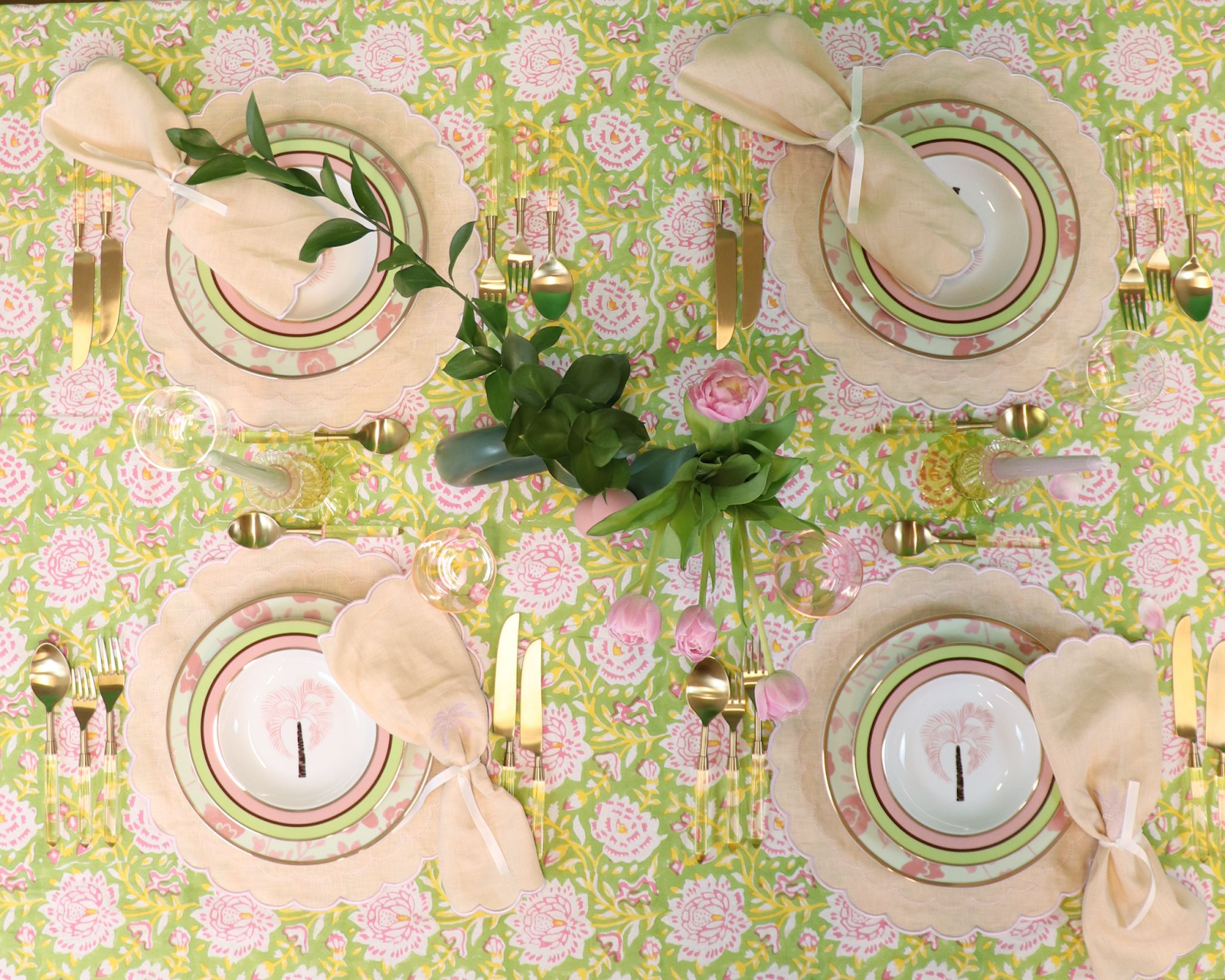
That’s what led me to create Ro’Table: a space where design meets hosting, where bold patterns and natural materials elevate the everyday. For me, the table is a canvas — not just for aesthetics, but for memory, continuity and a little magic.
AJ: Can you describe your design philosophy in three words?
RAH: Whimsical. Grounded. Layered.

AJ: What’s your favorite place to find inspiration?
RAH: Always in motion — on a plane, wandering through a market abroad, or even walking in nature. I’m endlessly inspired by the way color appears in unexpected places: the dusty pink of a clay wall in Marrakesh, the deep indigo of a sari drying on a balcony, the moss that grows between cobblestones. Traveling is a portal, but even in New York City, I find inspiration in quieter, stranger moments — the faded pattern on an old subway seat, a forgotten window display in a shuttered shop, a bodega florist rearranging blooms on the curb at dusk. Inspiration is everywhere when you’re paying attention.
AJ: Style (or design) icon and why?
RAH: As a child, I was mesmerized by the world of Slim Aarons’ women — the ones lounging poolside in vintage resort wear, exuding elegance without trying too hard. There’s a sense of fun and fantasy there that really speaks to me. I love when design doesn’t take itself too seriously — when it invites play, creates illusion and sparks joy. That spirit is something I try to bring into Ro’Table: beautiful, soulful pieces that feel both effortless and transportive.
AJ: What is your favorite aspect of your job?
RAH: Seeing the full arc — from the spark of inspiration to the final moment when someone uses a piece from Ro’Table in their home. I love watching people connect, laugh and linger longer at a table we helped set. That’s what drives me — creating beauty that isn’t just decorative, but that becomes a part of real moments and memories.

AJ: What is your favorite design era and why?
RAH: The 1970s — without a doubt. It was such a bold, eclectic time for design, full of texture, earthy palettes and fearless experimentation. I love how the era blurred the lines between maximalism and minimalism, mixing natural materials with sculptural forms. There’s a sense of warmth and lived-in glamour that resonates deeply with how I approach my own work — soulful, layered and a little unexpected.
AJ: What was the last book you read and how did it inspire you?
RAH: In Memory of Memory by Maria Stepanova. It’s a lyrical meditation on how memory is housed in objects — in the quiet things we inherit, collect, or hold onto over time. As someone who believes women have always been collectors — from ancient altars to the trinkets on our tables — the book struck a deep chord. It reminded me that design isn’t just visual; it’s emotional. Every object, vase or plate can carry echoes of where we’ve been, who we’ve loved and how we choose to live.
Like what you see? Get it first with a subscription to aspire design and home magazine.