


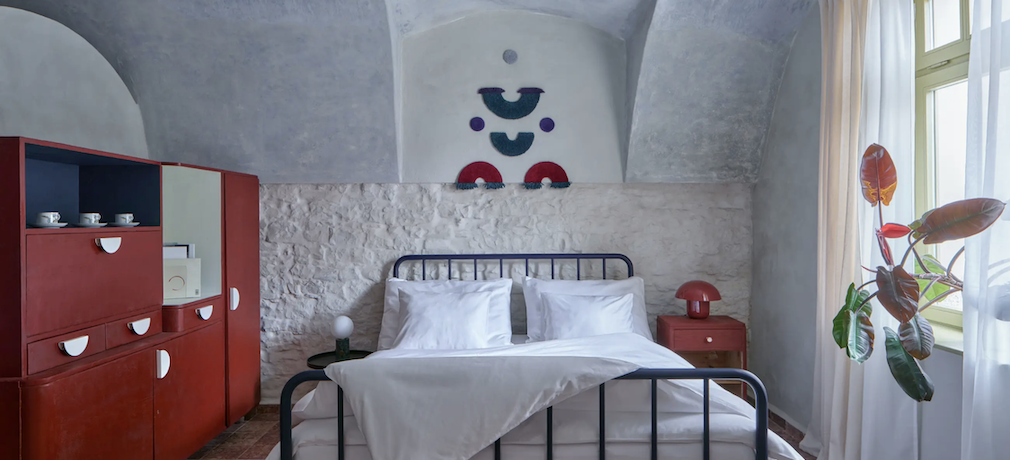
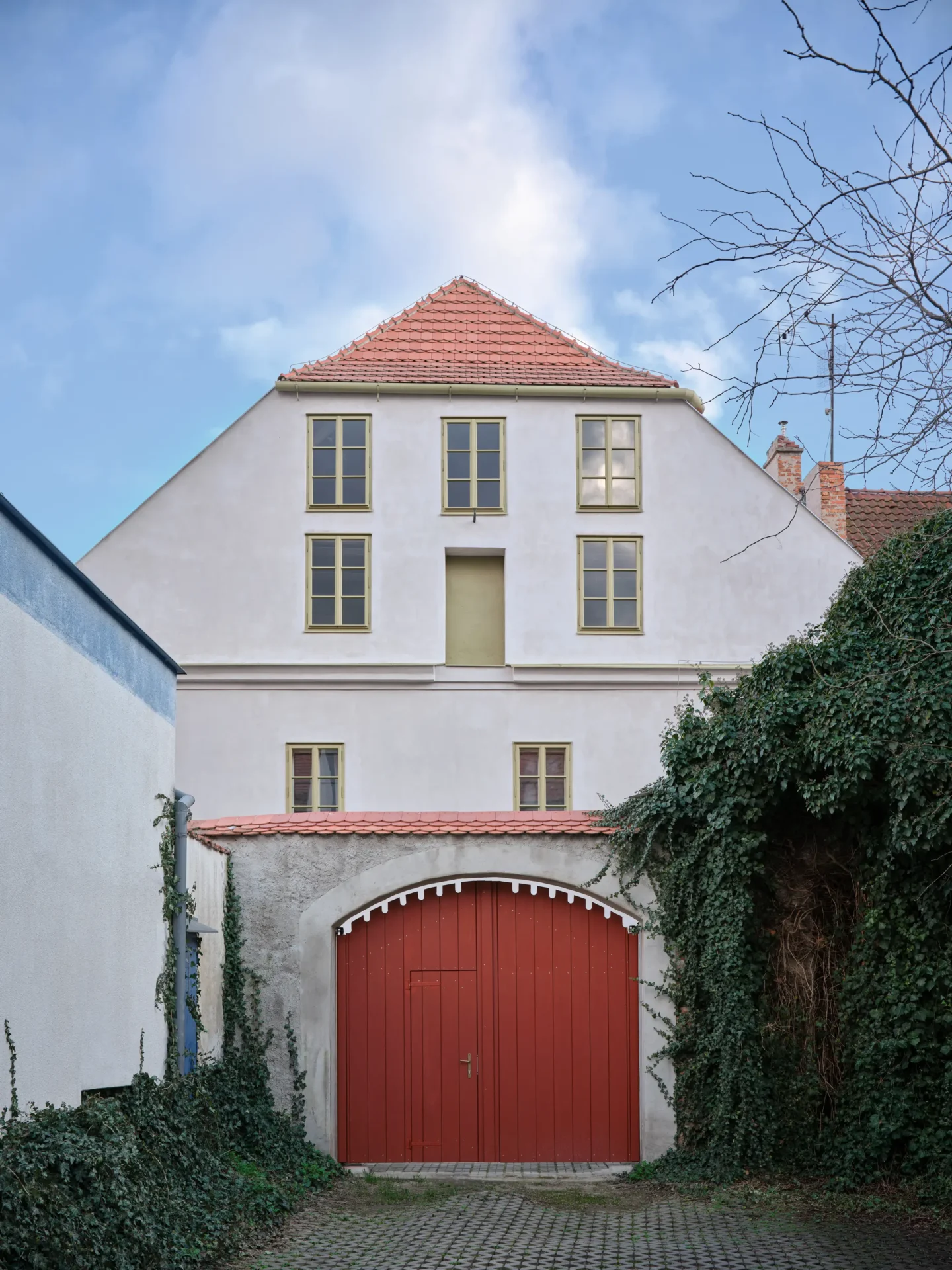

In the UNESCO-protected town of Žatec, ORA transformed a deteriorated historic townhouse into a mixed-use house combining guest accommodation, a family retreat, and a craft beer taproom. More than a conventional renovation, the 8-year process became a deeply personal project for owners Jan Hora and Barbora Hora, whose family history is tied to the house across several generations.
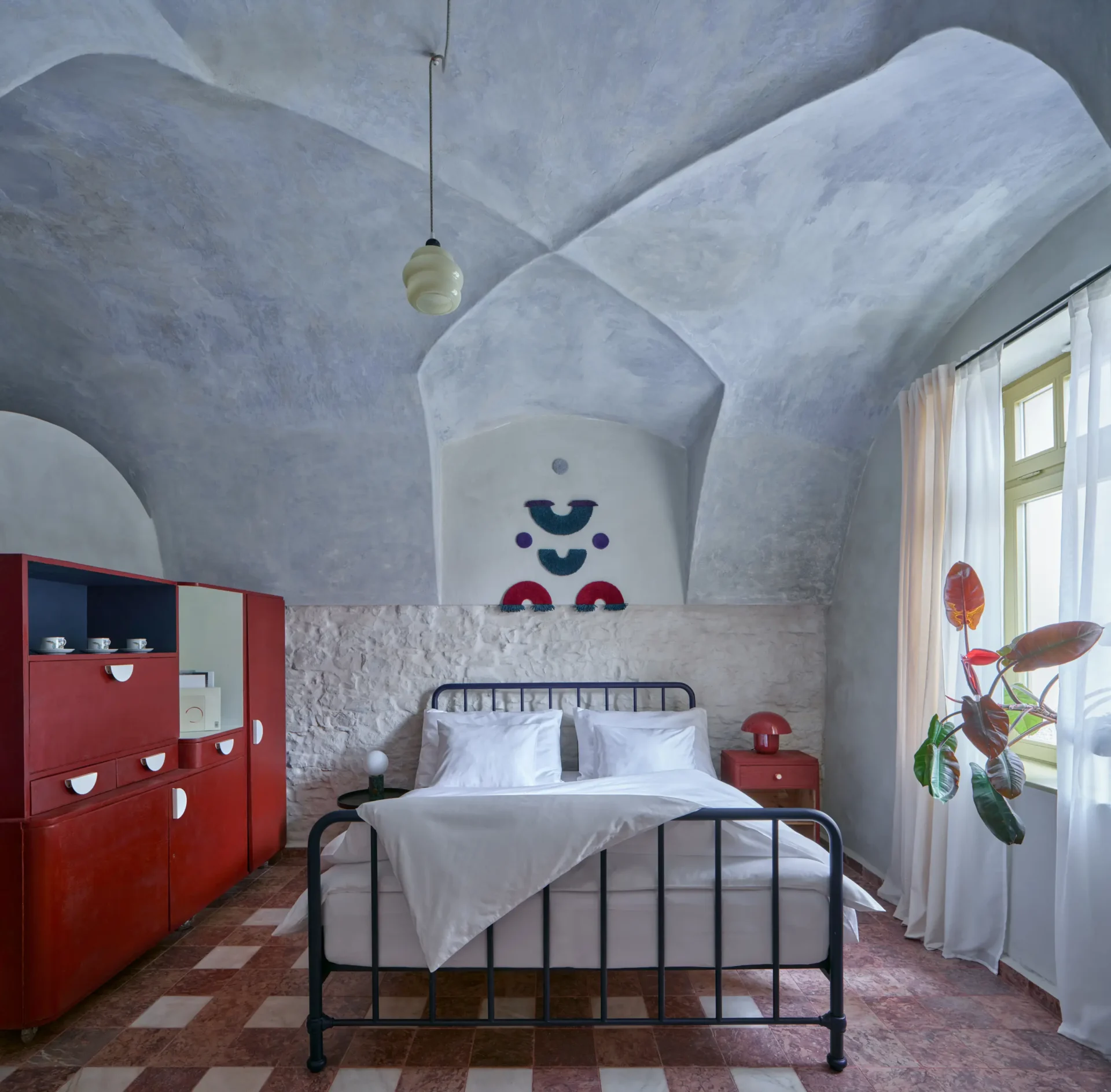
Rather than pursuing restoration as reconstruction or contrast, the project adopts an approach of fusion: old and new interventions blend into a layered whole shaped by reuse, repair, and continuity. Salvaged materials, uneven surfaces, hand-applied finishes, and contemporary additions coexist without hierarchy, allowing the building’s age and imperfections to remain visible. The completed home is not a polished historical artifact, but a living structure where memory, atmosphere, and everyday use continue to accumulate over time.

From the Architects | We fell in love with the house right away. We had no money and no clear idea of what to do next, but who else but architects would know how to handle an old ramshackle house?
The renovation process took a long 8 years. The endless renovation was marked by a lack of funds, the poor state of traditional craftsmanship, and COVID-19, when the whole world came to a standstill along with the construction.
In the meantime, we welcomed two children into our lives. They grew up alongside the slow-moving construction. At first, they hated the ruin — it was dark, cold, and dirty. But once the heating was turned on and the spaces gradually began to take shape, they started to make the house their own.
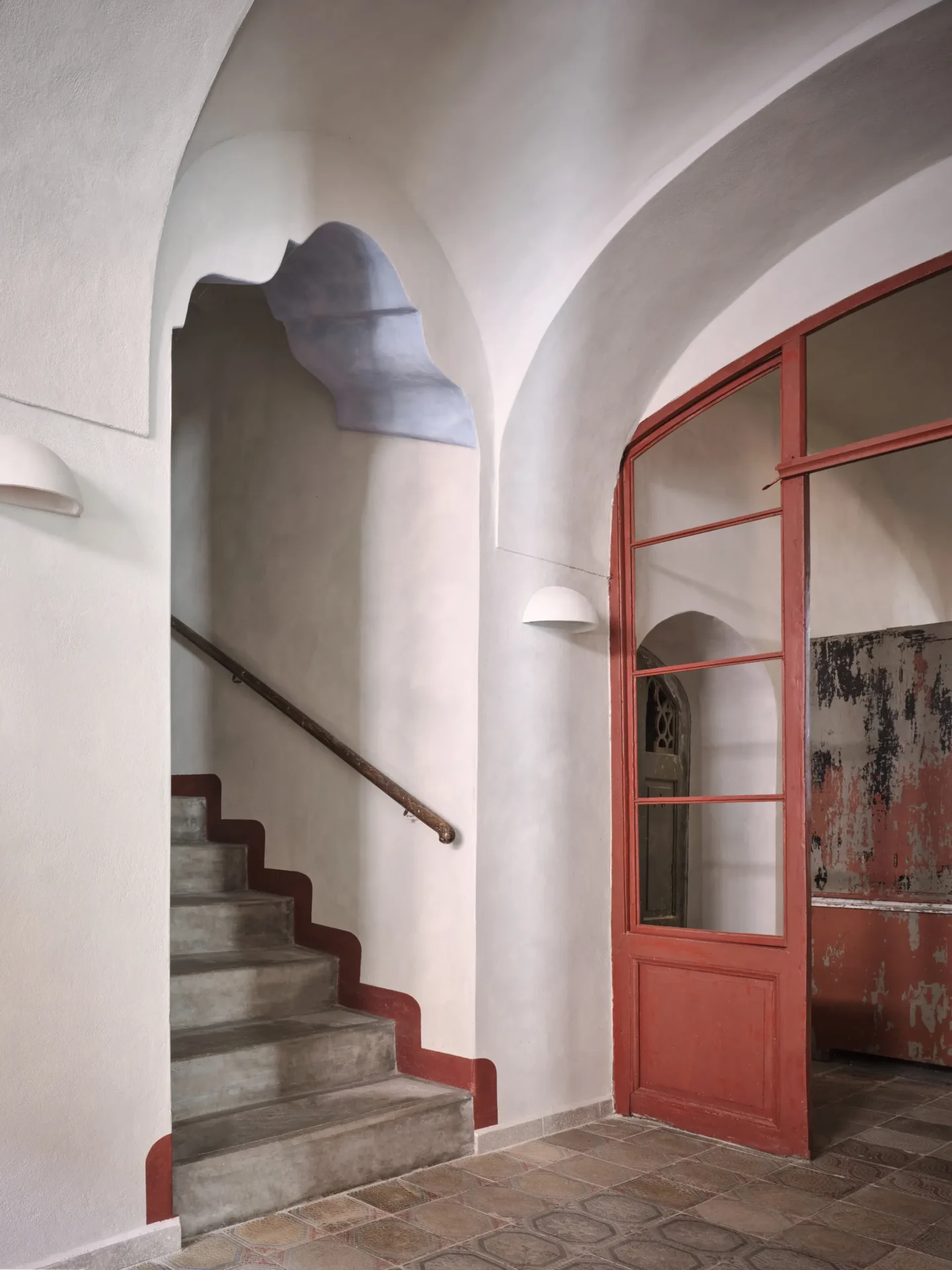
The main starting point was figuring out how to carry out the renovation economically while maintaining a deep respect for the building’s historical value. During the renovation, we made a number of wrong decisions. We earned our diploma on this building. To explain to the workers how to apply lime plaster by hand, we had to try it ourselves; to be confident in our decisions, we needed real-world experience with the materials and their application. A number of companies and craftsmen worked on the site. Some failed to meet our standards, while others learned that the plaster doesn’t have to be perfectly smooth, that the walls aren’t and won’t be perfectly vertical, and that traditional processes and recycled materials simply defy perfection — which certainly doesn’t mean the work can be sloppy. We found common ground. We consulted with the heritage preservation experts throughout the renovation process; I dare say the discussion was mutually enriching and constructive.
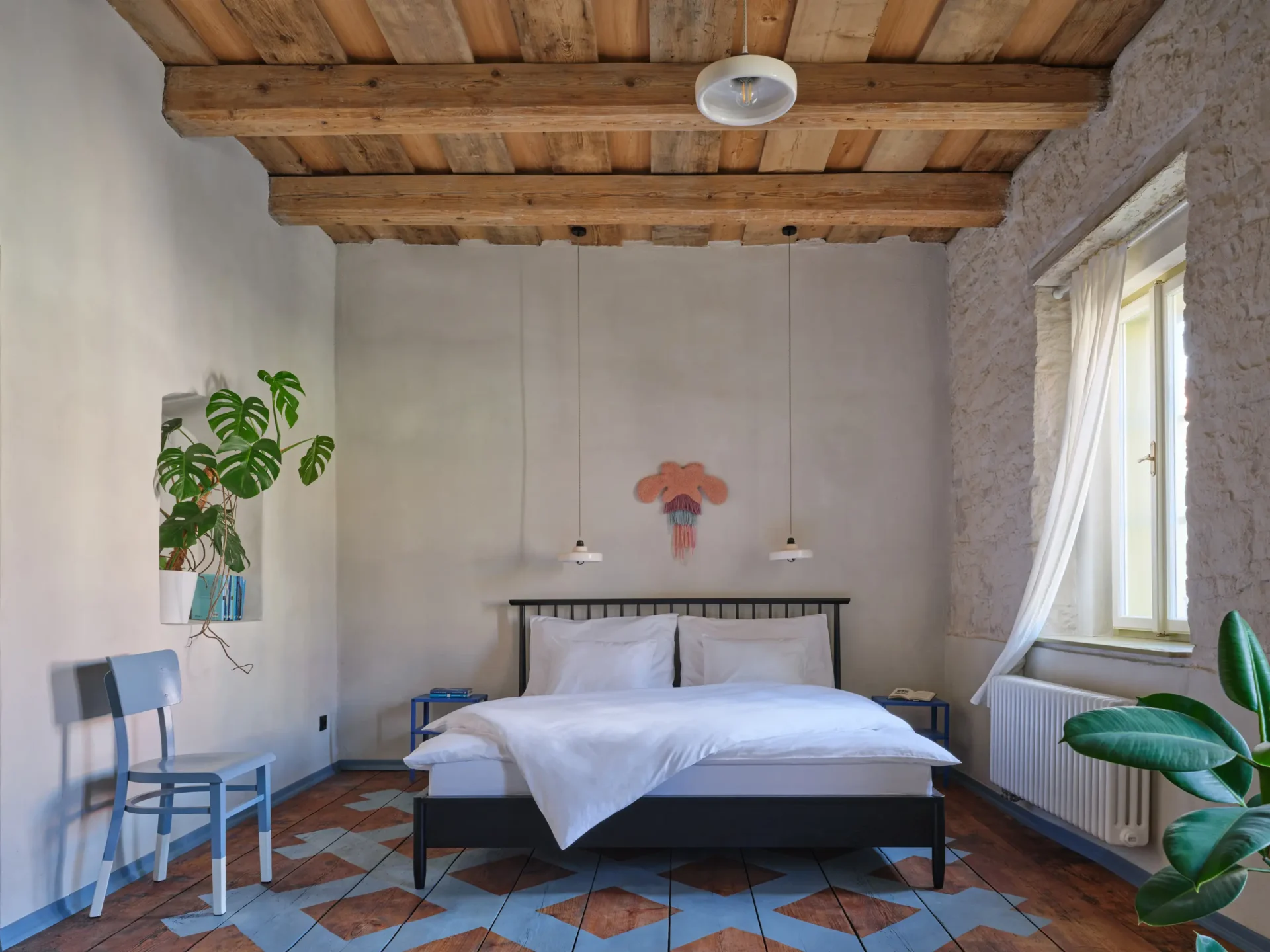

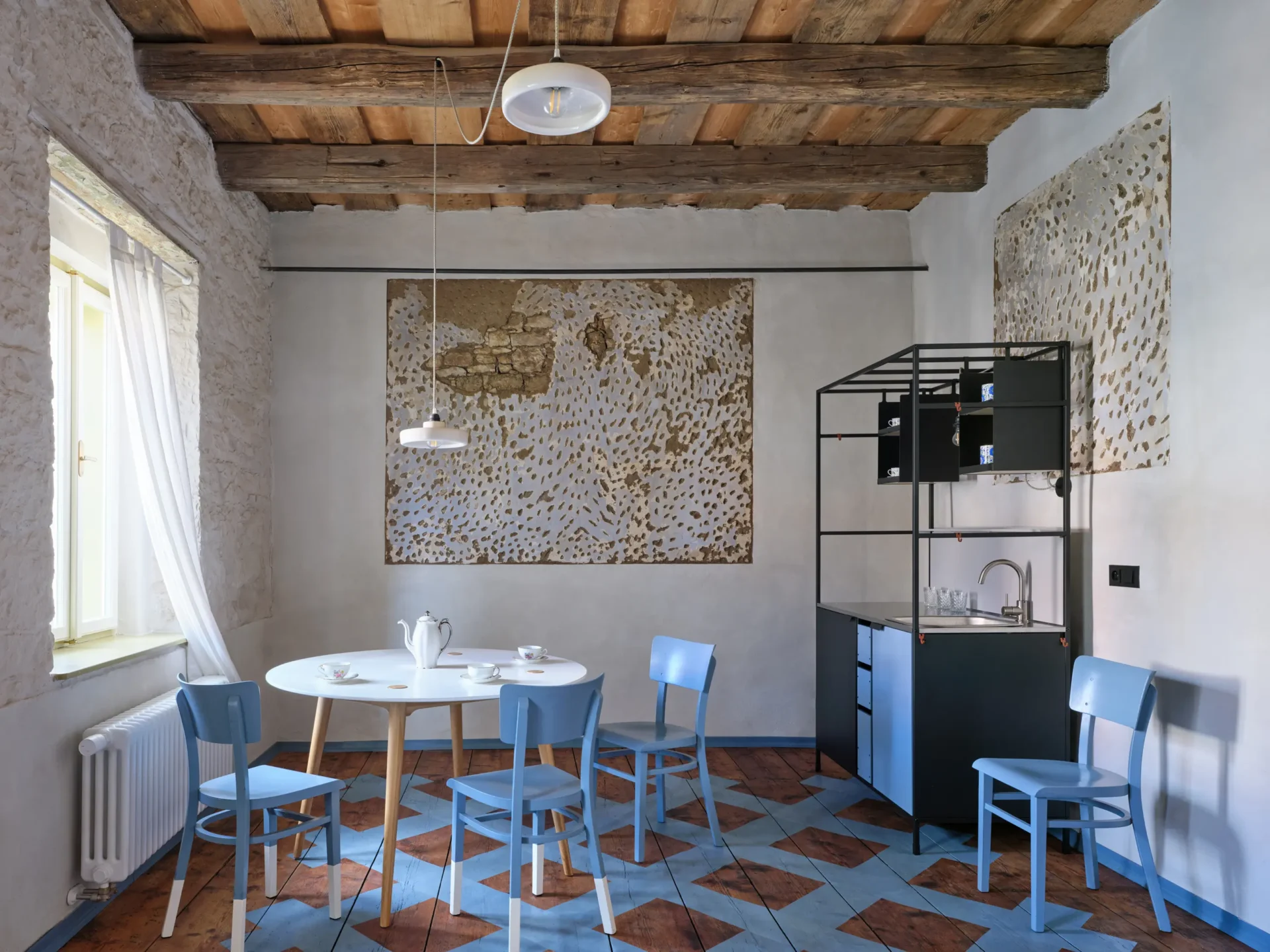
We’ve preserved as much as possible. Sometimes it’s better not to mess with what works. The upstairs floors have become a major focal point. Solid planks, some of which are still fastened with wrought-iron nails. Over the centuries, they’ve been worn down so much that the knots, polished to a shine by shoes, protrude even a few centimeters above the surrounding surface. In addition to being uneven, the floors are therefore also dramatically bumpy. The greatest experience is walking across them barefoot and letting the ancient material work its magic on your feet. We sanded the floors ourselves by hand, but we also wanted to apply a layer that could be worn down. For each floor, we designed and painted a new “carpet” using linseed oil paints — an admittedly new intervention that will gradually fade away.
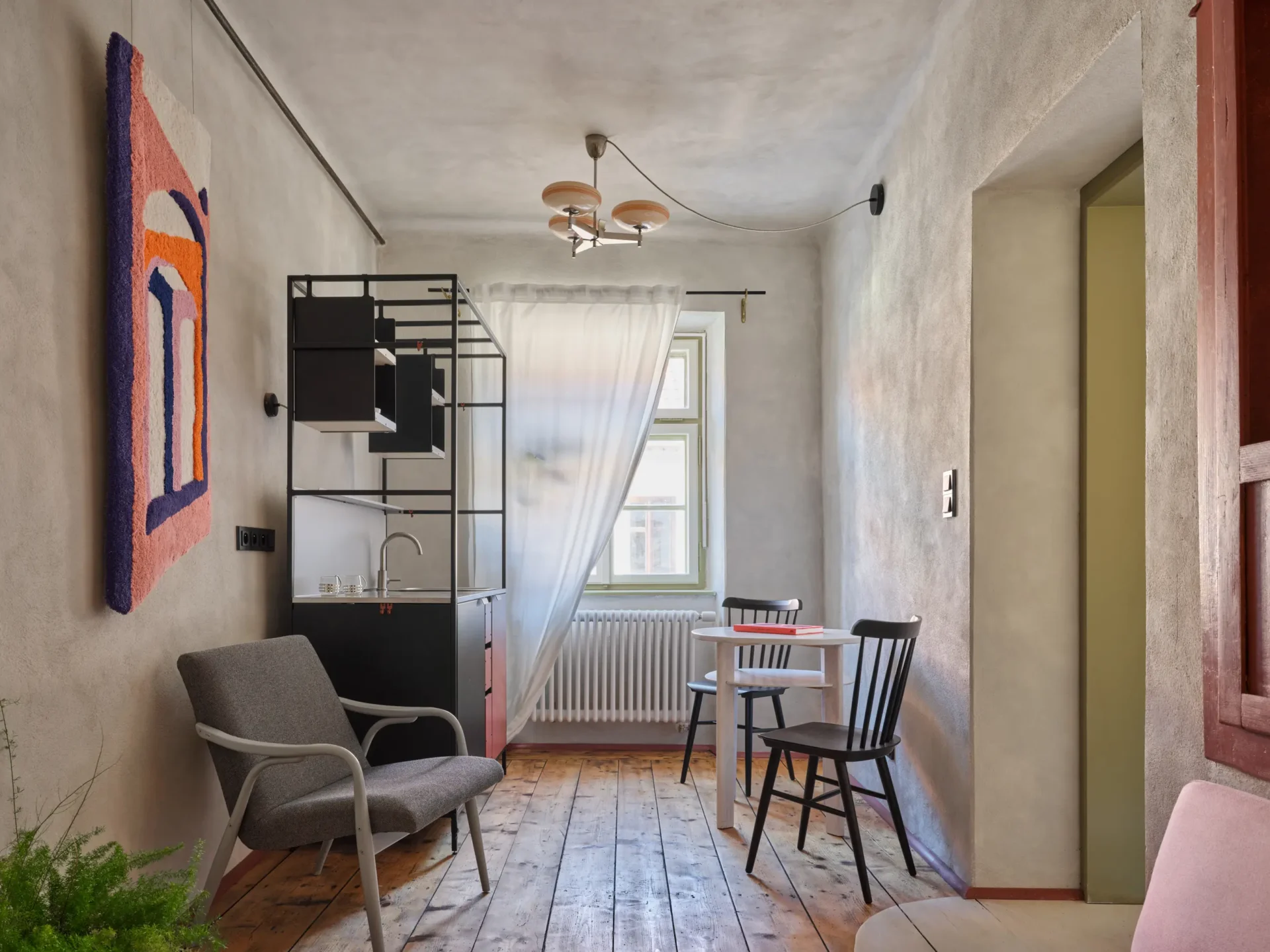
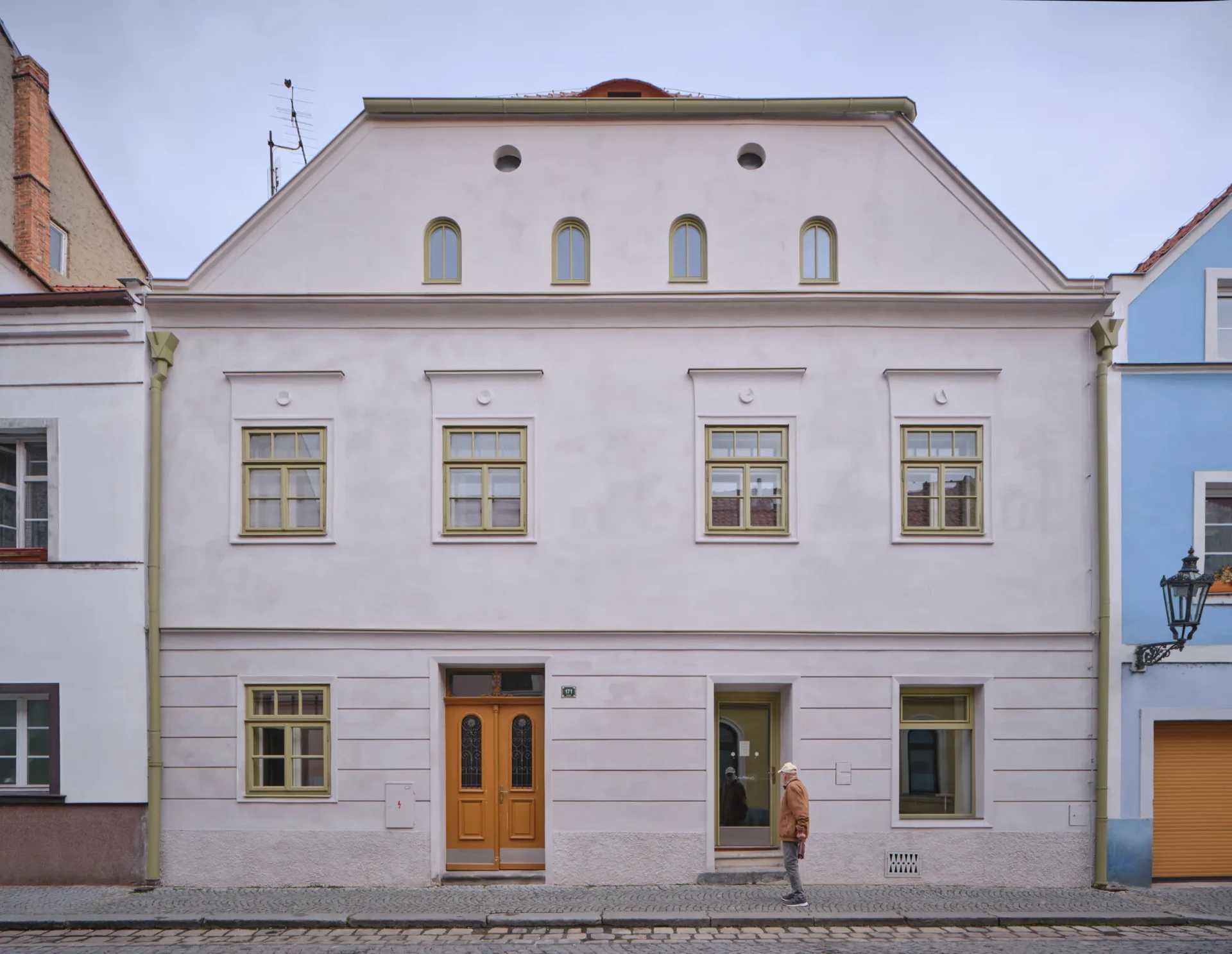

We reevaluated everything several times; the most obvious example is the street-facing facade. As the renovation progressed, our perspective evolved and the project was constantly refined. If we had to give the overall concept a name, it would be “fusion.” Or a blurring. With a few exceptions, it’s not immediately apparent where we, as the designers, came in. The atmosphere of the house is meant to be calming. Like when you arrive at your grandmother’s for a Sunday visit. The new and the old blend here, as if surfaces and fragments had been layering for ages. Perhaps that would be the case if history hadn’t been interrupted.
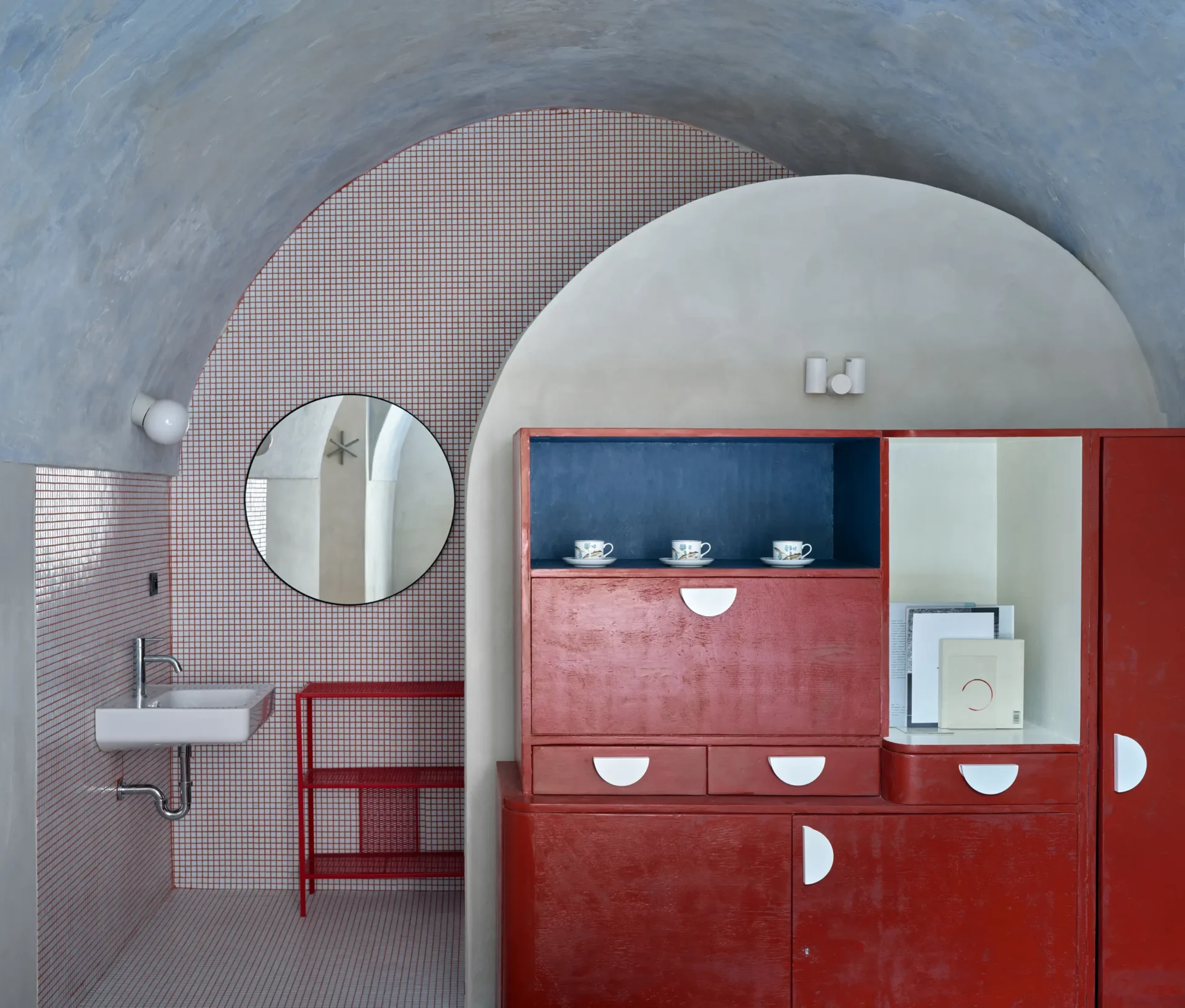

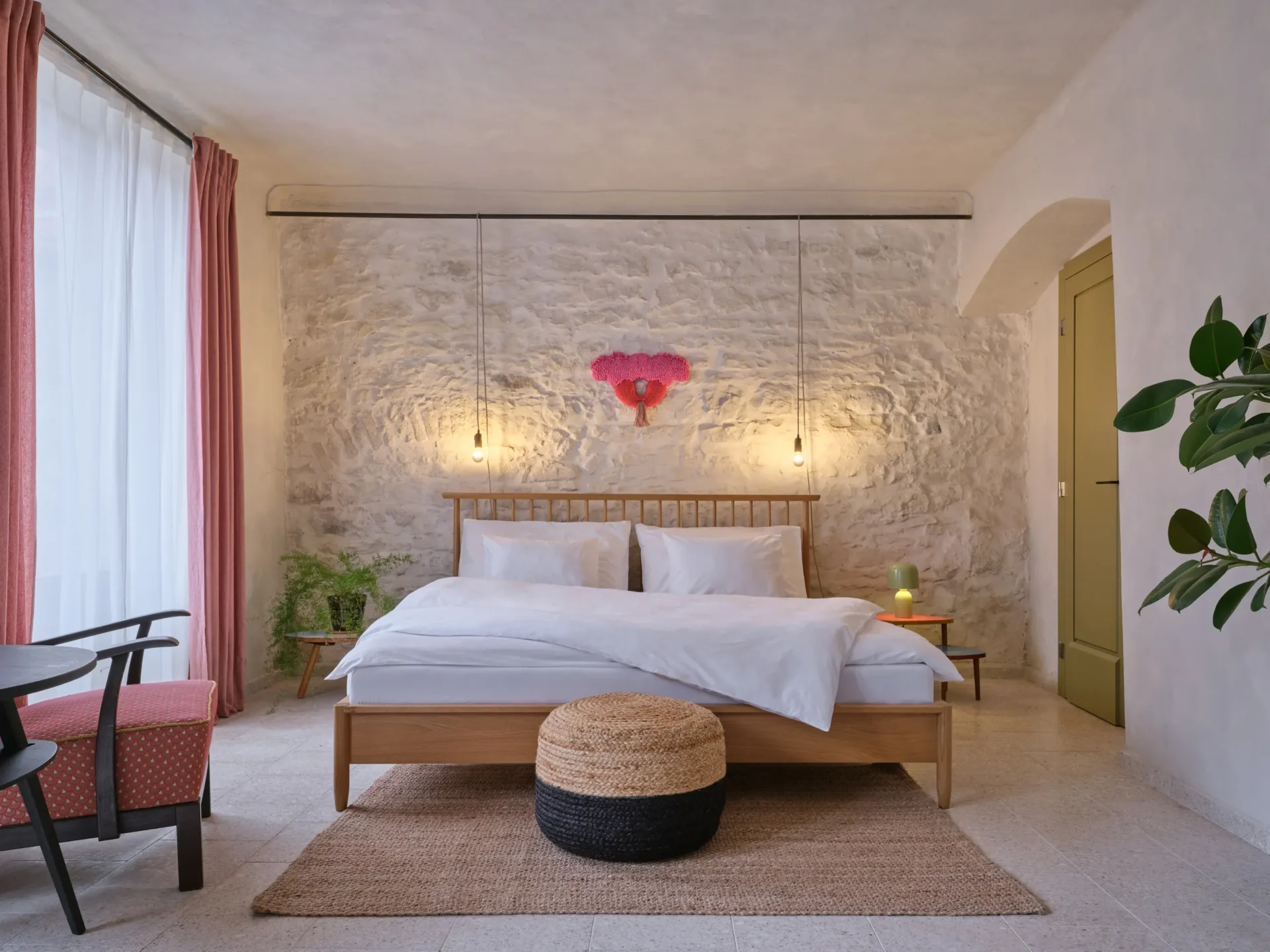
The house has become our testing ground. When we say that even a historic building can be restored to a high standard without incurring unreasonably high costs, we are now certain that it is possible. However, it is necessary to attune oneself to the atmosphere of the house; one must understand it, accept it, and be willing to compromise on certain demands. At the same time, a restored house does not have to look brand new. A certain degree of wear and tear is, on the contrary, a quality that has been developed over centuries.
But above all, it takes time. Over time, the house will cease to be an unpleasant obsession. Eventually, it will begin to return that attention.
Photography by BoysPlayNice.
Like what you see? Get it first with a subscription to aspire design and home magazine.