

Rosemary Hallgarten joins us this week to discuss the design process behind the Dune collection. Inspired by the Comporta coastline in Portugal, a soft and natural color palette makes these textiles perfect for summer.
Raymond Paul Schneider: What was the overall timeline from conception to achieving the final design?
Rosemary Hallgarten: My cycle, generally, begins a year ahead of the launch when I really focus on what the collection is going to look like. The first piece I work on is developing the color palette. Just color alone can take a few months. After I have a good idea of the palette, then I begin to pull in the fabrics I want to play with and I start to combine those elements with the inspiration, look, and feel, that I want the collection to give.

RPS: What was your initial inspiration, and where did the idea(s) come from?
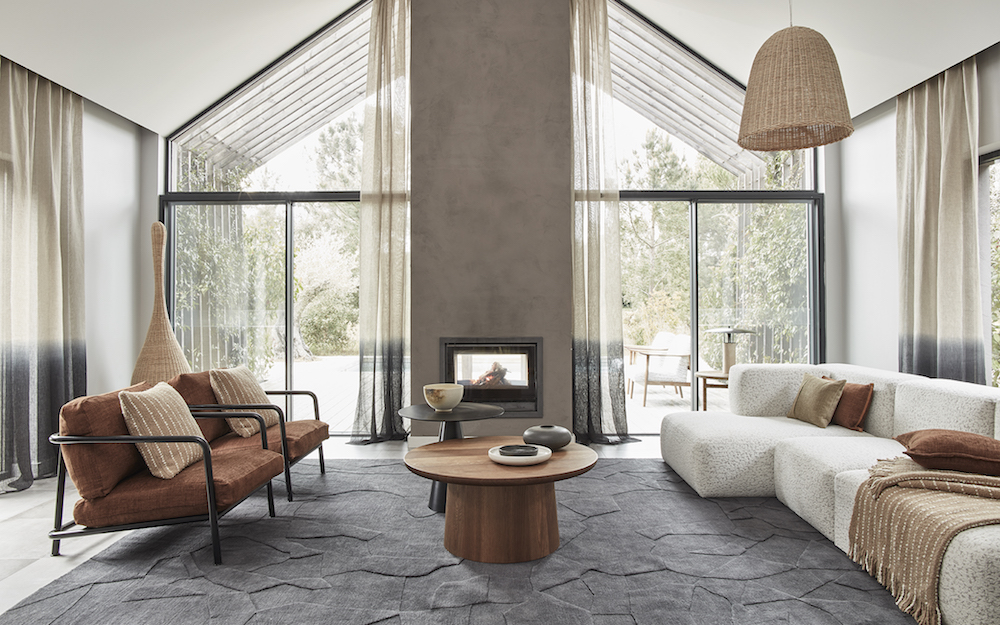
RH: The inspiration behind the Dune Collection was the coast of Comporta, Portugal. I was inspired by the rugged coastline and the textured cork trees, combined with the sandy dunes and sparkling waters. I wanted the collection to have that relaxed and serene vibe of the shoreline but with dramatic elements. The first piece that I started playing with for this collection as the primary inspiration was the Watercolor Fabric. The colorway was the base that I began to develop the color palette around.
For Spring I generally like to include blues in different ways. With this collection, the soft and sandy shores were represented by lighter neutrals and soft blues. From there, I wanted to inject drama with the rich and rustic hues that were inspired by the landscape.
RPS: Did you have a specific audience or theme that you had in mind?
RH: My designers and clients enjoy a comfortable luxury. A space that is layered in texture and visual eye candy. I always like to bring them staple pieces in each collection. Pieces that can be paired with something a little more whimsical, or bring a bold statement, so they have choices to pull from the collection to create any space or vibe they are envisioning.
RPS: Please describe the methods, tools, and materials you used to develop and prototype this design?
RH: I work with a lot of sketches. I send them back and forth to my mills and we begin to find ways to bring the product to life. I then start to develop the yarns that I want to use and play around with how to apply them to my vision for each product and how they will pair together.
RPS: Did you utilize a new technique or technology to conceptualize this product?
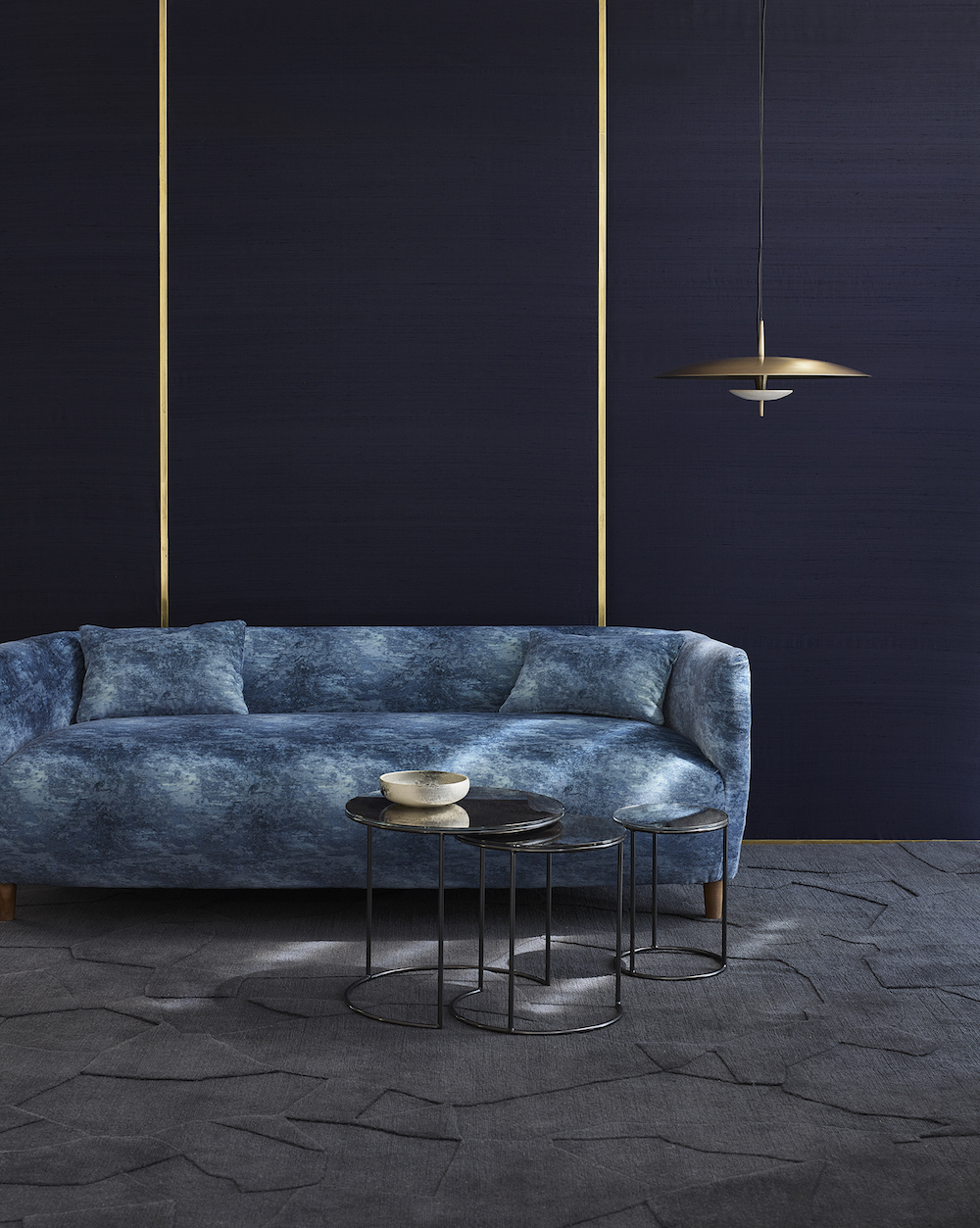
RH: The heart of my brand and my true passion is creating things by hand. The artisanal part of the process is a very important part of what I do, and I think that when something is made by hand, you can feel that in the end product. Having said that, it’s always fun to incorporate something new and take advantage of technology, so for this collection, I included a printed velvet.
RPS: Please describe any challenges that affected the design and perhaps steered you to an entirely new final design?
RH: I love that within the artistic process, when you do have challenges, it can take you down a different road than what you expected to begin with. With the new tutu fringe on our Chalk Stripe throw, I hadn’t originally conceived it with the longer fringe. When we got the development back, it was unfinished with some extra-long layers of yarn hanging from the ends and I loved that so I decided to develop the final product with this beautiful long fringe of boucle yarn.
RPS: Describe your overall brand DNA and Ethos.
RH: Creating a sustainable luxury product that I am passionate about, while also supporting the native communities that I work with. When I first traveled to Peru over 20 years ago, I fell in love with alpaca and the local artisans. The alpaca fiber and the artisanal nature of my products are what I really focus on. By keeping true to the craft, it brings a real sense of place, and authenticity to the textiles. I also truly enjoy being able to continue to impact the communities where my artisans live. Over the years I have developed deep and personal connections with them, and I have enjoyed being able to provide jobs through generations of families. I love to see the ancient techniques being handed down through the families and to be a part of keeping these traditions alive.
Click here to see more of our “Anatomy of a Design” series.
Like what you see? Get it first with a subscription to aspire design and home magazine.