

aspire design and home proudly presents The Art of the Home, a transformational designer showhouse set within a breathtaking 13,000-square-foot estate in Upper Saddle River, New Jersey. This curated exhibition of world-class design, architecture, and fine art will run from September 19 through October 19, with an Opening Night Event to benefit the Tunnel to Towers Foundation on September 17.
Each Tuesday and Thursday, we’re spotlighting a different designer whose creative vision is shaping this bold, curated home. From behind-the-scenes peeks to personal stories, you’ll get an inside look at the minds reimagining what a home can be. Today, we take a look at the library by Easton Grey Studio.
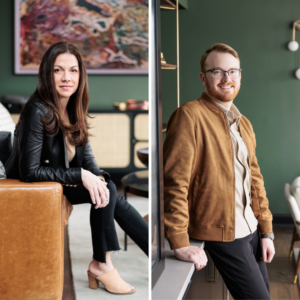

Originally from the west coast of Ireland, Patrick studied interior architecture and brings over a decade of residential design experience to the studio. After working in Dublin and Toronto, he joined Megan in 2018 and has since become known for his ability to craft beautiful, functional family homes. Patrick approaches each project as a collaborative journey, drawing on deep client relationships and a commitment to design excellence.
Together, Megan and Patrick are thrilled to present their work for The Art of the Home — a celebration of innovation, artistry, and the collaborative spirit that defines Easton Grey Studio.

Tell us about your concept for the Aspire Showhouse — what inspired your approach to the room?
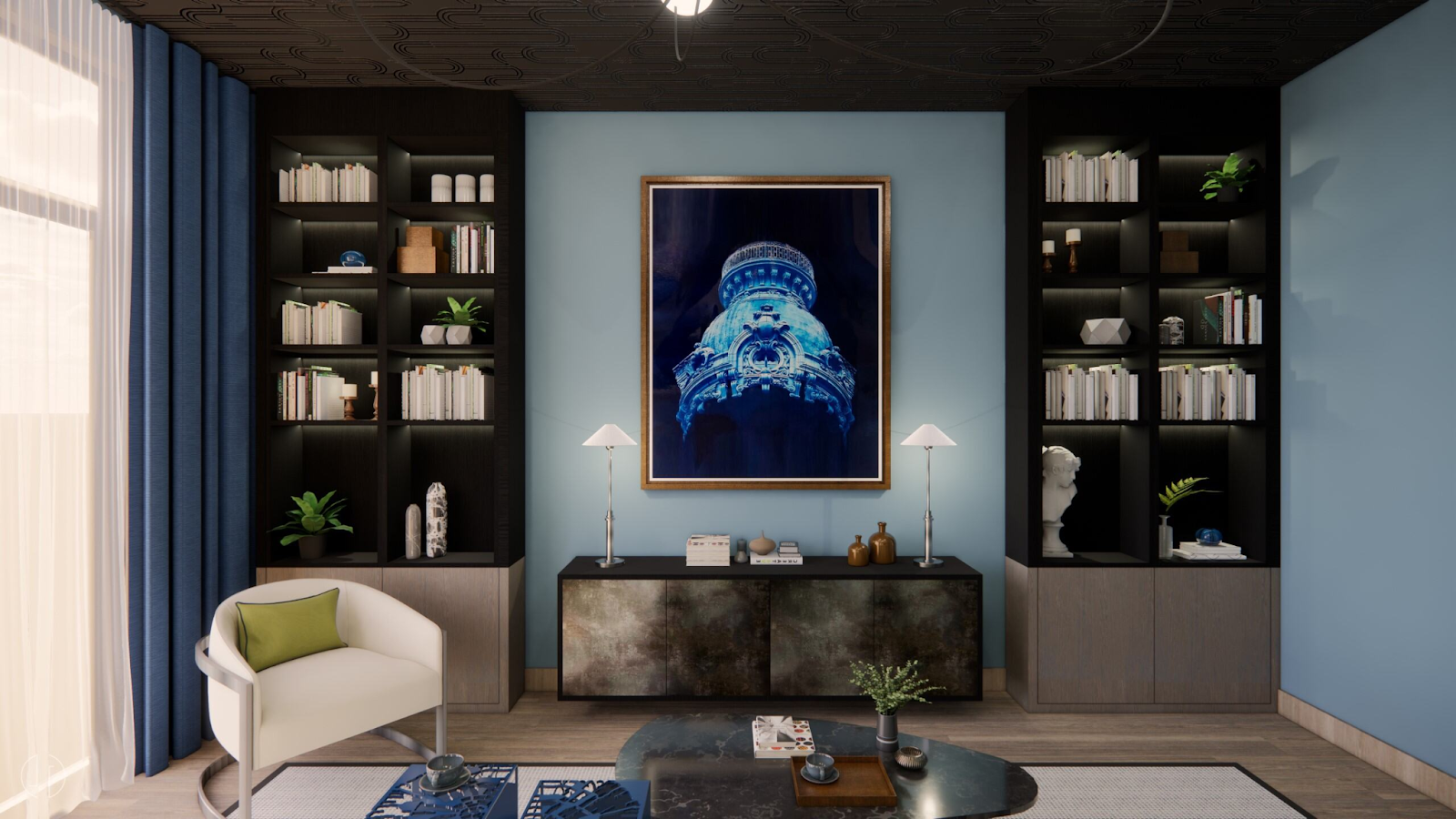
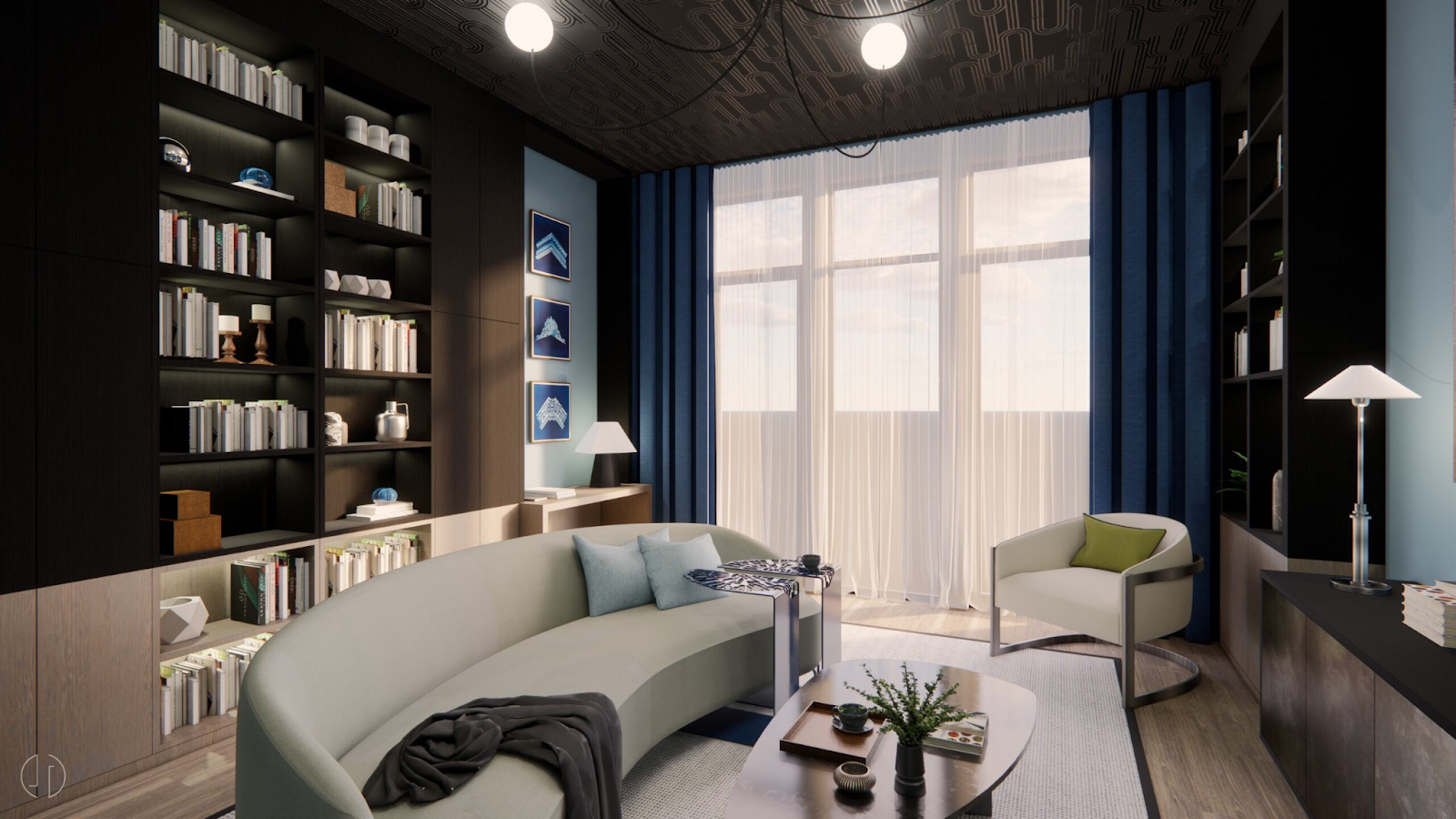
We wanted to reimagine the traditional idea of a library. Typically, libraries conjure images of dark green walls, heavy upholstery, leather and warmer woods like walnut and teak; spaces that feel heavy, even austere. Our goal was to go in the opposite direction and design a library that felt light, restful and calming, more like a retreat than a study.
Additionally, we were inspired by the idea of flipping the usual “new meets old” approach. Instead of starting with a historic palette and layering contemporary elements, we started with a clean, contemporary foundation and then wove in pieces with historical references. The result will be a space that nods to tradition but feels entirely fresh. It invites you to slow down and unwind, not just to read or work, but to simply be. This library isn’t about hushed seriousness; it’s about quiet comfort. It’s a redefinition of what a library can be: serene, soulful and entirely unexpected.

How did you begin the process — was there a single material, color, or image that set everything in motion?
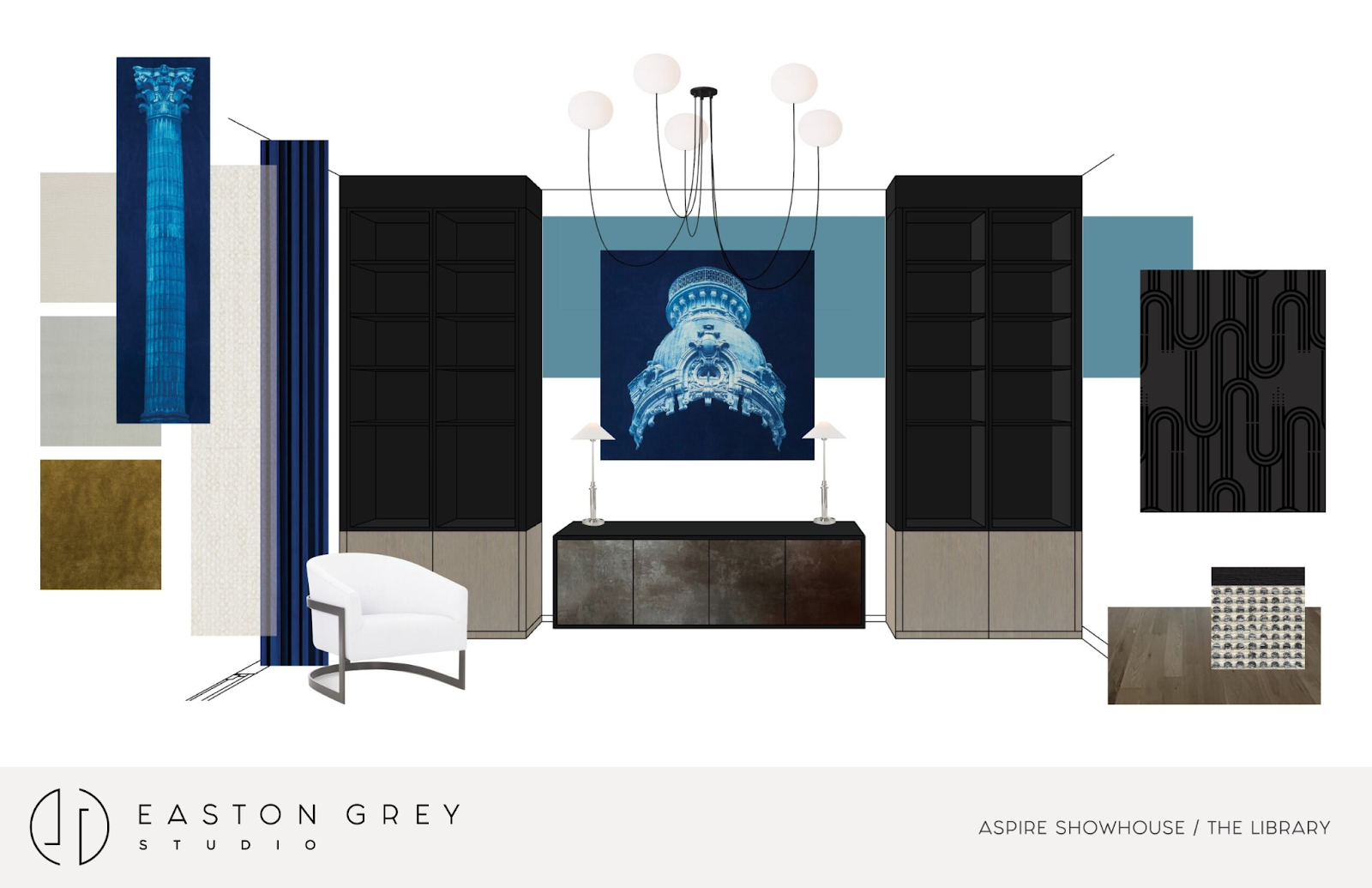
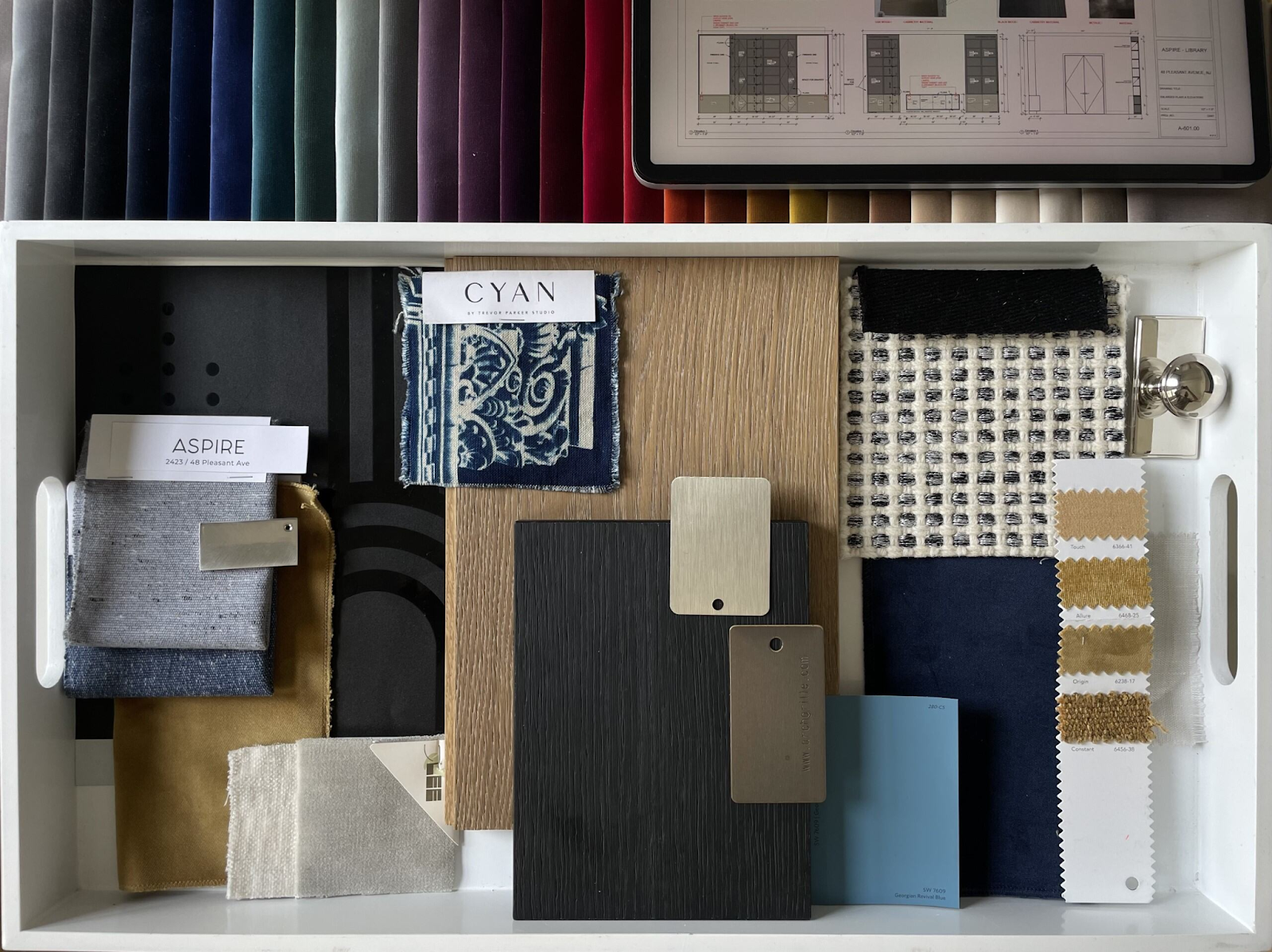
The process truly began with the work of our friend, artist and photographer, Trevor Parker. Just as we were invited to join the showhouse, Trevor had started a new collection of cyanotypes, and we were immediately drawn to them. His pieces became the very first selections for the space and set the tone for everything that followed.
Trevor’s work captures architectural details from around New York City using the historic cyanotype process, a technique that dates to the 19th century. What we loved was how he took this old, almost forgotten method and made it feel fresh. The rich indigo tones and bold, graphic nature of the images provide a powerful contrast to the room’s soft, serene elements, introducing a sense of history without relying on conventional or expected traditional design elements.
His art became our conceptual anchor: a way to bridge past and present visually and emotionally and everything else unfolded from that point.
Designing for a showhouse comes with a unique kind of freedom. How has that influenced your process so far?
Interestingly, that freedom was almost more challenging for us. Our work is typically rooted in our clients (their lives, their tastes, their stories), and that personal narrative is what drives our design process. So, approaching a space without a client at the center initially felt a bit unmoored. We don’t usually design in a vacuum, and we didn’t want the result to feel purely decorative or conceptual.
That’s why starting with Trevor Parker’s artwork was so important. His cyanotypes gave us more than just a visual direction, they gave us a story to tell. Because he’s a friend and someone whose work we deeply admire, it immediately felt authentic and personal, not contrived. It grounded the space in something real and meaningful, which allowed us to design with the same intention and depth we bring to every project.
Were there any creative challenges you’ve had to navigate already — or ones you’re anticipating?
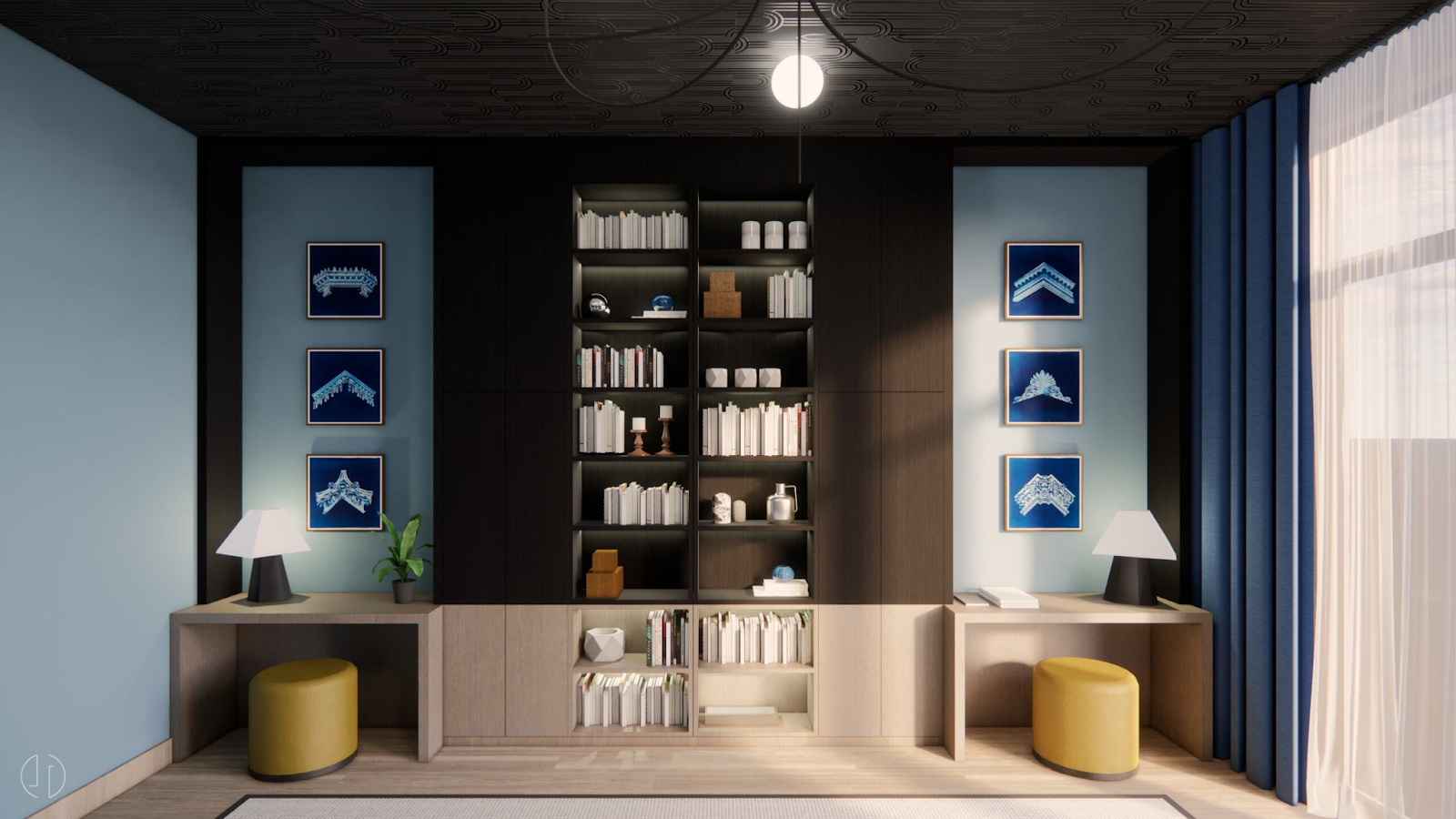
One of the biggest challenges we’ve faced so far was having to change our cabinetry manufacturer mid-process due to product availability. Since the library is so centered around the millwork, this was a significant concern. The cabinetry isn’t just functional; it defines the tone and architectural presence of the room, so we couldn’t afford to compromise on quality or detail.
Fortunately, we found a new partner who not only understood the design intent but also shared our passion for craftsmanship. They were able to step in seamlessly and bring the same level of care and precision we had originally envisioned. In the end, it reinforced how important it is to work with collaborators who really connect with the spirit of a project, as it makes all the difference.
How would you describe your room in three words?
Unexpected. Restful. Grounded.
What’s your relationship to scale? Are you leaning into drama, intimacy, or a mix?
We aimed for a thoughtful mix of both. The room has beautiful tall ceilings, and we wanted to honor that vertical scale. There’s a natural sense of drama in height, and we didn’t want to ignore it. But at the same time, we were careful not to let the space feel imposing or cold.
To strike that balance, we played with materials and tone within the millwork. We used lighter woods on the lower sections of the cabinetry to visually anchor the room at floor level and create a sense of warmth and approachability. It subtly draws the eye downward, encouraging a more intimate experience within the space, even as the architecture reaches upward. It was important to us that the room feel expansive but still comfortable.
What’s one design “rule” you’re intentionally breaking in this space?
The old saying “black and blue should never be seen” is one we intentionally pushed back on in this space. It’s an outdated opinion, but still a combination people debate. As we have selected Georgian Revival Blue from Sherwin-Williams to extend the deep indigo tones of the artwork, we wanted to add another color to the space. But instead of steering away from black, we chose to embrace it, using black in the cabinetry and the ceiling wallpaper to ground the palette and complement the richness of the blue rather than compete with it. When used thoughtfully, black and blue can feel incredibly sophisticated and modern.

If someone wanted to take inspiration from your showhouse concept and bring it into their own home, where should they start?
Starting with artwork is one of the most powerful ways to begin a design. Instead of simply replicating trends or styles, choosing a piece you truly love, one that speaks to you or tells a story, helps create an authentic palette and atmosphere. The colors, textures and emotions in the art become a foundation that guides your choices and makes the space feel personal and meaningful.
It also doesn’t need to be artwork. We had a client who shared wedding photos as they wanted to replicate the color palette they had on their special day. From an outsider’s perspective, it was a simple, timeless palette, but to them, it told a story of the beginning of their married life.
How does this showhouse project connect to your broader body of work or current design direction?
Bespoke millwork and cabinetry have always been at the heart of our projects, which made the library space a natural choice for us. We love how custom craftsmanship can define a room’s character and create a sense of timelessness. At the same time, incorporating bolder colors is something we’re increasingly exploring in our work. It adds personality and energy while still feeling thoughtful and refined. This project allowed us to bring both those elements together in a way that’s very true to our evolving design vision.
When you look at your rendering now, what excites you most about seeing it all come together?
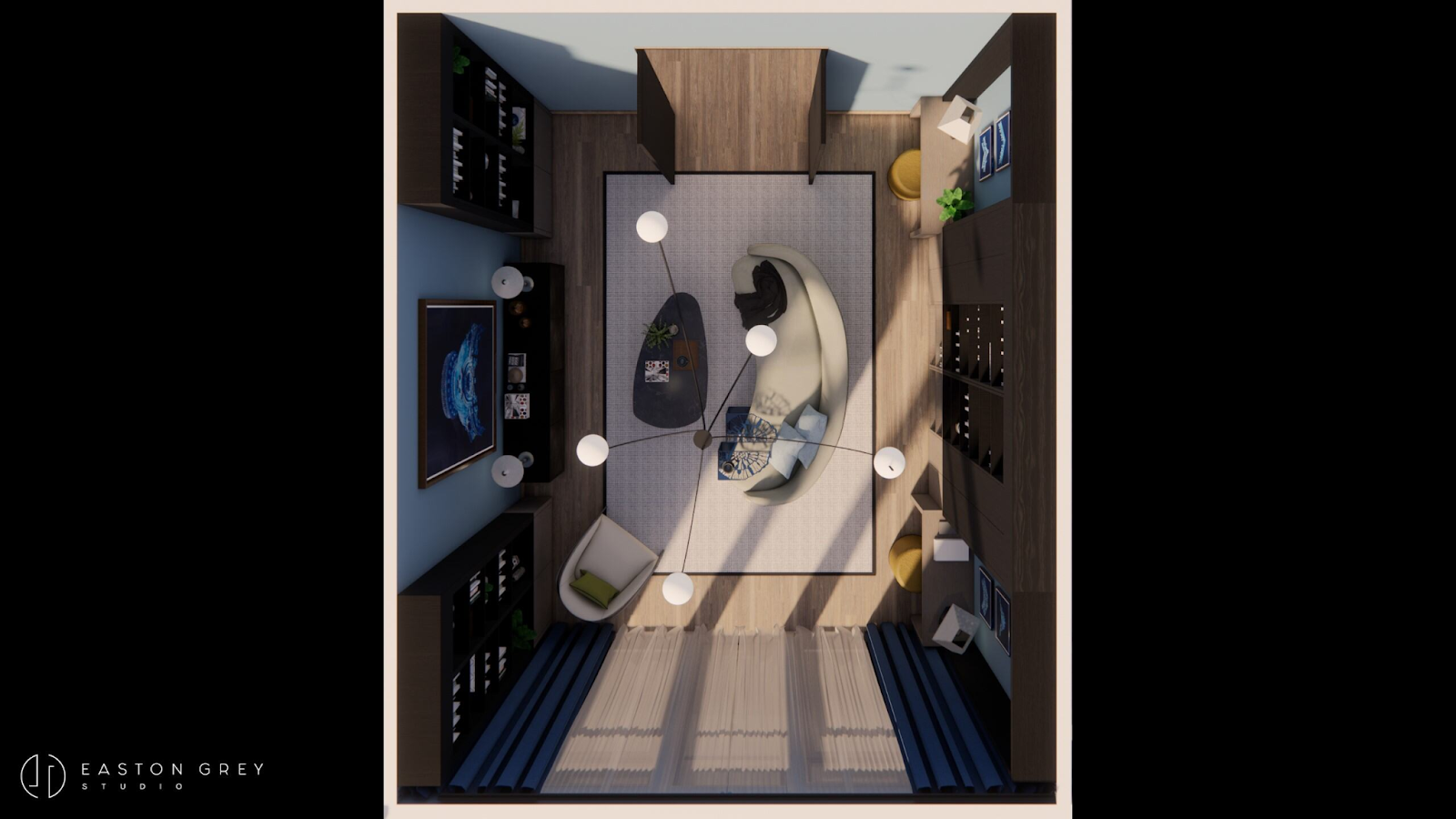
What excites us most is seeing a space come to life that’s built through meaningful partnerships; working with some of our favorite brands and vendors has been incredibly rewarding. The rendering gives us a sense of the design, but what we’re really looking forward to is how the space feels in person. That emotional response — how people connect with the materials, the light, the energy of the room — is something no 3D image can fully capture. That’s when the design truly comes to life.
Purchase tickets to tour The Art of the Home here.
Like what you see? Get it first with a subscription to aspire design and home magazine.