


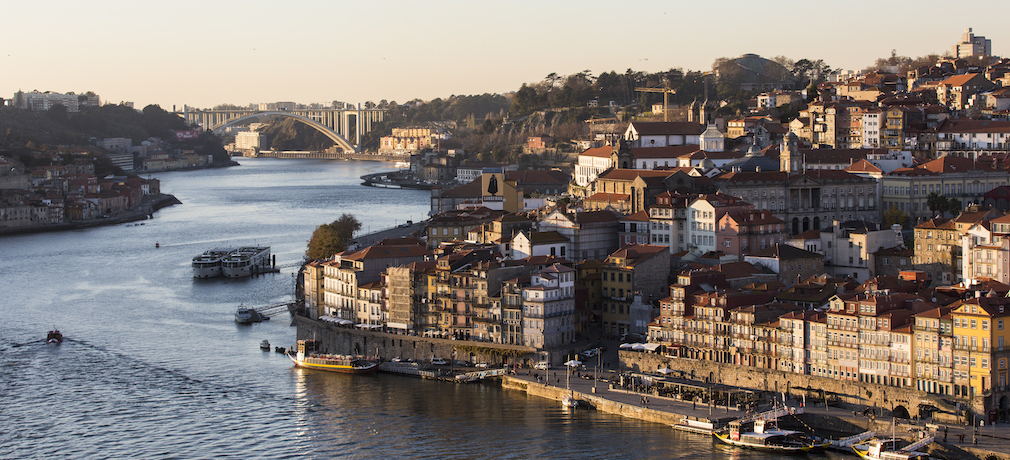


The Douro River divides Porto, Portugal’s vibrant second city, which is celebrated for its namesake drink and rich design heritage.
Porto is famed for its namesake drink but there’s much more to this city than dessert wine. Think of Porto as the smaller, cooler cousin of Lisbon. Portugal’s second-largest city is nestled along the Douro River and its unique design personality shines through in its colorful azulejo tiles, Baroque architecture and crumbling grandeur.
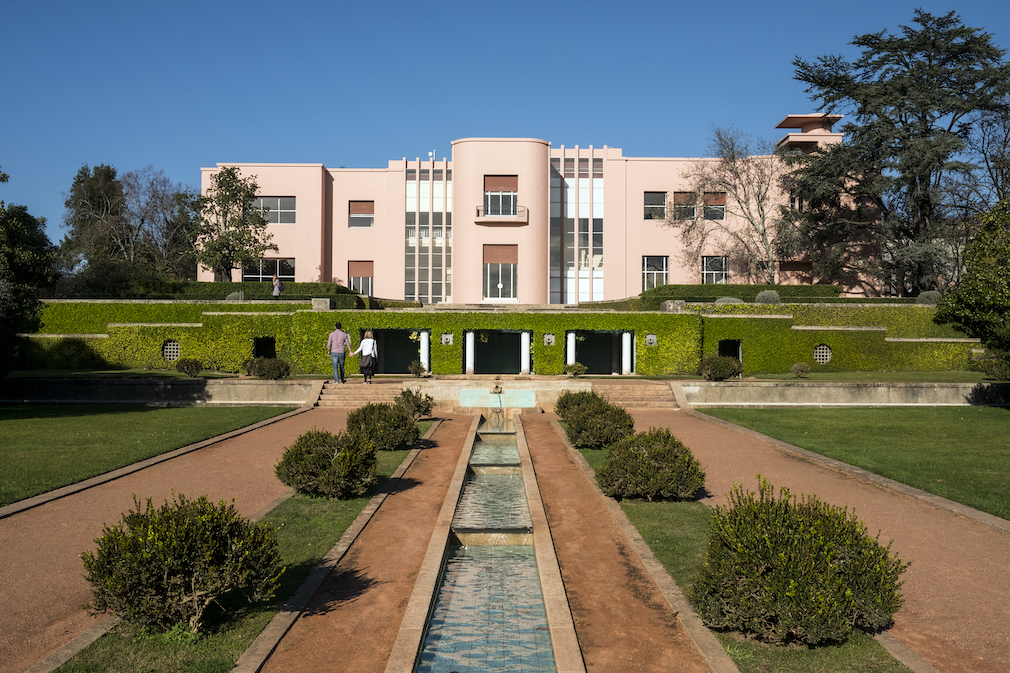
The Serralves Art Museum features an Art Deco villa as well as an expansive park dotted with sculptures.
Kick off your Porto stay by exploring the sprawling Serralves Art Museum, just outside the city center and easily reached by Uber. This contemporary art complex highlights art, architecture and the environment. It’s home to an Art Deco villa as well as a leafy park dotted with sculptures and a treetop bridge walk. The Pritzker Prize-winning architect Álvaro Siza Vieira designed the main museum’s new wing, which debuted in 2024.
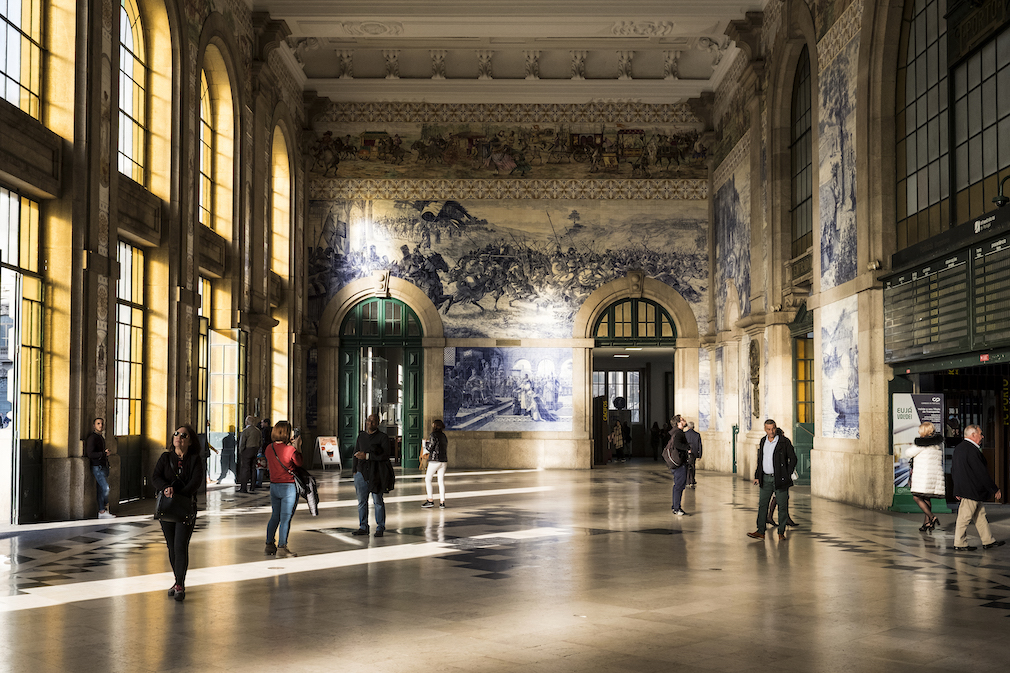
São Bento train station showcases one of the most stunning displays of azulejo tiles in Porto.
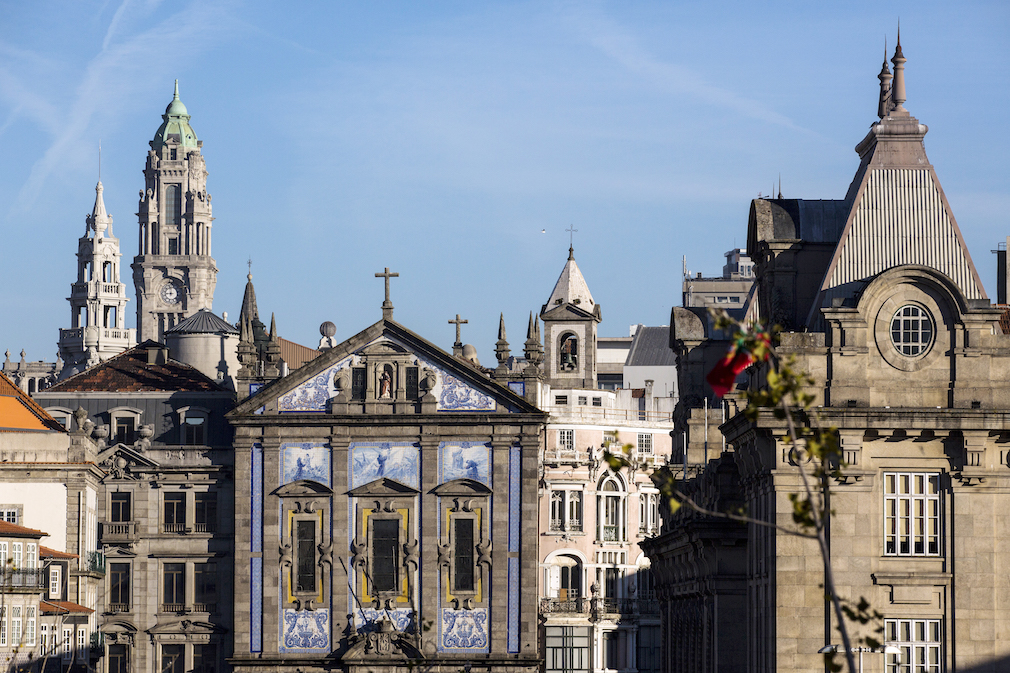
Just steps from São Bento, the facade of Igreja de Santo António dos Congregados is clad in bold tiles.
Stroll through the narrow streets of the historic Ribeira neighborhood, a UNESCO World Heritage site, and look for facades clad in colorful azulejo tiles. Head to the lobby of the Beaux Arts São Bento train station where 20,000 floor-to-ceiling tiles depict historic battles and the evolution of transport. Don’t miss the vibrant blue exterior of the Igreja do Carmo church or the stunning azulejo-covered Capela das Almas church, located on Porto’s busiest shopping street, Rua de Santa Catarina.
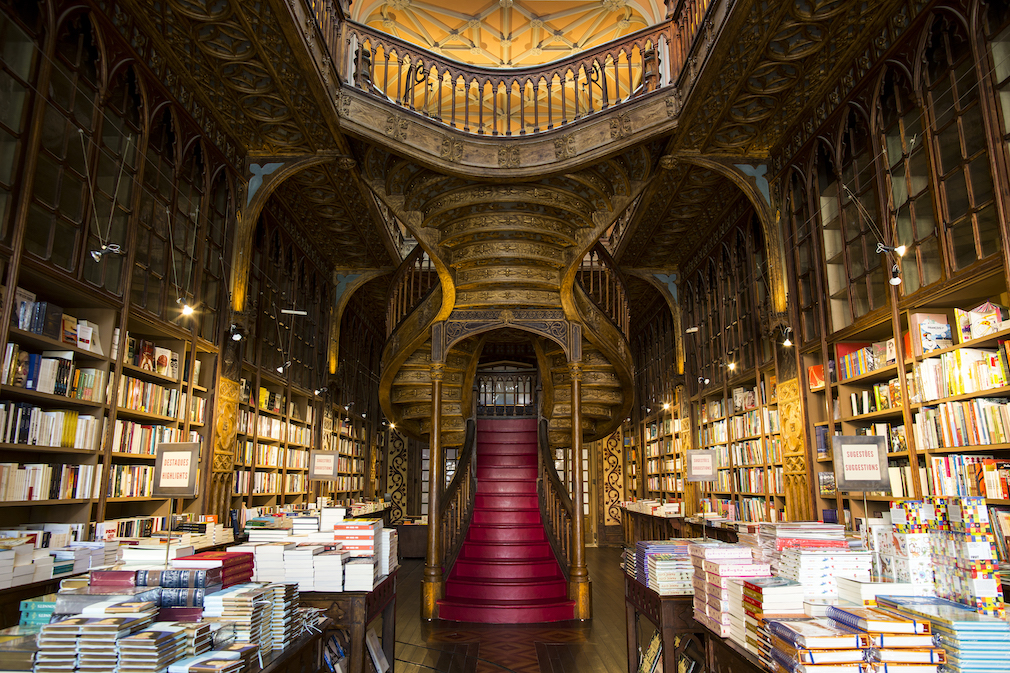
Livraria Lello, famed for its intricate staircase, has been called “the most beautiful bookstore in the world.”
Livraria Lello bookstore offers a different kind of beauty. This lavish neo-Gothic confection conjures Harry Potter fantasies with its intricate double spiral staircase and stained glass skylight. Often called “the most beautiful bookstore in the world,” it’s worth braving the crowds for a glimpse.

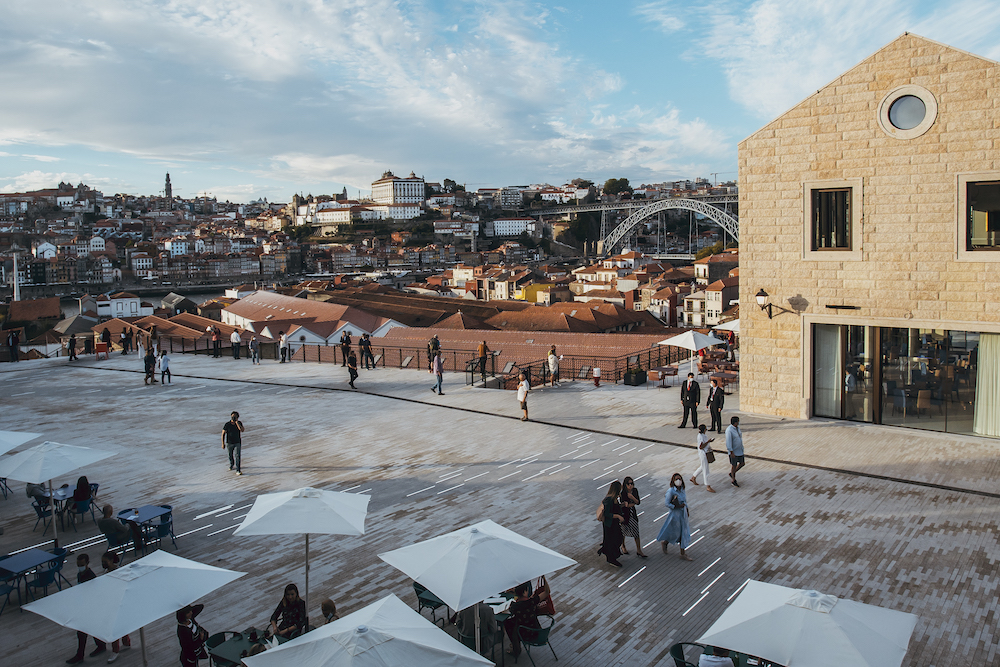
WOW cultural complex features food-and-wine-themed museums along with artisan craft shops.
The Douro River divides the city into Porto and Vila Nova de Gaia neighborhoods. Gaia is where port wine is aged and stored in cellars and some of the biggest names here are Taylor’s and Sandemans. Walking across the double-level Dom Luís I Bridge is a must, or sign up for a Six Bridges boat tour to soak in the city’s architecture as you pass under the bridges connecting the city. Post tour, head to the WOW cultural complex, housed in a series of renovated port wine warehouses. The center features food-and-wine-themed museums and artisan craft shops. Best buys include jewelry made from vintage tile shards and handmade, horsehair wooden brushes.

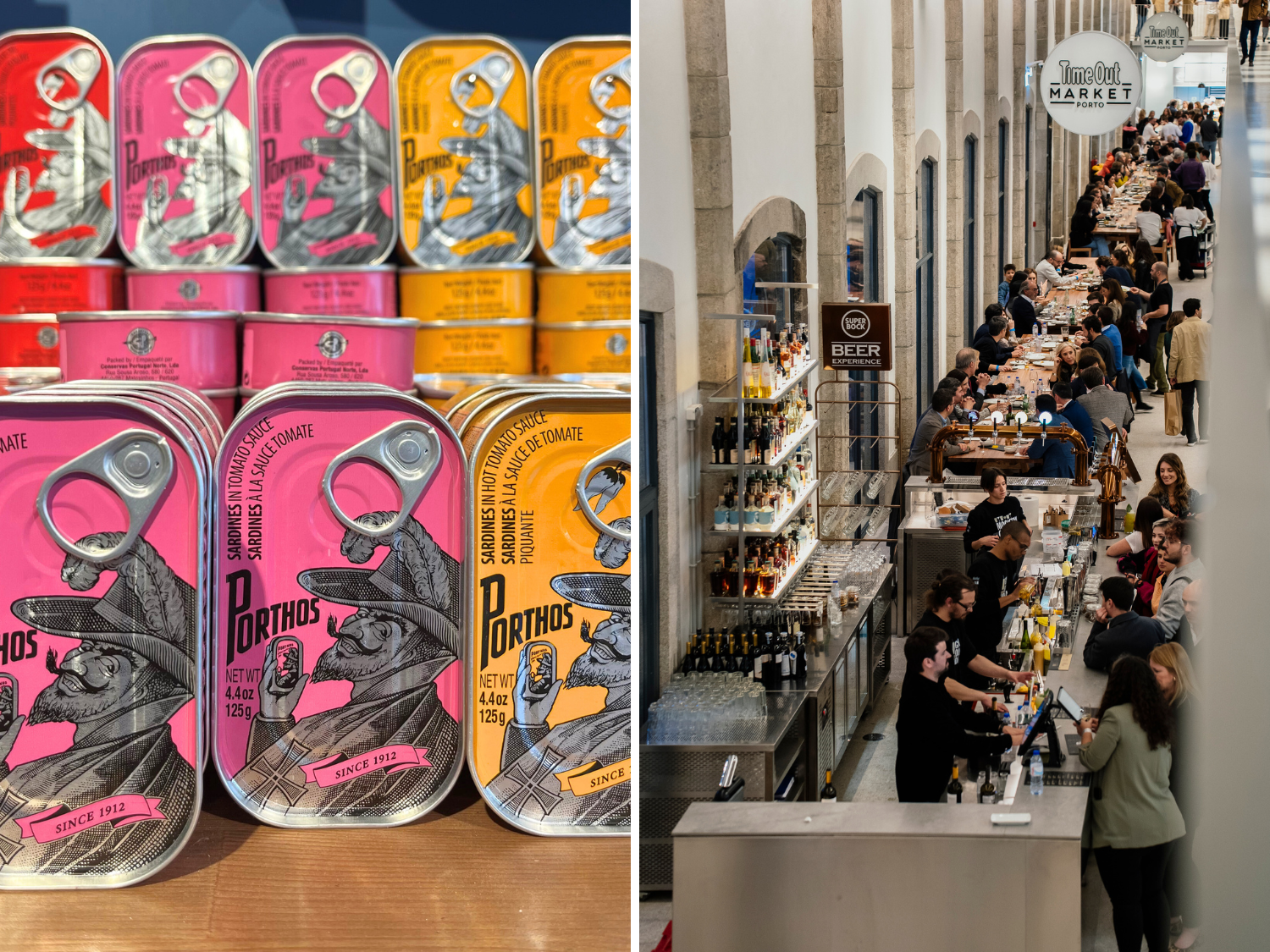
Tins of Portuguese sardines (left) are beautiful and delicious souvenirs. Sample delicacies like octopus rice at the Time Out Market (right).
Save room in your suitcase for colorful tins of Portuguese sardines from The Fantastic World of The Portuguese Sardine. Meia Dúzia looks like a high-end jewelry store but sells TSA-friendly tubes of Portuguese delicacies like green olive paste and orange and pumpkin chutney. Stop by Vinte Vinte for beautifully packaged chocolates, and browse the wooden bicycles and cork and leather handbags at MUD (Manufacture Under Design). For a unique souvenir, pick up a print made with black squid ink at Squid Ink Works.
For a caffeine fix, visit 7G Roaster, a combination cafe and apartment block housed in an old warehouse. Linger over tea and pastries at the elegant, book-filled Florbela, a tribute to the Portuguese poet Florbela Espanca. Eat your way through the stalls at the new Time Out Market, sampling dishes like octopus with rice and suckling pig. Don’t miss the cheese, dried ham and pastel de nata pastries at Mercado do Bolhão, which recently reopened after an upgrade. For fresh seafood, dine at Ostras & Coisas, an intimate spot that feels like eating in an antique home.
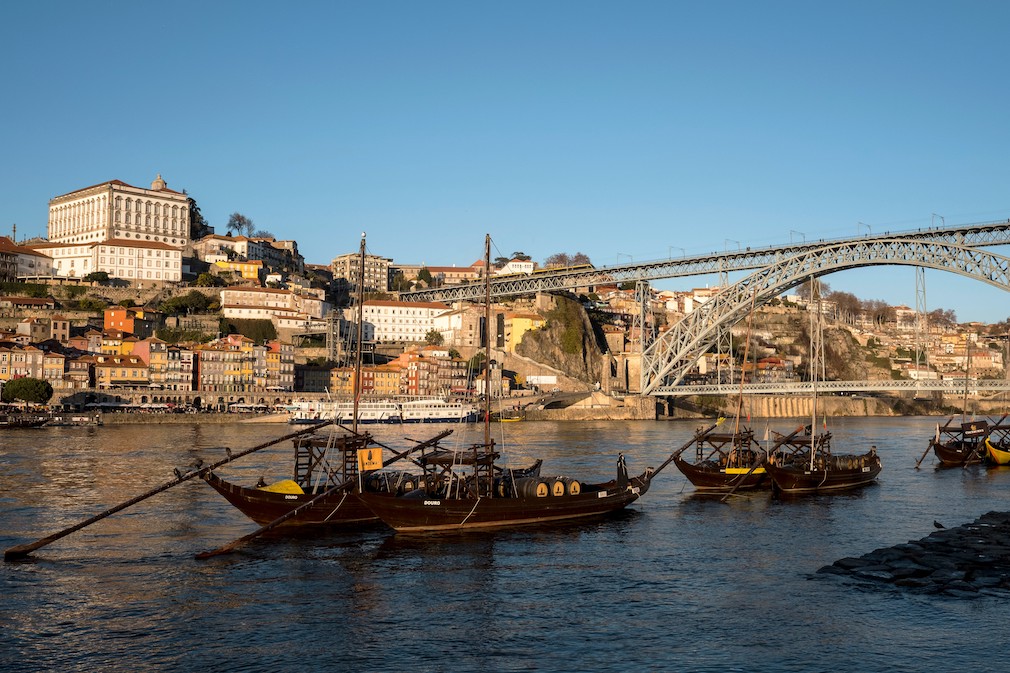
Sail under Porto’s Six Bridges on a traditional Rabelo boat, used to transport port wine from the Douro Valley.
Stay at the centrally located Catalonia hotel which features a contemporary design and one of the few outdoor pools in Porto, while font geeks should consider the boutique Tipografia do Conto, a typography-themed hotel housed in a former graphic arts center.
Photography courtesy of Porto Tourism.
Like what you see? Get it first with a subscription to aspire design and home magazine.