


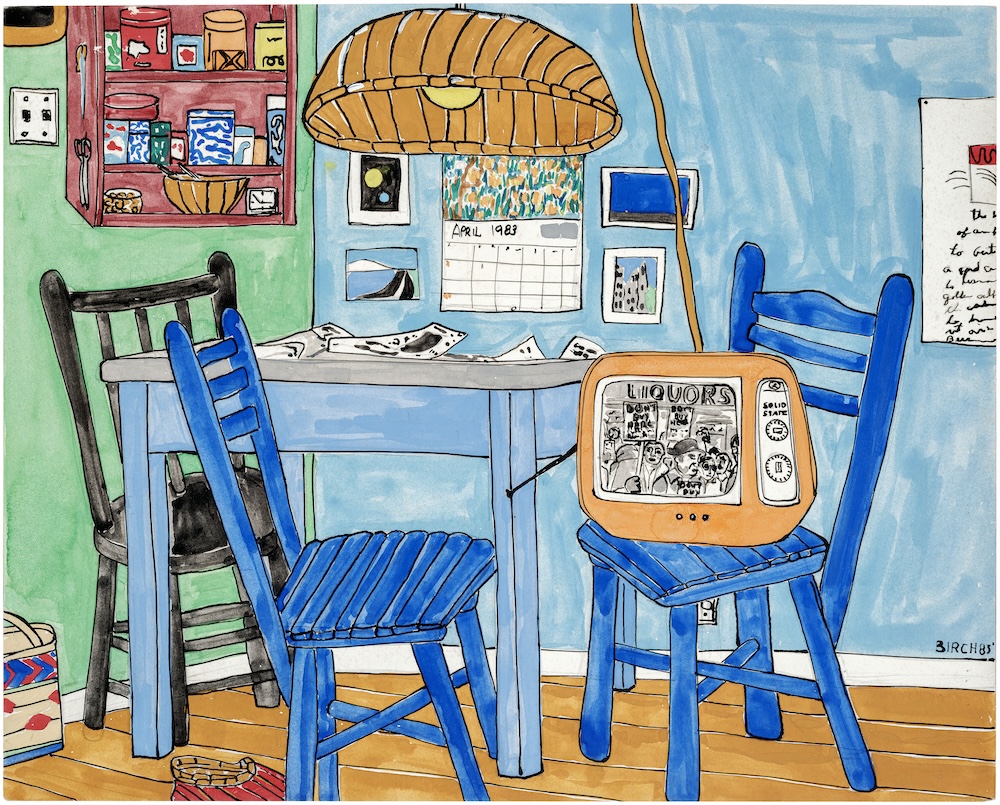

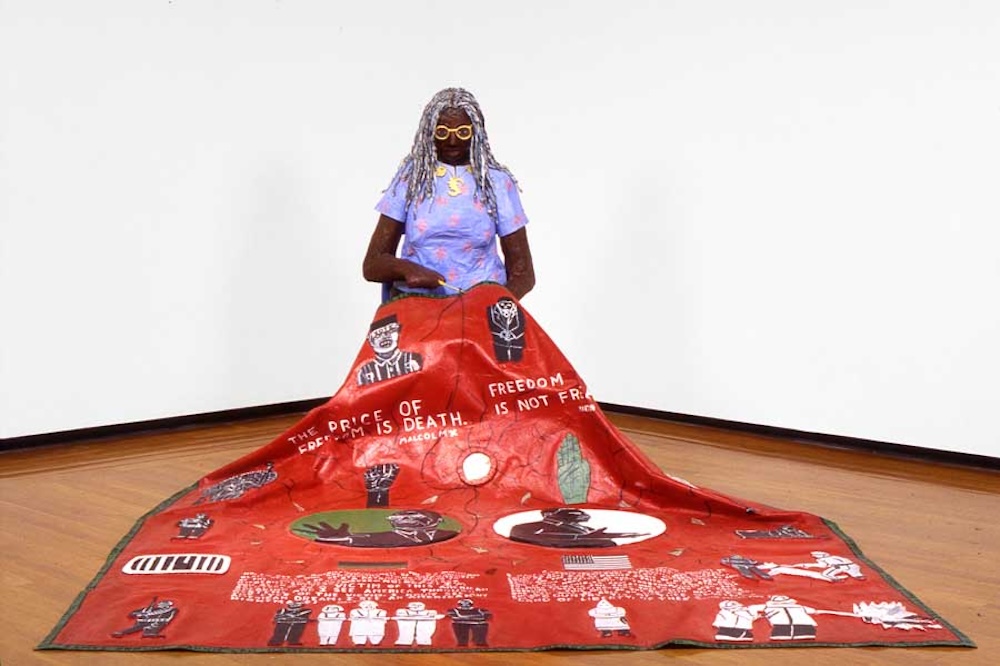
“Memories of the ’60s”, 1992; Photo: Sesthasak Boonchai
Today marks the start of Willie Birch: Stories to Tell, the American Federation of Arts’ (AFA) national tour chronicling the groundbreaking artist’s singular vision of the Black American experience. The exhibition is co-organized with the New Orleans Museum of Art, and features six decades of work (from the late 1960s to the present), representing Birch’s first career retrospective of this size and scope.
The exhibition has been booked by museums in several cities, including: the California African American Museum in Los Angeles (May 5, 2026 – Oct. 21, 2026); New Orleans Museum of Art (March 20, 2027 – Sept. 5, 2027); Museum of Contemporary Art, Jacksonville (Oct. 28, 2027 – May 14, 2028); and the Hudson River Museum, New York (Sept. 22, 2028 – Jan. 14, 2029).

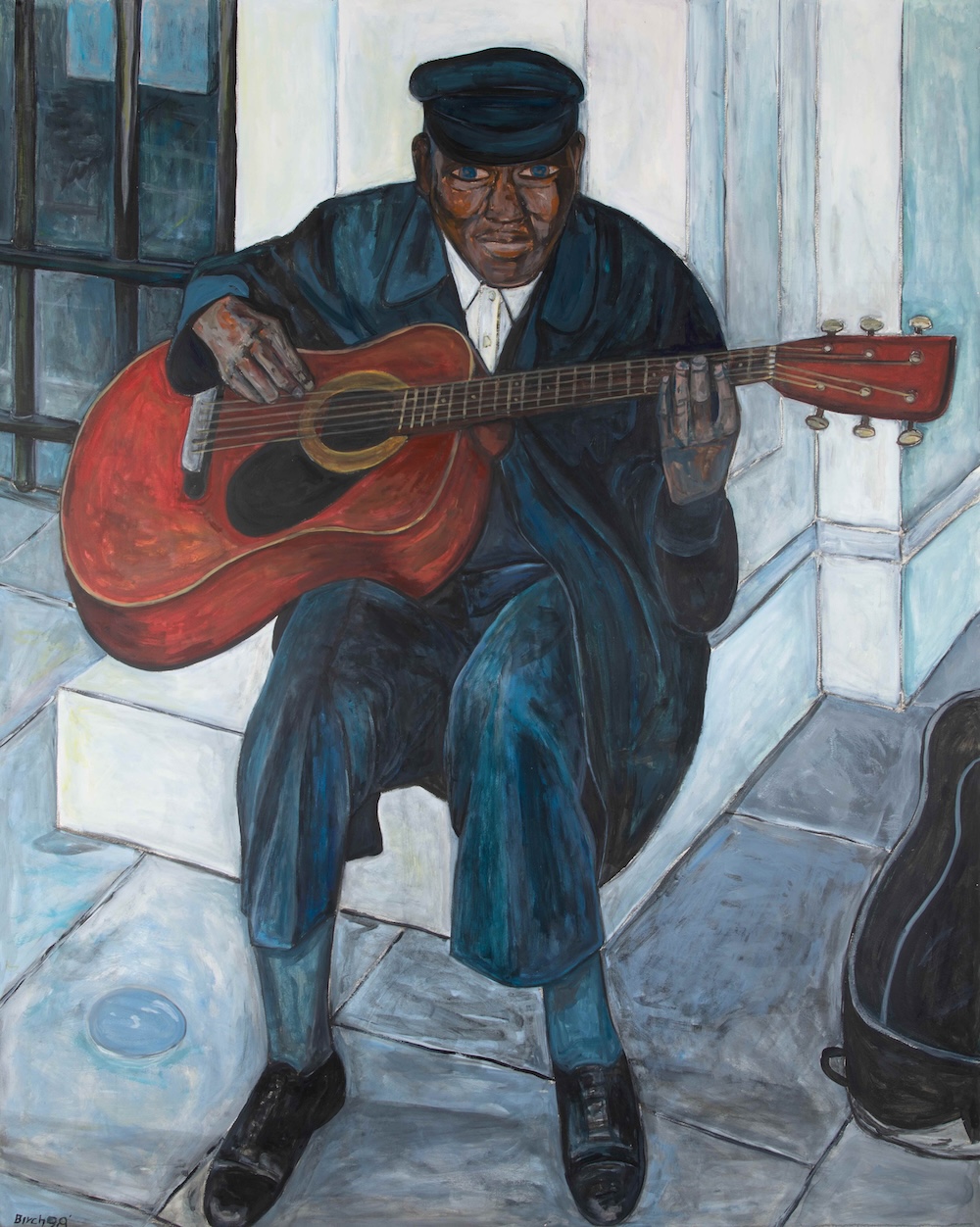
“Street Musician with Guitar”, 1999; Courtesy Pettit Art Partners
A New Orleans–based artist, Birch is a cultural provocateur and community organizer who has devoted his artmaking career to storytelling. “Content dictates process. I care about the story. The process I use for the work comes after I have a story to tell,” he shares. His incisive art features a wide variety of media, including paintings, large-scale drawings, wood and papier-mâché sculpture, and public art commissions. Birch draws on sources as diverse as jazz music, Egyptian numerology, and American folk art.
“Willie Birch’s work does not shy away from the complexities of race, poverty, and systemic inequity, nor does it romanticize struggle,” says Pauline Forlenza, the Director and CEO of the AFA, in her foreword to the exhibition catalogue. “Instead, his art holds space for contradiction — pain and joy, vulnerability and pride, endurance and resistance. Whether exploring the quiet dignity of his neighbors or the complex history of African traditions in American culture, Birch’s eye is unwavering and empathetic. He speaks to us from the corner of the block, from the front porch, from within the beat of the brass band and the shade of the live oak. Birch has created a body of work rooted in the everyday lives, struggles, and joys of the Black community,” says Forlenza.

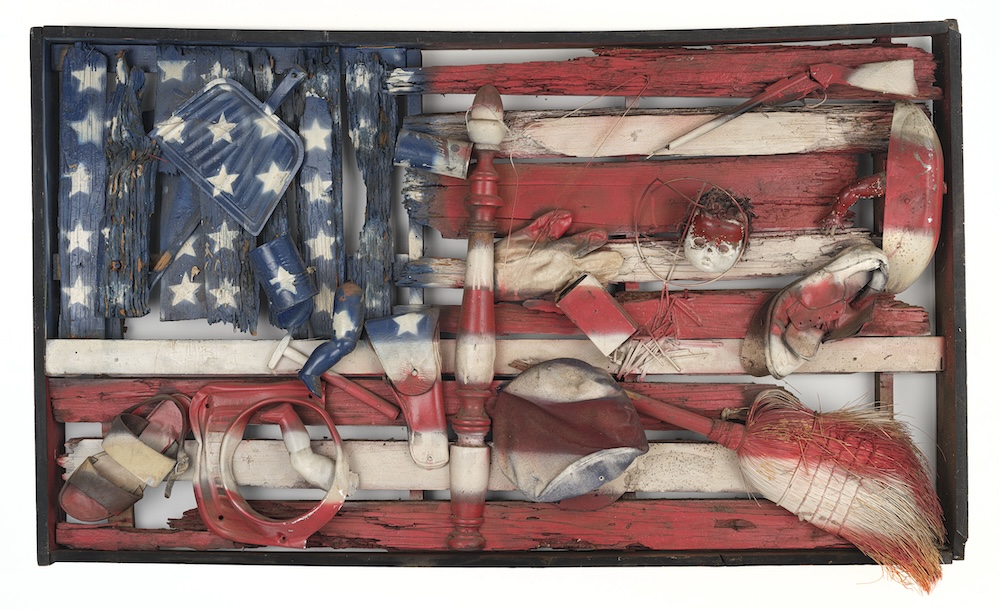
“Two Faces of a Nation”, 1968; Photo: Sesthasak Boonchai
Throughout his career, Birch has explored how African traditions have been retained in music, art, and culture in America and beyond. The artist questions why certain things are retained and not others, unearthing uncomfortable truths about American identity, but also offering possibilities for greater cultural awareness.
The exhibition is organized chronologically and in three major sections, beginning with Birch’s earlier work in the late 1960s, continuing through his shift towards papier-mâché in the 1980s, and closing with large-scale charcoal and acrylic works on paper. Major installation works will be interspersed in these sections, ideally separated in their own small gallery spaces. More than 80 works will be presented in total.

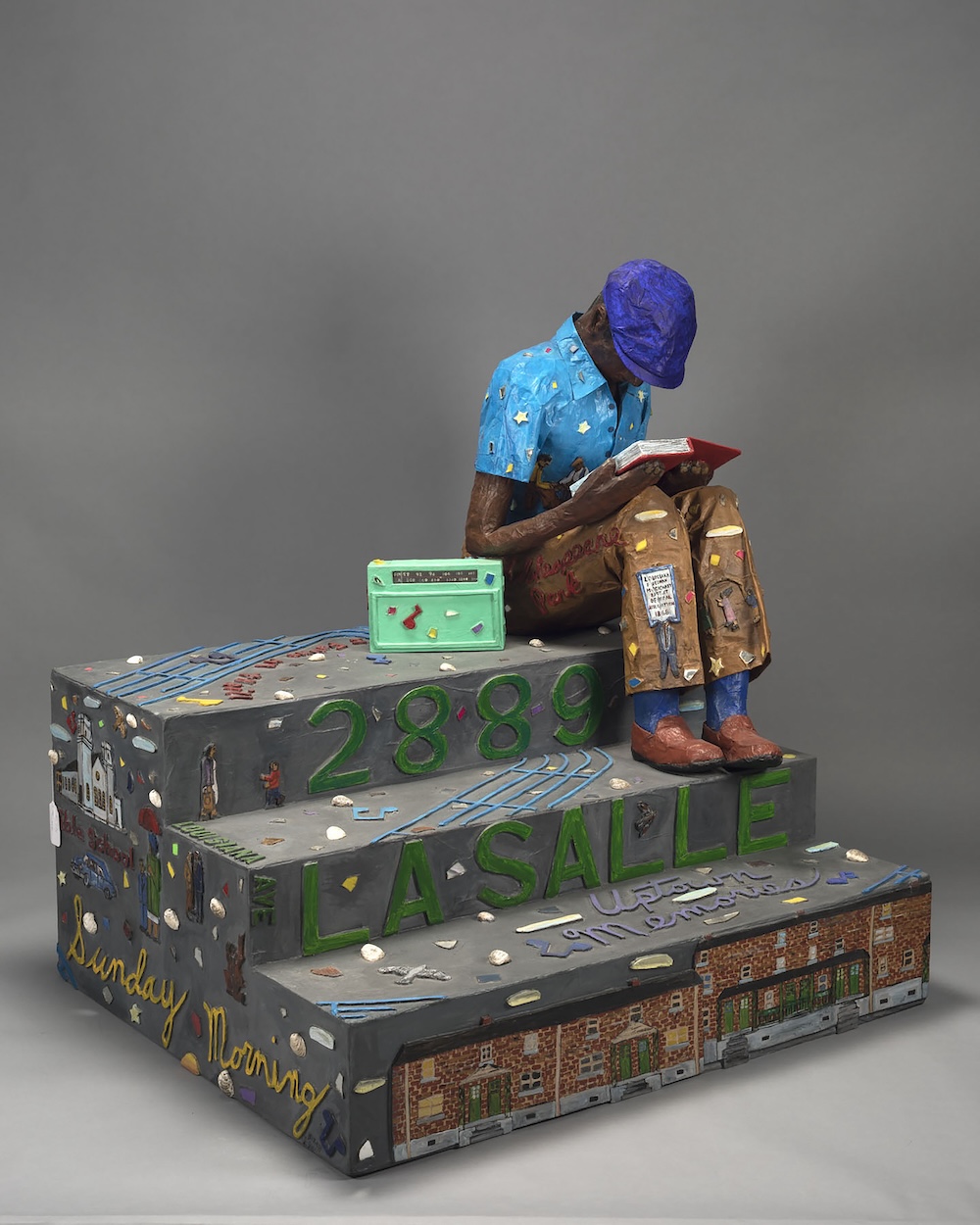
“Uptown Memories (A Day in the Life of the Magnolia Project)”, 1995; Image copyright of New Orleans Museum of Art / Photo: Roman Alokhin
“While these works could not be more diverse in scale and execution, they all share one thing in common: each is designed to convey a narrative,” says guest curator Russell Lord. “In each of his works, we can trace a particular story, ranging from the reverberations of African ancestry in America to the lived experiences of Black Americans before and after the Civil Rights Movement. Being confronted with Birch’s works is very much like the experience of listening to him tell a story directly. The exhibition, and the catalogue that accompanies it, are an invitation to sit in conversation with Willie Birch — to look, to listen, to feel, and to experience the stories he has to tell,” adds Lord.
View the full exhibition details here.
Like what you see? Get it first with a subscription to aspire design and home magazine.