
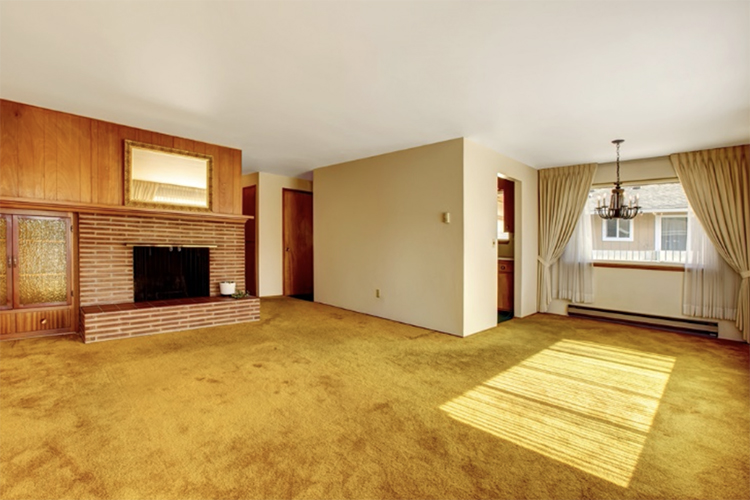
 Finally, millennials are buying homes – but they aren’t buying the homes most experts expected. Instead of the shiny, low-maintenance, new construction homes in the suburbs that baby boomers and gen-x flocked to, millennials prefer to live closer to urban areas. However, because property in these desirable locations isn’t cheap, most millennials are opting for fixer-uppers, which boast dramatically lower initial investments. Plus, millennials love customizing their spaces, and fixer-uppers allow them to make a house into a unique home.
Unfortunately, it takes time, effort and more money to improve a fixer-upper. To avoid losing money on a property investment, millennials – and anyone else interested in purchasing a less-than-perfect house – should use this guide to assessing value and saving money on a fixer-upper.
What Should I Pay Attention to During the Inspection?
The first stage of buying a property is the inspection stage, during which you hire at least one and potentially several home inspectors to find problems with the property. These inspections are critical for fixer-upper investors because they reveal all sorts of mandatory projects – as well as some deal-breakers.
Though buyers will receive a home inspection report from any inspectors, it is best to follow inspectors around the property to understand how they are reviewing the home and receive more in-depth explanations of issues. Then, buyers can make detailed notes of problems in each room and calculate costs before committing to a purchase. Deal-breaking discoveries include:
- Foundation damage
- Lead, Orangeburg or galvanized plumbing
- Aluminum wiring
- Extensive water damage to roof, walls or siding
- Termite or mold damage
Any of the above-problems should prompt buyers to walk away because they are invisible issues that hardly improve property values while costing several tens of thousands of dollars. For older properties, buyers also should perform tests like mold, radon, lead paint and asbestos, all of which are not just expensive fixes but also life-threatening hazards.
 What Repairs and Remodeling Can I Do Myself?
Shows like “Fixer-Upper” make serious remodeling jobs look effortless, but the average homeowner doesn’t have teams of professionals to help with renovations. Buyers need to consider what projects they can tackle themselves and what projects require contractors. To determine this, buyers should research the skills necessary to perform different tasks and achieve professional-looking results, and buyers should understand how much time is required to complete projects. Buyers lacking any remodeling skills or time to devote to their fixer-upper might be better-off investing in a less-needy property or expecting to utilize a contractor for nearly all projects.
How Do I Estimate Costs?
Inspectors will often give buyers reliable estimates for costs of contracted repairs and remodels, but for more detailed break-downs of prices, buyers need to do their own research. Fortunately, the web is filled with tools to help calculate the costs of different home projects. For example, HomeAdvisor allows users to input desired projects and their zip code to receive average prices in specific areas. Buyers can also call local contractors, discuss potential projects and request ballpark bids. For DIY projects, buyers need to perform research on necessary materials and tools. For any project, it is wise to add an additional 10 to 20 percent to calculated costs to cover unexpected problems, which will almost certainly arise.
What Financial Tools Are Available to Supplement my Investment?
Few millennials have the income and savings to pay for a mortgage and extensive repairs and remodeling, so most young buyers will rely on financial tricks and tools to help pay for the home of their dreams. Here are a few common options:
- Home warranty. Insurance will only pay in the event of an unforeseeable disaster, but home warranties will repair or replace covered systems as long as their disrepair is due to age or wear-and-tear. Does home warranty cover water heater, washer/dryer and similar appliances? Usually, but homeowners might need to seek specialized plans for especially unique properties.
- Remodeling loans. There are loans built specifically to address expensive remodeling projects, and some counties and municipalities offer these through home improvement programs (HIPs) to help new homeowners improve property values. What are the benefits of HIP remodeling loans? Often, the interest on these loans is subsidized, meaning homeowners receive nearly free money to remodel their homes.
- Home equity loan. The most common financial tool for remodelers is the home equity loan, which functions more like a line of credit. Homeowners have a certain balance available for repairs and renovations, and they only pay interest on the amount they use. Why is this the most common option? Home equity loans have lower interest rates than credit cards or personal loans, and they are easier to obtain than remodeling loans.
Like what you see? Get it first with a subscription to ASPIRE DESIGN AND HOME magazine.