
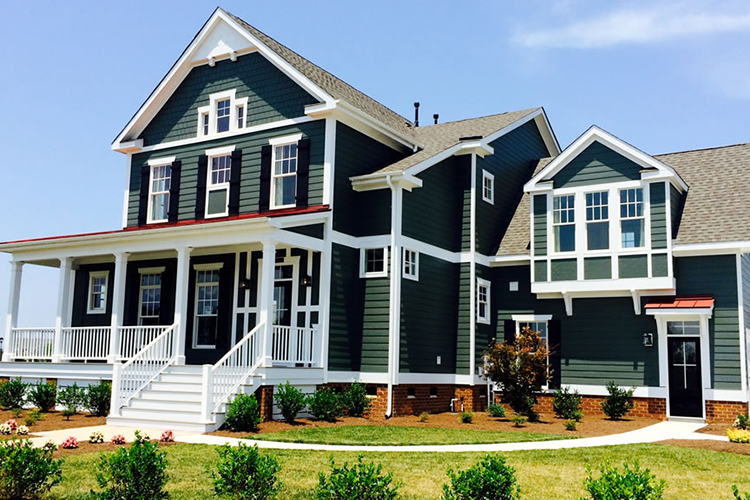
 Today homeowners are asking builders to build homes that are more sustainable. It’s a building trend that’s sweeping across the United States for several reasons. Not only does a sustainable home reduce a homeowner’s carbon footprint, but it can also conserve energy and reduce costs associated with the home. One way homeowners can create sustainable homes is by choosing the right building materials. It’s important to research what options are right for your home, your budget, and deliver the sustainability benefits you are looking to acquire.
Now that we know that sustainable homes is a popular building trend, let’s talk about why sustainability is important and a necessity when it comes to leaving future generations a better Earth.
5 Benefits Associated with a Sustainable Home
There are dozens of reasons a homeowner may want to build a sustainable home. While it may not be possible to build a completely sustainable home, there are several ways to increase sustainability. Below, we’ll go over 5 options that can be extremely helpful.
Install a House Wrap for Better Insulation
Many homeowners don’t realize the benefits of a house wrap until they have one installed. A wrap will slow or stop air from coming into the home by sealing or preventing air infiltration or leakage. Not only can this make the environment home more comfortable, but it can also minimize allergies. As an added benefit, homeowners can expect to shave a few dollars off their heating and cooling bills too and increase the life of their HVAC system.
Choose a Low Maintenance Home Exterior
There are several home exteriors to choose from when building a house. Many of these options are sustainable. Cedar shake, brick, and stucco are sustainable house siding options that will protect the framing and sheeting of your home. Another option is to install concrete walls and cover the walls with exterior stone veneer.
How the siding looks will be a determining factor in which style you choose, but there are several other factors to consider as well including how much maintenance is required and whether the siding is appropriate for your climate.
Building with Reclaimed Wood
Recycling isn’t a new idea, but it’s becoming a growing trend in sustainability specifically with reclaimed wood. As aging buildings are demolished, many materials can be salvaged and reused. Outdoor wood flooring, wood siding, and interior exposed wood can be sealed, stained, refinished, or painted to create interesting and unique designs.
The best part about recycling reclaimed wood is that homeowners get the beautiful look of worn wood and save a bunch of trees at the same time. Salvaged and reclaimed wood can also be taken to wood mills and recreated. Salvaged wood can be used to build new items and restained or repainted.
Decrease Your Carbon Footprint
What does it mean to decrease your carbon footprint? The term carbon footprint provides reference to greenhouse gas release. Greenhouse gas is directly linked to changes with the climate. Homeowners have become more interested in decreasing their carbon footprint in an effort to do there part to slow climate change. In addition to using sustainable materials mentioned here, homeowners should look into:
● Wool carpeting
● Tankless water heaters
● Heating and cooling window shades
Better Looking Design
We’ve already mentioned that building a home with sustainable materials can be more cost-effective and decrease your carbon footprint on the environment. But, another bonus is that the home can be more visually appealing too. A better looking design is created by using materials that naturally appear in the environment where the house will be built.
For instance, if your new home is going to be surrounded by Kebony wood, it’s a great idea to incorporate the wood into your design. Doing this allows the house to blend with its natural environment.
As you can see from the information listed above, it’s extremely important to choose the right building materials for your home. Not only does making the right choices for your build help create the home you desire, but it can also increase your home’s sustainability, which will decrease your home’s maintenance costs, building costs, and ensure your home will last for generations to come.
Like what you see? Get it first with a subscription to ASPIRE DESIGN AND HOME magazine.