


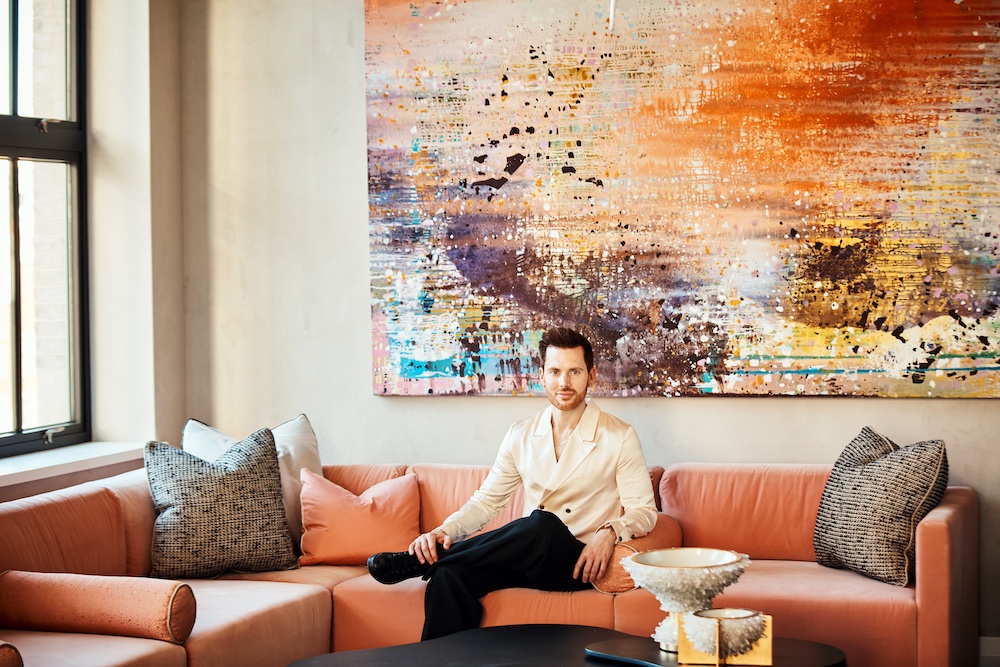
Caleb Anderson photographed by Weston Wells
Ten years ago, the design world took note when designers Jamie Drake and Caleb Anderson joined forces to form Drake/Anderson. Designing eyes fell upon the firm that had clearly mapped a course for its future, and the decade that followed proved the power of that decision. Together, Drake and Anderson masterfully designed apartments and homes throughout Manhattan and beyond with their signature rich minimalism, projects that led to a book with Rizzoli and to Anderson’s new role as sole principal of the firm and his new venture launching later this year: /AND Design.
aspire’s Deputy Editor Jennifer Quail talked with Anderson about what this next stage of creativity and design will bring.

Jennifer Quail: This transition for the firm has happened carefully over several years. Tell us why a proper succession plan is important and how it has helped you to craft your own course for the firm’s future.
Caleb Anderson: When Jamie and I entered into our agreement and formed Drake/Anderson in 2015, I can’t say either of us knew exactly where the next decade would take us or the firm. The one thing that was clearly defined, however, was our operating agreement and the structured progression of my ownership over time.
While planning is crucial, it’s also important to recognize that both plans and people evolve. The ability to adapt and pivot when needed has been just as important as the initial plan itself. In the end, honoring our commitments and agreements has been instrumental in guiding me, but what truly helped shape my path was staying true to my vision, aligning my personal growth with my professional journey. This has served as my guiding principle, or “north star,” throughout this process.

JQ: You talk about design as being not purely decorative but also a transformative force and a catalyst for well-being. Tell us about this philosophy.
CA: I’ve experienced a paradigm shift in how I approach design. The way I think about it now is quite different from just a few years ago. While aesthetics and function will always remain important, my definition of good design has expanded. Of course, I will always strive to create beautiful, extraordinary spaces, but now, that beauty must serve a greater purpose. It’s critical that we begin asking deeper questions: What are things made from? Where are they coming from? Do they help or harm other people and the planet?
I believe the next creative opportunity in design lies in being more purposeful. The healing power of beauty is undeniable. In a time when I’m reconciling what I do with the world around me, I find purpose in knowing that the work we create can contribute to something greater.
Design is also an ecosystem, and even though the direct impact we make as a firm may seem minimal, I truly believe the downstream effects are powerful. Through the changes we implement, we’ve had the opportunity to elevate our partners as well. For example, a custom upholstery workroom that has been crafting our sofas for years now benefits from our efforts to help them make their products healthier and more sustainable.
My process with clients is also evolving. The conversation is moving beyond, “I like this project from your portfolio” or “I love these Pinterest images.” Now, we’re focusing on understanding the type of environment that truly supports them on a deeper level. It’s an inspiring process of discovery that delves far beyond the surface-level considerations in design.
This mindset is relatively new for luxury residential design, and it’s exciting to be part of this shift.
JQ: For a long time, the luxury market was more about extravagance and trends and less about the importance of topics like material health, circularity, and equity. Do you believe luxury is headed in a more conscious direction? How do you believe this segment of the industry can improve?
CA: Yes, I do believe these conversations are becoming more prevalent. In recent years, we’ve seen a growing shift in luxury fashion towards more conscious choices, with brands becoming increasingly mindful of their environmental and social impact. Younger consumers and emerging consumers are prioritizing purpose-driven companies, which is a positive step. However, this shift has yet to fully reach the luxury interiors sector. While commercial design firms have been incorporating sustainability and healthier materials for years, there is still significant potential for this change to extend into residential design.
One of the key challenges in residential design is that many smaller firms and solo practitioners feel overwhelmed by the complexity of integrating sustainable practices. The industry would benefit from moving away from a competitive model and adopting a more collaborative approach. By working together, we can address these issues more effectively. As with any major shift, progress takes time and won’t happen overnight, but every step forward counts. We all have a role to play in this transition, and it’s crucial that we continue to find creative ways to make a positive impact.
The design industry is instrumental in guiding consumer choices. In the broader design ecosystem, each of us has a role to play. It’s equally important that media outlets cover these stories to inspire consumers, and that manufacturers adopt practices and create products that support these sustainable initiatives as well.
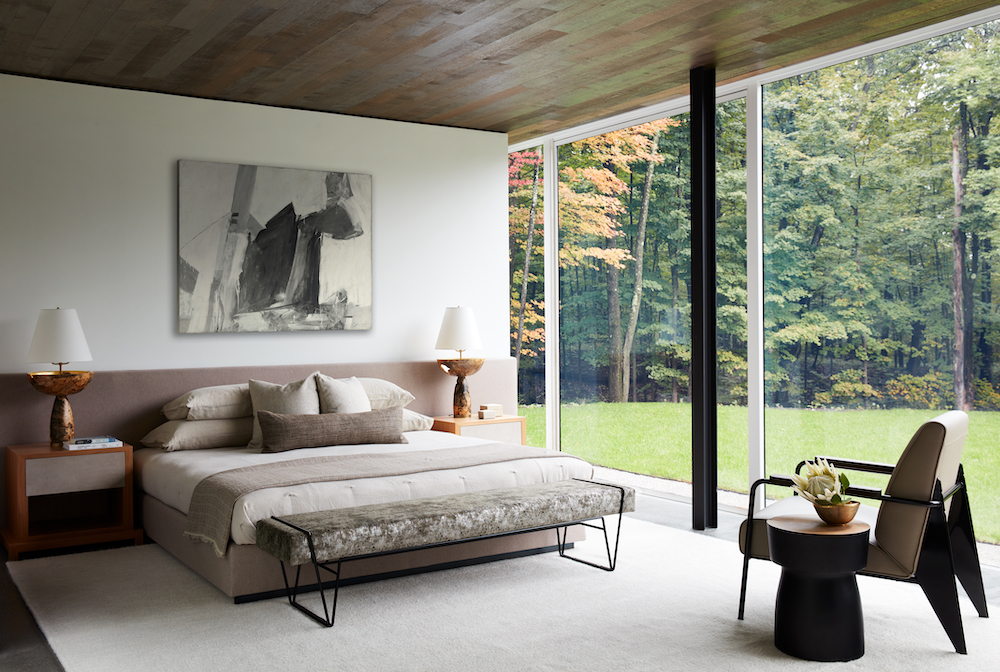

JQ: How much education is needed on the part of the client regarding sustainability and design for well-being?
CA: As designers, it’s crucial that we engage with our clients on these issues and are well-informed enough to guide their decisions and answer any questions. However, it’s important not to overwhelm them with too much information at once. At my firm, we’ve adopted the Common Materials Framework, which provides us with a clear roadmap for addressing these topics. Incorporating sustainability and well-being principles is no longer optional for us – it’s simply part of what we do.
I want our clients, both current and prospective, to understand that these values are deeply embedded in our ethos. It’s just another aspect of the care we provide, alongside all of the other services we offer. In this way, we can help clients make informed choices without making sustainability feel like an additional burden or challenge.
JQ: How do you discuss such ideas with clients? Are younger generations more informed on these matters?
CA: I do think the younger generation is more informed and connected. However, when we meet with any prospective clients, we make it a point to explain our approach and the framework we use. Once we’re hired, each project is tailored with a strategy based on this framework, but it’s uniquely applied to fit the specific needs of the project. We review this strategy with clients at a high level, and depending on their interest, we dive deeper into the details. Each client is different, so some are more engaged and involved in these discussions than others. Ultimately, we adapt our approach to ensure that we meet each client where they are, both in terms of their understanding and their level of interest in these sustainability and well-being initiatives.
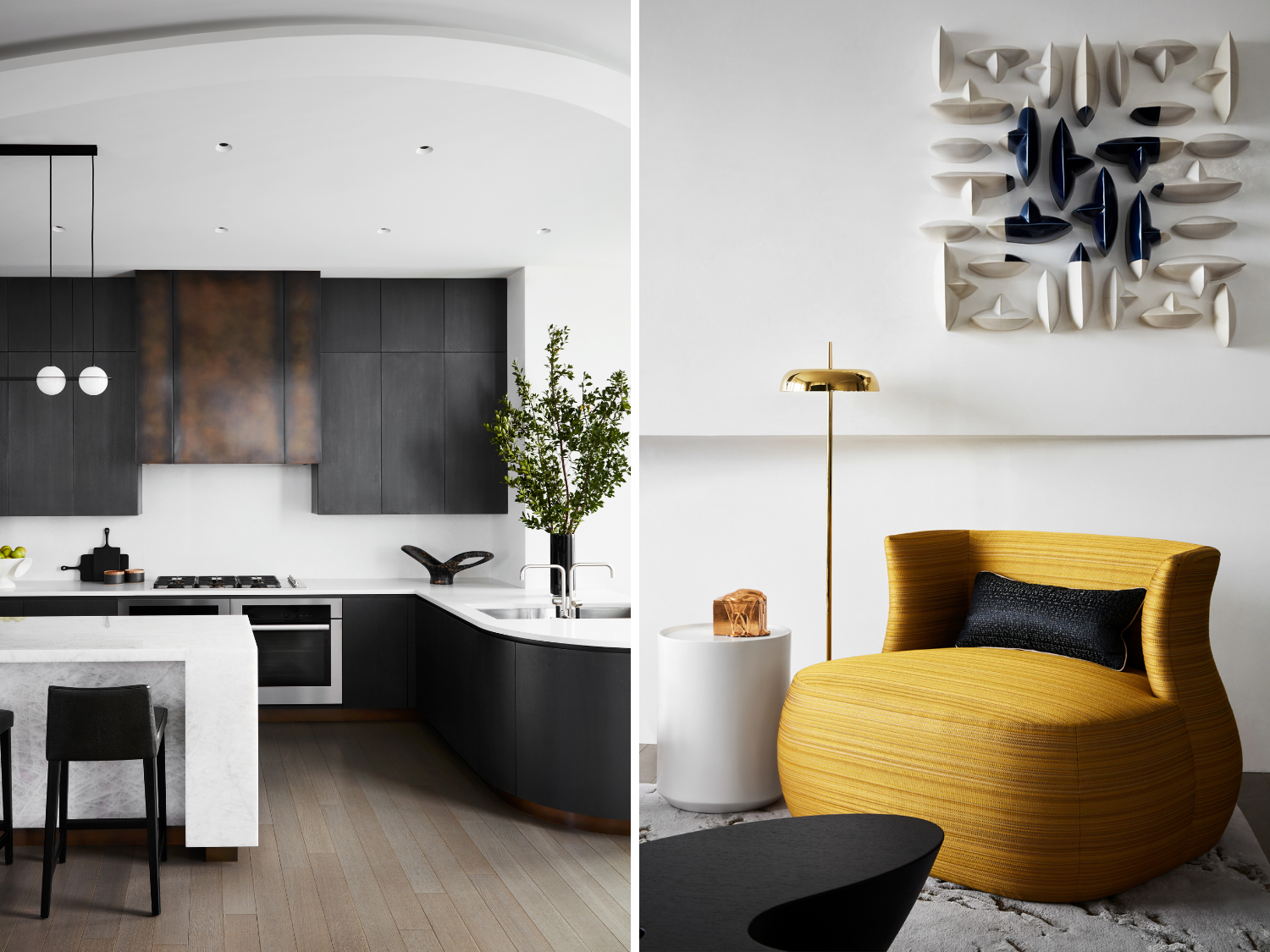

JQ: How will we see your vision for design as a healing force come through in the future projects of /AND Design?
CA: I believe the healing power of design will be reflected in every decision we make, from the careful selection of materials to the broader thought leadership on what good design truly means within the industry. As both a designer and a firm, we have the opportunity to shape something profound by embodying values that prioritize well-being and sustainability.
Rather than simply observing our vision, I want it to be something that’s felt — a tangible experience that resonates on a deeper level. This congruency between aesthetics, purpose, and impact is what I’m striving for in my future creative work. It’s not just about creating beautiful spaces; it’s about fostering environments that promote healing, enhance the lives of those who inhabit them, and cultivate a process that encourages a more conscious approach along the way.
With any meaningful endeavor, I believe it’s important to set out with clear intentions without becoming overly attached to the outcome. My intention is clear, though I cannot predict exactly what it will look like, I am hopeful of how it affects meaningful change for our clients, partners, industry and beyond.
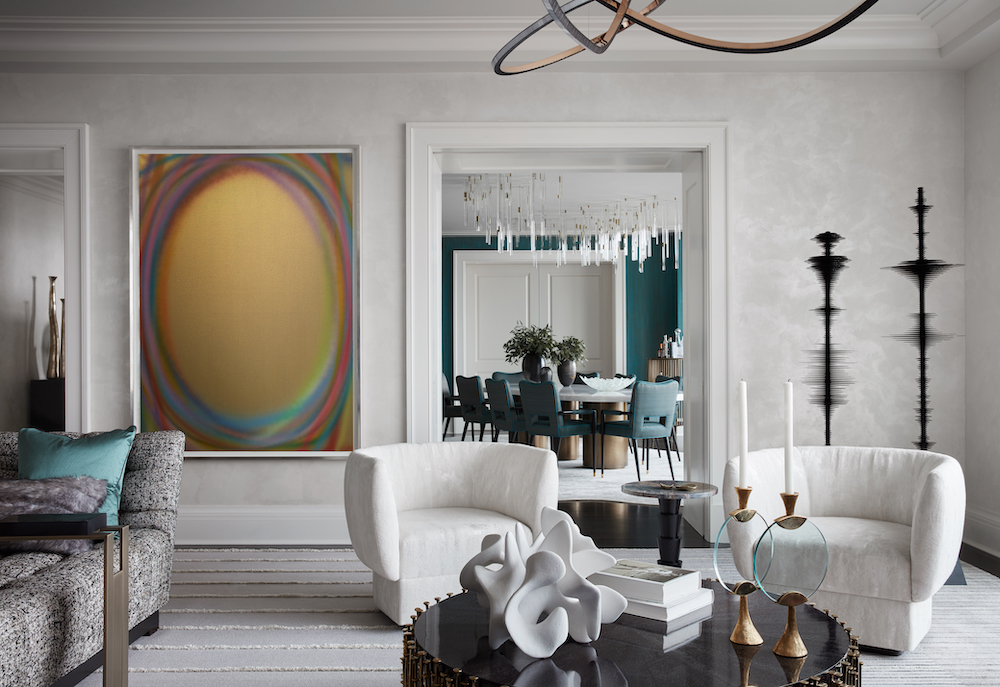
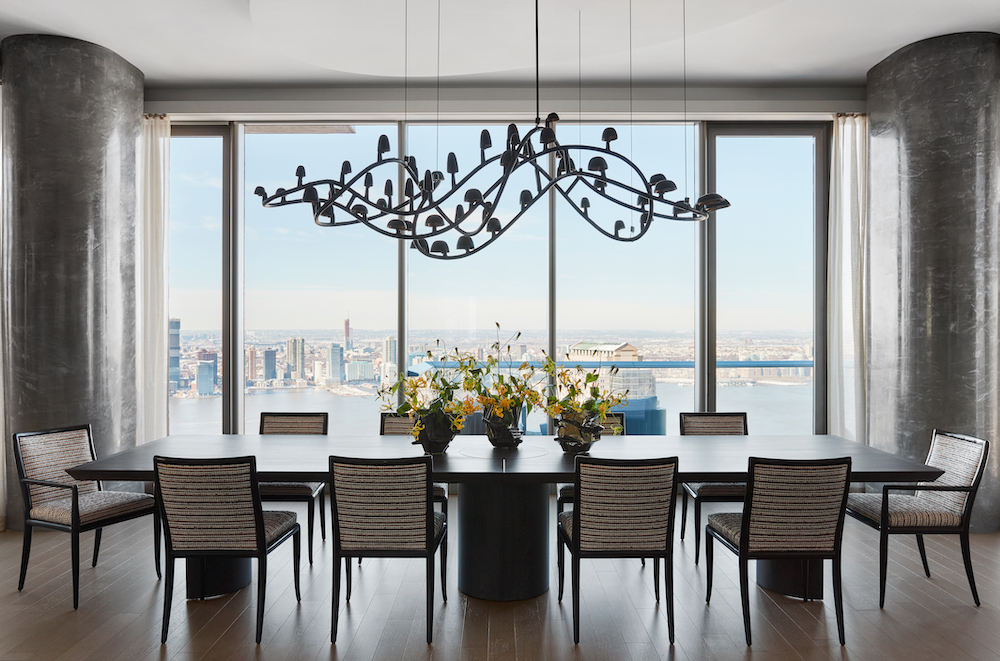
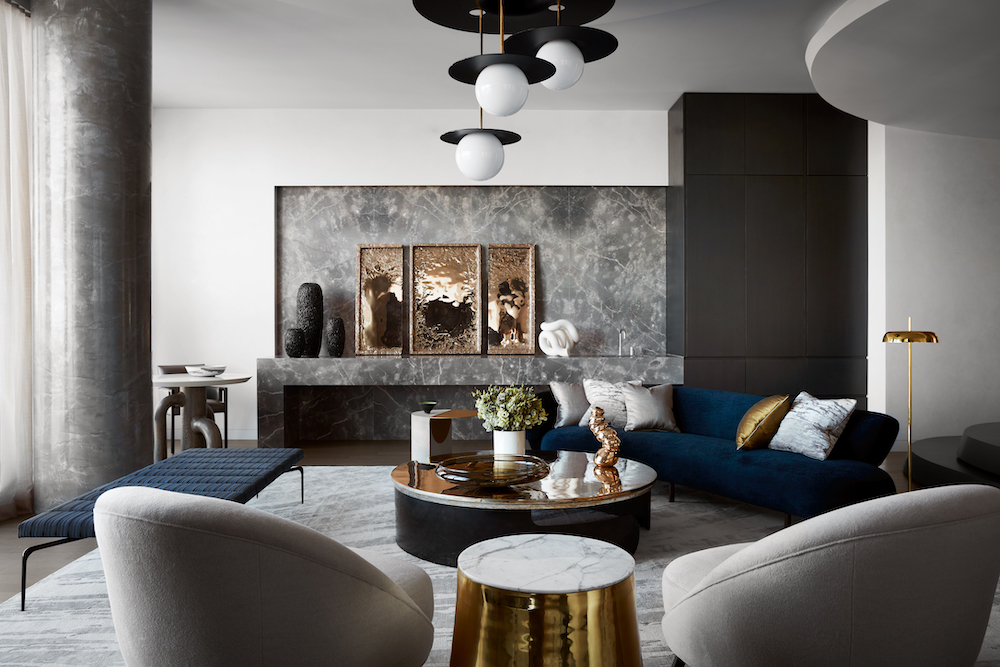
Project photography by Stephen Johnson.
Like what you see? Get it first with a subscription to aspire design and home magazine.