
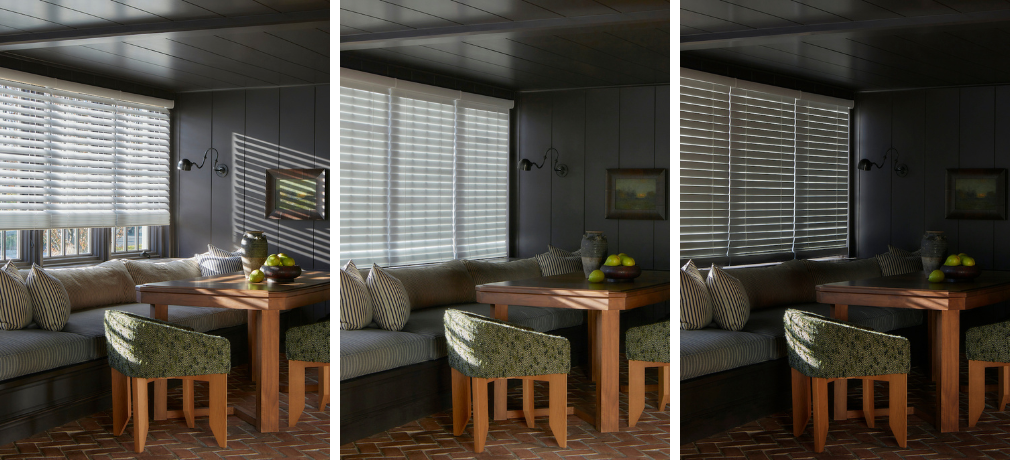
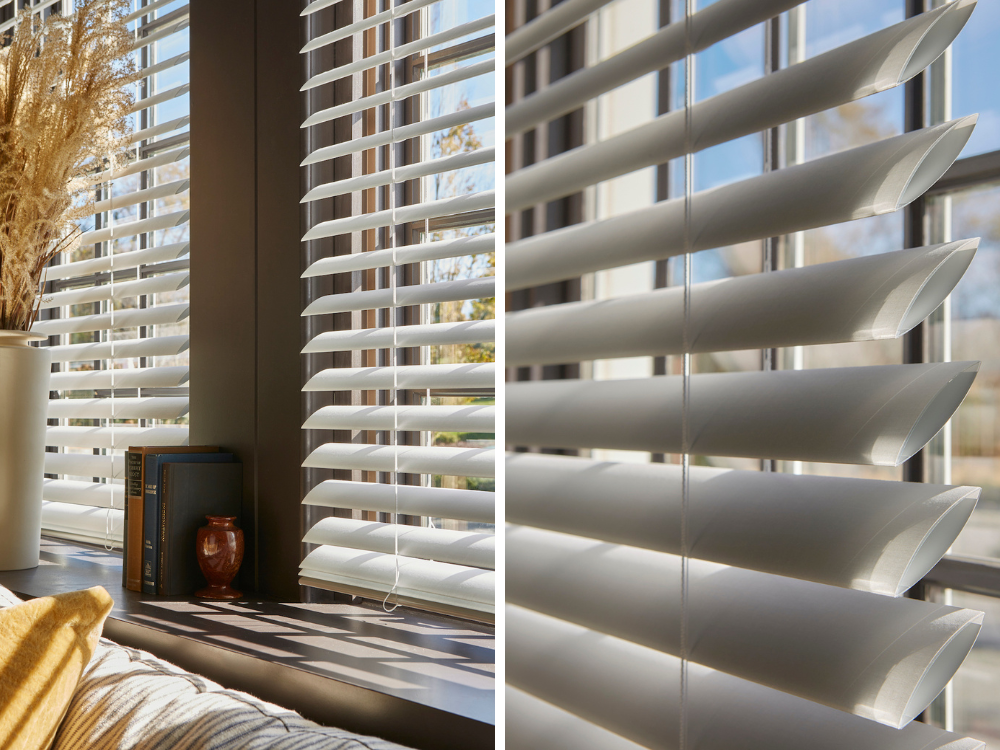
Crafted of lightweight and translucent fabric, Hunter Douglas’ Aria Soft Blinds collection offers the delicate soft light diffusion of shades, in blinds form. Wendell Colson, vice president of research and development at Hunter Douglas, joins us this week to discuss how we crafted this special collection.

Raymond Paul Schneider: When did you first start developing this new collection?
Wendell Colson: The development process began in the fall of 2017, marking the start of a multi-year journey from initial concept to final product. From the very beginning, the goal was to challenge convention and imagine a product that could redefine a category.
RPS: What was the overall timeline from conception to final design?
WC: Following the initial kickoff in fall 2017, I focused on creating the materials and establishing the production process, a phase that continued through the fall of 2020. In January 2021, I delivered a fully functional operating prototype — complete with all fabrics — to our larger fabrication facility in Broomfield, Colorado.
From there, our engineering team and I worked hand in hand to perfect the hardware, a process that carried us through spring 2023. To streamline manufacturing, we developed a specialized cord-crimping machine that significantly accelerated production. Finally, in 2025, after years of refinement, the new collection was launched nationwide, ready to transform homes across the country.
RPS: What was your initial inspiration, and where did the idea come from?
WC: The concept was sparked by a conversation with Bobby Dill, a longtime product manager at Hunter Douglas specializing in horizontal blinds. He had been exploring a new way to create faux wood blind slats, but the results still looked like traditional faux wood. I began to wonder: what if we could infuse the magic of soft light diffusion — so beautifully achieved in our Duette® Honeycomb Shades — into blinds?
That idea evolved into something far greater than just another faux wood product. It became the foundation for an entirely new category: cellular blinds.
RPS: Describe your overall creative and design process.
WC: My approach is rooted in relentless prototyping. I begin with whatever early-stage materials and processes are available, constructing initial versions by hand. Each prototype is examined for weaknesses, and those insights inform the next iteration. This cycle — create, evaluate, refine — repeats endlessly. It’s an evolutionary process rather than a reliance on a single, elusive “lightbulb moment.” Instead of waiting for perfection to arrive in one stroke, I work through many imperfect ideas until the design approaches excellence.
RPS: Did you have a specific audience or theme in mind?
WC: Absolutely — the horizontal blind market is substantial and well-established. This product was designed to resonate with that audience while offering something entirely new in both function and beauty.
RPS: What methods, tools, and materials did you use to develop and prototype this design?
The process began with hand-building early prototypes until a workable model emerged. From there, I moved toward simple automated processes that could produce higher volumes, refining both the product and the manufacturing method in tandem.
RPS: Did you use any new techniques or technologies to conceptualize or create this product?
WC: Yes. During the pandemic hiatus, my son — an MIT PhD engineer — taught me how to use SolidWorks CAD software, opening up new possibilities for precision design. Additionally, we engineered an entire range of custom manufacturing equipment specifically to produce the cellular blinds efficiently at scale.
RPS: Were there any challenges that influenced or changed the final design?
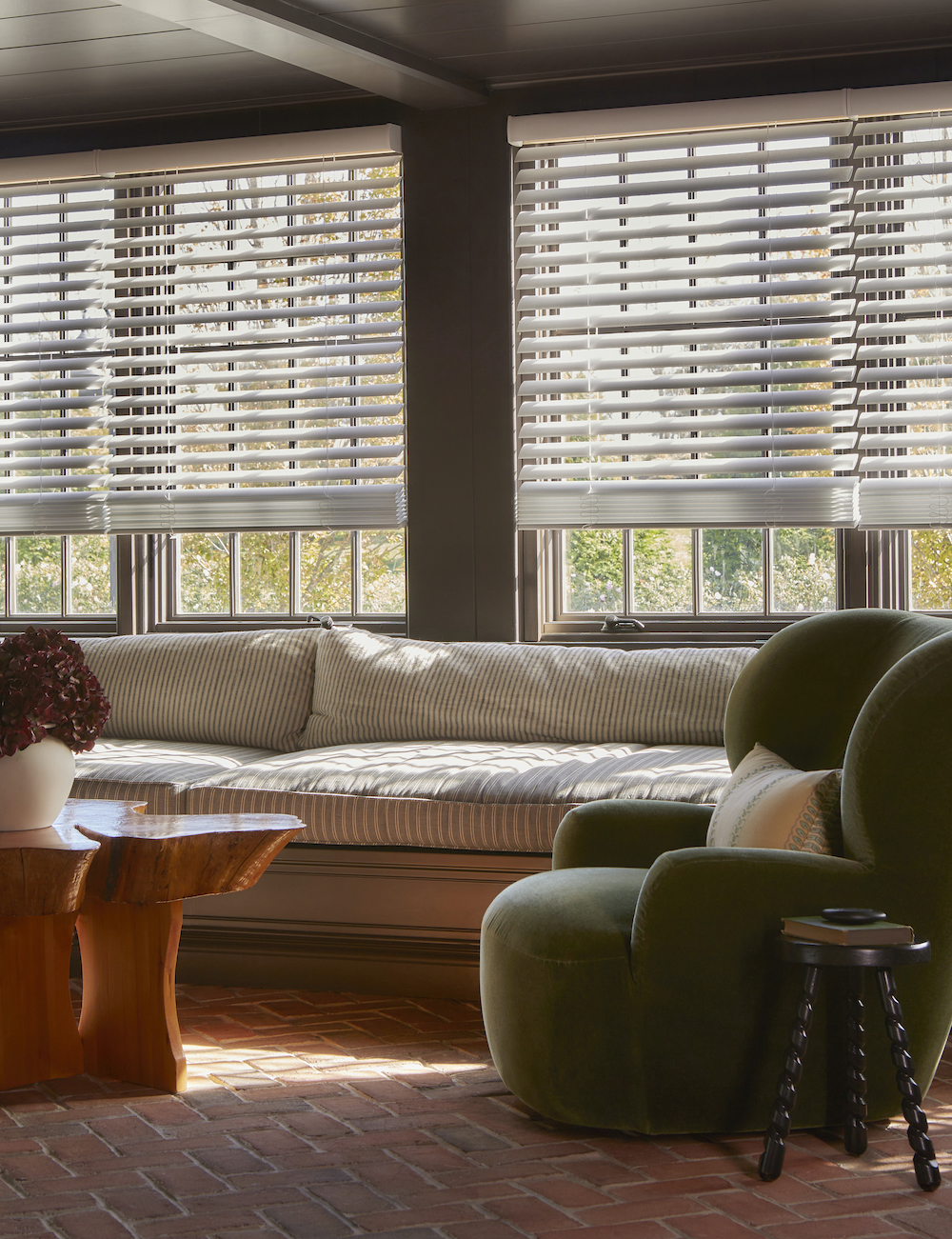
WC: Absolutely — hardware posed one of the most significant challenges. Cellular slats are incompatible with traditional horizontal blind hardware because the lift cords cannot pass through punched holes without preventing the slats from closing. To solve this, we routed the cords outside the stack and bonded the slats directly to the ladder tapes for perfect alignment. This bonding not only kept the slats in place but also dramatically improved closure compared to traditional blinds.
The solution required designing entirely new hardware from the ground up. As a finishing touch, we incorporated a standard fabric slat as the valance — a detail that proved both functional and aesthetically striking.
RPS: Describe your brand’s overall DNA and ethos.
WC: We believe that thoughtful, intuitive design has the power to enrich everyday living. By shaping light and creating experiences that move in harmony with life, we bring greater comfort, beauty and well-being into the home.
Photography by Jacob Snavely.
Like what you see? Get it first with a subscription to aspire design and home magazine.