
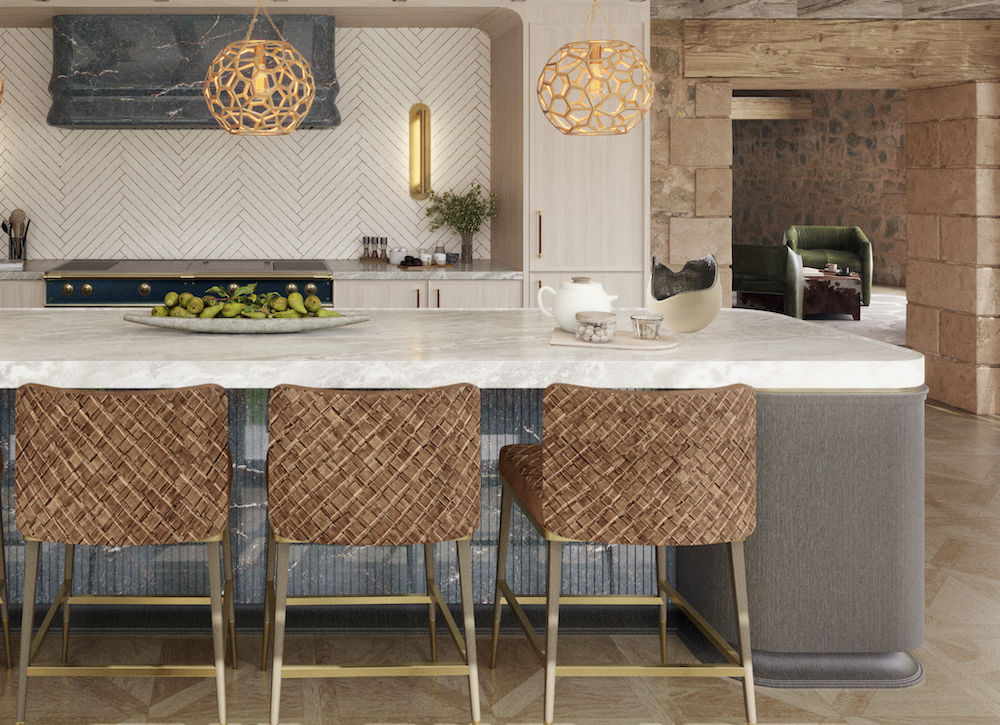
As the Interconnected Changeable Environments, the Showhome Experience by Jennifer Farrell continues to evolve, the story expands beyond architecture into something more personal — the objects that bring each space to life. In this chapter, aspire follows the introduction of Jennifer Farrell’s Global Views collection, where furnishings, lighting, and décor move from concept to lived experience. Layered throughout the three environments, these sculptural pieces become the emotional connective thread, transforming each home from a beautifully designed space into one that feels deeply human, collected, and alive.
SETTING THE STAGE
This project is deeply personal — and now your Global Views collection of furnishings and décor becomes part of the experience. How does it feel to see your designs influence the way life will be lived inside the three Interconnected Changeable Environments?
Jennifer Farrell: There’s something profoundly moving about watching pieces that began as sketches in my studio become part of a living, breathing home – or in this case, three interconnected homes. When you design furniture for a collection, you never really know where those pieces will live out in the world. But designing my collection for Global Views while simultaneously designing Interconnected Changeable Environments House, I can see exactly how the pieces will fit together, like an intricate puzzle. It’s the moment where design stops being conceptual and becomes emotional.
Why was this the right moment in the journey to introduce Global Views as a major chapter of the story?
JF: This chapter of the Showhome Experience is all about evolution — of architecture, of history, of how we live. Infusing my Global Views collection into all three environments allows the furnishings and décor to become storytelling elements, like a connective tissue between past and future. It’s the moment where the narrative expands from structure into soul.
How does furniture and décor shift a space from architectural concept into something emotionally lived-in?
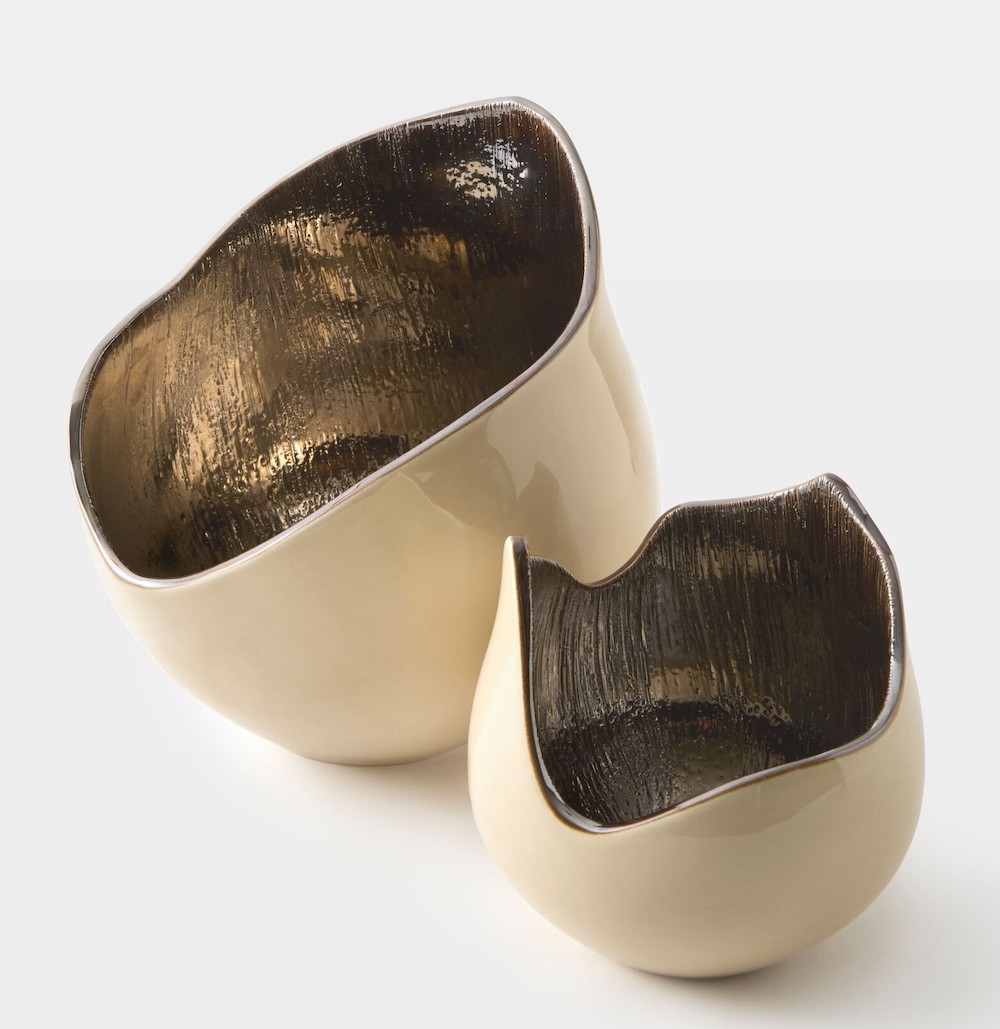
JF: Architecture sets the rhythm, but furnishings give it a heartbeat. When you place a sculptural piece like the Calla Lily Bowl or the Demure Vase on a table, the room suddenly exhales. These objects create intimacy, grounding the architecture in human experience.
THE COLLECTION + DESIGN DNA
What is the design philosophy behind your Global Views collection — and how does it connect to the broader vision of the Showhome Experience?
JF: The collection is rooted in modern organics: sensual curves, asymmetric forms, and materials that feel touched by nature. That philosophy mirrors the project’s mission to honor history while embracing change. Both the collection and the showhome are about creating environments that feel timeless yet alive, and are deeply connected to the human life journey.
Are there specific pieces that feel especially symbolic of your approach to timelessness, craftsmanship, and materiality?
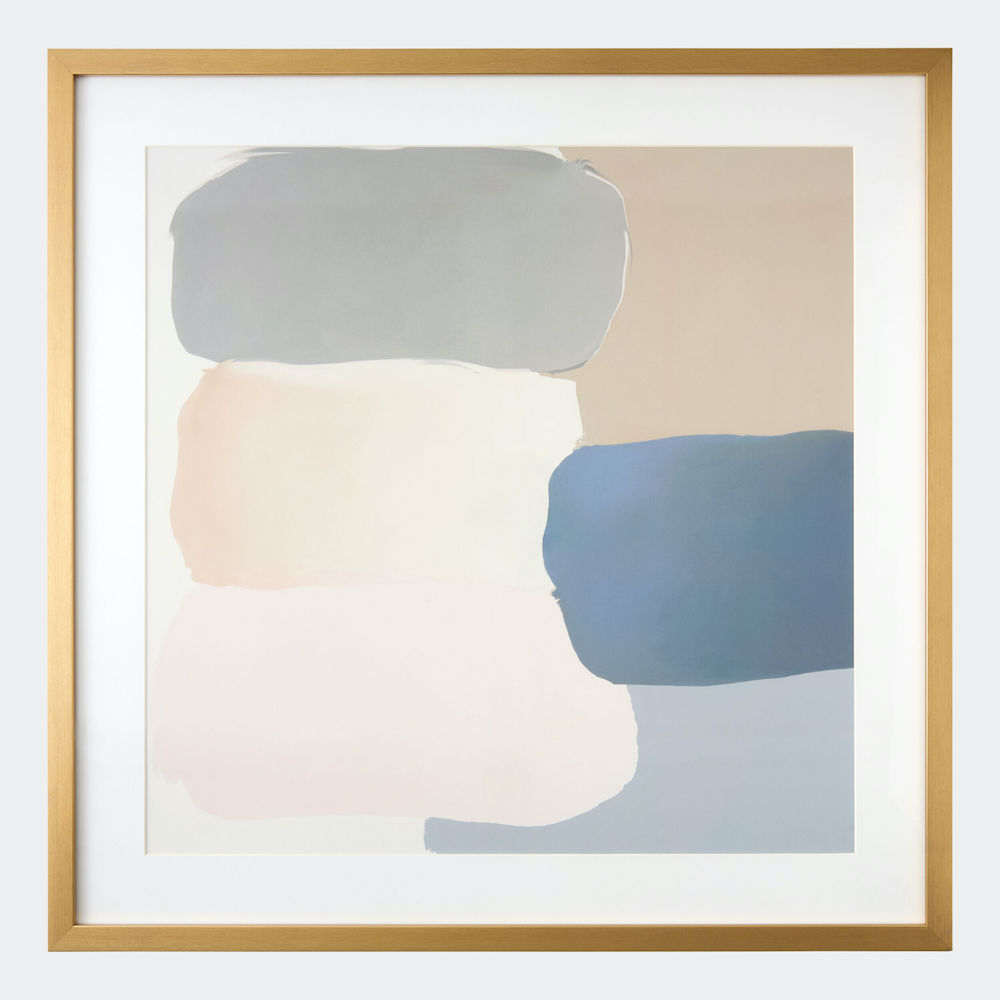
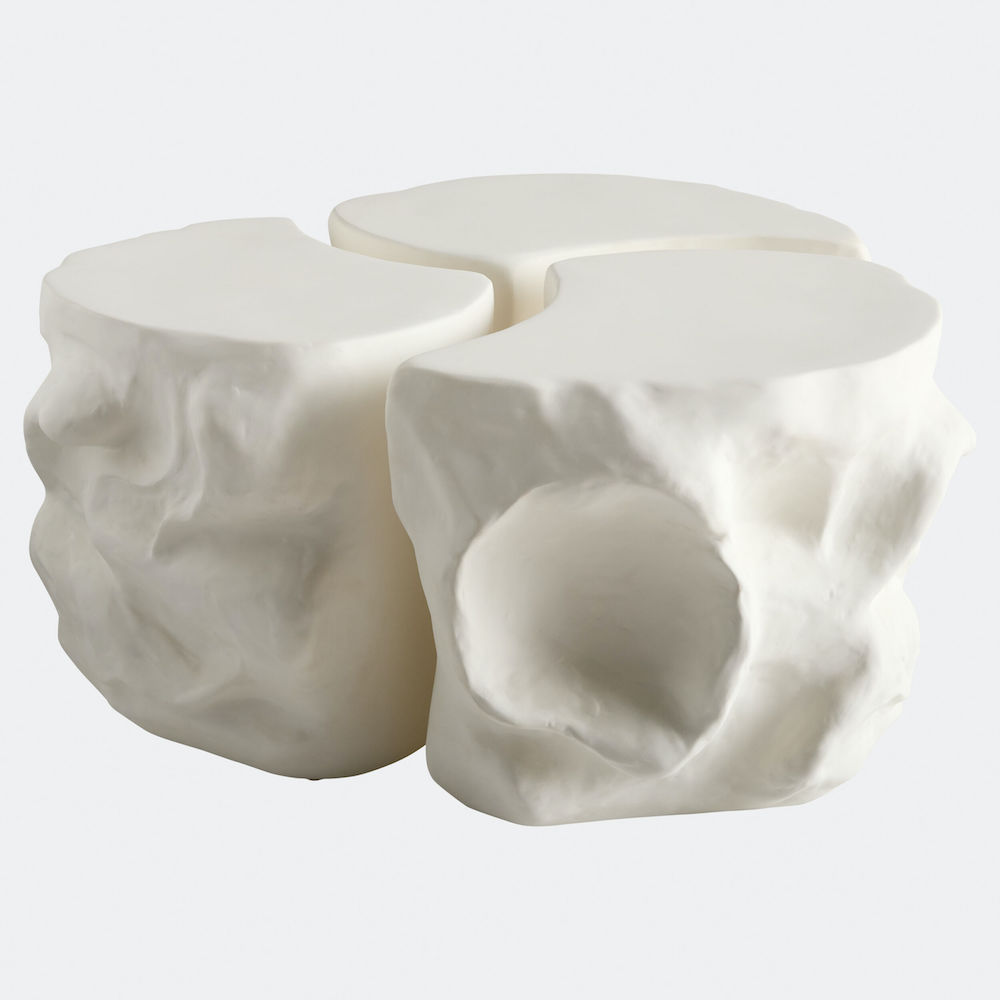
JF: The Momentum Wall Art (pictured above) is an important one for me — it’s a Feng Shui piece I created as a symbolic movement of the elements for healthy energy, prosperity, and balance. An ancient practice for wellness, interpreted through a modern lens. You’ll see the original Momentum painting hanging at Interconnected Changeable Environments House above the Coral Table, which is amongst my favorite pieces in the collection. I sculpted a miniature of the table first in clay, then hand-carried it on a flight to Global Views headquarters in Dallas. Our design team then carefully flew my clay miniature to Italy, where our extraordinary sculptor created the full-size table in ceramic. The Coral Table is a tribute to sculptural craftsmanship, cherished materiality, and a form that feels both ancient and futuristic.
How do you design pieces that feel both collected and contemporary — classic, but not nostalgic?
JF: I start with forms that feel familiar to the hand and the eye, then reinterpret them with scale or unexpected materiality. The Opolo Jar series, for instance, nods to ancient spice jars, but they’re huge – the largest is nearly two feet tall. The scale and silhouette is rendered in a way that feels unmistakably modern. It’s about honoring lineage without repeating it.
FURNISHINGS AS STORYTELLING
Across the three homes, how did you use furnishings, lighting, mirrors, and objects to shape each environment’s personality?
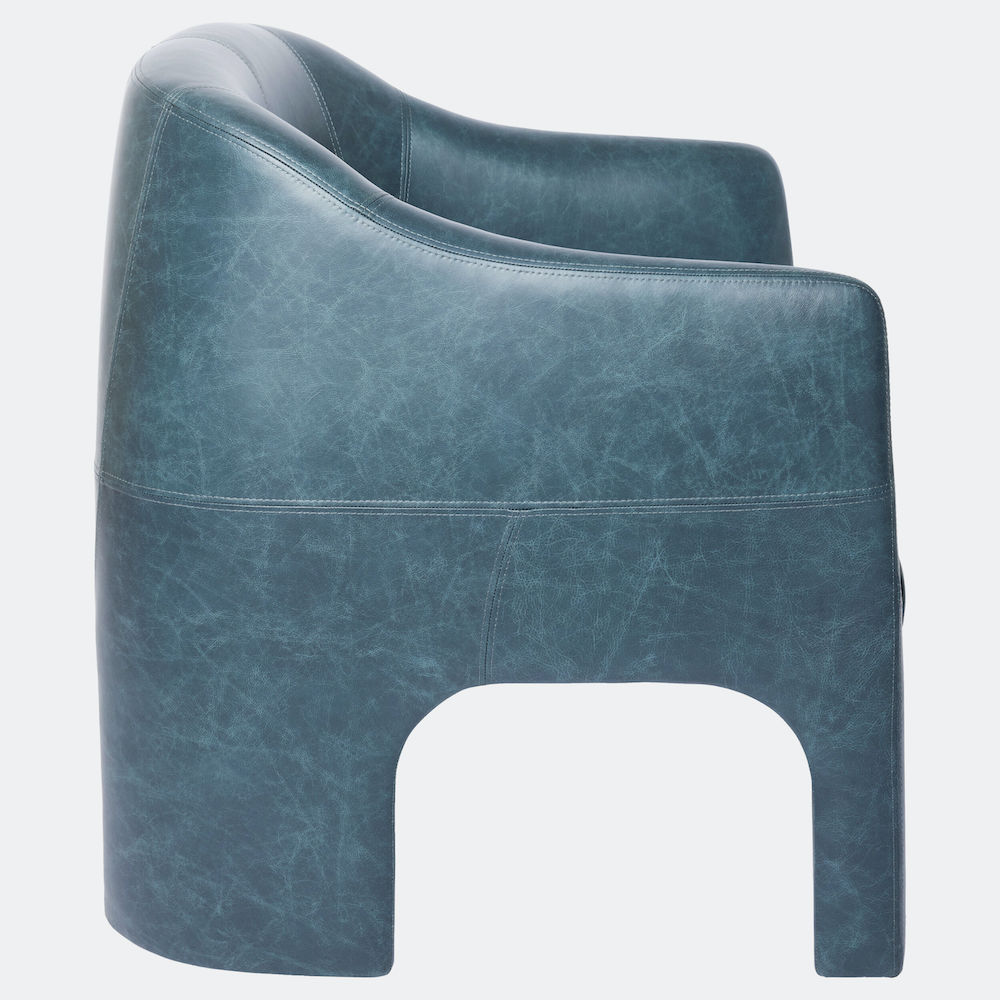
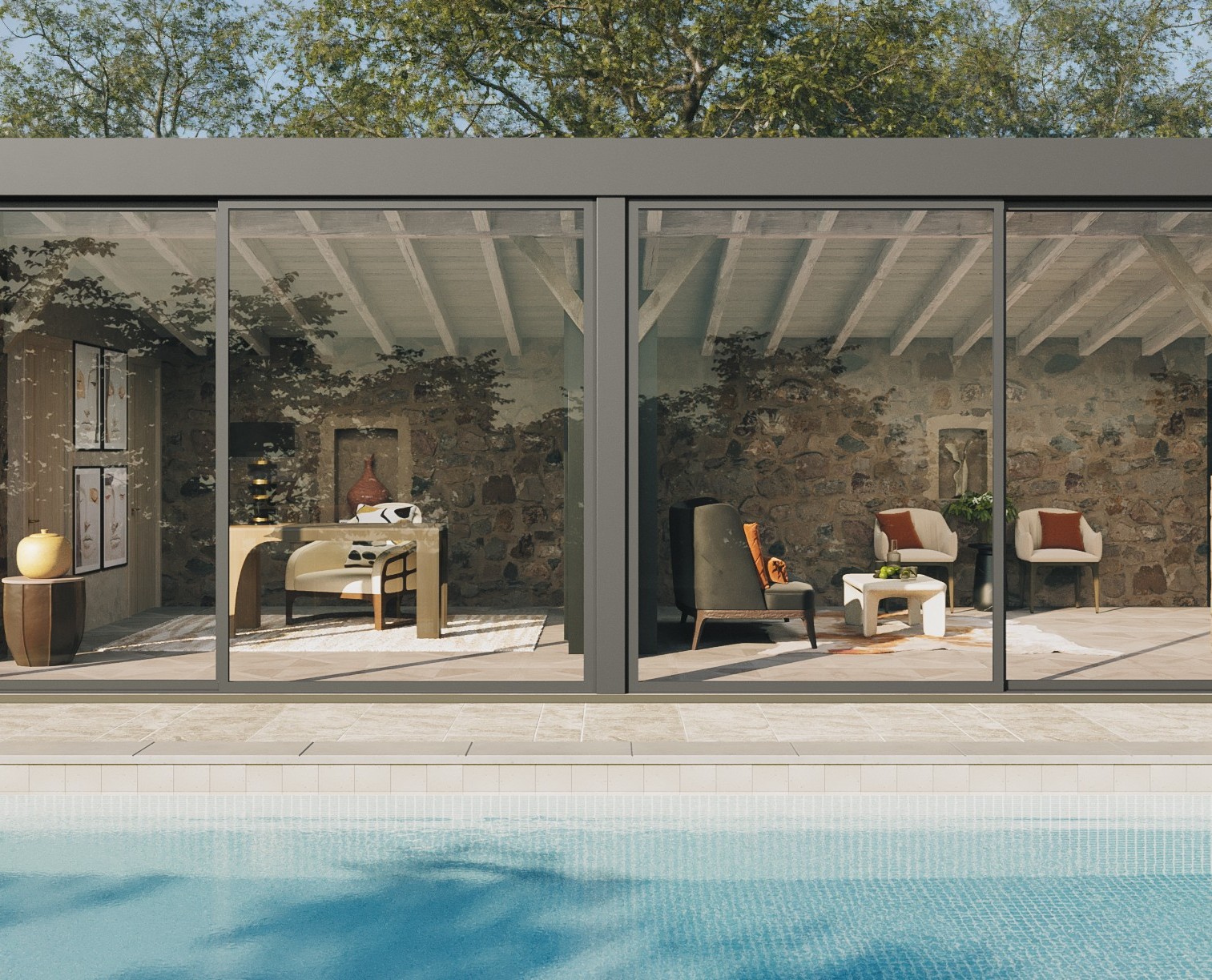
JF: Each home has its own emotional temperature, and the furnishings act like the color grading in a film. In Center House, the sculptural mirrors and bold lighting create a sense of drama and romance, while Extension House leans into a sense of play. There’s a chair called Bradford that’s shaped like an abstract elephant, and as soon as you recognize it, you can’t help but smile. A pair of Bradford chairs sit in the Reflection Room in Extension House, with a view overlooking the pool and the vineyards beyond. It’s like a pair of majestic elephants surveying their watering hole and grazing plains. Every piece is a character in the story.
Do you think of furniture and décor as functional tools, artistic moments, or both?
JF: Always both. A chair should be a place to rest, but it should also make your heart skip a beat when you walk into the room. Function is the baseline — artistry is what makes a home unforgettable.
ART, SCULPTURE + PERSONAL EXPRESSION
You’ve said you view lighting and mirrors as art. How do sculptural elements help bridge historic inspiration with modern living?
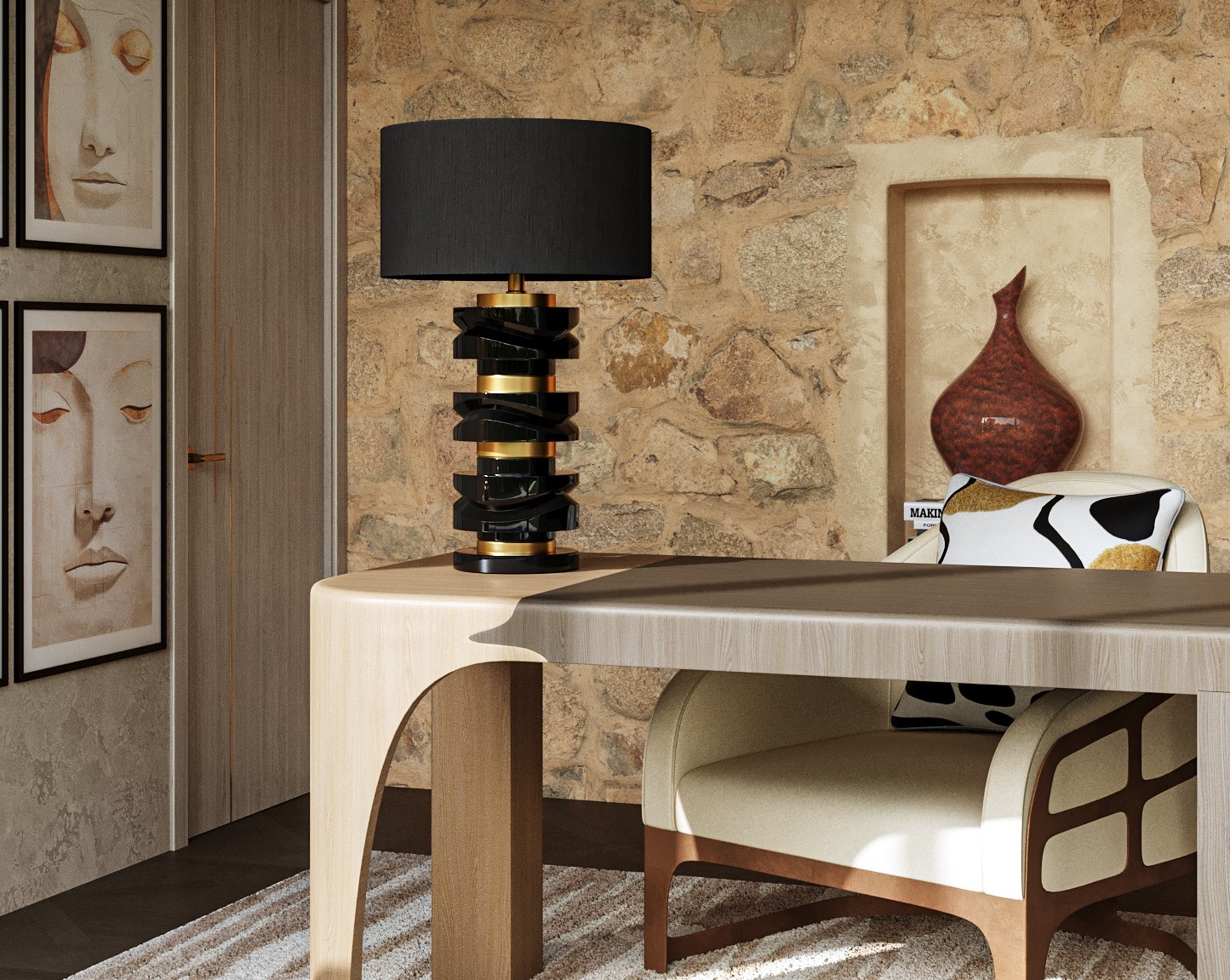
JF: Sculptural lighting — like the Meteor Table Lamp — acts as a contemporary echo of historic craftsmanship. These pieces bring a sense of lineage while still feeling fresh and forward-leaning. They bridge eras by speaking a universal language of form.
What role does scale play — especially in dramatic spaces like Center House?
JF: Scale is everything in a home with such architectural gravitas. And I’m a size junkie – “overscaled” is one of my favorite words. But in Center House, the space is voluminous with 25-foot ceilings, as it used to be a cattle barn. So large-scale statement pieces feel right at home. They create a dialogue with the architecture rather than competing with it.
Were there rooms where a single Global Views piece became the emotional anchor of the space?
JF: Absolutely. For me, the Surfrider Table is at the heart of Indy House. My dad and uncles were California surfers, and always had these beautiful vintage long boards that I grew up loving. So I crafted Surfrider like a two-tone wood surfboard, meeting a crashing wave. It’s positioned as a writer’s desk in Indy House, overlooking the pool – like a graceful surfer, riding across the water. It feels hugely personal for me, but I think it also creates an emotional touch point for anyone who experiences the space.
LIVABILITY + THE “FOREVER HOME” PHILOSOPHY
How do your Global Views designs support the idea of a home that evolves over decades?
JF: I design with adaptability in mind — pieces that can migrate from room to room and still feel at home. The neutral, earthy palette ensures longevity, while the sculptural forms remain relevant across trends. A forever home needs furnishings and décor that grow with you.
What materials or finishes did you prioritize to ensure longevity, durability, and timeless appeal?
JF: I gravitated toward stone, metal, and hand-finished surfaces that age gracefully. The Jasper Bowl’s honed marble or the reactive bronze finish on the Scallop Bowl are perfect examples. These materials develop character over time, not wear.
How do you balance luxury with approachability — pieces that feel elevated, but meant to be lived with?
JF: Luxury should never feel precious. By focusing on tactile materials and inviting silhouettes, the collection feels elevated yet welcoming. These are pieces you want to touch, not tiptoe around.
THE LAUNCH + WHAT VIEWERS WILL EXPERIENCE
What will designers and design enthusiasts notice first when they encounter the Global Views collection throughout the Showhome?
JF: They’ll immediately feel the sculptural language — the curves, the asymmetry, the sense of movement. The collection has a quiet confidence that draws you in. It’s design that whispers before it speaks.
How does seeing these pieces in context — within full environments — change the way people experience them?
JF: Context reveals the emotional resonance of a piece. A table or mirror becomes more than an object — it becomes part of a story, a moment, a memory. Seeing the collection in situ allows people to feel its intention.
Are there moments where the collection helps complete the emotional storytelling of the homes?
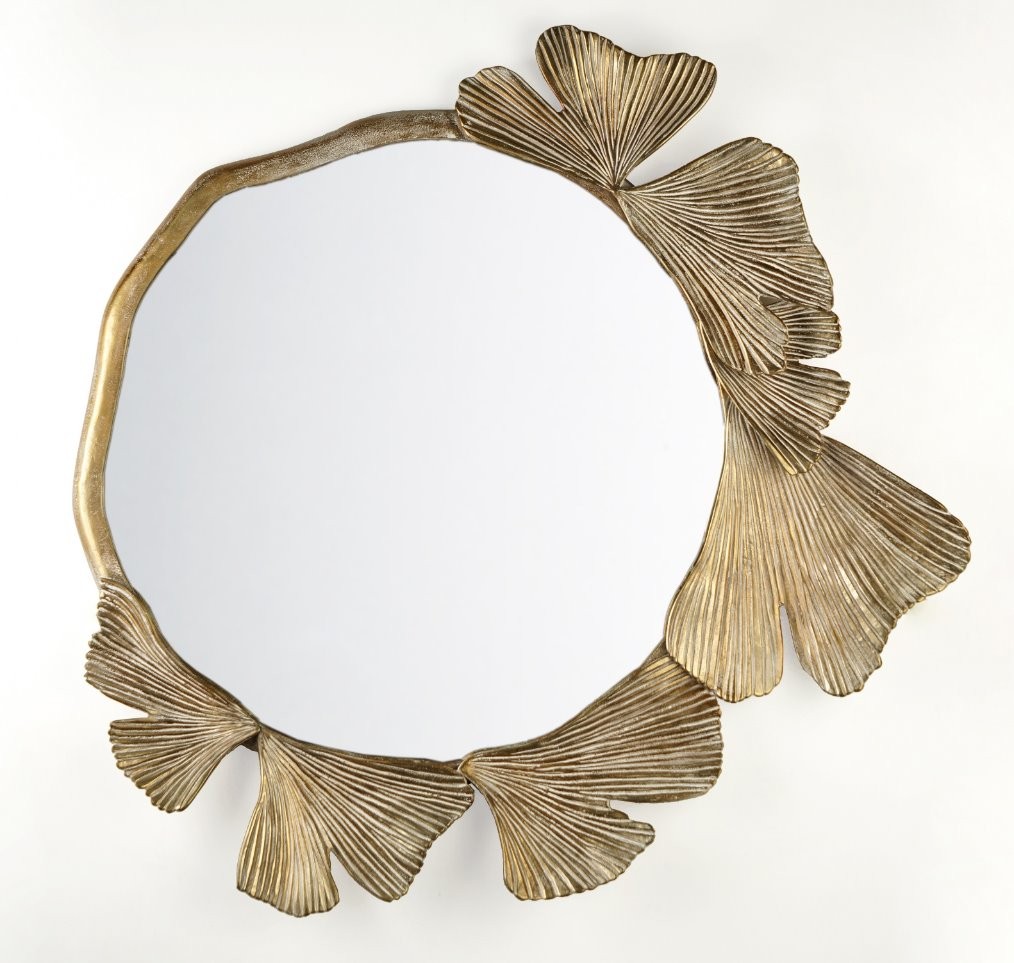
JF: Yes — in many rooms, the artwork and mirrors are the final brushstrokes. These pieces don’t just decorate the homes; they articulate them. Like the Arrowroot Mirror, which has its own meaning and message. The arrowroot plant has been valued for centuries for its medicinal properties, but the tiny arrowroot flower goes completely overlooked. So I’ve paid homage to the flower by blowing it up to this massive size, and dappling the petals around a giant framed mirror. The message is that there can be the greatest beauty found in the tiniest moments. That same message translates throughout Interconnected Changeable Environments House. There are three old stone farmhouses here, plus a windmill that dates back centuries. The architecture is substantial and gorgeous, but it’s the small moments that can have the biggest emotional impact: the way a window frames a perfect sunset; a soft breeze blowing through the vineyard while you sit in a well-crafted chair that feels like it was made just for you.
REFLECTION
What do you hope this collection expresses about your voice as a designer?
JF: I hope it conveys my love for sculptural artisanry, emotional resonance, and a connection to nature. The goal of my work is to create pieces that feel both grounded and transcendent. If the collection speaks to the poetry of everyday living, then I’ve succeeded.
If Interconnected Changeable Environments is a vision of the future, what role does Global Views play in bringing that future to life?
JF: Global Views brings the tactile, human layer to the future we’re imagining. It’s the bridge between innovation and intimacy. These pieces remind us that even in a changing world, beauty and craft remain essential.
When the project is complete, what do you hope visitors will feel as they move through these spaces, surrounded by objects designed with intention?
JF: I hope they feel a sense of calm, curiosity, and connection — as if the homes are speaking directly to them. Every object is placed with purpose, inviting visitors to slow down and truly experience the journey. If they leave feeling inspired, then Interconnected Changeable Environments House has done its job – and I’ve done my job.
Like what you see? Get it first with a subscription to aspire design and home magazine.