
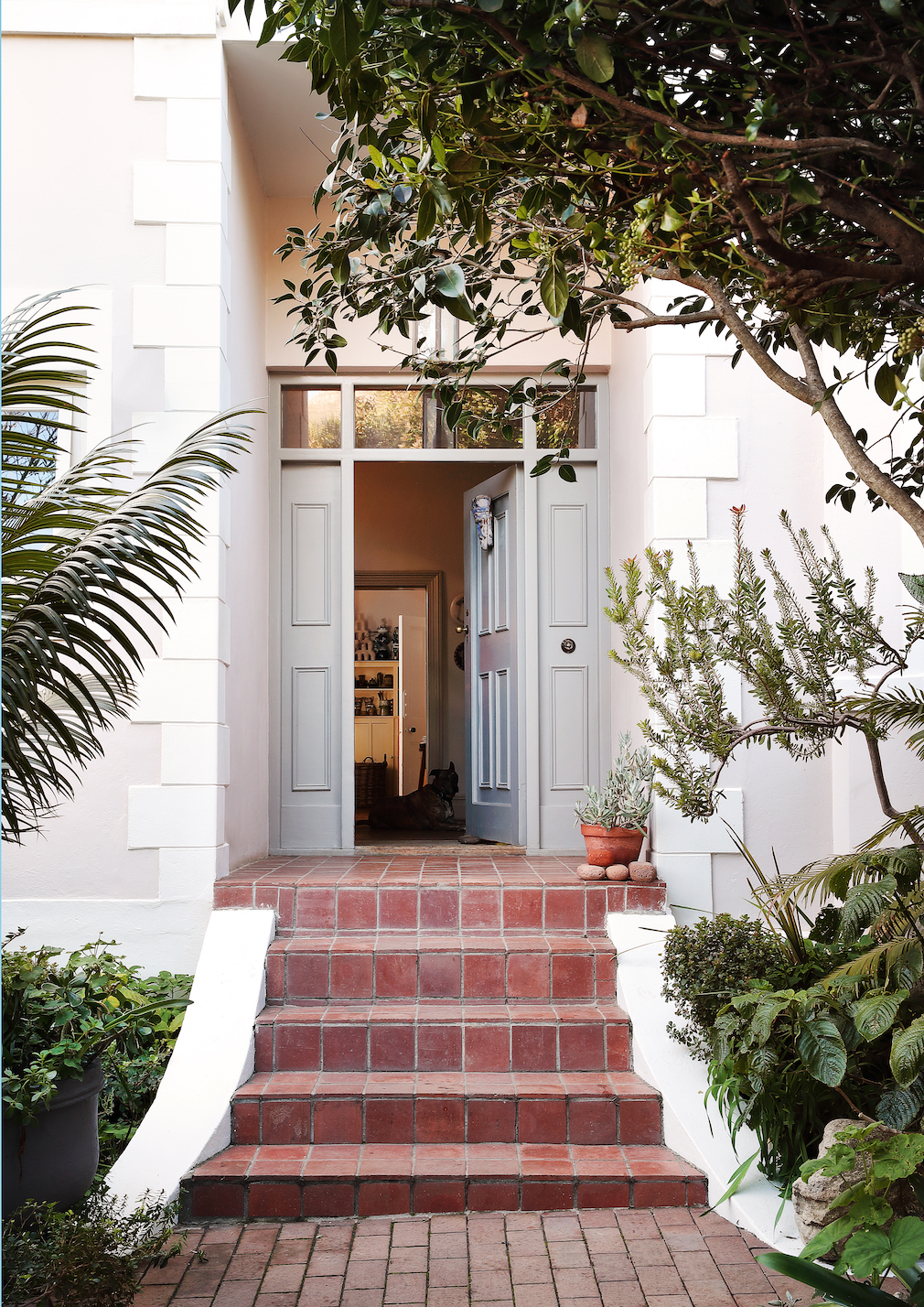
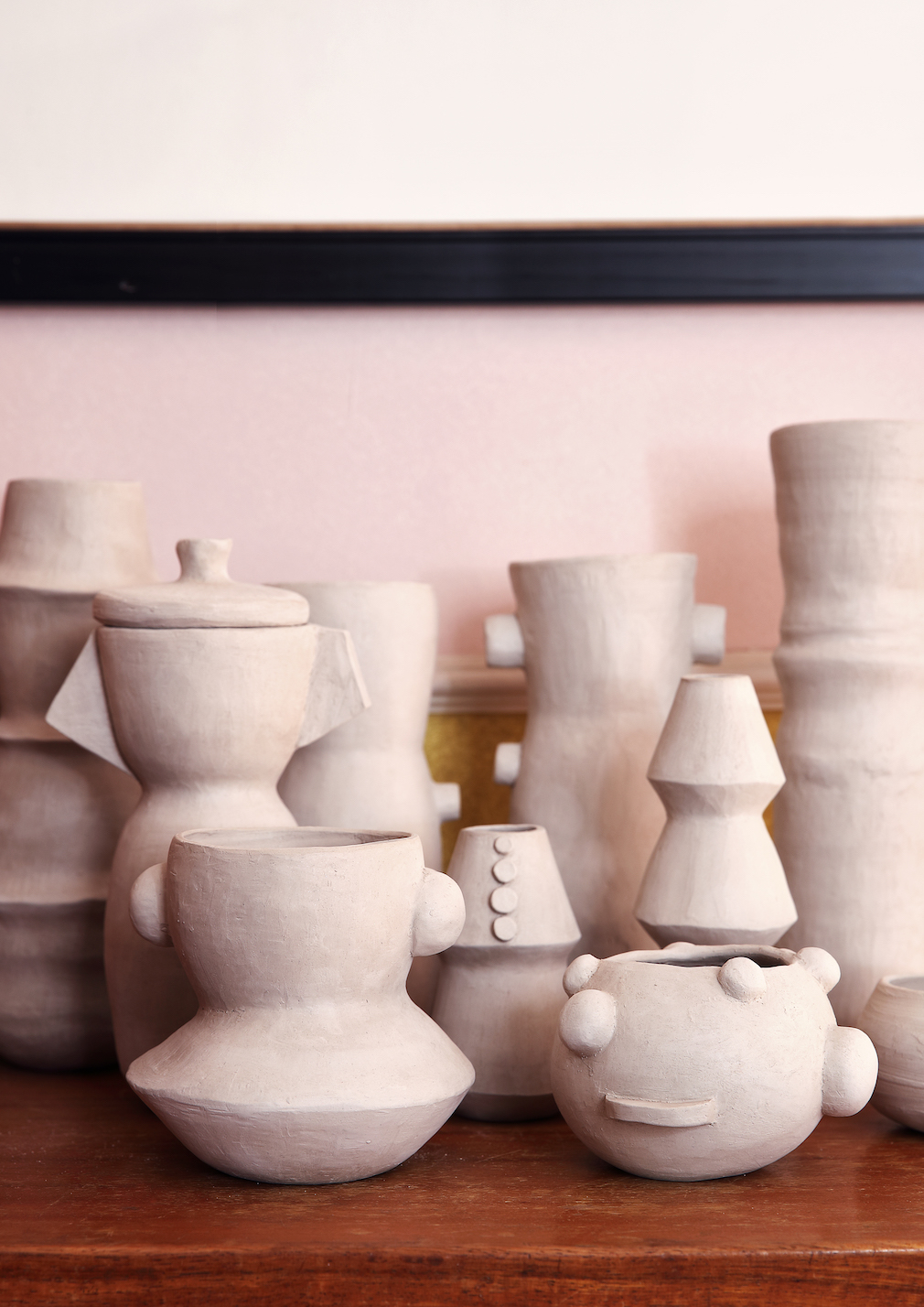
Farmstead, eccentric and bohemian. Words that, it turns out, are wholly accurate when applied to Margaret Woermann’s Cape Town home. Born and raised in an insulated rural farming community to a German-immigrant family, Woermann, thanks to strong artistic ability, a distinctive eye and unrelenting determination, went on to establish herself as an acclaimed ceramist and one of the best-known names in the South African design landscape as the owner of the craft collective Heartworks.
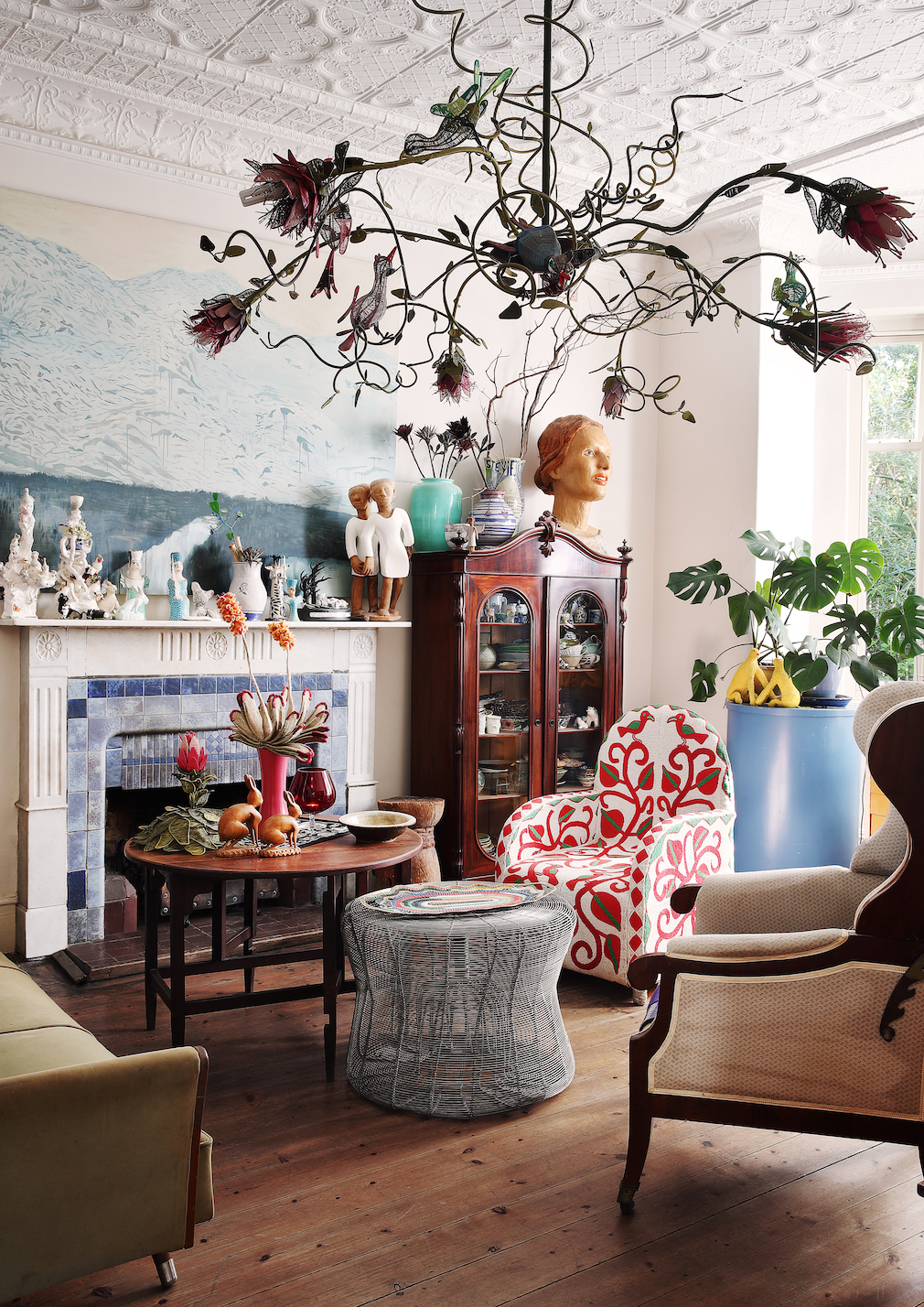
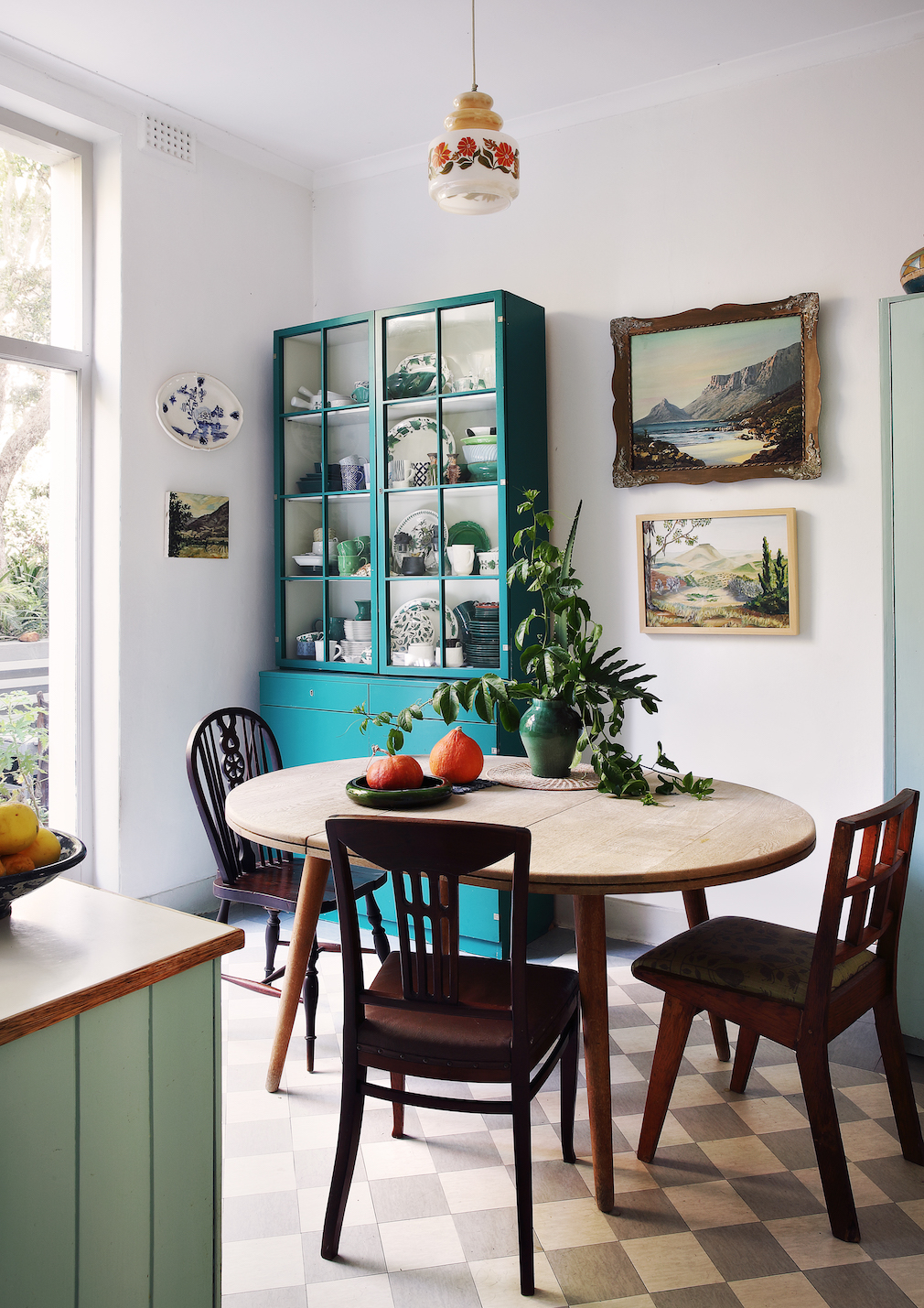
Woermann’s home, dating to 1904 and situated on a large property, is informed in both atmosphere and aesthetics by her formative years on the farm with textures that err on the side of humble and organic. Her position in the design industry allows a certain advantage in picking the best work by some of South Africa’s most exciting new talents and established artists, which explains the presence of the contemporary artworks that lend a modern dynamism to the visual tapestry of the interiors.
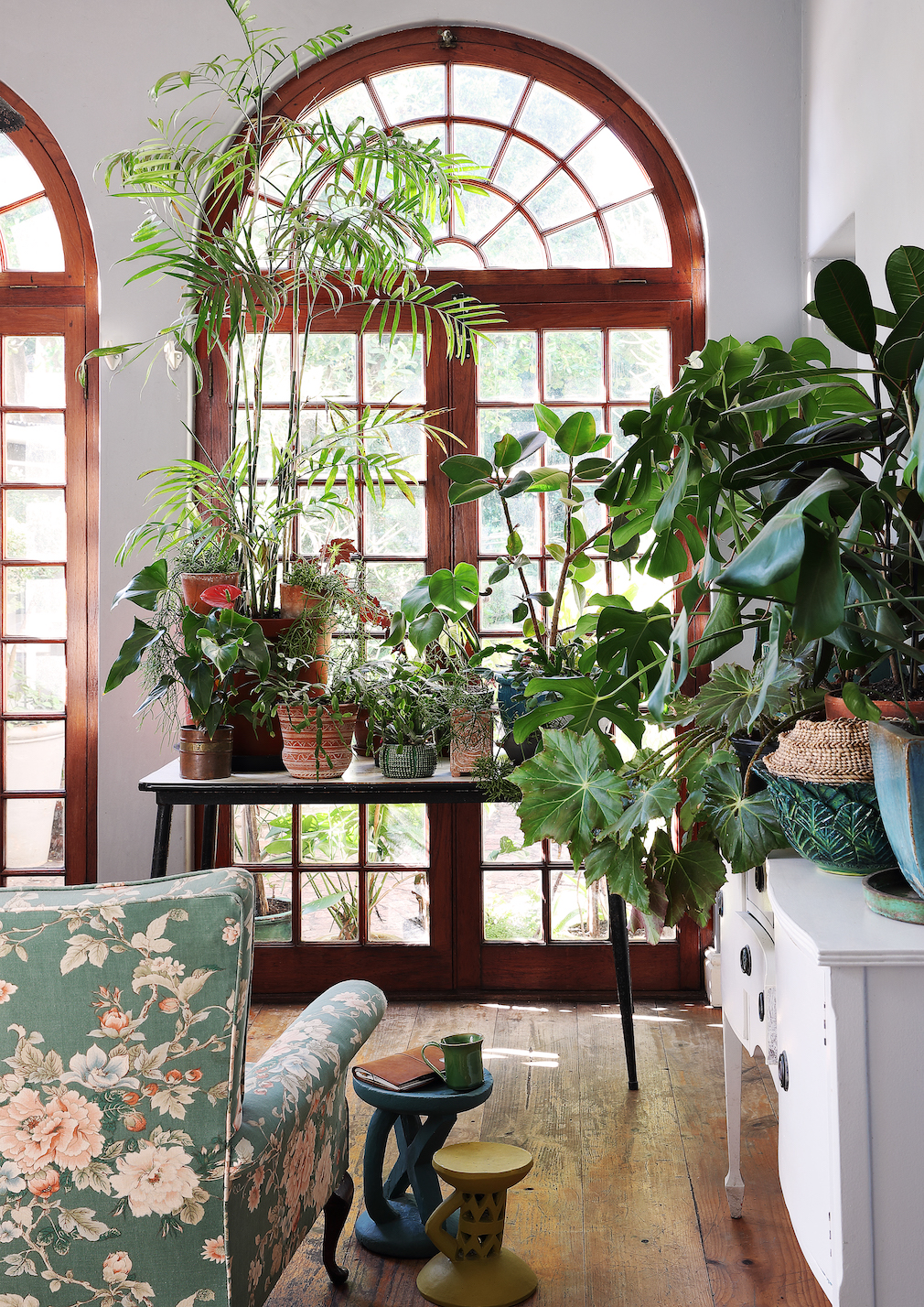
The characterful dwelling, a grande dame with its thick walls, voluminous spaces, restored sash windows that allow in tons of light and original detailing such as pressed ceilings, has proved to be the perfect foil for Woermann’s lifetime collection of (mainly) African art, craft, found ephemera and pieces she has made herself. And while each room is quite different, each is defined and therefore connected by her talent for assembly and display. “It feels a bit odd to me when people use the word ‘curated’ for how the house looks,” says Woermann. “Really, I think it’s quite haphazard,” she laughs. “It’s just evolved and become fuller the longer I’ve lived here.”
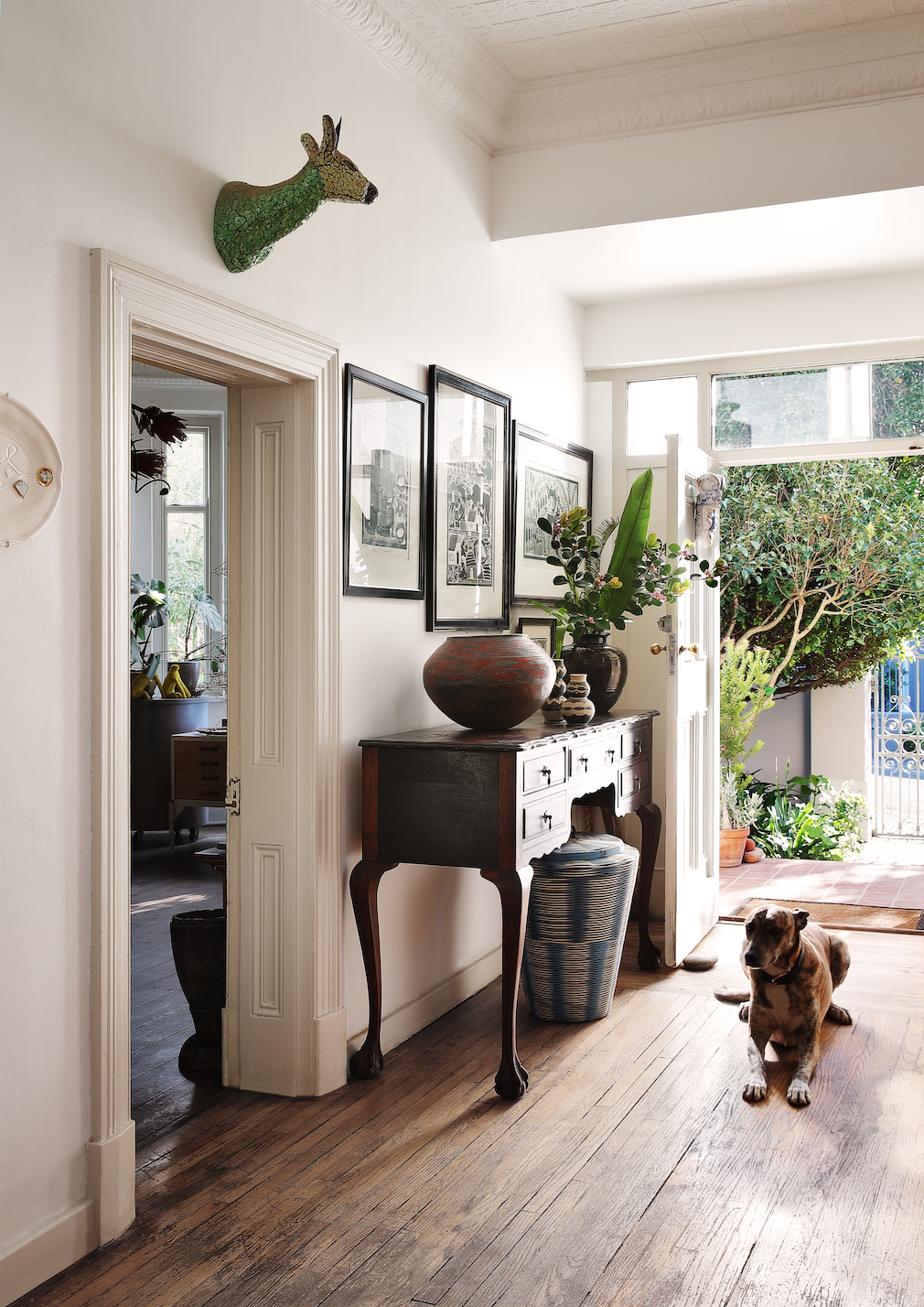
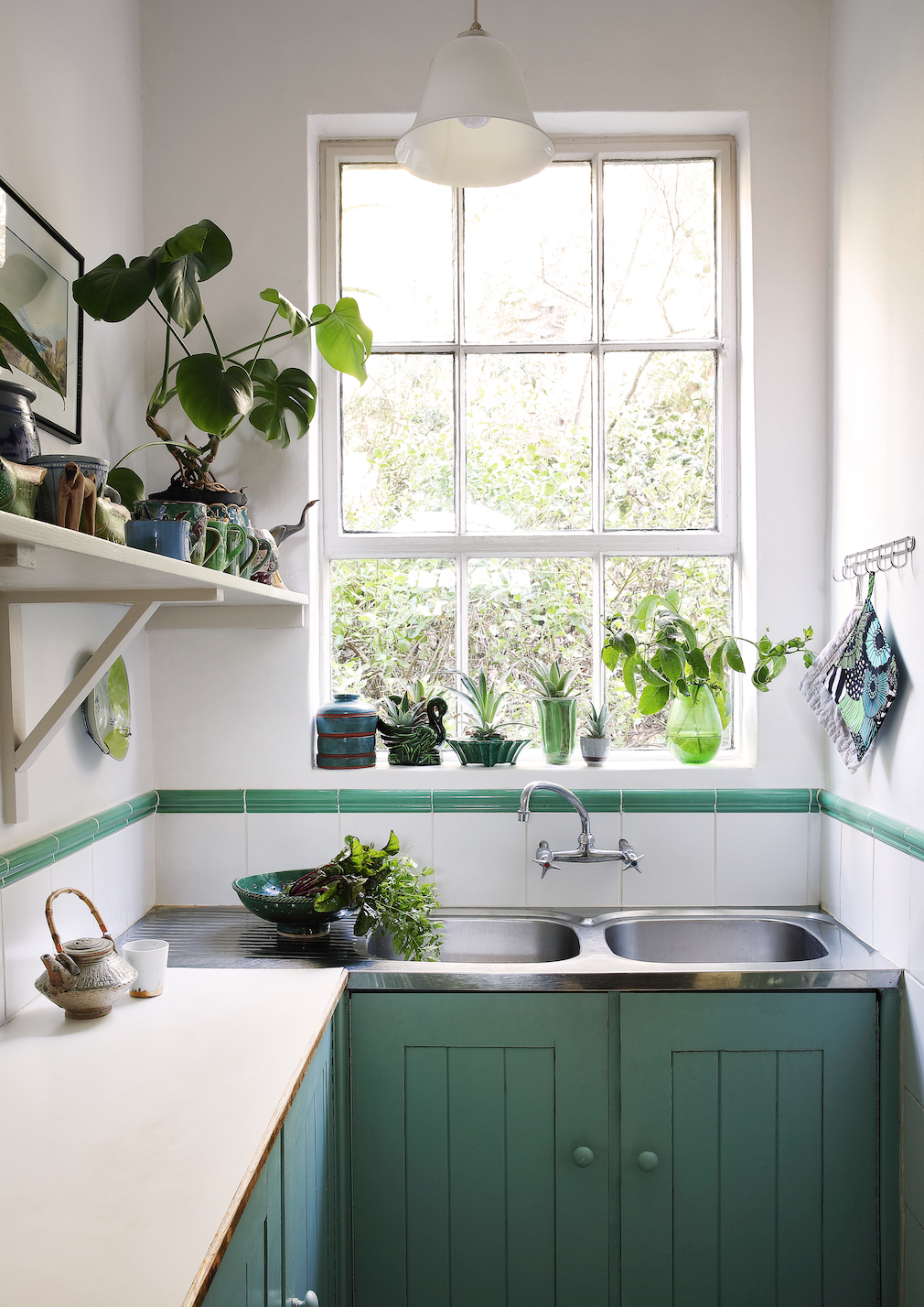
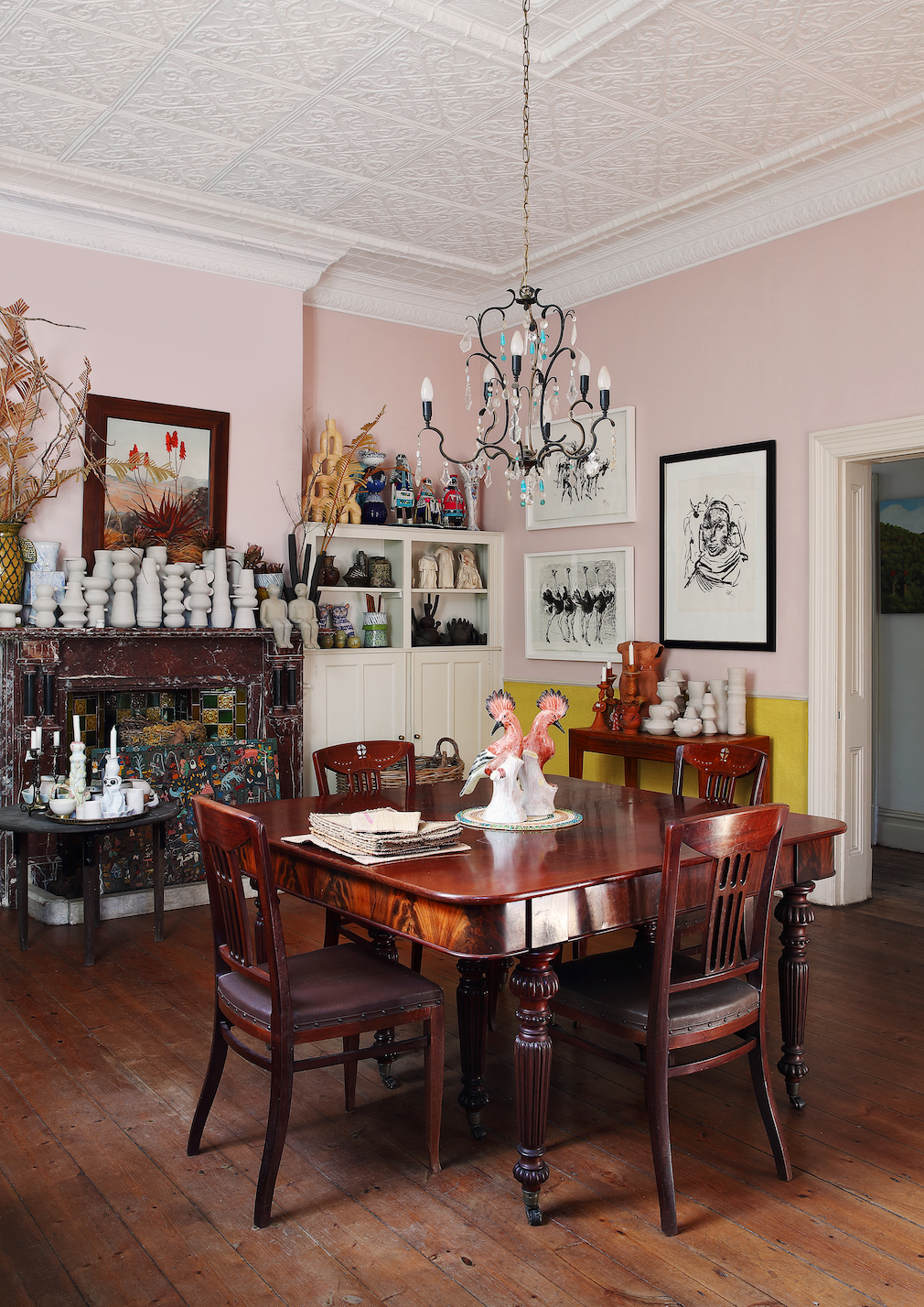
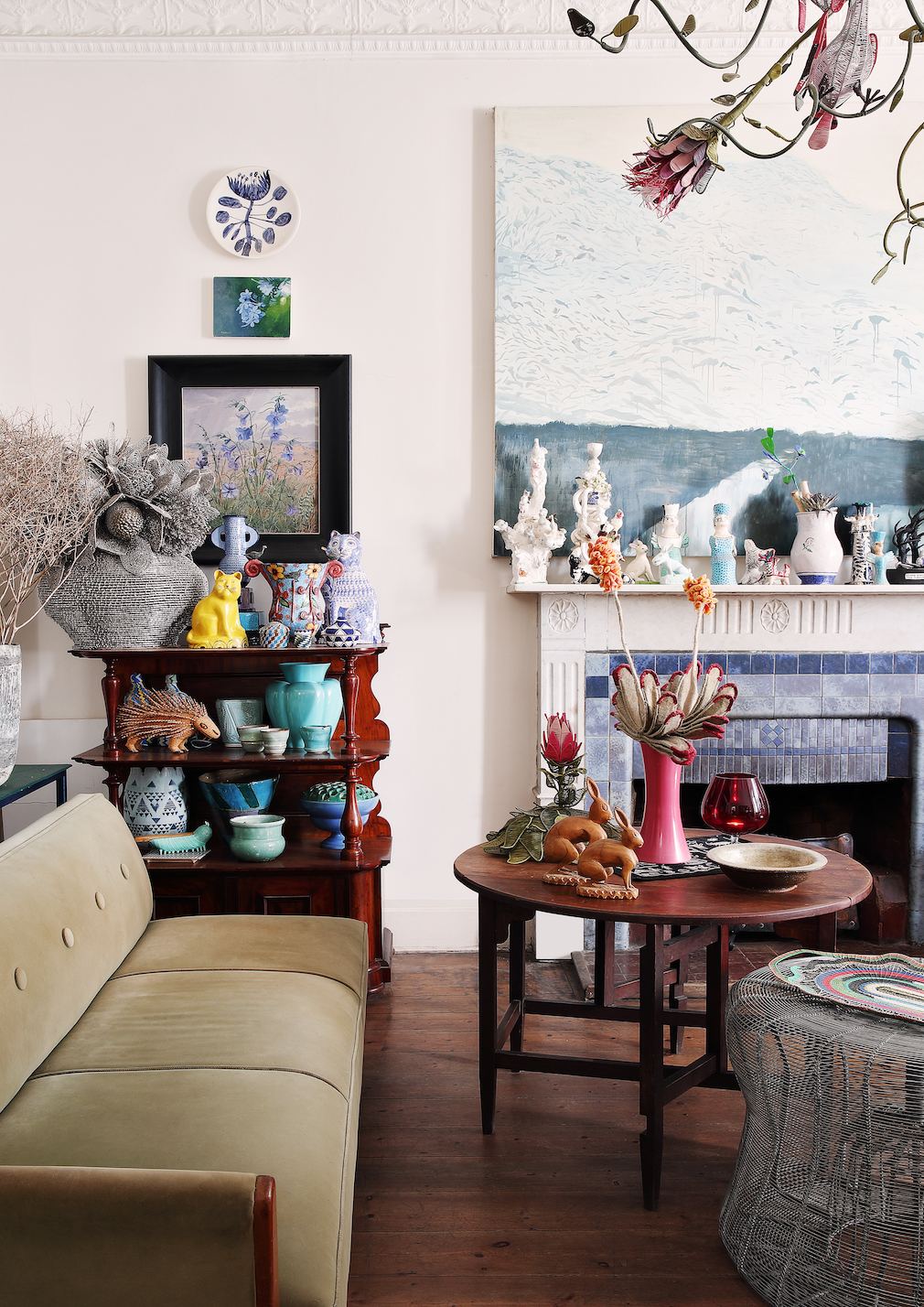
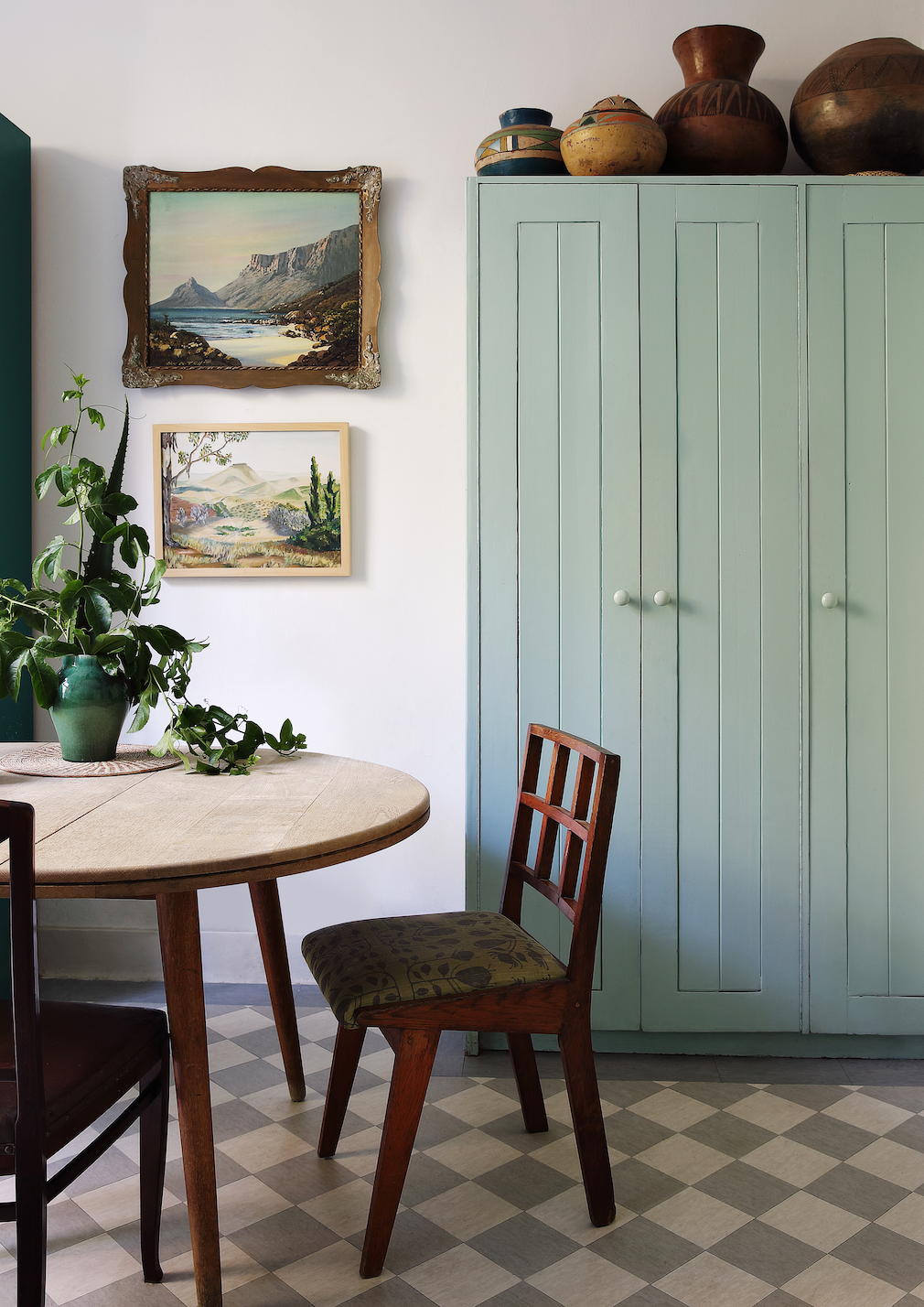
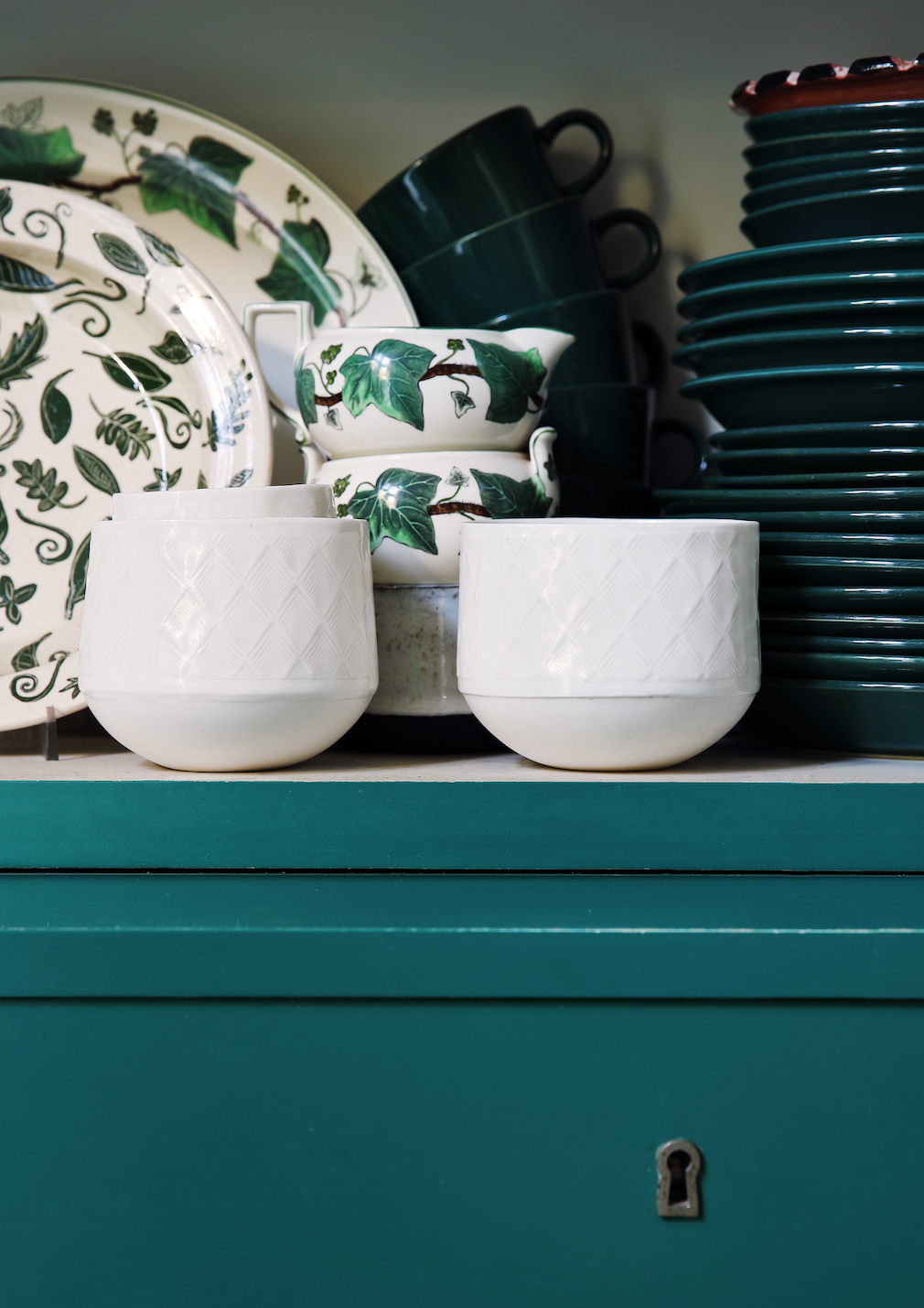
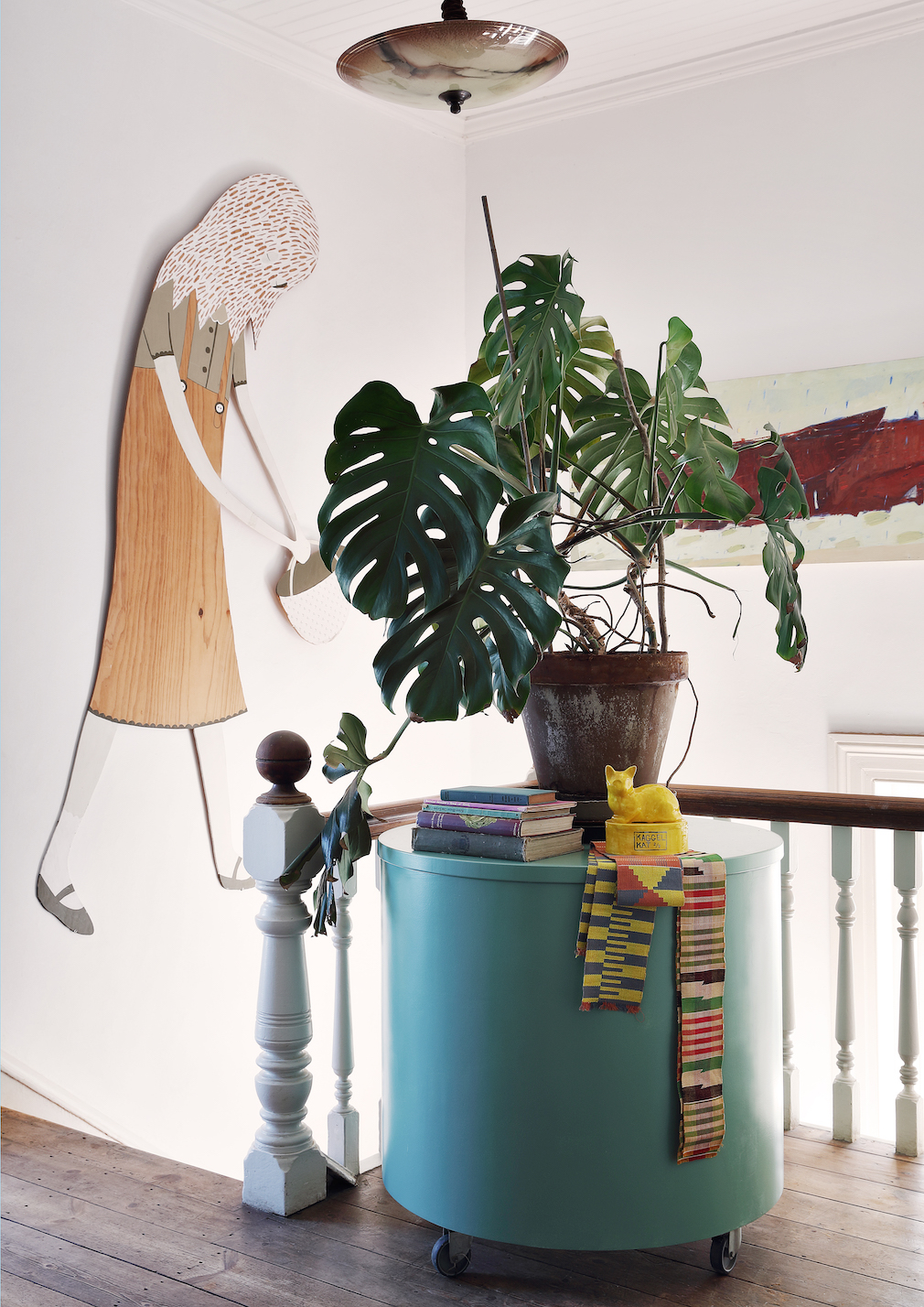
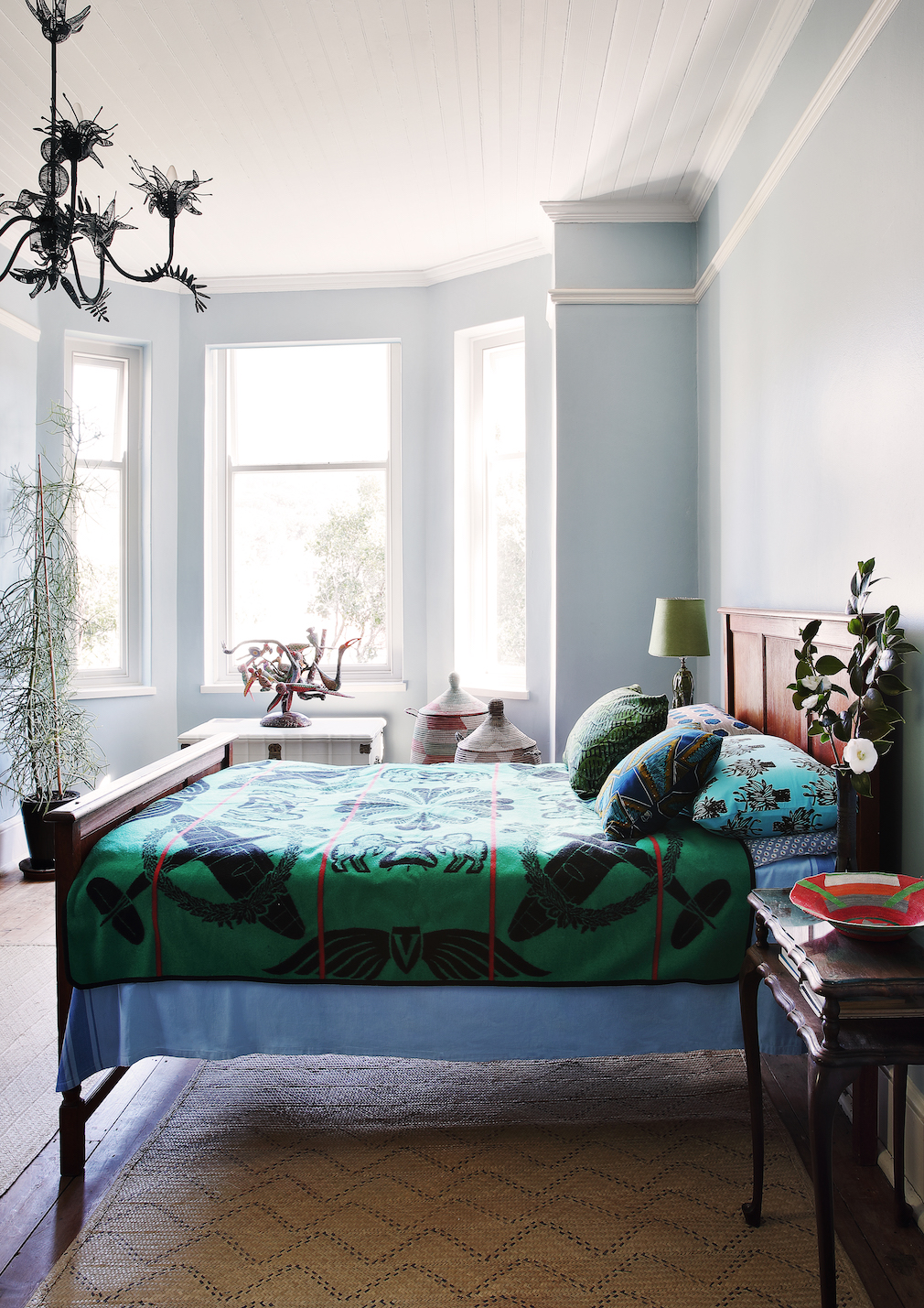
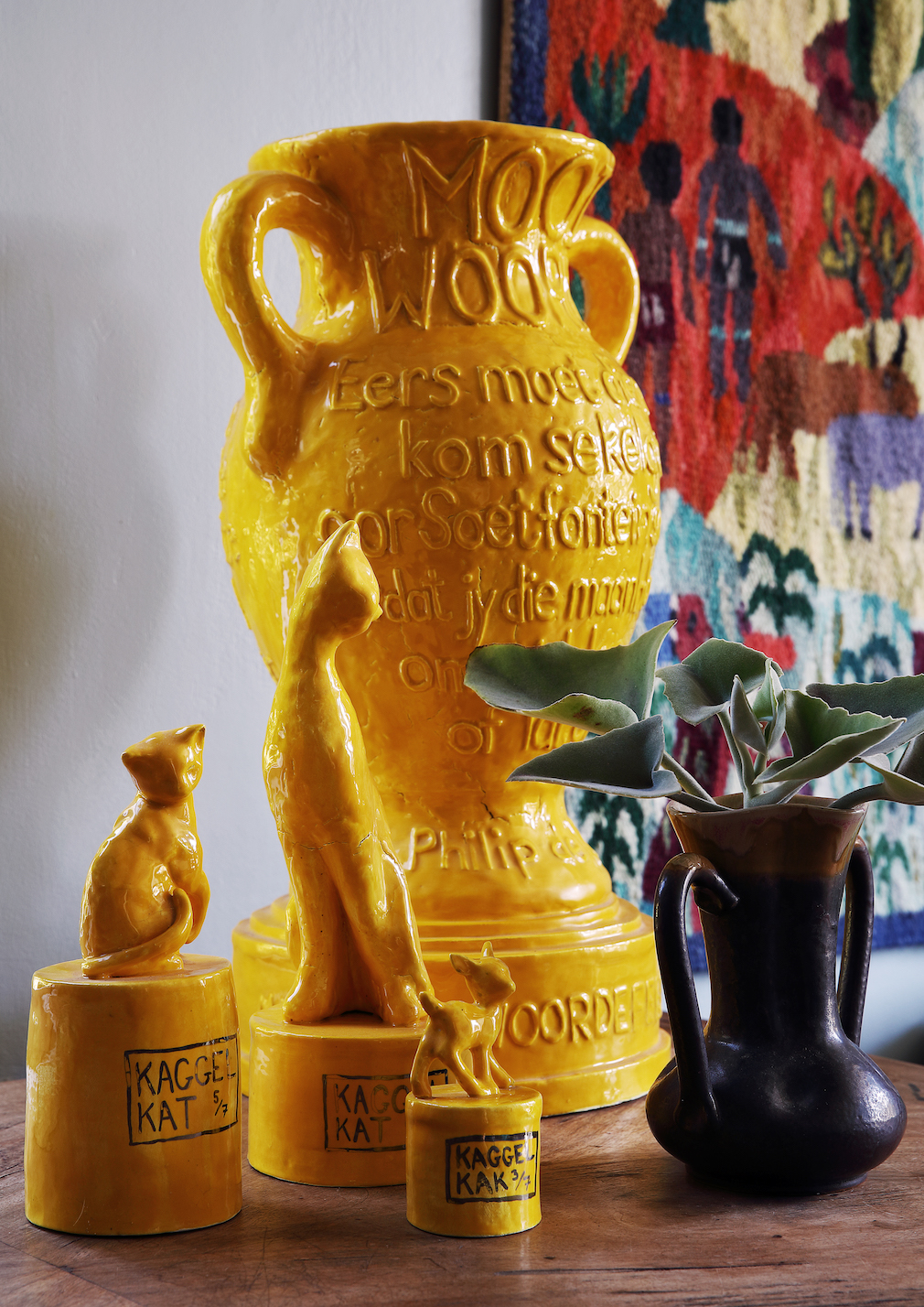
At the suggestion that she may be something of a cultural anthropologist — considering the impressive assembly of craft (and her profound knowledge about each and every maker) that has its roots everywhere from South Africa and neighboring Namibia, Zimbabwe, Eswatini (Swaziland), Mozambique and Botswana to further afield in Central, West and East Africa — Margaret is thoughtful. “I wouldn’t label myself as that, but I do feel connected to that sort of art because it’s what I was exposed to as a child and later in my youth when I travelled in Africa,” she says. “The rural art of the street and things made by hand with natural, recycled and utilitarian materials — which is so distinctive to craft — has always attracted me. Craft has such a life and vibrancy, it’s so unique and authentic to its maker,” she says. “How can you not have a respect for and curiosity about that?”
Photography by Elsa Young.
Production by Sven Alberding.
Like what you see? Get it first with a subscription to aspire design and home magazine.