
Since its founding in 1945, Cosentino has been guided by family and innovation. Through its evolution from a marble manufacturing company in Spain to a global, scientifically advanced surfaces company that operates in more than 35 countries and employs 6,000 people worldwide, the values and standards that started it all have remained at the core of the company’s philosophy.
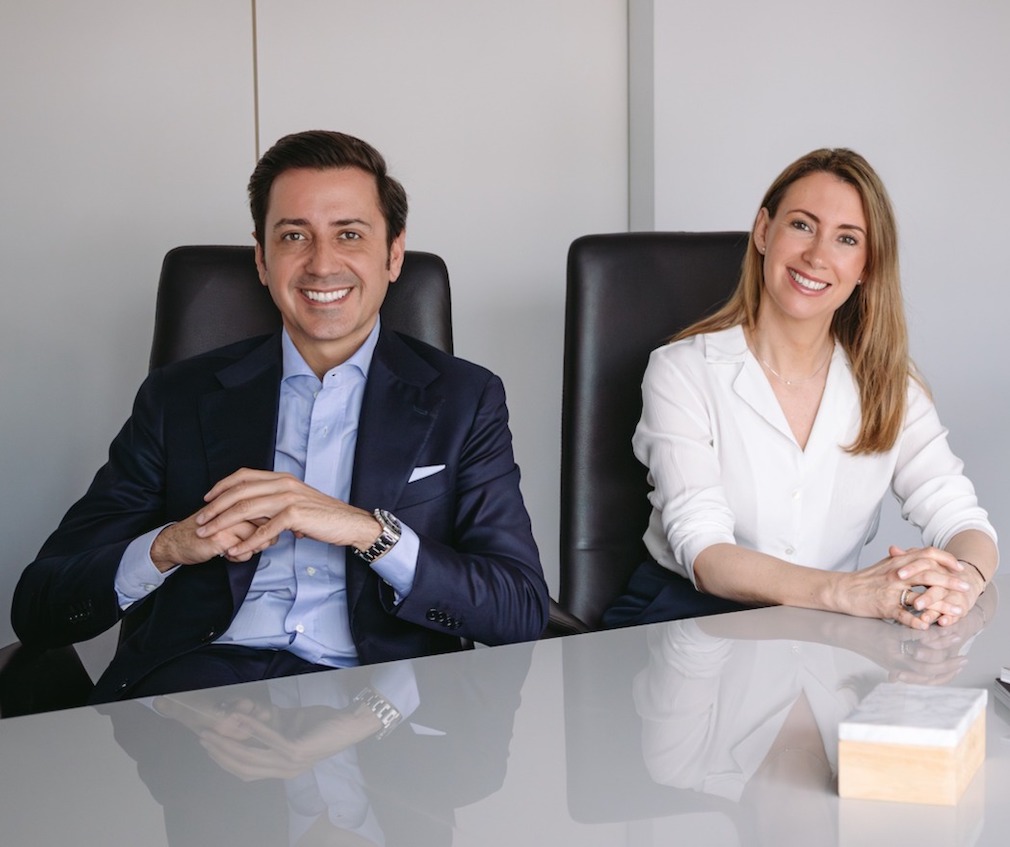
This year, the corporate reins were passed to a third generation of Cosentinos, siblings Pilar and Eduardo, who will serve as chief executive officer and executive vice president respectively. The executive evolution also marks the separation of the functions of chairman and CEO, with Francisco Martinez-Cosentino, who previously held the dual title, maintaining his position as chairman. The purposeful separation of the two roles was devised to capitalize on both experience and youth as the company moves forward.
In this two-part series, aspire Deputy Editor Jennifer Quail spoke with the siblings about leading their family’s business into the future. Here, Eduardo, who moved to the U.S. 15 years ago to head stateside operations and whose new role adds global business responsibilities in the areas of marketing and digital business, expansion and pricing to his position as CEO of Cosentino Americas, shares his insight into the company’s expanding U.S. business, the market differences between the U.S. and other regions, and the ongoing and shifting threat of tariffs.
Jennifer Quail: Cosentino’s presence in the U.S. has grown significantly in the past 10-15 years. What are some of the milestones you believe have taken the company to its current status in the U.S. marketplace?
Eduardo Cosentino: When I moved from Spain to Houston 15 years ago to take ownership of the North American business, I was only 28 years old, in a new country, still learning English, and trying to understand an unfamiliar market. At the time, our sales were $498M, and to grow the business, my first approach was to listen. I met with hundreds of customers and asked what we could do differently. That feedback guided a complete shift in our business model. We bought out our partnership, diversified operations, and moved beyond a small fabricator base into distribution, retail, builder, and commercial channels. That change took us from about 150 customers to more than 15,000 and gave us a foundation for the growth that would shape the future of the company. Fifteen years later, I’m proud to say we have more than doubled the business.
Innovation has been just as important to our business success. Silestone was featured by Time Magazine in 2004 as a “Vision of Tomorrow” for its antibacterial properties, and it positioned us as a company that could redefine the role of surfaces in everyday life. Since then, we have consistently been focused on innovation.
Since the advancement of our Hybriq+ technology, which reduces silica content to below 10 percent, we are now expanding that progress by launching an entirely new category with the brand called ÉCLOS. All ÉCLOS products will feature new Inlayr Design Technology, which pushes safety and sustainability further by achieving crystalline silica content below 1 percent while using up to 90 percent recycled materials. Inlayr also introduces new design possibilities through advanced decoration techniques that deliver gradient effects, intricate colorways, and full-body veining, marking the next chapter in our innovation journey and showing how technology, sustainability, and design excellence come together to redefine the future of surfaces.
All of this has helped transform the U.S. into our largest and most diversified market, now representing nearly 60 percent of Cosentino’s global revenue. We have 15 City Showrooms and 50 Centers across North America that anchor our partnerships with designers, architects, and fabricators. The next milestone is the opening of our first U.S. manufacturing facility in Jacksonville, Florida. Producing locally will allow us to respond faster to demand, reduce transport costs, and create hundreds of jobs. More than anything, it shows that North America is not just a market for us, it is a home.
JQ: How has the evolution of the City Centers changed the U.S. business? Should we expect to see more locations in the near future?
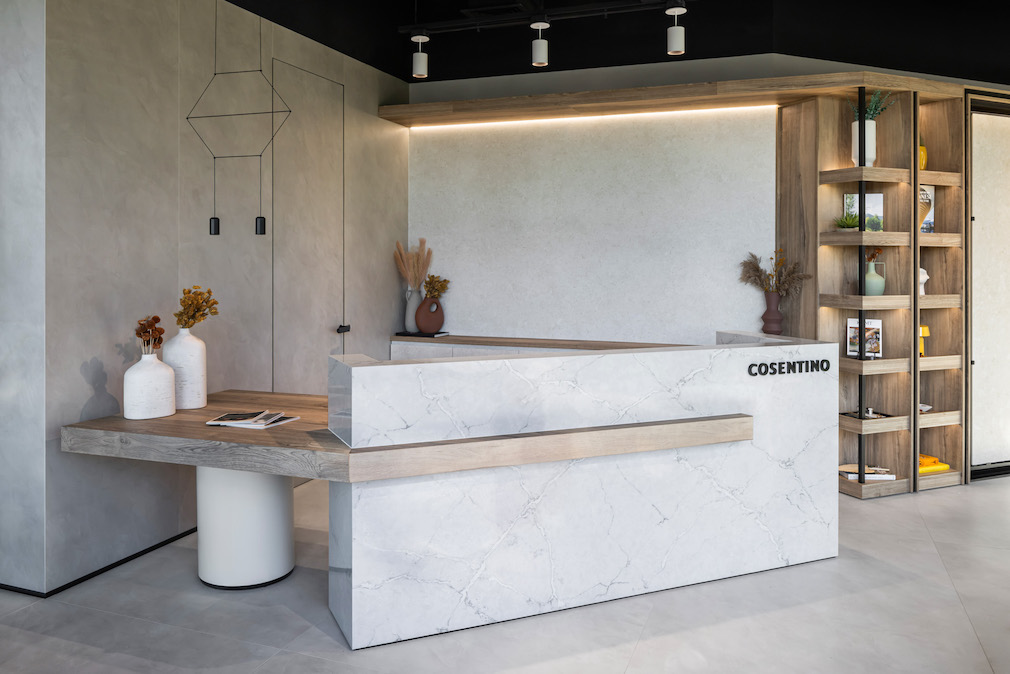
EC: The City Centers have been transformative. They’ve allowed us to connect directly with architects and designers in the markets where they live and work. These showrooms are not just product displays; they’re collaborative spaces where the design community can find inspiration and resources. Our focus on the professional market has driven some of our fastest growth in the U.S.
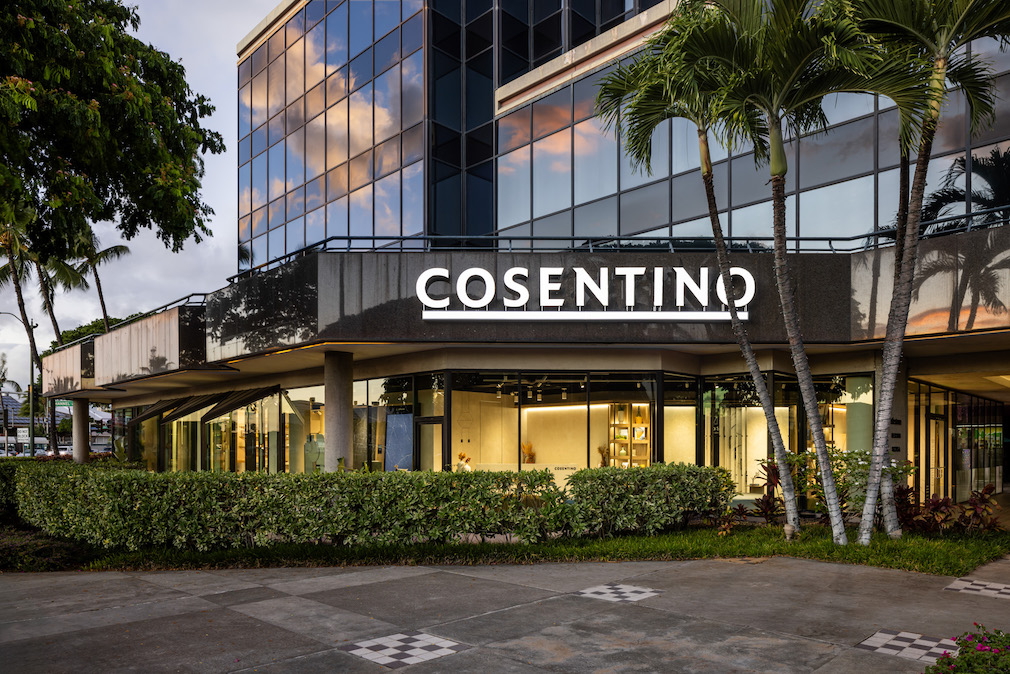
We’re continuing to expand and invest in our City Showroom model. In 2025, we opened new City Showrooms in Honolulu, Dallas, and Richmond, bringing our U.S. total to 12. Looking ahead, we’ll introduce Studios, which are smaller-format spaces tailored to residential designers and consumers, beginning with Naples in early 2026 and Montclair, New Jersey, later that year, followed by a new City Center in Houston after the summer of 2026.
JQ: From a design perspective, how does the U.S. differ from other parts of the world?
EC: The U.S. is a very dynamic market. Consumers here expect faster response times, broader product access, and availability across multiple channels — whether that’s a big-box retailer, a builder program, or a high-end design studio. That demand really pushed us to broaden how we distribute and market our products.
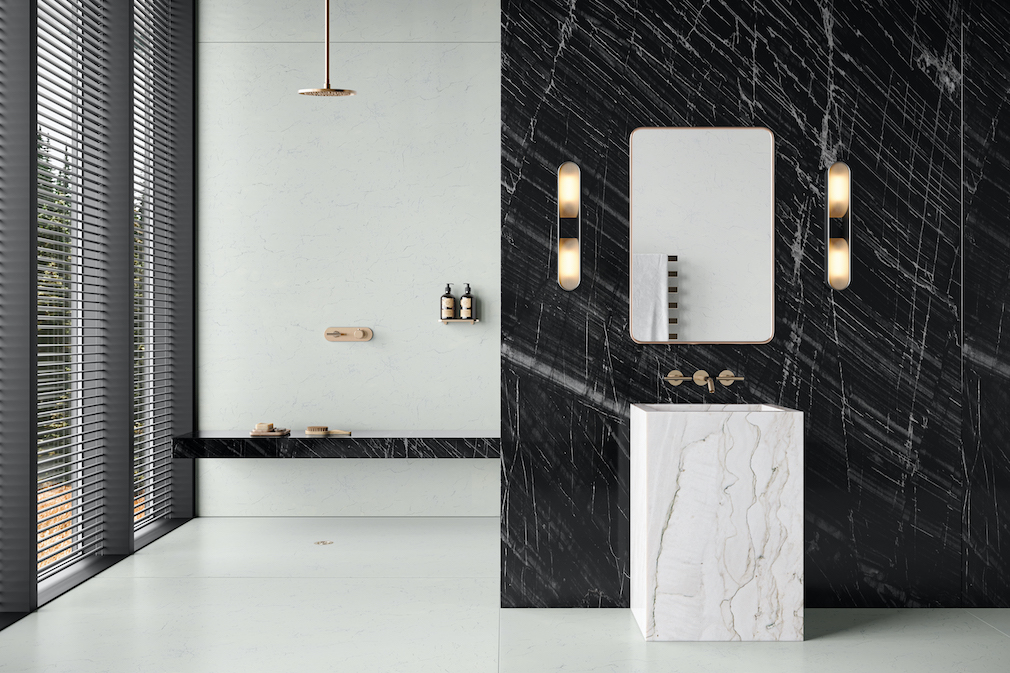
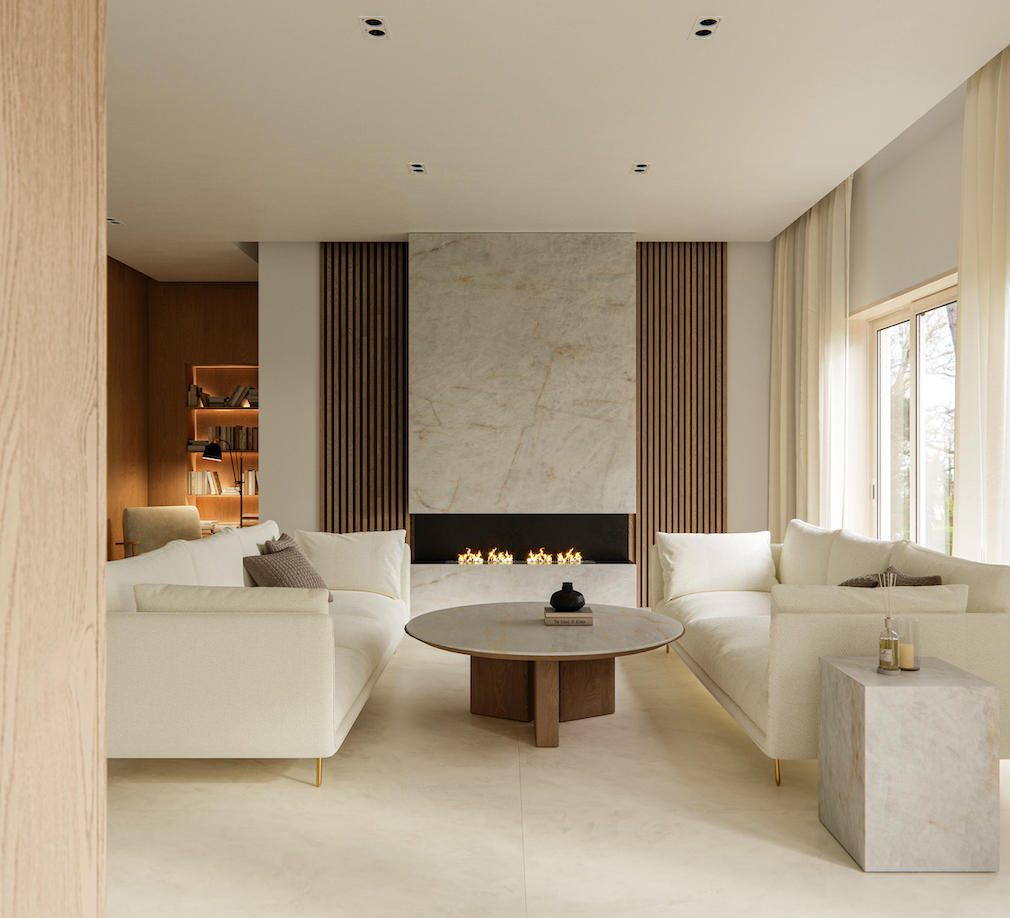
From a design perspective, U.S. consumers often favor a neutral and versatile color palette, with white and off-white backgrounds leading the way. We are also seeing a growing appetite for dramatic marbled designs that feature bold veining and intricate detail. In addition, the U.S. stands out for its preference for polished finishes and thicker 3cm countertops, a combination less common in other countries.
Although European markets tend to lean toward darker, more understated looks, one element remains consistent everywhere: Cosentino’s Mediterranean heritage. It is reflected not only in our product aesthetics but also in the design of our showrooms, creating a unifying thread across all markets.
JQ: How has the corporate move to Miami impacted the U.S. business?
EC: From a cultural perspective, Miami has been a natural fit for Cosentino. It is a truly international city with strong ties to Latin America and Spain, which reflects our heritage, and it is also a city with a passion for design. Inspiration is everywhere, and that energy influences the way we connect with the architecture and design community.
From a business perspective, Miami gives us a strategic home base in Florida, with great connectivity to the region as well as to Spain, not to mention close to Jacksonville, where we are building our first U.S. manufacturing facility. Having our headquarters and future production hub in the same state creates efficiencies and reduces the challenges of managing operations exclusively from overseas. It also positions us to contribute more directly to the U.S. economy by creating jobs and opportunities as part of our long-term investment in this market.
JQ: Tariffs are on everyone’s mind today — from business owners to consumers. Can you share your perspective as a Spain-based company with major operations in the U.S.?
EC: We are working on the development of our new manufacturing facility in Jacksonville, however, it will not be operational until late 2029/early 2030. The U.S. has supported the growth of the Cosentino business over the nearly 30 years we have been operating in the country, as we have scaled at an impressive pace. With 1,200 employees in this strategic market, we have invested in more than 50 commercial assets and 10 fabrication shops. We will sacrifice a part of our margin to minimize the impact on the customer, as we continue to invest in building our first U.S. manufacturing facility for long-term success.
JQ: When you look ahead 10 years, where do you expect Cosentino U.S. to be?
EC: The Jacksonville facility will be a game changer, providing U.S.-based production of our product. That means shorter lead times, lower transport costs, and a more sustainable supply chain. We’re pairing that with workforce development, partnering with local institutions to train talent and invest in the community.
Beyond manufacturing, we’ll continue expanding our City Showrooms to be closer to the design community in key markets. And of course, we’ll keep investing in innovation and sustainability. Since 2018, we’ve reduced our carbon footprint by nearly 10 percent and invested more than $32 million in environmental initiatives. We have invested nearly $20 million in the development of low-silica products to support the fabricator community. My vision for the next decade is that Cosentino will not only continue leading in design and performance but will also set the standard for sustainability and safety in our industry.
JQ: How does it feel to be working with your sibling to take the family business into the future?
EC: It’s incredibly rewarding. Pilar and I have very different areas of focus, but we share the same long-term vision for the company. We speak every day and support each other unconditionally.
Being family-owned is a real strength. It allows us to be more agile, to think long term, and to make decisions with future generations in mind rather than just short-term results. That mindset has guided us from a small marble workshop in Spain to the global company we are today.
Read on for aspire’s conversation with Cosentino Global CEO Pilar Cosentino.
Like what you see? Get it first with a subscription to aspire design and home magazine.