
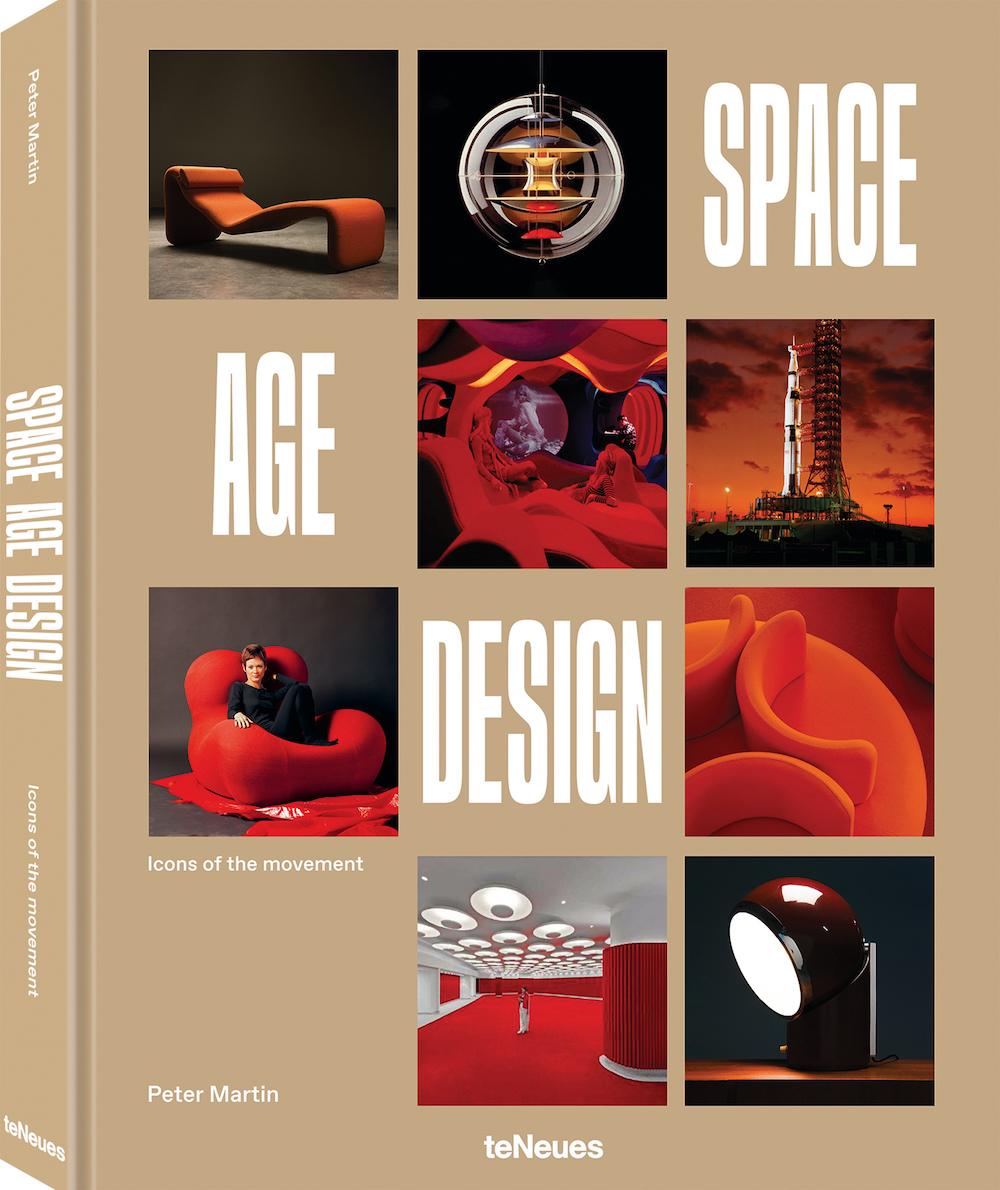
Space Age Design: Icons of the Movement by Peter Martin | teNeues
AI may prove to be the most earth-shaking tech development of our time, but back in the day, space was the brave new world. The country experienced a mixture of giddy expectation and genuine concern, thrilled by the science of rockets and satellites, yet uneasy that the Russians, first out of the gate with Sputnik I in 1957, would leverage their head start to humble the U.S. While the space race added a new dimension to the planet’s geopolitical landscape, a concomitant, future-is-now sensibility zoomed across consumer culture, with everything from buildings and automobiles to appliances and apparel assuming bold, new looks. In Space Age Design: Icons of the Movement, Peter Martin – founder and editor of the international design magazine Cultural Union – chronicles that dizzying era, from the ground to the wide blue yonder.
aspire design and home: I suspect this period has been of interest to you for some time, but I’m curious to know the genesis of this book.
I’ve always had an interest in the era and also in space, probably as a result of growing up in the slipstream of Star Wars and Space Invaders. A couple of years ago, I discovered a number of midcentury collectors, dealers and galleries in France and Italy using the term “Space Age” as a school of design, which is quite unusual for serious gallerists in the United States and the U.K. In the U.S., the term “Atomic Age” is sometimes used to describe architecture and design from the Cold War period, though it’s not quite the same and doesn’t cover quite the same period. That led me to do some digging. I then wrote an article about it, which seemed to strike a chord and got a lot of readers, so I realized that perhaps I wasn’t alone in finding the idea fascinating.
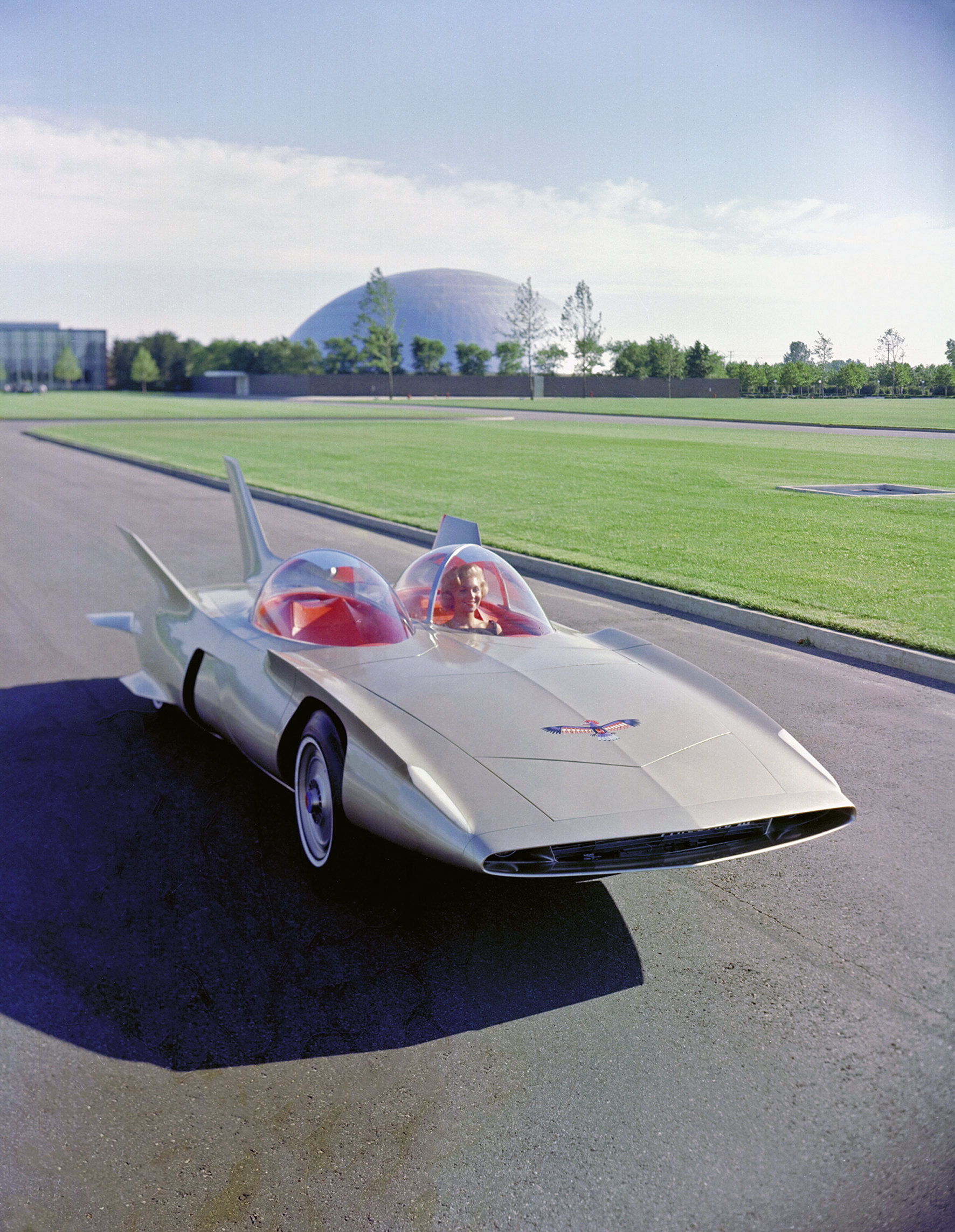
1958 | General Motors Firebird III Concept Vehicle © General Motors
adh: Some of the more extreme manifestations of space age design can be deemed a bit kitschy now. But aside from the classic furniture pieces, do you sense a growing interest in the aesthetic and the period?
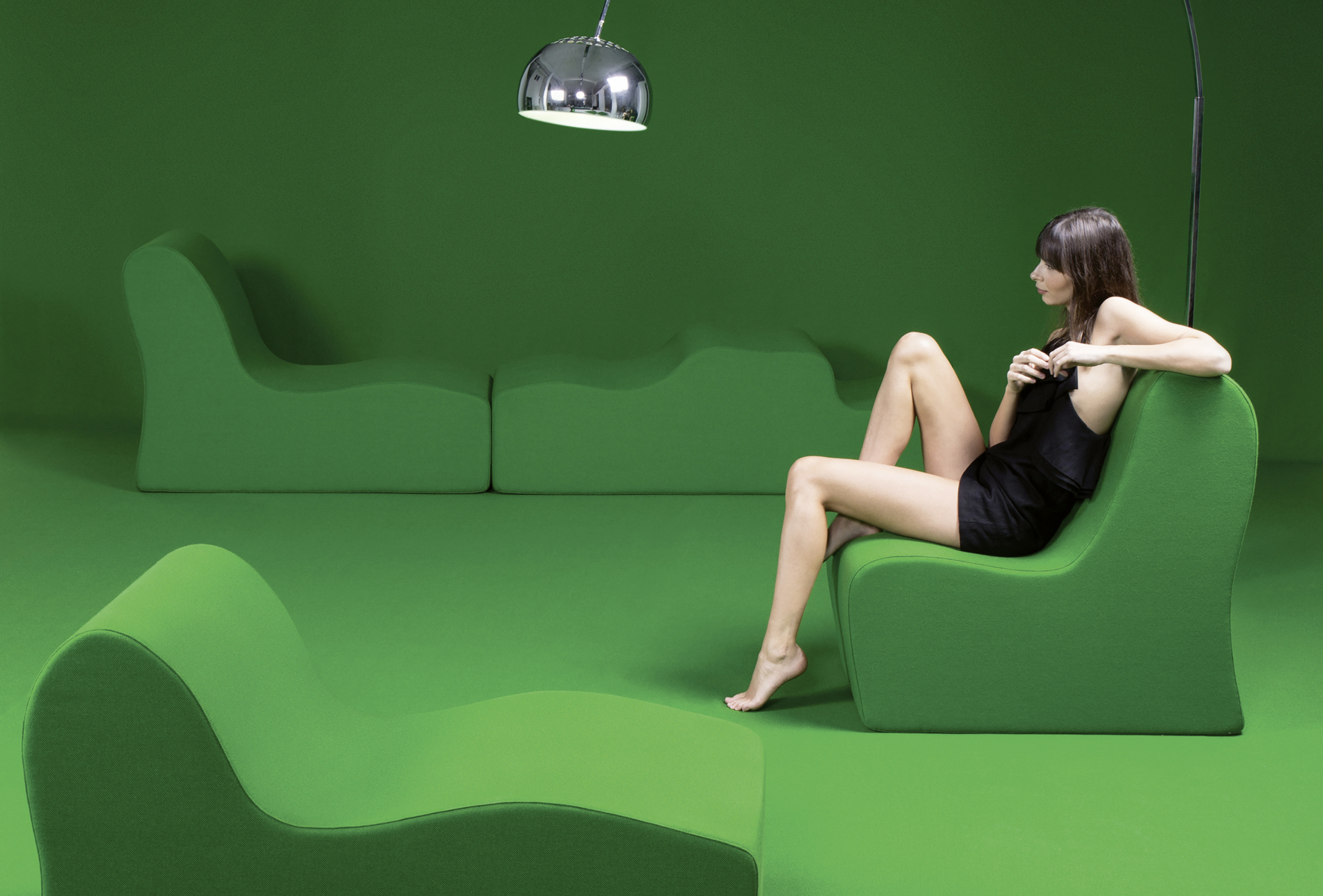
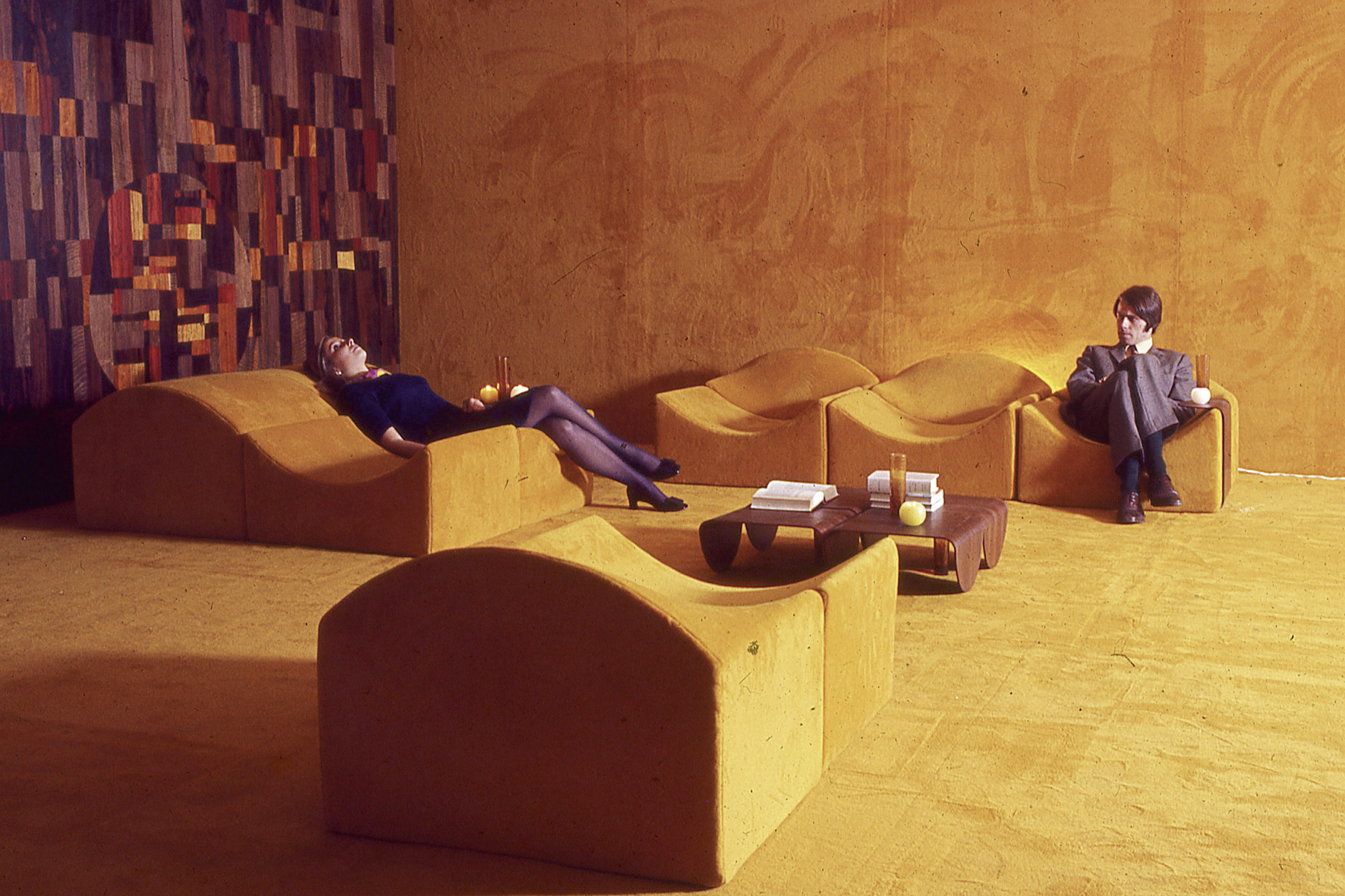
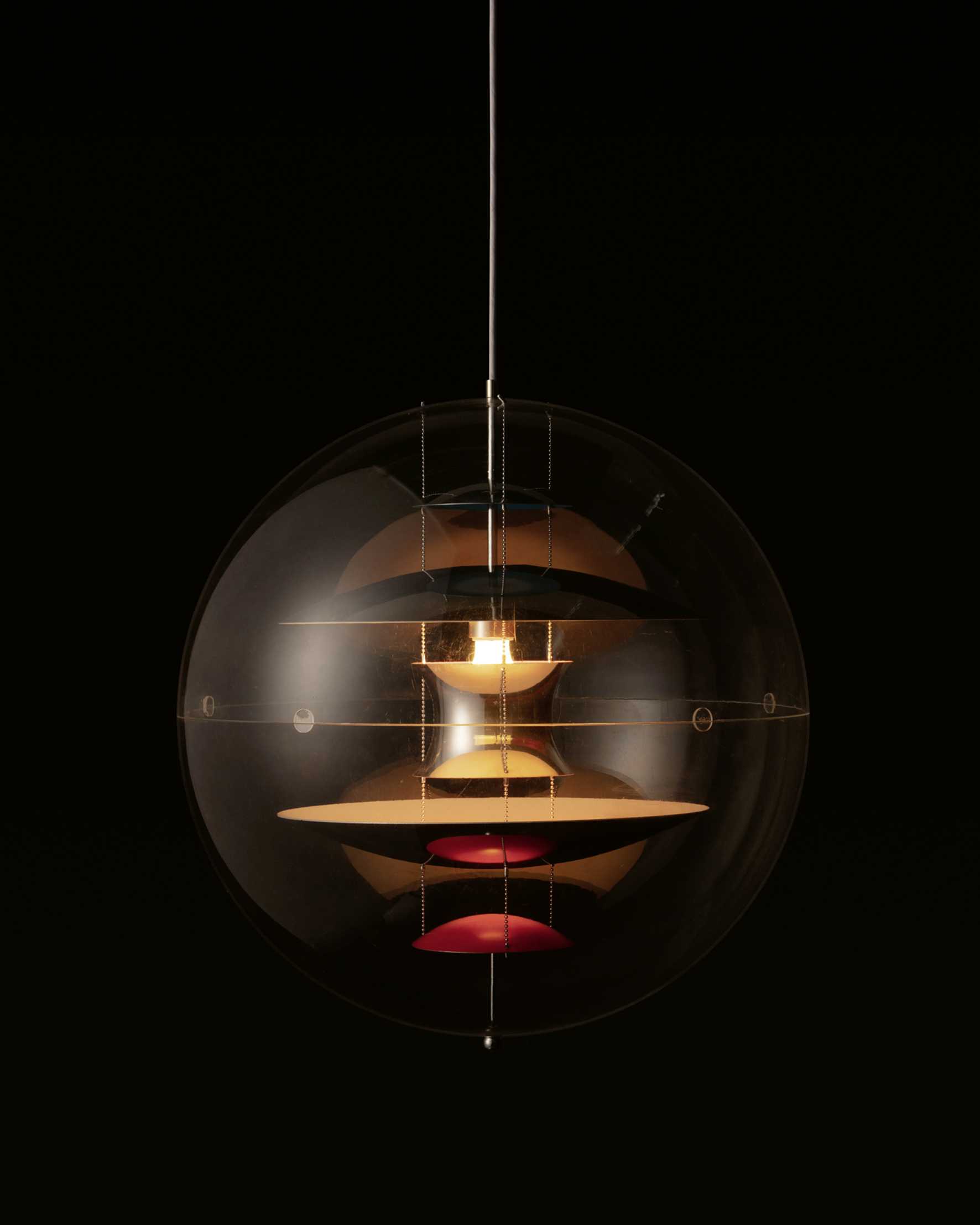
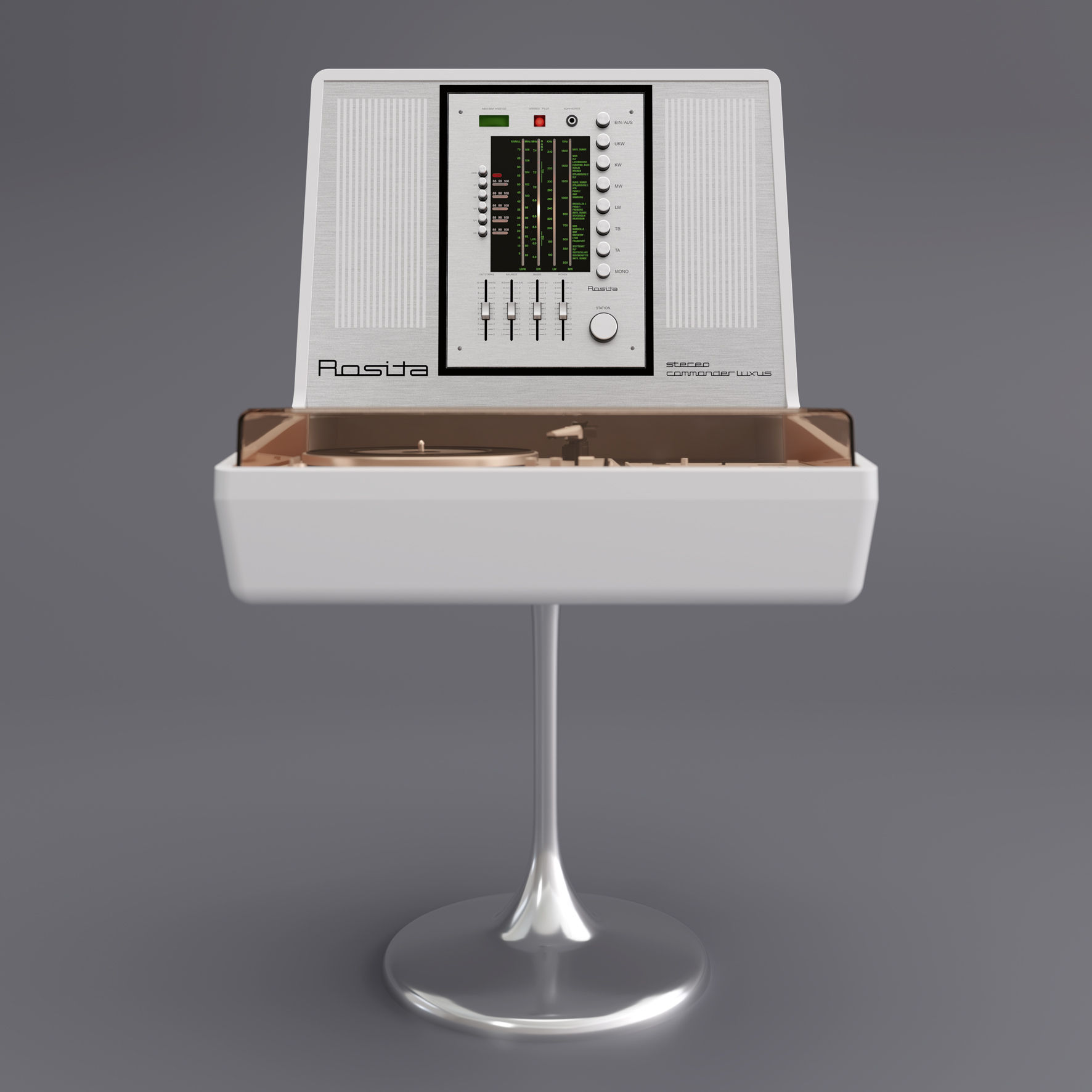
A lot of the super kitschy stuff was created by secondary designers feeding off the first wave, much as happens with any radically new aesthetic. But we’re now in a new phase, and the space age aesthetic has entered mainstream architecture and interiors in a big way. There’s the Elizabeth line in London, and Asian interior designers are doing incredible things. And as that generation of designers passes into history, there’s great interest in their legacy. Paulin Paulin Paulin – the design gallery recreating Pierre Paulin’s designs from the 60s and 70s – is a hit in Miami Art Week each year. Ligne Roset’s Togo and B&B Italia’s Camaleonda are highly desirable. These designs have gone from cutting edge to passé to being super collectible again, largely because we now see that era for what it was: exceptional, daring, positive.
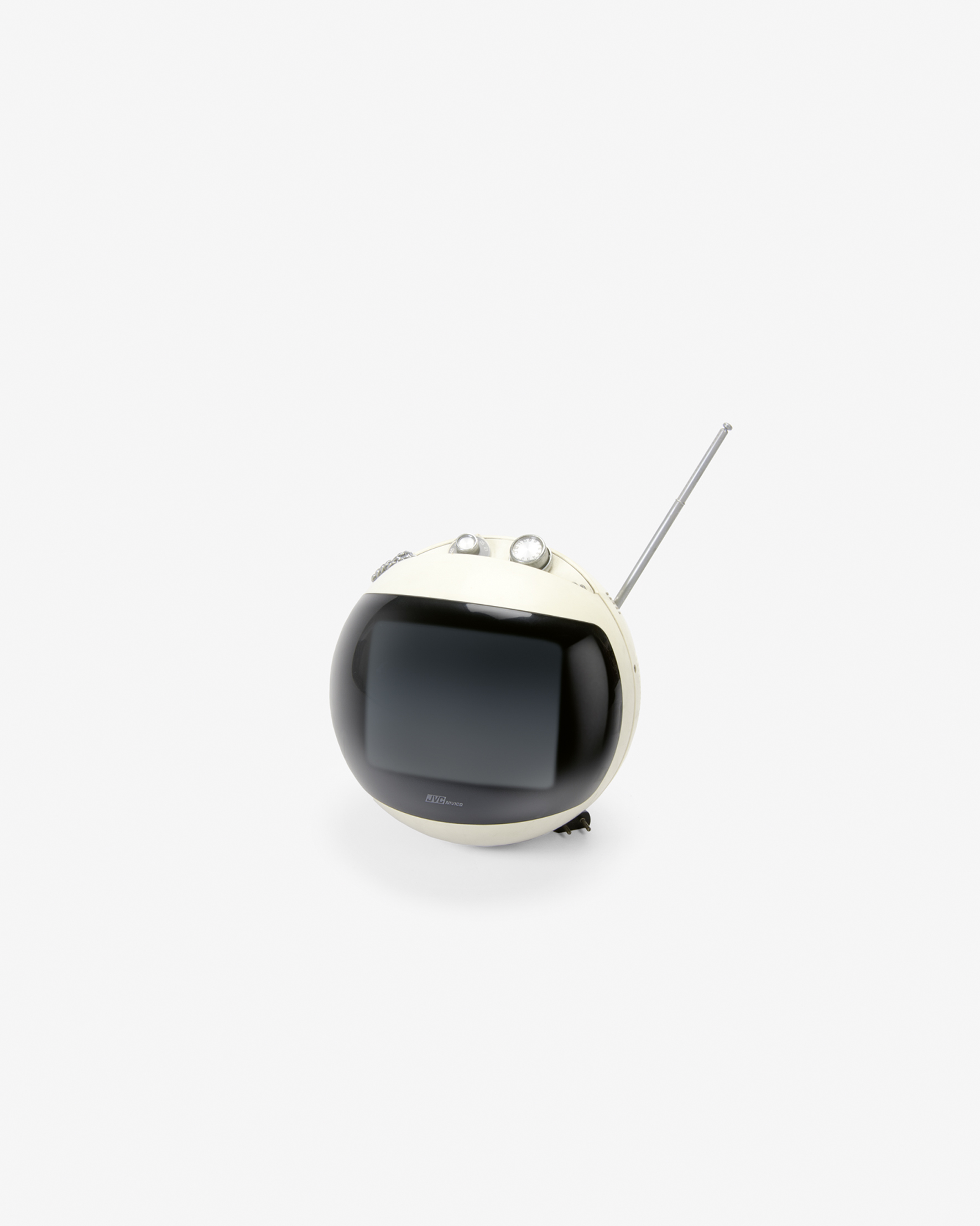
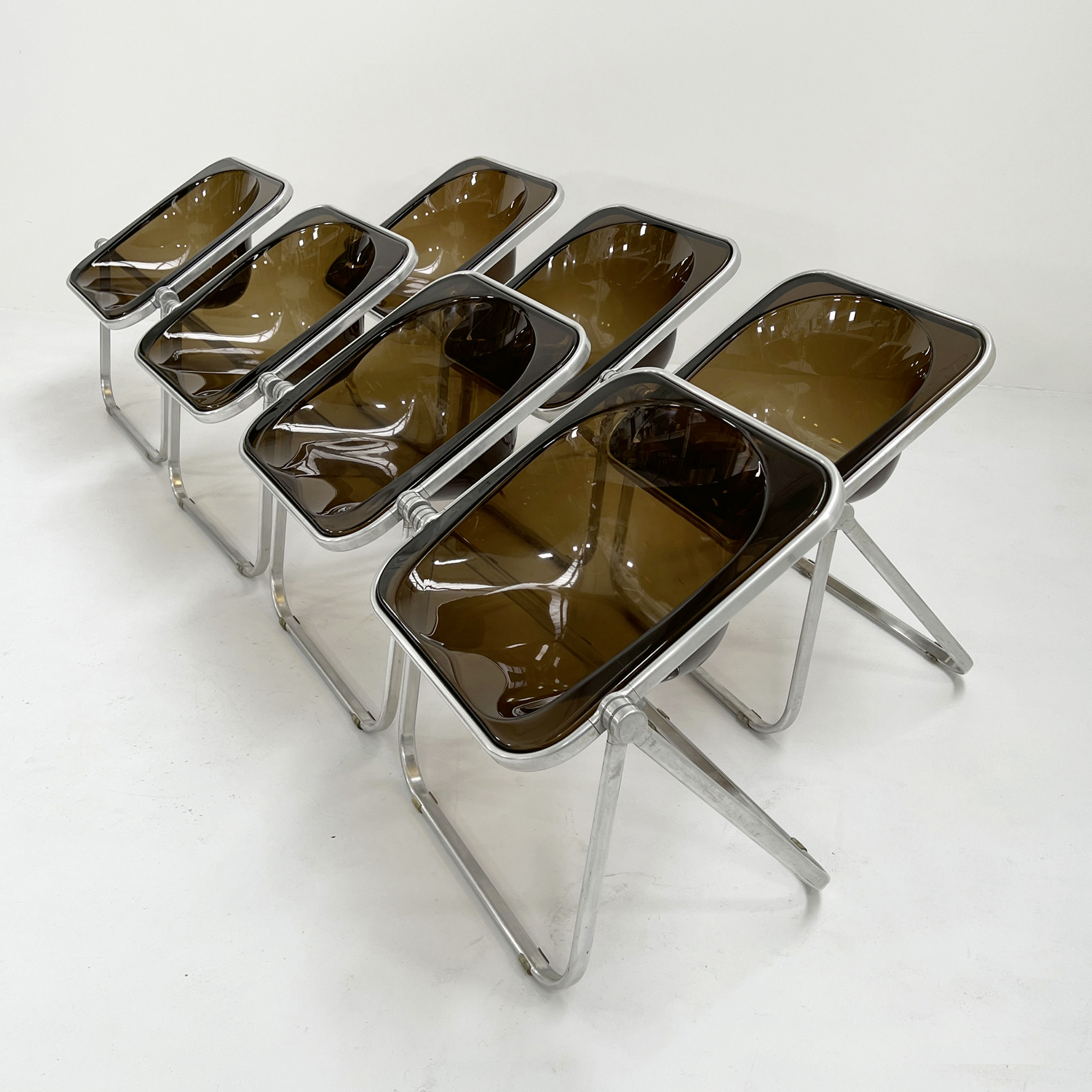
adh: The current U.S. administration is pushing for neotraditional styles in public buildings. How was space age design received by governments and corporations?
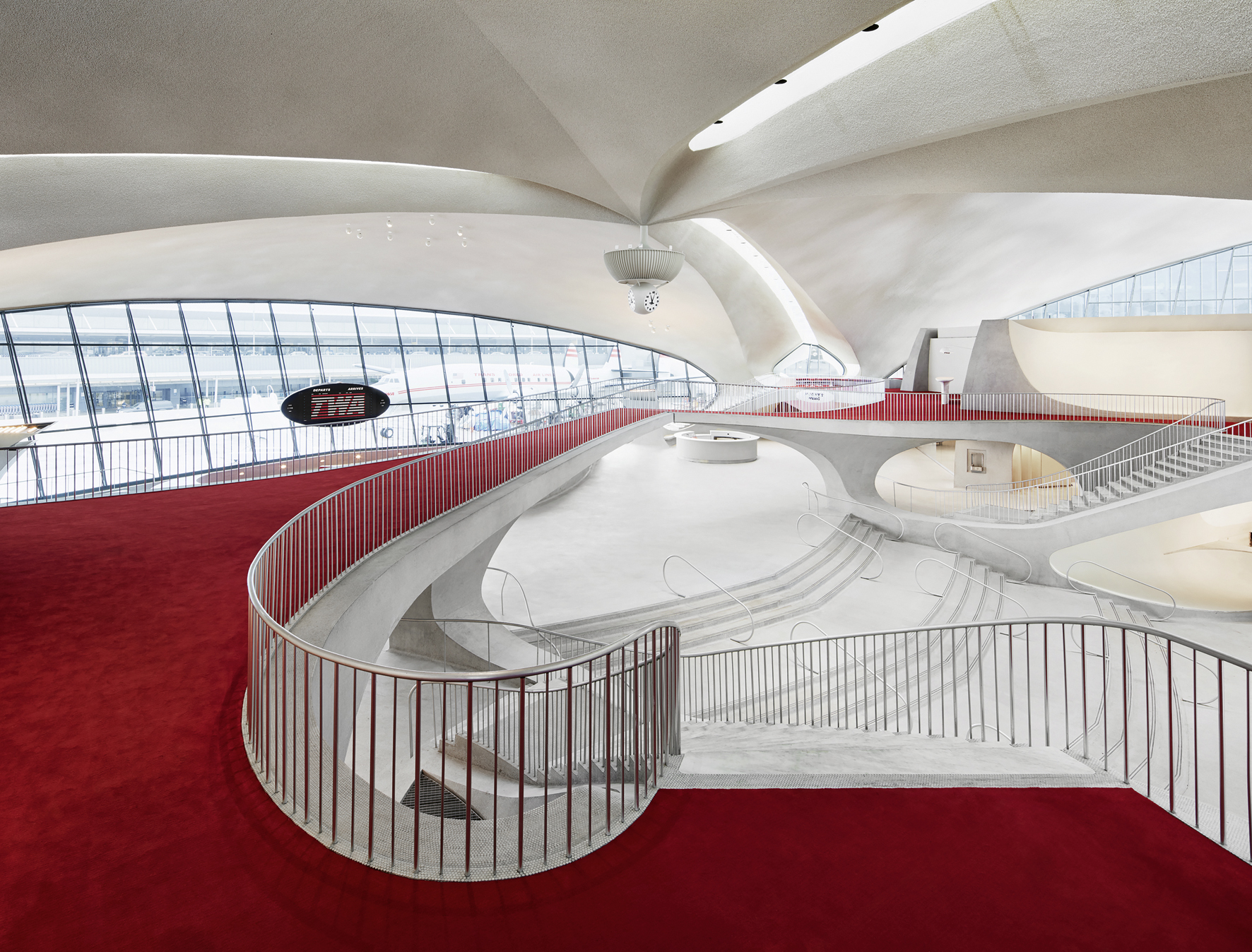
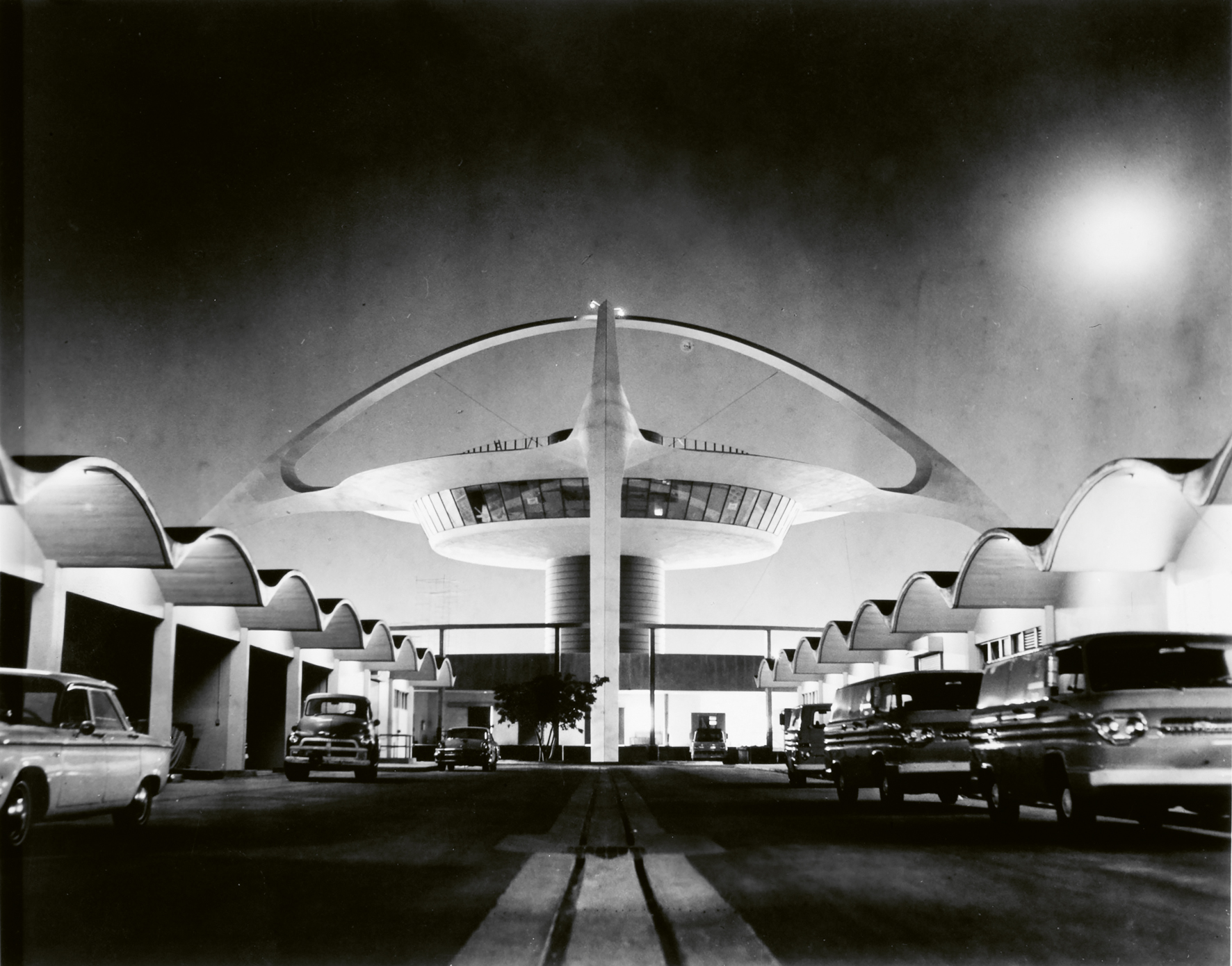
The Kennedy administration was hugely invested in the Space Race, so they would be the last people to push back on it. And architects like Eero Saarinen were being commissioned by major corporations, such as General Motors and TWA, all of whom were keen to be seen as forward-looking.
adh: Please identify a product that fully expresses space age design, visually and functionally.
That is so difficult, as every picture in the book is a good example! But I’d say Pierre Paulin’s Ribbon Chair for Artifort expresses the style for a number of reasons. First of all, it was an attempt to base the concept of a chair on the future, not the past. Second, the use of saturated color marked it out as something that would not have existed before the war. Third, its shape depended on new methods of molding aluminum, an example of how newly available materials were revolutionizing how furniture could look. Fourth, the seamless stretch fabric was a new material and something that Paulin, Verner Panton and Olivier Mourgue had all worked hard to develop. And finally, you just see it and you know…
Like what you see? Get it first with a subscription to aspire design and home magazine.