
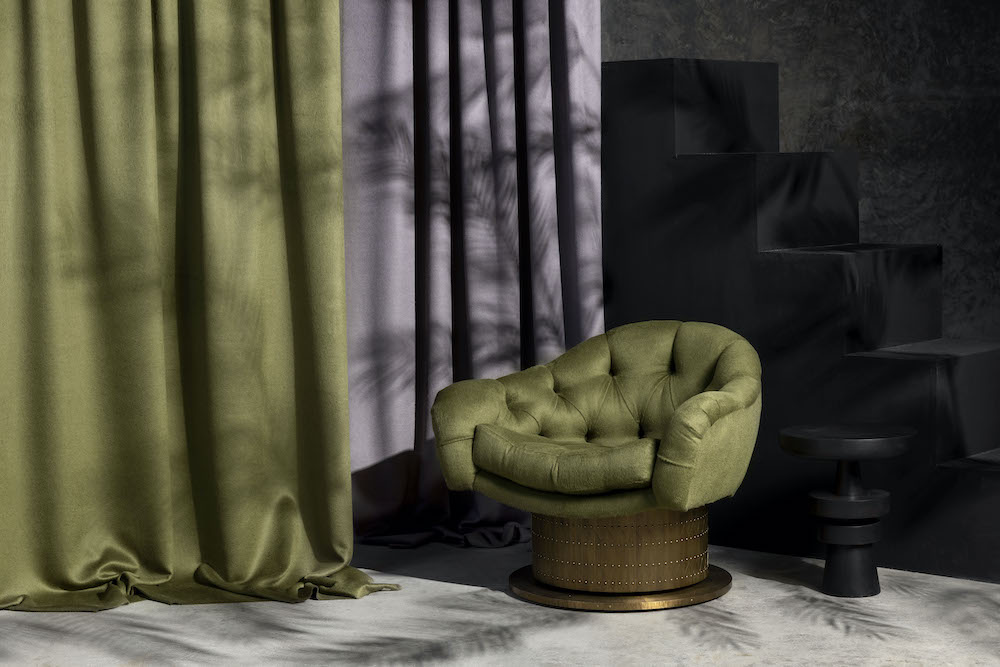
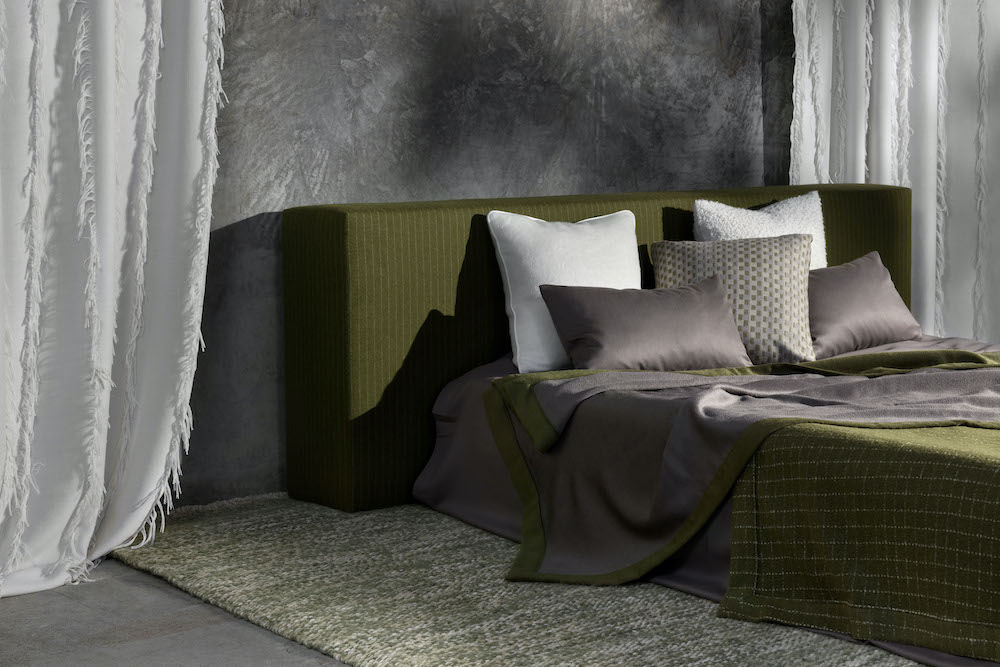
Sandra Jordan, founder and CEO of Sandra Jordan Prima Alpaca, joins us this week alongside her nephew, architect Franco Ferraro, to discuss their recent collaboration in the Sombra y Luz Collection. Exploring the parallels between architecture and textile design, the collection is all about the dichotomy and balance of light (luz) and shade (sombra).
Raymond Paul Schneider: When did you first start to develop this new collection?
Sandra Jordan: Franco and I first started developing the new collection after a few conversations about design and architecture we had late in 2021. It usually takes more than a year to design new products, but concepts for Luz & Sombra were quickly developed.
RPS: What was the overall timeline from conception to achieving the final design?
Franco Ferraro: It took us a full year to go from concept to photography. We start by looking at samples from our mill, sketching and brainstorming concepts. Then we enter a development stage with the mill, where we start experimenting with the designing and weaving. This is the most important stage, because it determines if our ideas end up being actually feasible. We are lucky to count on a multidisciplinary team of designers, textile engineers, and artists at our mill to make this process run smooth.
RPS: What was your initial inspiration, and where did the idea(s) come from?
FF: Inspiration came from the play of light and shadow and wanting to explore how that could be translated into textiles. We began discussing architecture, which is also about the relationships volumes and surfaces have with light. The idea evolved into exploring the parallels between architecture and textile design, specifically the role light and shadow has in spatial composition.
SJ: This collection is a playful departure for me, while I often look to nature for inspiration, Franco brought his interest in architecture and a modern edge. This collection explores several of our signature textures in original ways as well as adding new delights.

RPS: Please describe your overall creative and design process.
FF: The creative process is all about playing with ideas – we start by looking at samples from our mill, but quickly enter a rhythm of weekly discussions with the goal of developing the design a little bit every session. After we are happy with the designs, we start going back and forth with the mill to finalize construction and weave design for the fabric. Testing is key in this stage. We play with different scales, yarns, and technology to transform our ideas into beautiful textiles.
RPS: Did you have a specific audience or theme that you had in mind?
FF: Our textiles are very versatile, and we aim to cater to flexibility of style. Nevertheless, we saw we needed to expand our library of photography to more contemporary applications and designed the photo shoot to reflect this. We drew inspiration from many sources, including shadows from Fritz Lang’s Metropolis, the work of architect Luis Barragán, the sets of Squid Games, and Giorgio de Chirico’s oneiric paintings.
RPS: Please describe the methods, tools, and materials you used to develop and prototype this design?
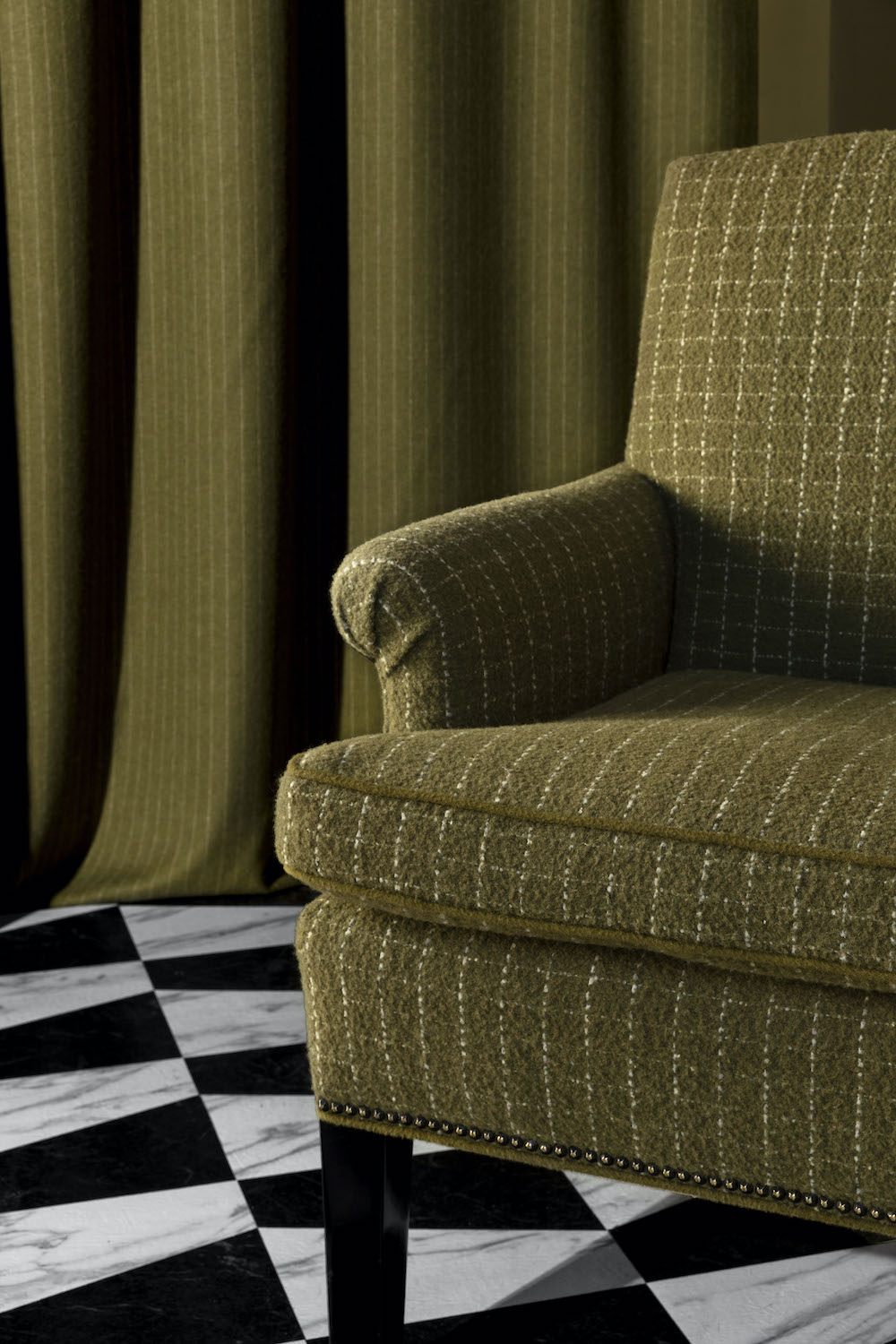
SJ: This collection continues our exploration of innovative weaves in this luxury fiber. Design is about failure and adjustment, and there is a lot of creative effort put into producing our new designs.
FF: We use various digital and physical tools for iteration, including CADs, renderings, collages, and actual small textile runs in our mill. Not everything always works. Our goal is for our textiles to feel effortless; which is in our opinion the way towards timelessness.
RPS: Describe your overall brand DNA and Ethos.
SJ: I hope to share the storied history of one of the oldest luxury fibers and make it more accessible. Natural fibers provide a unique experience. Each one is subtly different and beautiful because they all come from nature. Alpaca fiber is incredibly special, and all of our textiles are crafted in the Andes of Peru.
FF: At SJPA, we aim to perpetuate the role alpaca fabric has in design, and thrive to push the limits of its usage in new contexts. This we do by designing wholeheartedly in California, and crafting exquisitely in Peru. Our creativity comes from our diversity of different disciplines including art, design, architecture, and engineering.
Click here to see more of our “Anatomy of a Design” series.
Like what you see? Get it first with a subscription to aspire design and home magazine.